I’ve spent a week with the Geely Starray EM-i Inspire and it’s the bad news for Toyota, and in fact all the Japanese and Euros. The $20,000 price gap between this and the RAV4 PHEV is not justified by what you get behind the wheel. Not even close.
China overtook Japan last month as Australia’s biggest source of new cars. The legacy brands saw it coming and closed their eyes hoping for the best. The Starray is exhibit A in why that complacency caused a 25% drop in Toyota’s first few months. But for some reason every single legacy brand has seriously misjudged punters, world-wide.
The recent Trump’s-war-on-the-world has shifted the tectonic plates even further and there is no coming back. Although a few months of sales data do not a trend make, the writing has been on the wall for several years and predictions, although accurate in tone, have hopelessly underestimated the timeline.
Download the Specifications here
Above: Geely Starray and Which Driveline Is Best for You
#GeelyStarray #PHEVReview #GayCarBoys

Help Support Gay Car Boys Subscribe to our Youtube Channel by SMASHING THE BUTTON ABOVE


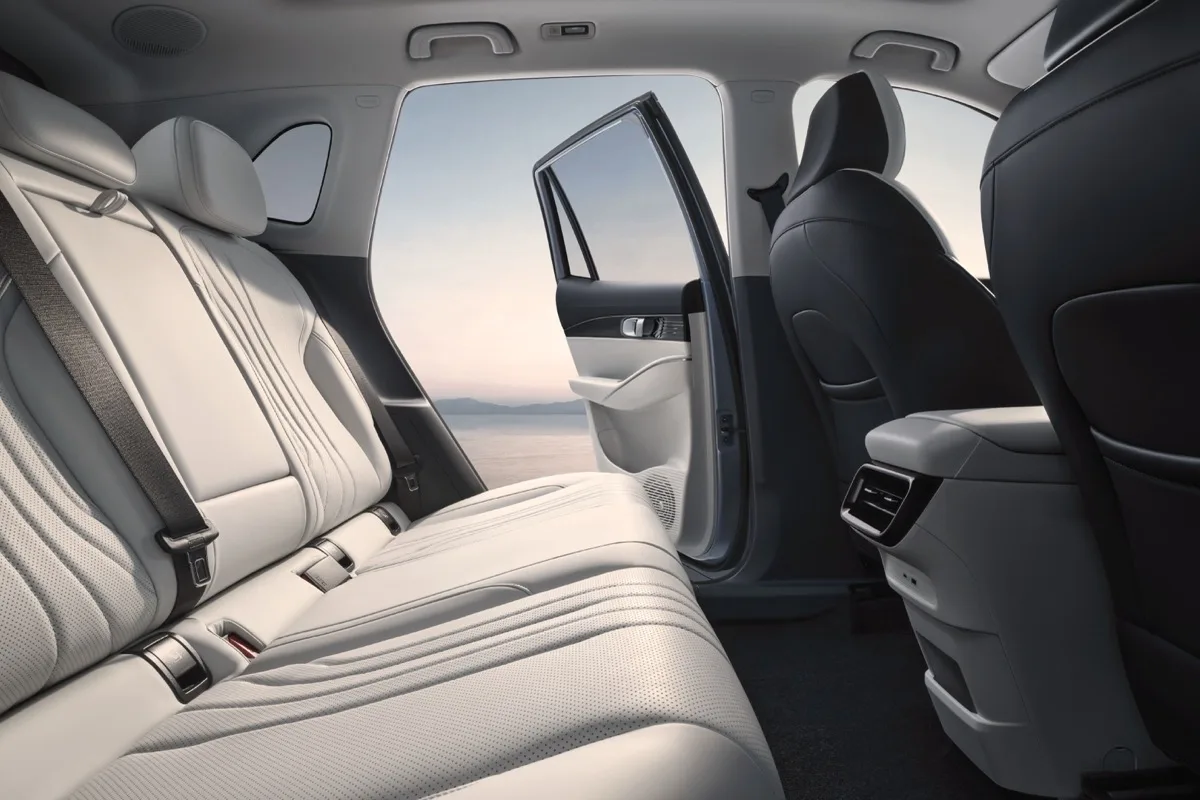
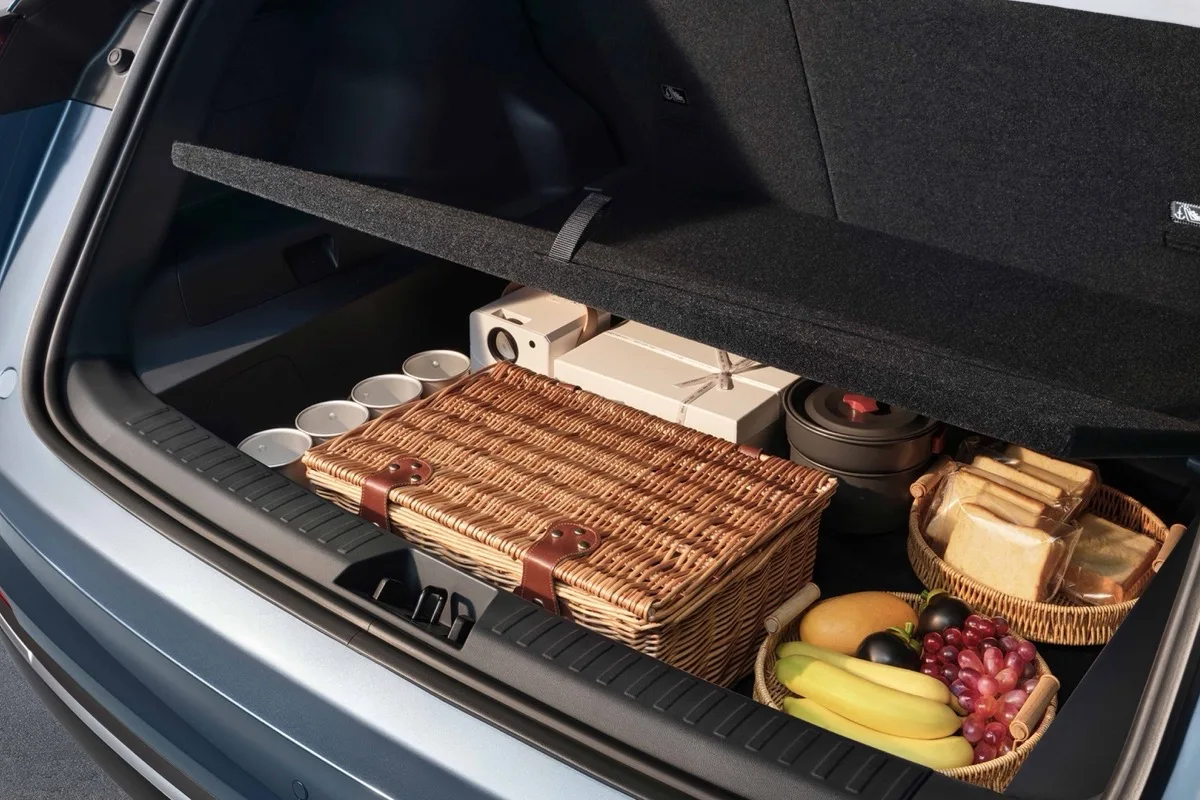
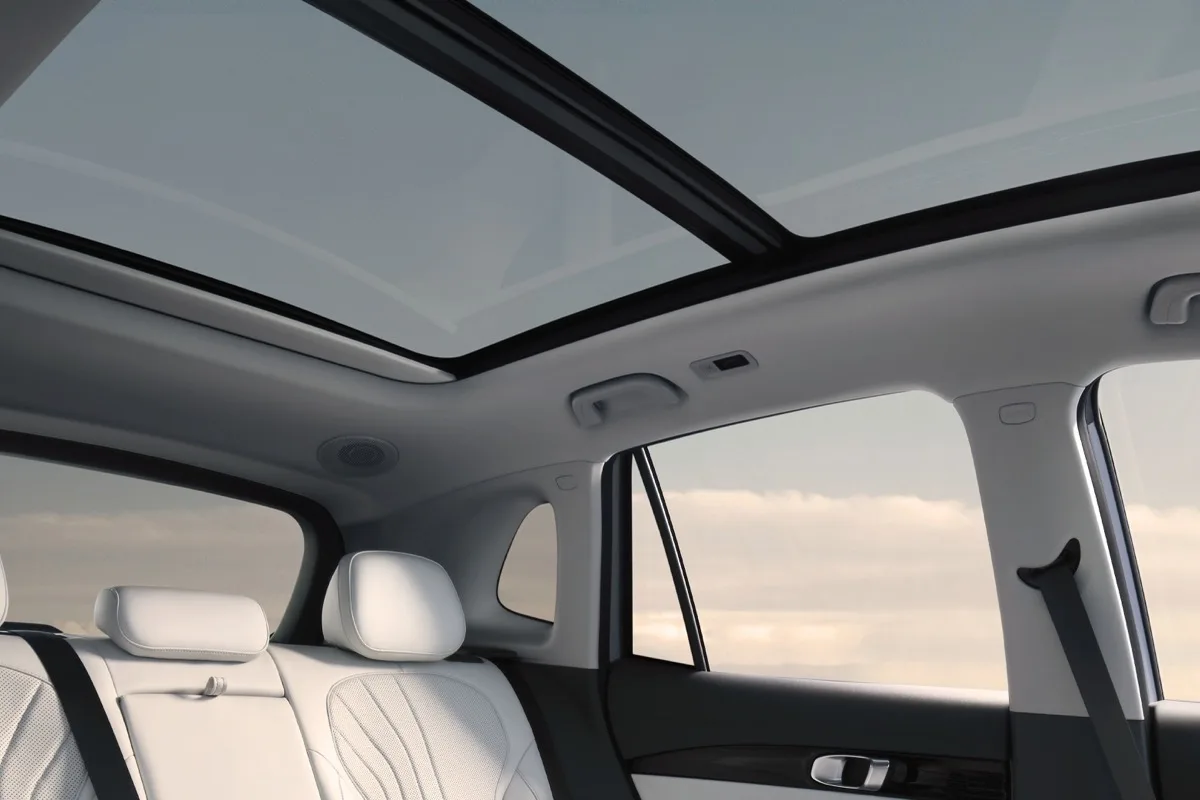
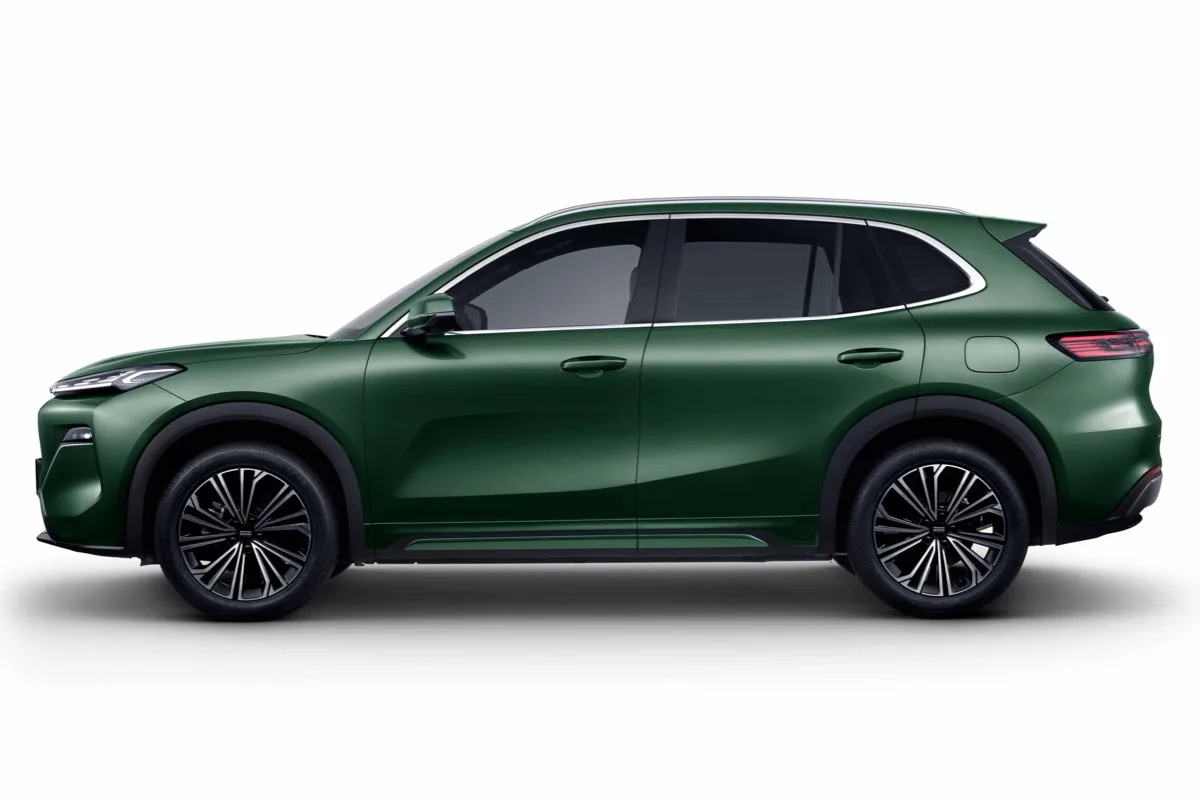
ABOVE: 2026 Geely Starray EM-i Inspire exterior and interior views
The Week in the Saddle
After seven days of city lanes, highway stints, and the obligatory Bunnings pilgrimage, the Starray was a properly pleasant carriage to live with. The cabin is comfy and cosy. The ride is soft, and while some reviewers have grumbled about wafty tendencies, I found it to my tastes. It soaks up Sydney’s goat-tracked neglect without complaint.
The 8-second 0-100 feels leisurely rather than brisk, but that misses the point entirely. This is not a car for a traffic light drag sesh. It is a car to turn the daily grind into a contemplative Zen temple, and at that job it excels. The 1-speed auto delivers that deliciously smooth EV feel that makes traditional hybrids feel like poor cousins. It is remarkably quiet too.
For the most part, it is hard to pick the difference between this and the Smart cars which Geely co-owns with Mercedes. A nice solid feel throughout punches well above its weight, and cost.
Handling is more than adequate for how most people will actually use this car. Push it on a winding road and yes, the body gets the wobbles up, and the steering comes over all vague like a politician at a press conference. But the Lexus NX 450h+ at nearly three times the price was not three times better.
The Value Equation
At $39,990 before on-roads, roughly $44,000 driveaway, the Starray Inspire undercuts a base Toyota RAV4 Hybrid by over five grand. And remember, the Geely is a proper PHEV with 60-80km of real-world electric range, while the RAV4 Hybrid has almost none.
The equipment list reads like a high-dining menu. For $2,500 more than the base Complete, the Inspire adds 19-inch alloys, panoramic glass sunroof, power tailgate, head-up display, wireless phone charger, cooled front seats, 256-colour ambient lighting, and a 16-speaker, 1,000-watt FLYME sound system. FLYME is an integrated sound and AI company that Geely bought and brought in-house. That is an upgrade I struggle to think of another OEM who has their very own OS and audio department.
Interior fit and finish far exceeds the modest asking price. Soft-touch surfaces, pinstriped genuine fake article wood accents, and in the Ivory White GeeLuxe exclusive to the Inspire, looks glamourous. I suspect if you weren’t told otherwise you’d think half a herd threw down their lives to provide a club vibe.
The Niggles
No spare tyre. Just a repair kit that has never once worked for me. Each and every time I’ve sat like a plonker waiting for a flat-bed to attend. One such wait was almost four hours. Yes, I am looking at you Honda. Other incidents have left me stranded, but 90% have been tyres.
No AC charging cable in the box. You will need to fork out $300 each for the home AC and public AC accessories. Forgivable at this price perhaps, but you’d need to know before you leave the order form.
DC fast charging tops out at 30kW. Slow, but acceptable for the entry level PHEV with 18kWh battery. You are not going to be doing cross-country road trips on DC charging anyway. This is a commuter car that you plug in at home overnight.
When the 1.5-litre petrol engine fires up, it gets a bit rambunctious. The transition from electric silence to petrol is not as seamless as the Lexus. But is the Lexus really three times better? No.
The RAV4 PHEV Problem
Toyota has finally released a plug-in RAV4, starting at $58,840 plus on-roads. That is $64,000 driveaway. A wallet-sapping $20,000 premium over the Geely for a car that parks in the same Woolworths space.
The RAV4 PHEV has genuine strengths. More power (200kW vs 193kW), faster charging (11kW AC, 50kW DC), and around 100km of claimed electric range. It also has a 1.5kW boot inverter.
But the Geely’s V2L system pumps out 6.6kW, outgunning the Toyota four-to-one. And at the XSE level, the RAV4 is still missing the 1,000-watt sound system, ambient lighting, and head-up display that the Geely hands you for $20,000 less.
Toyota had better hope badge loyalty is worth twenty grand, because the spec sheet says otherwise.
ADAS and More
The cruise and lane control is helpful without being intrusive but thanks to Brussels we have gongs. The overspeed is silenced through the menu and the hope is that it will eventually join the group of options programmed to quiet time list on the steering wheel button. It is a clever idea and a good foil for the nanny-state attitude coming from the Euro zone.
I loathe cars talking to me, beeping at me, and otherwise being unwelcomely pushy. Likewise putting everything under menus rather than a discrete set of curated buttons.
I had to ask for the radio to be turned on after every restart because drivers are already busy faffing around eradicating gongs. Like all cars with sign recognition the Geely is wrong much of the time. It is an industry-wide system that needs to be on the naughty step even in the much-maligned Tesla.
In most models speed signs can be linked to the smart cruise with all the chaos one would expect.
The Verdict
The Geely Starray EM-i Inspire is not perfect. The petrol engine is coarse, the spare tyre is absent, and you have to buy your own charging cables. But at this price, with this equipment, it makes the established competition look like they are either asleep at the wheel or taking the absolute mickey.
Stunning value. Much better than a hybrid. Worth a look for anyone wanting a PHEV without the luxury price tag.
The Chinese have been threatening the old mastheads for years. With the Starray, Geely has several brands under its brolly and as charging gets faster, pure EV models will be the obvious choice. Meanwhile you could drive these PHEVs with the engine rarely firing up, but in the era of uncertainty petrol is fast becoming not just a dirty word, but a death knell.
The old brands should be worried. They are not. That is their mistake.
Geely Starray EM-i Inspire Specifications
| Spec | Detail |
| Engine | 1.5L 4-Cyl Petrol + Electric Motor |
| Combined Power | 193kW |
| Electric Motor | 160kW / 262Nm |
| Battery | 18.3kWh (LFP) |
| EV Range | 83km (claimed) / ~65km (real world) |
| Combined Range | 943km (claimed) |
| Fuel Economy | 2.4L/100km (claimed) |
| 0-100 km/h | 7.9 seconds |
| Boot Space | 428L (seats up) / 2,065L (folded) |
| Charging | 6.6kW AC / 30kW DC |
| V2L (Vehicle-to-Load) | 6.6kW |
| Driveaway Price | ~$44,000 |
| Warranty | 7 years / unlimited km |
Geely Starray EM-i Inspire vs Toyota RAV4 XSE PHEV
| Feature | Geely Starray EM-i Inspire | Toyota RAV4 XSE PHEV 2WD |
| Engine | 1.5L 4-Cyl + Electric | 2.5L 4-Cyl + Electric |
| Combined Power | 193kW | 200kW (227kW AWD) |
| Battery | 18.3kWh (LFP) | 22.7kWh (Li-ion) |
| EV Range (claimed) | 83km | ~100km |
| AC Charging | 6.6kW | 11kW |
| DC Fast Charging | 30kW | 50kW |
| V2L / Vehicle-to-Load | 6.6kW | 1.5kW |
| Boot Space | 428L | 672L |
| Display | 15.4-inch | 12.9-inch |
| Sound System | 16-speaker 1,000W | 6-speaker |
| Head-Up Display | Yes | No (Cruiser only) |
| Cooled Seats | Yes | Yes |
| Panoramic Sunroof | Yes | Moonroof only |
| AWD Option | No | Yes (+$4,500) |
| Warranty | 7 years / unlimited km | 5 years / unlimited km |
| Driveaway (approx.) | ~$44,000 | ~$64,000 |
More Stories
- Geely Starray Inspire Stellar SUV Stuns Sceptics Silly
- 2026 Toyota RAV4 PHEV Finally Arrives in Australia
Help Support Gay Car Boys Subscribe to our Youtube Channel

Alan Zurvas is the founder and editor of Gay Car Boys, Australia's leading LGBTQI+ automotive publication. Before launching GCB in 2008, Alan's automotive writing was published in SameSame.com.au and the Star Observer. With over 16 years of hands-on car reviewing experience, Alan brings an honest, irreverent voice to every review — championing value and innovation over brand loyalty.
Leave a Reply