Lexus just blew the candles out on its 35th Australian birthday cake. Remember the doubters who thought the posh Toyotas wouldn’t work? I do. I was one of them.
First, a little background. Toyota is still the king of the mountain. They just locked in their sixth straight year as the world’s top-selling car maker for 2025 by moving 10.32 million vehicles. They left the Volkswagen Group in the dust, who finished in second place with about 8.98 million sales.
While Toyota holds the overall crown, the real story is the shift in the electric market. BYD officially knocked Tesla off the top spot to become the world’s largest electric car maker in 2025. The Chinese giant sold 4.6 million vehicles last year with nearly half of those being pure battery electric. Toyota is winning the volume war for now, but the Chinese brands are growing fast enough to make the legacy players sweat. Like all old mastheads, Toyota should be worried.
Back to Lexus
Unlike Nissan’s twice-failed Infiniti, Lexus (Luxury Export US) has been a slowly boiling pot simmering away in the background. There have been stunning concepts and lusty production models like the gorgeous LFA supercar, plus a host of sedans and SUVs to whet buyers’ appetites. The numbers are a middle finger to anyone who thought Japanese luxury wouldn’t last. They just crossed the 200,000 sales milestone since launch. That is modest compared to BMW and Mercedes over the same period, but they weren’t starting from scratch.
Then there is the dual branding. Many Lexus models were sold as Toyotas in other markets, diluting the luxury moniker. They started as a challenger brand with the LS400 but are now setting a cracking pace. Yet, like other legacy players, they are scrambling to keep up with Chinese challengers.
After years of persistently avoiding pure EVs, the brand bosses claim Lexus is pivoting to a new mindset they call “Discover.” It is PR-speak for “getting their pioneer spirit back.” The 2025 data shows Lexus hit a record 76.5 percent electrified sales share. “Electrified” neatly bundles hybrid and plug-in hybrid models together with electric-only drivetrains to give Lexus more cred. Marketing has also convinced buyers worldwide that EVs are yet to fully mature and that hybrids are the way to go.
Above: This Week’s VIDEO Review –2026 Chery Tiggo 7 PHEV Ultimate -Why ASX is dead PART 2
#CheryTiggo7PHEV #MitsubishiASX #Remitzy #PHEVReview #GayCarBoys


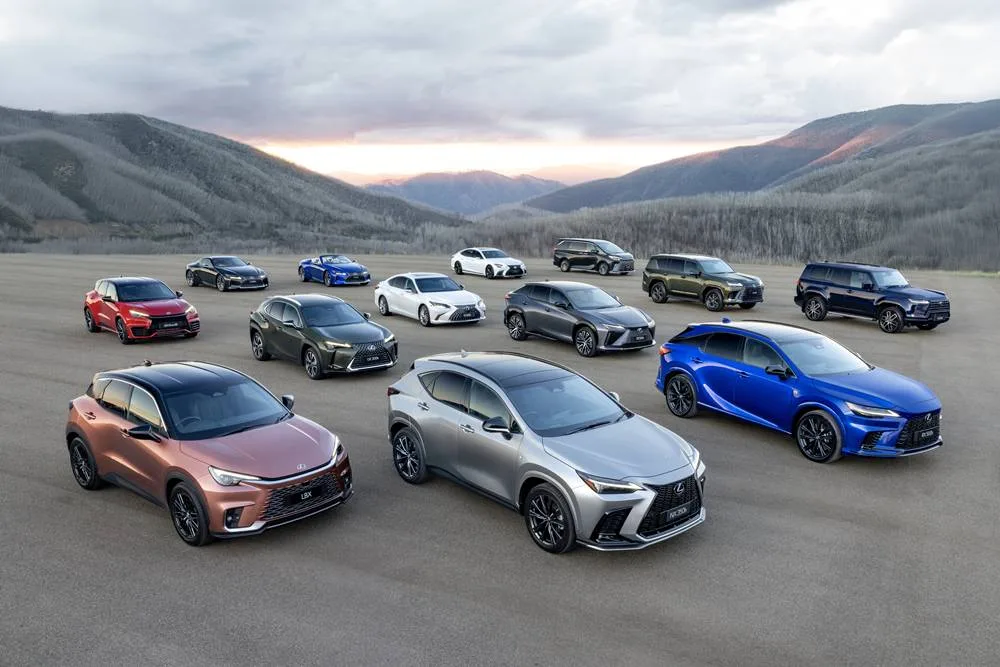
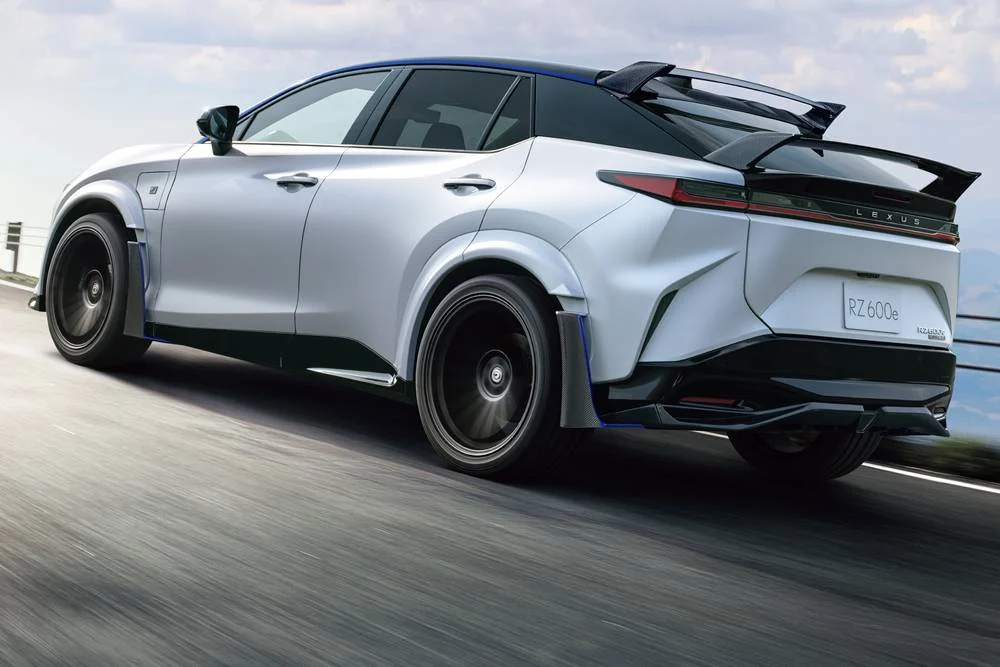

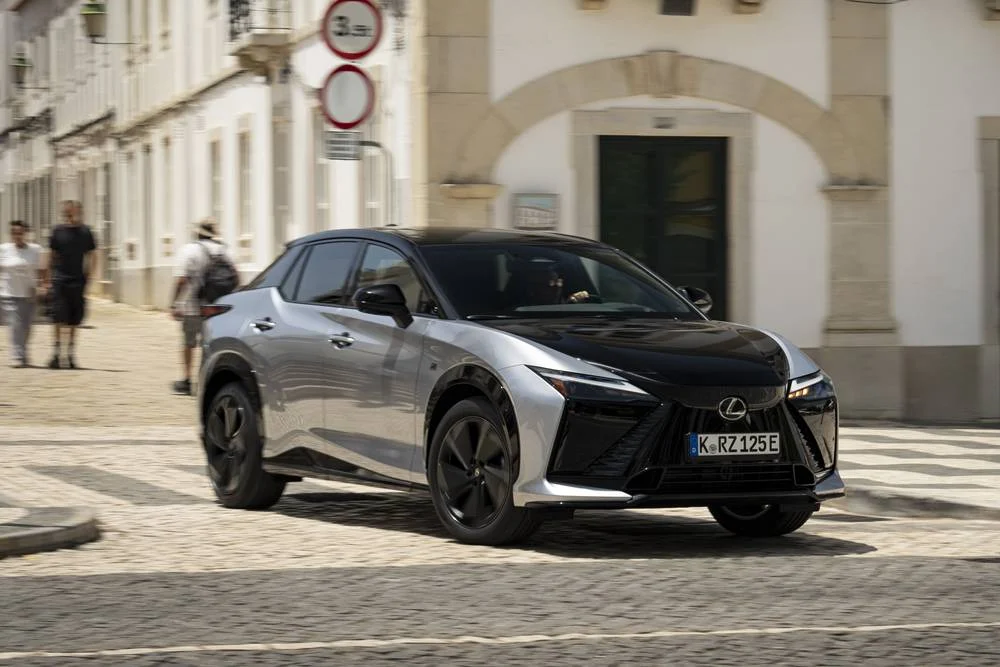
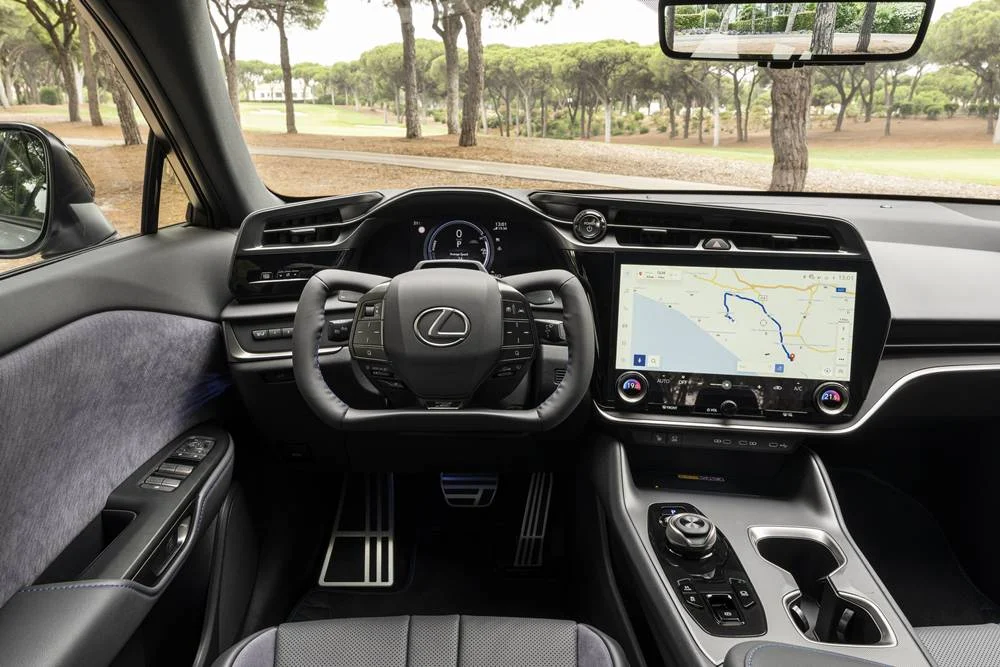
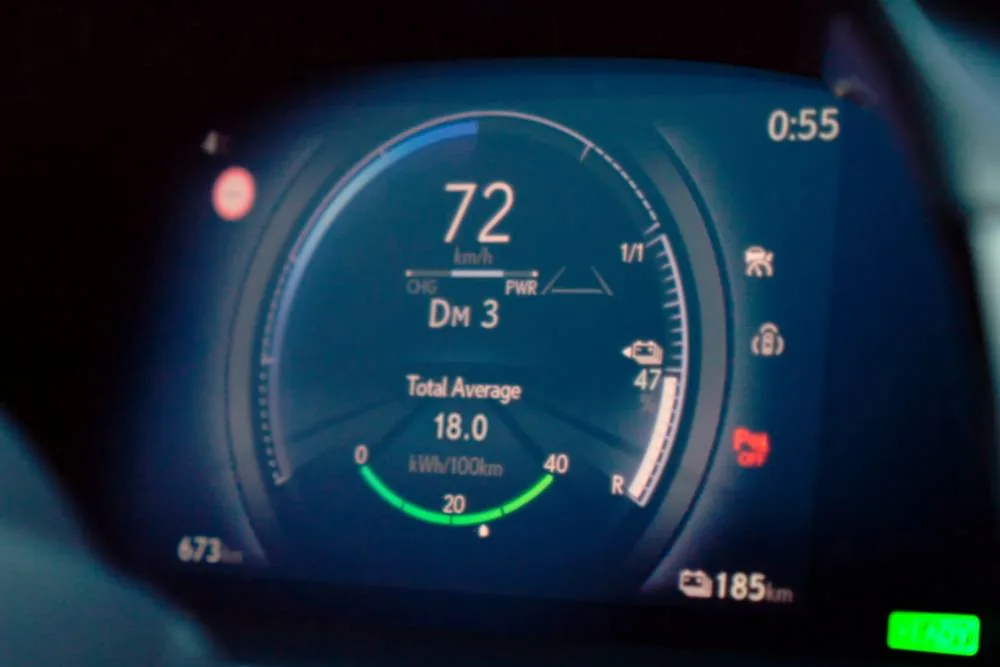

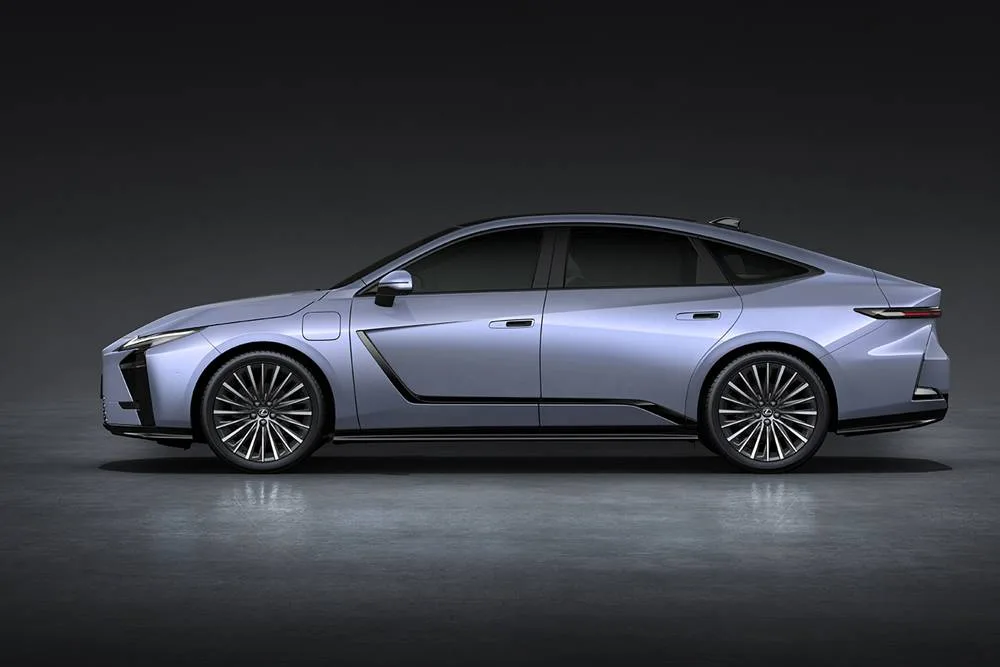
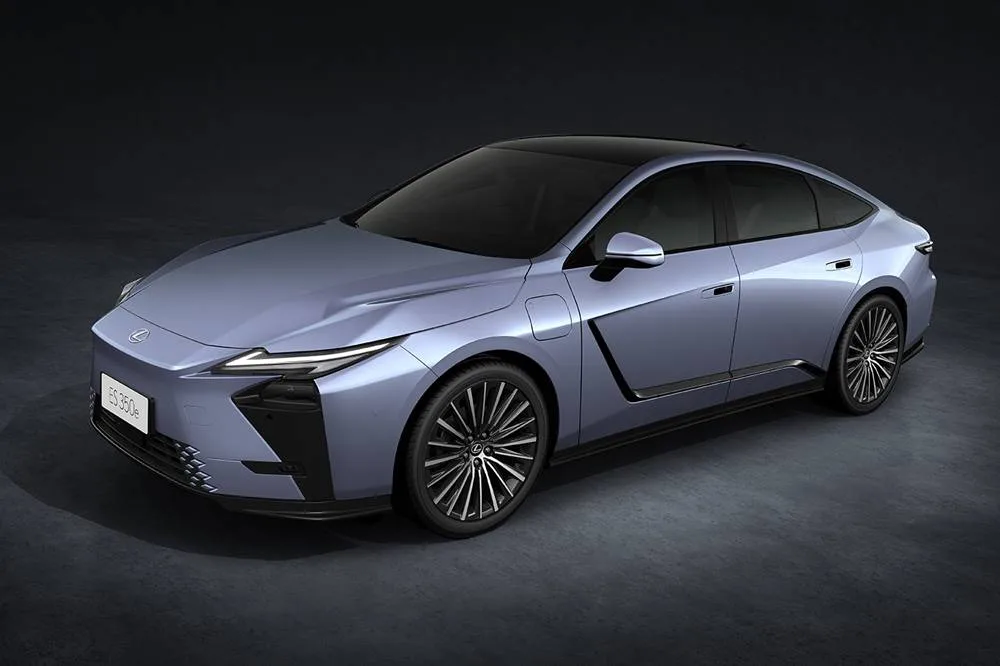
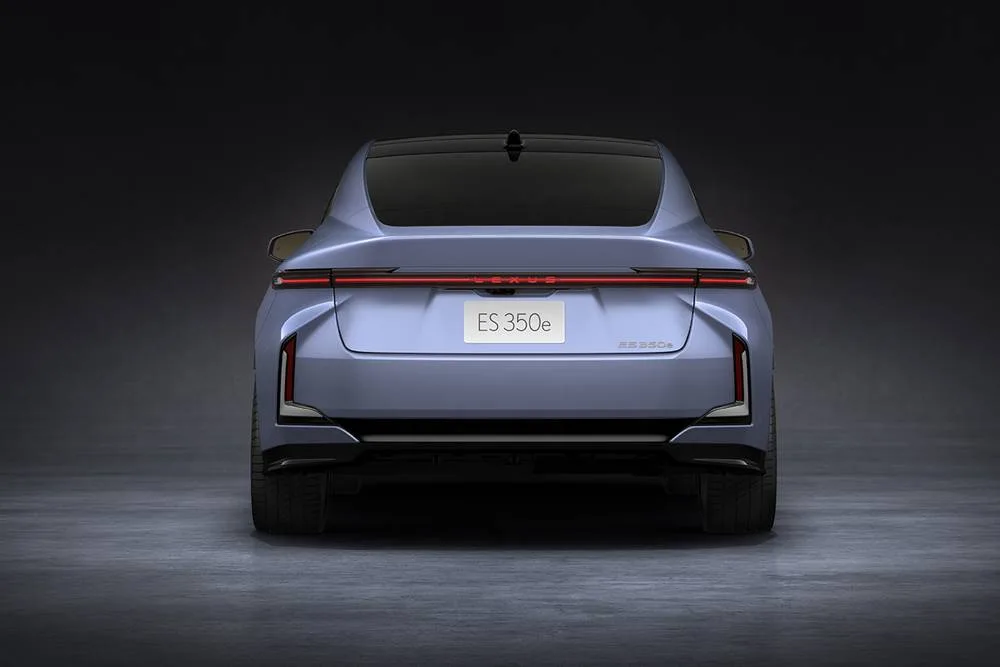
ABOVE: Lexus models
The Voltage Gap
The problem for Lexus is the hardware under the skin. The brand is serving up 2022 tech in a 2026 world. The Lexus RZ is built on a 400V architecture, which limits its DC fast-charging to a peak of 150kW. In the real world, a 10% to 80% charge takes about 30 minutes on a good day.
Meanwhile, the Koreans—Hyundai (Ioniq 5/6) and Kia (EV6/EV9)—have been running 800V systems for years. They can pull 230kW+ and do that same 10% to 80% sprint in just 18 minutes. Then you have the Chinese: Zeekr’s “Golden Battery” (LFP) is currently hitting that 80% mark in roughly 10.5 minutes. While the Lexus owner is still waiting at the charger for their “Zen transport” to finish, the competition is already back on the road.
The Heavy Hitters
Despite the tech gap, the NX is still the heavy hitter for the 11th year in a row. It makes up over 40 percent of everything Lexus sells here. Even more impressive is that over 83 percent of those NX buyers went for a plug-in or hybrid setup. People aren’t just buying these for the badge anymore; they want the updated tech. Since 2014, Lexus has shifted over 45,000 of these mid-size SUVs.
The RX followed right behind as the second most popular choice. It is the go-to for families who want to look like they have their lives together but don’t fancy the hideously unreliable German and British brands. A staggering 84.4 percent of RX buyers chose an electrified version. Lexus claims this is the “luxury of choice,” but it is just common sense—decent performance without burning as much fuel.
Looking to 2026
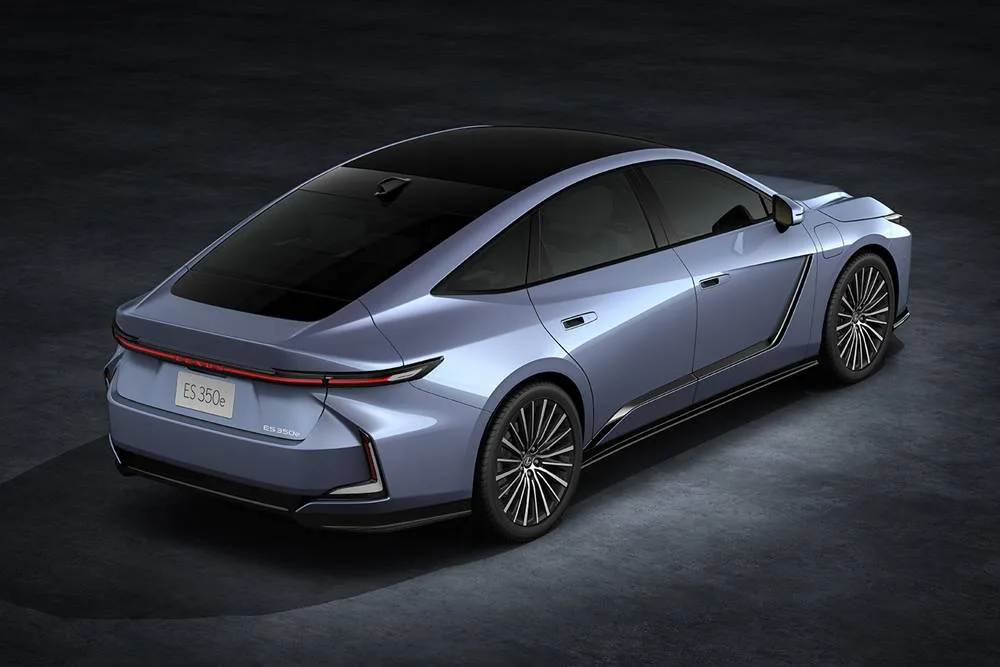
Lexus Australia boss Jack Hobbs is already looking at 2026 with two big arrivals. First up is the new-generation ES luxury sedan. Lexus claims this one will be the poster child for their next-gen battery electric tech, though with a 150kW charge cap and 550km (WLTP) range, it’s still trailing the superior tech already on the road from BYD and Tesla. They keep dangling Solid-State Batteries as a future savior, but those won’t hit mainstream production until 2028 at the earliest.
The real enthusiast bait is the updated RZ electric range landing in the first half of 2026, including an F Sport version. Until now, the RZ, Subaru Solterra, and Toyota bz4X have been a bit sad—they over-promised and under-delivered. The updated RZ will feature steer-by-wire and “Interactive Manual Drive”—a virtual gear-shifting system that mimics a real gearbox. It’s a clever trick to make sure electric driving isn’t a soul-sucking experience, and it might just distract buyers from the fact that the actual battery tech is miles behind the pack.
Lexus had a big 2025 and 2026 looks even busier. They are moving fast, but unless they fix the charging and voltage gap, they’re just putting a very expensive suit on an old battery.
More LEXUS at GayCarBoys
- Sexy Men Drive 2021 Toyota Yaris Cross
- Lexus IS’s Midlife Facelift is More Than Skin Deep
- Toyota and LEXUS Fuel Pump Recall for Thousands of Vehicles
- LEXUS brings LC Convertible to Australia
- Small SUV Comparison: Citroën C3 Aircross VS LEXUS UX
- 2019 LEXUS LC 500 Review and Road Trip

Alan Zurvas is the founder and editor of Gay Car Boys, Australia's leading LGBTQI+ automotive publication. Before launching GCB in 2008, Alan's automotive writing was published in SameSame.com.au and the Star Observer. With over 16 years of hands-on car reviewing experience, Alan brings an honest, irreverent voice to every review — championing value and innovation over brand loyalty.
Leave a Reply