Britain has gone speed camera crazy. Not mildly mincing, not enigmatically enthusiastic, but properly, ingloriously, bureaucratically barking mad. New figures pulled together by OOONO, through Freedom of Information requests across 24 UK police areas show speeding fines have hit a four-year high, and some roads now look less like public infrastructure than reverse-ATMs with lampposts.
While this is very much a UK story, it is a cancer spreading over the whole planet, metastasising without mercy.
British police areas, British boroughs, British 20mph creep, British camera clutter, British drivers’ bones being picked clean by simply using roads they have used for years. But if you are reading this from Australia with a self-satisfied little grin, best get rid. We adore importing this sort of misery once it has been gift-wrapped as “road safety”. If the government was serious about lowering the toll they’d put more police on the beat, not hire parasitic private operators to send out fines 3 weeks later. How does that stop a crash today? If it did there’d be no crashes and indeed, no fines.
Why are UK speeding fines soaring
West Yorkshire handed out 384,219 fines in 2024/25. Devon and Cornwall managed 184,242. Warwickshire still hit 177,373 even after dropping back from the previous year, when a temporary average speed camera on the M6-M42 southbound link in Water Orton gave the numbers a proper steroid jab. West Midlands surged 67% to 147,070. Nottinghamshire rose again as well. Across 22 of the 24 police areas in the FOI request, fines were up. That is not a blip. That is a feeding frenzy.
Then there is London, beautiful, crazy, frantic London. It has embraced this insanity with the sort of civic gusto not seen since the blitz rebuild. The capital recorded 778,600 speeding tickets in total. Kensington and Chelsea rose 1,507% year on year. Lambeth climbed 295%. More than half of London’s roads now sit under a 20mph limit, and 21 of the city’s 33 boroughs have made that the default.
Above: 2026 Polestar 2 DM Performance The Forgotten Polestar is Fabulous
#Polestar2 #EV #BowersWilkins #ElectricCars #SwedishDesign

Help Support Gay Car Boys Subscribe to our Youtube Channel by SMASHING THE BUTTON ABOVE


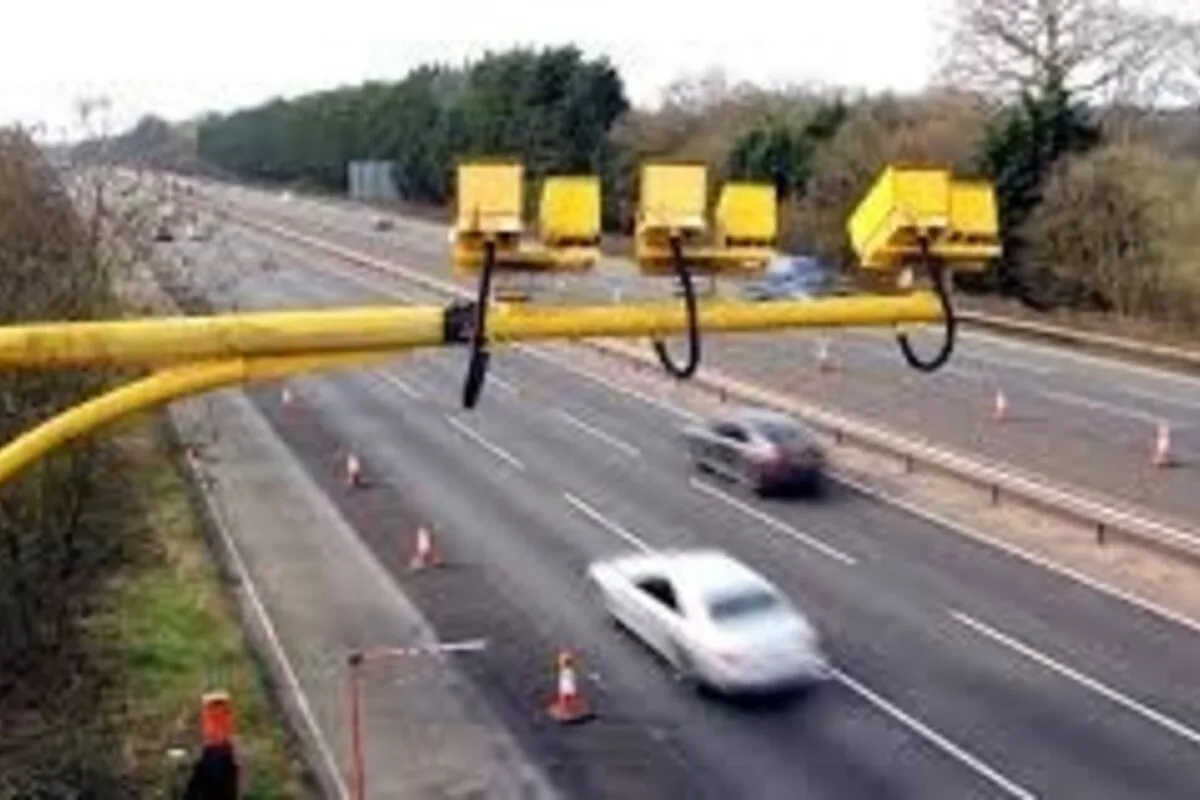

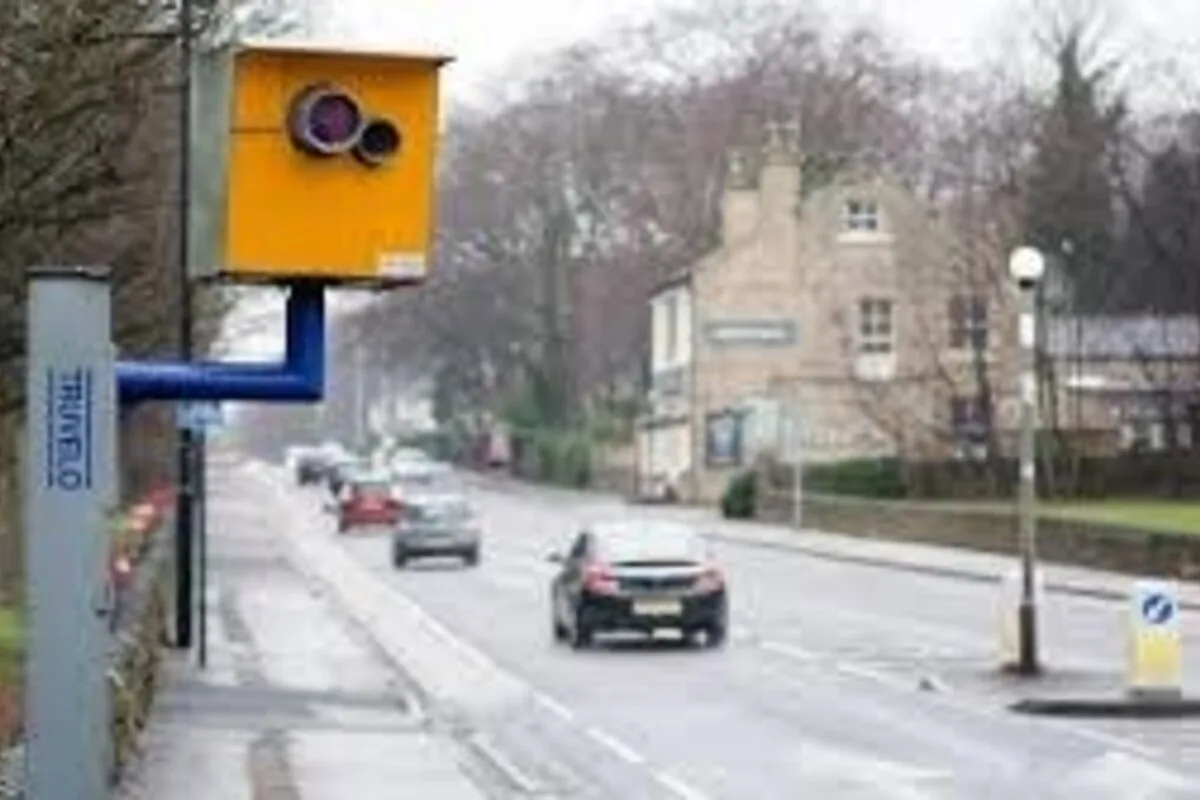
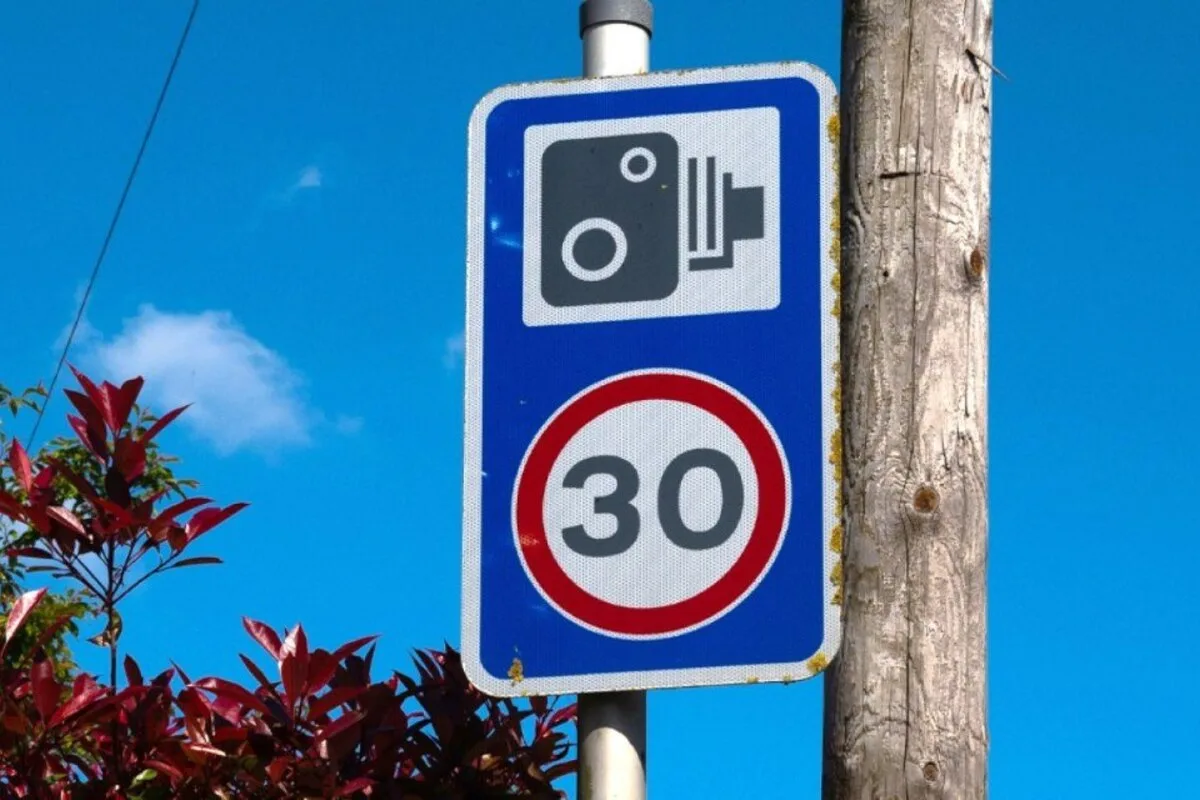
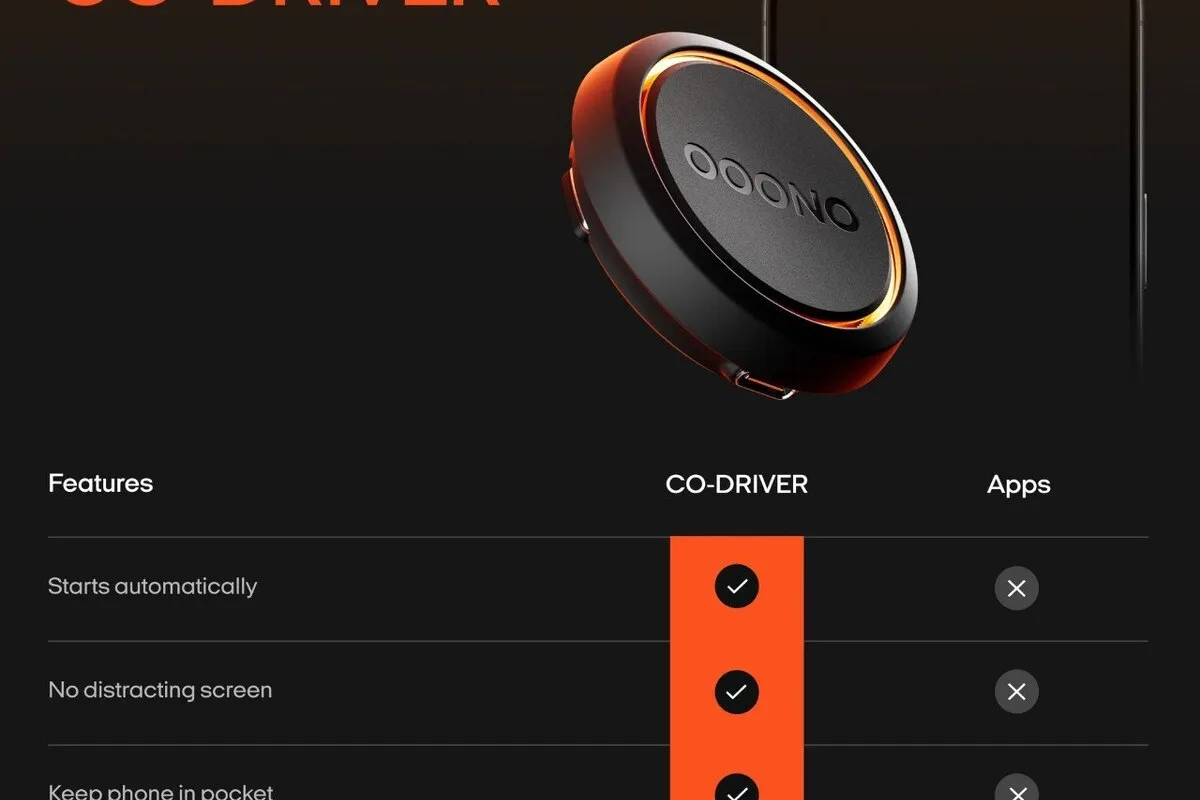


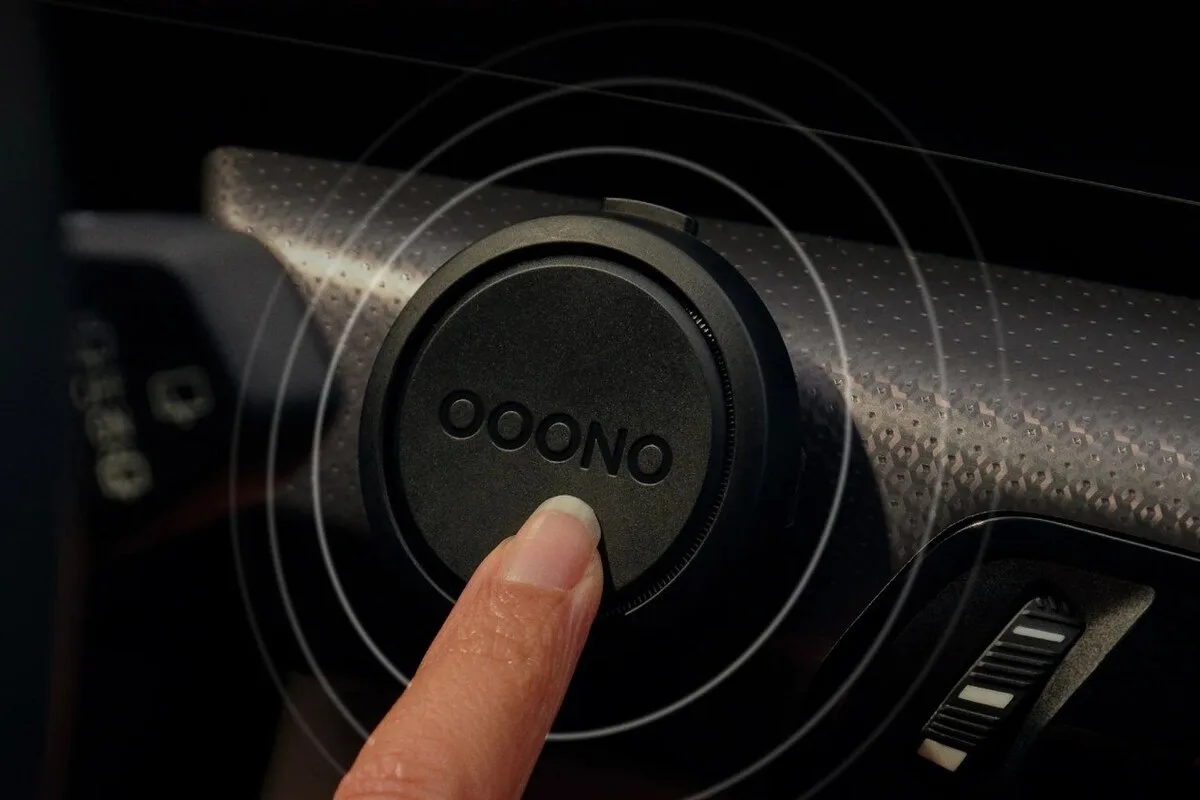
ABOVE: UK speed camera hardware and OOONO promotional graphics around rising British enforcement
One camera on the A40 in north-west London issued 50,000 fines in 2024, which is not enforcement so much as industrial-scale harvesting. How can it be seen any other way?
Even the gorgeous Eddie Redmayne has reportedly been stung for more than £1,500 this week, which rather proves the camera is the most democratic creature in Britain. It does not care if you are a tradesman in a battered van, a suburban dad in a crossover, or a rather dishy ginger Oscar winner gliding about in something expensive enough to have scented headrests.
Why Britain is suddenly drowning in fines
Because the system has become exquisitely good at catching people who have not recalibrated. That is the whole trick. Expand 20mph zones, pepper familiar routes with more fixed and average-speed cameras, move enforcement closer to home, then wait with hands enthusiastically rubbing themselves down to the hypodermis. Drivers are creatures of habit and governments know it, councils know it, and the sycophantic camera operators certainly know it.
The old assumption was that the danger lived on motorways and heroic A-roads, where one might expect to be watched by a yellow box with a grudge. Not now, residential streets, shopping strips, commuter drags, and roads people could drive half-asleep from muscle memory have become the Hunger Games. If you have not adjusted, the state is delighted to help itself to £100 and three points while gaslighting you to within an inch of your life. It is all for your own good, you made us do it to you. Yeah nah, not buying that old todge.
To be fair, some of this will be about safety. Some roads should be slower because some drivers are complete tits. Some urban limits were absurdly generous for the density and chaos around them. That’s all well and good, but once the machine bloats to the size of Venus, the dense money grabber becomes a highly profitable grift. the public stops seeing a noble safety crusade and starts seeing an ex-royal promising a Netflix series but not delivering after payment.
What OOONO is doing with all this
OOONO, naturally enough, is using the numbers to flog its CO-DRIVER gadget, which warns motorists about cameras and road hazards with a neat little beep and a no-fuss dashboard puck. It does a kind of navigation too.
Yes, you get warning from Wayz and Google, but this is better, and easier. There is something almost poetic about that. First the roads become a surveillance obstacle course, then the market arrives to sell you a rather sexy electronic sherpa.
The company says many motorists do not realise how expensive some roads have become, particularly in London, where lower limits and denser camera coverage have created ideal conditions for a driver cull. That sounds self-serving because it is self-serving. It also happens to be true.
There is a ghoulishly modern circularity to the whole affair. Carmakers helped create cabins full of glowing screens, bings, swipes, and other distractions. Road authorities responded with ever more automated enforcement. Now another gadget turns up promising to save you from the first two. It is like watching one branch of modern motoring sell aspirin for the headache caused by the other branch.
Why Australians should pay attention
Because this sort of thing travels. Britain tries it, dresses itself in worthy language, and before long Australian officials side-eyeing the idea so that they too might improve public health, save civilisation, and accidentally raise a few million dollars before lunch.
We already adore cameras, adore blaming motorists, and adore pretending every new enforcement tool is purely educational. The ingredients are all sitting in the pantry.
So yes, this is a UK story. British figures, British boroughs, British roads, British motorists being frogmarched into a fresh understanding of urban limits. But it is also the kind of British story Australia should read with one eye open and one hand on the wallet. Once this sort of system starts breeding, it does not stop at the nice part of town. It multiplies, it normalises, and before long the yellow box on the pole is not a warning, it is a business model.
More Stories
- GM Wants You Off Your Phone While Carmakers Shove Everything Into Screens
- 2026 ANCAP Safety Ratings April Bring More Safety Winners and Losers
- Honda HART Celebrates 25 Years of RYDA Road Safety Training
Help Support Gay Car Boys Subscribe to our Youtube Channel

Alan Zurvas is the founder and editor of Gay Car Boys, Australia's leading LGBTQI+ automotive publication. Before launching GCB in 2008, Alan's automotive writing was published in SameSame.com.au and the Star Observer. With over 16 years of hands-on car reviewing experience, Alan brings an honest, irreverent voice to every review — championing value and innovation over brand loyalty.
Leave a Reply