General Motors would like drivers to stop staring at their phones. Quite right too. Distracted driving kills people, injures people, and turns an ordinary trip into catastrophe with ghastly ease. But there is an awkward wrinkle in all this finger wagging. Carmakers, GM included, have spent years stripping out physical controls and stuffing basic functions into giant dashboards full of screens that demand the same thing a phone does, your eyes, your attention, and your patience.
GM cites grim American statistics, including more than 3,200 fatalities in 2024 tied to distracted driving, plus hundreds of thousands of injuries. Fair enough. It also says its latest models have voice controls, hands free calling, and Driver Attention Assist systems intended to keep eyes on the road and hands on the wheel. Again, fair enough. But one is still left with a rather obvious question. Which screens are dangerous, exactly, only the one in your hand, or the enormous one glued to the dash doing the job buttons used to do without fuss?
That is where the hypocrisy gallops into the home straight. The industry warns us about distraction in one department while while the folks on the next floor down are designing interiors that increasingly rely on layered menus. There are glossy icons and digital control surfaces for tasks as basic as temperature, airflow, music, and seat functions. A proper knob can be found by feel. using a touchscreen on the go is like patty your head and rubbing your beer belly at the same time. So the very companies now preaching focus have helped build cockpits that demand more glances, more tapping, and more cognitive fog than ever before.
Above: Geely Starray and Which Driveline Is Best for You
#Geely #Starray #SUV #Hybrid #CarNews

Help Support Gay Car Boys Subscribe to our Youtube Channel by SMASHING THE BUTTON ABOVE


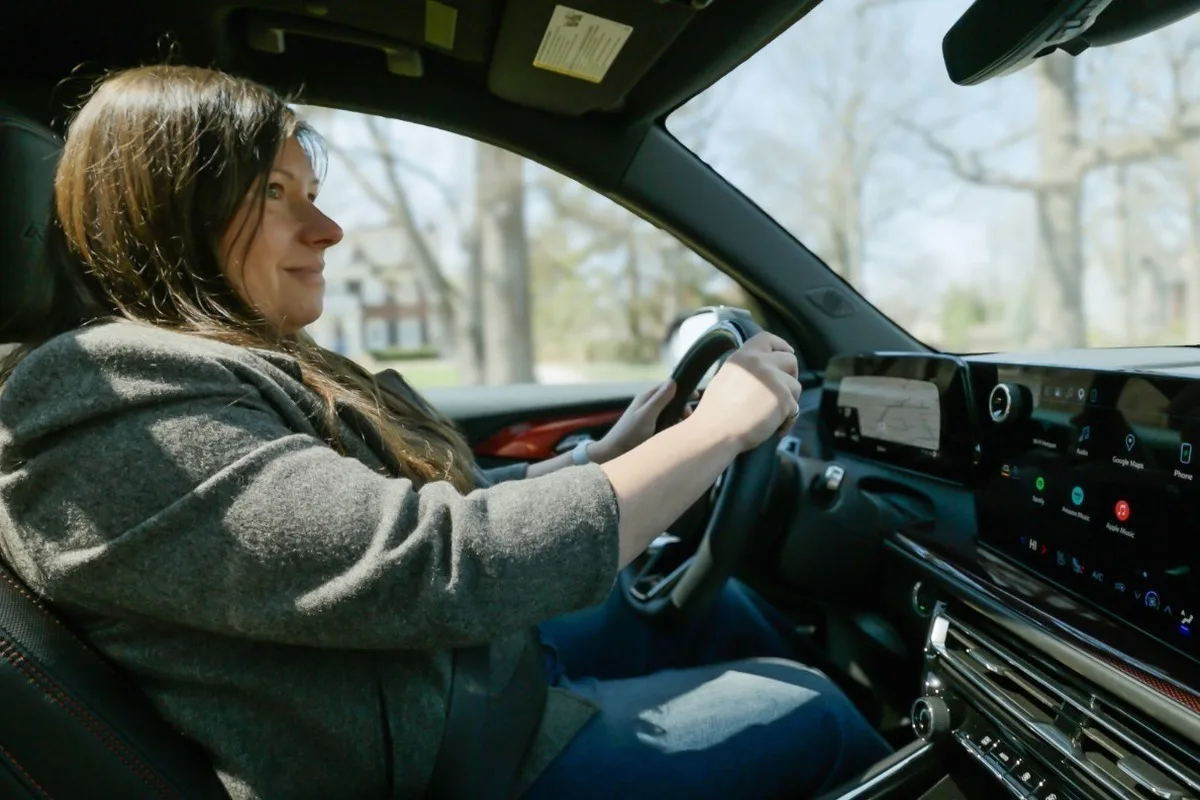
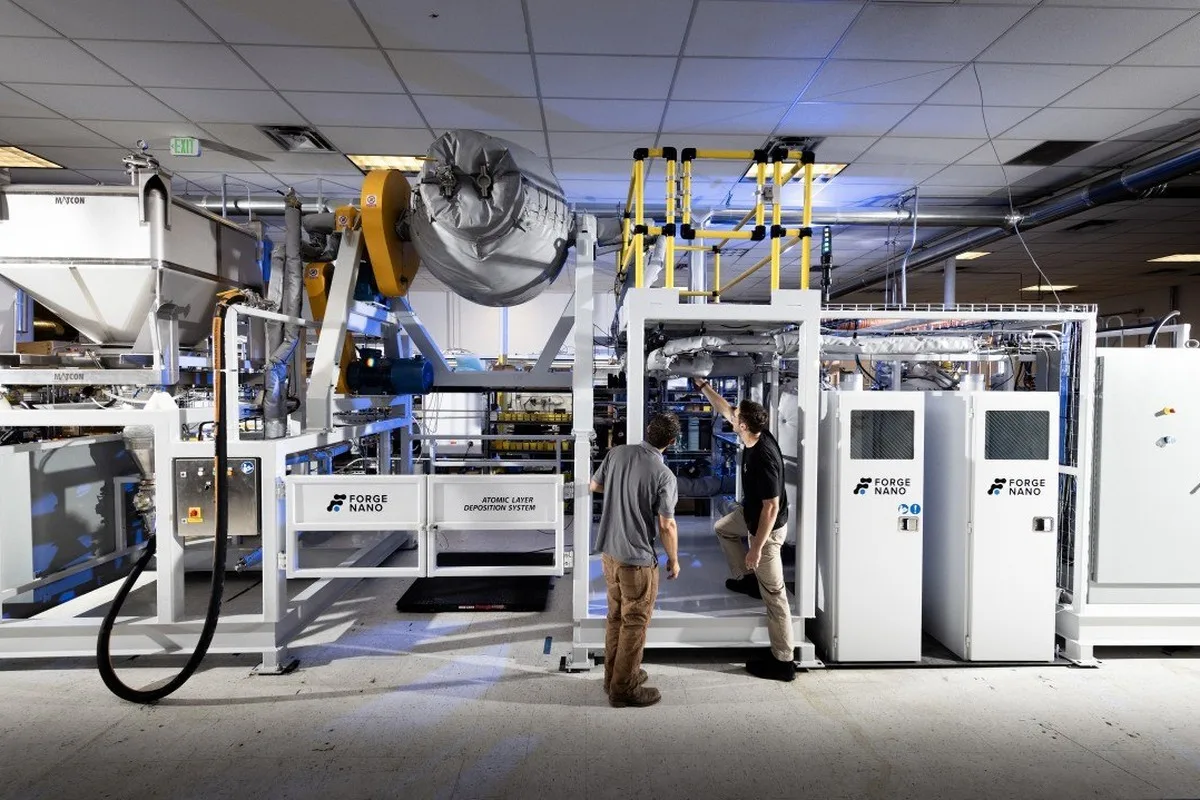
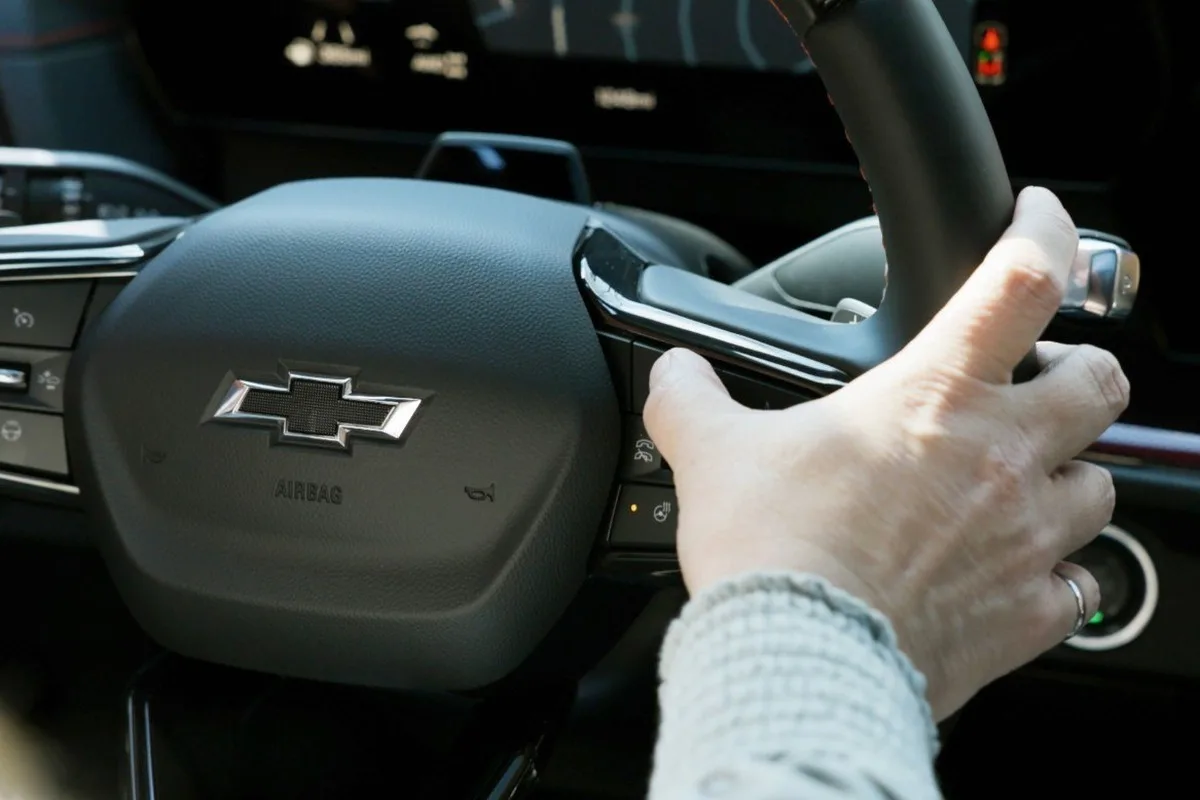
ABOVE: GM distracted-driving imagery, including a driver with a giant digital dashboard, safety-tech lab equipment, and a close-up of Chevrolet steering-wheel controls.
Safety theatre versus actual safety
GM says safety is not just about surviving a crash, it is about preventing one in the first place. Sensible. Yet one cannot ignore the absurdity of needing driver monitoring cameras, vibrating seats, warning chimes, and emergency stop functions to save motorists from increasingly screen-heavy interiors the product planners helped normalise. Then the wretched car has the hide to chide you severely for looking away from the road. It starts to feel less like clean-sheet safety engineering and more like safety theatre, layers of technology piled on top of a usability problem that did not need to exist in the first place.
The practical advice in GM’s campaign is fine. Put the phone away. Set navigation before you leave. Sort your music in advance. Keep essentials within reach. Speak up if the driver beside you is behaving like a complete buffoon. All good advice. But if the industry wants to be taken seriously on distraction, it should start returning physical controls for the functions drivers use most, and stop pretending that every slab of glass is progress.
Give us our buttons back
That, really, is the heart of it. The phone in your hand is dangerous, yes. So is the touchscreen on your dash when it is doing the work a button, knob, or stalk used to manage by touch alone. A steering-wheel control can be found without hunting through menus unless it brings up a menu in the HUD, snatching defeat from the jaws of victory. Climate knobs do not need a software update. The industry keeps trying to patch digital distraction with more digital systems. Perhaps the better answer is the obvious one. Give drivers fewer reasons to look away from the road in the first place.
More Stories
- High-Mileage Panic Is Silly, and Australian Buyers Should Know Better
- Soaring Fuel Prices Drive EV Interest Across Australia
- Petrol Cars Stranded, EVs Charge While You Sleep
Help Support Gay Car Boys Subscribe to our Youtube Channel

Alan Zurvas is the founder and editor of Gay Car Boys, Australia's leading LGBTQI+ automotive publication. Before launching GCB in 2008, Alan's automotive writing was published in SameSame.com.au and the Star Observer. With over 16 years of hands-on car reviewing experience, Alan brings an honest, irreverent voice to every review — championing value and innovation over brand loyalty.
Leave a Reply