Polestar has tweaked its Polestar 4 for 2027, focusing on how it rides, how it’s packaged and how much carbon it produces before it even leaves the factory. The entry price stays locked at $78,500 before on-road costs in Australia.
We still think it is one of the best looking SUV-cum-fastbacks on the market, so the looks only need minor refinement underneath to match what’s already a very strong design.
The biggest change sits under the extremely attractive skin. Both Rear Motor and Dual Motor versions get a revised suspension setup, with new dampers, revised spring and anti-roll bar tuning, and polyurethane rebound stops replacing traditional internal rebound springs. Steering has also been reworked for more precision, with Polestar aiming to make the car feel more settled and less busy over mixed road surfaces.
Above: 2026 MG7 Essence Full Review – a Sweet Little GT Sports car
MG7Review #GrandTourer #Sedan #CarReview

Help Support Gay Car Boys Subscribe to our Youtube Channel by SMASHING THE BUTTON ABOVE


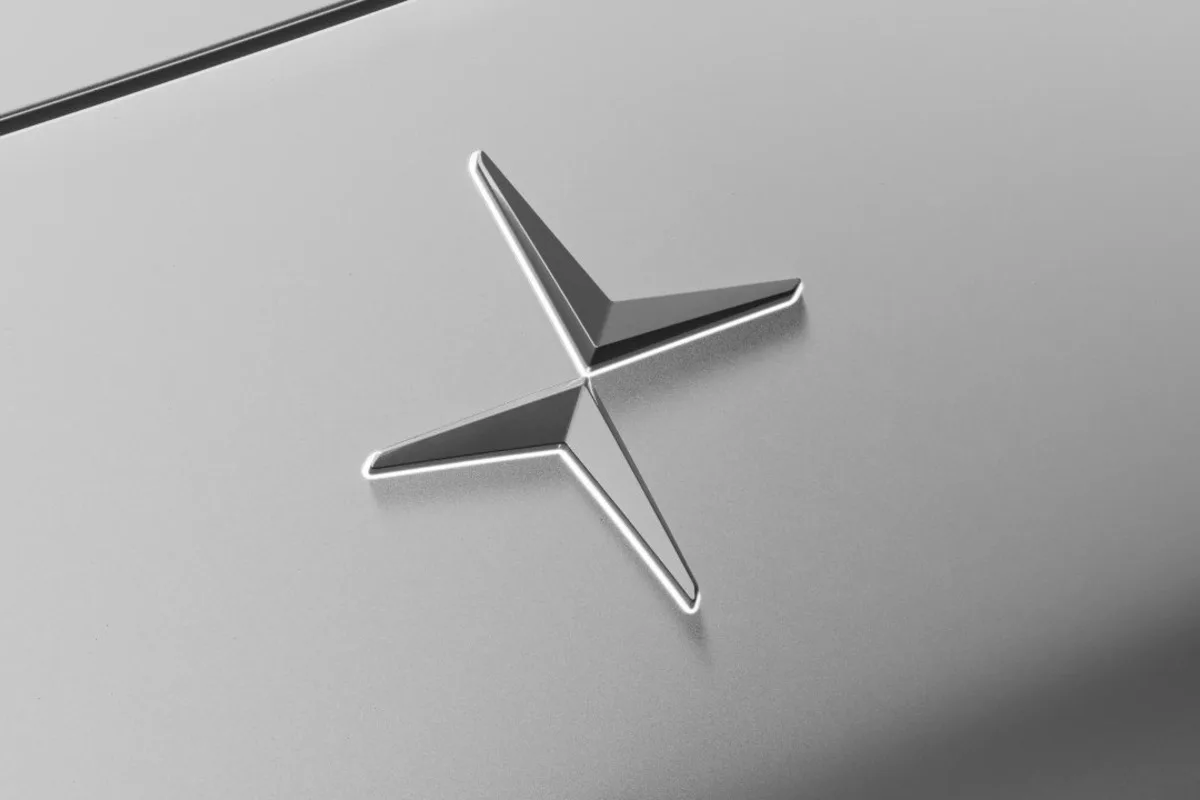
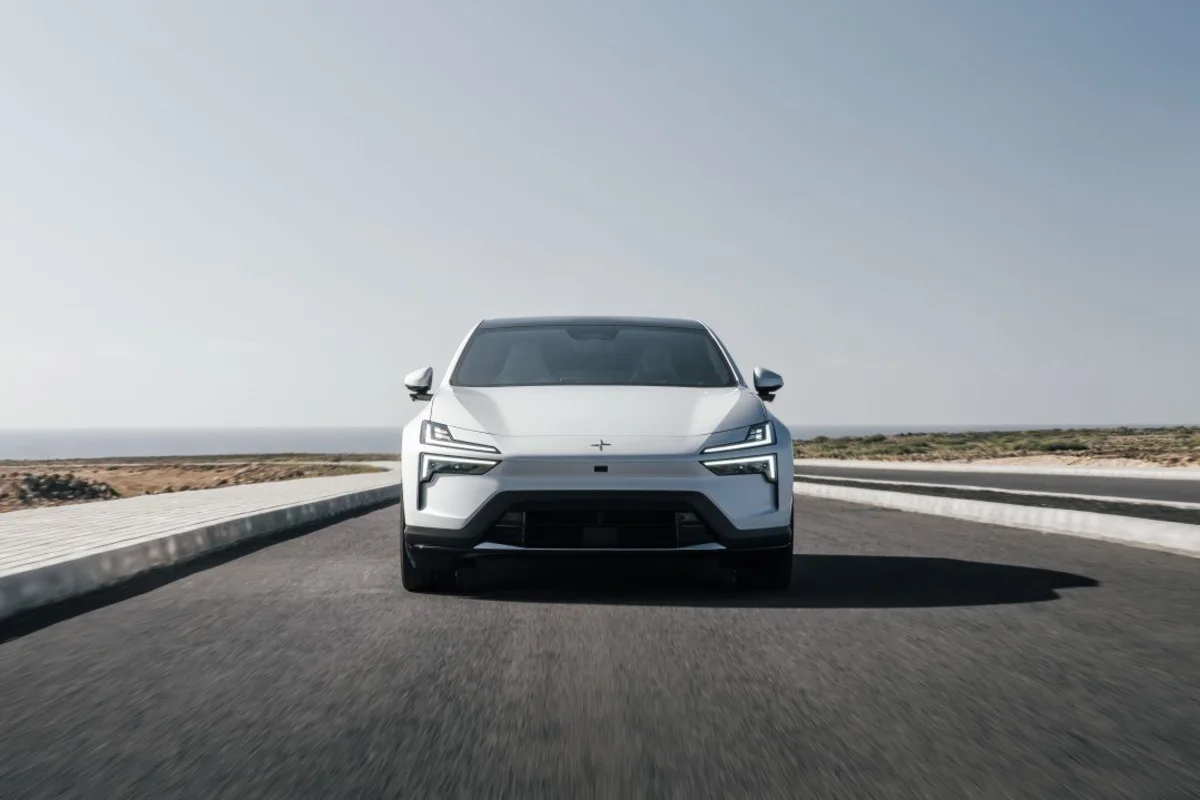
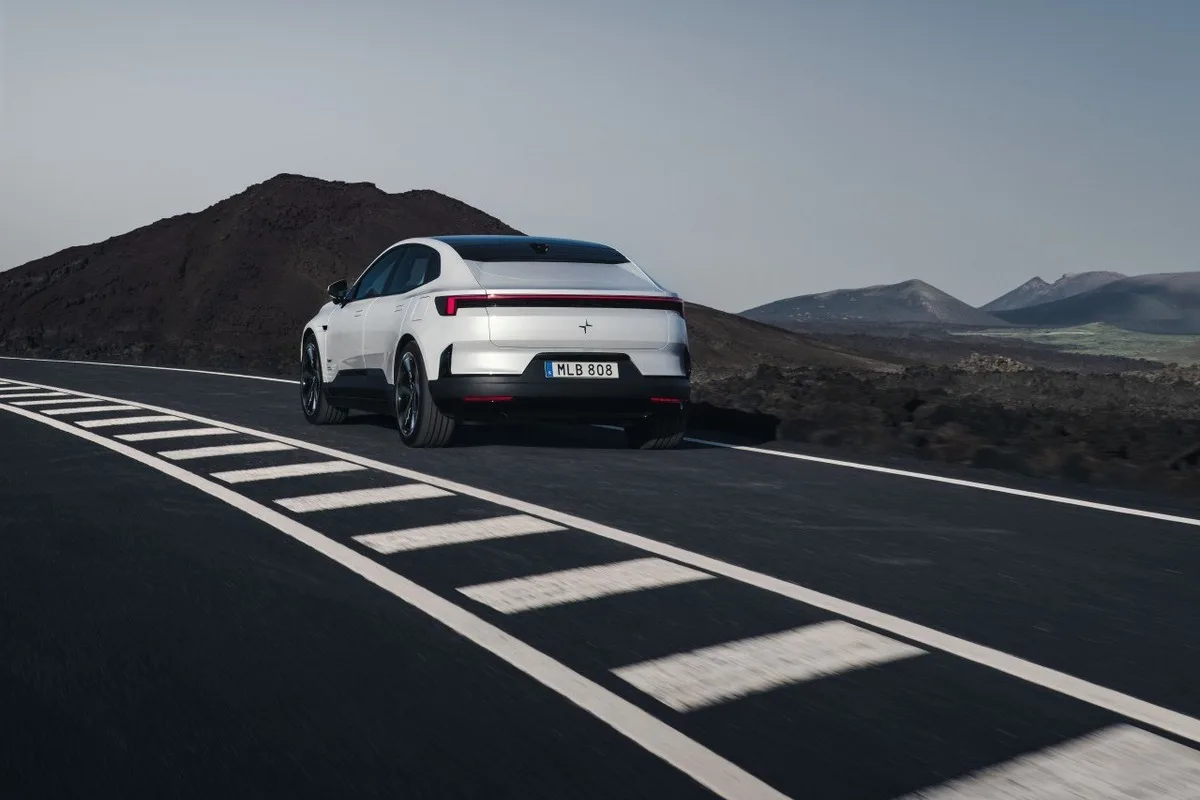

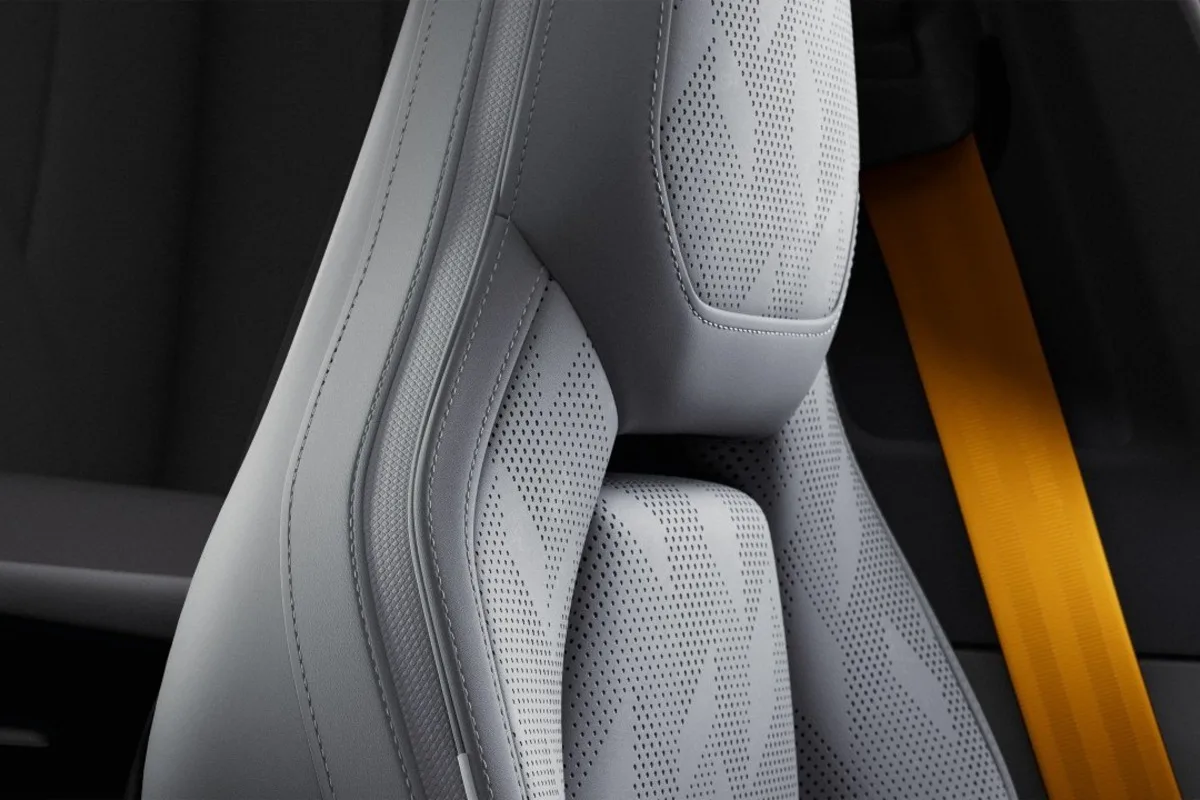
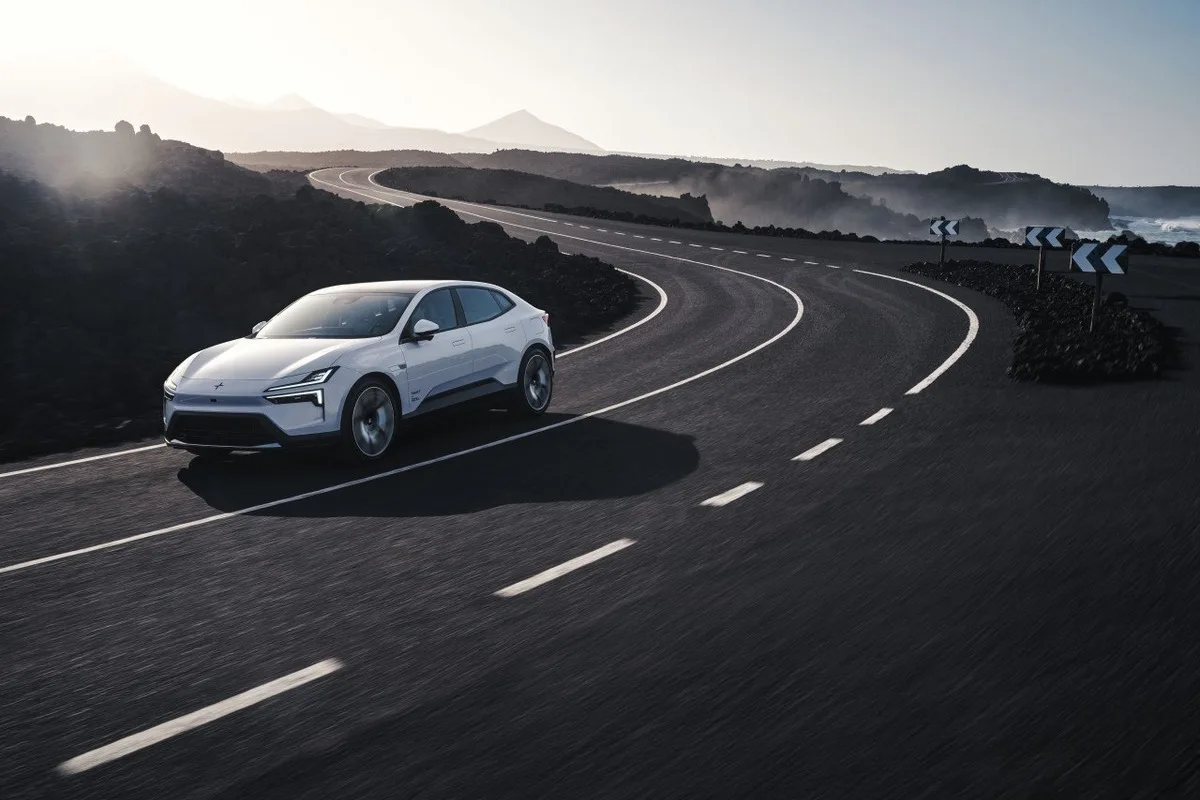
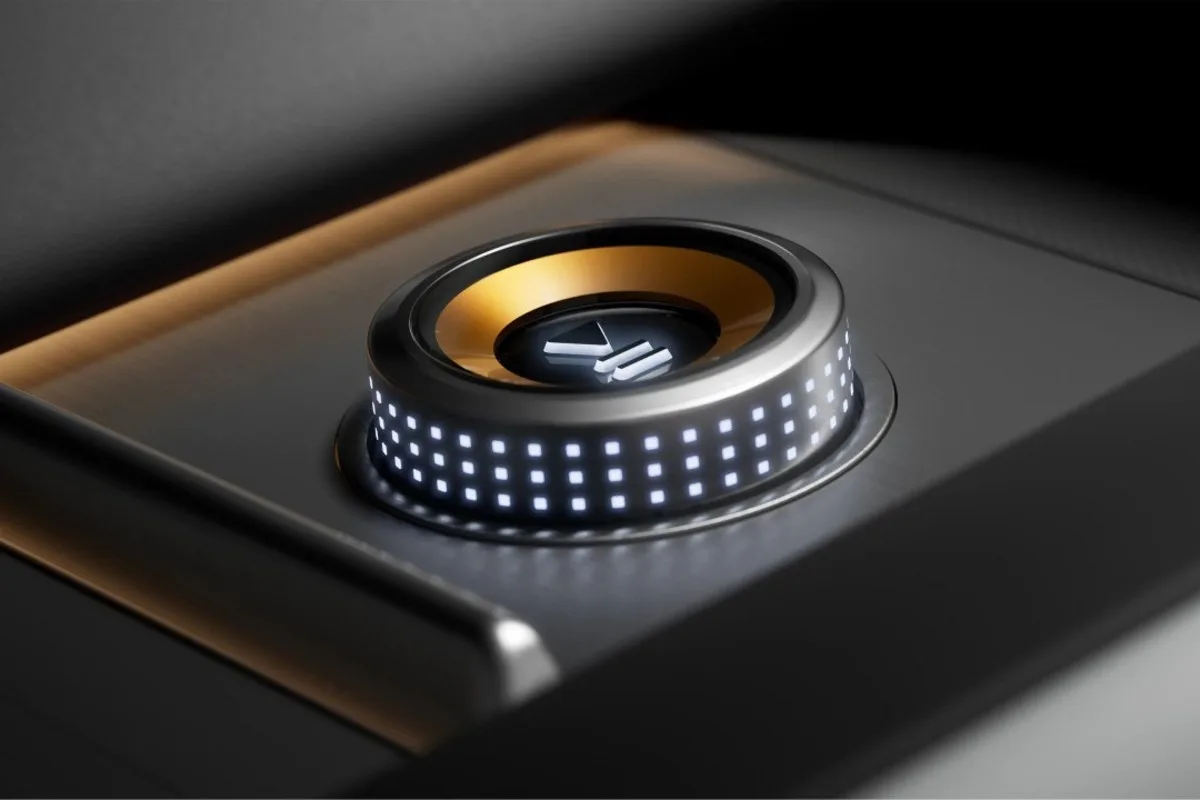
ABOVE: Polestar 4.
In practice, this is about reducing the slightly restless edge that can creep into heavy EV platforms, especially when they’re driven hard or on rougher bitumen. The Dual Motor car still does the benchmark 0–100km/h sprint in 3.8 seconds, so nothing has been dulled in the name of comfort.
Polestar is also continuing its push on lifecycle emissions. The Polestar 4 now carries a cradle-to-gate carbon footprint of 20.3 tonnes of carbon dioxide equivalent for Dual Motor models and 19.4 tonnes for Rear Motor versions. That represents a further reduction for the Dual Motor variant of 1.1 tonnes since launch, driven by ongoing changes in materials and production processes rather than any single breakthrough.
The more obvious change for buyers is in how the range is structured. Polestar has stripped back the naming complexity, moving to a clearer line-up of Rear Motor, Dual Motor and Dual Motor with Performance Pack.
Option packaging has been reshuffled at the same time. A new Comfort Pack allows buyers to add everyday convenience features such as seat adjustment upgrades, steering column adjustment and heating functions without stepping into the more expensive Plus Pack. The Pro Pack disappears entirely, while 22kW AC charging becomes a standalone option rather than being tied to a bundle.
The Plus Pack remains the main luxury step-up, bundling premium audio, head-up display, adaptive Pixel LED lighting, climate upgrades and additional comfort features. For Dual Motor buyers chasing more performance presence, the Performance Pack continues with chassis tuning, Brembo brakes, 22-inch wheels and the familiar Swedish gold detailing.
Pricing itself is unchanged for Rear Motor models, with Dual Motor variants starting from $86,350 before on-roads.
Taken together, the changes don’t redefine the Polestar 4. Instead, they tidy it up. It rides better, costs the same to enter, produces less carbon and is slightly easier to configure — which is exactly the sort of update this car needed.
Clean summary (non-press-release version)
- Suspension retuned for better control and comfort (new dampers, springs, anti-roll bars, rebound stops)
- Steering revised for more precise feel
- No change to performance (still 3.8s 0–100km/h Dual Motor)
- Carbon footprint reduced again (Dual Motor now 20.3 tCO₂e, Rear Motor 19.4 tCO₂e)
- Dual Motor footprint reduced by 1.1 tCO₂e since launch
- Range simplified: Rear Motor / Dual Motor / Dual Motor Performance Pack
- New Comfort Pack introduced (everyday usability features)
- Pro Pack deleted
- 22kW AC charging moved to standalone option
- Plus Pack remains main luxury bundle
- Performance Pack continues for Dual Motor (wheels, brakes, chassis, styling)
- Pricing unchanged: $78,500 Rear Motor / $86,350 Dual Motor
More Polestar Stories
- Polestar 4 Scores SMARTBEST 2026 Award for Clever Lane Guidance
- 2026 Polestar 4 Fixes all the Annoying Bugs
- 2026 Polestar 4 Performance Review
Help Support Gay Car Boys Subscribe to our Youtube Channel by SMASHING THE BUTTON ABOVE

Alan Zurvas is the founder and editor of Gay Car Boys, Australia's leading LGBTQI+ automotive publication. Before launching GCB in 2008, Alan's automotive writing was published in SameSame.com.au and the Star Observer. With over 16 years of hands-on car reviewing experience, Alan brings an honest, irreverent voice to every review — championing value and innovation over brand loyalty.
Leave a Reply