Polestar is finally tired of being the underdog with a limited catalog. The Swedish electric performance brand just dropped a product roadmap, promising a four car offensive over the next three years to silence the skeptics. After a 2025 that saw record retail sales, CEO Michael Lohscheller is pivoting from survival mode to a full scale land grab in the premium EV space.
The headliner is the Polestar 5. This four door Grand Tourer is the brand halo, built on a lightweight bonded aluminium platform that supposedly handles like a dream. It has already been paraded around Europe to soak up praise, and deliveries are slated for summer 2026. If you want luxury performance that isn’t a Porsche, this is the target.
Then there is the bread and butter. The Polestar 4 is currently the best seller, but a new variant is coming later this year. Polestar is leaning into its Swedish roots here, trying to blend the space of an estate with the versatility of an SUV. Expect deliveries for this updated version to hit by the fourth quarter of 2026.
The sedan that started it all, the Polestar 2, isn’t being left to rot. A completely new successor is being fast tracked for an early 2027 launch. With over 190,000 units of the original sold, the pressure is on to keep that momentum without losing the enthusiast community that built the brand.
Above: This Week’s VIDEO Review –Alfa Romeo’s $57k Misstep – The Junior Ibrida is a Peugeot in Disguise
#AlfaRomeo, #JuniorIbrida, #2026AlfaRomeoJunior, #CarReview, #Stellantis, #CarlosTavares, #SUVReview, #HybridFail, #AlfaRomeoAustralia, #LuxurySUV





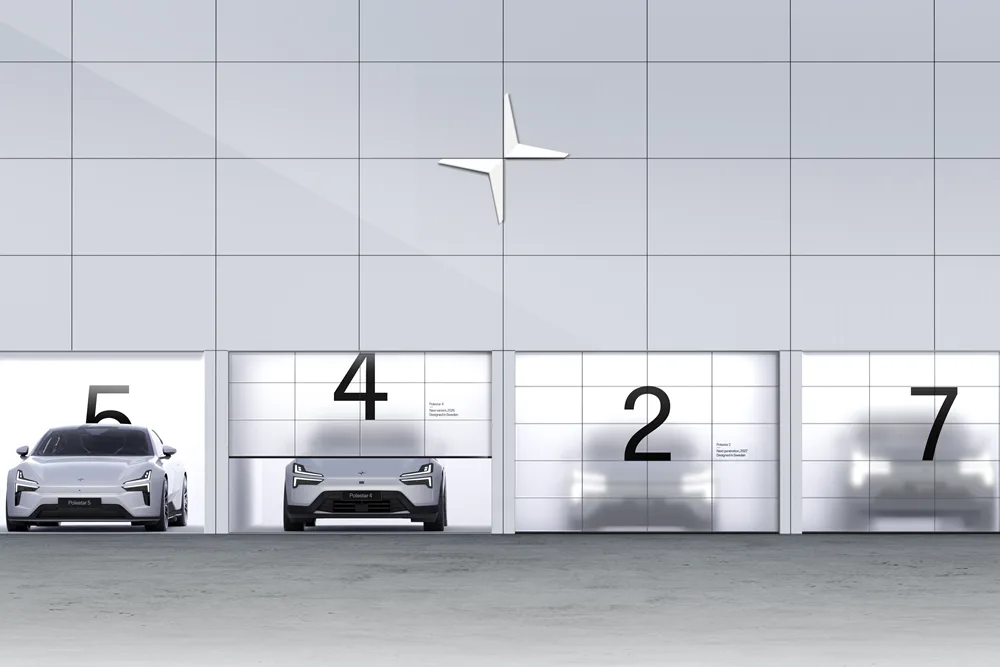
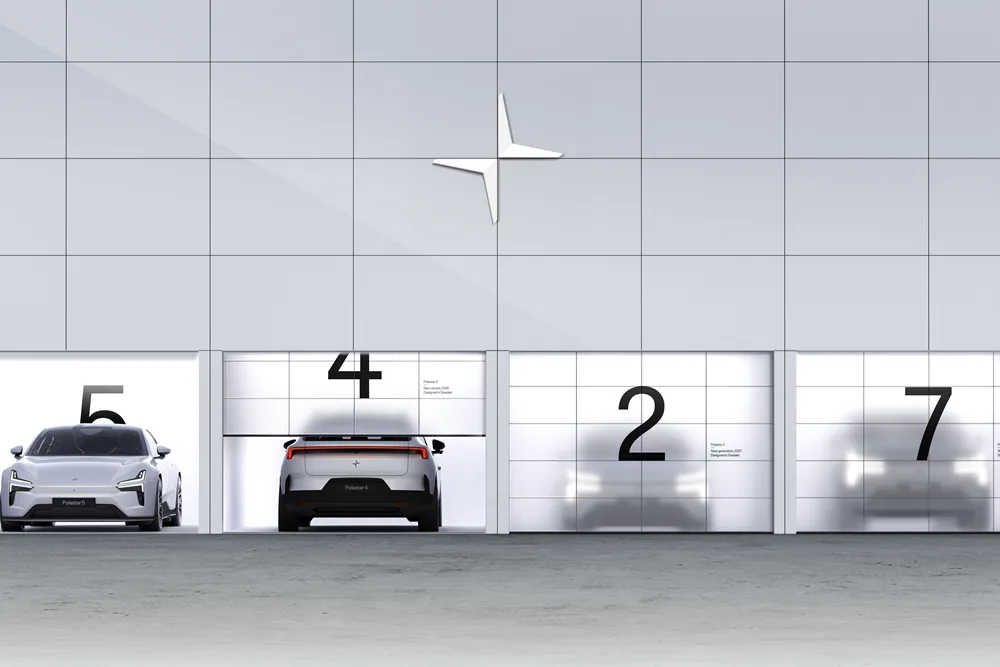
ABOVE: 4 New Polestar Models on their way by 2028
Finally, the Polestar 7 will arrive in 2028. This is the compact SUV aimed at the heart of Europe’s biggest EV segment. Polestar claims they can offer progressive performance at an attractive price point while keeping production in Europe.
Lohscheller is betting on a 30% expansion of the retail network to support this growth. Despite the messy geopolitical climate and economic headwinds, the company expects low double digit volume growth in 2026. It is a disciplined, aggressive play to prove Polestar is a permanent fixture, not just a Volvo spin off.
This model offensive is not just about vanity, it is about cold, hard survival in a market that is increasingly cannibalistic. By targeting the heart of the EV market where customer demand and profit pools are high, Polestar is attempting to build a foundation of operational improvement. Lohscheller is making it clear that 2025 was the warm up. The next three years will determine if they are actually a player or just another brand name that gets swallowed by the industry’s transition.
The Polestar 5 tour through Europe showed that people are hungry for a GT that doesn’t feel like a corporate afterthought. The bonded aluminium platform is the secret sauce here, aiming to provide the kind of handling that makes drivers actually care about being behind the wheel of an EV. It is a halo car meant to drag the rest of the lineup into the premium spotlight.
Meanwhile, the Polestar 4 is doing the heavy lifting. By launching a new variant that utilizes the same tech but targets a wider audience, Polestar is playing the volume game. They are banking on the idea that they can combine estate space with SUV versatility, a classic Swedish move tailored for a global audience that refuses to stop buying crossovers.
Then you have the Polestar 2 successor. This is the car that defined the brand. With 190,000 units on the road, the next generation has to land perfectly. Launching it in record speed by the start of 2027 shows that Polestar knows they cannot afford to let their most iconic nameplate go stale while competitors like Tesla and the German trio keep refining their sedans.
Finally, the Polestar 7 is the entry into the compact SUV segment, which is where the real money is in Europe. Accounting for a third of total BEV volumes, this is the segment Polestar needs to win to become truly profitable. Producing it in Europe is a strategic move to dodge tariffs and logistics nightmares while offering a performance driven car at a price point that doesn’t cause immediate heart failure.
The strategic pivot here is obvious. Polestar is moving away from being a niche luxury curiosity and trying to become a high volume powerhouse. Lohscheller’s background in turning around legacy brands is being put to the test. He isn’t just selling cars, he is selling a roadmap to profitability that relies on a retail network expansion of 30%. This is a logistical nightmare in the making if they can’t get the footprint right, especially in markets where the infrastructure is still catching up to the marketing hype.
By 2028, the lineup will be unrecognizable. We are looking at a trajectory that shifts from a single sedan to a diversified fleet covering GTs, crossovers, and compact SUVs. This is the kind of aggressive expansion that either makes a company a titan or burns through cash so fast that the shareholders start looking for the exit. For now, the backing from Geely and the partnership with Volvo provides a safety net, but that net won’t hold forever if the Polestar 7 fails to capture the mass market.
The move to manufacture the Polestar 7 in Europe is perhaps the most telling part of this strategy update. It is a direct response to the shifting sands of global trade. By rooting their production closer to their primary volume drivers, they are hedging against the kind of shipping costs and political tantrums that have crippled other manufacturers over the last few years. It is a smart, calculated move that shows Polestar is growing up and thinking like a global entity rather than a boutique design house.

Alan Zurvas is the founder and editor of Gay Car Boys, Australia's leading LGBTQI+ automotive publication. Before launching GCB in 2008, Alan's automotive writing was published in SameSame.com.au and the Star Observer. With over 16 years of hands-on car reviewing experience, Alan brings an honest, irreverent voice to every review — championing value and innovation over brand loyalty.
Leave a Reply