Second-generation Volkswagen T-Roc is due in showrooms in early 2027 as a mild hybrid, while Volkswagen winds down 4 of its German car plants.
All-new Volkswagen T-Roc was confirmed today, and it’s the first mild-hybrid T-Roc, with new-generation Travel Assist among the driver aids. As local price and spec are to follow, our figures below are from the international launch in Portugal last November.
T-Roc first went on sale in 2017 and became Volkswagen’s second most successful SUV after the Tiguan. Piergiorgio Minto, Brand Director of Volkswagen Passenger Vehicles, said, “Our Volkswagen T-Roc has become one of Volkswagen Australia’s most successful and popular models, resonating strongly with customers looking for a compact SUV with genuine character, style and everyday versatility.”
Volkswagen T-Roc Drops Diesel and Plain Petrol
Second-generation T-Roc is the first Volkswagen model line where every drive is a hybrid. There’s no diesel, and no petrol engine without electric help, although a mild hybrid is arguably 99.9% petrol.
Above: Aion V Luxury Shows Legacy Brands How to Make Cars
#GACAionV, #GAC, #EVReview, #ToyotaRAV4, #GayCarBoys

Help Support Gay Car Boys Subscribe to our Youtube Channel by SMASHING THE BUTTON ABOVE


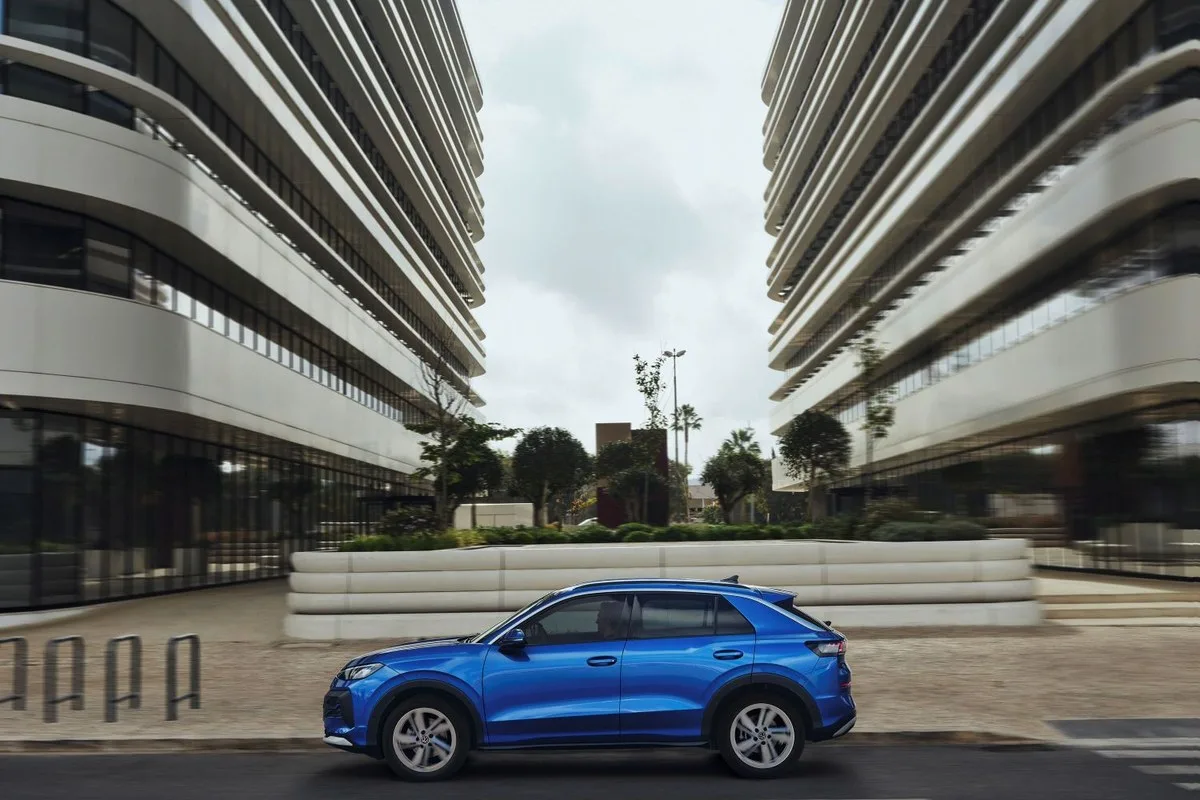
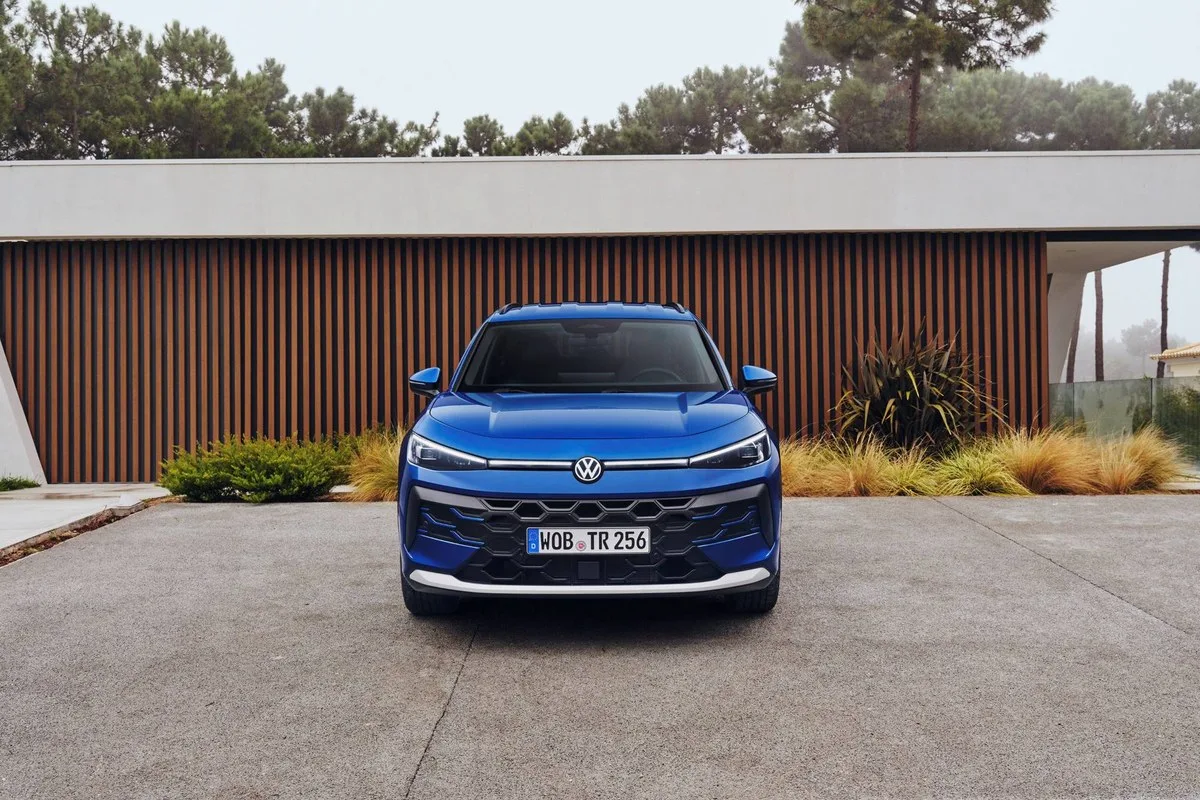
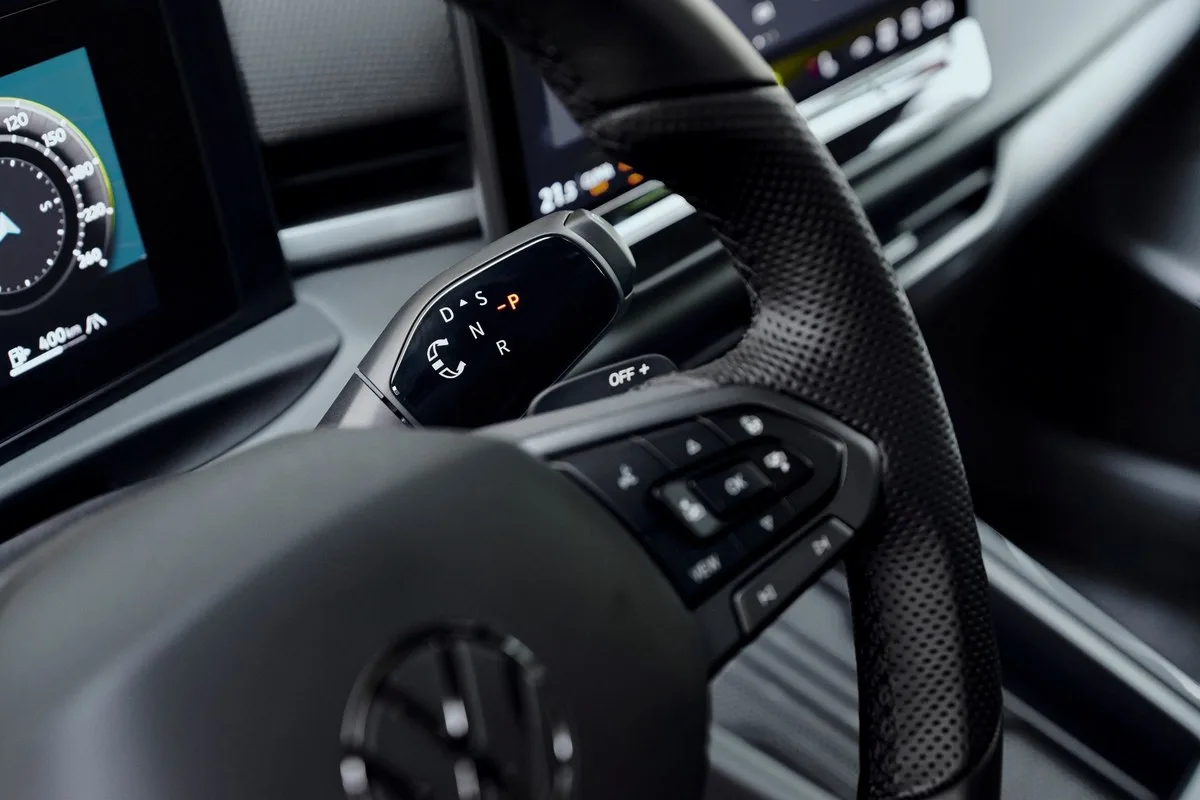
ABOVE: All-new 2027 Volkswagen T-Roc
European cars start with a 1.5 eTSI 48V mild hybrid driving the front wheels through a 7-speed DSG. A 2.0 eTSI mild hybrid with 4MOTION all-wheel drive joins in 2026, as does a completely new full hybrid. Each drive comes in 2 outputs, and a more powerful 2.0 eTSI is due with the T-Roc R from early 2027.
European grades are Trend, Life, Style, and R-Line. Volkswagen hasn’t said which grades and engines it’ll sell in Australia.
Chinese Hybrids and a Shrinking Volkswagen
New Volkswagen T-Roc goes up against Chinese small SUVs including GWM Haval Jolion HEV, MG ZS Hybrid+, Chery Tiggo 4 hybrid, and BYD Atto 2. GWM’s hybrids include the Jolion HEV and the Haval H6 HEV.
Volkswagen faces the toughest stretch in its history, and the restructuring keeps getting deeper. Weak sales in China, low-cost Chinese competition, and US tariffs drove a 30% drop in first-half after-tax earnings. Volkswagen also has about 500,000 vehicles of excess capacity in Europe.
On the 3rd of September, Volkswagen Group’s supervisory board approved about 50,000 more job cuts on top of about 50,000 already agreed, roughly 100,000 in all. It also approved ending car production at Emden, Zwickau, Hanover, and Neckarsulm. See our Caravelle story for more detail.
In July, CEO Oliver Blume set out a plan to cut the group’s model count by about half by 2030 and options per car by up to 75%. Production would fall from 12 million cars a year to 9 million.
Brands will fall along with the factories and staff. An internal Volkswagen document reported by WirtschaftsWoche plans to phase out SEAT by the end of 2029 in favour of Cupra. No final decision was taken, according to Volkswagen, but the document was an extensive directive not a flimsy proposal.
Volkswagen T-Roc
| Spec | Detail |
|---|---|
| Price | To follow |
| Engines* | 1.5 eTSI 48V mild hybrid, 2.0 eTSI 48V mild hybrid, full hybrid due 2026 |
| Power/torque* | 85kW/220Nm (1.5), 110kW/250Nm (1.5), 150kW (2.0) |
| Transmission* | 7-speed DSG |
| Drive* | Front-wheel drive (1.5), 4MOTION all-wheel drive (2.0) |
| Fuel use* | 5.5 to 5.6L/100km (85kW), 5.6 to 6.0L/100km (110kW) |
| CO2* | 125 to 127g/km (85kW), 128 to 136g/km (110kW) |
| Length/width/height* | 4373mm/1828mm/1573mm |
| Wheelbase* | 2629mm |
| Boot* | 475L, 1350L seats folded |
| Fuel tank* | 50L |
| Kerb weight* | 1465 to 1474kg |
| Braked towing* | Up to 2000kg |
| Drag coefficient* | 0.29 |
| Turning circle* | 11.1m |
| Wheels* | 16 to 20 inch |
| European grades* | Trend, Life, Style, R-Line |
*European specification, Australian details to follow
Above: AutolinkR AI Box and wireless Carplay Stream while you wait
#AutoLinkrPro, #AutoLinkr, #WirelessCarPlay, #Ottocast, #GayCarBoys
Help Support Gay Car Boys Subscribe to our Youtube Channel by SMASHING THE BUTTON ABOVE
More Volkswagen Stories
- Volkswagen Caravelle Returns as Multivan & Workers Get the Chop
- Australia’s Car Market 46% Electrified in May
- EU Free Trade Agreement Signed But Luxury Car Tax Lingers

Alan Zurvas is the founder and editor of Gay Car Boys, Australia's leading LGBTQI+ automotive publication. Before launching GCB in 2008, Alan's automotive writing was published in SameSame.com.au and the Star Observer. With over 16 years of hands-on car reviewing experience, Alan brings an honest, irreverent voice to every review — championing value and innovation over brand loyalty.
Leave a Reply