ANCAP rejigged its star ratings for 2026, and a fair chunk of the new ANCAP rules answers a list of drivers’ gripes. Cars now earn points for physical buttons, door handles that pop out after a crash and driver monitoring that stops beeping at people who are already watching the road.
The changes land as lane keeping and cyclist AEB become law. ANCAP said, “It’s time to bring back buttons and stalks.” From 2026 it wants the horn, indicators and hazard lights on physical controls, along with the wipers and headlights, or a fixed part of the screen kept for them. That’s a rebuke for cabins that moved the basics into a touchscreen, the same habit we pulled up when GM told drivers to put their phones away while its dashboards went all screen.
The Polestar Formula 2030 concept put 8 physical controls under its centre screen, and owners can swap them between rocker switches and rotary knobs.
Above: 2026 Mercedes-Benz CLA 200 Electric Video Review
#MercedesBenzCLA, #MercedesBenz, #EVReview, #TeslaModel3, #GayCarBoys

Help Support Gay Car Boys Subscribe to our Youtube Channel by SMASHING THE BUTTON ABOVE


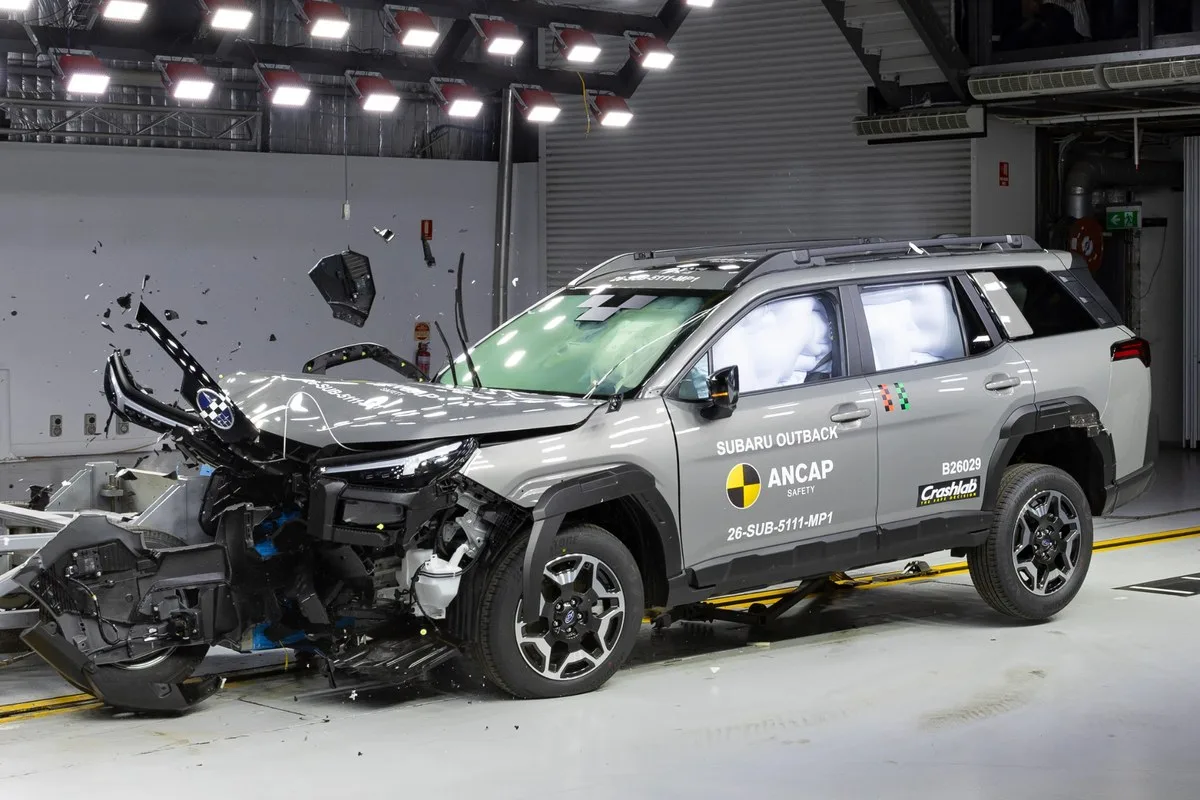
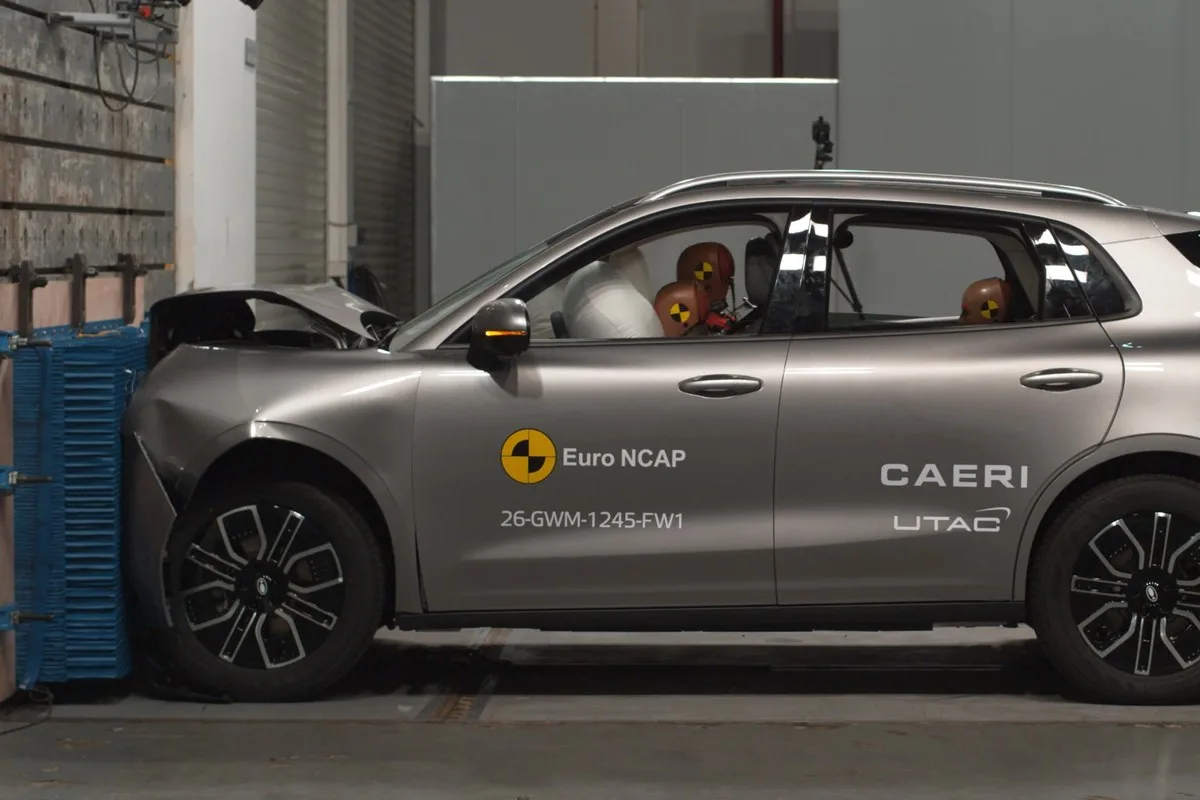

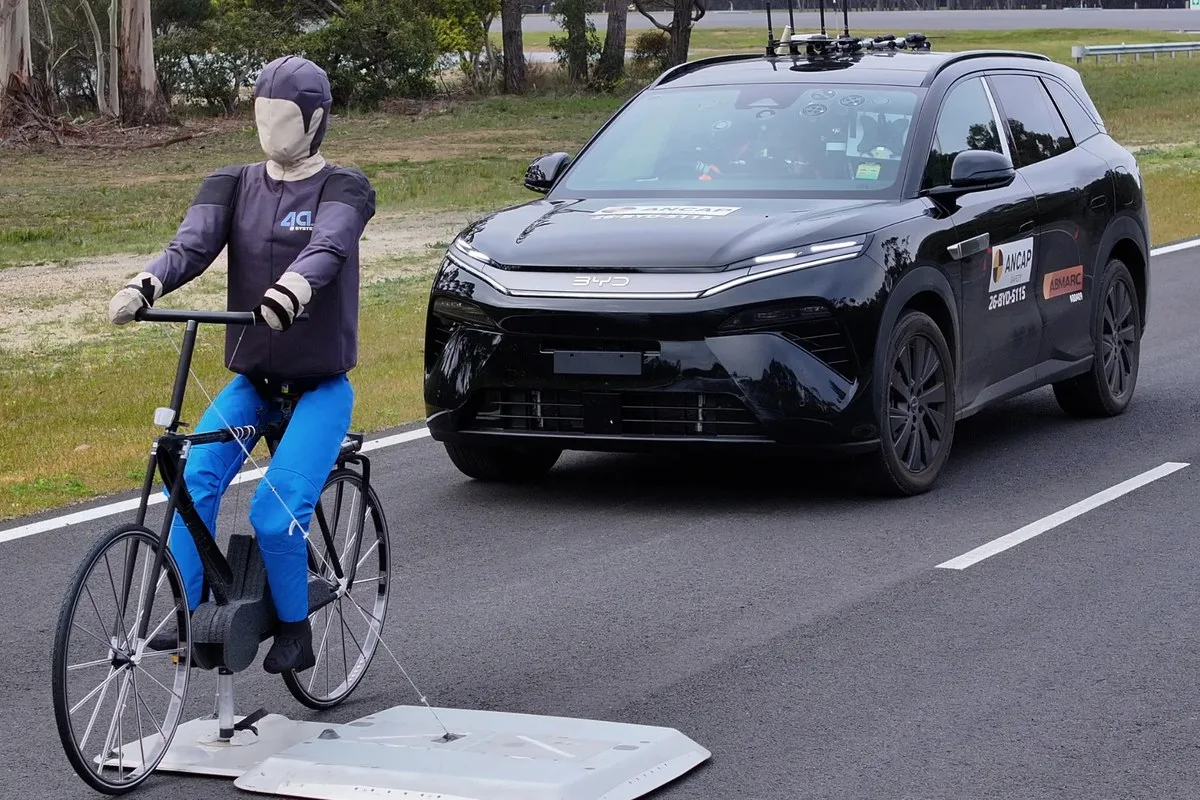
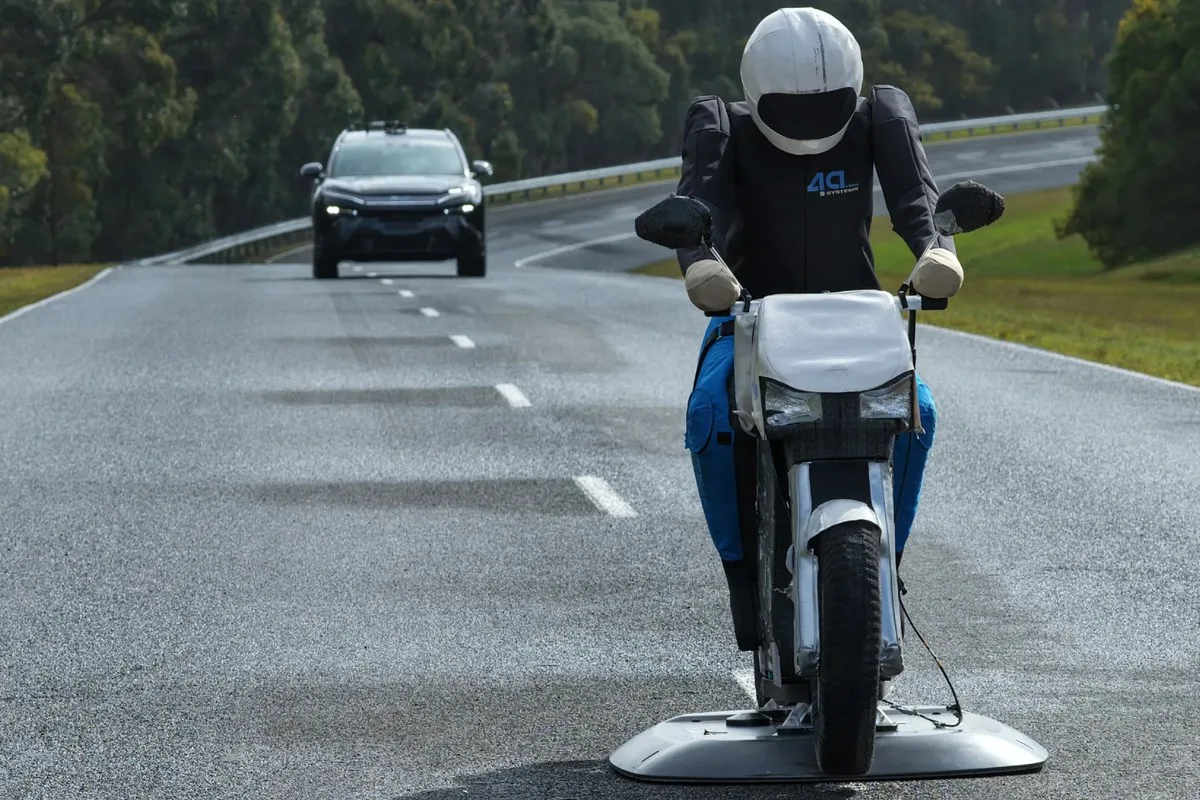
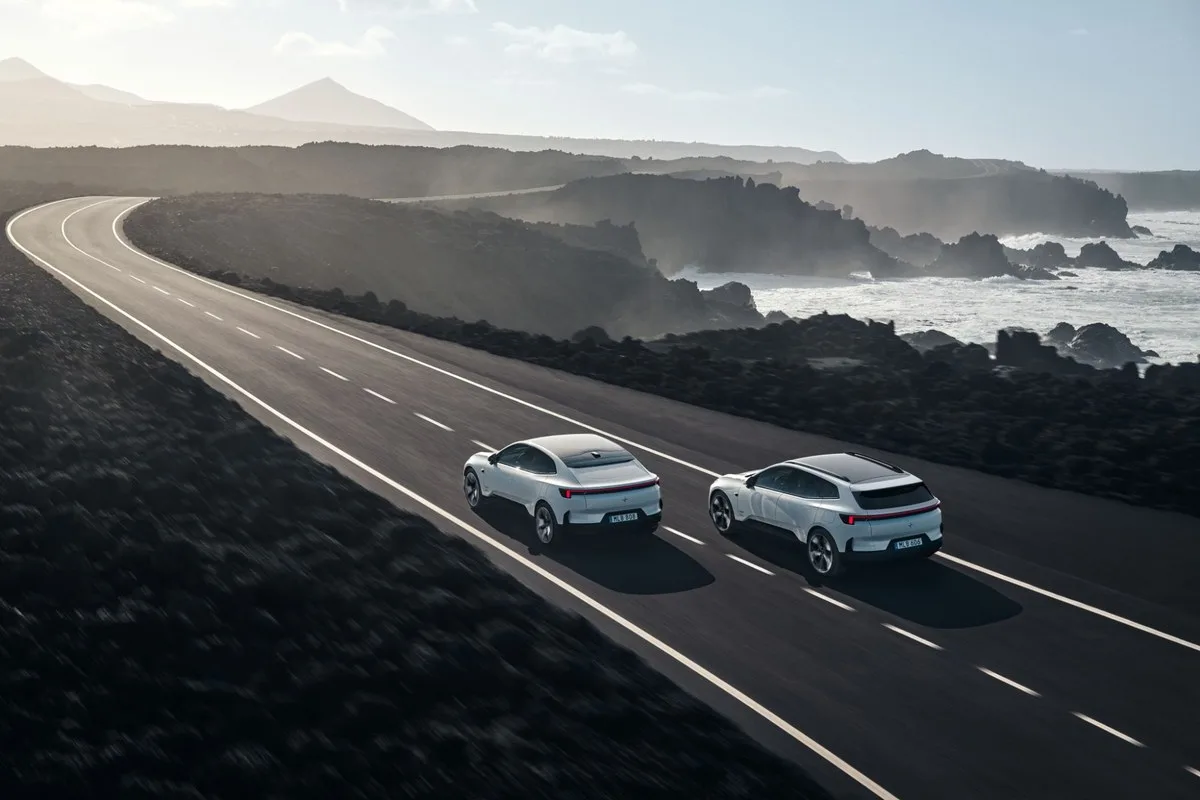

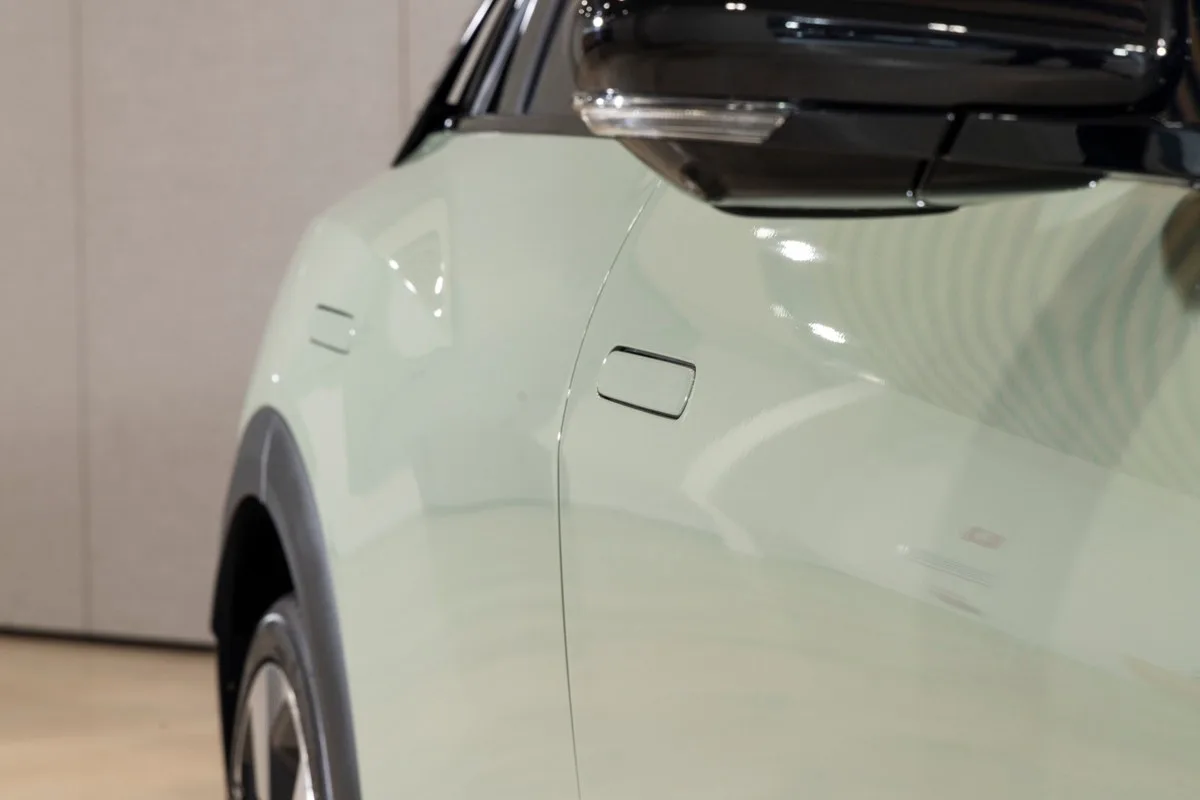
ABOVE: ANCAP crash tests and door handles
Electric door handles run off the 12V battery, so ANCAP now wants all side door handles extended and ready to open straight after impact. They must still work from inside or have a manual override, so people can get out and rescuers can get in. Our Top 10 annoying car features called flush pop-out handles a high-tech coffin when the power fails, and ANCAP is now scoring exactly that risk.
Driver Monitoring Told to Back Off
ANCAP admits some driver monitoring systems “beep too loud or too often”. It said, “The car shouldn’t add to distraction (or frustration). If the car knows you’re attentive it should leave you alone.”
A new Driver State Link has forward collision warning, AEB and lane support step in sooner when the car detects a distracted, tired or impaired driver. The maker picks whether the warning is a sound, a vibration or a visual cue, so a buzzing steering wheel can replace the alarm.
It’s a welcome change of heart. ANCAP aligned its criteria with Euro NCAP in 2023, and lane departure warning and lane centring still topped our list of gripes.
Lane support is now judged on how it behaves as much as whether it works. ANCAP measures how quickly the steering reacts, how much effort the driver needs to override it, how long it takes to get full control back and how hard it yanks the wheel. Its testers also drive the cars they rate on public roads, checking how accurately they read speed signs, and hand that data to the maker.
Lane Keeping and Cyclist AEB Become Law
That scoring is now particularly relevant now that lane keeping is about to become compulsory. The Federal Government will require lane keep assist that steers a car back into its lane after an unintended drift, and AEB that detects and brakes for cyclists, RAC reported. New models introduced from the 1st of March 2028 must have both, and all new vehicles sold from the 1st of March 2029, new models or not.
The rules cover passenger cars, SUVs, utes and vans under 3.5 tonnes GVM, such as HiLux, Ranger, HiAce and Vito. LandCruiser 70, Tundra, Ram 1500, F-150, Silverado, Renault Master and Mercedes-Benz Sprinter are big enough to be exempt. Is that a good thing or not?
Monash University Accident Research Centre data from 2013 to 2019 found drivers unintentionally straying from their lane were involved in 42% of road crashes and 55% of the resulting deaths. The laws follow UN rules and came after more than a year of consultation.
AEB laws at the start of 2025 killed off some older models, including the original Mitsubishi ASX. Cheaper cars still sold without lane keeping could well go the same way.
Tougher Crash Tests and Battery Fires
The rating now runs on 4 stages, scored out of 100 and shown as a percentage, with a minimum for each one setting the stars. Crash protection still carries the most weight, and any red critical body region on a dummy now caps a car at 4 stars.
The crash tests change in several ways.
- A deformable barrier replaces the rigid wall in the full width frontal test, with a THOR adult male dummy added in the front passenger seat
- The offset test swaps the average-size male passenger dummy for a small adult female
- A seat or seat rail failure costs half the points in that test
- Curtain airbags must stay inflated long enough in a rollover and cover the right areas
- Sled tests and virtual simulations reward airbags and seatbelts that adapt to occupant size and seating position
- An extra rear impact test checks whiplash protection for smaller occupants
Battery fire risk now counts toward the stars. In 2024, 23% of new light passenger cars sold in Australia were electric, plug-in hybrid or hybrid. ANCAP now checks whether a damaged high-voltage battery avoids fire for 20, 40 and 90 minutes, whether the car tells the driver about fire risk once it has been hit, and whether it sends a warning to the dash or a phone app if a fire starts while charging.
Pedestrians are involved in about 15% of road deaths, so better-protected A-pillars earn points, tested at 20, 30 and 40km/h. Systems that spot a pedal mix-up and cut acceleration near people or vehicles, forward or in reverse, score points as well. Robustness tests now run AEB against different clothing, a high-vis vest, at night and in rain, and a motorcycle joins the AEB junction test.
Recent ANCAP results include the Subaru Outback, BYD Sealion 8 and GWM Ora 5. New ratings carry a “Tested 2026” badge. The Suzuki Fronx scored 1 star.
ANCAP Stages of Safety
| Stage | What it covers |
|---|---|
| Safe Driving | Seatbelt use, occupant classification and presence, driver monitoring, driver controls, speed assistance, adaptive cruise, steering assistance |
| Crash Avoidance | AEB for cars, motorcycles, pedestrians and cyclists, lane departure, low speed collisions |
| Crash Protection | Frontal offset, full width, virtual and sled tests, side, oblique pole, farside, rear, pedestrian head, pelvis and leg |
| Post Crash | Rescue sheets, advanced eCall, multi-collision brake, battery energy management, occupant extrication |
Above: 70mai A900 Dashcam + 4G Hardwire kit Unboxing and Review
#70maiA900, #70mai, #DashCam, #RedtigerF77, #GayCarBoys
More Safety Stories
- 2026 ANCAP Safety Ratings for Outback, Sealion 8 and Ora 5
- 12 Christmas Car Gadget Reviews for 2026
- FitcamX Dash Cam Review Hides the Lump in a BMW 3 Series

Alan Zurvas is the founder and editor of Gay Car Boys, Australia's leading LGBTQI+ automotive publication. Before launching GCB in 2008, Alan's automotive writing was published in SameSame.com.au and the Star Observer. With over 16 years of hands-on car reviewing experience, Alan brings an honest, irreverent voice to every review — championing value and innovation over brand loyalty.
Leave a Reply