Polestar has shown the face of its next Polestar 2, and it came wrapped in a low four-door concept with real buttons inside.
Polestar Formula 2030 is a showcar that won’t go on sale, yet Polestar has confirmed a good chunk of it for the road. Its Dual Blade headlights preview the front of a second-generation Polestar 2 due in 2027, and more of its design will carry over to Polestar 7.
It’s also the first showcar from Head of Design Philipp Römers, and it says a lot about where Polestar wants to go. The company boiled its plan down to remove the unnecessary, improve what remains and refuse to compromise. This concept is that plan made into metal, glass and flax, with performance pushed to the front.
Römers said, “Design should always reflect the values and mission of a brand and that is exactly what we did with Polestar Formula 2030 concept. It is a physical embodiment of how we apply Polestar’s core values of design, performance and sustainability to the next production cars.”
Above: Geely EX5 Inspire Review
#GeelyEX5, #Geely, #EVReview, #TeslaModelY, #GayCarBoys

Help Support Gay Car Boys Subscribe to our Youtube Channel by SMASHING THE BUTTON ABOVE


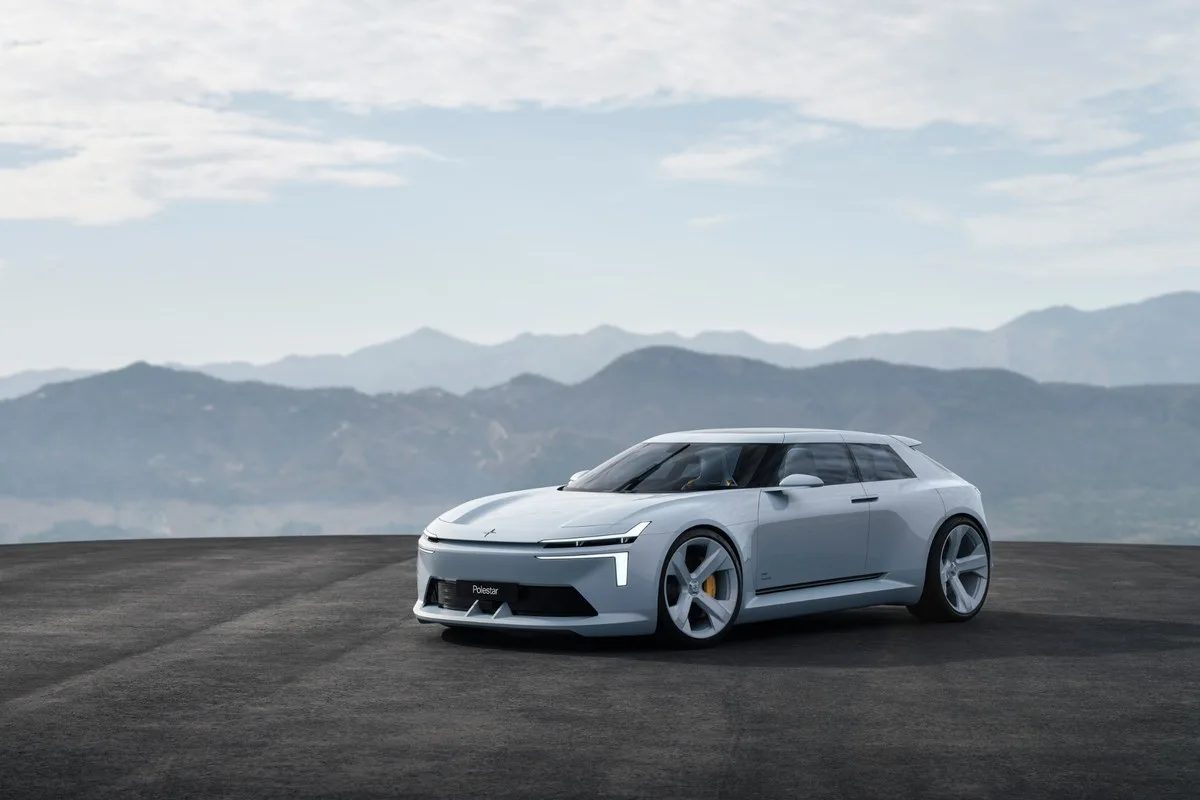
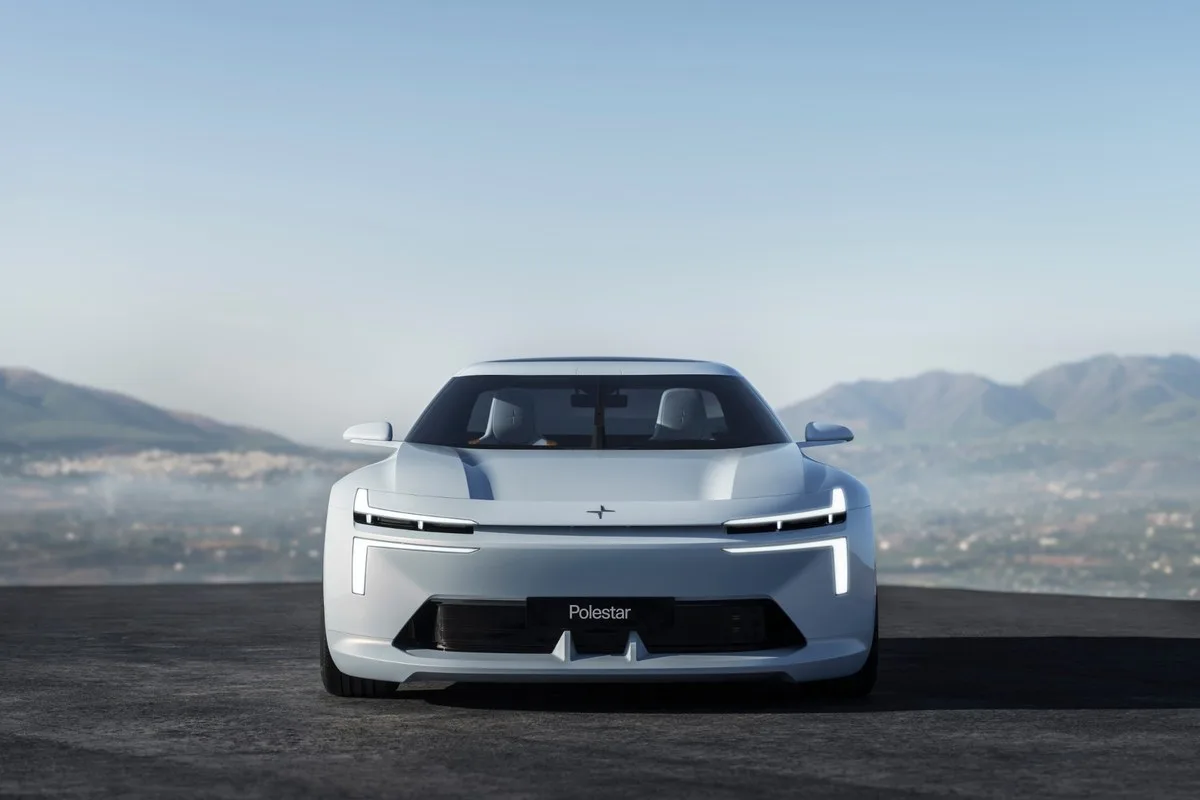
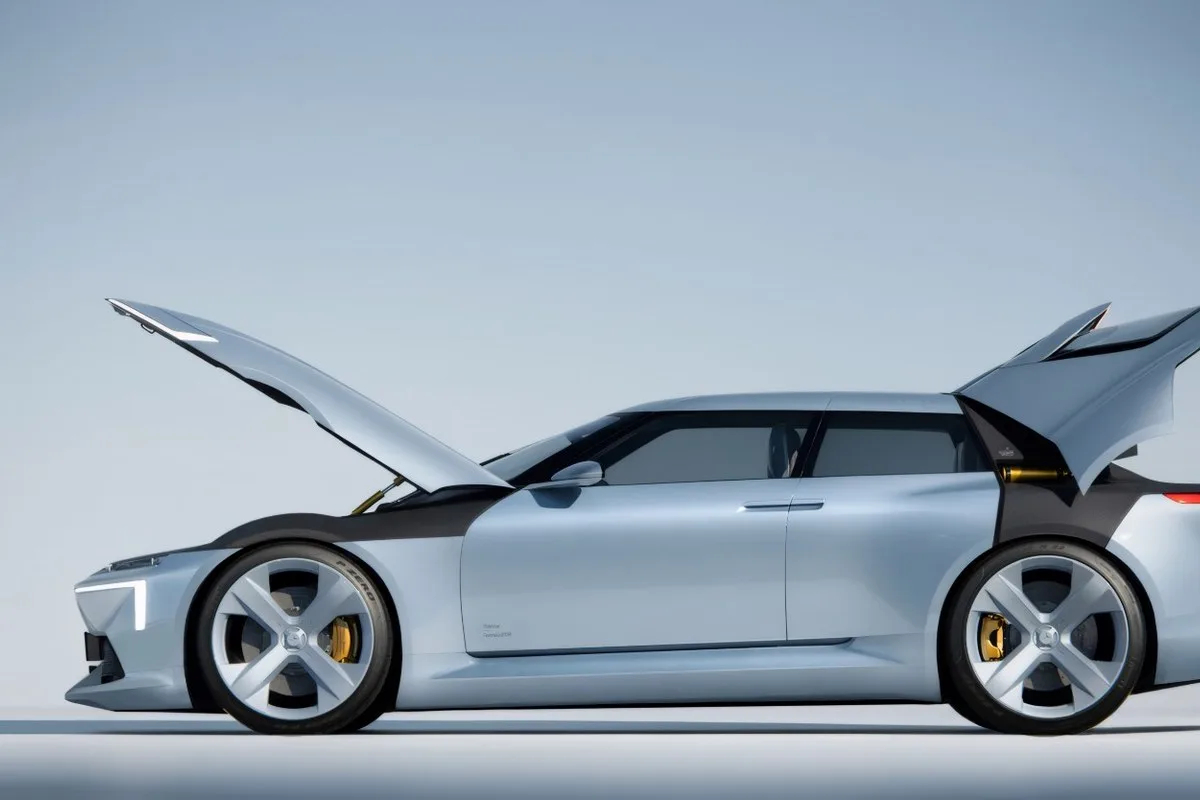

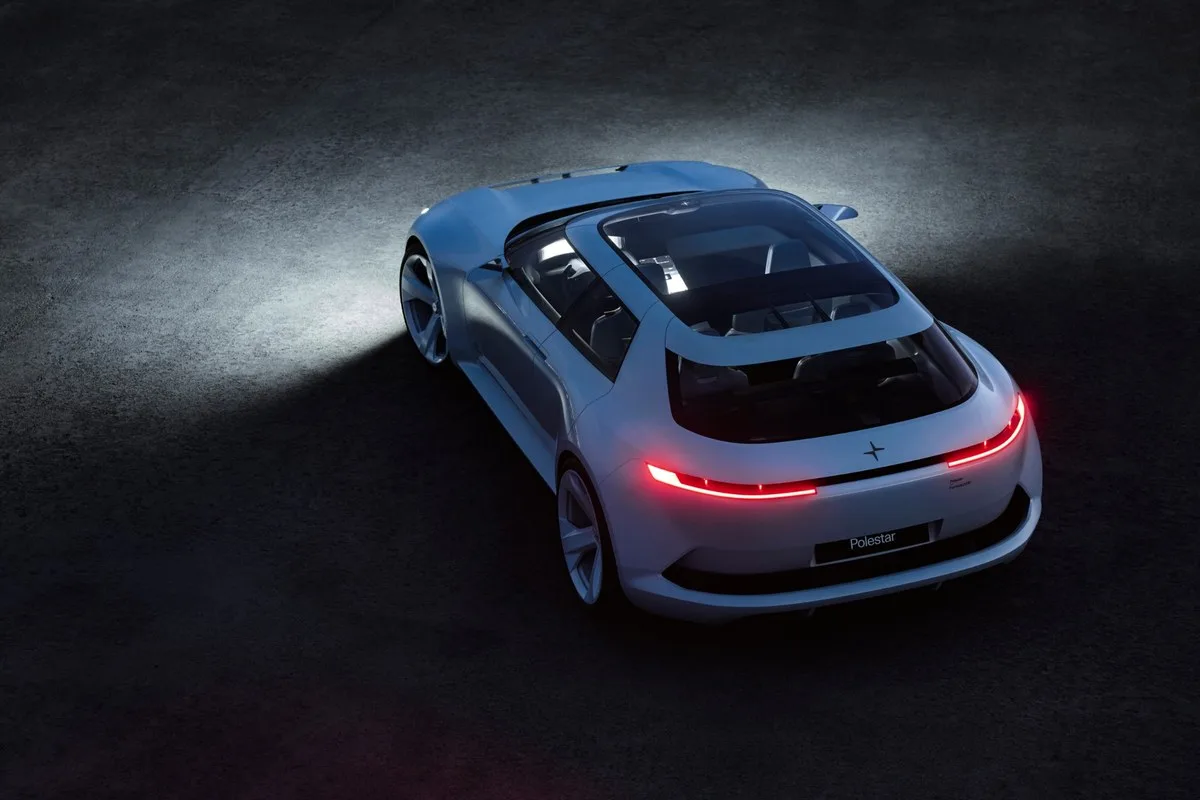
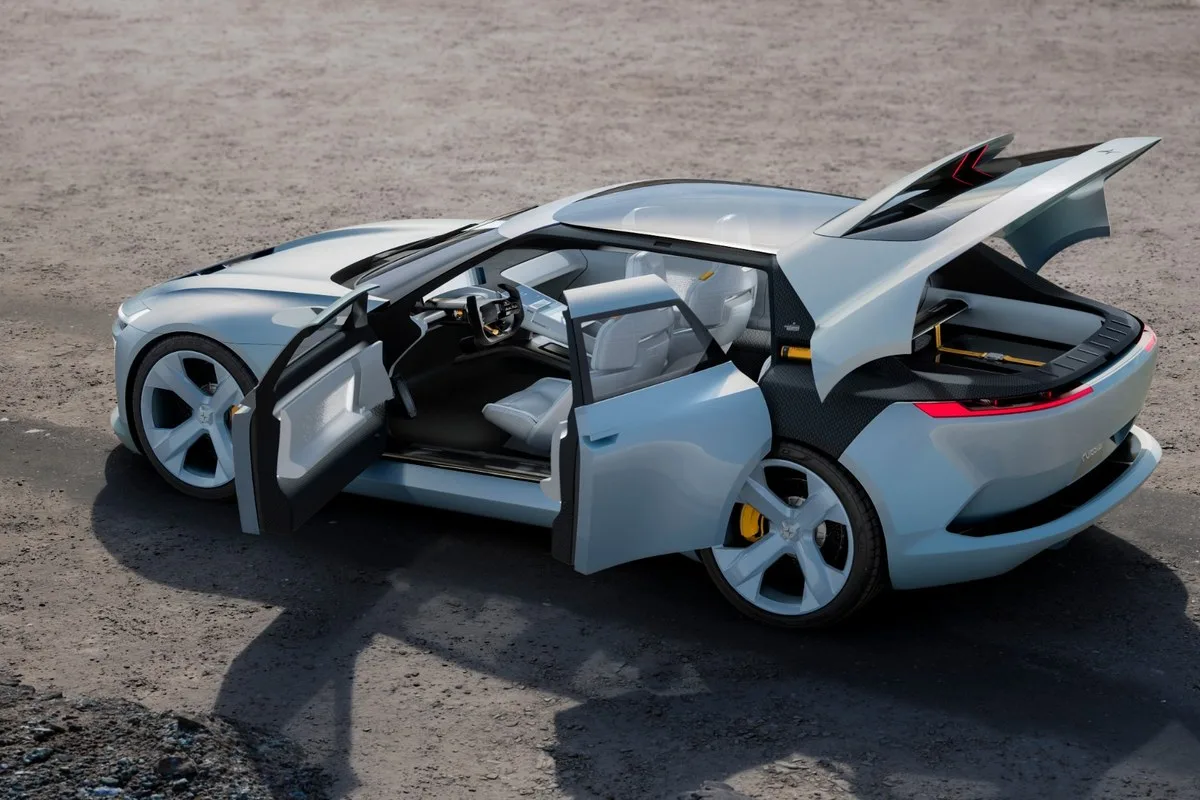
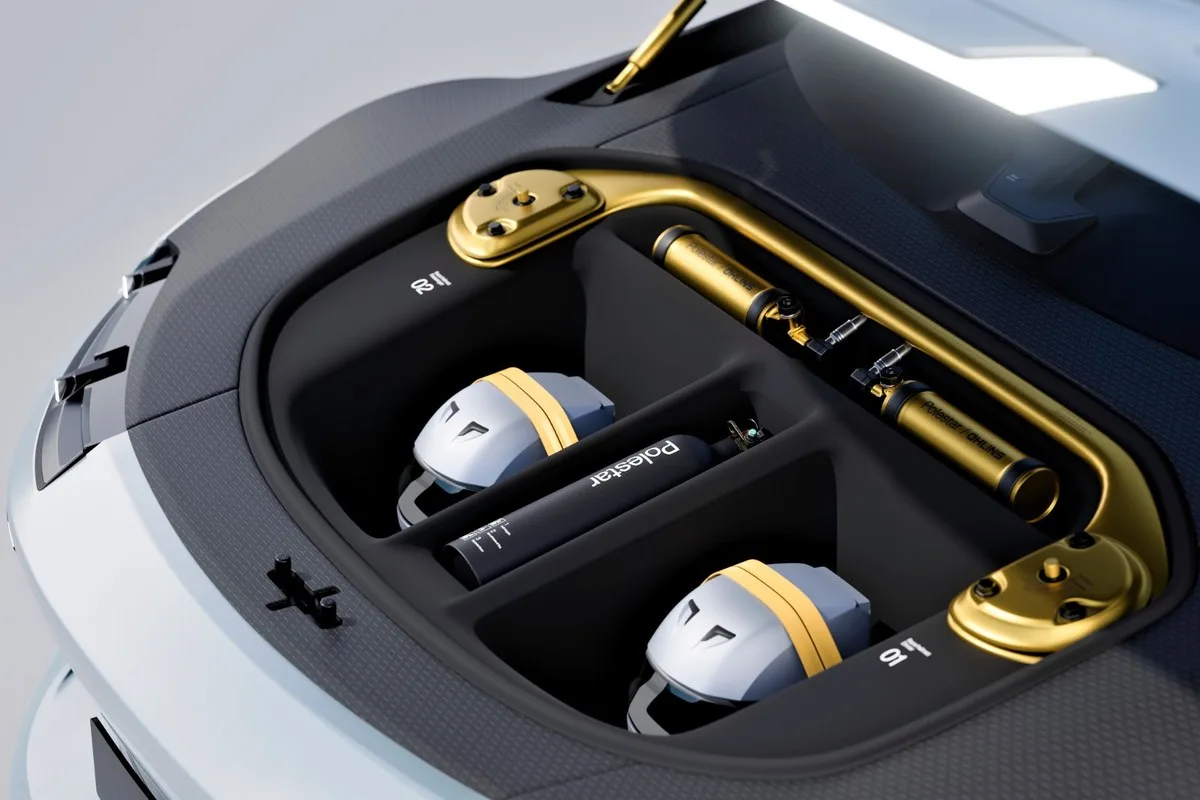
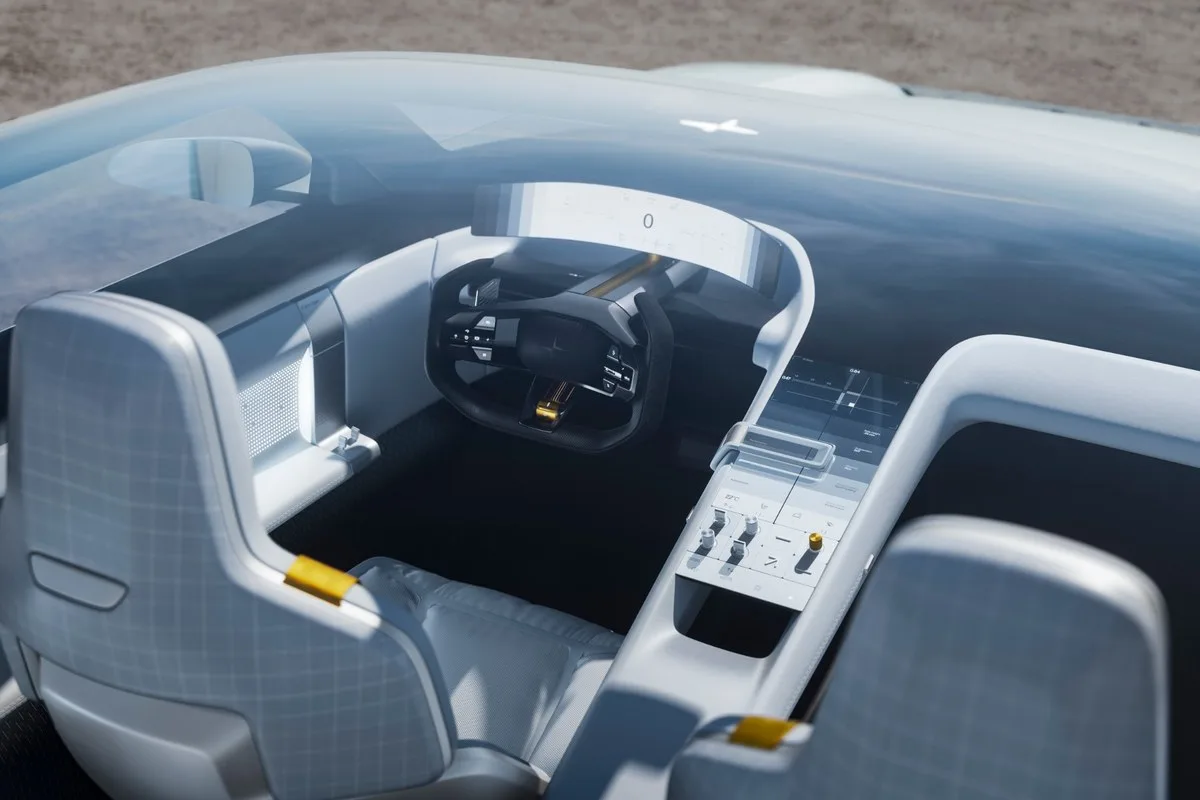

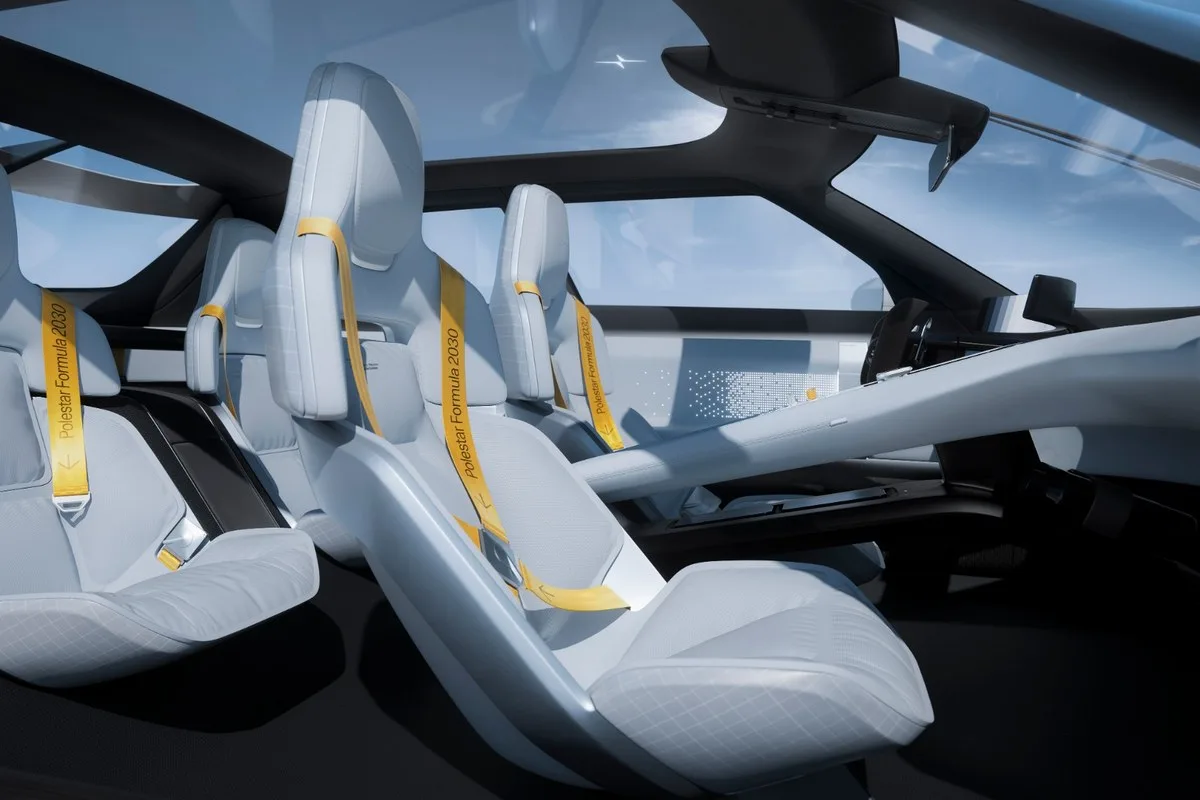

ABOVE: 2030 Formula 2030
A Low Four-Door With Polestar 2 Eyes
Polestar calls it a compact, practical four-door sports car. It’s long in the bonnet, short in the overhangs and rolls on 22″ centre-lock wheels, with big rear haunches and coke-bottle hips. The roof is lower than the Polestar 5 Grand Tourer, and in size it slots between a new Polestar 2 and Polestar 7.
Up front, those Dual Blade lights are built into an aero wing over a shark nose and a deep splitter. A single vertical wiper sweeps a wraparound visor windscreen, a nod to an original Polestar 2. At the back, the full-width lightbar is gone, replaced by new Single Blade tail lights that Polestar will put into production. There’s a rear wing on lit mounts and a diffuser underneath.
The LiDAR hides under a shroud and pops up when the car drives itself. Polestar is already leaning on sensors for driver help, as our Polestar 3 Park Assist Pilot story shows.
Head of Exterior Design Nahum Escobedo said, “We’ve pushed perceptions, preconceptions and the expected as well, with our considered choices in form language, amplification of the performance topic and new detailing like the Single Blade rear lights.”
Physical Buttons Are Back
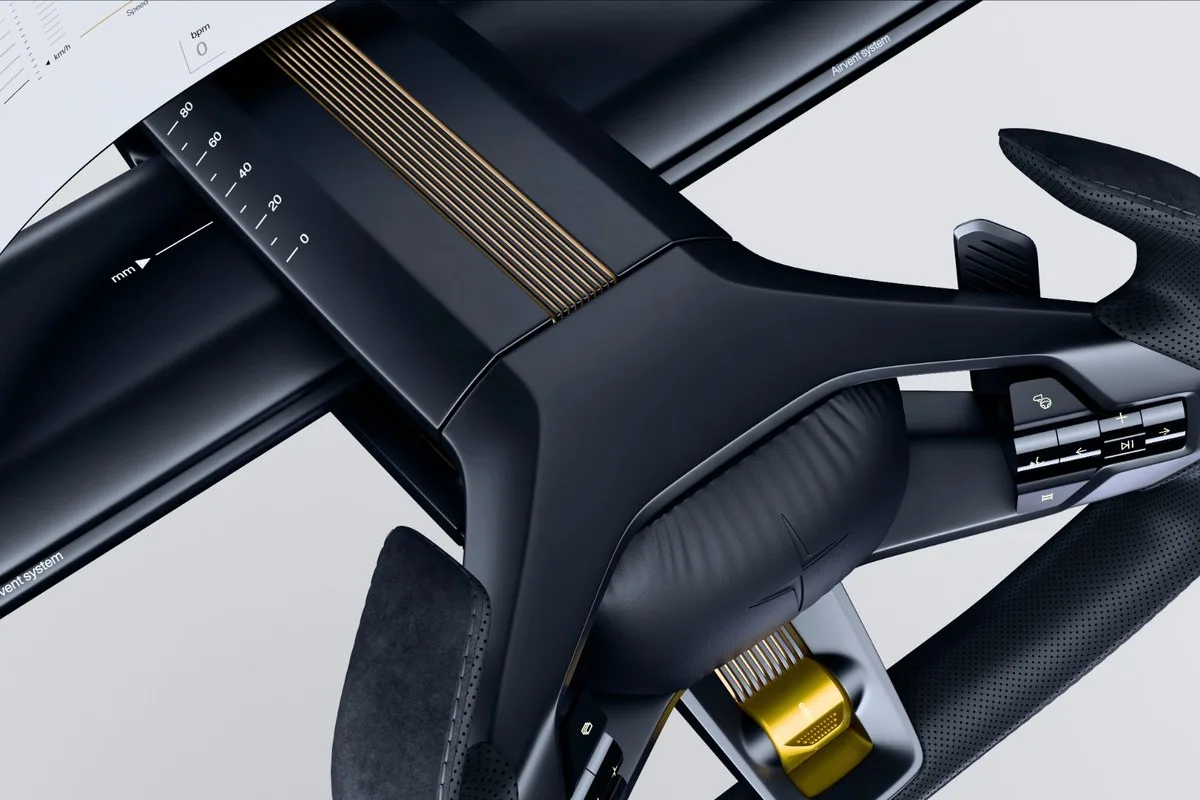
Inside is where the concept turns its back on the all-touchscreen fashion. Below the 12.2″ centre screen is a panel of 8 physical controls, and the owner can swap them between rocker switches and rotary knobs, then program them as hot keys. Head of Interior Design Juan Pablo Bernal said, “We introduce physical buttons and controls, and we believe we have achieved a tactile harmony suited for our premium positioning.”
A slider in the console selects Performance, Normal or Autonomous mode, and the cabin physically changes to suit. In Autonomous, the centre screen stands up while seat and wheel move apart. In Performance, the screen drops flush and the wheel and 20″ curved driver display pull in towards the driver’s chest. Google Gemini handles the talking, for better or for worse.
The 4 seats have air-filled sides and cushions that mould to the passenger’s form. Rear-hinged back doors and no B-pillar open the whole cabin up, gangster-style. That’s been on many a show car but has never made it into production.
Flax, Steel and Swedish Gold
The paint is a new concept-only colour called Nitrogen, which shifts with the light. It runs tone-in-tone over the wheels, cladding, splitter and diffuser, while Swedish Gold picks out the Brembo calipers, valve caps and seatbelts.
The door trims are a single material so they can be fully recycled, a feature becoming something all car makers are aiming for. The seat frames and cross-car beam are left exposed in low-emission galvanised steel, and the seat backs are woven from European flax and bio-based polypropylene. Lift the fabulously theatrical rear clamshell and you’ll see Öhlins dampers and a body structure in Bcomp natural fibre. The front boot holds race helmets and a fire extinguisher behind a gold strut brace.
Polestar showed the concept off during its Polestar 4 media drive. The real test comes in 2027, when a new Polestar 2 shows how much of this survives. If the buttons and the lights make it through, Tesla’s Model 3 and BMW’s i4 have a sharper rival coming.
Polestar Formula 2030
| Spec | Detail |
|---|---|
| Length | 4680mm |
| Width | 2021mm |
| Wheelbase | 2780mm |
| Height | 1350mm |
| Wheels | 22″ centre-lock four-spoke |
| Driver display | 20″ curved HyperDIM |
| Centre screen | 12.2″ |
| Seats | 4 |
| Drive modes | Performance, Normal, Autonomous |
| Price | Concept, not for sale |
Above: 70mai A900 Dashcam + 4G Hardwire kit Unboxing and Review
#70maiA900, #70mai, #DashCam, #RedtigerF77, #GayCarBoys
More Polestar Stories
- Polestar 4 Performance Thrills Drivers in Oxford Study
- 2026 Polestar 5 Performance Review, Supercar Pace in Silence
- Polestar 3 Park Assist Pilot Parallel Parks It for You

Alan Zurvas is the founder and editor of Gay Car Boys, Australia's leading LGBTQI+ automotive publication. Before launching GCB in 2008, Alan's automotive writing was published in SameSame.com.au and the Star Observer. With over 16 years of hands-on car reviewing experience, Alan brings an honest, irreverent voice to every review — championing value and innovation over brand loyalty.
Leave a Reply