Audi will begin to manufacture its last new internal combustion engine car will in 4 year’s time. From 2026, Audi will only release electric powered vehicles. Internal combustion engines will be completely phased out by 2033. Audi plans to be a provider of net-zero carbon mobility throughout its entire supply chain.
This applies not only to production and use, but recycling or reuse at the end of a car’s life cycle.
Above: This Week 2021 Toyota Fortuner CRUSADE FULL Review

Help Support Gay Car Boys Subscribe to our Youtube Channel
- Top GayCarBoys Stories:
- Sexy Men Drive 2021 Toyota Yaris Cross
- 10 Sexiest MotoGP Motorcycle Riders
- DON’T Drive YOUR CAR until you’ve Checked if your AIRBAG will KILL YOU
- 10 Hottest Racing Drivers
- Top 12 Best Gay Lesbian LGBTI Luxury Cars
- Top 10 Gay Lesbian LGBT Cars
- Top 10 Gay Lesbian LGBT Sports Cars
- Top 15 gay and lesbian LGBT SUVs
- Talented Twinks – Callum Ilott Virtually Races Arthur Leclerc


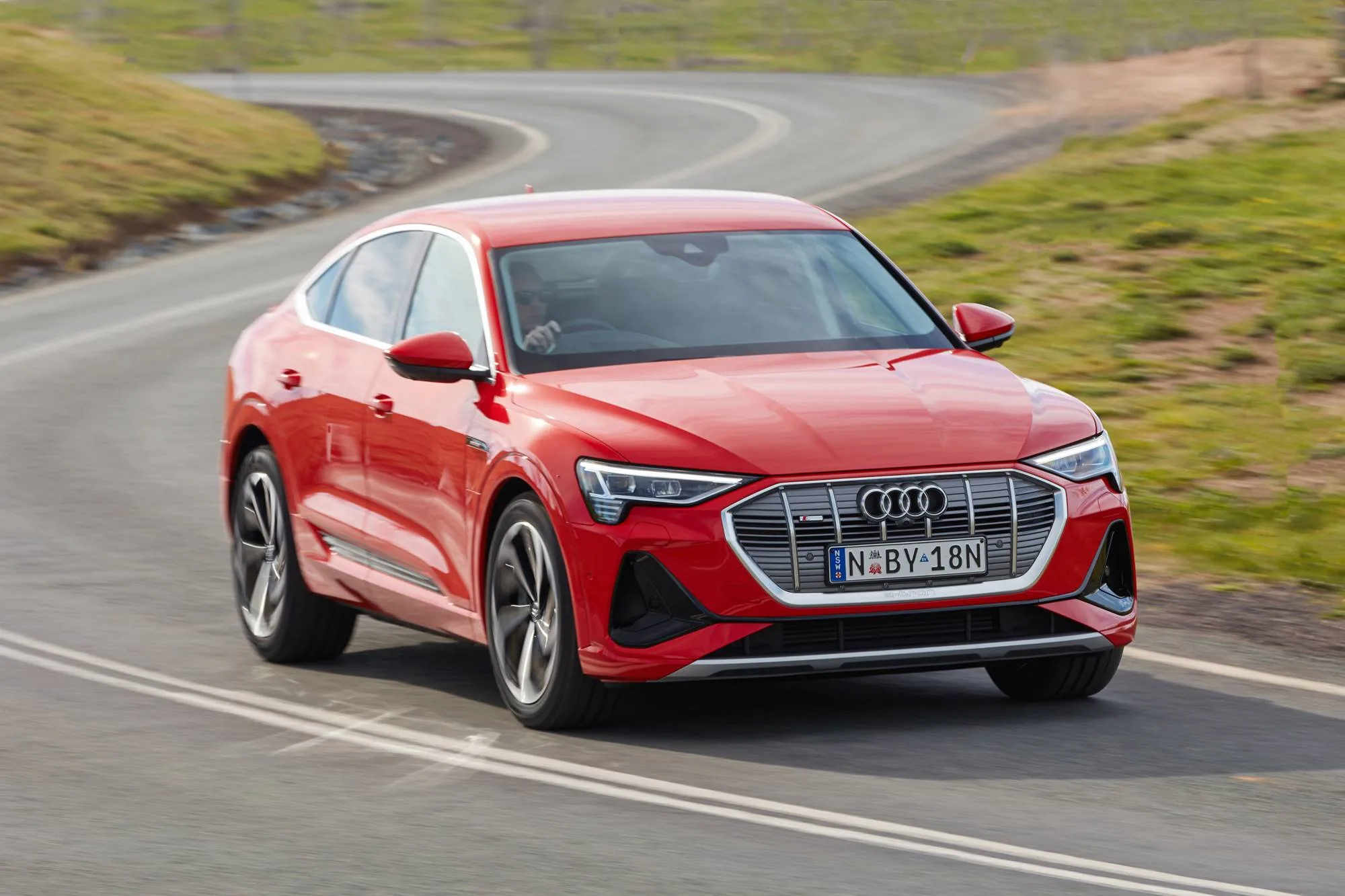

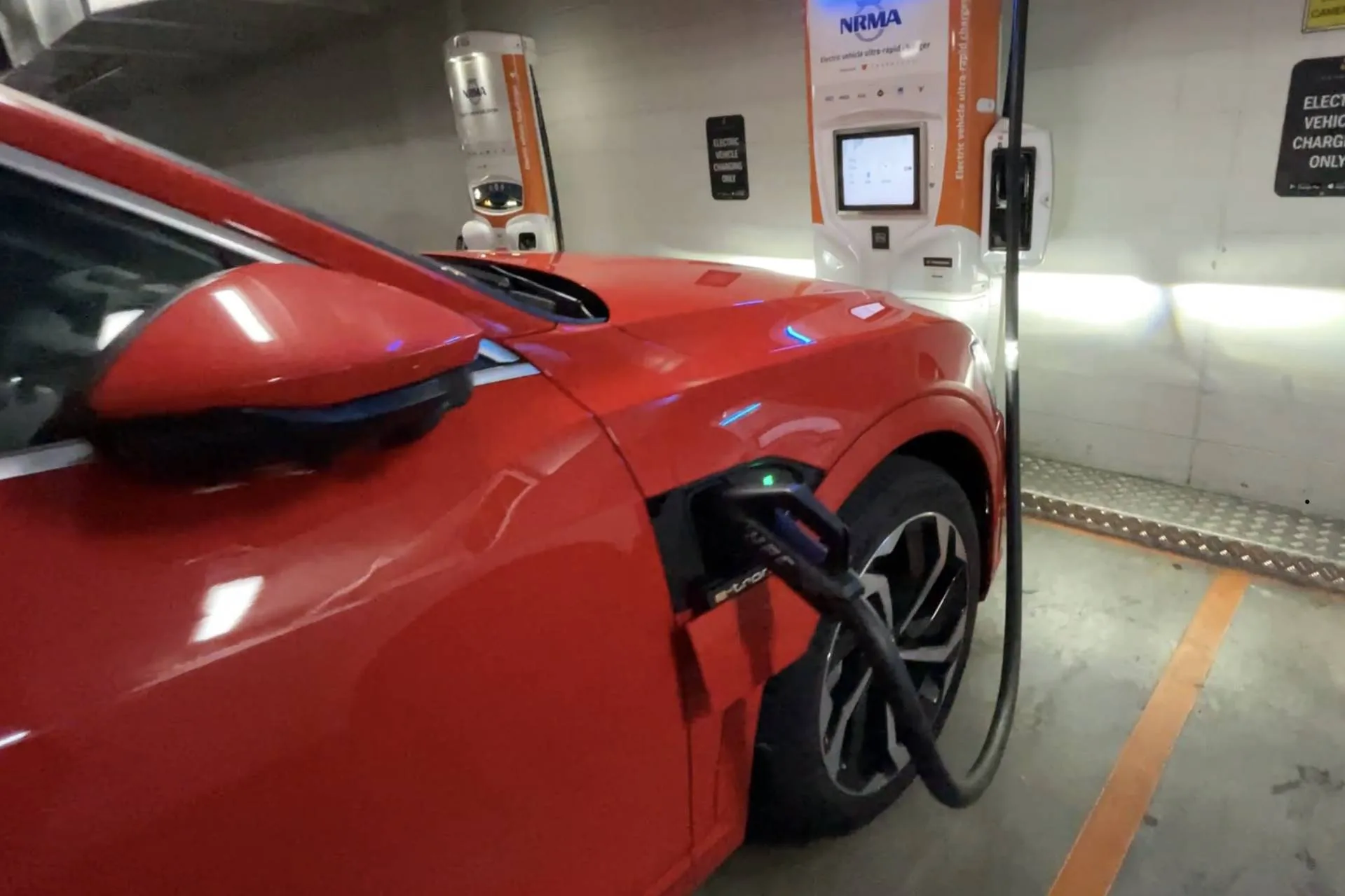

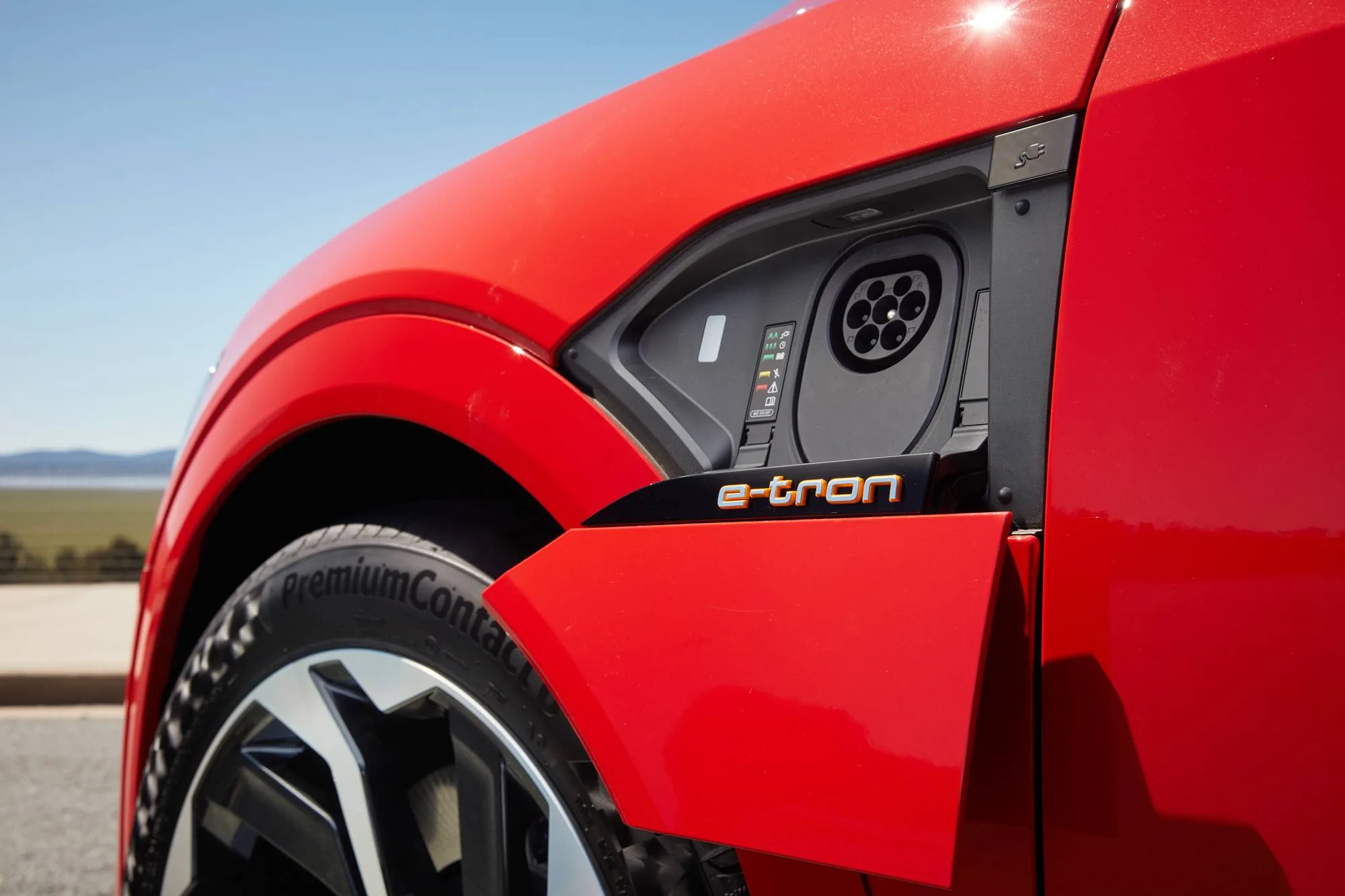


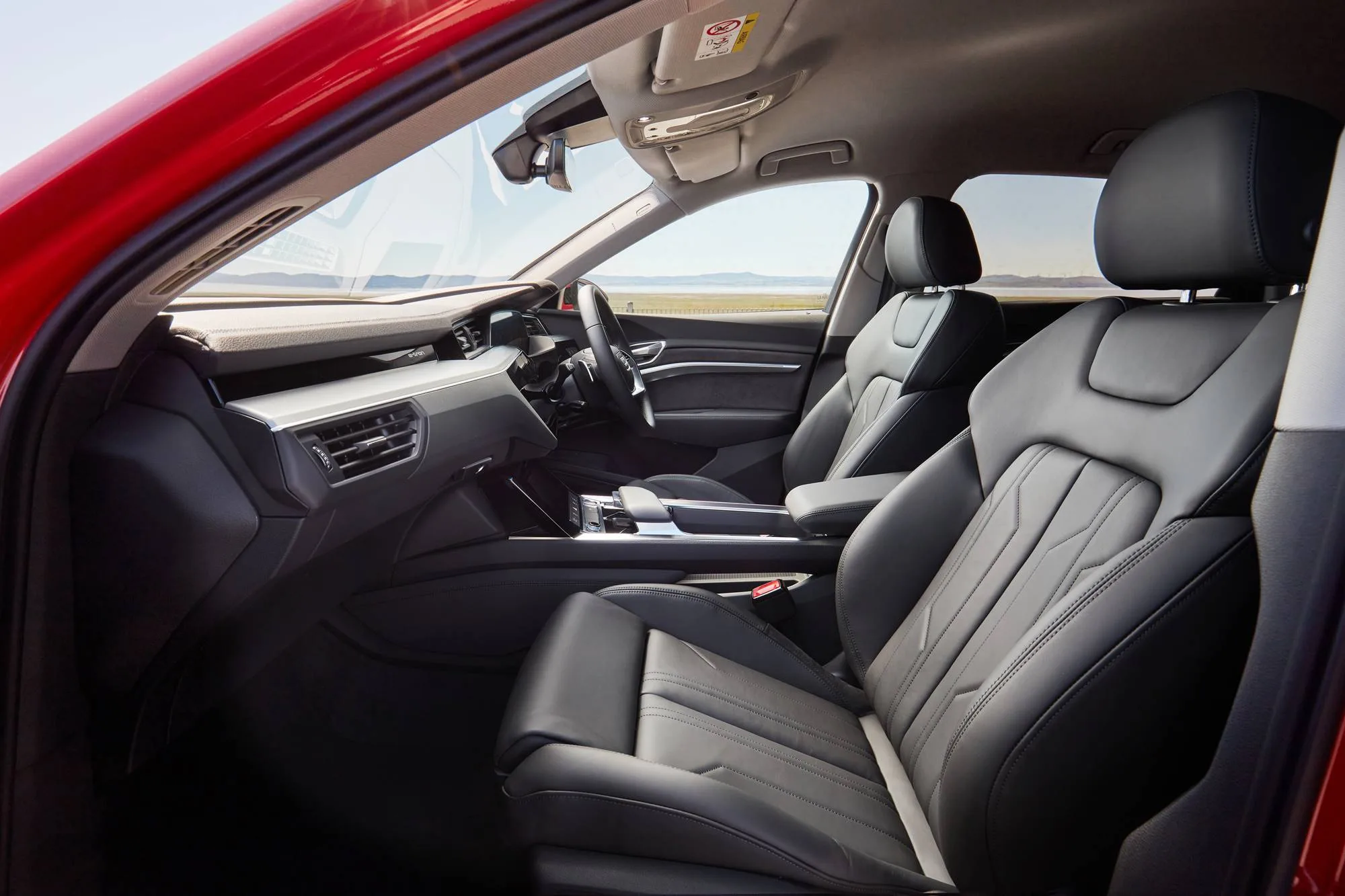


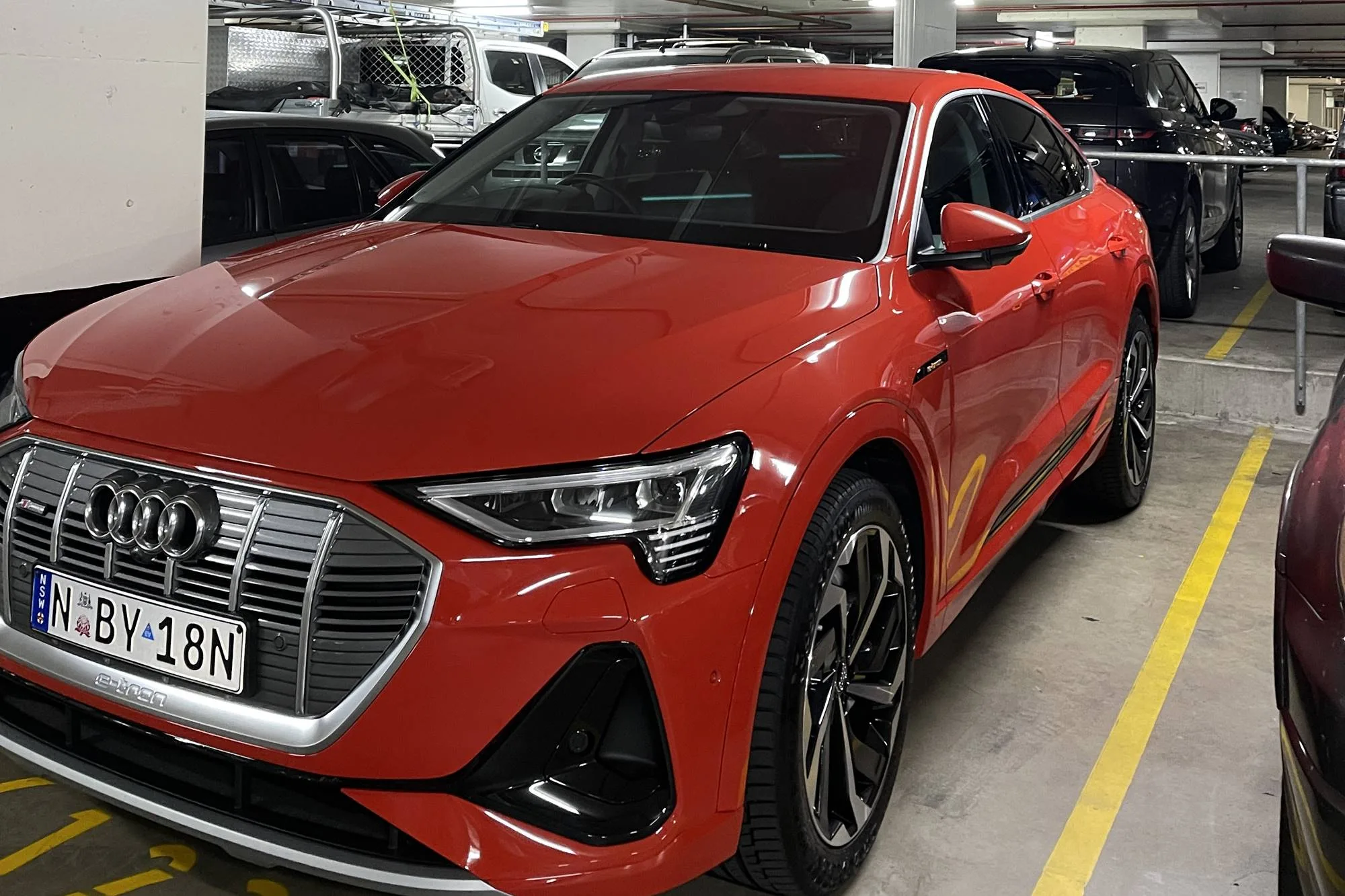

ABOVE: 2021 Audi E-Tron
Green energy, more recyclates, less waste all links in the supply chain will switch to renewable energy. As an example, the high-voltage batteries are contracted to be produced with green electricity. This was in place in time for Audi’s very first electric model, the Audi e-tron*, and it still applies today. In addition, Audi is campaigning for adherence to human rights and environmental protection in its supply chain. Global Battery Alliance is a worldwide platform which began in 2017 on the initiative of the World Economic Forum. This initiative links public and private entities to sustainably produce batteries that also accounts for responsibility for all aspects of the production.
IN addition, Audi recycles aluminium scraps to be returned as newly processed aluminium coils. This prevented around 165,000 tons of carbon dioxide emissions in 2020. Now, Neckarsulm, Ingolstadt, and, starting in 2021, Gyor are also implementing the Aluminium Closed Loop.
PET: seat covers made from bottles The cabin has recycled materials for insulation and noise damping. Parts of cabin trim are also recycled such as susch as floor covering, and sections of the cargo hold. Further more, Dinamica used in the trim, is a microfiber material with 45 percent obtained from recycled PET bottles, old textiles, or residual fibers.
The carpeting and floor mats in the Audi e-tron GT* are made of Econyl – a material that consists of 100 percent recycled nylon fibers. They come from production waste, fabric and carpet scraps, or old fishing nets. There are up to 45 1.5-liter PET bottles in the seats of an Audi A3. Seat covers made from secondary raw materials were used for the first time in the fourth generation of the Audi A3.
Audi is working towards making even more of their vehicles of recycled material, with an aim to being able to re-use more and more of the components, in one way or another, and the end of the life cycle.
Other GayCarBoys EV Stories:
- Audi E- Tron 50 Review PT 1: EV Myths BUSTED!
- 2021 Audi E-Tron 50 Sportback Review: PT 2 The Drive
- We drive 2019 Jaguar I-Pace SE EV400 Electric car
- 2019 Jaguar I-Pace SE EV400 Driven and rated in GALSTON GORGE Australia Video Review
- Nissan LEAF 2019: All New EV Powers Your Home VIDEO REVIEW
- Hyundai’s 2019 Electric Ioniq: The cheapest EV In Australia?
- New Nissan Leaf Could Power Your Home for a Week
- Tesla Model 3 Colors and Price
- Charging My tesla Model 3
- Tesla Model 3 Full Review Inside, outisde, and Roadtest
- Mini Cooper SE electric
- Karma Starts E-Flex Prototype Testing
- Is Karma Automotive’s New E-Flex Platform a Game Changer

Alan Zurvas is the founder and editor of Gay Car Boys, Australia's leading LGBTQI+ automotive publication. Before launching GCB in 2008, Alan's automotive writing was published in SameSame.com.au and the Star Observer. With over 16 years of hands-on car reviewing experience, Alan brings an honest, irreverent voice to every review — championing value and innovation over brand loyalty.
Leave a Reply