Ask anyone what the BMW roundel means and you’ll get the same answer. White propeller blades, blue sky, aviation heritage. It’s a charming story, and BMW made it up in an advertisement more than a decade after the badge was registered.
The badge dates to 1917, registered shortly after Bayerische Motoren Werke GmbH was founded as successor to Rapp Motorenwerke GmbH. Rapp had a black outer ring, and BMW kept it rather than starting from a blank page. Into the middle went blue and white quadrants, the colours of Munich and the state of Bavaria. Rapp Motorenwerke didn’t survive the name change, but its ring did.
Trademark rules of the day wouldn’t let BMW reproduce the Bavarian state flag exactly, so the quadrants ended up in the arrangement everyone recognises today. A legal restriction drew the badge. It’s been on the bonnet ever since, right through to the iX3 40 in BMW Australia showrooms.
Above: Ottobox Play2Video Ultra Wireless CarPlay Android UNBOXING and review
#OttocastPlay2VideoUltra, #Ottocast, #WirelessCarPlay, #CarPlayAIBox, #GayCarBoys

Help Support Gay Car Boys Subscribe to our Youtube Channel by SMASHING THE BUTTON ABOVE


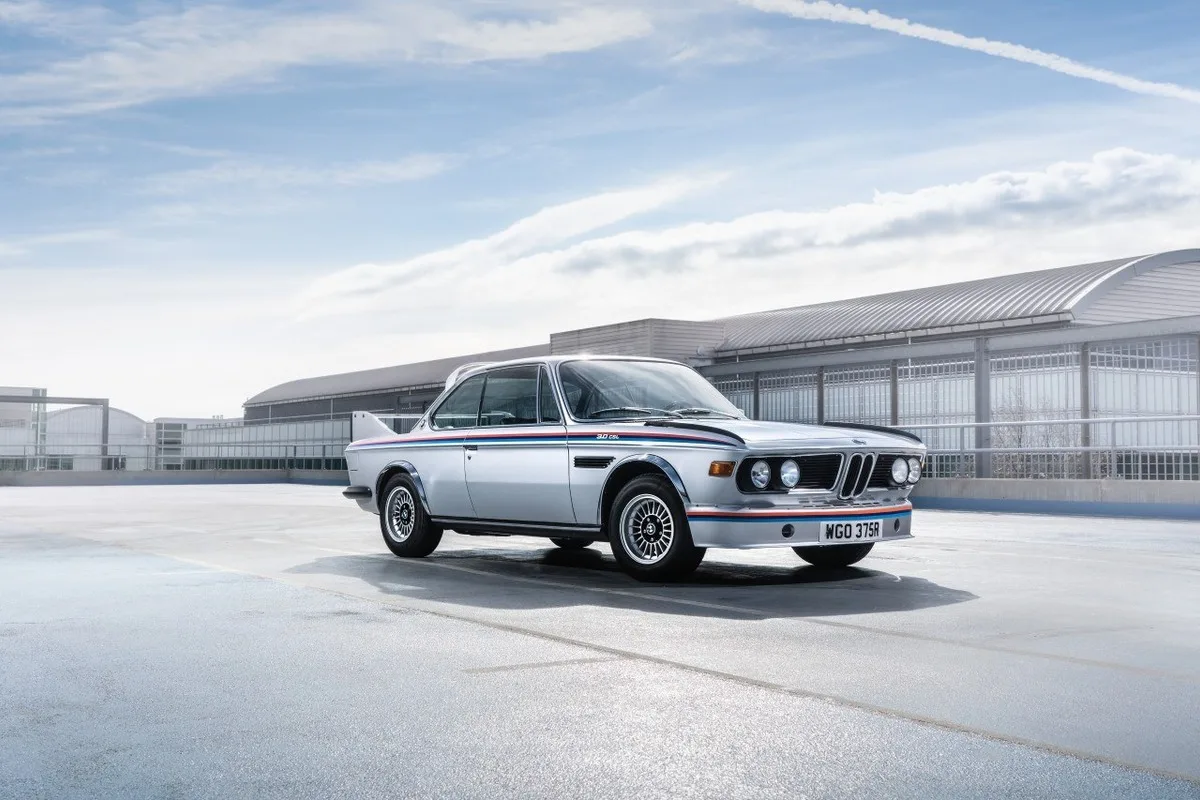
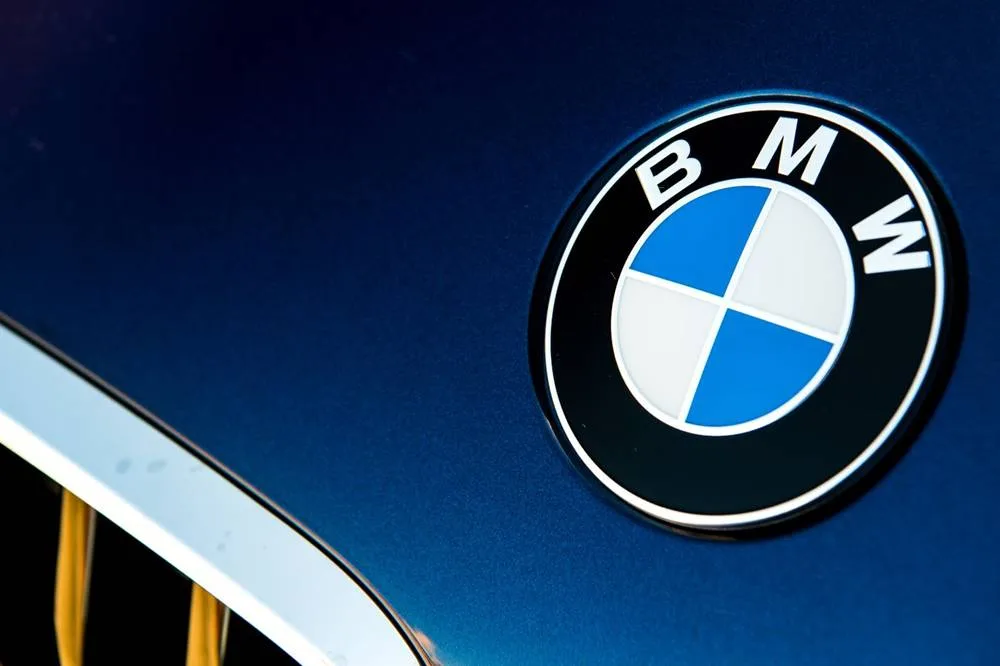


ABOVE: The BMW roundel through the years, a classic BMW coupe, the roundel up close, and a BMW Isetta.
BMW Roundel Came First, the Propeller Came Later
In 1929, with BMW then building aircraft engines, an advertisement put the roundel inside a spinning propeller. That’s the origin of the propeller story, a single advert. A 1942 company publication repeated the connection, which took it from marketing flourish to common knowledge, and there it stayed.
The logo pre-dates BMW’s first flight-tested aircraft engine, so a propeller couldn’t have been the inspiration for a badge that already existed. Historical records are blunt about it. The roundel was created to represent BMW and its Bavarian origins.
A Century of Quoting an Advert

The BMW roundel appeared on the R 32 in 1923, the company’s first motorcycle, 6 years before the propeller advert existed. Nobody looking at that tank badge had any reason to think of aircraft, because the story hadn’t been invented yet.
The badge outlived the aero engines and the advertisement that mythologised it. BMW Group now covers BMW, MINI, Rolls-Royce, and BMW Motorrad, with over 30 production sites and sales in more than 140 countries. In 2025 it sold 2.46 million passenger vehicles and more than 202,500 motorcycles, plus whatever the M Concept at Le Mans eventually becomes. All of them use the same 1917 device. Next time someone explains the propeller to you, they’re quoting a 1929 ad.
The Badge Timeline
| Year | What happened |
|---|---|
| 1917 | The roundel was registered, keeping the black ring from Rapp Motorenwerke and adding blue and white quadrants for Bavaria |
| 1923 | The roundel appeared on the R 32, BMW’s first motorcycle |
| 1929 | An advertisement placed the roundel inside a spinning aircraft propeller |
| 1942 | A BMW company publication repeated the propeller connection and spread it further |
More BMW Stories
- BMW iX3 Holds The Door Shut To Save Passing Cyclists
- BMW M Concept Neue Klasse Brings EV Power To Le Mans
- EVs and utes score in latest ANCAP safety results

Alan Zurvas is the founder and editor of Gay Car Boys, Australia's leading LGBTQI+ automotive publication. Before launching GCB in 2008, Alan's automotive writing was published in SameSame.com.au and the Star Observer. With over 16 years of hands-on car reviewing experience, Alan brings an honest, irreverent voice to every review — championing value and innovation over brand loyalty.
Leave a Reply