The BYD Seal 6 Touring is a plug-in hybrid wagon priced from $39,990 before on-road costs, which makes it the cheapest new wagon on sale in Australia. The two next cheapest, the Skoda Octavia wagon at $41,990 and the Subaru Outback at $42,490, do not plug in at all.
BYD has put two body styles on sale and made the grade choice for you in each one. The BYD Seal 6 Sedan comes in Essential trim only, from $34,990. The Touring comes in Premium trim only, from $39,990. There is no cheap wagon and no loaded sedan, so the $5,000 between them is not a trim walk, it buys a different car.
Both BYD Seal 6 variants sit on a 2,790mm wheelbase inside a 4,840mm body, which is mid-size territory rather than the small-car class the price suggests. Front-wheel drive only, MacPherson struts at the front, multi-link at the rear, and the same 65-litre fuel tank in each.
What the Extra $5,000 Buys
The BYD Seal 6 Touring gets a 19kWh battery against the sedan’s 10kWh, and with it 100km of electric-only range on the WLTP cycle instead of a very modest 55km. Combined output rises from 130kW to 163kW. The boot goes from 491 litres to 670, or from 1,370 litres to 1,535 with the rear seats folded. On top of that come heated and ventilated plakky leather front seats, a six-way power driver’s seat with memory, four-way power for the passenger, a panoramic sunroof, roof rails, a power tailgate and 18-inch wheels in place of the sedan’s 17s.
Both cars get the same screens, an 8.8-inch instrument cluster and a 12.8-inch central touchscreen with wireless Apple CarPlay and Android Auto, so none of the extra money has gone on the dashboard. It has gone on the battery and the body. In the era of SUV-obsessed drivers, a wagon might be a nice change.
Above: 2026 GAC M8 Luxury Master Super Hybrid review – Why Legacy Brands Can’t Match It
GACM8, #GACM8PHEV, #GAC, #M8PHEV, #PHEV, #PlugInHybrid, #PeopleMover, #MPV, #KiaCarnival, #LexusLM, #LDVMifa9, #Zeekr009, #SevenSeater, #FamilyCar, #CarReview, #Australia, #GayCarBoys

Help Support Gay Car Boys Subscribe to our Youtube Channel by SMASHING THE BUTTON ABOVE


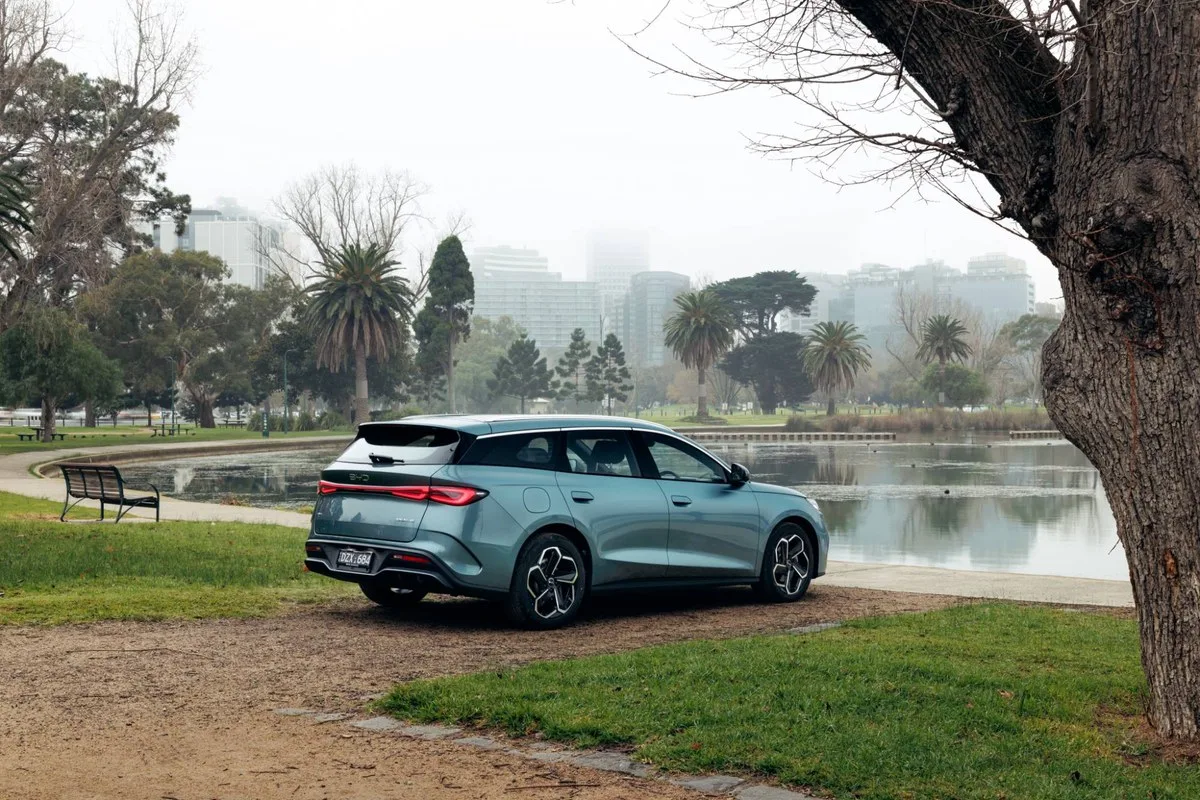
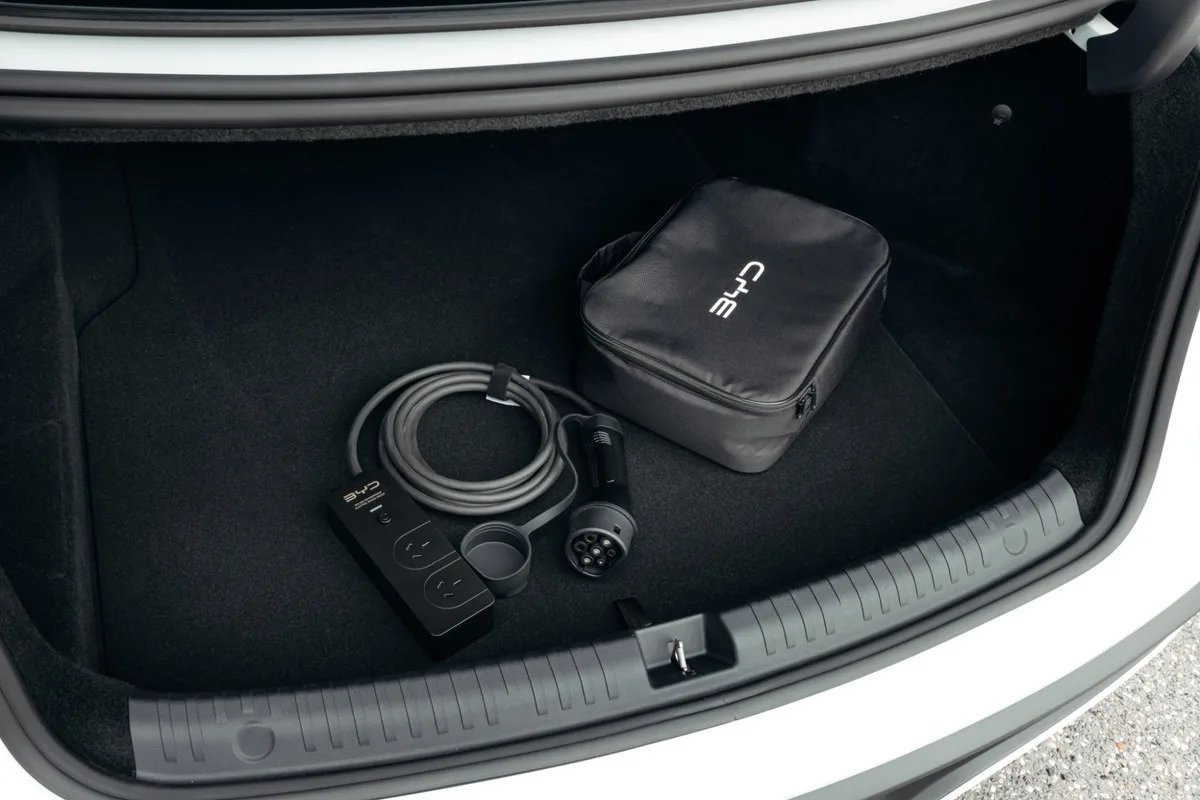
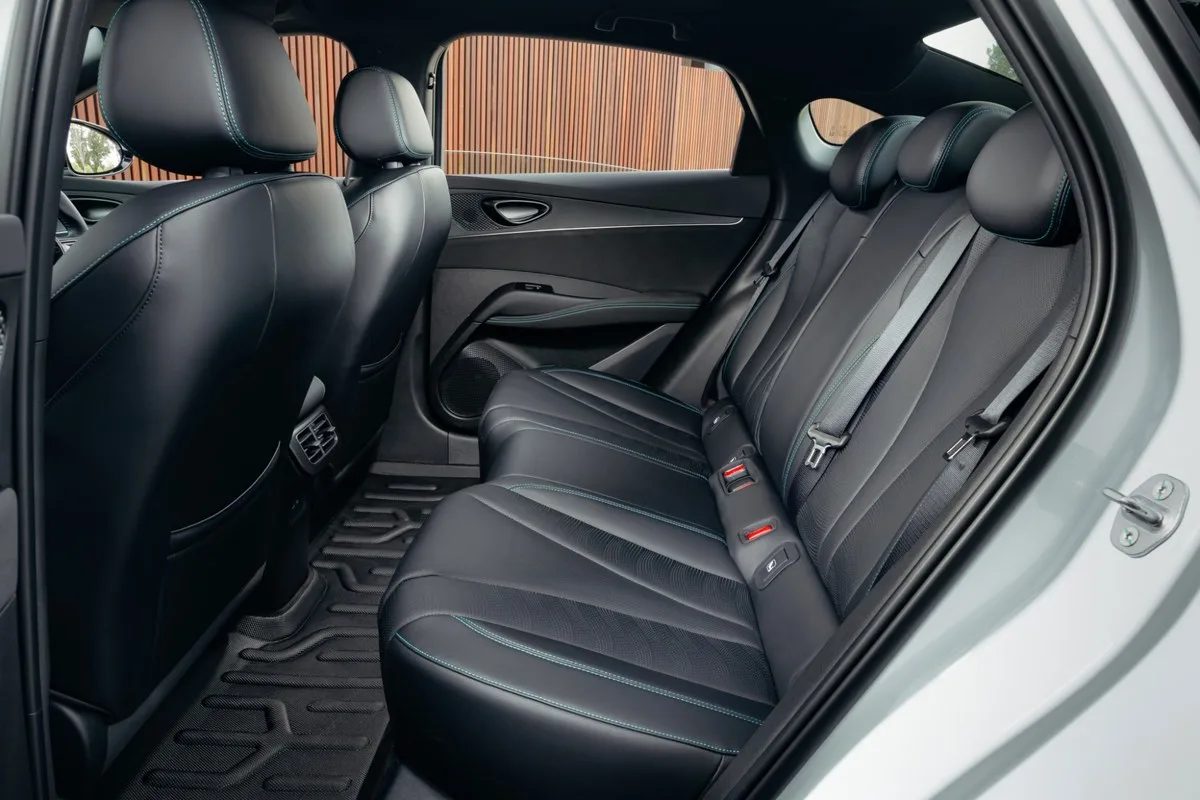
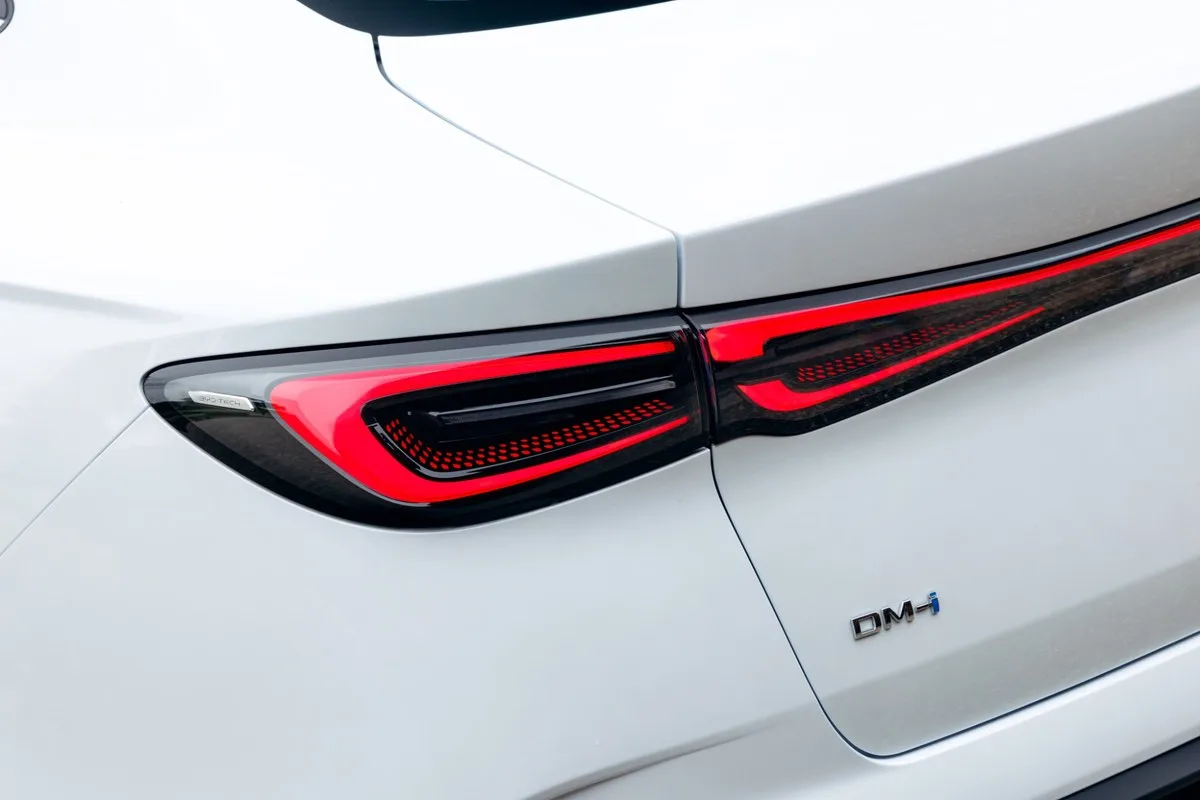




ABOVE: The Seal 6
How the BYD Seal 6 Super Hybrid Works
This is BYD’s DM-i 5.0 system and it runs the opposite way around to most hybrids. The electric motor drives the front wheels most of the time, and the 1.5-litre Atkinson-cycle petrol engine only fires when it can do so efficiently. There are three modes and no switch to flick between them. In EV mode the engine is off. In series mode the engine runs as a generator and never touches the wheels. In parallel mode, which mostly happens at highway speed, engine and motor both drive the front axle while the engine also tops up the battery.
Unlike Toyota’s system where the engine is the star and the electric motor is the backup act, the Super Hybrid is really a range-extended EV
The engine is claimed at 46% thermal efficiency, which is high for a production petrol engine and matters more than it would in a conventional car, because this one spends long stretches doing nothing but making electricity.
A few interesting side facts: The sedan has a drag coefficient of 0.255 and the Touring 0.284, helped along by active grille shutters, semi-hidden door handles and a flat underbody. China has recently outlawed electric pop-out door handles and electric looks with no mechanicals. Brands like Tesla are scrambling to redesign their handles to suit. Pop-out handles are a thing of the past and were always a daft idea..
Read the 1,000km Claim Properly
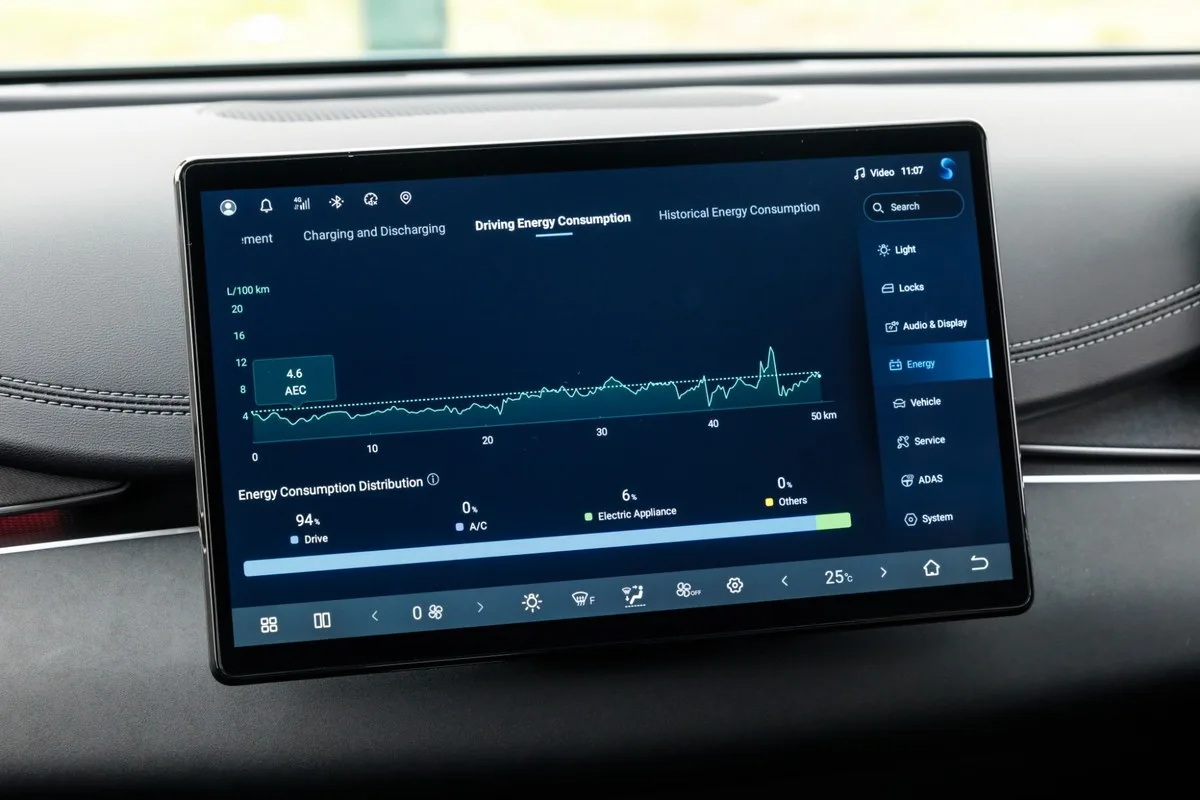
BYD quotes more than 1,000km from a full 65-litre tank and a full battery in both cars, tested on Australian roads, and that part is believable. What deserves a closer look is which test cycle each number comes from. The electric ranges, 55km for the sedan and 100km for the Touring, are WLTP. The fuel figures, 1.1L/100km for the sedan and 0.8L/100km for the Touring, are NEDC, an older and far gentler cycle, and the sedan’s figure is quoted with the battery held at a minimum 25% charge.
Plug it in every night and short trips will use almost no fuel, because on most days the engine will not start. Stop plugging it in and you are hauling a battery around behind a 1.5-litre engine doing all the work, at which point the window sticker stops meaning anything. That is true of every plug-in hybrid, and it is worth saying out loud while the whole category is being sold on its best-case numbers. Australia’s new car market was 46% electrified in May, and a fair slice of that is plug-in hybrids going to people who may never plug them in.
Battery, Safety and Warranty
The BYD Seal 6 uses a Blade battery, lithium iron phosphate, and the cells are built into the floor rather than dropped in as modules, which BYD calls cell-to-chassis. LFP copes with heat better than nickel chemistries and puts up with being charged and drained every day, which is exactly what a plug-in hybrid does to a battery. It has been through nail penetration and crush testing.
Seven airbags are standard, including a centre airbag between the front seats. Driver assistance covers adaptive cruise with traffic sign recognition, forward collision warning with braking, blind spot monitoring with door-opening alerts, lane departure assist, and child presence detection that can message your phone and switch the climate control on. There is no ANCAP rating in the launch material. Warranty is six years or 150,000km on the car, eight years or 160,000km on the battery and eight years or 150,000km on the drive unit.
Where the BYD Seal 6 Sits
Stephen Collins, BYD Australia’s chief operating officer, put the case plainly at the launch. “At the end of the day, not everybody wants an SUV. There are loyal sedan and wagon customers in the market that have certain requirements.” He has the numbers behind him. BYD has spent this year trading blows with Toyota and Tesla at the top of the sales charts and landed 4,809 cars in Melbourne in one shipment, so a wagon is not a hobby project, but, the passenger car segment is dying.
Prices exclude on-road costs, so the drive-away figures will be higher, and optional colours cost extra. The BYD Seal 6 Sedan’s $34,990 is stunning and the Touring’s $39,990 is the one nobody else can match. Remember, these are PHEVs when the legacy brands are still pushing regular hybrids
BYD Seal 6 Pricing
| Model | Grade | Price |
|---|---|---|
| Seal 6 DM-i Sedan | Essential | $34,990 |
| Seal 6 DM-i Touring | Premium | $39,990 |
BYD Seal 6 Specifications
| Spec | Seal 6 Sedan Essential | Seal 6 Touring Premium |
|---|---|---|
| Price | $34,990 | $39,990 |
| Body | Sedan | Wagon |
| Powertrain | 1.5-litre petrol plug-in hybrid | 1.5-litre petrol plug-in hybrid |
| Combined power | 130kW | 163kW |
| Drive wheels | Front | Front |
| Battery | 10kWh LFP Blade | 19kWh LFP Blade |
| Electric range (WLTP) | 55km | 100km |
| Fuel use (NEDC) | 1.1L/100km | 0.8L/100km |
| Fuel tank | 65 litres | 65 litres |
| Combined range (claimed) | Over 1,000km | Over 1,000km |
| Boot | 491 litres | 670 litres |
| Boot, seats folded | 1,370 litres | 1,535 litres |
| Length | 4,840mm | 4,840mm |
| Width | 1,875mm | 1,875mm |
| Height | 1,495mm | 1,505mm |
| Wheelbase | 2,790mm | 2,790mm |
| Wheels | 17-inch | 18-inch |
| Drag coefficient | 0.255 | 0.284 |
| Suspension | MacPherson front, multi-link rear | MacPherson front, multi-link rear |
| Airbags | 7 | 7 |
| Screens | 8.8-inch cluster, 12.8-inch centre | 8.8-inch cluster, 12.8-inch centre |
| Vehicle warranty | 6 years / 150,000km | 6 years / 150,000km |
| Battery warranty | 8 years / 160,000km | 8 years / 160,000km |
| Drive unit warranty | 8 years / 150,000km | 8 years / 150,000km |
More BYD Stories
- Toyota BYD Tesla Fight For Australia’s Sales Crown
- Omoda Jaecoo J5 EV Tops Australian Electric Small SUV Sales
- Australia’s Car Market 46% Electrified in May
Help Support Gay Car Boys Subscribe to our Youtube Channel by SMASHING THE BUTTON ABOVE

Alan Zurvas is the founder and editor of Gay Car Boys, Australia's leading LGBTQI+ automotive publication. Before launching GCB in 2008, Alan's automotive writing was published in SameSame.com.au and the Star Observer. With over 16 years of hands-on car reviewing experience, Alan brings an honest, irreverent voice to every review — championing value and innovation over brand loyalty.
Leave a Reply