The Australia-EU Free Trade Agreement has finally been signed, and while the FCAI is cautiously optimistic, the Luxury Car Tax remains a relic from an era when we actually built cars here.
The deal removes the five per cent import tariff on European vehicles, which should make that Porsche or BMW marginally less eye-watering. FCAI chief Tony Weber called it “a positive outcome for Australian consumers,” which in industry-speak means “better than nothing.”
The real news is the Luxury Car Tax threshold for zero-emission vehicles climbing to $120,000. That sounds generous until you remember every EV worth driving costs north of $80,000 anyway. It is incremental, as Weber diplomatically put it.
A Tax from Another Time
Here is the uncomfortable truth: the Luxury Car Tax exists because we once had a domestic car industry to protect. That industry closed in 2017, killed off by the Liberal government daring them to leave. Holden, Ford, Toyota — all gone because conservatives would rather support mining and fossil fuels than thousands and thousands of Australian jobs. Yet the tax remains, stubbornly clinging to the books like a turd to a bowl.
The LCT currently slaps a 33 per cent tax on the value of any vehicle above $80,567, or $91,387 for fuel-efficient models. Buy a $100,000 car and you will pay around $7,000 in LCT alone — on top of GST, stamp duty, and whatever else the government can extort. Like the booze and ciggie taxes, it simply funnels more money upwards.
Weber did not mince words. “Luxury car taxes were first introduced in Australia nearly 40 years ago to protect a domestic manufacturing industry which no longer exists,” he said. “It serves no clear purpose other than raising revenue.” What he should have said was, “if only the Liberals were as keen on creating jobs for workers as they were more billions for the 1%”. Tony knows which side his bread is buttered I guess.
Above: Lexus GX550 Review
#EUFTA #LuxuryCarTax #FCAI #FreeTradeAgreement #AustraliaTrade

Help Support Gay Car Boys Subscribe to our Youtube Channel by SMASHING THE BUTTON ABOVE


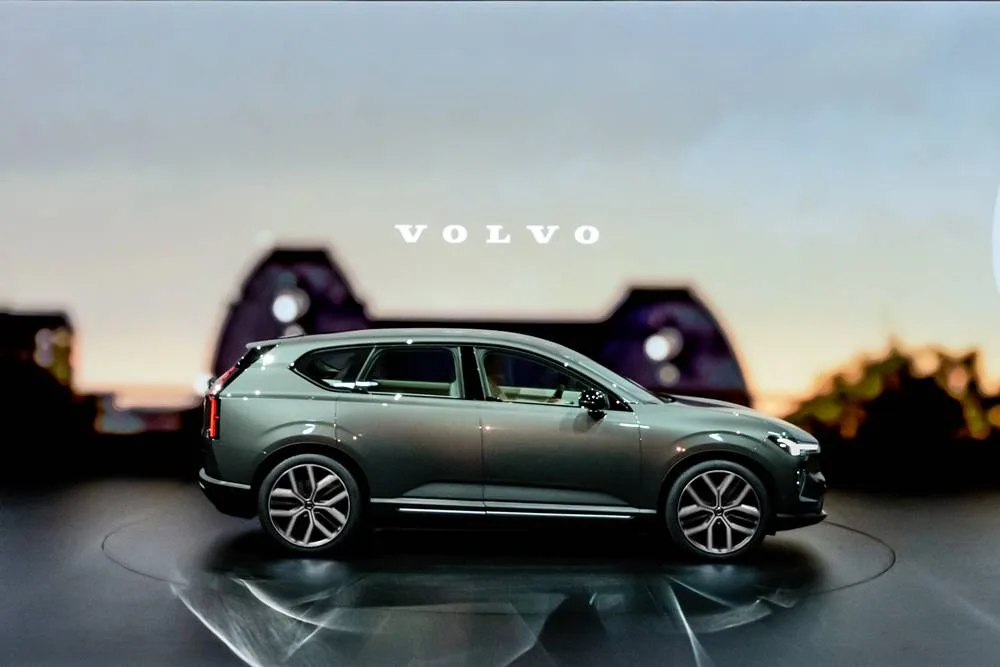
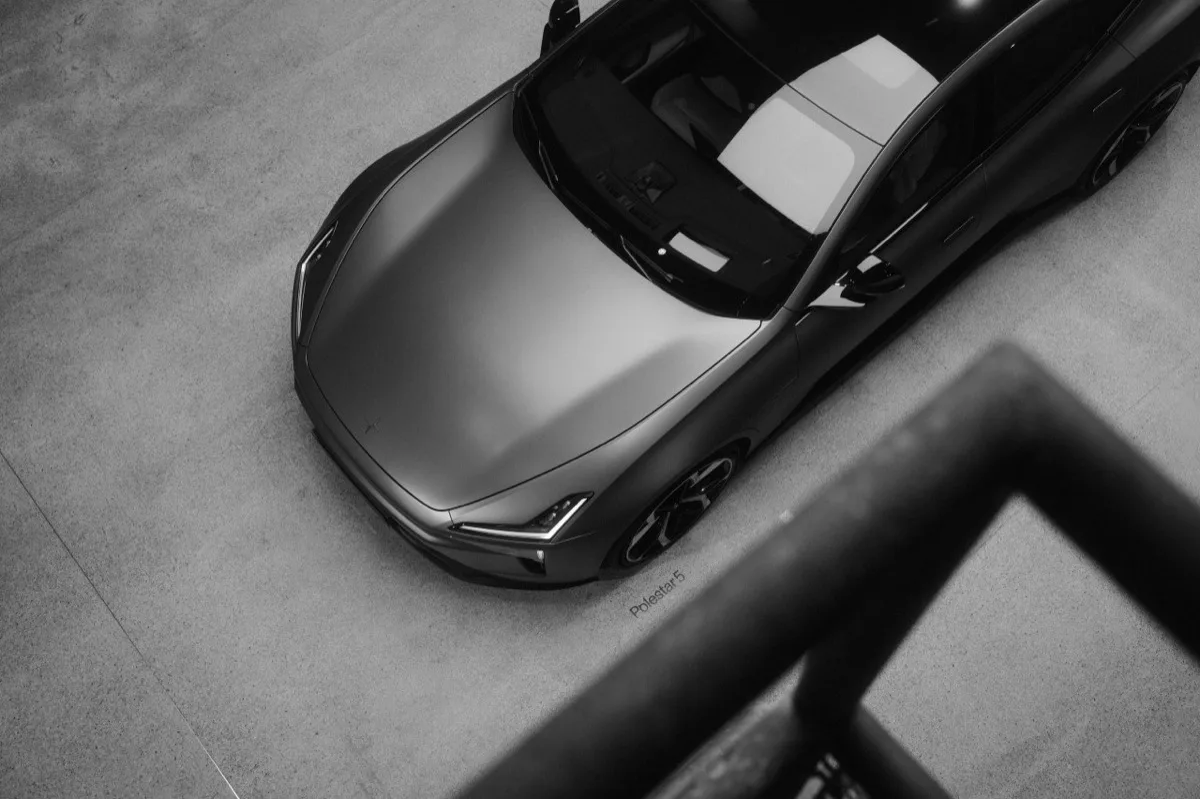
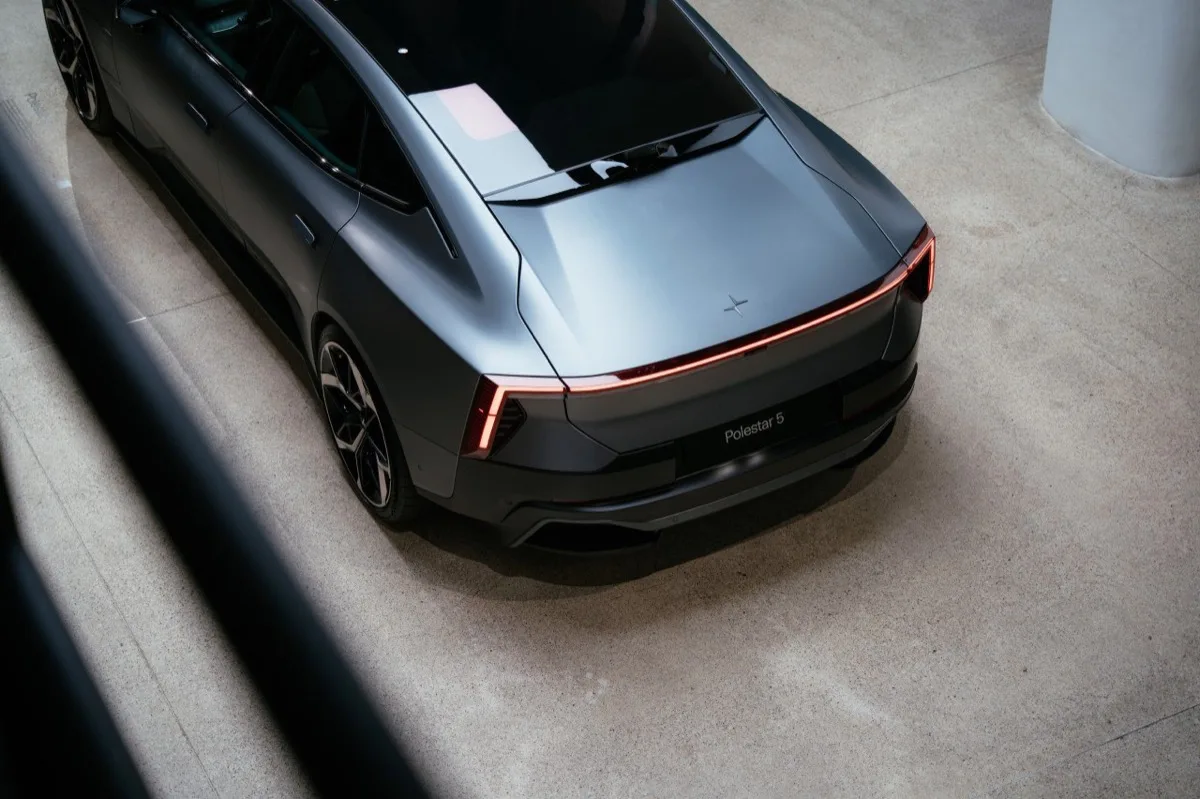


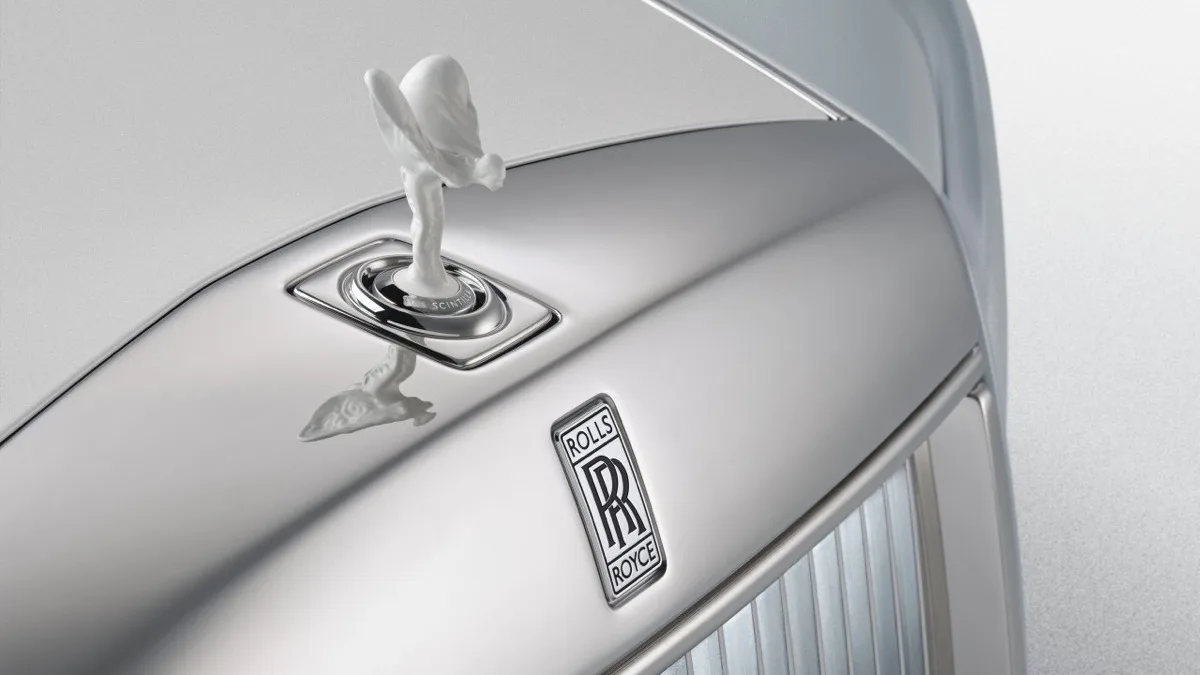
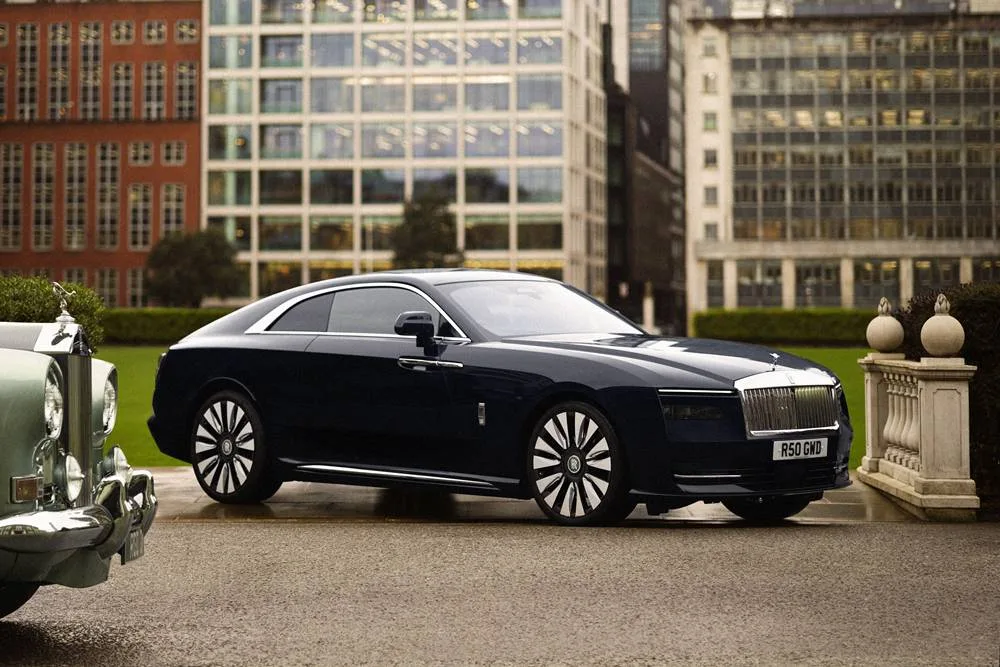


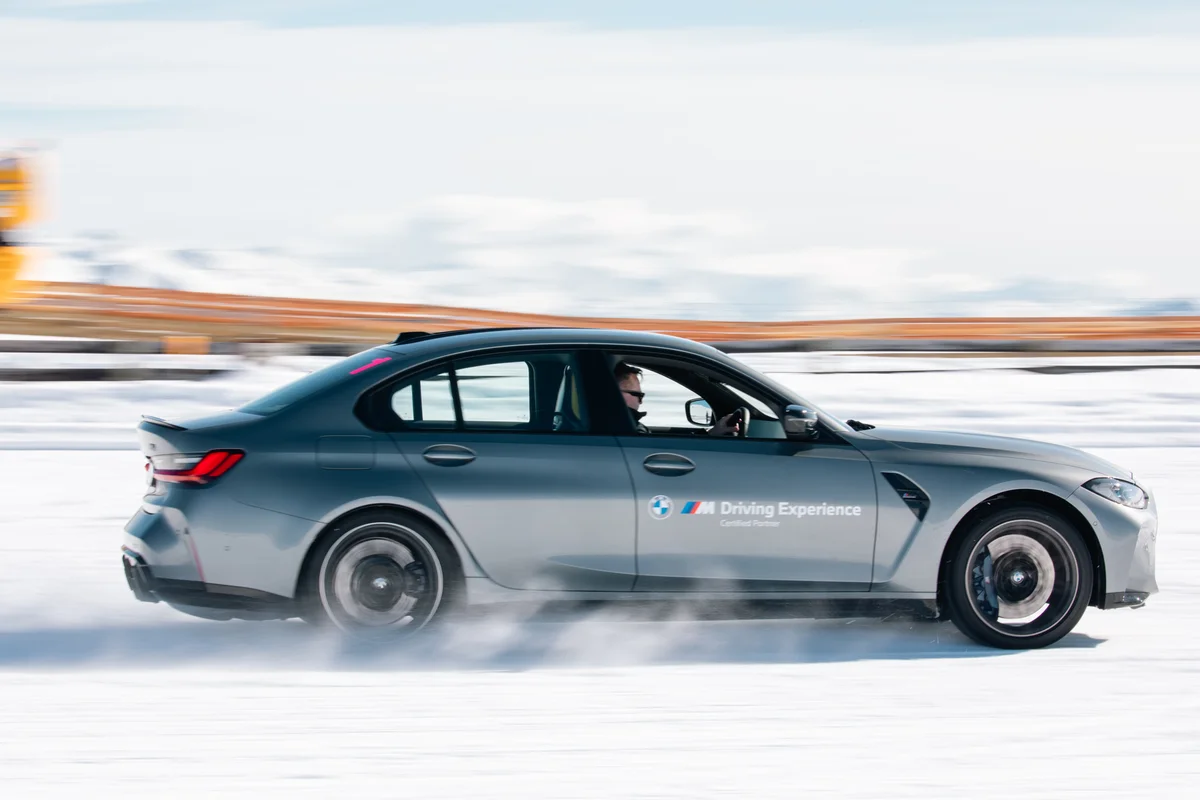
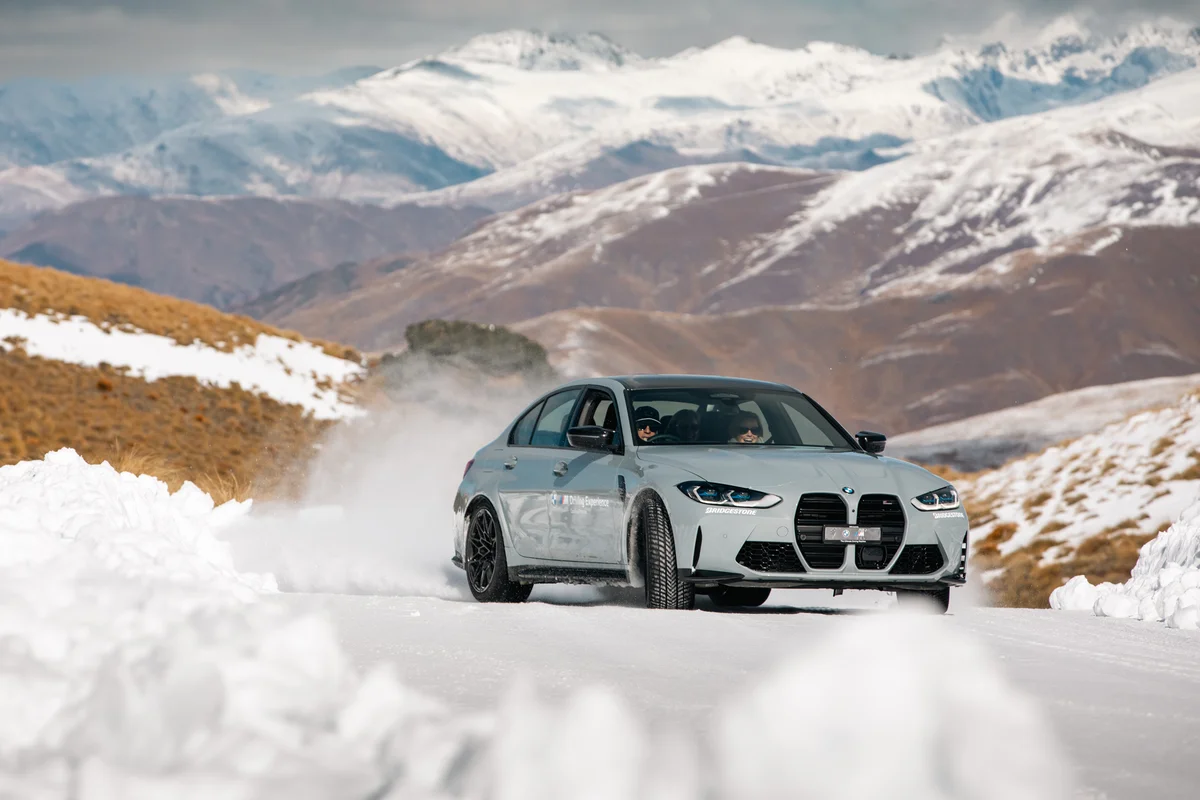
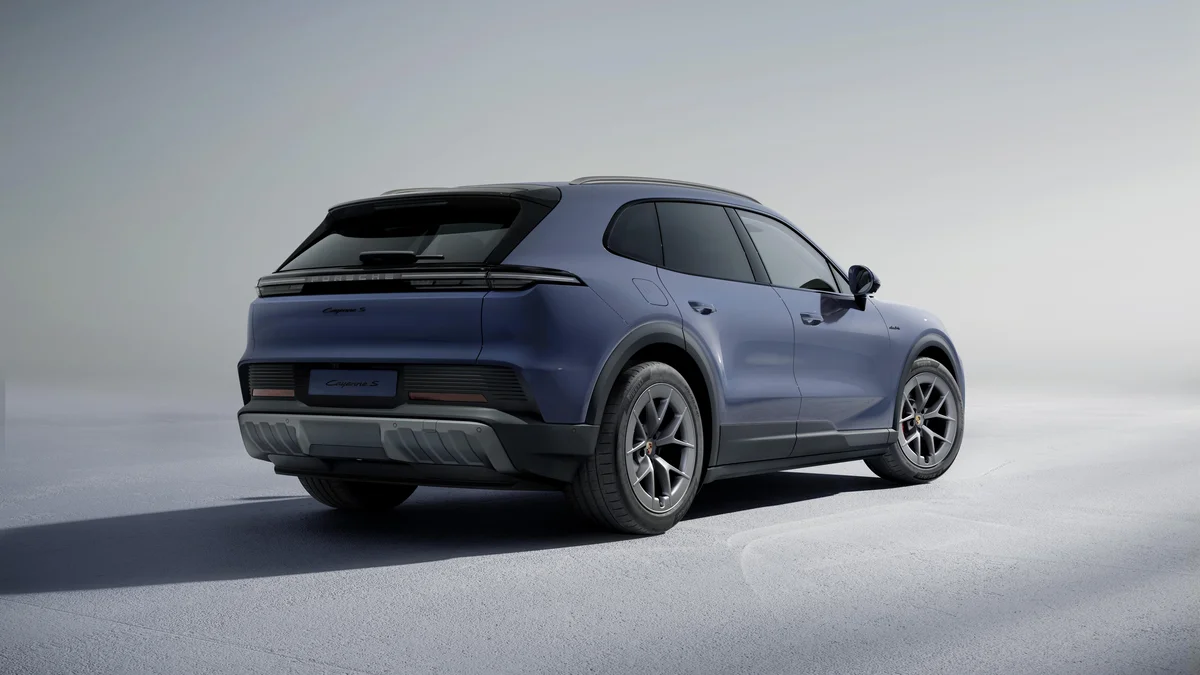

ABOVE: Volvo EX60, Polestar 5, Range Rover Velar, Range Rover Sport SV, Rolls-Royce Phantom Scintilla, Rolls-Royce Spectre, Bentley, BMW i4 M50, BMW M3, Porsche Cayenne S Electric
Safety and Emissions Pay the Price
The real sting is that vehicles with advanced safety technology and low emissions often trip the threshold. That autonomous emergency braking system? Luxury. That plug-in hybrid drivetrain? Luxury. Those adaptive headlights that might stop you killing a cyclist? Believe it or not, luxury. Having said that, not many workers can afford a car over 90 grand anyway so it is a moot point.
The result is a tax system that actively discourages Australians from buying safer, cleaner cars. We penalise progress while China, Japan, Korea, and Thailand send their vehicles here tariff-free. The filthy rich are fine either way. Strangely, it is those very people who are able to afford such expense. Oh, maybe it is a good idea after all? We could build a few hospitals.
At least the Europeans are now on a level playing field. Whether any of this translates to cheaper cars on forecourts remains to be seen — margins have a way of absorbing tariff cuts before consumers notice, said no one ever. Corporations are keen to pass on costs, but less enthusiastic about sharing around the savings.
The Bottom Line
The EU Free Trade Agreement is progress, but it exposes how outdated our approach to vehicle taxation has become. We are charging a protection tax for an industry that no longer needs protecting because it no longer exists. It is, and always was, a rort.
Until the government finally puts the Luxury Car Tax out of its misery and starts taxing miners and energy companies, Australian buyers will keep paying for the privilege of purchasing vehicles with features that are standard in most developed markets. Safety is not a luxury. Neither is efficiency. The sooner Canberra figures that out, the better.
The EU Free Trade Agreement should help European brands compete more effectively in Australia, but pricing will ultimately depend on how much of the tariff savings manufacturers pass on to consumers.
More Stories:
- Soaring Fuel Prices Drive EV Interest Across Australia
- Leapmotor C10 AWD Sports+ Special Edition: 440kW for $54K
- Ohme: The Cork Company Charging Up the UK and Ireland
Help Support Gay Car Boys Subscribe to our Youtube Channel

Alan Zurvas is the founder and editor of Gay Car Boys, Australia's leading LGBTQI+ automotive publication. Before launching GCB in 2008, Alan's automotive writing was published in SameSame.com.au and the Star Observer. With over 16 years of hands-on car reviewing experience, Alan brings an honest, irreverent voice to every review — championing value and innovation over brand loyalty.
Leave a Reply