GM safety tech has been put under the microscope, and the results are not just a theory of 100 years of driving, safety saves lives for real.
A new study from the University of Michigan Transportation Research Institute says General Motors vehicles fitted with advanced driver assistance systems are seeing lower crash and injury rates in the messy, distracted, coffee-in-one-hand world where cars are used. Not test tracks or glossy launch videos, it is real roads, police reports, and ordinary drivers doing ordinary driver things.
The study looked at about 12 million GM vehicles from model years 2020 to 2024, then matched them against more than 700,000 police-reported crashes across 18 American states. That is a decent sample, even allowing for all the usual academic caveats and the strange things humans do when presented with a steering wheel and misplaced confidence.
Above: Geely Starray and Which Driveline Is Best for You
#GeelyStarray #EV #Hybrid #PHEV #ElectricCars

Help Support Gay Car Boys Subscribe to our Youtube Channel by SMASHING THE BUTTON ABOVE


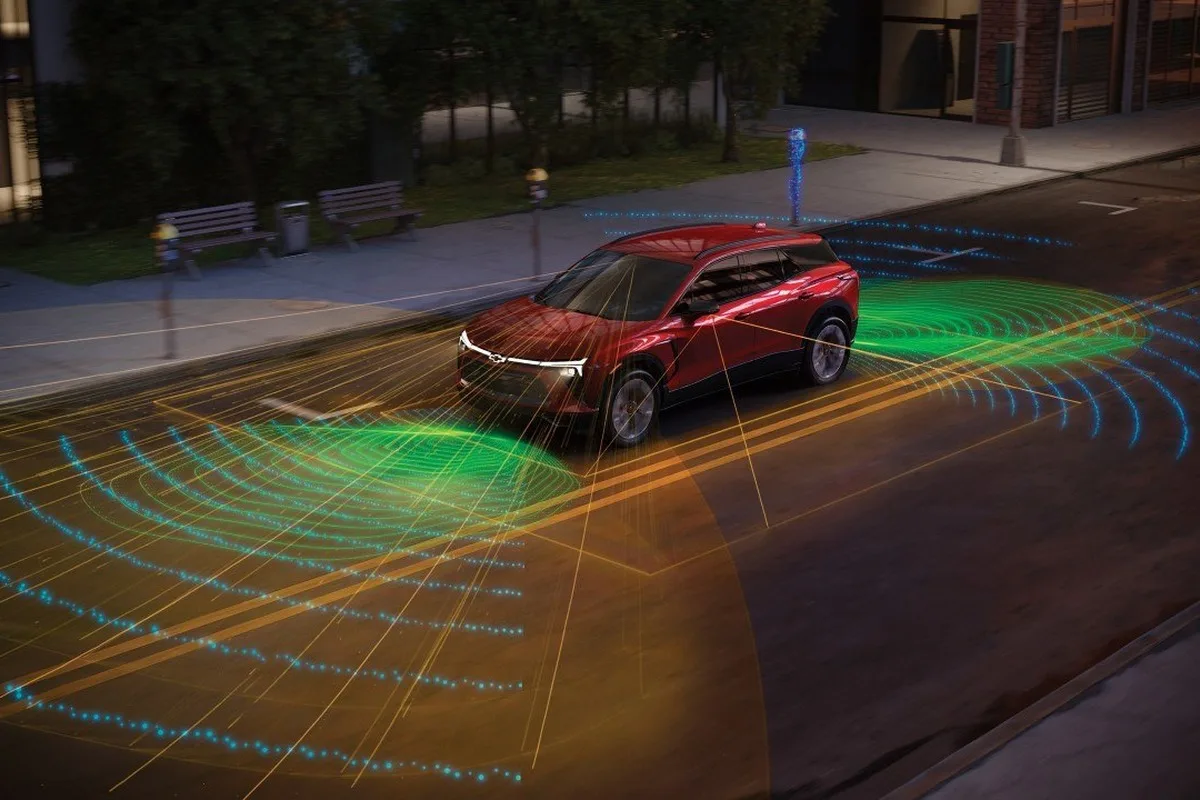
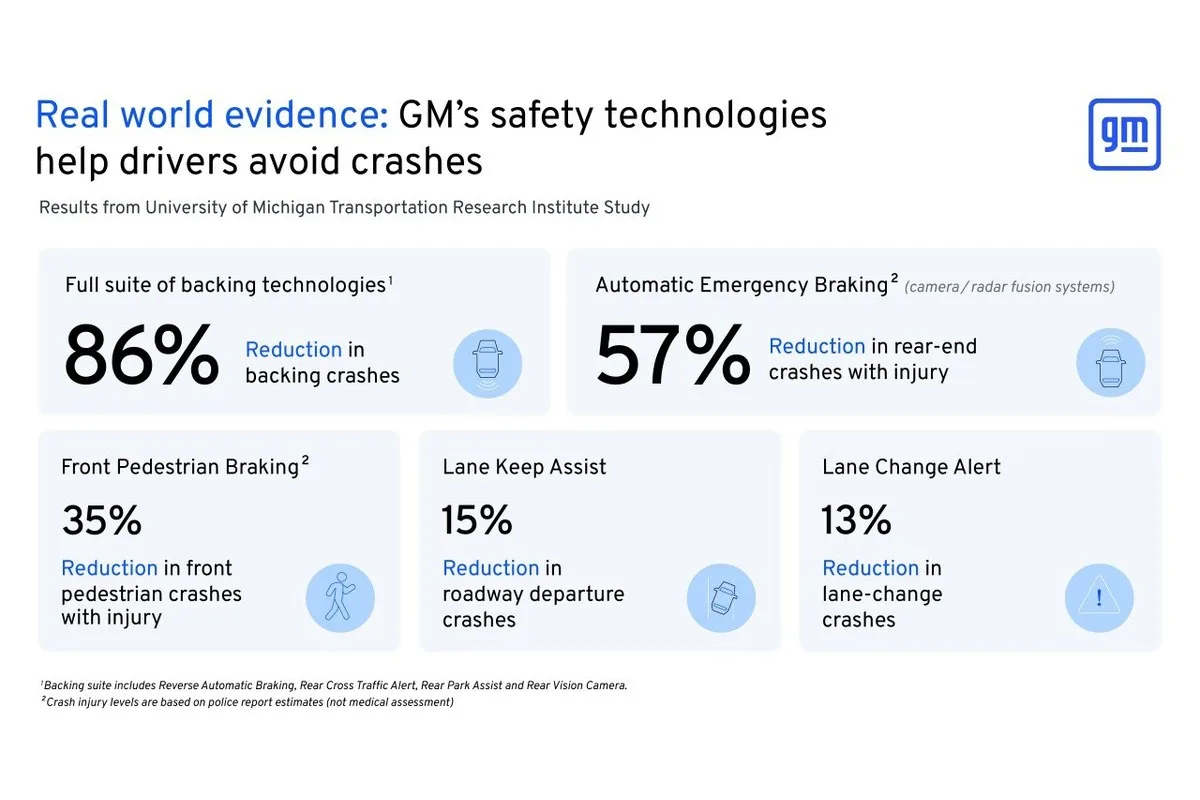
ABOVE: GM safety technology demonstration, and GM safety technology crash reduction infographic
GM safety tech gets a rare real-world report card
The numbers do not lie. According to reporting from the study, GM vehicles with selected safety systems saw backing crashes fall by as much as 86%. Rear-end crashes involving injuries dropped by 57%, while front pedestrian crashes with injuries were down 35%.
Lane assistance systems were associated with a 15% reduction in road-departure crashes, and lane-change crashes fell by 13%. None of that means the car can babysit a distracted driver while he scrolls, scratches, and wonders why the lane markings have become mere suggestions. It does mean the boring little bongs and flashes can sometimes stop expensive metal origami.
GM says several of these systems are standard on some American models under US$30,000 MSRP, including the Buick Encore GX, Buick Envista, Chevrolet Trax, Chevrolet Trailblazer, and Chevrolet Bolt. The list includes Automatic Emergency Braking, Front Pedestrian Braking, Lane Keep Assist with Lane Departure Warning, Forward Collision Alert, and IntelliBeam.
In plain English, the car watches ahead, watches the lane, watches pedestrians, and occasionally steps in before the driver converts a mild lapse into paperwork.
Not a substitute for paying attention
Susan Owen, GM technical fellow for safety data analytics and field research, said the findings provide evidence that GM’s systems are helping drivers avoid crashes and reduce injuries in everyday driving. The study is the eighth in a long-running partnership between GM and UMTRI, which suggests this is not a one-off marketing exercise dressed up in a lab coat.
The researchers focused on crash types where the systems could reasonably matter: rear-end, roadway departure, pedestrian, lane-change, and backing crashes. They compared crashes affected by the systems with control crashes that were not, while accounting for driver behaviour, road conditions, and vehicle type.
Safety technology is a tricky thing to measure because drivers are chaotic little creatures. Give someone a warning system and some will drive better, while others behave as if the car has been promoted to parent. The sensible reading is not that GM has solved crashes, tt hasn’t. The sensible reading is that well-deployed driver assistance can reduce the odds of certain very common, very costly mistakes.
Regina Carto, GM’s vice president of Global Product Safety, Systems, and Certification, said safety is designed into vehicles from the beginning. Quite right too. It should not be the optional garnish on a car already stuffed with ambient lighting, subscription nonsense, and screens large enough to host Eurovision.
The road to fewer crashes
GM’s aim remains zero crashes, zero emissions, and zero congestion. That is ambitious enough to make a huge difference, fewer crashes mean fewer injuries.
Automatic braking, pedestrian detection, lane warnings, and better lighting are not glamorous. No one gathers at a Cars and Coffee to admire a Following Distance Indicator. Still, if these systems stop a rear-end hit, spare a pedestrian, or keep a tired driver from wandering out of a lane, they have done something rather more useful than yet another fake exhaust sound.
The best safety technology is the stuff you forget is there until the day it saves your bacon. GM and UMTRI now have a stack of data saying some of it works, which is worth far more than a showroom brochure, and considerably more reassuring.
More Safety and Technology Stories
- GM Wants You Off Your Phone While Carmakers Shove Everything Into Screens
- BYD SEAL 6, MG4 EV Urban and Tesla Model Y L Earn Five-Star ANCAP Safety Ratings Despite Tesla Child-Seat Warning
- Why Android Automotive OS is a Digital Nightmare UPDATED
Help Support Gay Car Boys Subscribe to our Youtube Channel

Alan Zurvas is the founder and editor of Gay Car Boys, Australia's leading LGBTQI+ automotive publication. Before launching GCB in 2008, Alan's automotive writing was published in SameSame.com.au and the Star Observer. With over 16 years of hands-on car reviewing experience, Alan brings an honest, irreverent voice to every review — championing value and innovation over brand loyalty.
Leave a Reply