In a brave new world where the automotive landscape changes like sands on a dune, Honda’s handsome CR-V battles boldly for what is fast becoming table scraps left over from a voracious Chinese raptor.
CR-V is a mere 3 years old and still has the charm Honda is known for, but is it enough?
The metalwork still has a fresh look about it, very Honda, but modern Honda, not Honda of old.
The competition is thick on the ground in a segment now overflowing with shiny new offerings. The problem for Honda is cleaner looks, fresher interiors, and longer equipment lists now come for far fewer farthings in other showrooms. Legacy brands the world over are having the same conniptions yet are doing nothing about it but panic.
Above: 2026 Honda CR-V RS AWD eHEV Review the good AND bad
#HondaCRV, #Honda, #HybridSUVReview, #ToyotaRAV4, #GayCarBoys

Help Support Gay Car Boys Subscribe to our Youtube Channel by SMASHING THE BUTTON ABOVE


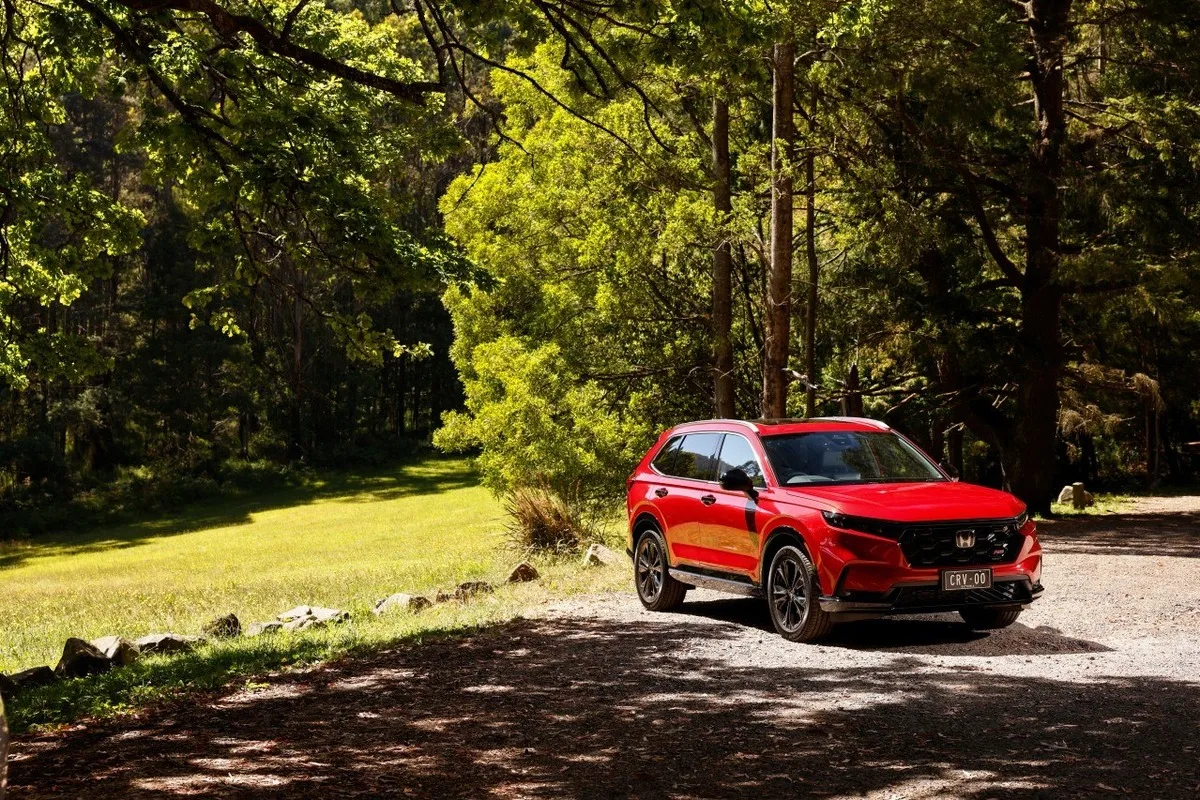

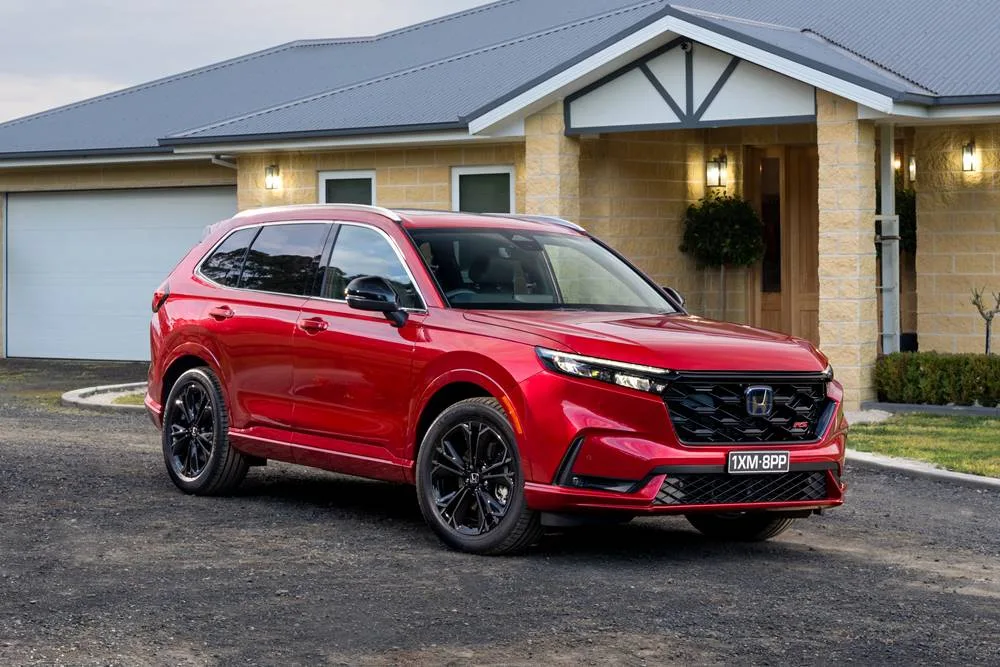


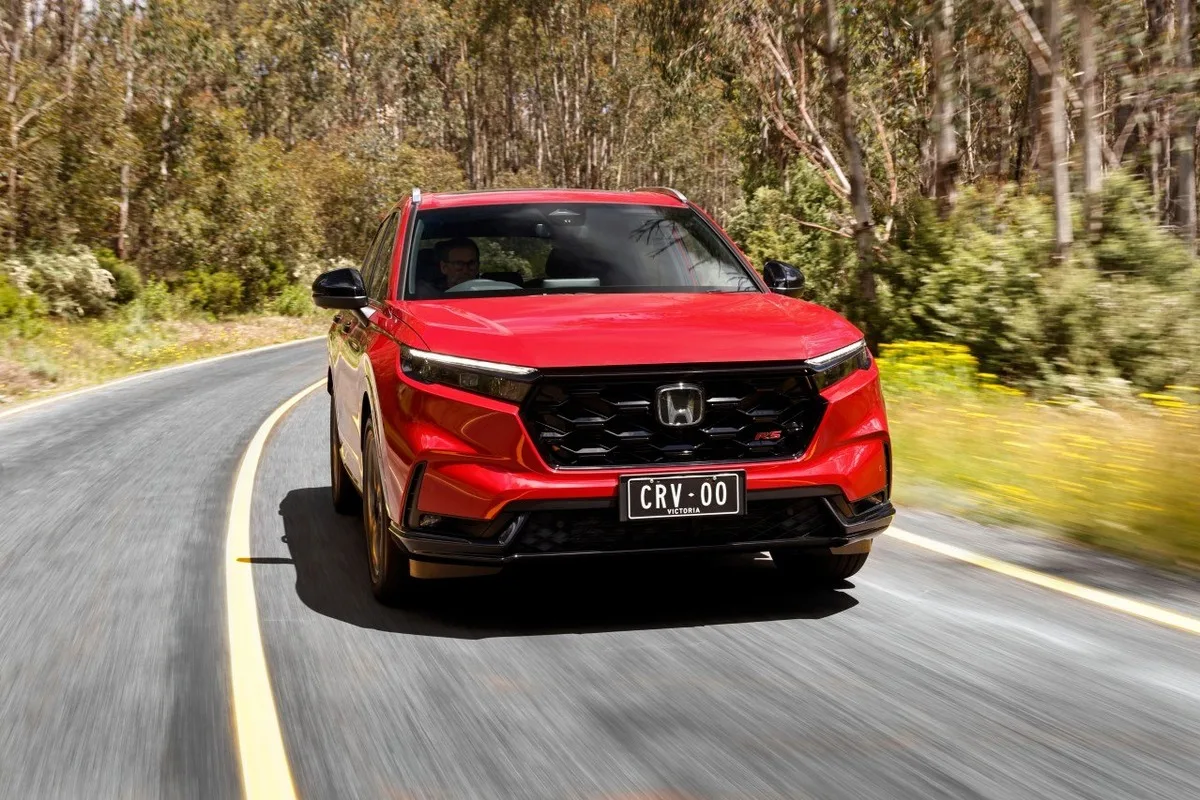

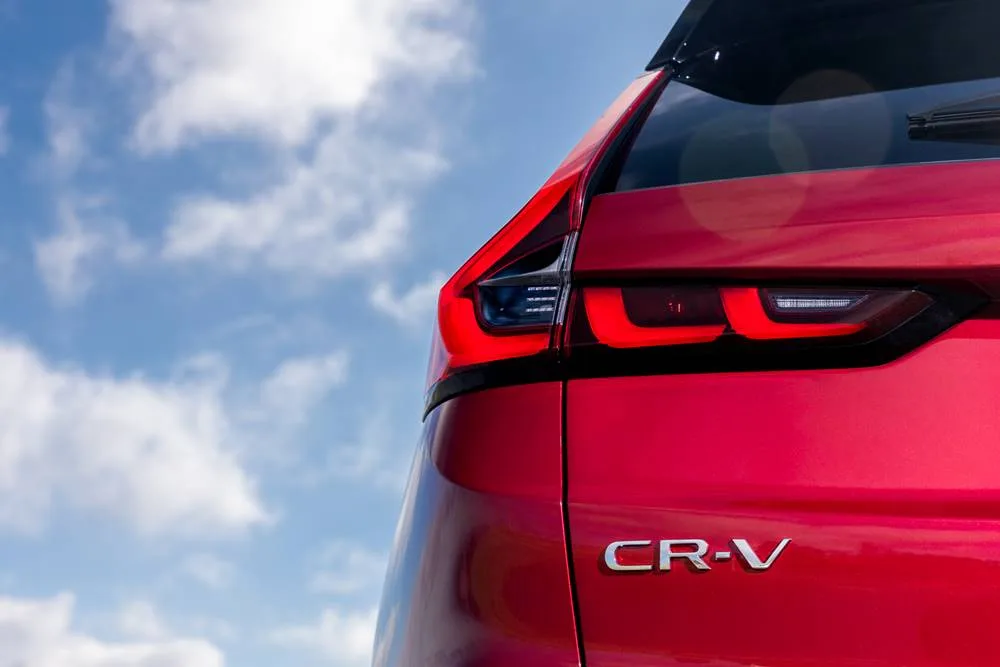
ABOVE: CR-V RS AWD Hybrid
How does the Honda stack up?
There’s no doubting Honda’s superb quality and premium construction. But that alone is not enough to sustain a badge through what is about to be utter carnage, and it needs to reignite the loyalty once common in its owners.
See the full CR-V range and specifications guide HERE
Although many think Toyota flew solo into the clear hybrid skies, Honda also had an early punt at hybrid drives. The IMA-style assistance is a far cry from the fancy new e:HEV now, but even that is well behind the Super Hybrids that add a large battery and fast charging. The CR-V is a practical mix of size and space, and although a little low on power, feels like a quality piece of machinery that gets along at a cracking pace once on the move.
The cabin is not quite the success of the exterior. It is dark and brooding, but with no bright and airy option, it feels the part of the old Honda design that should have been rethought. Innovation is something they’ve mastered, yet recent Japanese designs seem to have plateaued. Rivals offer light fabrics and finishes, big infotainment screens, and a feast of expensive tech at a lower cost.
Buyers will notice this, and it probably explains the mass exodus from legacy brands. You see, buyers were gagging for fresh thinking, and when new faces turned up at lower prices, much flocking began.
Do they drive as well? That is purely a matter of opinion, but it’s only motoring writers and modders who seem to really give a rat’s posterior. Most punters simply want their car to start when needed, be comfortable to be in, and to have CarPlay and Android Auto for convenience. They care not for warp 9 cornering, suspension that makes hot laps, and an engine that spins from idle to redline quicker than an eye-blink.
Keep in mind the RS is the range-topping CR-V, so should have all the good bits built in, but it falls short of BYD, Geely and other new energy offerings. Compared to other legacy brands, the CR-V stacks up, but add the Chinese brands, and things change dramatically.
The new RAV4, segment leader for now, launched looking 15 years old inside and out. Like HiLux, RAV4 appears to be trading more on loyalty and reputation than any effort to match the market. For example, Tank 300 is only $2,400 less than the CR-V but comes fully loaded for off-road muck-raking. BYD does AWD as a PHEV with 100kW more power, a warranty that’s 1 year longer and going on for 81km of EV-only driving range.
PHEVs can be had for less money and offer more power. They have silent EV-running to hand if the car has been plugged in, or run like a regular hybrid if not charged. These SUVs are meant to offer casual campers conveniences such as V2L, which means a power point or two for appliances. That changes your off-grid experience completely.
Does CR-V stack up? It depends on what you compare it with.
The good bits are tinged with an inevitable “but”
The Honda drives superbly, is supremely comfortable, fairly economical, and quite handsome.
While the visage has a bucket-load of road presence and the interior is cosy and comfortable, the package feels a touch dated despite its quality manufacture. Posh, yet dated is something you won’t be offended by, but nor will you feel the need to reach for smelling salts in a fit of excitement.
Honda kept real controls for climate and audio on the simplified Android Automotive interface, and the sound is excellent. But, the screen is quite small for a modern car and buyers have to balance their priorities. Despite the tech-lite version of a tech-heavy cabin, the Android still made a nuisance of itself.
The drive is a delightfully precise Honda experience. Steering is nicely weighted and the calibration of its electric assistance has that Goldilocks amount of help. But, the drive is Zen to the point of a soporific trance. At times it feels slow, and the stepped e:CVT has to work overtime because the 135kW hybrid is far too breathless for a car this big.
It is a cruiser not a buiser, one of the biggest points of difference with the cheaper opposition.
That brings us to the not-so-good
For those wanting more pep in their step, and more value for their shekels, the CR-V feels both underpowered and under-equipped.
Let’s start with the awful gear selection buttons. They are a push-pull nightmare, especially for those not familiar with them. Just put it on a lever and be done with it.
The Android infotainment system did what Android systems often do, behave badly. It refused to connect the navigation which also meant the voice system was unavailable. Both of these require the e-SIM to be connected, and for that it needs a mobile sim plan. As with all connected vehicles, that is free for a period. After that the punter is on his own, but as press cars are always connected the miscreance can’t be easily explained. And, the e-SIM had full signal.
What does this mean for Honda, and all legacy brands?
Cross-shopping punters no longer stay with one brand for generations. 20 new Chinese badges in the last few years have forced legacy brands to change the way they work, but alas, their glacial actions may be too little too late.
While this chapter wanders off-piste, you’ll quickly get the lie of the land. Toyotas are widely perceived as the “benchmark for reliability”, but user experience reveals multiple widespread engineering flaws.
The 2AZ-FE 2.4-litre engine suffered from a dire piston-ring defect that causes appalling oil consumption, while diesels frequently plague owners with clogged diesel particulate filters (DPFs) and heavy carbon buildup. Then, there is the UA80 8-speed automatic that is regularly jerky and unrefined at low speeds. There are water pumps and ignition coils that regularly give up the ghost well before acceptable mileage targets.
The V35A-FTS 3.4-litre twin-turbo V6 engine had a full recall because manufacturing debris left in the engine block found its way into the crankshaft main bearings, leading to sudden, catastrophic engine failure. Reliable? Sure, unless you read the fine print.
GM and Toyota are prime examples of lazy complacency, outdated design, and failing engines.
Even monolithic makers like Toyota are feeling the pinch of a 25% slide, so it bodes badly for buddies lower on the sales charts. Honda stands alone as the only Japanese maker not to slip, but it will come, and this is why, value for money.
Despite warning after warning, legacy brands continue to move glacially in response to the agile Chinese industrial machine. Kia Australia’s ex COO, Damien Meredith recently said out loud, something the automotive industry has long known in private, the writing is on the wall for old brands. If they don’t drastically alter their strategies, like Holden and many before it, defunction follows like a bescythed spectre in an unfashionable frock.
As lovely as the sophisticated CR-V is to drive, it lacks power, is too expensive, lacks many of the inclusions opposition brands have for less money, and has a shorter warranty.
The prices have to come down, the warranty has to go up, and all legacy brand systems have to be streamlined. Otherwise, the future of car manufacture outside China is going to be a bloodbath.
Likes
- Superb build quality
- Precise steering
- Supremely comfortable
Dislikes
- Underpowered for its size
- Push-pull gear buttons
- Glitchy Android infotainment
Honda CR-V e:HEV RS
| Model | Powertrain | Price | Power | Drive | EV-only range | Warranty |
|---|---|---|---|---|---|---|
| Honda CR-V e:HEV RS | Hybrid | $64,400 drive-away | 135kW/335Nm | AWD | None | 5 years/unlimited km |
| Toyota RAV4 Cruiser Hybrid | Hybrid | $60,340 plus on-roads | 143kW | AWD | None | 5 years/unlimited km |
| Kia Sportage GT-Line Hybrid | Hybrid | $60,370 plus on-roads | 172kW/367Nm | AWD | None | 7 years/unlimited km |
| Subaru Forester AWD Hybrid | Hybrid | $46,990 drive-away | 145kW | AWD | None | 5 years/unlimited km |
| GWM Haval H6 Ultra Hybrid | Hybrid | $43,990 drive-away | 179kW/530Nm | FWD | None | 7 years/unlimited km |
| BYD Sealion 6 Premium | Plug-in hybrid | $57,642 drive-away | 238kW | AWD | 81km | 6 years/150,000km |
| GWM Tank 300 Hi4-T Ultra | Plug-in hybrid | $61,990 drive-away | 300kW/750Nm | 4WD | 105km (NEDC) | 7 years/unlimited km |
Above: Tesla Cybercab Walkaround and Model Y K and Tesla Merch Wall
#TeslaCybercab, #Tesla, #Robotaxi, #Waymo, #GayCarBoys
Help Support Gay Car Boys Subscribe to our Youtube Channel by SMASHING THE BUTTON ABOVE
More Honda Stories
- Honda Prelude Video Review: Returns In Spectacular Style
- Is the Honda Prelude the Most Misunderstood Car Ever Built
- 2026 Honda Prelude First Drive, the Grown-Up Momentum Coupe

Alan Zurvas is the founder and editor of Gay Car Boys, Australia's leading LGBTQI+ automotive publication. Before launching GCB in 2008, Alan's automotive writing was published in SameSame.com.au and the Star Observer. With over 16 years of hands-on car reviewing experience, Alan brings an honest, irreverent voice to every review — championing value and innovation over brand loyalty.
Leave a Reply