Damien Meredith spent 12 years running Kia here, and his parting message to his own side of the industry is that Chinese car brands will take 60% of the market before the decade is out.
Meredith led Kia here from May 2014 until 1 June 2026, when he moved into an advisory role. In an interview published on 22 September he put a ticking time-bomb on the very complacent brands he and his company used to compete against. “The facts are the facts, and here we are. It looks like within the end of this decade, 60 per cent of sales will be Chinese,” he said. “They are saying it’s 2032, but I think it will be sooner than that.”
This isn’t a Chinese executive talking his own book. Meredith spent 12 years selling a Korean brand against them, and he’s now telling his own side to plan for a little more than half the sales they record today. The survival fight, as he frames it, starts in little more than 3 years. Ironically, China is now doing what Korea and Japan did before it.
Above: Subaru Trailseeker is Fast, But is it Value?
#SubaruTrailseeker, #Subaru, #EVreview, #TeslaModelY, #GayCarBoys

Help Support Gay Car Boys Subscribe to our Youtube Channel by SMASHING THE BUTTON ABOVE


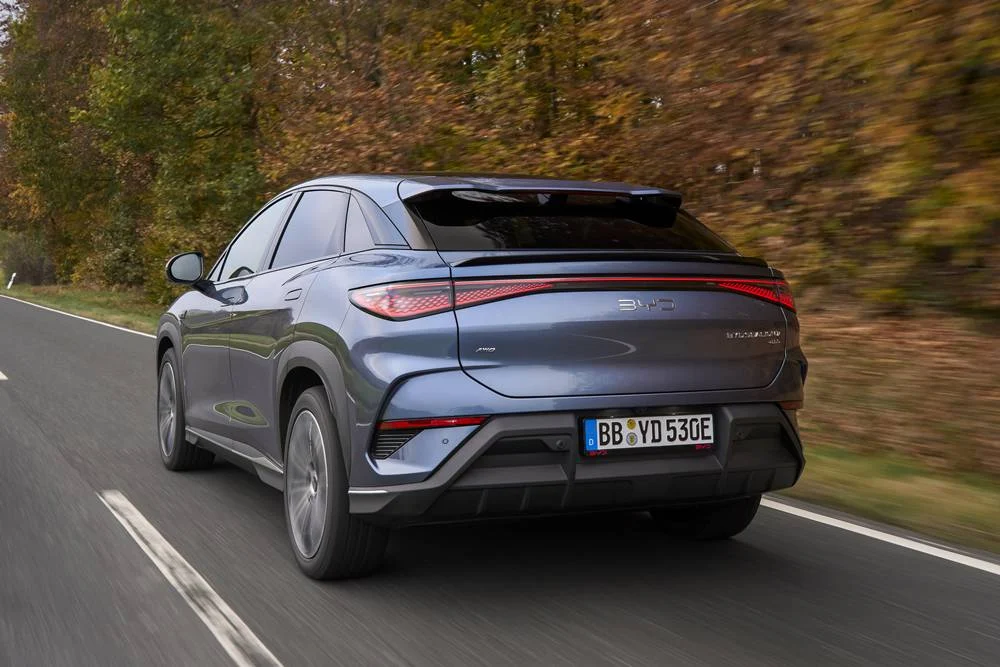
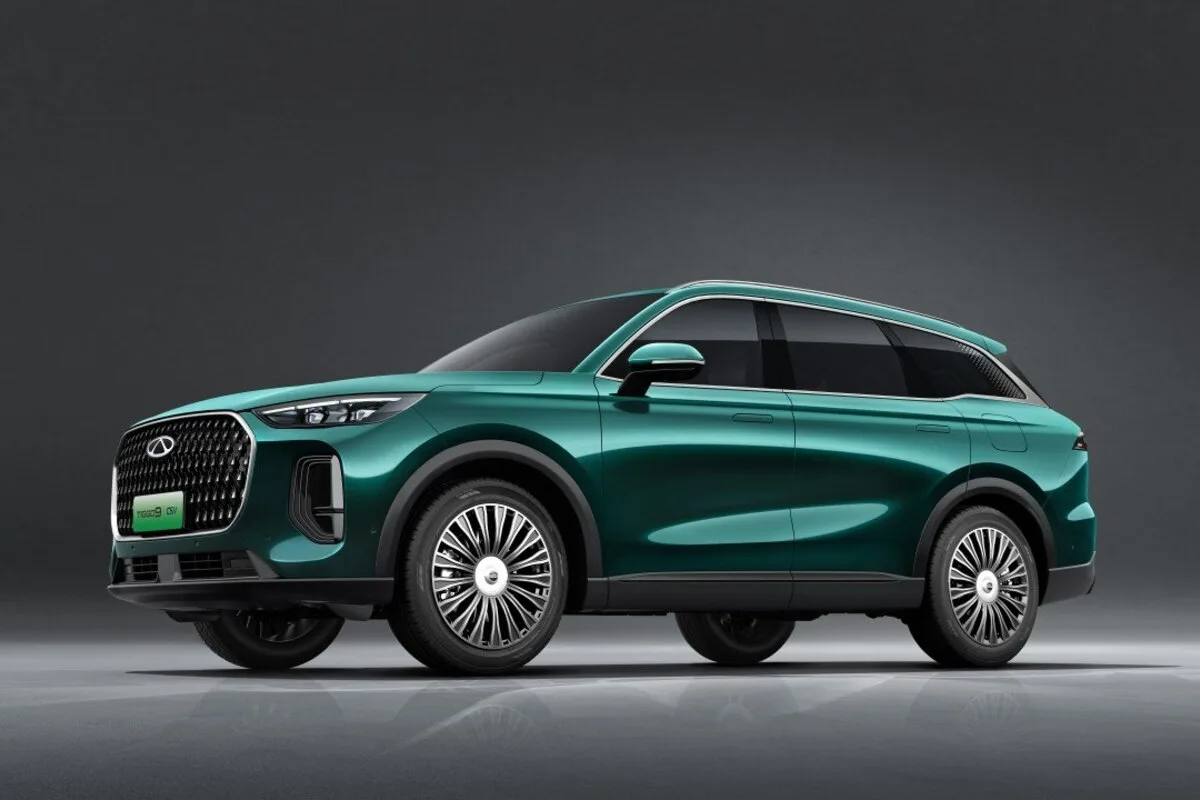
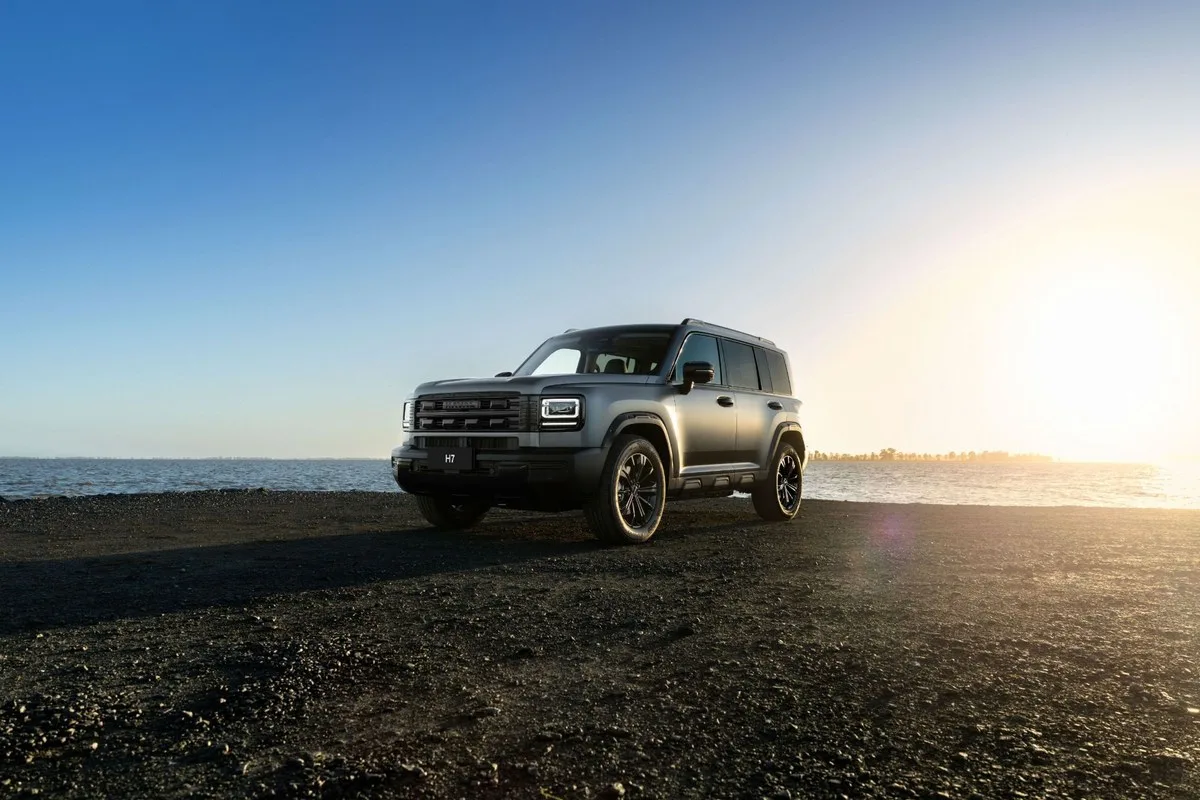

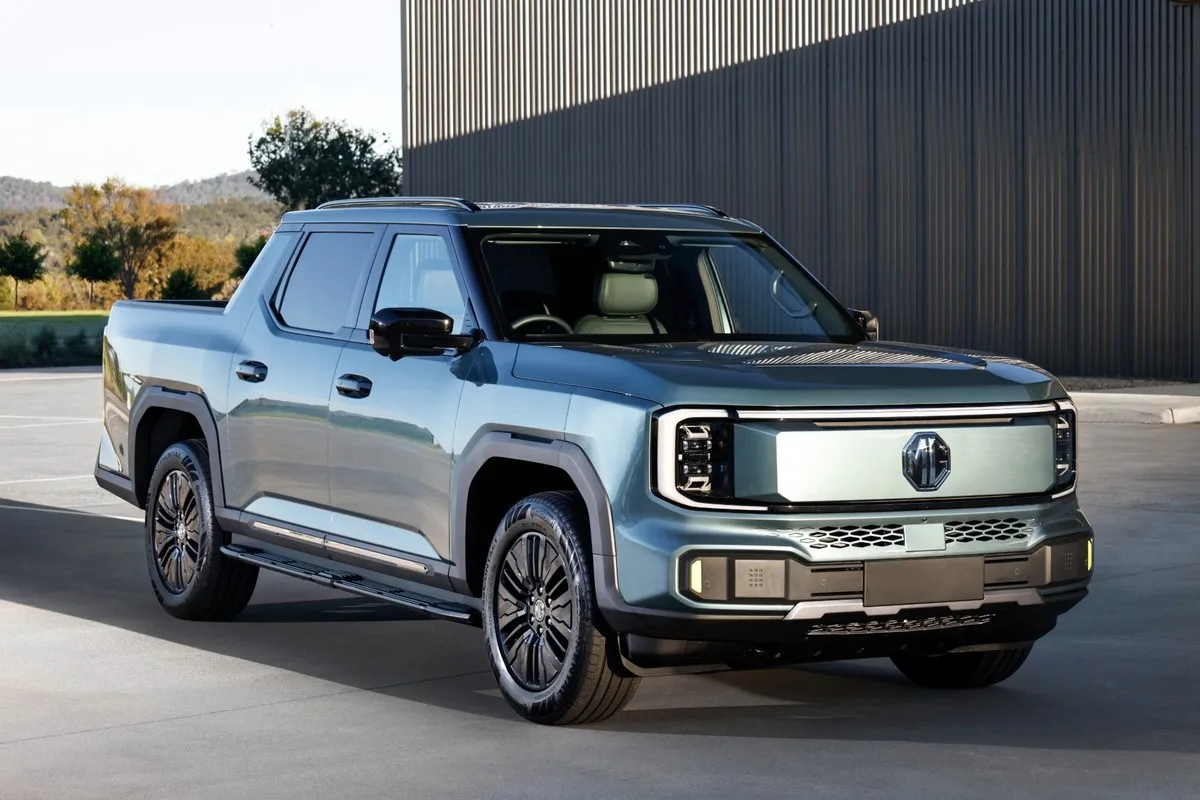
ABOVE: Chinese brands in Australian showrooms
He isn’t forecasting a collapse, although we are. His argument is that the non-Chinese brands come through it if they re-cut their businesses for much smaller volumes, and he puts market leader Toyota in exactly the same position as everyone else. “It’s not armageddon,” he said, before setting out what he thinks takes its place. “It’s competition. It’s opportunity. Is it going to take a lot of work? Bloody oath it will.”
Meredith is being overly optimistic. The dominoes have started to fall, VW, Stellantis, Mitsubishi, and Nissan are already on a knife edge.
Half the Sales and a 3-Year Clock
Meredith did the arithmetic out loud. “If it’s a 1.2-million market, and the Chinese have got 720,000 cars, what you have to do is look at the segment that’s left. Say 500,000,” he said. “You’ve got to set your strategy to that. You know what the Chinese are going to do. There is still a pool of cars, so you have to ask yourself how to get your share. It’s not the death of other brands from other countries.”
That 500,000 is the pool every European, Japanese, Korean, and American brand would be dividing between them. Against it, the market as it stands. 811,388 new vehicles were sold to the end of August, broadly level with the same period in 2025, and August itself came in at 100,939, up 0.4% on August 2025.
Of course, that is all assuming that China doesn’t decimate Korea and the EU. The UK is already a done deal. But it is Australia where the tables turned fastest. Our cars once cost almost double what the UK, EU and USA paid. Now we’re far cheaper than any of those places.
What Chinese Car Brands Already Take
Chinese car brands took 26,610 sales in August, 26.4% of the VFACTS market, with 5 of them inside the top 10. BYD, GWM, MG, Geely, and Chery are all there. Toyota still leads on 19.5%, and we went through its scrap with BYD for the sales crown in June. Kia, Mazda, Hyundai, and Ford fill out the rest of the 10.
Meredith hands Toyota no exemption. The market leader gets the same re-cut as everyone below it, on almost 1 in every 5 sales in the country. A fifth of 500,000 is a much smaller business than a fifth of 1.2 million, and that’s the sum he’s asking his former rivals to do before the shock hits rather than after.
Kia is in that top 10 as well, and it has kept adding electric models to the showroom, the EV3 GT-Line AWD the newest flagship of that range.
Half of the 10 best-selling models in August came from Chinese car brands. BYD Sealion 7 and Chery Tiggo 4 both made it, Geely EX5 and GWM Haval Jolion did too, and Zeekr 7X took the fifth spot. Five brands in the top 10, half the top 10 models. Meredith puts most of that on the past 5 years.
Battery electric sales reached 27,089 in August across all reporting sources, 24.9% of the whole new-vehicle market and up 171% on August 2025, the highest BEV month on record here. Inside VFACTS, plug-in hybrids took 10.5% of August sales and conventional hybrids 18.5%. The August report was issued on 3 September by the FCAI, the lobby group that locked the data up rather than let anyone read it freely.
So the gap Meredith describes for Chinese car brands is 26.4% today against 60% by 2030. More than double, inside about 4 years, and he thinks the 2032 date the industry keeps quoting is too generous by a couple of years.
Ford’s Local Chief Doesn’t Argue
Fadi Mawal, Ford’s local president and chief executive, was asked about the forecast at a Ford event in Melbourne. “He is probably right.”
Meredith put the cause down to emissions rules and sheer pace. “I think it’s two things, the NVES (New-Vehicle Efficiency Standard) and the surge of the Chinese in the last five years. They are the two major things.” He added the decline of local manufacturing to that. “I think it’s sad that a country can only have civil engineers rather than an array of engineers.”
More Chinese car brands and more badges are already booked in. Omoda 4 and Omoda 7 are locked in for 2027, a full 5 years before the 2032 date Meredith reckons is already late.
More Industry Stories
- Skoda Enyaq RS Costs $75,490 with 668km Range
- Ford Bronco Basecamp Confirmed for 2027, Up to 900km Range
- GAC S7 Hits Sydney 2 Years Before Anyone Can Buy One

Alan Zurvas is the founder and editor of Gay Car Boys, Australia's leading LGBTQI+ automotive publication. Before launching GCB in 2008, Alan's automotive writing was published in SameSame.com.au and the Star Observer. With over 16 years of hands-on car reviewing experience, Alan brings an honest, irreverent voice to every review — championing value and innovation over brand loyalty.
Leave a Reply