The car industry has developed a rather impressive talent for making simple things sound complicated, and complicated things sound either miraculous or terrifying, depending on which side of the debate they’re trying to win. Drivetrains are the perfect example. There are, depending on which press release you’re reading, approximately seventeen different powertrain types available to the modern car buyer, each with its own acronym, each apparently superior to the last, and each, if you’re not careful, capable of convincing you that you’ve bought something you very much haven’t.
We’re going to sort this out properly. I have the Geely Starray EM-i sitting on my driveway, which is a PHEV, and which — as you’re about to discover — sits right in the middle of the spectrum. It is a rather useful vehicle for illustrating why some drivetrains are genuinely clever and others are the automotive equivalent of a very expensive hairpiece that fools precisely no one standing downwind.
This is also the second piece in a series. The first was a quickie impressions piece. The full road test is coming. But first, this: a plain-English breakdown of what every drivetrain type means, what it doesn’t mean, and why one specific piece of marketing should be taken out back and given a stern talking-to.
The Internal Combustion Engine — The Old Guard, Clinging On
The internal combustion engine, or ICE, is what your grandfather drove, what your father drove, and what most Australians are still driving now. It runs on petrol or diesel, burns it in a series of controlled explosions, and turns those explosions into motion. It is, when you strip away a century of refinement and several layers of optimistic marketing, a fairly violent way to move yourself from one place to another.
ICE is not stupid technology. It is extraordinarily well-developed technology, and it has given us some of the greatest driving machines ever built. But it is also deeply inefficient. Most of the energy in your fuel exits the exhaust as heat rather than forward motion, and it produces carbon dioxide as an unavoidable byproduct, which is why governments around the world have been nudging, shoving, and eventually attempting to legislate it into obsolescence.
The ICE is not disappearing tomorrow. In regional and remote Australia, it remains the only sensible choice for many people. But it is a technology with a limited horizon, and anyone telling you otherwise is either selling you a petrol car or has a financial interest in a refinery.
Mild Hybrid — A Starter Motor That Got Ideas Above Its Station
The mild hybrid, or mHEV, is where marketing begins its great betrayal. It sounds rather impressive, doesn’t it? Hybrid. Electric assist. Cutting-edge efficiency. The reality is considerably more modest.
An mHEV is, at its core, a conventional petrol or diesel engine with a beefed-up starter-generator attached. This generator recovers a small amount of energy when you brake or decelerate, stores it in a tiny 48-volt battery, and uses it to assist the engine during acceleration or to shut it off at traffic lights more smoothly. It cannot drive the car on electricity alone. Not even for a metre. It cannot be plugged in. It is, functionally, a petrol car with a slightly fancier alternator and a badge that suggests progress.
The efficiency gains are real but modest, perhaps three to five percent in typical driving conditions. Which is better than nothing, but is not, under any reasonable interpretation of the English language, a hybrid in any meaningful sense. What it is, is a way for manufacturers to attach a green badge to a car that is, to near as damnit, a conventional petrol vehicle, and charge you a premium for the ecological privilege of owning one.
If an mHEV is on your shortlist, buy it because the car itself is good. Do not buy it because you believe you are making a significant contribution to the planet’s wellbeing. You are not. You are making a modest contribution, and you deserve to know the difference.
Above: ICE, Hybrid, PHEV, EV — Which Drivetrain Is Right for You? Review
#EUFTA #LuxuryCarTax #FCAI #FreeTradeAgreement #AustraliaTrade

Help Support Gay Car Boys Subscribe to our Youtube Channel by SMASHING THE BUTTON ABOVE


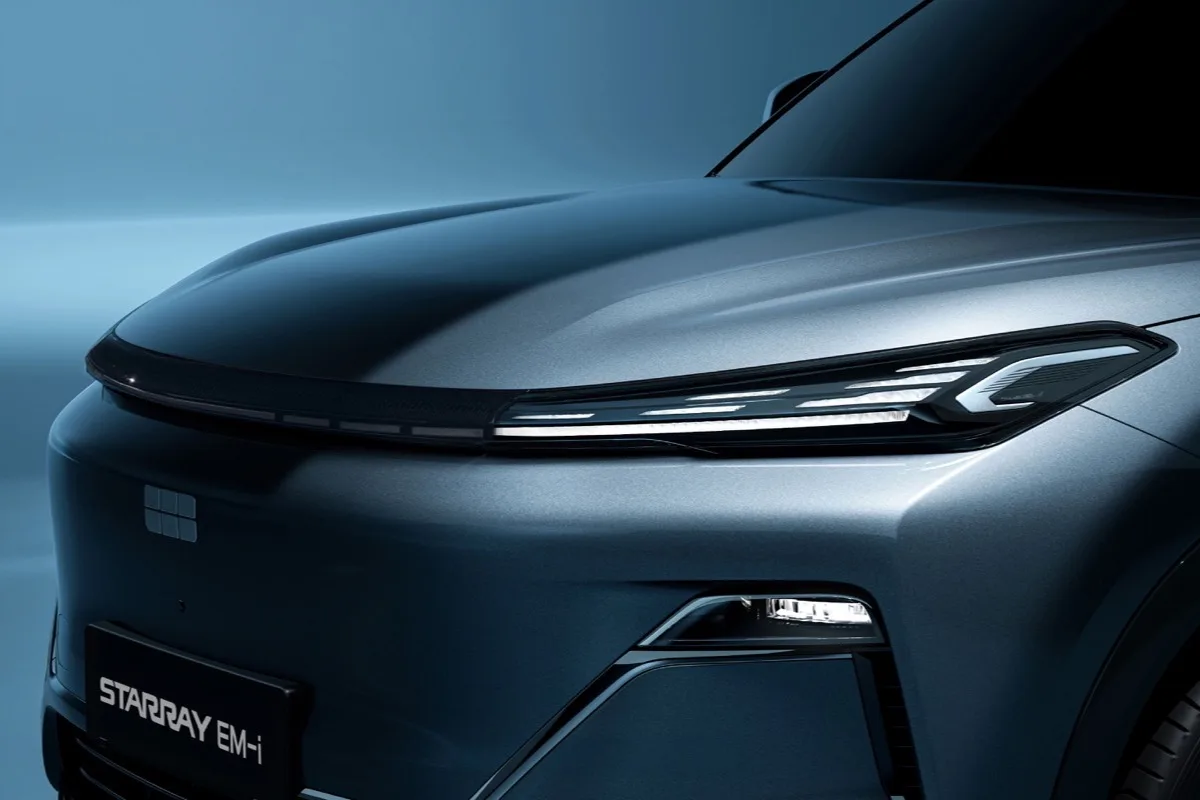
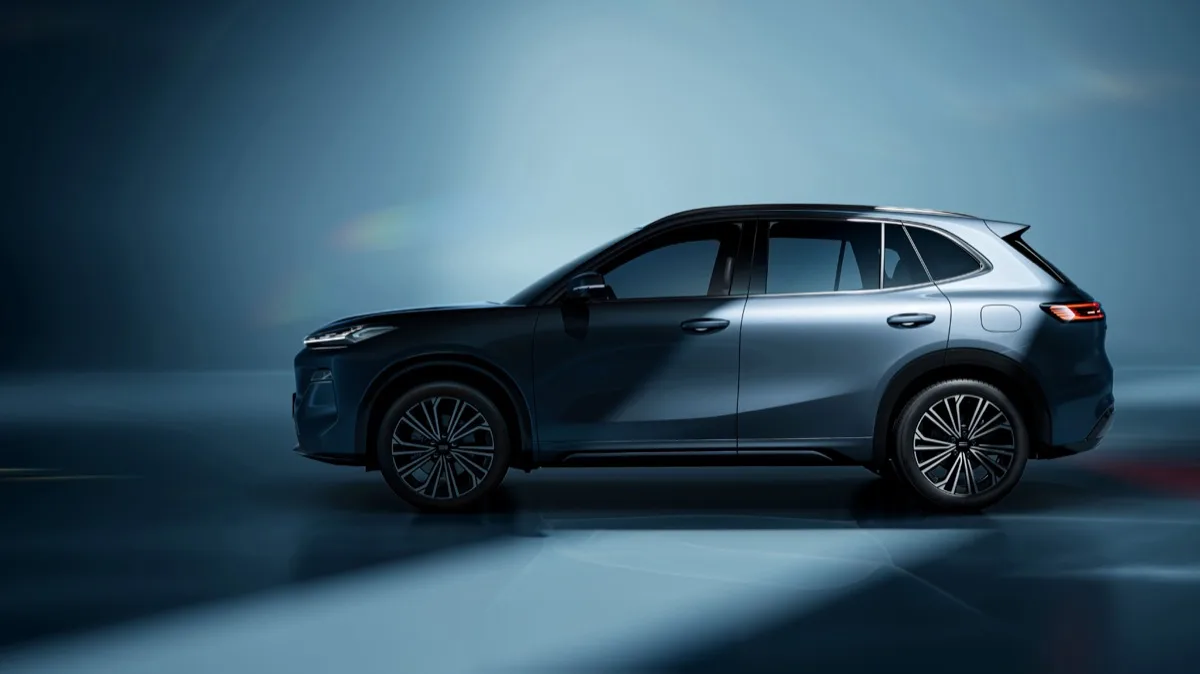

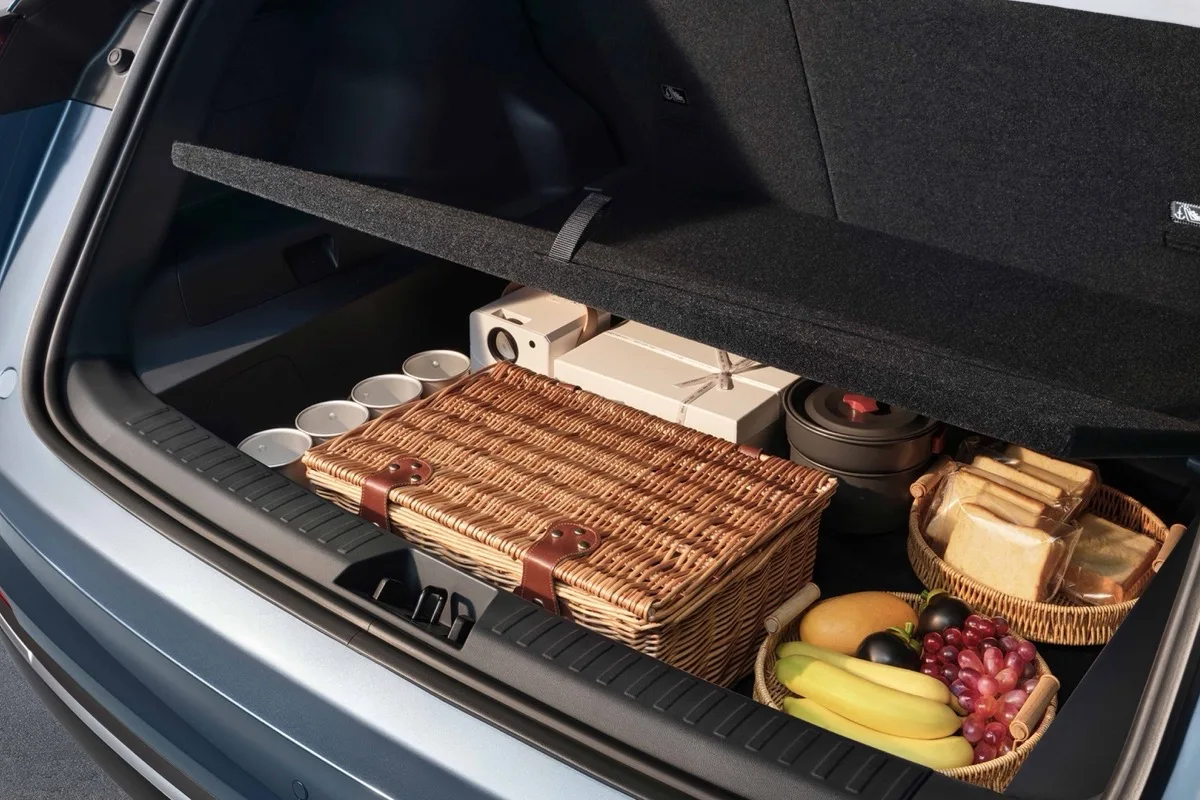
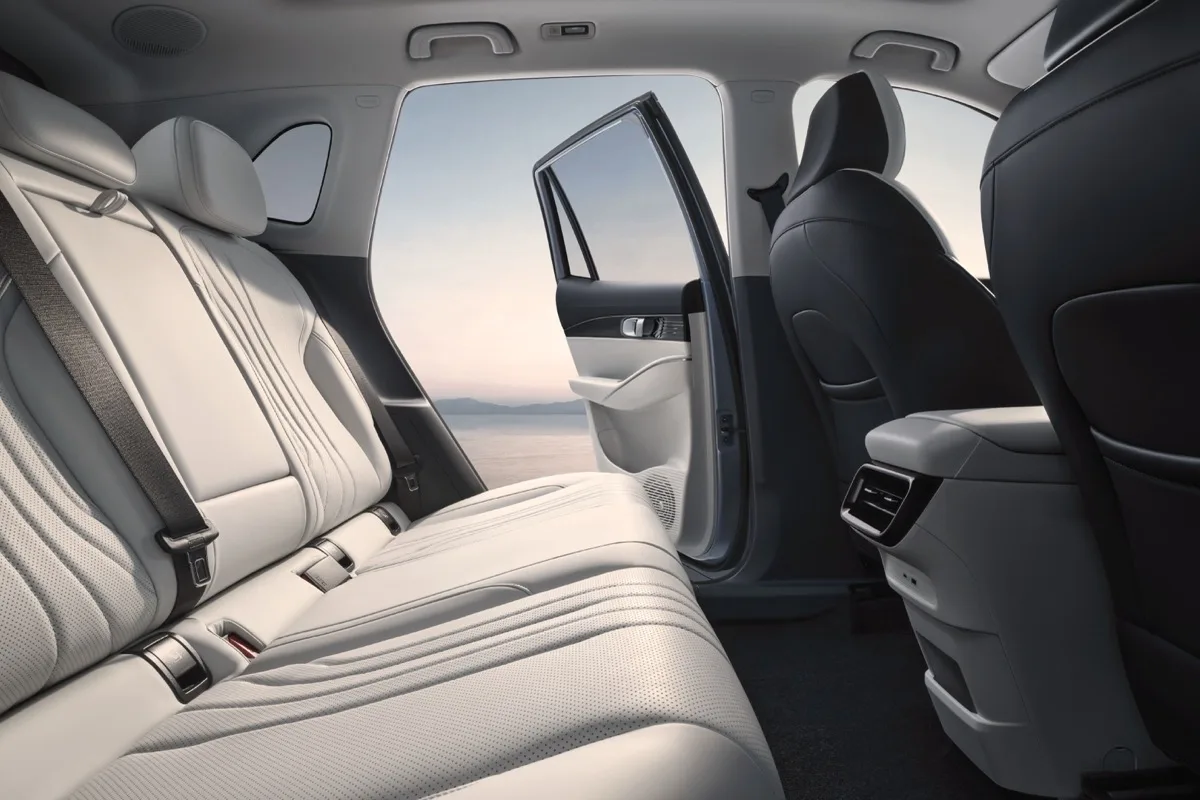
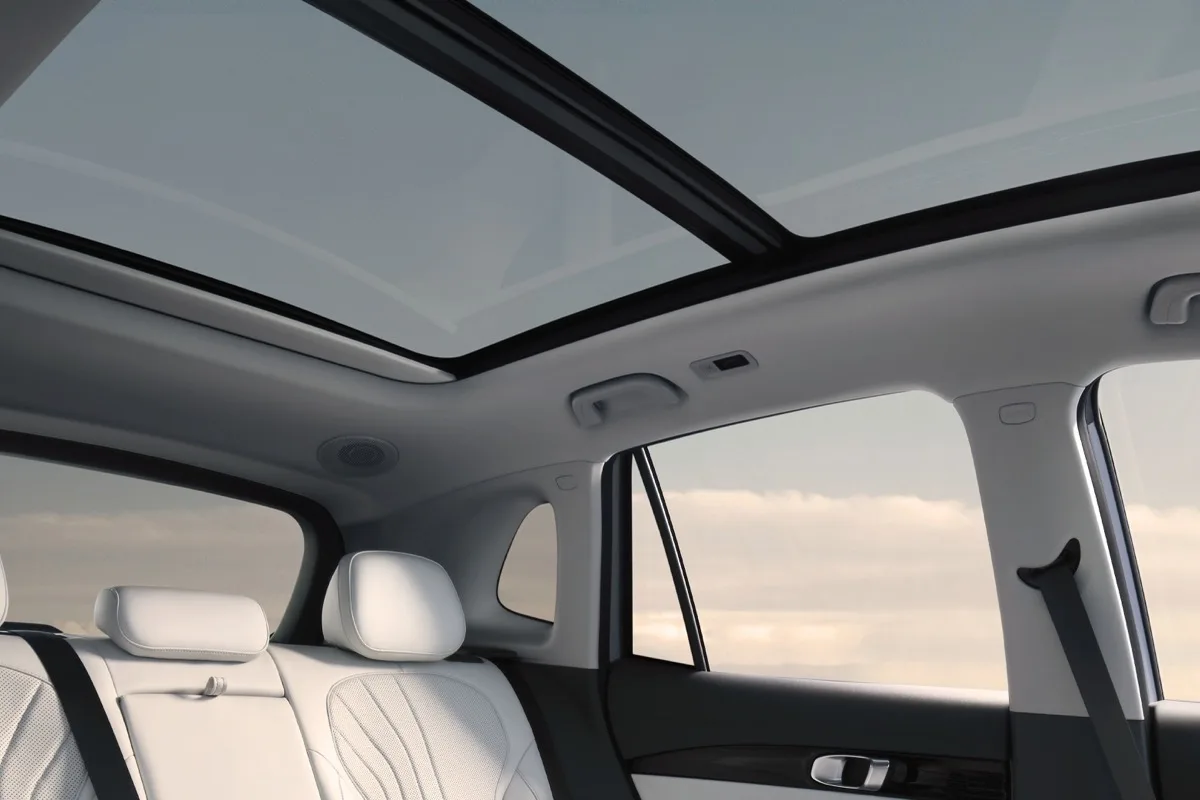

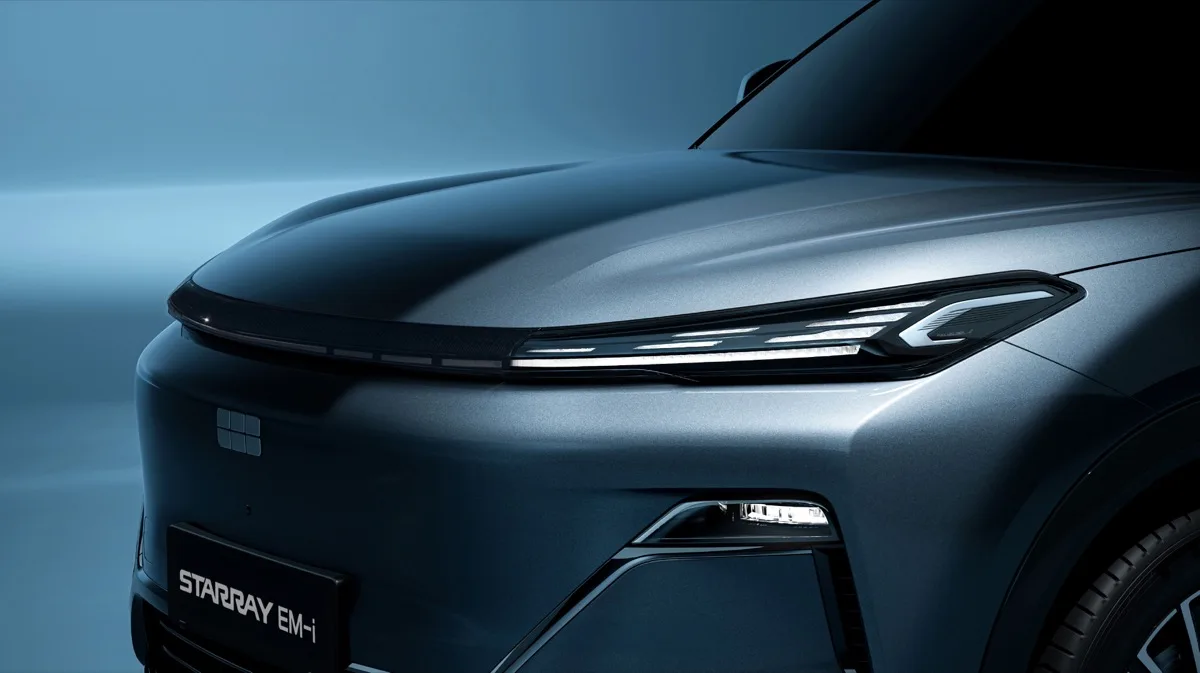
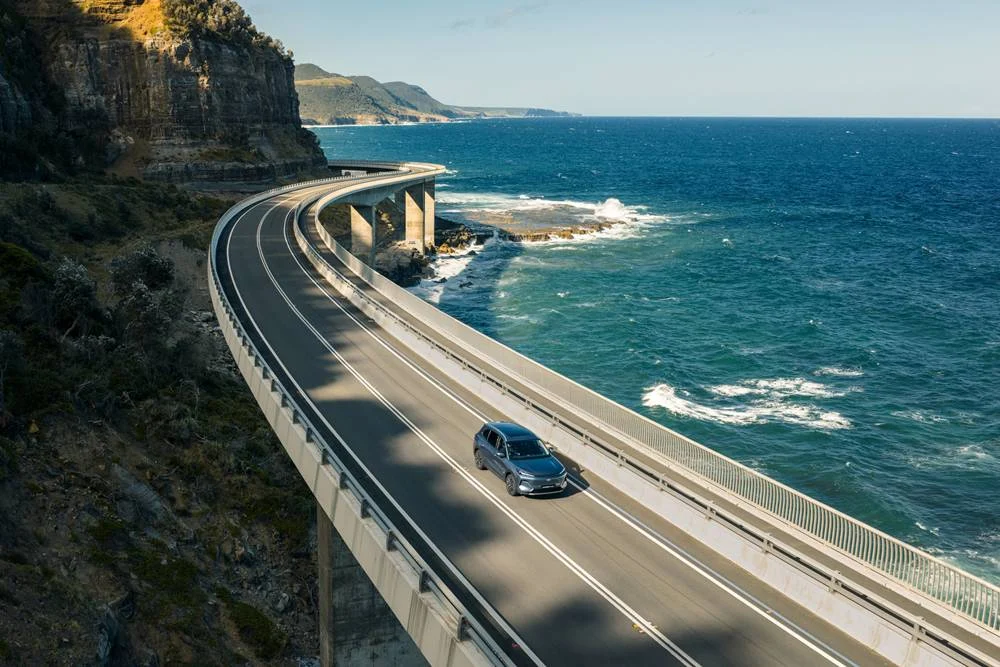


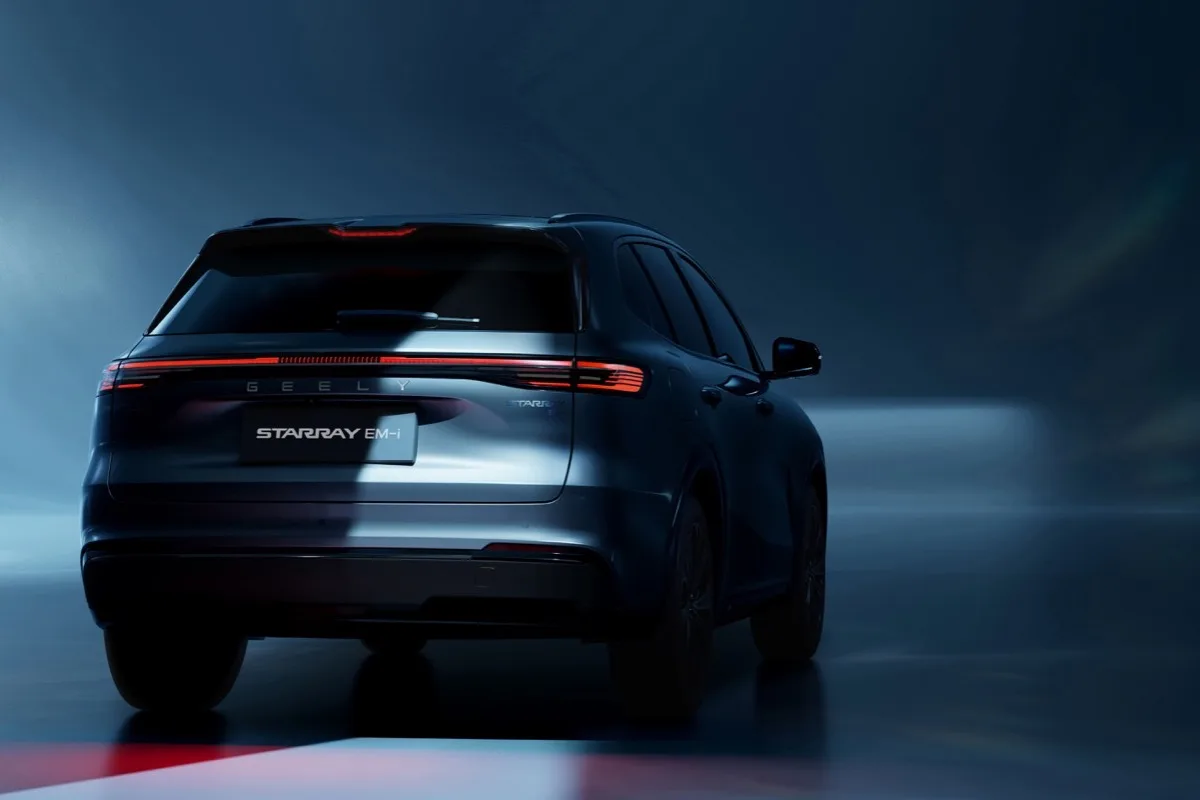
ABOVE: Geely Starray EM-I
The Self-Charging Hybrid and the Marketing Lie Toyota Refuses to Retire
Now we arrive at the full hybrid, or HEV, and this is where I must ask you to put down any sharp objects because I am about to say something rather pointed about Toyota.
Toyota has been selling full hybrids since 1997. The Prius was genuinely revolutionary. The technology is legitimately clever. A full hybrid has a proper electric motor capable of driving the car on electricity alone at low speeds, a larger battery than the mHEV, and a regenerative braking system that recovers energy with reasonable efficiency. You do not plug it in. The battery charges from the engine and from regenerative braking. This is fine. This is how the technology works.
What is not fine — what is, and I choose this word with considerable deliberation, duplicitous — is marketing a full hybrid as a self-charging electric vehicle.
Toyota has run variations of this campaign in Australia and elsewhere for years. Self-charging hybrid. The implication, if you squint and tilt your head and ignore your better instincts, being that this is somehow an EV that generously charges itself without troubling you for a cable. It is not an EV. It is a petrol car with a battery that charges from the petrol engine. The electricity does not descend from the heavens. It does not emerge from some benevolent universe freely dispensing regenerative energy. It comes, with some clever intermediate steps, from burning petrol.
Calling this vehicle self-charging in the context of electric vehicles is roughly equivalent to calling a man who jogs to the pub fit because he didn’t take a taxi. Technically true in the narrowest possible sense. Profoundly misleading in every sense that matters.
Toyota’s hybrids are genuinely good cars. The Camry Hybrid is tickety boo as a sensible family vehicle. The technology has been properly refined over nearly three decades, and it works. But the marketing is frightfully grubby, and consumers deserve better than being misled about the fundamental nature of what they are buying. The self-charging EV does not exist. A petrol car that does something clever with some of the energy it extracts from its own combustion process is not an EV, and Toyota knows this perfectly well.
The PHEV Is Brilliant — When You Bother to Plug It In
The plug-in hybrid electric vehicle, or PHEV, is where things get genuinely interesting, and where the Geely Starray EM-i enters the picture properly.
A PHEV has a real battery, large enough to provide meaningful electric-only range. The Starray EM-i claims over 100 kilometres of pure EV driving on a full charge. It has a petrol engine for when the battery is depleted on longer runs. And crucially, you plug it in. At home, overnight, from your standard power point or a wallbox. At a public charger during the day. From the solar panels on your roof, if you’re sensible enough to have them.
This matters enormously, because it means the electricity in a PHEV can come from genuinely clean sources. Not from burning petrol, not from a clever heat-recovery system, but from renewable energy. A PHEV owned by someone with rooftop solar and a 40-kilometre daily commute is, in practice, very close to a full EV for most of their driving life.
Used correctly, PHEVs achieve extraordinary real-world efficiency. The Starray EM-i, plugged in nightly and driven sensibly, will barely trouble its petrol engine on a typical working week. The fuel savings are substantial and genuine, not the rounding-error improvements of the mHEV.
There is a catch. There is always a catch. A PHEV used incorrectly is worse than either a full hybrid or a simple petrol car. Drive with a flat battery and you are hauling around a substantial battery pack using a petrol engine that was not designed to carry it alone. Your fuel economy suffers accordingly. A PHEV rewards the conscientious owner. It quietly punishes the owner who treats it like a conventional petrol car and never goes near a charger.
The Starray EM-i represents a thoughtful deployment of this architecture. The full review will examine whether Geely has got the balance right. What is clear from my time with it so far is that it makes a compelling case for the PHEV as the most sensible transitional technology for the typical Australian household, offering EV economics for daily life and petrol confidence for the weekend run up the coast.
Pure Electric — Where We Are All Headed, Eventually
At the far end of the spectrum sits the battery electric vehicle, the pure EV. No petrol engine. No tailpipe. No combustion of any kind. Electricity from the grid goes into the battery, the battery drives the motor, the motor drives the wheels. The chain of energy conversion is shorter than in any other drivetrain type, which is why EVs are more efficient. More of what you put in comes out as motion.
EVs are not perfect for everyone at this moment. Infrastructure in regional Australia remains genuinely patchy. Long-distance travel requires planning that ICE drivers have never had to consider. Not every household has access to reliable home charging. The upfront cost remains higher than equivalent petrol cars, though the gap is closing with considerable speed, particularly from Chinese manufacturers who are rewriting the pricing expectations of the entire segment.
But as far as efficiency, running costs over time, and long-term environmental credentials goes, the EV is the destination. Everything else on this list is, to varying degrees, a step along the way. The PHEV is an intelligent step, arguably the best transitional option available for most Australians at this moment. The full hybrid is a reasonable step for those who will not or cannot use a plug. The mHEV is largely a marketing step dressed up as engineering progress. And the ICE is a step that goes firmly in the other direction.
The Geely Starray EM-i, sitting in the middle of all this as a properly-equipped PHEV, makes the argument for the transitional technology rather well. Not because it is perfect, but because it is properly considered, genuinely useful, and a significant improvement on what most Australians are currently driving.
The full review is coming. In the meantime, if you own a PHEV, do plug it in. It is, after all, the only reason the thing makes any sense.
More Geely brand stories
- Geely Starray EM-i Sets Guinness Record for Fuel Efficiency
- BYD Sealion 7 & Geely EX5 5-Star ANCAP – But It’s Not All Roses
- Smart EVs Earn 5-Star Safety for Mercedes-Benz / Geely Venture
- Chinese Geely Creates New Autonomous Electric Rideshare Van
- Volvo to Buy Geely’s Share in Chinese Plant
- Volvo Car Corporation Explores Co-Operation with Zhejiang Geely
Help Support Gay Car Boys Subscribe to our Youtube Channel

Alan Zurvas is the founder and editor of Gay Car Boys, Australia's leading LGBTQI+ automotive publication. Before launching GCB in 2008, Alan's automotive writing was published in SameSame.com.au and the Star Observer. With over 16 years of hands-on car reviewing experience, Alan brings an honest, irreverent voice to every review — championing value and innovation over brand loyalty.
Leave a Reply