Jaguar dropped the XJ in 2019, and we’ve missed that big saloon ever since. Jaguar Type 01, a 757kW four-door electric GT, is the car we’d call its rightful heir.
Jaguar Type 01 had its public reveal in New York on the 6th of October, with Australian pricing at around $300,000 plus on-roads. Orders open in 2027, but delivery timing is listed only as “in due course”, with home and public charging details to come closer to launch. Could that be any more Sir Humphrey if it tried? No, it is British to the blue-veined core.
Jaguar previewed the shape with the Type 00 concept at its 90th birthday bash in London last December, then sent prototypes to the Arctic in February and took the car to Monaco in May. In August it opened the doors on a cabin with a brass spine down the middle.
The name starts Jaguar’s reset. “Type” nods to the cars that came before it, while the 0 stands for zero tailpipe emissions and the 1 marks the first of a new generation. It’s the first production car on Jaguar Electric Architecture (JEA), it’s designed and built in the UK, with Jaguar lodging over 360 patent applications along the way.
Above: 2026 Subaru Outback Premium Underpower and Expensive
#SubaruOutback, #Subaru, #SUVReview, #HavalH6GT, #GayCarBoys

Help Support Gay Car Boys Subscribe to our Youtube Channel by SMASHING THE BUTTON ABOVE


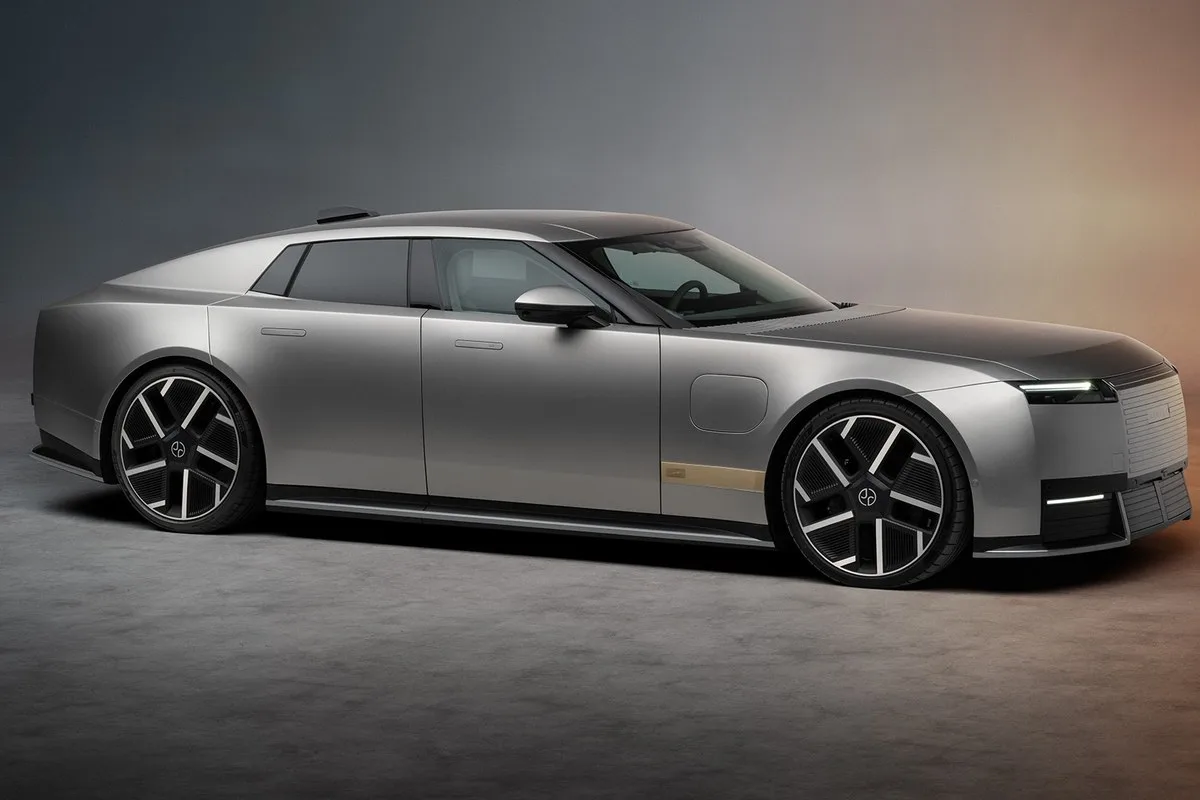
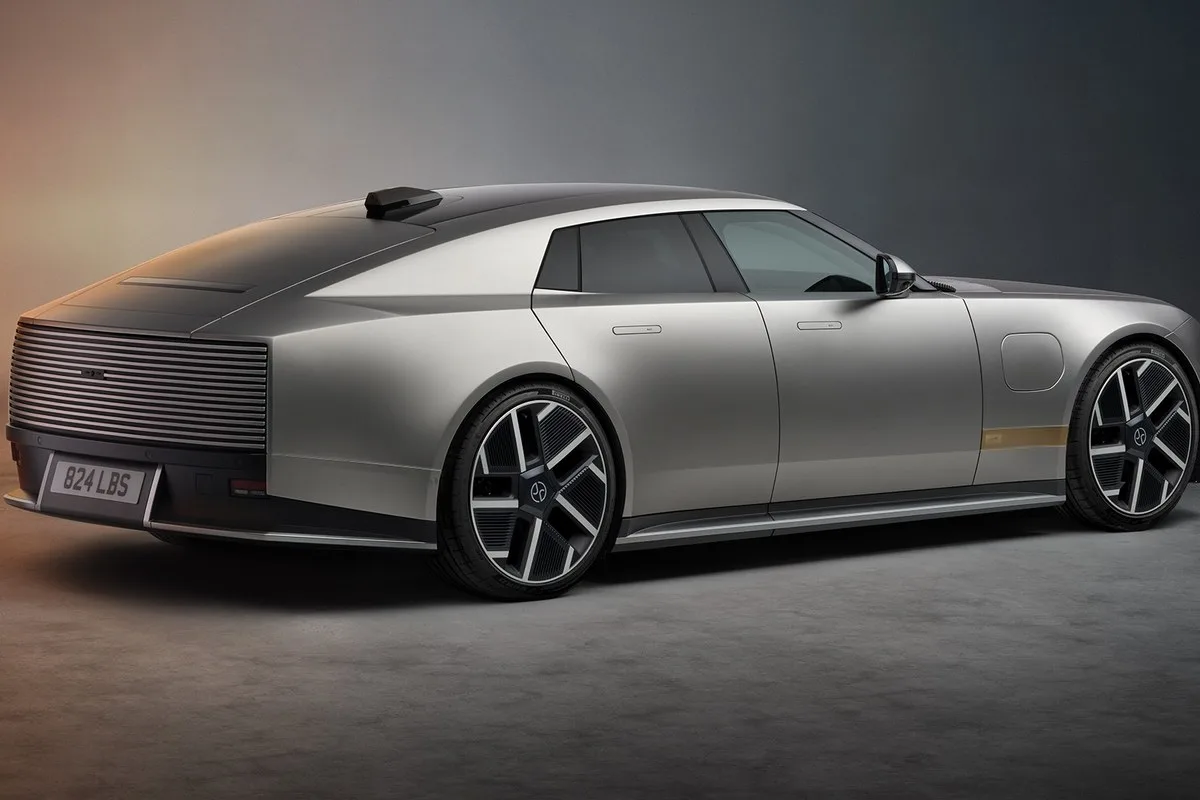
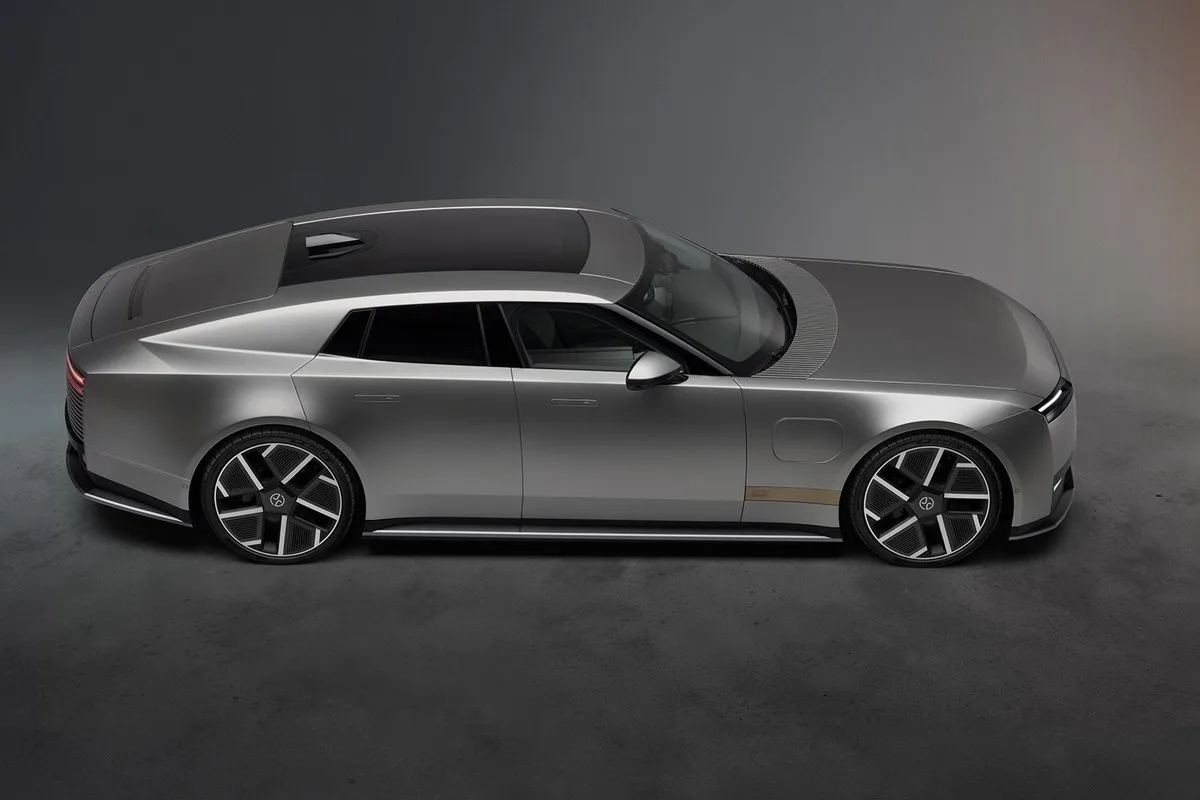
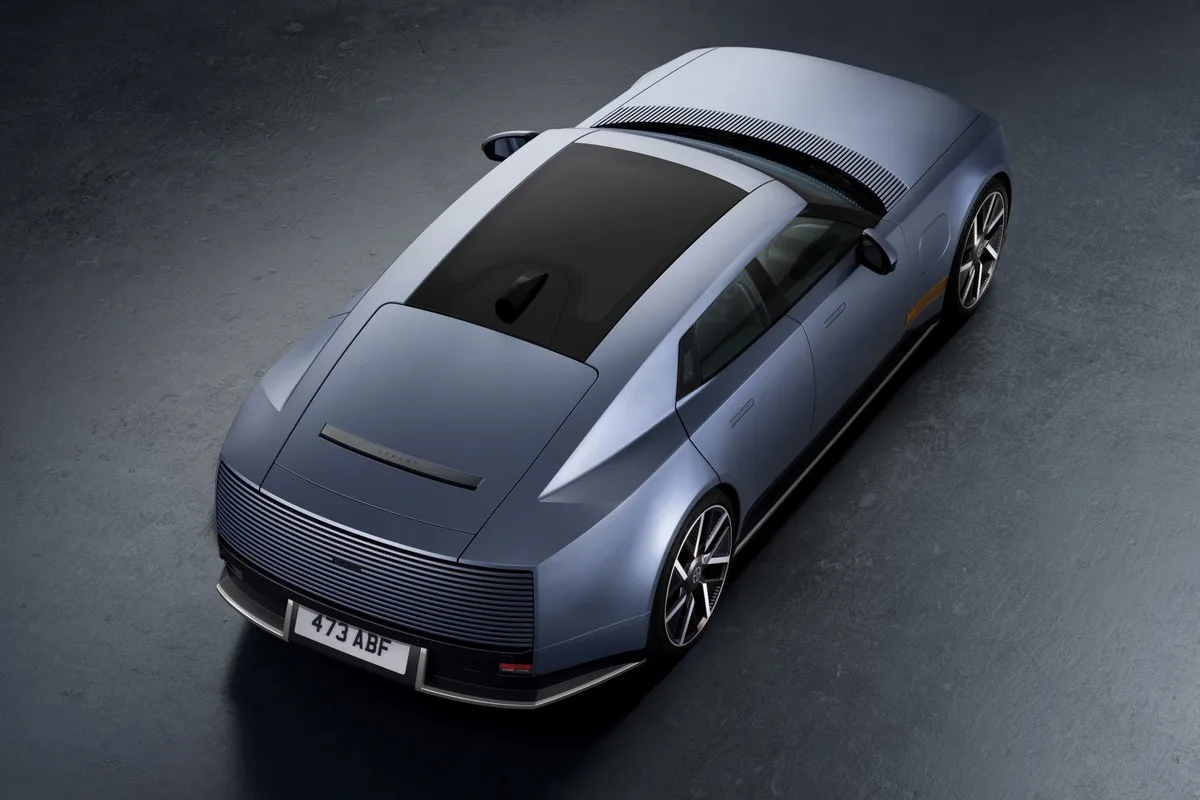
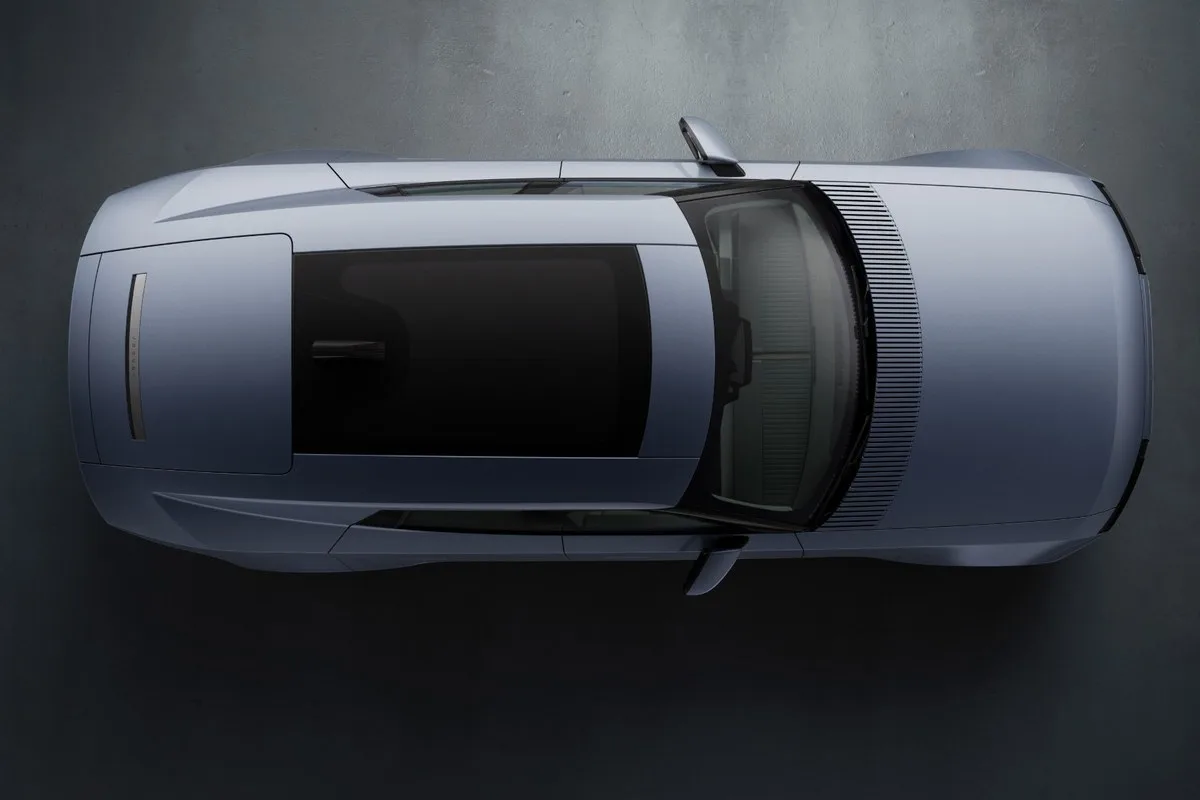
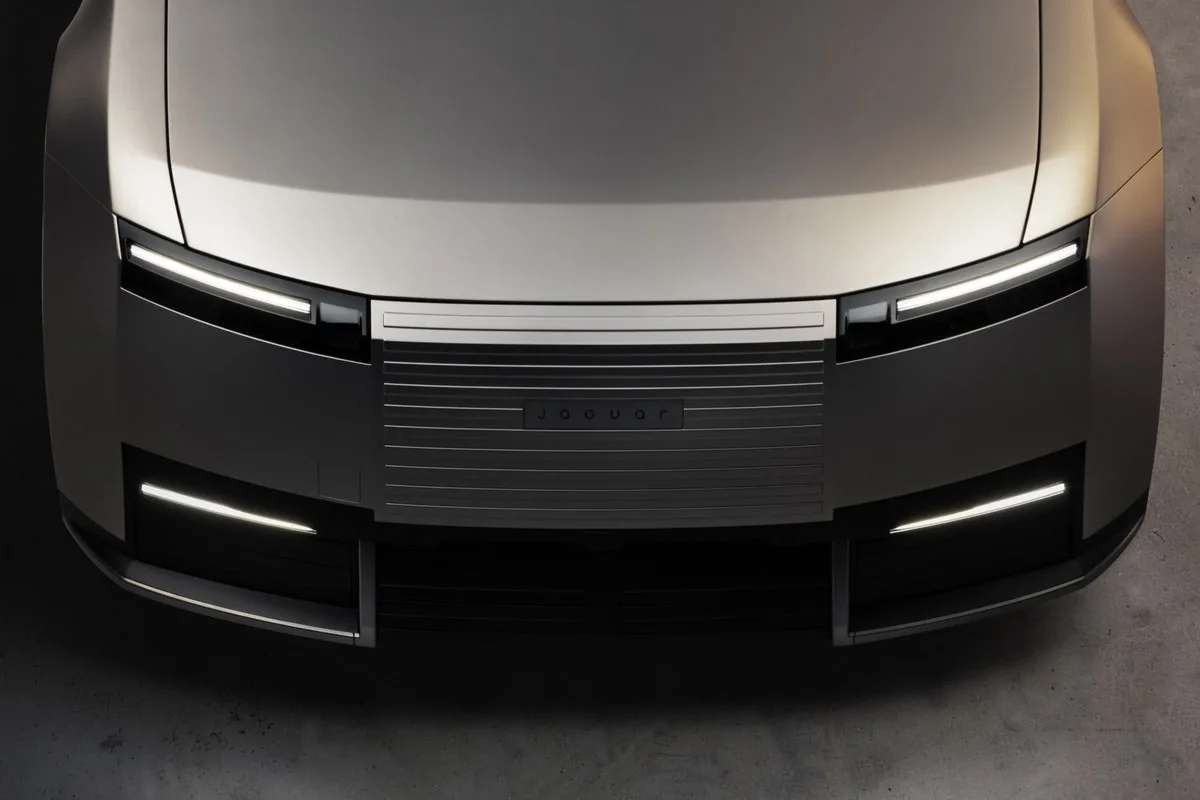

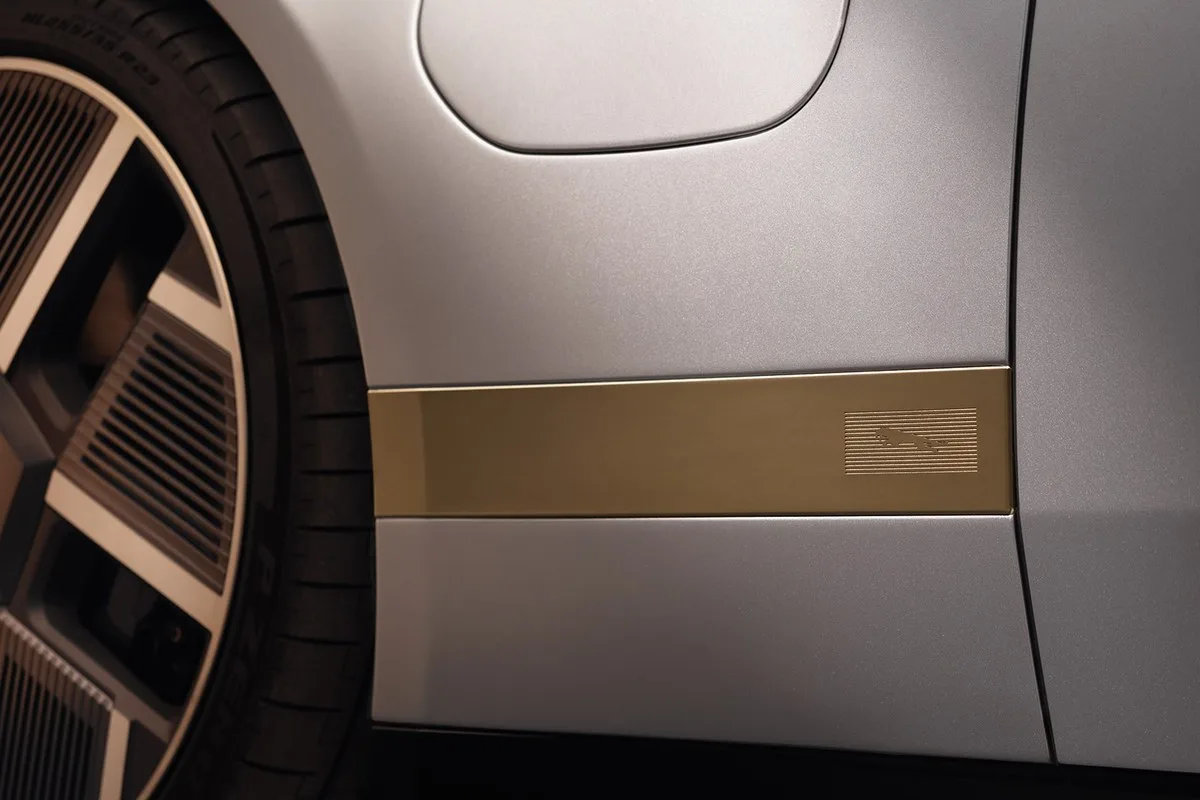
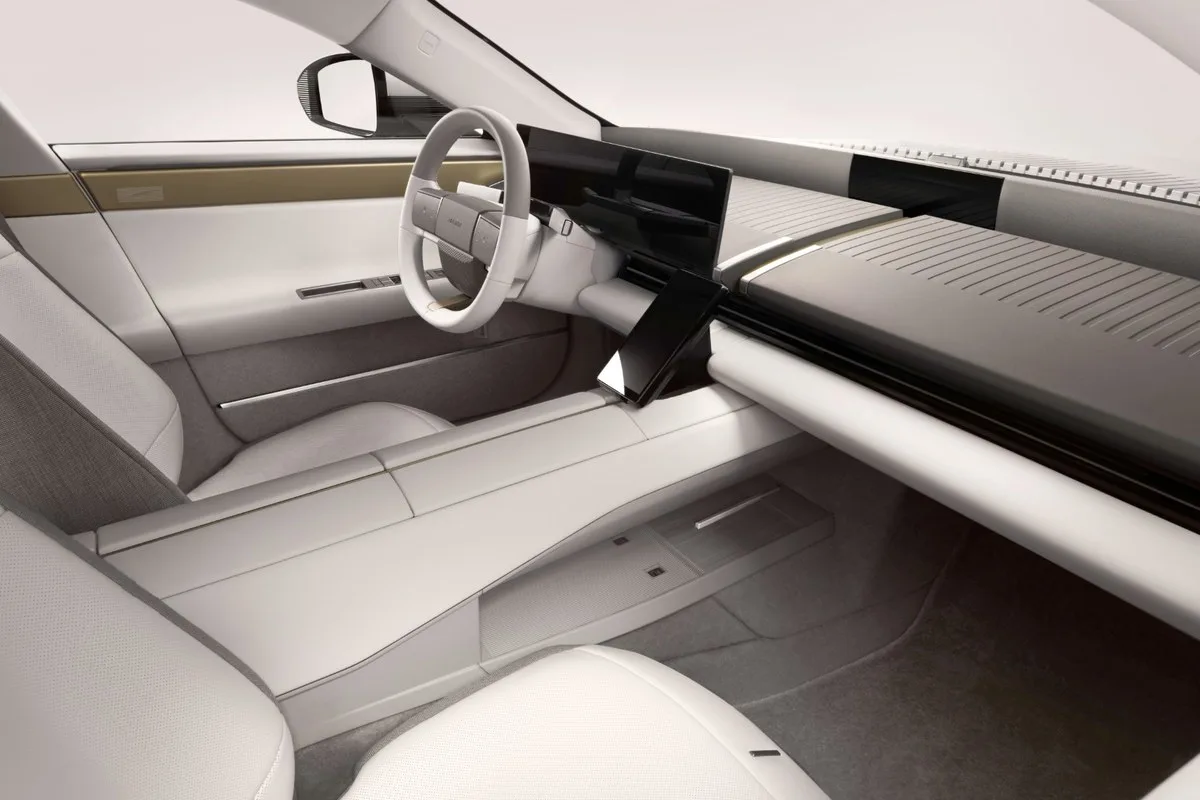

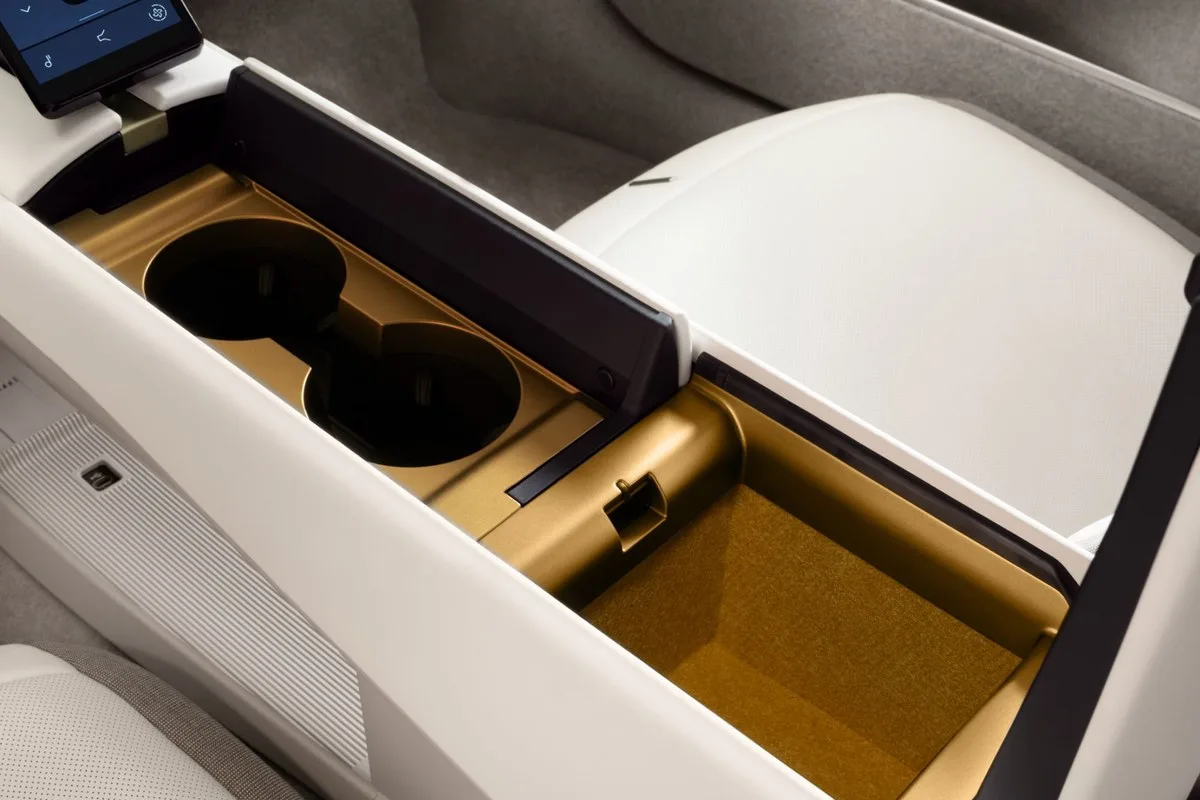
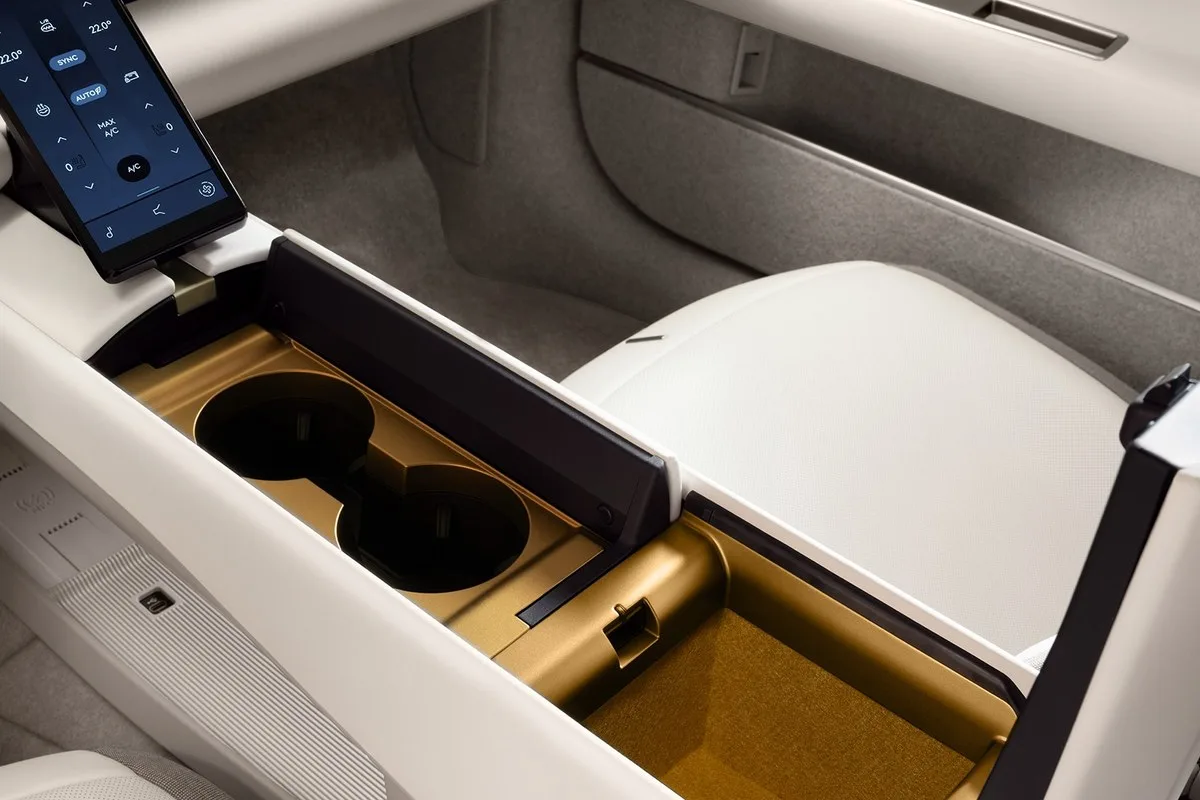
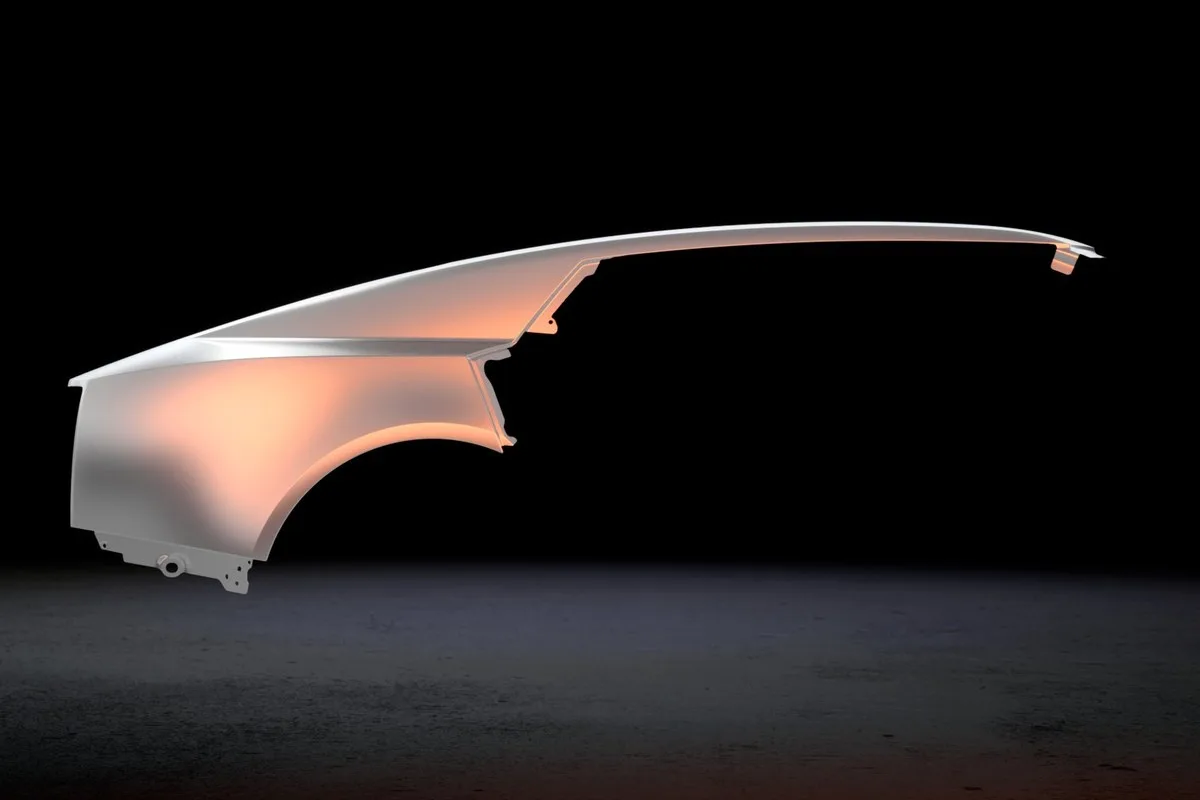
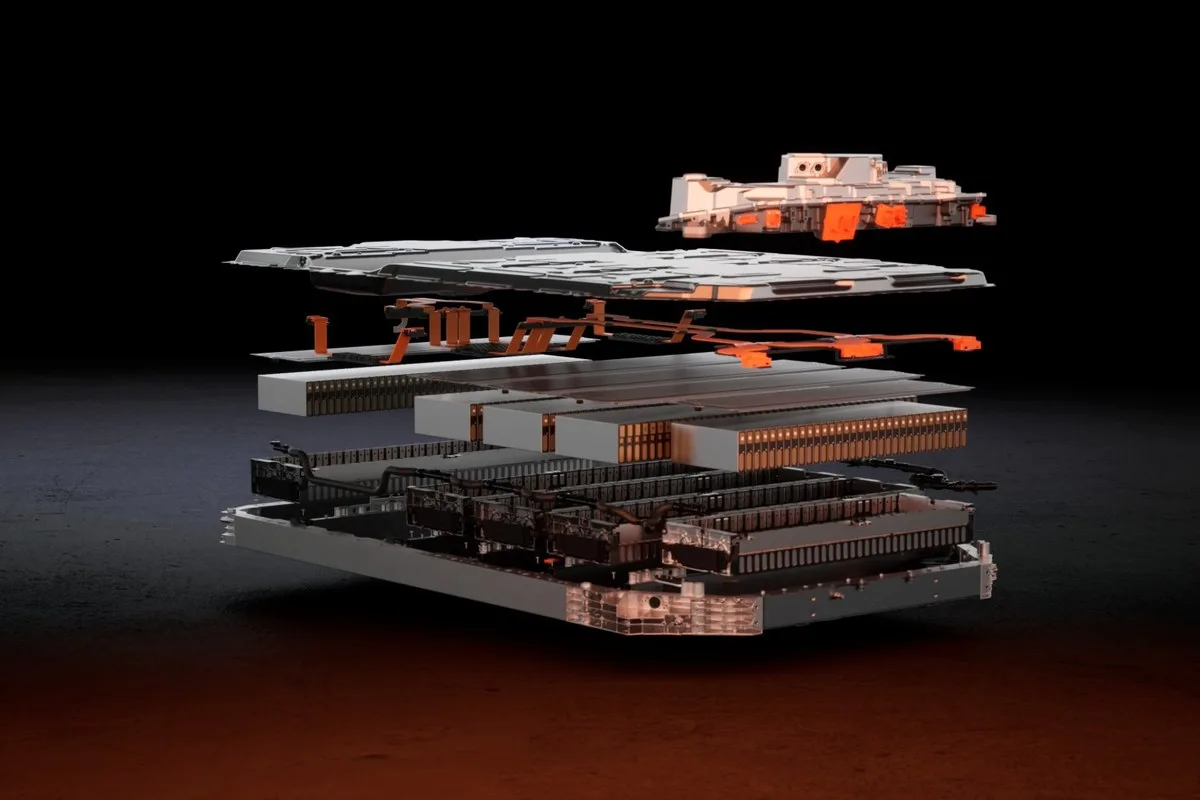
ABOVE: 2026 Type 01
Jaguar Type 01 Picks Up Where the XJ Left Off
We loved the last XJ, and we still miss it. We think Jaguar Type 01 is a GT fitting as a successor to the big XJ saloon. It’s a four-door Jaguar flagship again, long and low, built in Britain, with 4 individual seats and a screen of their own for those in the back. Some people won’t like it. Plenty of people didn’t like the last XJ when it came out either, and many of them only now appreciate what it was.
At 5,235mm long and only 1,403mm tall, it has the shape of the big Jaguar saloons. Jaguar calls the 898mm between the front axle and the door the luxury gap, and at 17% of the car’s length it’s almost the same ratio as the E-type.
There were more than 7,000 wind tunnel tests to get drag down to Cd 0.23, the lowest of any Jaguar. Active vanes in the front add up to 43km of range, and the rear spoiler rises to 7 degrees above 80km/h and 21 degrees above 155km/h, where it makes up to 75kg of downforce.
The headlights are only 84mm high but carry 17,000 pixels each, and the doors are frameless. The tailgate is solid, Polestar 4-style, and the full-width tail lights are hidden. There’s no rear-view mirror either, with a ClearSight camera display in the dash soundbar doing that job instead. I’d much rather a rear-view mirror type display, because that’s where drivers normally look. If an owner has a choice of cars, most will only have a mirror but it is a mere trifle when considering the enormity of the reveal.
Where $300,000 Goes
Jaguar Type 01 is tri-motor all-wheel drive, with a 260kW motor up front and a pair of 310kW motors at the rear. Combined output is a stonking 757kW/1,365Nm, or 1,030PS. The 0-100 is 3.2 seconds and 100-180km/h in 4.0 seconds.
To build a bit of context, we reviewed Tesla P100D below, they were around the 300k mark and had a LUDICROUS 2.4 second 0-100.
The Boring Figures’n’stuff
Drive is rear-biased, sending up to 87% to the back wheels in Dynamic mode, and weight is split 50:50, and the rear motors able to switch at cruise speeds. Jaguar’s Formula E team had a hand in the inverters and the traction software.
The 118kWh battery has an 8-year/160,000km warranty, 850-volt architecture, up to 720km WLTP, 643km US EPA range, or 515km of highway-only driving. Yes, that is continent-crossing GT territory just in case you’re wondering.
A 350kW DC charger adds up to 321km in 13 minutes and goes from 10-80% in around 22, while a 400-volt charger does around 250kW. Remember, those figures depend on conditions, and if you don’t precondition your battery, especially in cold climate driving, the time will drag out.
AC charging tops out at 22kW, and in a stroke of genius, there’s a port on each side of the car, so it doesn’t matter which way you nose into the bay.
The air suspension uses switchable-volume springs and twin-valve active dampers, with double wishbones up front and an integral link rear. All-wheel steer turns the rear wheels up to 6 degrees, with a turning circle of 11.5m, tight for a car longer than 5.2 metres. The body is 73% aluminium, with torsional rigidity of 51.7kN/deg, and it rolls on 23-inch wheels as standard, or 21-inch as an option, with Pirelli P Zero all-season tyres made for this car. Alongside the Jaguar, Dynamic, Efficient and Ice & Snow drive modes there’s a Curated mode you set up yourself.
The cabin is split by a spine that runs its full length, finished like the door tops in brass-effect anodised aluminium. The driver looks at a 24-inch OLED display that stretches toward the centre, a 7-inch touchscreen between the front seats runs climate and audio, and rear passengers get their own 7-inch portrait screen.
Sound comes from a 38-speaker Meridian system, 13 of them in a full-width Panoramic Soundbar. The 12-way front seats are heated and cooled and have a “hot stone” massage, while the 50:50 split rear seats are heated and cooled too, and fold to take the boot from more than 450 litres to 1,000. A panoramic glass roof with a switchable virtual blind is standard. In other words, active smart glass.
Wireless CarPlay and Android Auto come with it, along with a 5G wifi hotspot and a fragrance diffuser, and the voice assistant understands 18 languages.
Paint choices run to 5 gloss colours and 2 satins, Modernist Blue and Mesmerising Copper, while the Design Vision launch edition comes in Visionary Silver Satin. Chromatic Moments is limited to 60 cars worldwide, in French Ultramarine or London Red.
“Jaguars should be objects of desire and culturally relevant. That’s their natural habitat and where Jaguar is returning,” said Rawdon Glover, Managing Director of Jaguar.
Spectre Company at Audi Money
At around $300,000, Jaguar Type 01 gets talked about alongside cars like Rolls-Royce Spectre, but Spectre starts at $770,000, more than twice as much. On price, Jaguar Type 01 is much closer to a pair of electric GTs from Audi and Polestar.
Audi RS e-tron GT Performance costs $309,900, about the same as the Jaguar, and it’s quicker to 100km/h at 2.5 seconds, with 680kW/1,027Nm and a 97kWh battery rated at 528km WLTP. The regular RS e-tron GT is $264,900 with 630kW/865Nm.
Polestar 5 Performance is $193,100 and matches the Jaguar’s 3.2-second 0-100km/h time, as well as its 22-minute 10-80% charge on a 350kW charger. It has 650kW/1,015Nm and a 112kWh battery rated at 565km WLTP, while Polestar 5 Dual Motor, at $171,100, has 550kW/812Nm and goes further, at 670km WLTP.
Of the three, Jaguar Type 01 has the most power at 757kW and the longest WLTP range at 720km, and arguably, it is the most striking. It is brutalist Deco meets Chancellor Gorkon’s Kronos One. That’s a social reference for true geeks just in case it passed you by.
Haters will hate, and for some reason many have taken against JLR for this rather unusual rebrand. The fact remains that had a gamble not been taken, the writing was on the wall. There are few buyers in the 300k range but Jaguar is hoping to snag the younger 30-40 bracket rather than the college dean/senior architect/ageing retiree bracket. Fingers crossed it works.
Jaguar Type 01
| Spec | Detail |
|---|---|
| Price | From approximately $300,000 |
| Orders | Open in 2027 |
| Motors | Tri-motor, 260kW front, 2 x 310kW rear |
| Power/torque | 757kW/1,365Nm |
| 0-100km/h | 3.2 seconds |
| Drive | All-wheel drive, up to 87% rear in Dynamic mode |
| Battery | 118kWh usable, 850-volt |
| Range | 720km WLTP |
| DC charging | 350kW, 10-80% in around 22 minutes |
| AC charging | 22kW, ports on both sides |
| Length | 5,235mm |
| Wheels | 23-inch standard, 21-inch optional |
| Boot | 450L+, 1,000L seats folded |
| Battery warranty | 8 years/160,000km |
More Jaguar Stories
- Jaguar Type 01 Interior Puts a Brass Spine Down the Middle
- Jaguar Type 01 Drives Monaco Before Electric GT Reveal
- Jaguar Type 01 Name Starts The Brand Reset

Alan Zurvas is the founder and editor of Gay Car Boys, Australia's leading LGBTQI+ automotive publication. Before launching GCB in 2008, Alan's automotive writing was published in SameSame.com.au and the Star Observer. With over 16 years of hands-on car reviewing experience, Alan brings an honest, irreverent voice to every review — championing value and innovation over brand loyalty.
Leave a Reply