Let’s talk about Mazda 6e’s good and bad points. Mazda’s second foray into EV-dom comes after the awful MX-30 mega-flop. It was ugly, lasted 3 years, had a 200km range, 50kW DC charging, and sold a miserable 25,000 units. In desperation a rotary range extender was glued on, but by then the motoring world was well shot of it.
It was a disaster by any measure, so to side-step another failure, Mazda re-entered the world of co-badging, and to understand that we must go back a few years.
Mazda 6e marks a full-circle moment for a brand built on collaborative survival, aka badge sharing. Decades ago, Mazda famously provided the donor cars for high-volume icons like Ford Laser and Telstar, saving its American partner development costs during a shifting market.
Today, the tables have completely turned.
To survive a brutal, multi-billion-dollar global Chinese EV transition, Mazda swallowed its pride to become a styling house. By wrapping a delicious, premium body over a Changan skeleton, battery, and buggy Android open-source AOSP software, Mazda has reversed the old Laser/323 blueprint.
By 2030, 70% of cars will have Android infotainment based software, as buggy as it is. That’s something that should scare us all, but I digresss.
Above: 2026 GWM Tank 300 Ultra Hi4-T review
#GWM, #Tank300, #PHEV, #GayCarBoys, #ToyotaPrado

Help Support Gay Car Boys Subscribe to our Youtube Channel by SMASHING THE BUTTON ABOVE


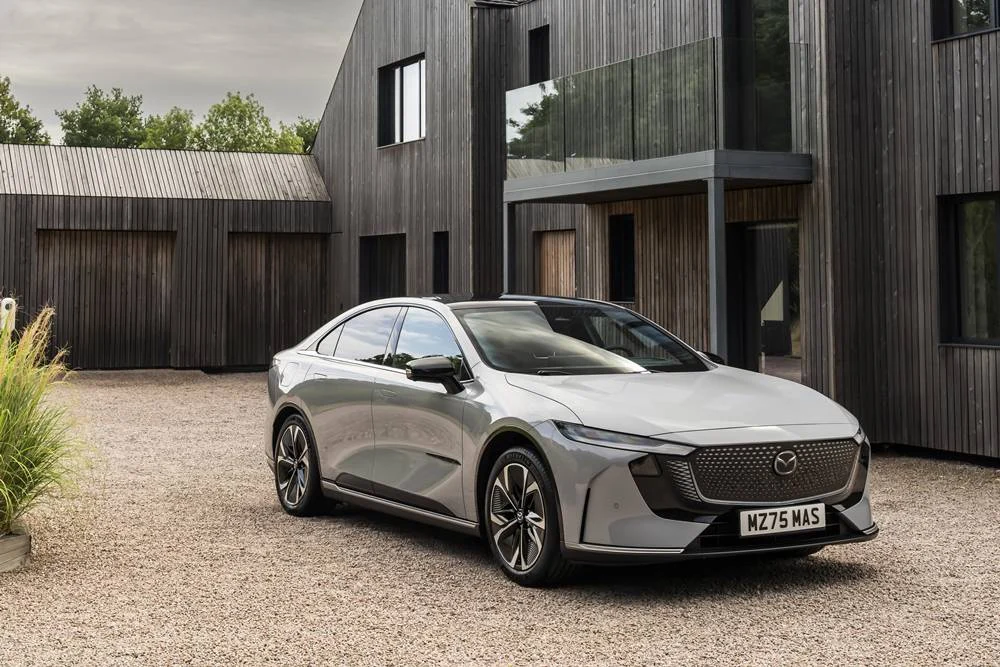
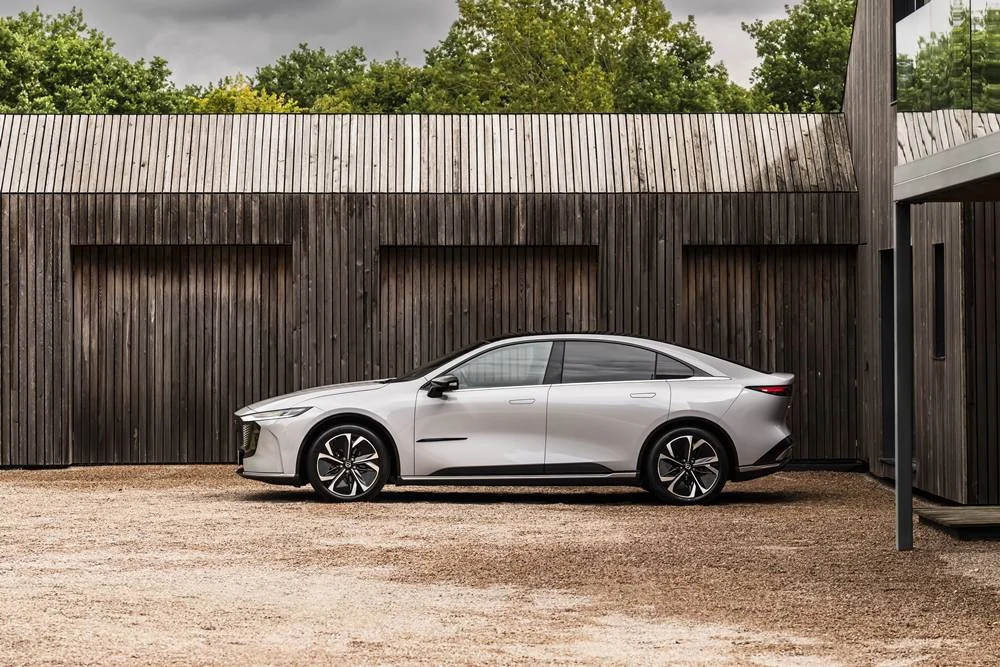
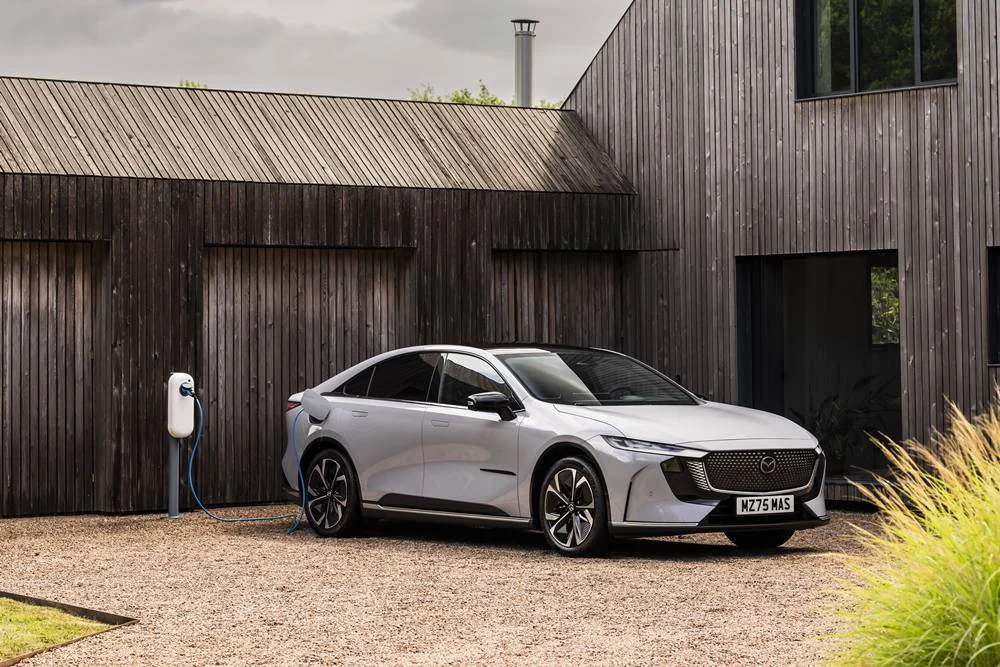

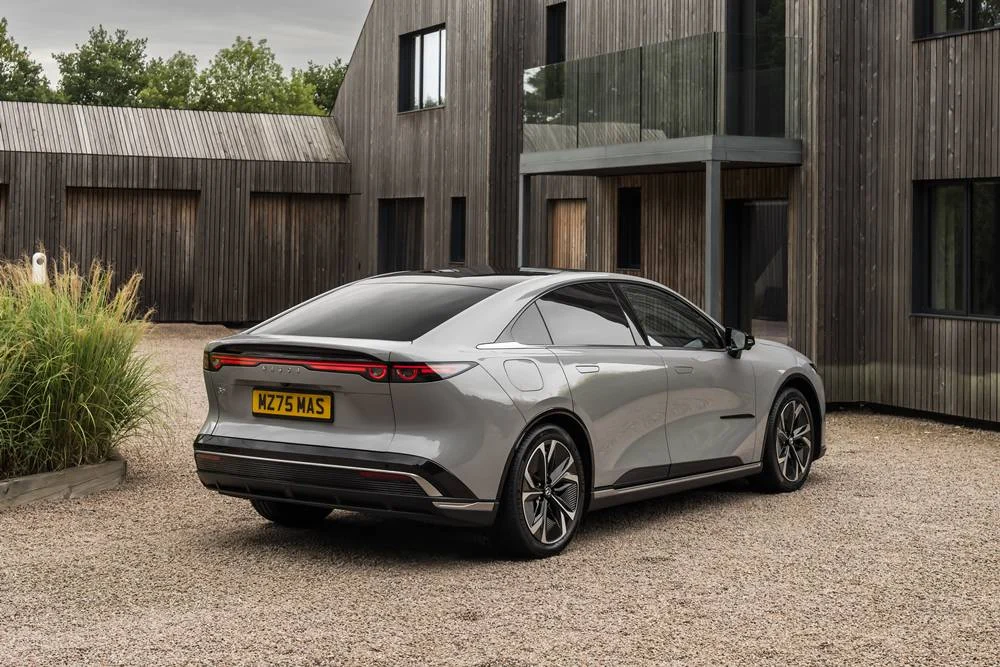

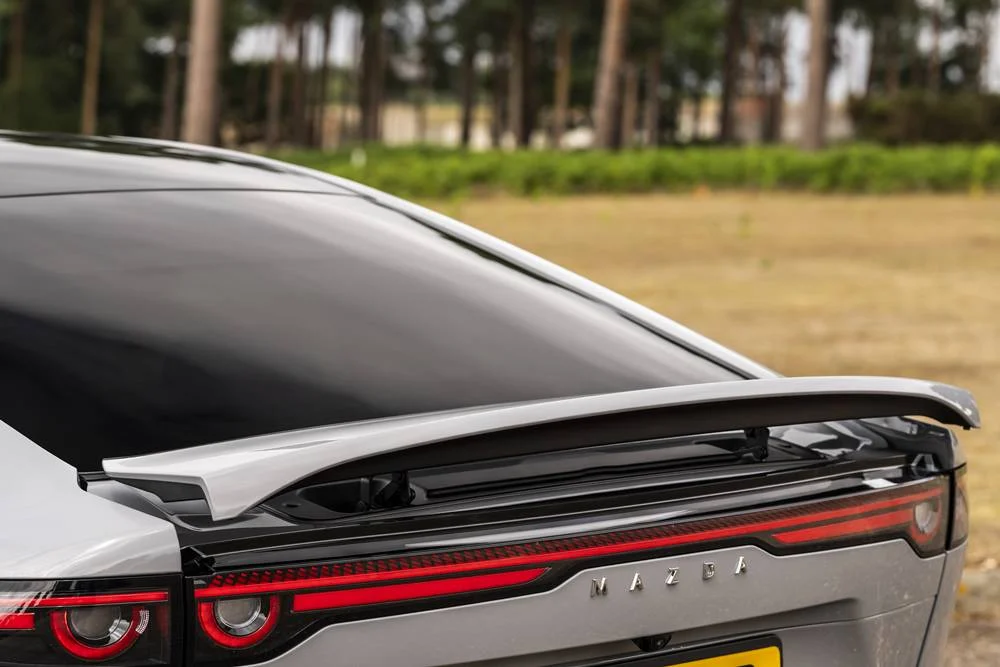
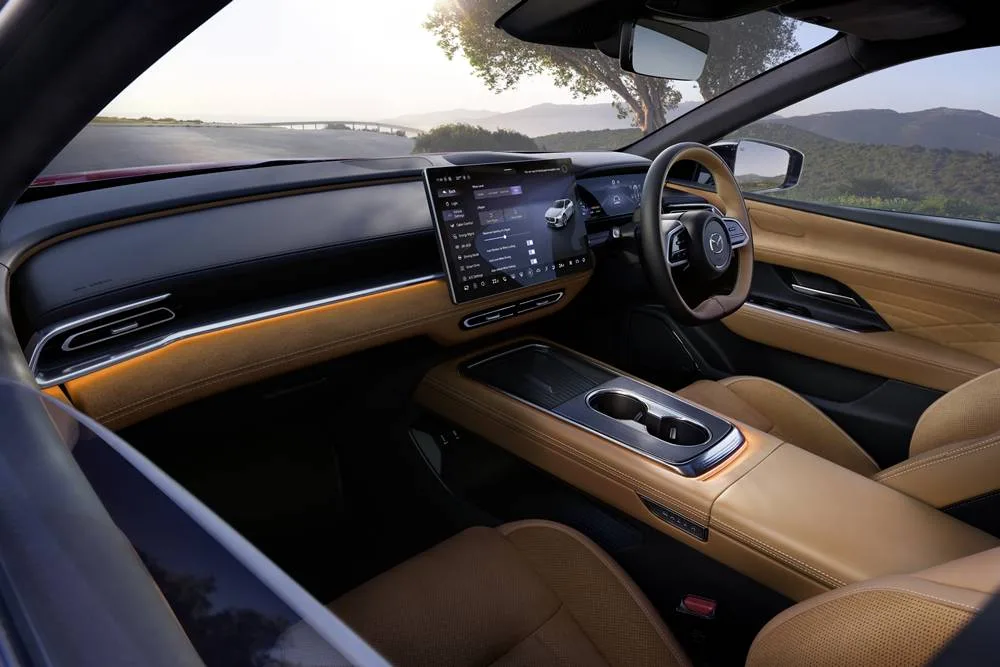

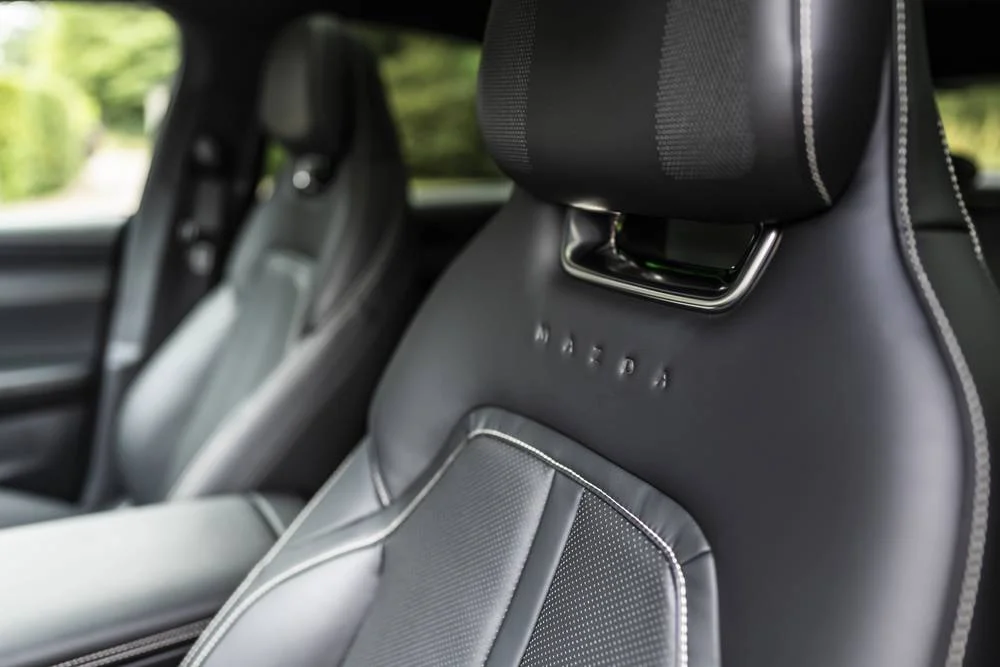
ABOVE: 6e Atenza
It is buying its way into the electric age using a Chinese off-the-shelf job to stay relevant in a rapidly changing Australian market. The Japanese car makers are losing market share hand over fist. Mazda slipped from its long-held 2nd place, Toyota is down 25%, and every other Japanese brand is following this slide.
Mazda’s cleverly calculated survival strategy can already be seen to a lesser degree in its other models. Look under the skin of their current line-up and you will find a brand heavily reliant on shared engineering to fill its own woeful technology gaps. The CX-50 Hybrid completely bypasses Mazda’s own engineering department by using a Toyota RAV4 hybrid powertrain. The engine, electric motors, and transmission are straight out of Toyota’s toybox, and the European-market Mazda 2 Hybrid is a rebadged Toyota Yaris. By leaning on Toyota for traditional hybrids, and Changan for pure electric platforms, Mazda is trying to keep its showroom relevant without drowning in catastrophic research and development costs.
Then we have the “Mazda Premium” trainwreck.
After years of dumping base trim levels, Mazda left only the range toppers on existing models while telling the media that “premiumisation” was underway. It backfired spectacularly as the Chinese brands began to appear, but Mazda then doubled down with the CX-60/70/80/90, creating another disaster.
The Strategy vs The Numbers
This unloved premium rear-wheel-drive platform had a 3.3-litre inline-six engine to move further upmarket. Last time Mazda did this, the defunct Eunos and ɛ̃fini were launched in answer to Lexus and Infiniti, but they flopped in only a few years.
Back to 2026 where monthly sales results dropped by 15% to 27%, forcing dealers to discount slow-moving stock. The MX-5 is the only shining light but even it has limited appeal. The new petrol drivetrains came after a decade of Mazda lecturing the press and buyers on how the 6-speed automatic was as good as an 8-speed. It wasn’t. Executives went on to say the aging drivetrains were renewed by adding “sky” to their name. They weren’t.
Being 2nd on the top 10 sales chart had lulled the Japanese brand into a false sense of security, and along with all other Japanese brands, 2026 is where they all got a reality check.
The Executive Backpedal
During an earnings call, Global CFO Jeffrey Guyton stated the large SUV sales numbers were “not acceptable to us.”
The Market Retraction
In response to stagnating stock, Mazda slashed prices on CX-60 by up to $7,560 in Australia while re-introducing cheaper base trims. Company viability relies heavily on volume models like CX-5 to offset the large platform’s misjudged rollout. Adding insult to injury, the new models didn’t drive as well as the aging cars they replaced.
Avoiding the Premium Disaster
Better late than never, Mazda’s bosses realised shoppers were not buying the posh aspirations. The only solution was to revisit old strategies and partnerships, but this one is different. Mazda 6e is a very thinly made-over Deepal SL03. Deepal has confusing nomenclature but to keep it simple, the SL03 was released in 2022, and Mazda 6e is that car wearing a party frock.
The platform uses 400V architecture, and the 78kWh LFP battery ups the weight to 2015kg. DC fast charging peaks at 194kW, which takes it from 10% to 80% in about 24 minutes. Mazda claims 560km on the WLTP cycle, but a full charge shows 400km on the dash, and after a week that has been about right. The rear-wheel-drive uses a 190kW/290Nm electric motor, leaving space front and back for luggage.
While the bodywork design is Mazda, it closely follows Deepal but uses Mazda’s design language to modernise the slightly awkward Deepal lines. All Mazda did was send a few sketches to Changan who then did the rest.
As Deepal is also on sale in Australia, Mazda would never have been able to charge buyers a premium for the Japanese badge. Although the renamed Deepal SL03 (now L07) is not on sale here, the S07 is, and will be the twin of Mazda 6e’s SUV sister, Mazda CX-6e.
With me so far?
Mazda 6e uses its own front end and restyled panels, but everything is identical underneath.
The gorgeous cabin is the same story. Although already quite good, Mazda gave Deepal’s design a zhuzh up with leather and fake suede on Atenza and Maztex simulated cow on the GT.
There is still a bit of hard plastic here and there, but the high wear areas make a good case for sturdy covering.
Rear legroom is fabulous, but the fastback roof warrants respect on entry or exit.
The front seats are heated and cooled, something unimaginable at this price before the Chinese brands gave legacy badges a kick in the cobblers.
Since Mazda 6e directly replaces the last (and sadly missed) Mazda 6, here’s how they compare.
| Vehicle model and grade | Engine / powertrain | Peak power | Peak torque | Official 0-100km/h | List price (before on-roads) |
|---|---|---|---|---|---|
| Mazda 6e GT | Single electric motor (RWD) | 190 kW | 290 Nm | 7.3 seconds | $49,990 |
| Mazda 6e Atenza | Single electric motor (RWD) | 190 kW | 290 Nm | 7.3 seconds | $52,990 |
| Mazda 6 G35 Atenza (final petrol) | 2.5L turbo 4-cylinder (FWD) | 170 kW | 420 Nm | 7.6 seconds | $52,590 |
| Mazda 6 G25 Sport (final entry petrol) | 2.5L naturally aspirated (FWD) | 140 kW | 252 Nm | 9.6 seconds | $36,290 |
Download Mazda 6e brochure and full specifications here
The drive is where a car can fall at the last hurdle, and our drive of Deepal S07 certainly did that. In fact, it was dreadful. It was soft, remote, unfeeling and intrusive, and featured no CarPlay. Much of that has been fixed with CarPlay pushed via an OTA update and the ability to kill the overspeed warning. It cost Deepal a regulatory hit but not its ANCAP star rating, its physical safety structure is world class and kept the S07’s head above water.
Mazda has gone a safer route.
Its ADAS have been fettled and there are buttons on the steering wheel to programme in missing features. Overspeed warning can be muted and missing wiper stalk functions added to one of the 2 star controls. Drivers can put any of 16 options on the 2 buttons.
Is Mazda 6e worth it
Mazda 6e is gorgeous. The Japanese design modifications have taken an OK car and made it stunning inside and out.
Smart survival, compromised soul. Mazda had to swallow its pride to avoid an EV dead-end, and trading in-house R&D for a Changan skeleton keeps the showroom lights on.
The bottom line. It undercuts Tesla, looks stunning, and fixes the donor car’s worst software bugs, but purists looking for traditional Japanese driving dynamics might find it a tough pill to swallow.
Stay tuned for our full video review.
Above: 70mai A810 Lite Dashcam 4G review
#70maiA810Lite, #70mai, #DashCamReview, #Viofo, #GayCarBoys
Help Support Gay Car Boys Subscribe to our Youtube Channel by SMASHING THE BUTTON ABOVE
More Mazda Stories
- Toyota BYD Tesla Fight For Australia’s Sales Crown
- Omoda Jaecoo J5 EV Tops Australian Electric Small SUV Sales
- Australia’s Car Market 46% Electrified in May
Help Support Gay Car Boys Subscribe to our Youtube Channel by SMASHING THE BUTTON ABOVE

Alan Zurvas is the founder and editor of Gay Car Boys, Australia's leading LGBTQI+ automotive publication. Before launching GCB in 2008, Alan's automotive writing was published in SameSame.com.au and the Star Observer. With over 16 years of hands-on car reviewing experience, Alan brings an honest, irreverent voice to every review — championing value and innovation over brand loyalty.
Leave a Reply