We were impressed that for under $60,000 drive-away, GWM Tank 300 Ultra Hi4-T had much gear bolted to a proper four-wheel drive that Toyota asks over $130k for. You walk into the dealership and drive out with a fully loaded off-roader ready to drive across the Simpson.
The automotive landscape is shifting at light speed while legacy brands cling to past glory like their lives depend on it, because it does.
All this desperation comes while charging a fortune for bare-bones equipment lists, ancient designs, grotesquely outdated cabins, and aging drivetrains. GWM nukes the expectation by giving them similar quality, more equipment, and a vastly improved drive experience for half the price.
This new hybrid dirt wagon rewrites the rules. DOWNLOAD BROCHURE AND SPECS HERE
Above: 2026 GWM Tank 300 Ultra Hi4-T review
#GWM, #Tank300, #PHEV, #GayCarBoys, #ToyotaPrado

Help Support Gay Car Boys Subscribe to our Youtube Channel by SMASHING THE BUTTON ABOVE


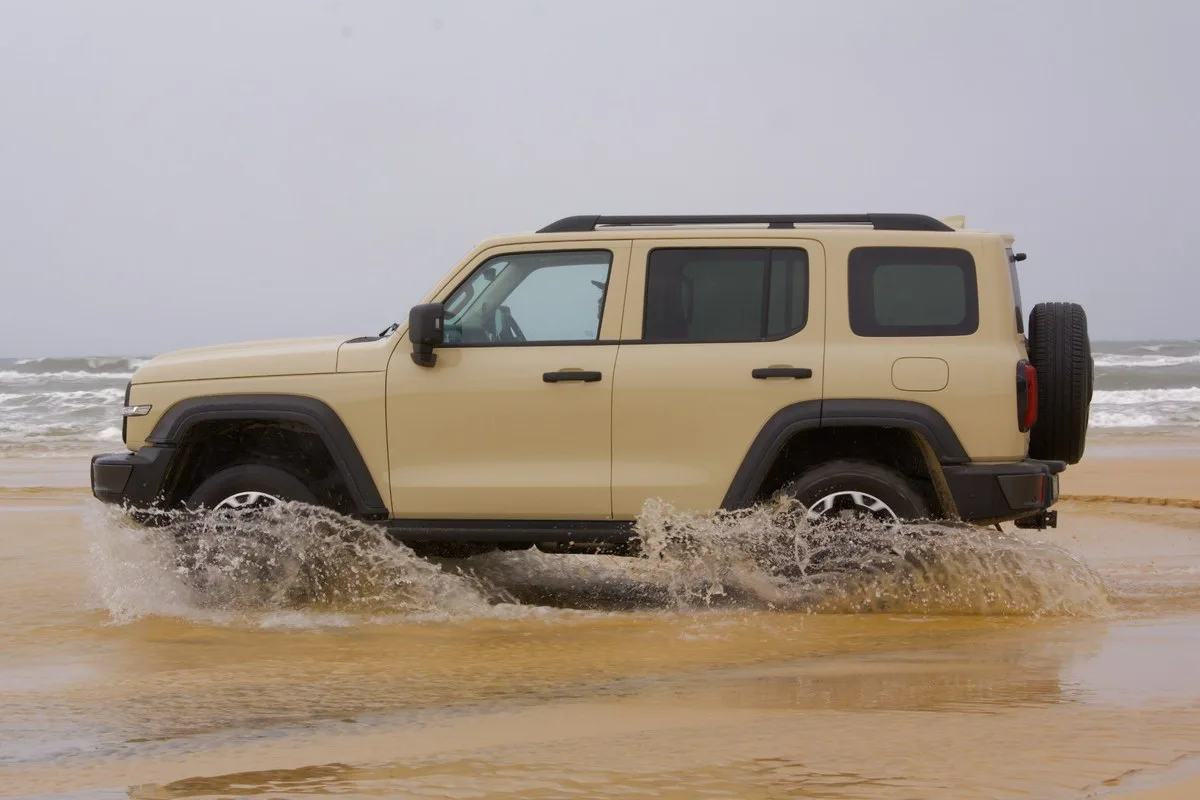

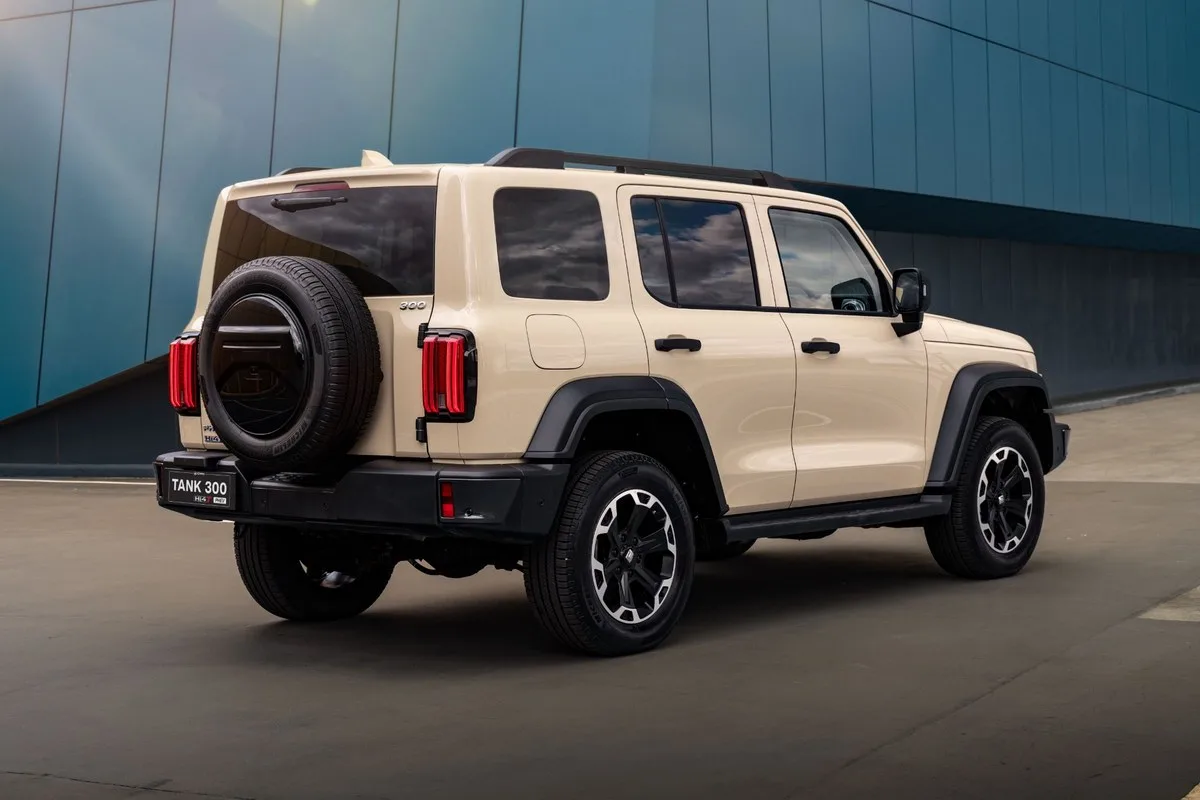
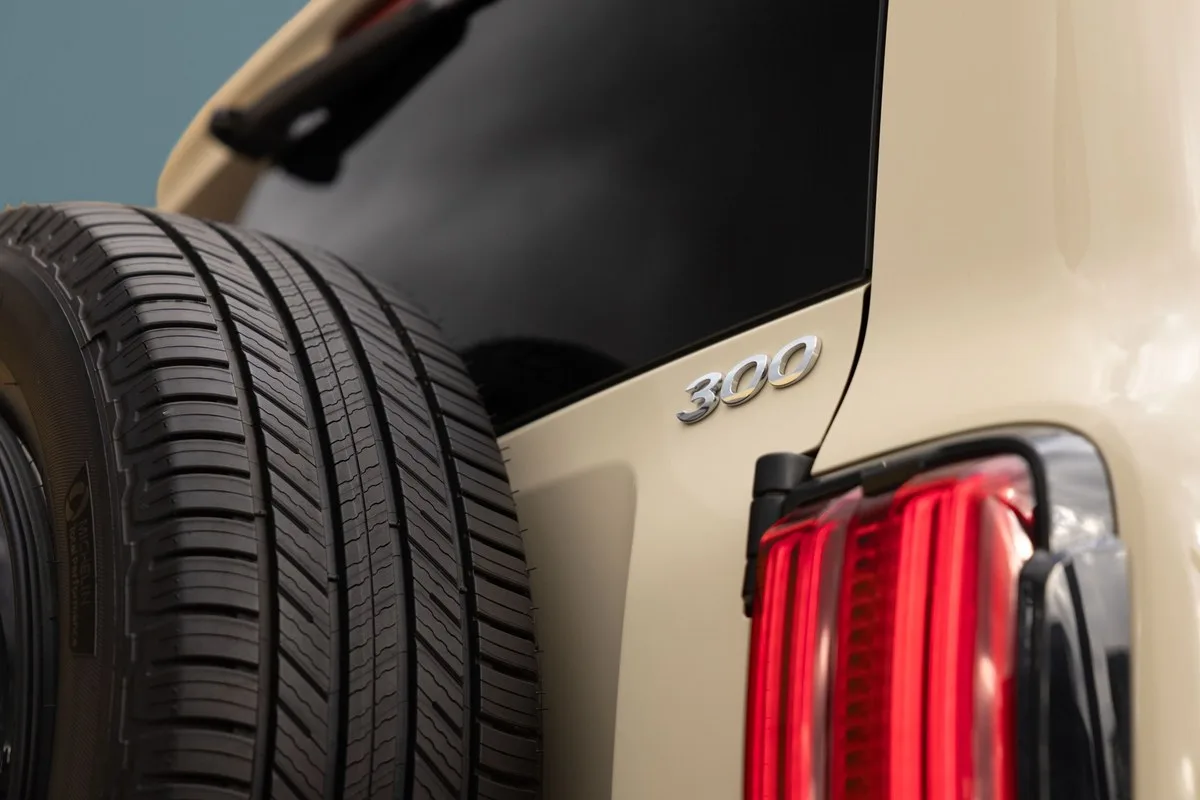
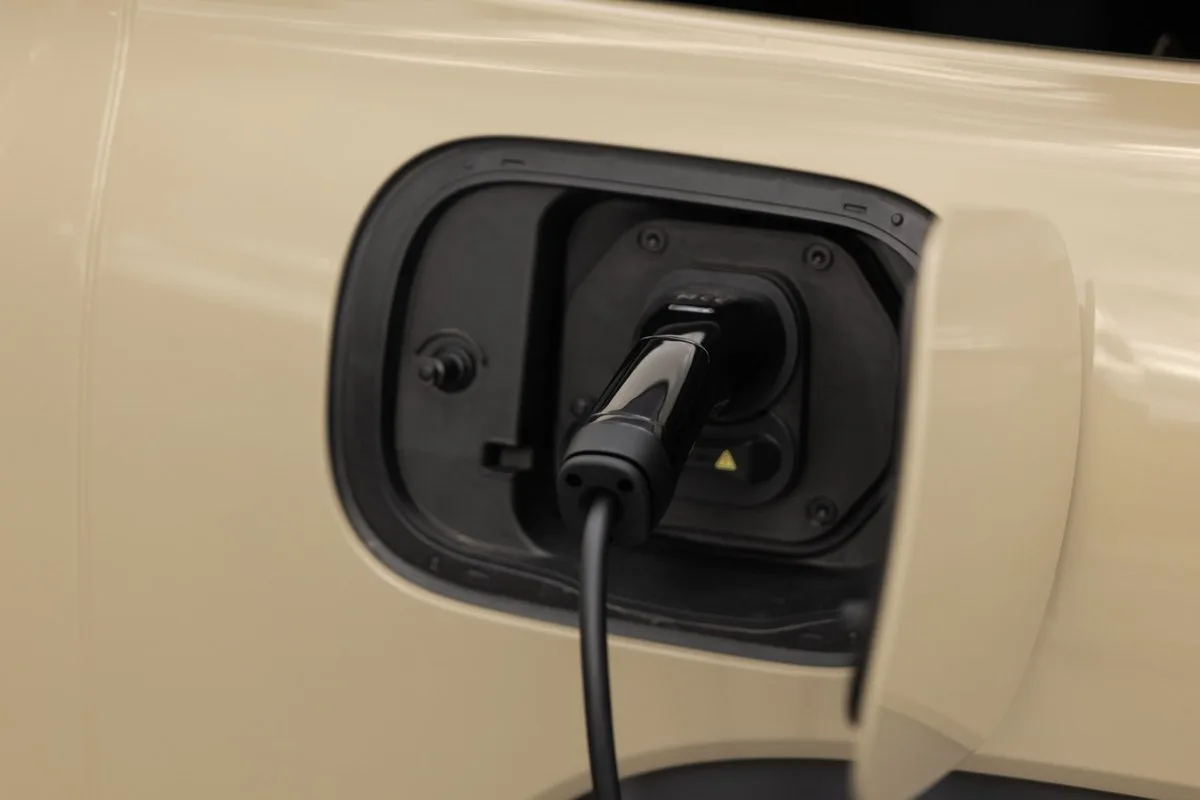
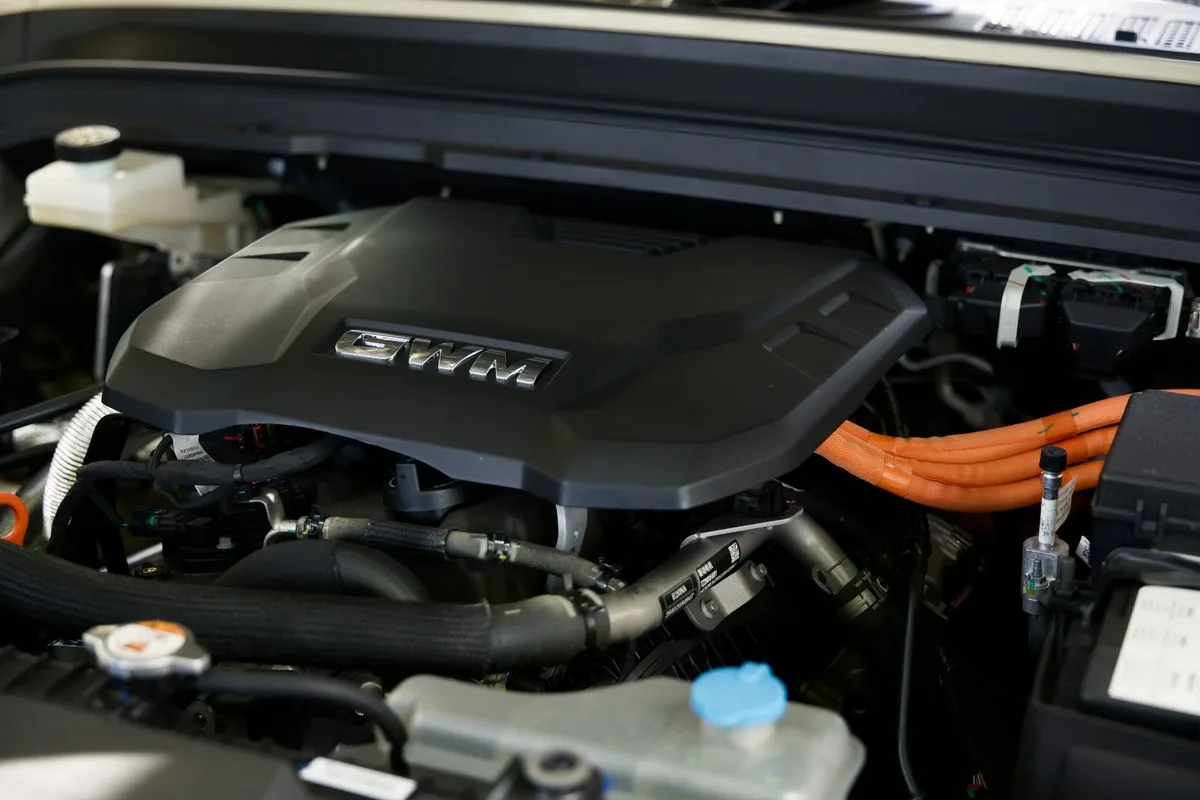
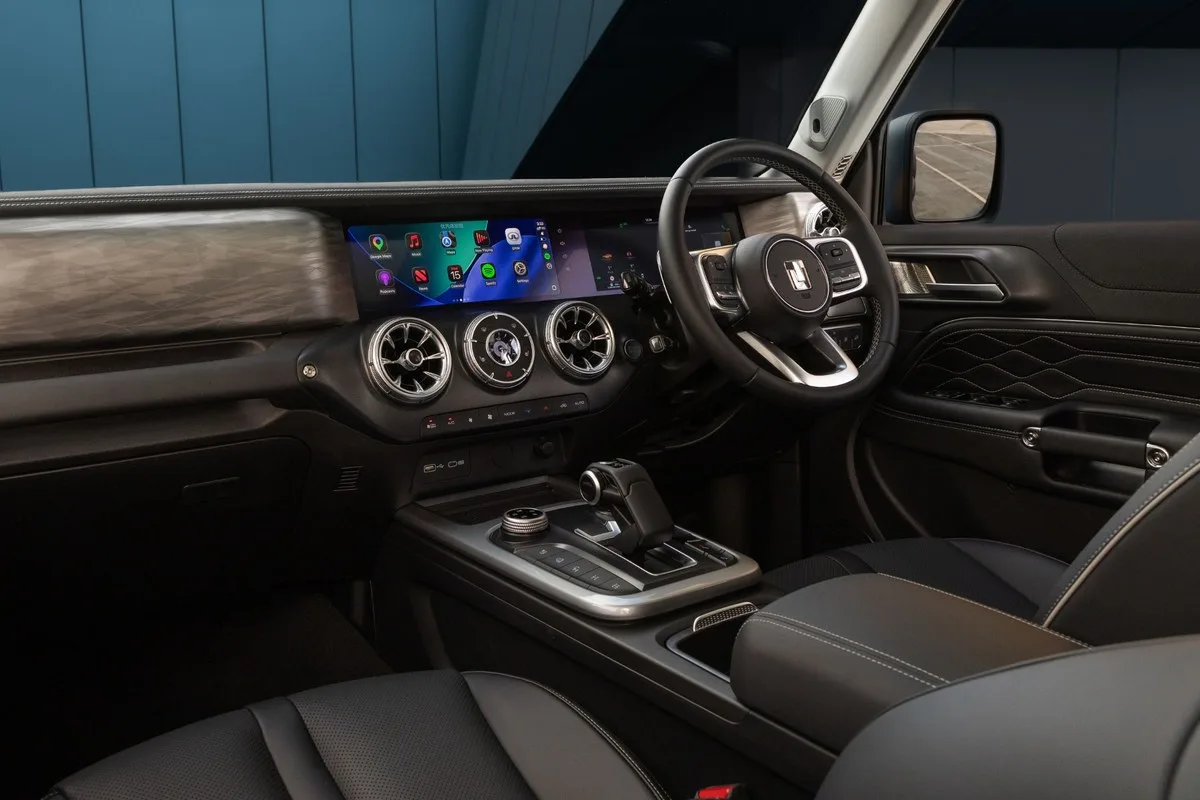
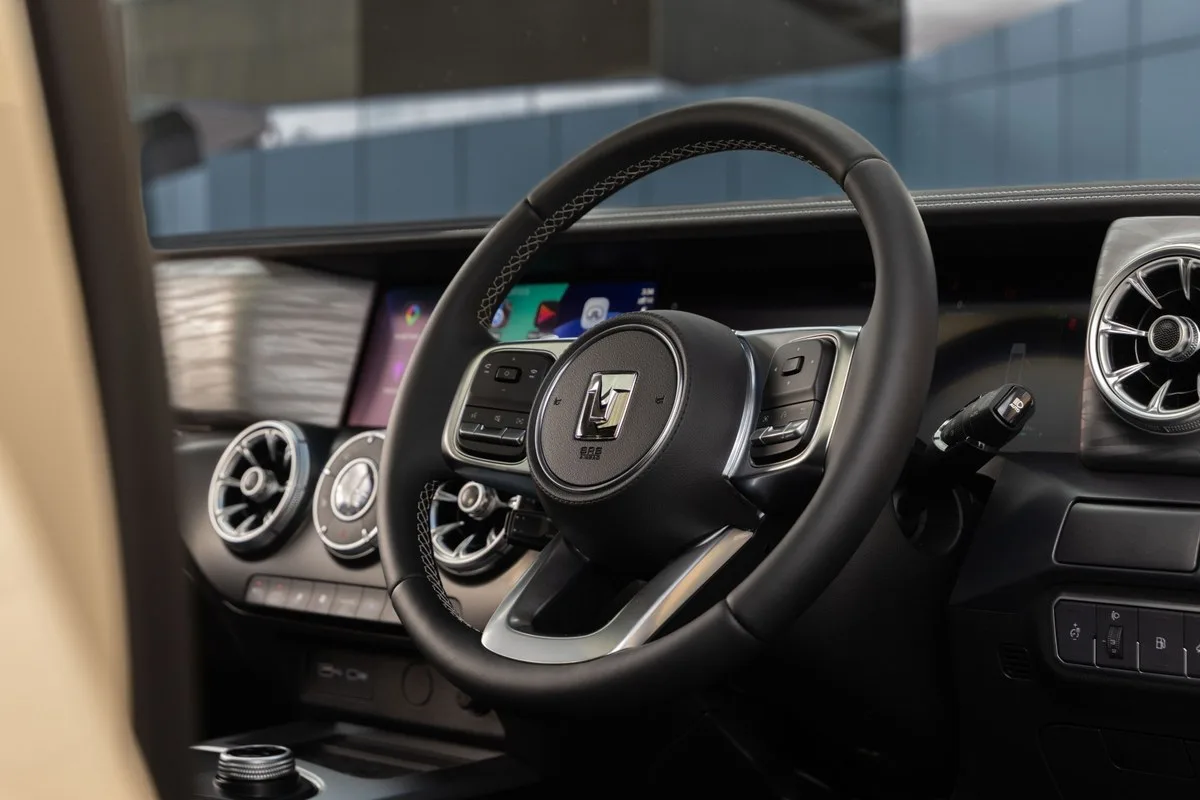
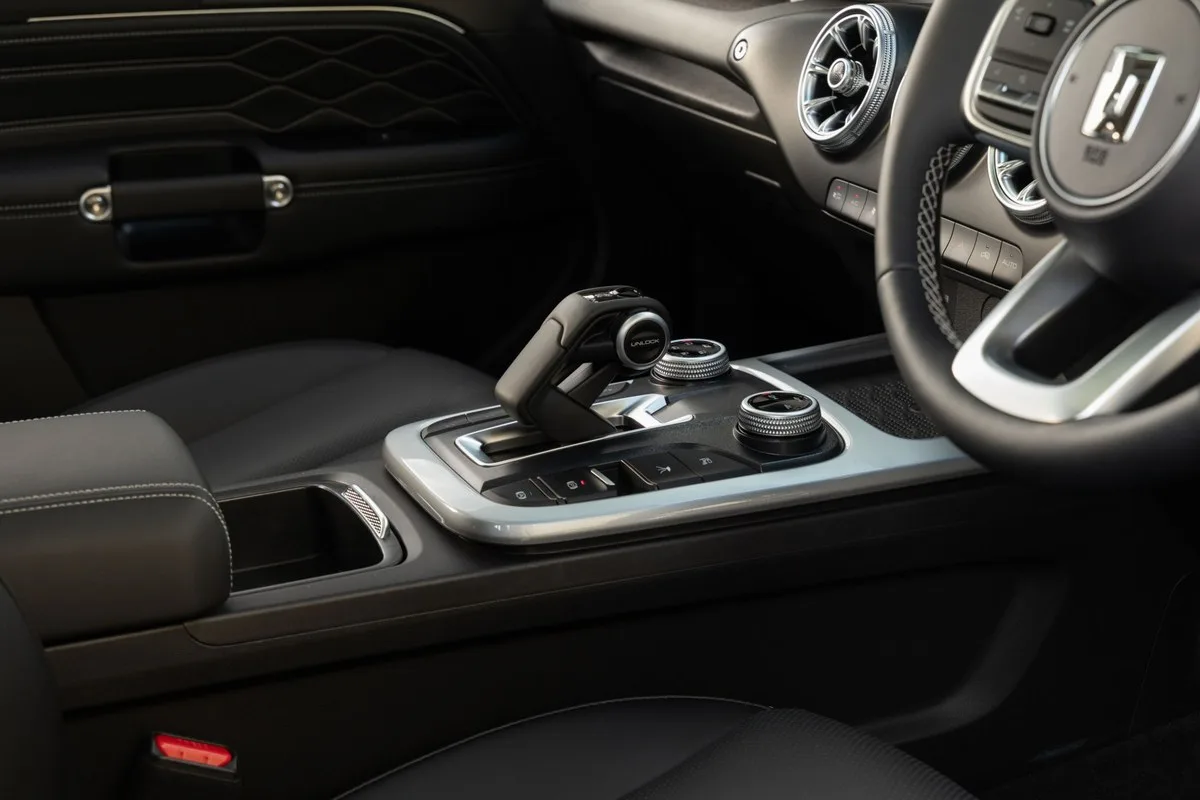
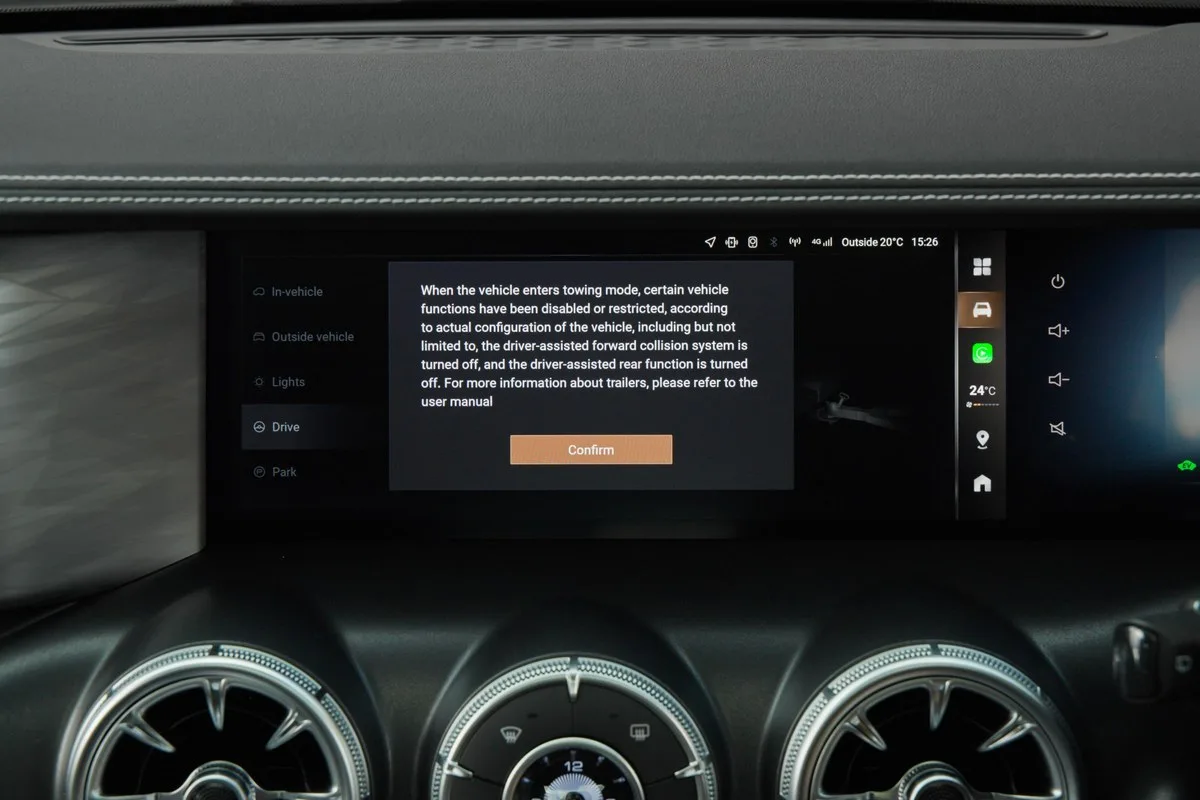
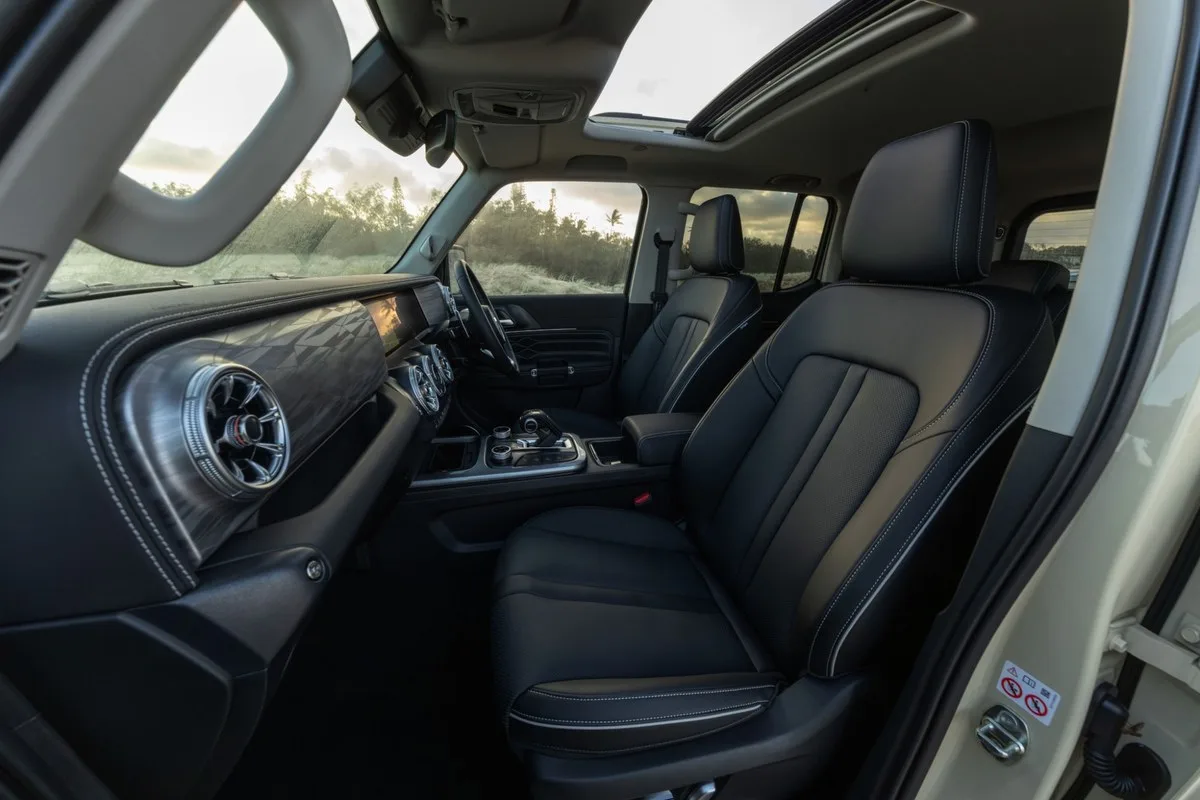
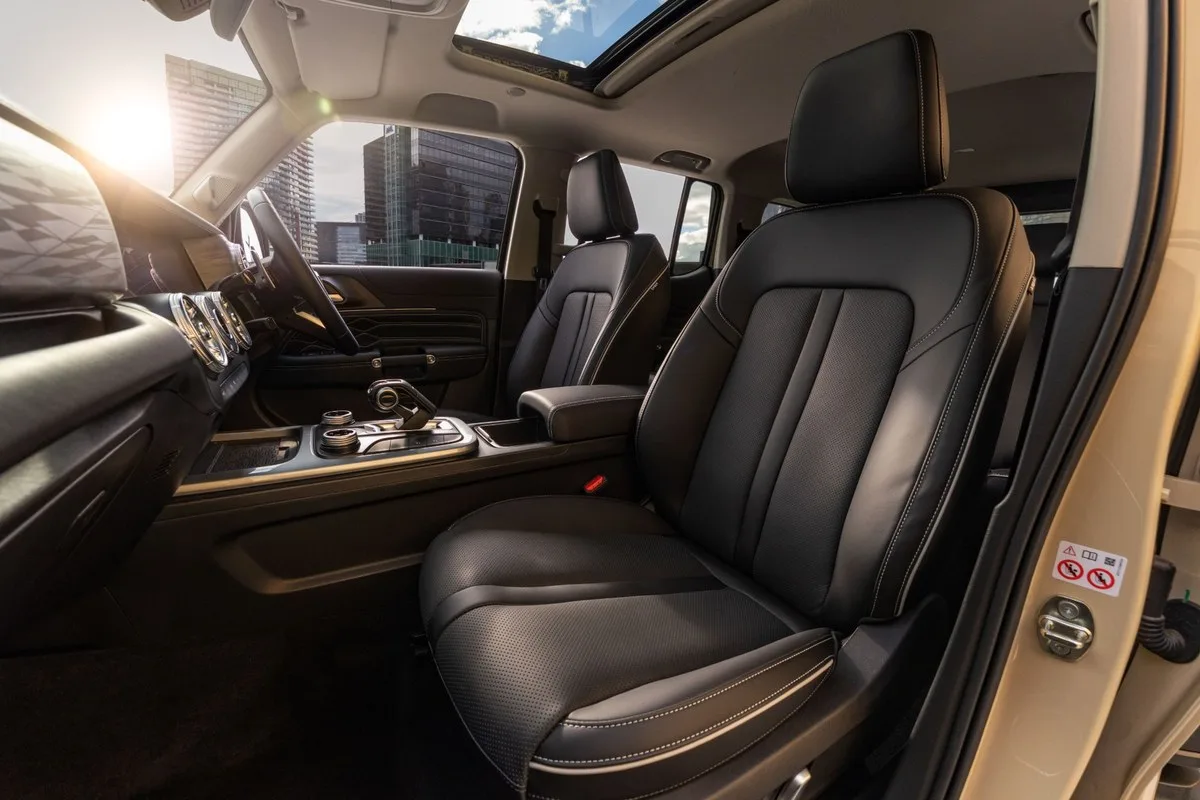
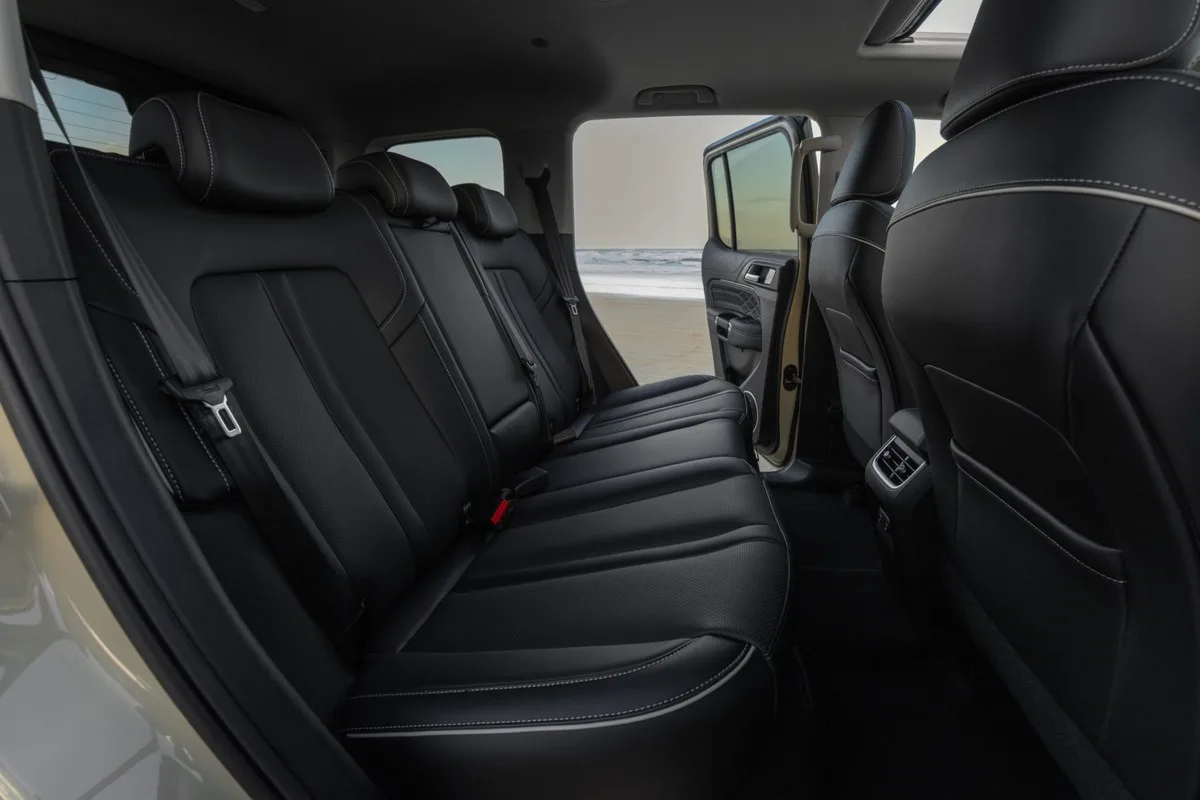
ABOVE: 2026 Tank 300 Ultra Hi4-T
Tank 300 perfectly illustrates our point. Open the tailgate of the spanking new Prado and gaze in awe upon the cargo area. You can’t help but notice the nasty plastic box behind the 3rd row of seats to cover the huge step left by the terrible folding mechanism. It is an insulting piece of engineering. To insult buyers by bolting a cheap plastic box in front of their lazy mechanicals is to ruin the cargo space and offend the eye. Even worse, in most models 7 seats are standard, something few want, and none need. Worse still, there is no delete option for a large flat cargo floor. The Tank 300 does not suffer from such corners being cut, because GWM engineered a vehicle that respects the buyer and delivers the goods from the outset.
Outside
From the curb, it looks like AI morphed a Jeep and a Prado. Once used to the look, you get the squared-off proportions of the American 4×4 and the practical dimensions of a Japanese wagon.
The round headlights give it retro flair while the bulging wheel arches signal some serious mud cred. It sits high on 222mm, roughly the same as Prado. The spare tyre mounted on the rear door increases off-road ability because the under-floor option limits that departure angle rather badly. The design language is unapologetic and aggressive, as reminiscent of other SUVs as it is.
The bulk is largely dictated by function because even as a PHEV, the Tank 300 more closely resembles a traditional 4×4 than a Super-Hybrid more common in China. Tank 300 still has a ladder chassis and an automatic transmission, unlike soft-roaders who expect nothing more challenging than an automated car wash.
The paint finish is deep and flawless, and for a car under 60k it is quite posh. Panel gaps are tight, there are heavy-duty tow hooks and proper underbody protection. By comparison, Toyota has lost its design edge entirely, and the new Prado looks confused. The Tank 300 knows exactly what it is with a look that tries not to copy too slavishly, yet has enough chutzpah to get a buyer to test drive it.
Cabin
Ultra has Nappa trim, and quilted doors highlighted by the ambient lighting that feels like an exclusive club. Even though there is still plastic in high-wear areas, you are greeted by an opulence and high-end finish with soft-touch materials covering every visible touchpoint. The heated/cooled seats hold you firmly and comfortably, and there is a massage feature to ease the fatigue of boredom.
Although not as minimalist as the soft-roading cousins, there are dual digital screens with crisp graphics and decent response most of the time. You sit high, surrounded by perceived luxury, and the infotainment system is snappy, but as is the case with tech-heavy cabins, menus take a considerable amount of experimental spelunking.
Wired and wireless phone mirroring worked with CarPlay. The menus lagged occasionally when you swipe through them, but it is still a stark contrast to the clunky, outdated interfaces found in older Japanese rivals. Toyota expects you to endure a drab, plastic-heavy interior that already looks 15 years old, just because it wears a legendary badge. The awful nasty plastic box behind the Prado’s rear seats is just one symptom of a cabin that feels cheap and rushed. The Tank 300 is a sanctuary that treats you with a bit of respect.
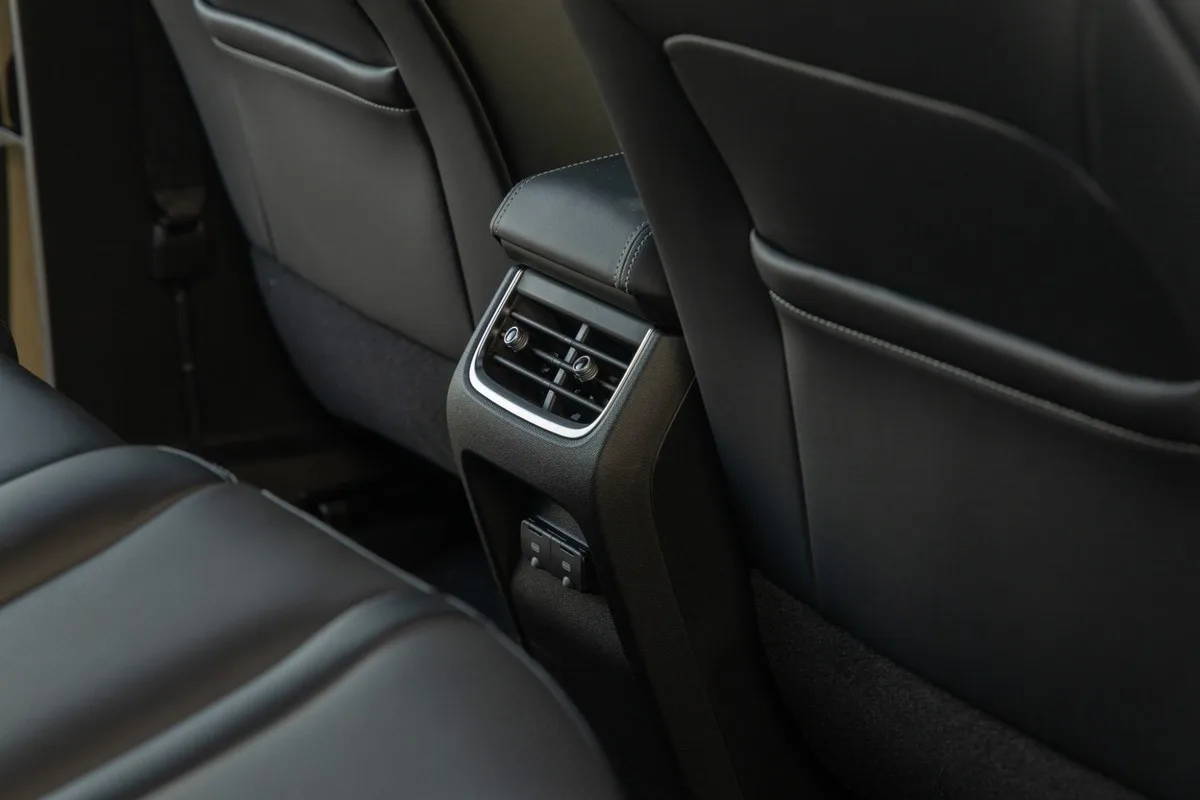
Rear seat legroom is decent, and despite a traditional driveline underneath, the centre hump is low profile and creates a capacious space free of clutter. Otherwise, there are bottle and cup holders, but as the cup holders are in the armrest, they can only be used with 2 on the pew. There are rear vents and a couple of USBs for long trips.
Our father’s day specials will suggest a couple of handy gadgets to mount phones for the young’uns to make the best use of the resting areas.
The oily bits
Yes, Tank 300 drives mostly on electric power and feels mostly like an EV but still has proper mechanical 4WD and a 9-speed auto. Tank 300 is not a super hybrid with the electric motor drive as a primary source of movement. You also get a low-range transfer case, physical differential locks, and mechanical grip with hardware built to withstand a desert crossing.
The 9-speed automatic shifts quickly and smoothly, so think of Tank 300 as a traditional, heavy-duty off-roader that just happens to pack proper electrification and not a poncy half-baked “mild hybrid”. It produces a system combined 300kW/750Nm, but as the electric motor sits between the engine and the transmission, the 120kW motor can operate in EV mode alone. Unlike many plug-in hybrids that use electric motors for “E” all-wheel drive, the Tank 300’s mechanical driveline gives electric grunt through a gully or over a rock shelf without the car second-guessing your every move. In answer to critics of super-hybrids, the 3000kg braked towing capacity is ample for most caravans. The underbody protection is quite substantial, but it is the 37.11kWh battery that can be used for drive, or as VTL to power your campsite. Toyota continues to peddle underpowered, outdated drivetrains and no Prado can make your fairy lights twinkle in an open glade by the side of a mossy river bank.
Plug into the car or charge port, and you’re good to go. That latter will need an optional adaptor.
Keep that picture in your mind as you move on.
The drive
Road feels more limo than truck. When you weigh up the 300kW versus Prado’s ancient 150kW/500Nm rattler, and the 9-speed versus Toyota’s 8-speed, the gap widens. The front double-wishbone/rear multi-link non-independent suspension soaks up corrugations and potholes quite well. Although the more expensive Prado uses adaptive damping, the drive experience feels considerably more sophisticated around town thanks to electric drive.
The cabin is hushed at highway speeds, but when you plant your foot, the performance is startling. The GWM surges using the electric motor’s instant torque. The 9-speed automatic is an improvement over Toyota’s 8-speed gearbox, but I doubt most would notice the difference.
The hybrid system changes the way you approach off-grid adventures entirely. The high-capacity battery does more than just drive the wheels. You have Vehicle-to-Load capability, allowing you to plug household appliances directly into the car. Leave the noisy generator at home. You can run a coffee machine and a portable fridge simultaneously in complete silence. Should the battery run low, the engine can be used as a generator. It transforms the camping experience entirely. You enjoy the serenity of the outdoors without sacrificing modern conveniences. When you pilot the Prado, you are constantly reminded of its agricultural roots. The engine clatters like a Victorian weaving loom, whereas Tank 300 operates with a silent, unintimidating urgency.
Charging and range
The claimed 100km is about right, but the 120kW electric motor is doing the majority of the driving, and if kept charged, it gets as low as 0.5L/100km.
Daily commuting, the school run, and a spot of grocery shopping can be done without burning a single bit of old dinosaur. It gives a brisk push at the traffic lights, easy highway merging, and low running costs.
A slowish 50kW DC charger will take the battery from 30% to 80% in 24 minutes, whereas Toyota’s mild hybrid offers no electric range and negligible fuel savings.
What we thought
Ultimately, the Tank 300 felt surprisingly luxurious, and it delivered on every promise.
It combines off-road capability equal to old 4x4s, with a cabin that feels premium. The pricing is incredibly good considering the ability, and the hybrid powertrain is potent. GWM built a wagon that exposes the shortcomings of the legacy players. It forces buyers to question why they should pay more for less. The awful nasty plastic box in Prado is a symbol of inadequacy in full bloom. Toyota rests on its laurels and relies on brand loyalty to move units, and as its sales begin to plunge, it appears that the buyers have noticed.
The Tank 300 is a symbol of ambition and engineering that has improved hugely in only a few short generations. It smooths over the compromises normally associated with rugged vehicles. You get double the power of the legacy models, and plug-in hybrid ability, limo-like comfort. Chinese-made cars account for around 1/3 of cars sold here, and as the Chinese economy falters, exports have become more important to the makers. While some publications have blamed the lagging home market for the desperate need for expansion, the real cause is much deeper, and has little to do with the auto industry.
China limits the amount of cash leaving the country and is taking steps to tighten back doors and workarounds, real estate investment has collapsed, buyers have less to spend. Luxury brands have been hit hardest, but as locals have more choice than ever, legacy brands have had a one-two punch knockout.
We can expect more Chinese brands, lower prices, and more choice. We can also expect legacy brands to start deep discounting and the possibility of their extinction.
Changes are coming, and they’re coming faster than anyone could have imagined.
GWM Tank 300 Ultra Hi4-T specifications
| Feature | Specification |
|---|---|
| Lux drive-away | $55,990 |
| Ultra drive-away | $59,990 |
| Engine | 2.0L turbo petrol |
| Electric motor | 120kW |
| Combined power | 300kW |
| Combined torque | 750Nm |
| Transmission | 9-speed hybrid auto |
| Battery | 37.11kWh NMC |
| EV range (NEDC) | 115km |
| Combined range | 955km |
| Fuel economy | 1.9L/100km |
| 4WD system | Mechanical with low range |
| Towing | 3000kg braked |
| Diff locks | Front and rear (Ultra) |
| Charging | 50kW DC fast charge |
| V2L output | 6kW |
| 0-100km/h | 6.3 seconds |
Above: 70mai A810 Lite Dashcam 4G review
#70maiA810Lite, #70mai, #DashCamReview, #Viofo, #GayCarBoys
Help Support Gay Car Boys Subscribe to our Youtube Channel by SMASHING THE BUTTON ABOVE
More GWM Stories
- GWM Cannon Alpha and Tank Diesel is a Red Light for Legacy Brands
- GWM ORA 5 Ran a Collingwood Pop-Up Off Its Own Battery
- GWM Turbo-Diesel Out-Torques the Ranger V6 With 620Nm
Help Support Gay Car Boys Subscribe to our Youtube Channel by SMASHING THE BUTTON ABOVE

Alan Zurvas is the founder and editor of Gay Car Boys, Australia's leading LGBTQI+ automotive publication. Before launching GCB in 2008, Alan's automotive writing was published in SameSame.com.au and the Star Observer. With over 16 years of hands-on car reviewing experience, Alan brings an honest, irreverent voice to every review — championing value and innovation over brand loyalty.
Leave a Reply