A Mercedes-Benz holographic display in development projects navigation onto the windscreen, and the driver can’t see what’s shown in front of the passenger.
Mercedes-Benz showed the Holo Display in Stuttgart along with 2 other research projects. One builds LED displays into the rear and side windows, and the other is a Power Converter that controls individual battery cells in 800V systems. Each is still under development and not ready for series production, but like concept cars for a hundred years, it shows a way forward.
How Mercedes-Benz Holographic Display Glass Works
A projector in the instrument panel throws the image up onto the glass. A transparent film laminated into the windscreen uses holographic optical elements, or HOE, which reflect only the wavelengths of light the projector emits. The film cleverly concentrates that light, so the image stays visible in sunlight.
It’s also visible only from specific viewing angles. Content on the passenger’s half is hidden from the driver, and the passenger can’t see the driver’s half either. Mercedes-Benz lists driving information and navigation among the nifty uses, alongside films and video calls. It can also add context for points of interest. Nothing is shown permanently, only when it’s needed. Imagine charging charging your car and watching youtube on the windscreen, although the dash screen would be far clearer.
Above: 70mai A900 Dashcam + 4G Hardwire kit Unboxing and Review
#70maiA900, #70mai, #DashCam, #RedtigerF77, #GayCarBoys

Help Support Gay Car Boys Subscribe to our Youtube Channel by SMASHING THE BUTTON ABOVE


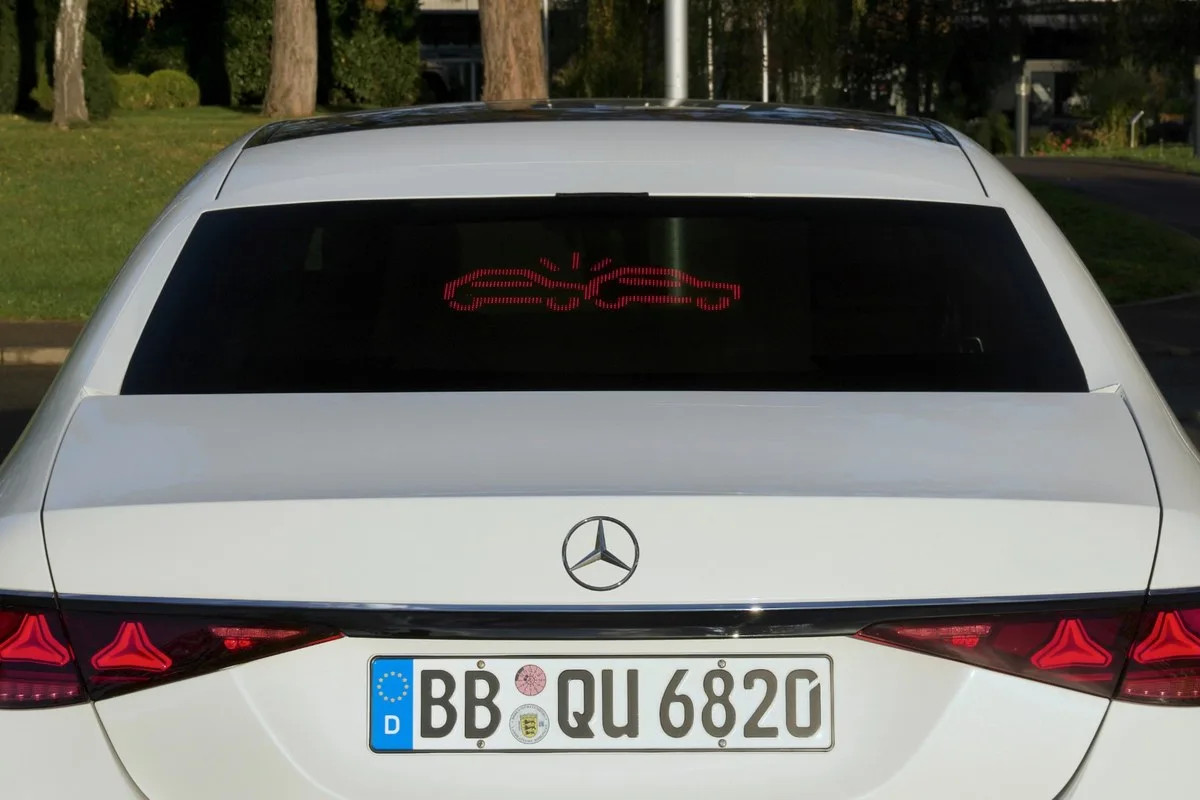
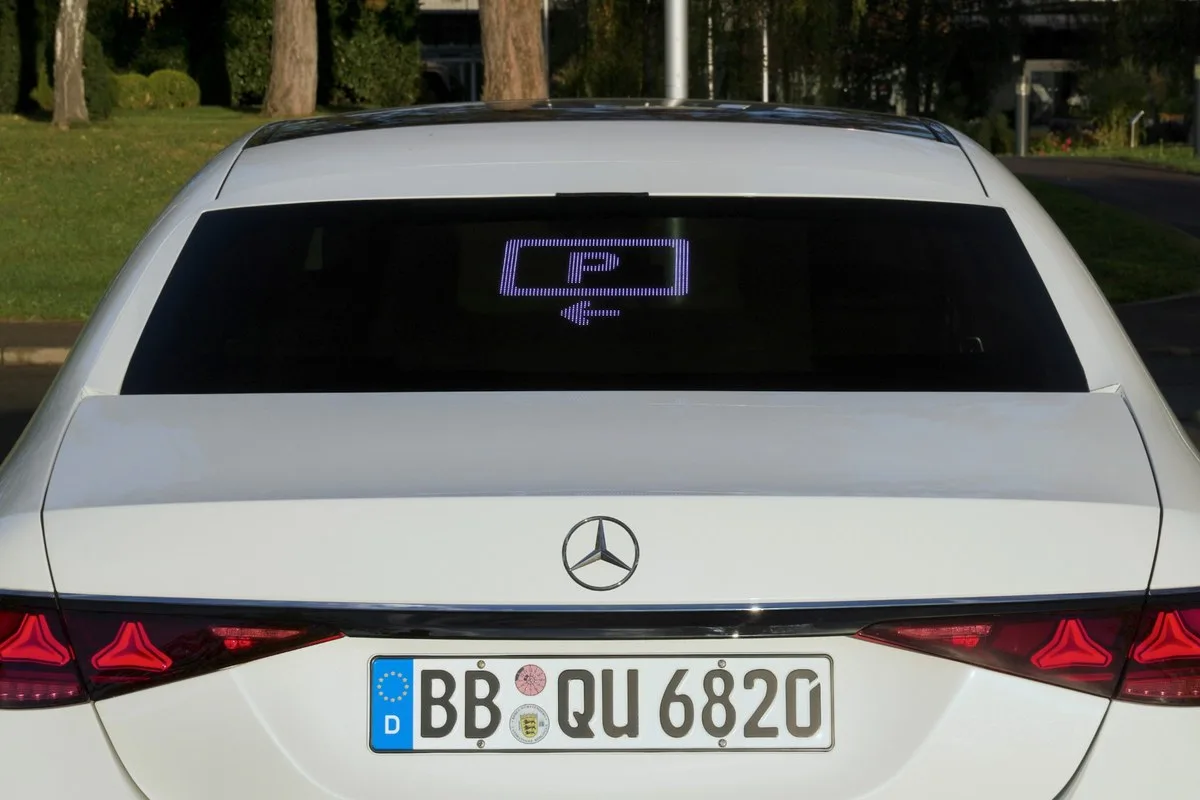
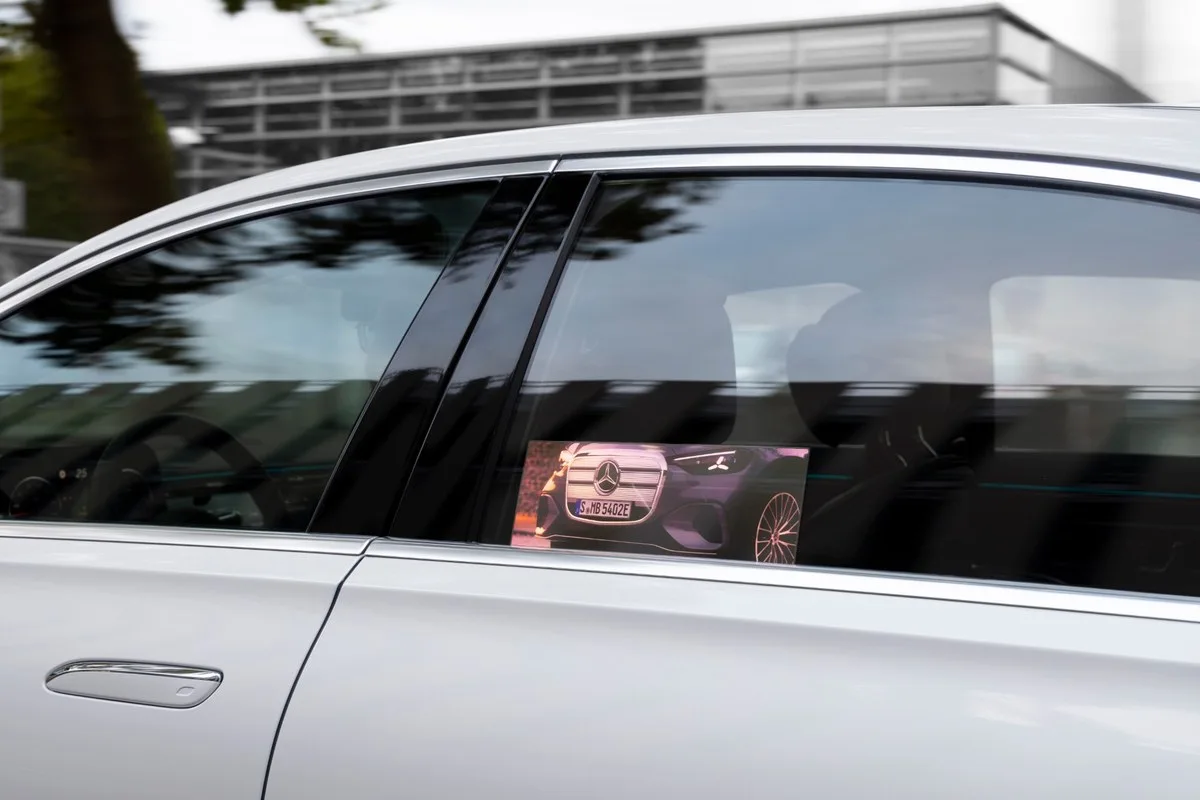
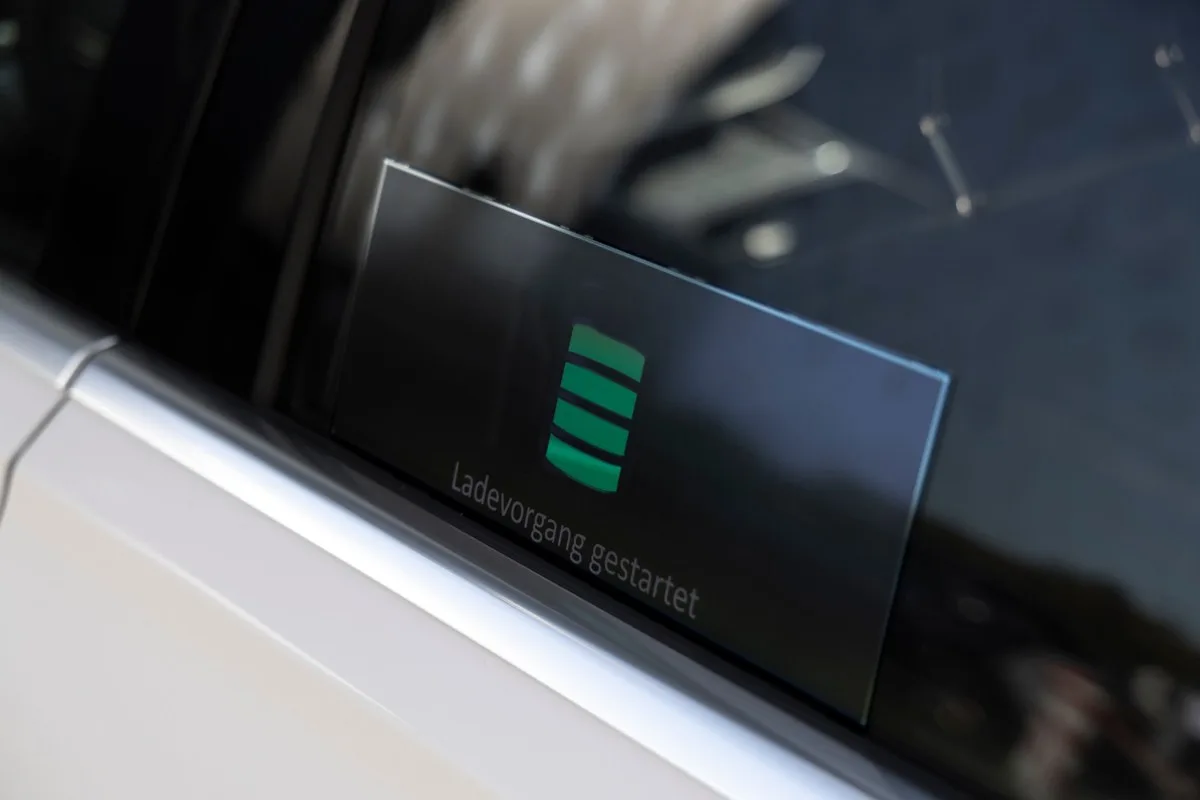
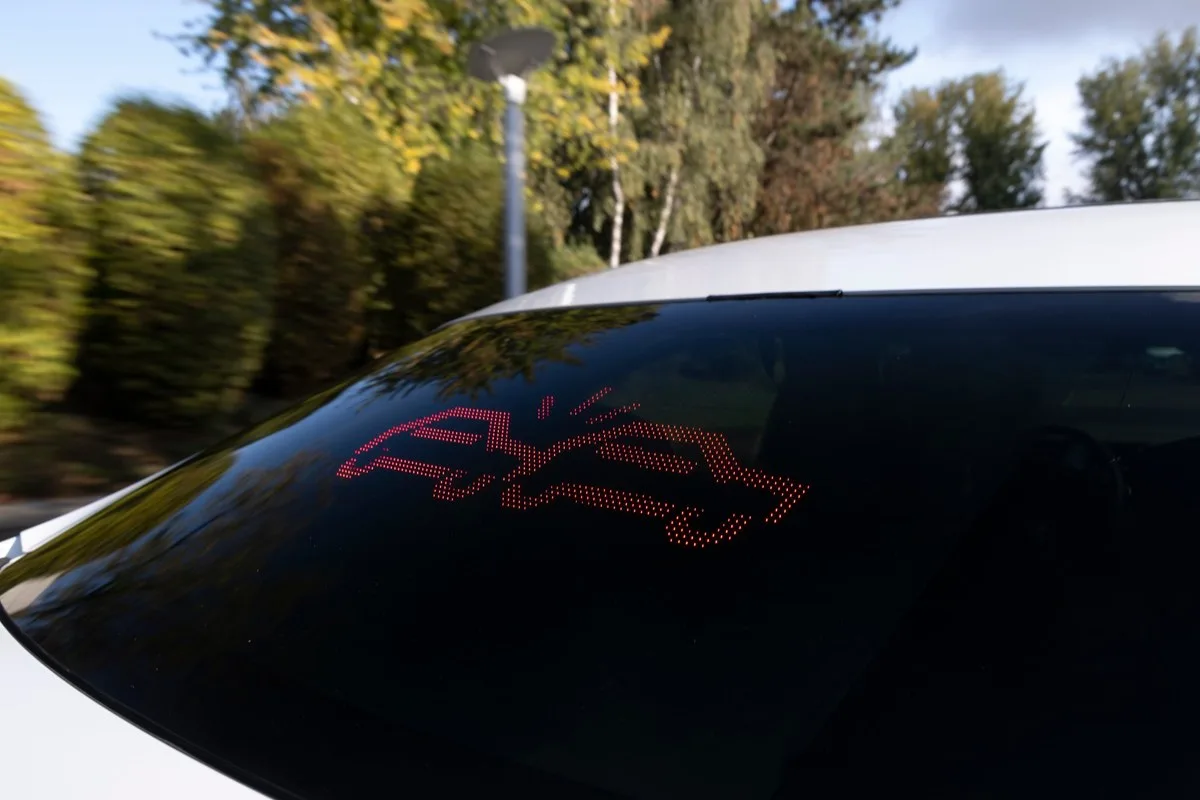
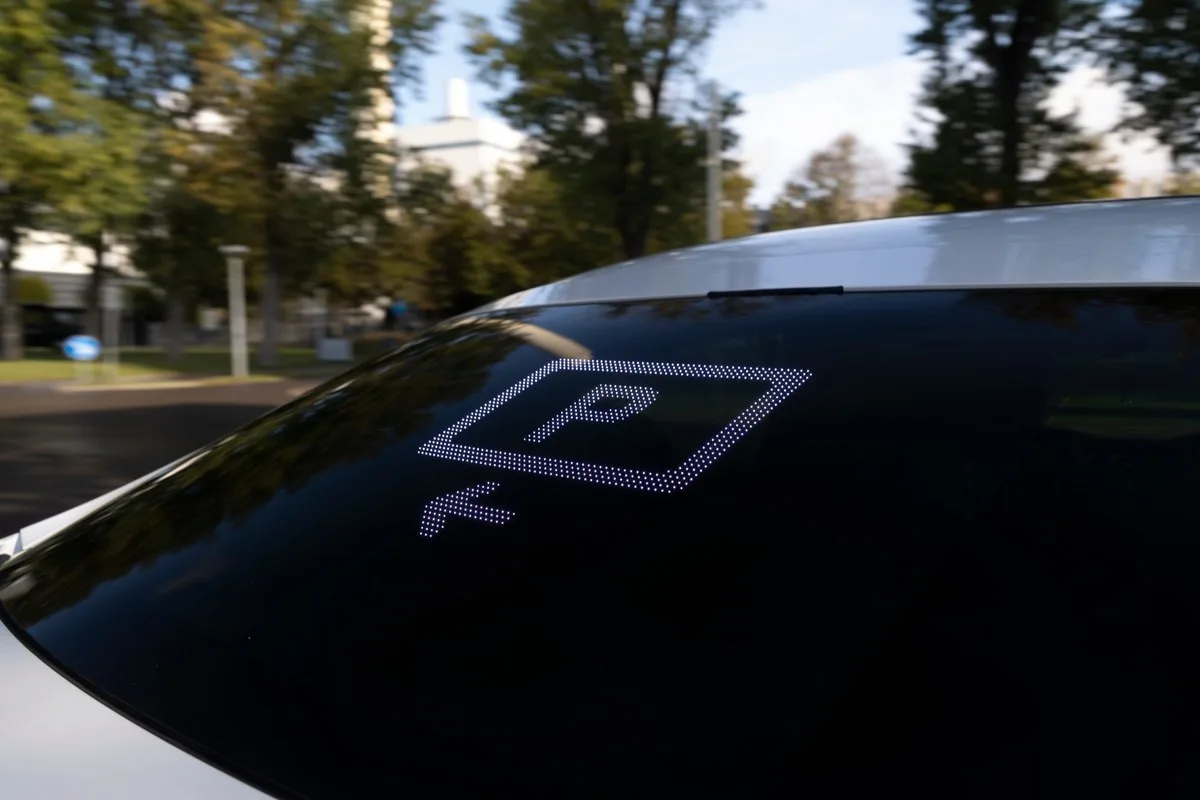

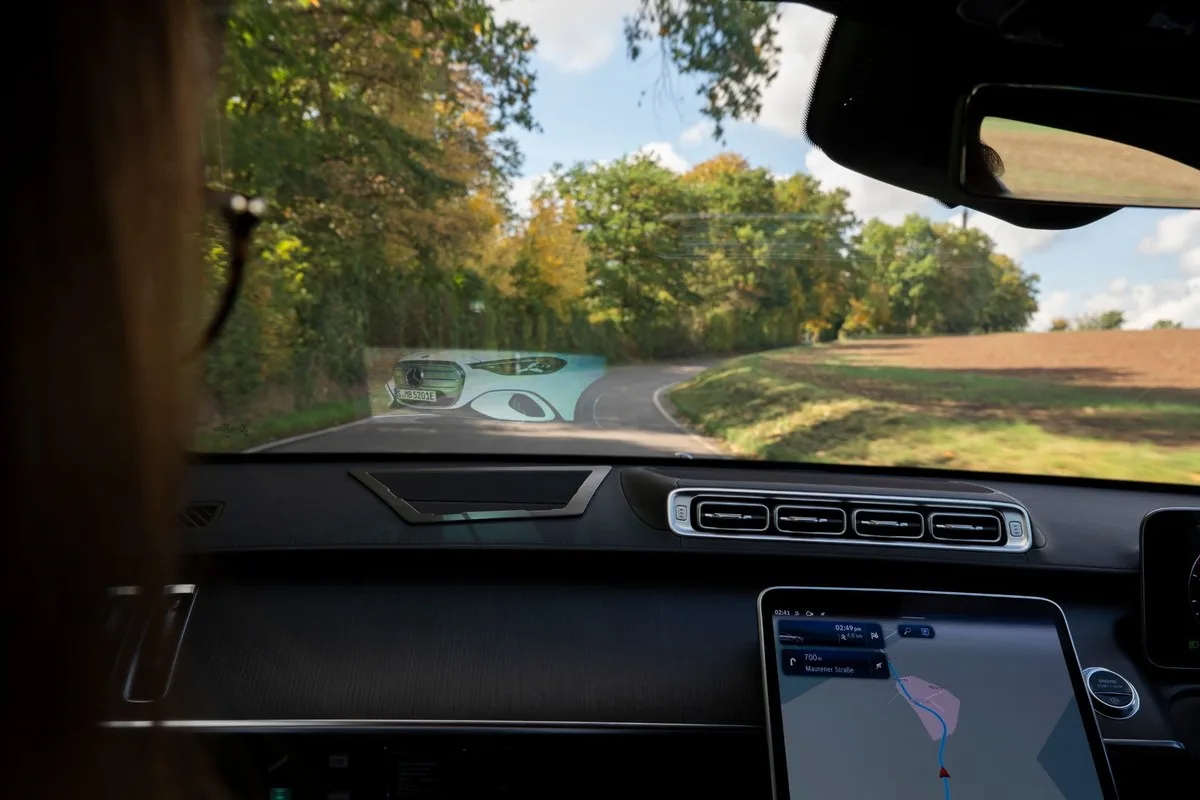
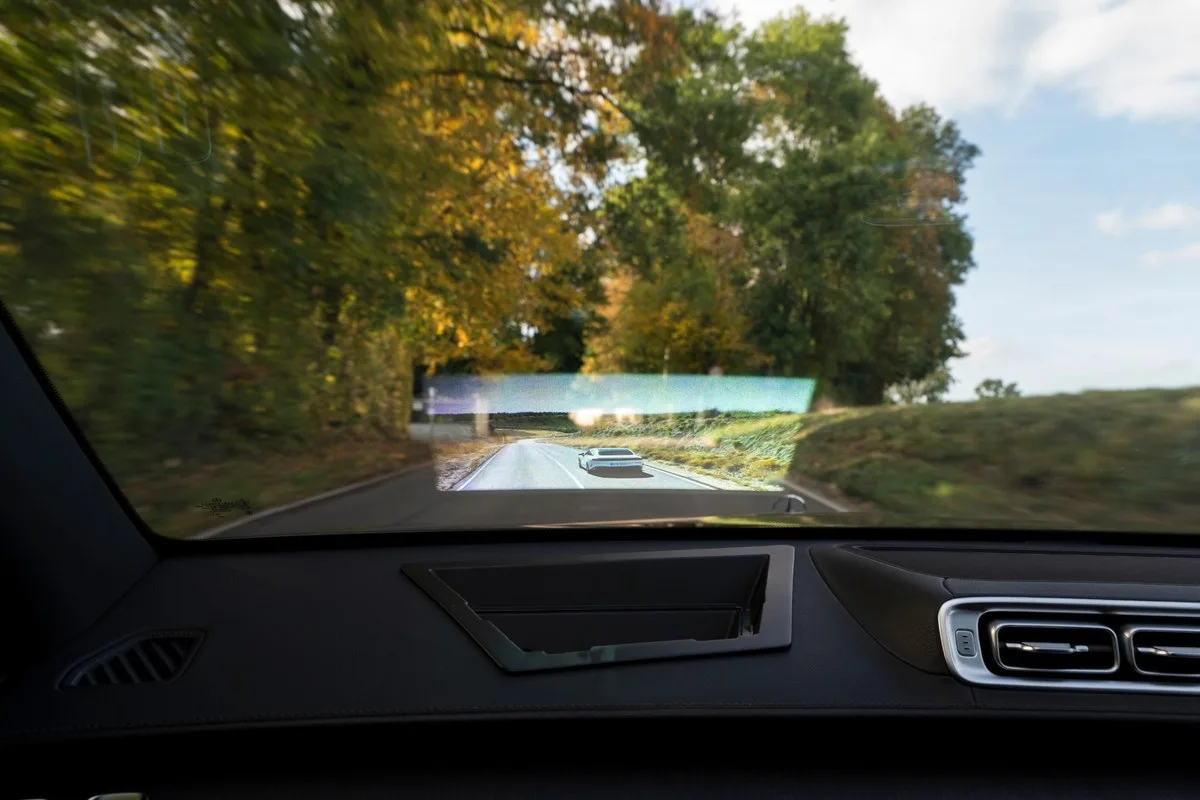
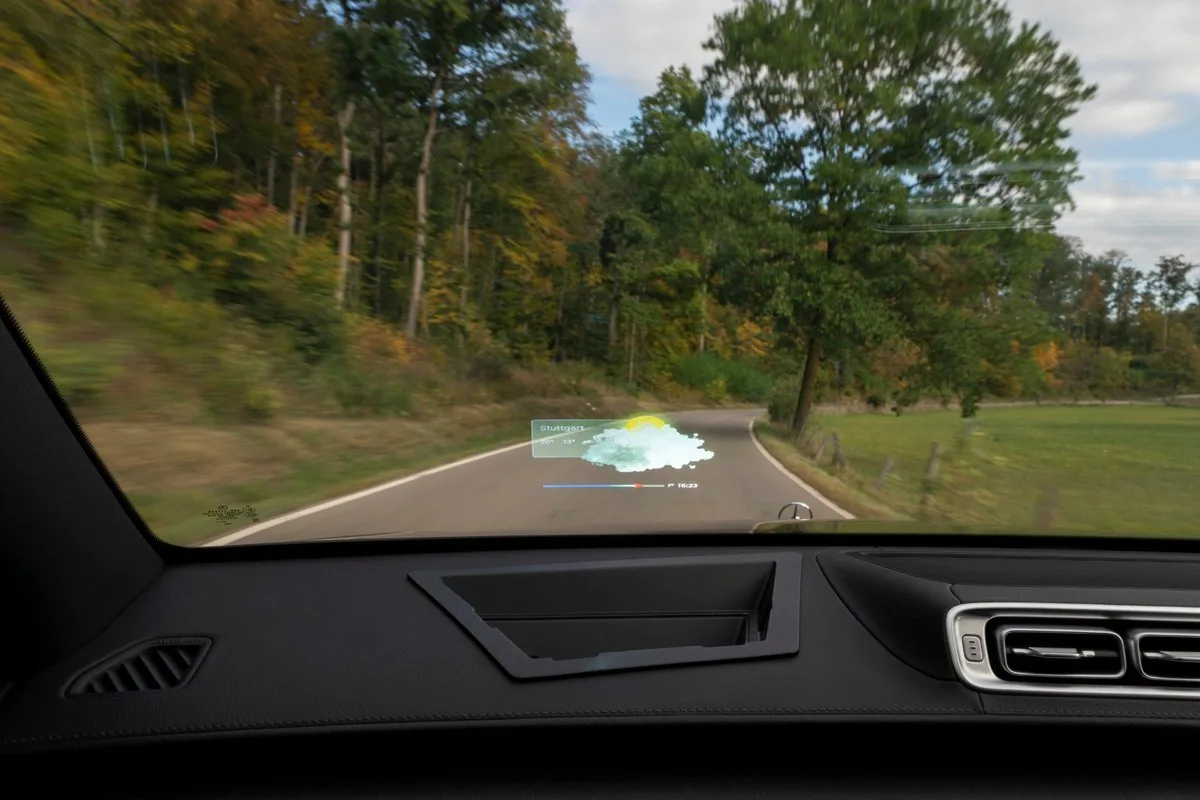
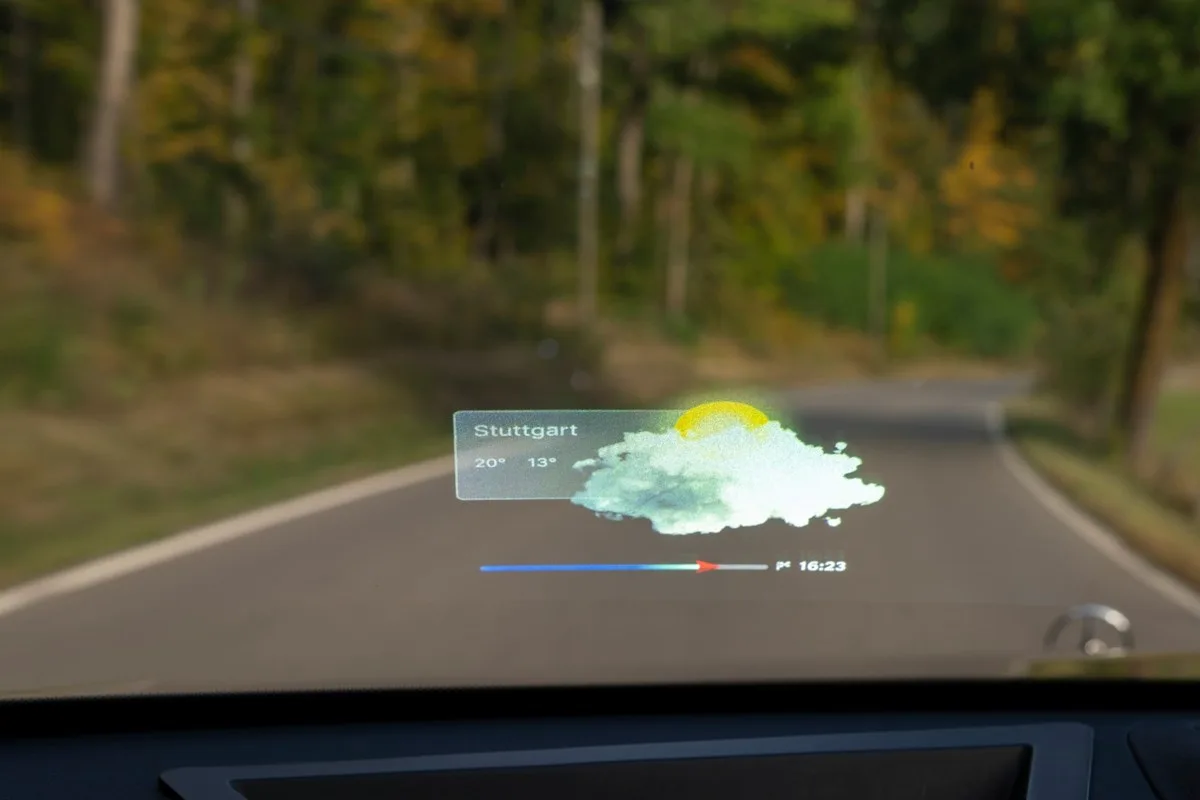
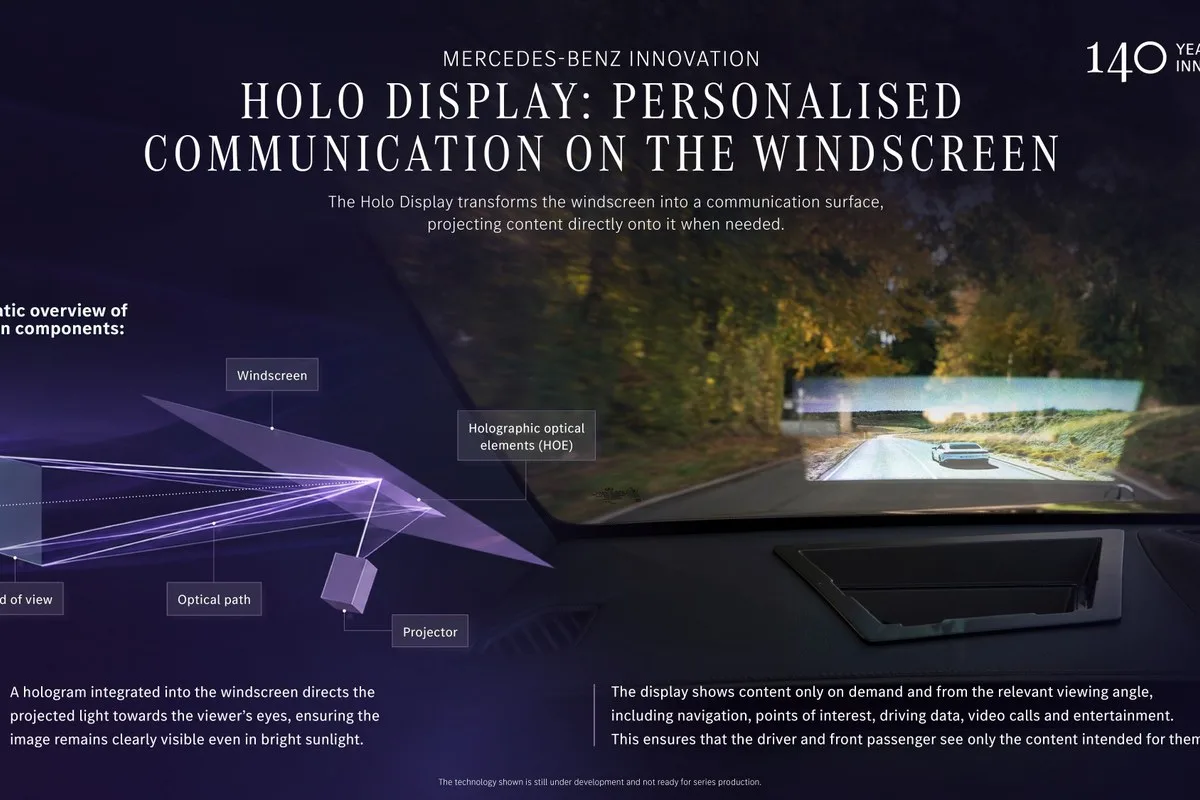

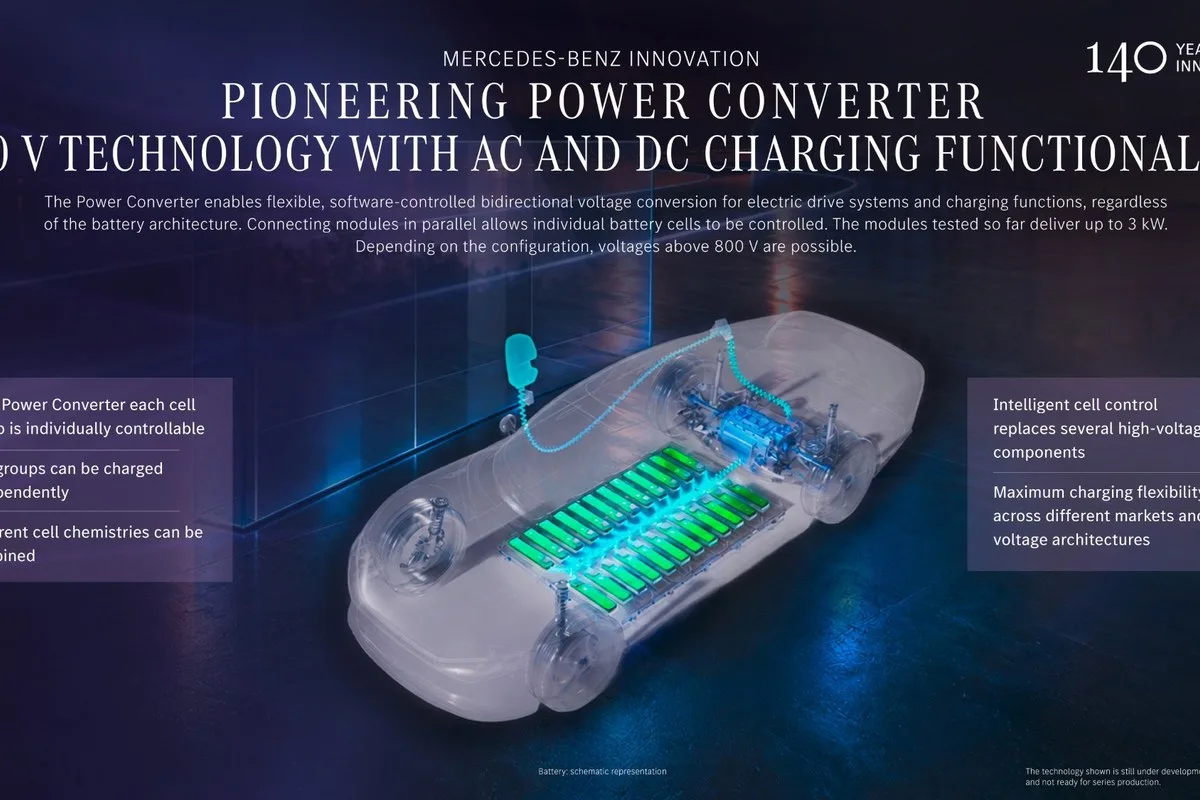
ABOVE: Mercedes-Benz display and battery technology
The gallery shows useful and clever displays, but are they usable in real life, or is this just another marketing gimmick? Or is it a sign of full virtual displays enhancing the outside view in the future? Could it be used for night vision? Could it see through fog and heavy rain? The possibilities don’t end with what we see here, they expand as technology expands.
Warnings and Charging Status in the Windows
Intelligent Display in Glass laminates LED display elements into the glass composite of the windows. When nothing is displayed they’re almost invisible. Mini LEDs cover larger areas such as the rear window, and Micro LEDs have a higher resolution for detailed visuals like animations on smaller areas.
The rear-window display can show brake lights and warn road users behind during heavy braking or parking manoeuvres. Its symbols include a digital warning triangle and an accident-ahead alert, plus a keep-distance warning for anyone following too closely. The side window can show charging status and progress, a digital parking disc, or a personalised greeting such as a birthday message.
A Power Converter for Every Cell
In a conventional battery pack, the voltage is set by the number of cells connected in series. The Power Converter breaks that link. Programmable micro-converters control the energy flows of individual cells or cell groups, and software-controlled power electronics generate the high voltage instead. Output holds constant at up to 800V regardless of the cells’ state of charge or ageing, and voltages above 800V are possible depending on configuration.
Several converters work in parallel, each regulating its own cells, and together they give a stable high-voltage DC output with scalable total power. Cell groups can be charged independently, and different cell chemistries can be combined within a pack. The modules tested so far deliver up to 3kW and support AC and DC applications, including AC charging.
The Power Converter could support bidirectional charging, both vehicle-to-home (V2H) and vehicle-to-grid (V2G). Intelligent cell control could replace several high-voltage components with a single unit and allow charging across different markets and voltage architectures. Range and efficiency could improve, and the converter could help modularise powertrains for EVs and PHEVs.
Ida Wolf, Vice President Development Innovations, Operations & Digitalisation at Mercedes-Benz AG, said, “The future of mobility is not created through promises, but through precision and proven engineering excellence. With innovations that offer clear benefits in our customers’ everyday lives, we are shaping the mobility of tomorrow, continuously, consistently and with a clear focus on the future.”
Above: Aion V Luxury Shows Legacy Brands How to Make Cars
#GACAionV, #GAC, #EVReview, #ToyotaRAV4, #GayCarBoys
Help Support Gay Car Boys Subscribe to our Youtube Channel by SMASHING THE BUTTON ABOVE
More Mercedes-Benz Stories
- Mercedes-Benz Studio Sydney Puts the Electric GLC in the CBD
- Mercedes-Benz and NVIDIA Plot Level 4 Robolimousines
- LeBron James Maybach Twin Goes to Auction for His Foundation

Alan Zurvas is the founder and editor of Gay Car Boys, Australia's leading LGBTQI+ automotive publication. Before launching GCB in 2008, Alan's automotive writing was published in SameSame.com.au and the Star Observer. With over 16 years of hands-on car reviewing experience, Alan brings an honest, irreverent voice to every review — championing value and innovation over brand loyalty.
Leave a Reply