Shared e-bike operators in NSW now face a much tougher set of rules, with Transport for NSW and local councils getting greater control over where the bikes can operate, or be parked, and how the companies running them behave.
The new laws began on 14 August and are the first statewide shared e-bike regulations of their kind in Australia. Until now, shared scheme operators operate bikes without approval from Transport for NSW or councils.
Under the new system, Operators will need approval from Transport for NSW as well as authorisation from councils and other authorities. They’ll also have to meet minimum requirements covering insurance, helmets, device standards, identification and the supply of information about trips, incidents and complaints.
Complains include, e-bike dumped across a footpath, piled in parked, or tossed into waterways. The parking rules will probably be the most obvious change and should stop the blocking of pedestrian throughfares.
Approved operators have to make sure their bikes don’t block footpaths, pedestrian crossings, bus and light rail stops, taxi zones or fire exits. Councils and other authorities can establish dedicated parking bays and zones, along with no-go and go-slow areas.
Above: Haval H7 Vanta Review: Luxury Cabin, AI Styling
HavalH7Review, #GWMHavalH7, #HybridSUV, #CarReviewAustralia, #HavalH7Vanta, #GayCarBoys

Help Support Gay Car Boys Subscribe to our Youtube Channel by SMASHING THE BUTTON ABOVE


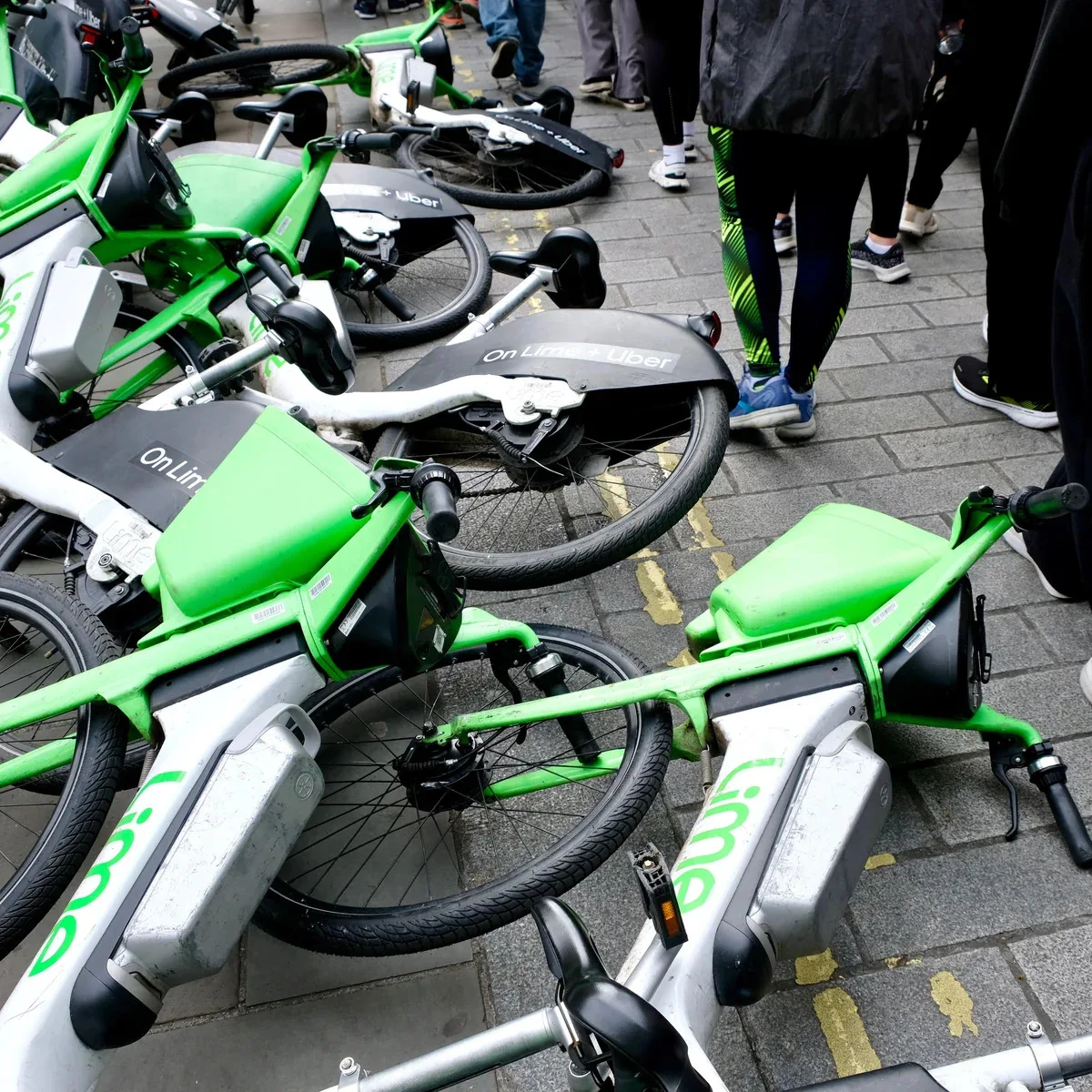


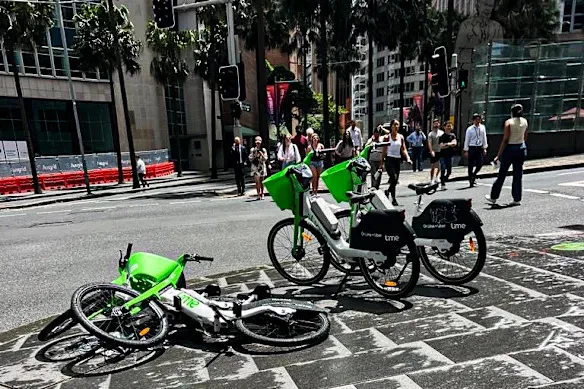


ABOVE: Ebikes dumped in sydney and around the world
There are serious penalties for operators that don’t follow the rules. Fines can reach $55,000, with a further $5,500 a day for ongoing non-compliance. That includes failing to remove bikes from inappropriate locations.
Transport for NSW can also suspend or revoke an operator’s approval. Authorities can enforce local requirements around parking and the operation of shared devices.
There’s a limit on how many bikes operators can have in a particular area. Fleet caps will take account of factors including demand and the operator’s performance, rather than allowing companies to simply keep adding bikes.
That should avoid the situation where a service covers an area with more bikes than riders can use.
The Government is also putting some of the money from the scheme back into infrastructure. Operators will pay a levy on each trip, with funding contributing to the $6.6 million Sharing Scheme Grant Program. Local councils can receive up to $200,000 for e-bike parking infrastructure.
Regulating where bikes can be left is only useful if there are proper places to leave them.
The NSW Government says the new framework is intended to keep the benefits of shared e-bikes while dealing with complaints around safety and parking. Transport for NSW describes shared schemes as one of the fastest-growing transport modes and says they can help connect people with public transport and jobs.
There’s a separate set of changes coming for privately owned e-bikes.
NSW Police will get powers to seize and crush illegal privately owned e-bikes. The maximum power limit is was reduced from 500 watts introduced by conservative governments, to 250 watts, bringing NSW back into line with the European standard used in other Australian jurisdictions.
The Labor Government is introducing requirements intended to ensure legal e-bikes are pedal-assisted and can’t have their power output tampered with. A minimum age for riding an e-bike is also being introduced.
There are changes coming for batteries too, with new safety standards for the sale of lithium-ion batteries.
Converted e-bikes will also be banned from trains and Sydney Metro services. This is intended to reduce the fire risk associated with unsafe or modified batteries.
The changes to private e-bikes aren’t all immediate. The conservative NSW government previously allowed e-bikes with continuous rated power of up to 500 watts, and the Labor Government has since allowed a transition period for bikes that were legally purchased under those rules. From 1 March 2029, only e-bikes meeting the European standard will be road legal in NSW.
There are already a lot of 500-watt (or higher) e-bikes in NSW. The changes aren’t about making every existing bike illegal overnight, although many think 250w should be the hard limit and anything else removed.
For shared e-bike users, the biggest difference will be what happens to the bikes between trips.
The Government has spent more than two years consulting councils, land managers and operators while developing the statewide framework. Councils will now have a much clearer role in deciding where shared bikes can operate and park.
Operators will have to take some responsibility for what happens to their fleets after they’re hired.
That has been one of the obvious problems with shared micromobility. The convenience is easy to understand, but a bike left in the wrong place can become somebody else’s problem. A footpath is shared space, not free storage for rental companies.
The challenge now is making the system work without making shared e-bikes so heavily regulated that they stop being useful.
There’s a good reason for encouraging short trips by e-bike. They can provide another option between walking and public transport, particularly in areas where the distance to a station or the final part of a journey makes public transport less convenient.
The NSW Government doesn’t want to get rid of shared e-bikes, but it wants them managed responsibly.
Councils need somewhere for the bikes to go, operators need to keep their fleets under control and riders need to use the bikes within the rules.
The first part of the changes starts now, although some of the parking powers and enforcement arrangements will be introduced in stages over the coming months.
If it works, shared e-bikes remain available for people who want to use them, and footpaths and public spaces become a little easier for everyone else to use.
For a system that has grown faster than the rules around it, so this is a reasonable place to start. #NSW #EBikes #Sydney #Cycling #Transport
Ferrari CZ26 Technical Specifications
| System | Metric |
| Engine Type | V8 – 90° – turbo – dry sump |
| Displacement | 3990 cm3 |
| ICE Power | 797 cv @ 7900 rpm |
| ICE Torque | 804 Nm @ 6250 rpm |
| Electric Power | 162 kW |
| Battery Capacity | 7.9 kWh |
| Electric Range | 25 km |
| Length | 4762 mm |
| Width | 2005 mm |
| Height | 1189 mm |
| Wheelbase | 2650 mm |
| Weight Distribution | 45% front – 55% rear |
| Transmission | 8-speed dual-clutch F1 |
| Top Speed | 328 km/h |
| 0–100 km/h | 2.5 s |
| 0–200 km/h | 6.7 s |
#FerrariCZ26, #Supercar, #OneOff, #FerrariSpecialProjects, #SF90Stradale
More Stories
- SAIC Motor Cracks Two Million as MG Floods Australia
- Toyota BYD Tesla Fight For Australia’s Sales Crown
- 2026 MG MGU9 Black Edition Launches First In Australia
Help Support Gay Car Boys Subscribe to our Youtube Channel by SMASHING THE BUTTON ABOVE

Alan Zurvas is the founder and editor of Gay Car Boys, Australia's leading LGBTQI+ automotive publication. Before launching GCB in 2008, Alan's automotive writing was published in SameSame.com.au and the Star Observer. With over 16 years of hands-on car reviewing experience, Alan brings an honest, irreverent voice to every review — championing value and innovation over brand loyalty.
Leave a Reply