GWM reckons its new 3.0-litre turbo-diesel is “class-leading” on torque and economy. But, the power numbers only hold if you ring fence it to four-cylinder engines.
The GWM Cannon Alpha gets an all-new 170kW/620Nm 3.0-litre four-cylinder turbo-diesel, with the peak torque between 1,400 to 2,400rpm. The 3.0L replaces the 2.4-litre diesel, and has an official combined economy of 7.3L/100km. Real world experience shows us this may differ with real drivers.
10 years ago GWM was the badge you bought when the budget was your only consideration. It passed 250,000 Australian sales this year, and it’s now selling a diesel that picks a fight with the Ford Ranger, so we’ve put its figures next to 6 rivals.
Where 620Nm Puts the GWM Cannon Alpha
620Nm beats every diesel dual-cab on the market. The Ford Ranger and Volkswagen Amarok V6s both make 600Nm. A GWM four-cylinder beats the pair of them by 20Nm, and against the rest of the four-pot field it’s a rout. The Toyota HiLux is 120Nm behind, the Mitsubishi Triton 150Nm, and the Isuzu D-Max and Mazda BT-50 both give away 170Nm.
Above: Haval H7 Vanta Review: Luxury Cabin, AI Styling
#HavalH7Review, #GWMHavalH7, #HybridSUV, #CarReviewAustralia, #HavalH7Vanta, #GayCarBoys

Help Support Gay Car Boys Subscribe to our Youtube Channel by SMASHING THE BUTTON ABOVE


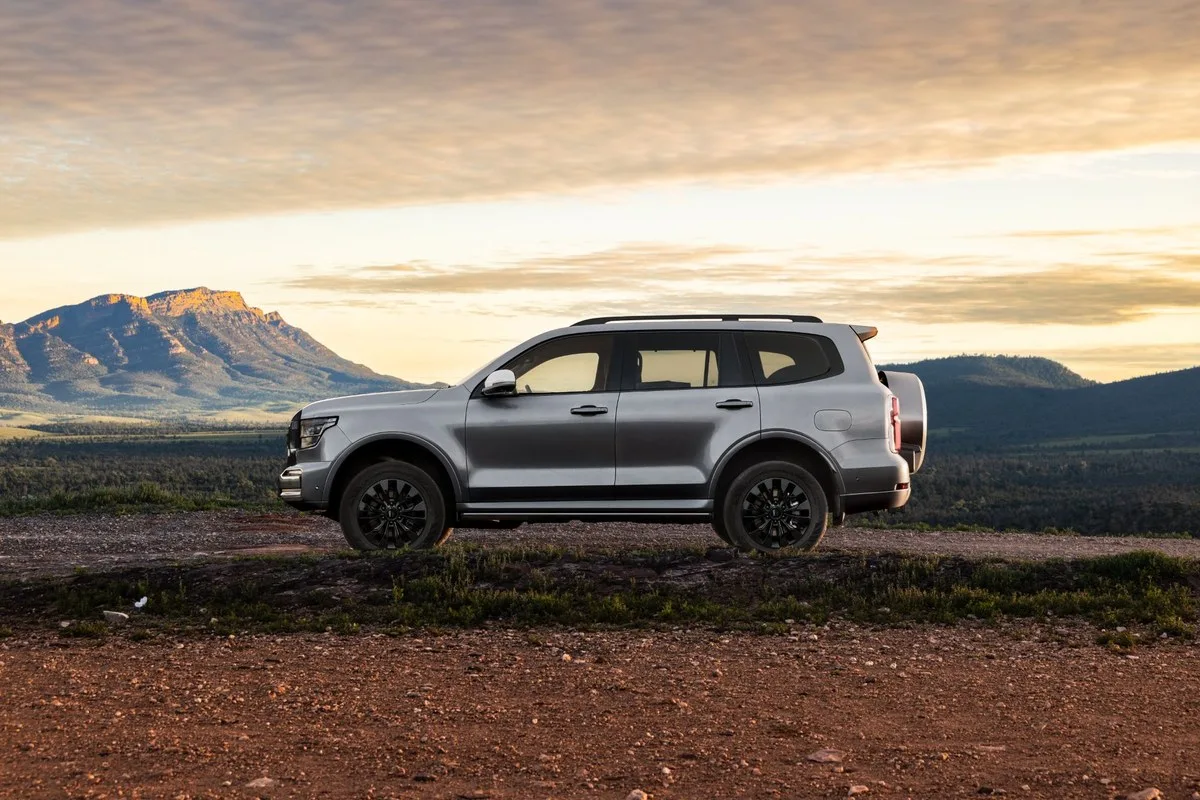
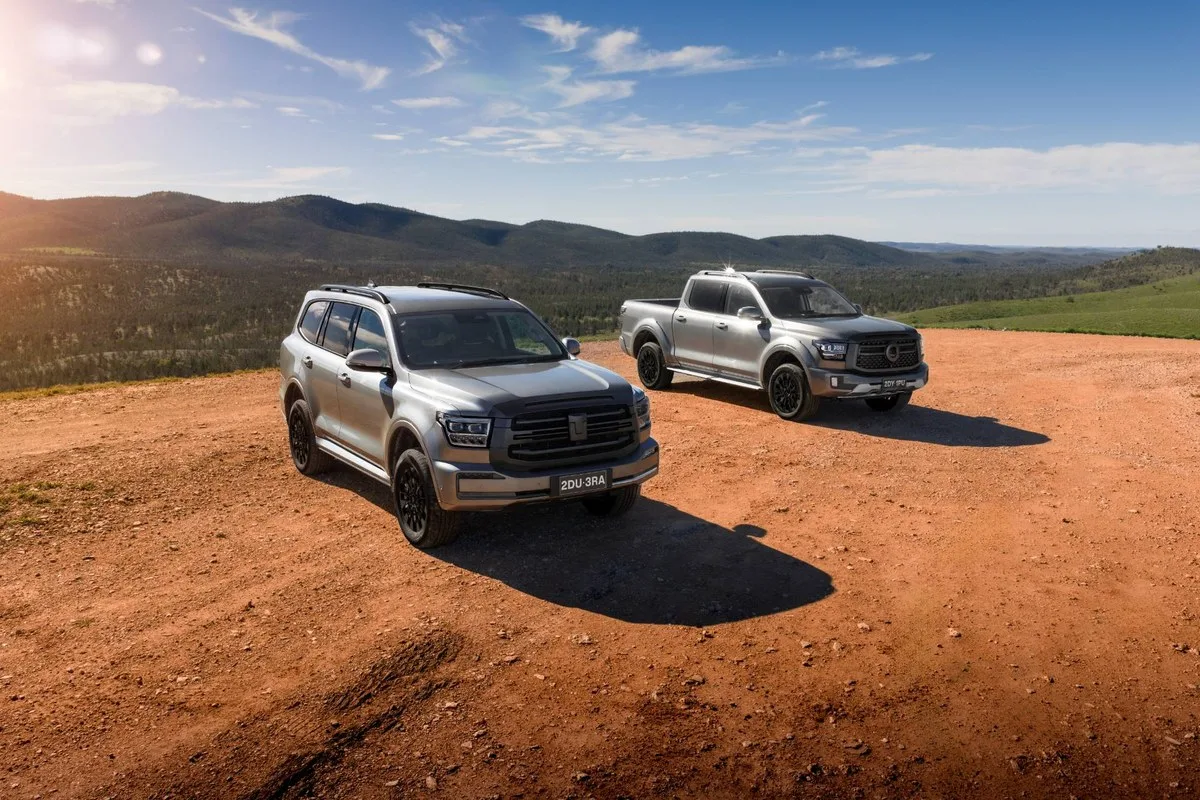
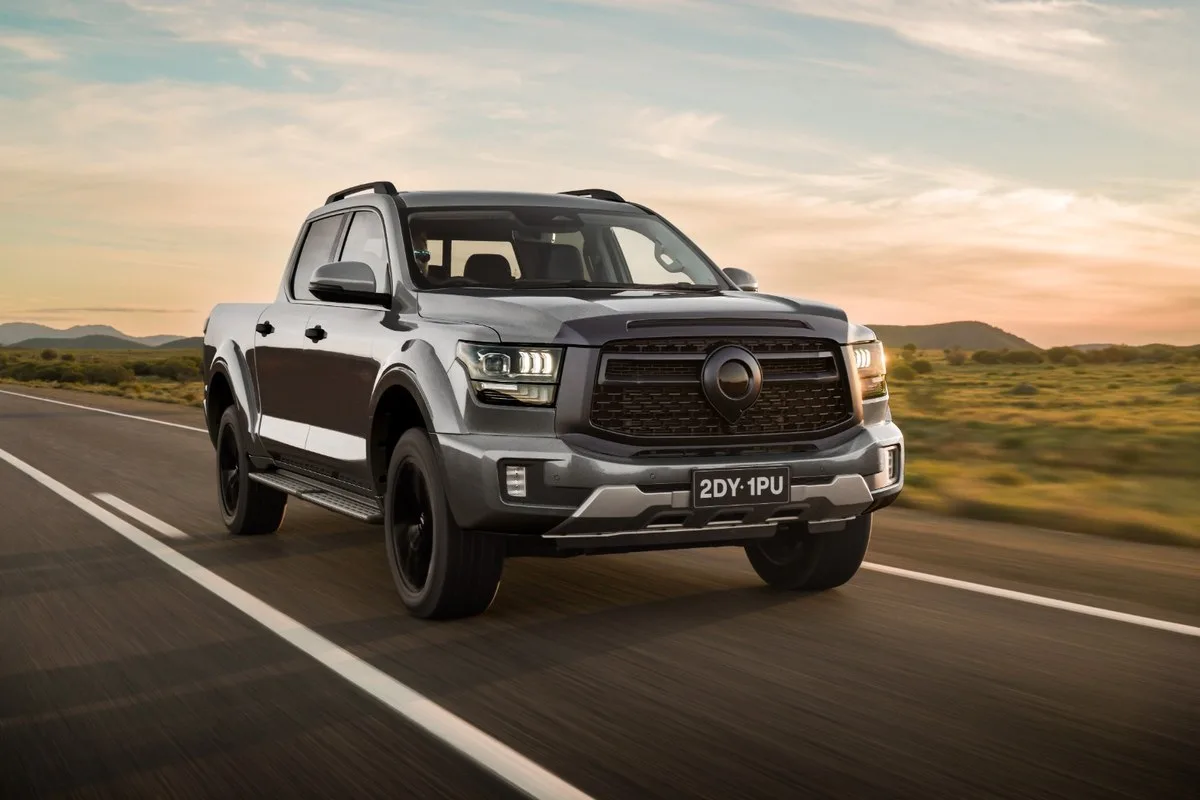
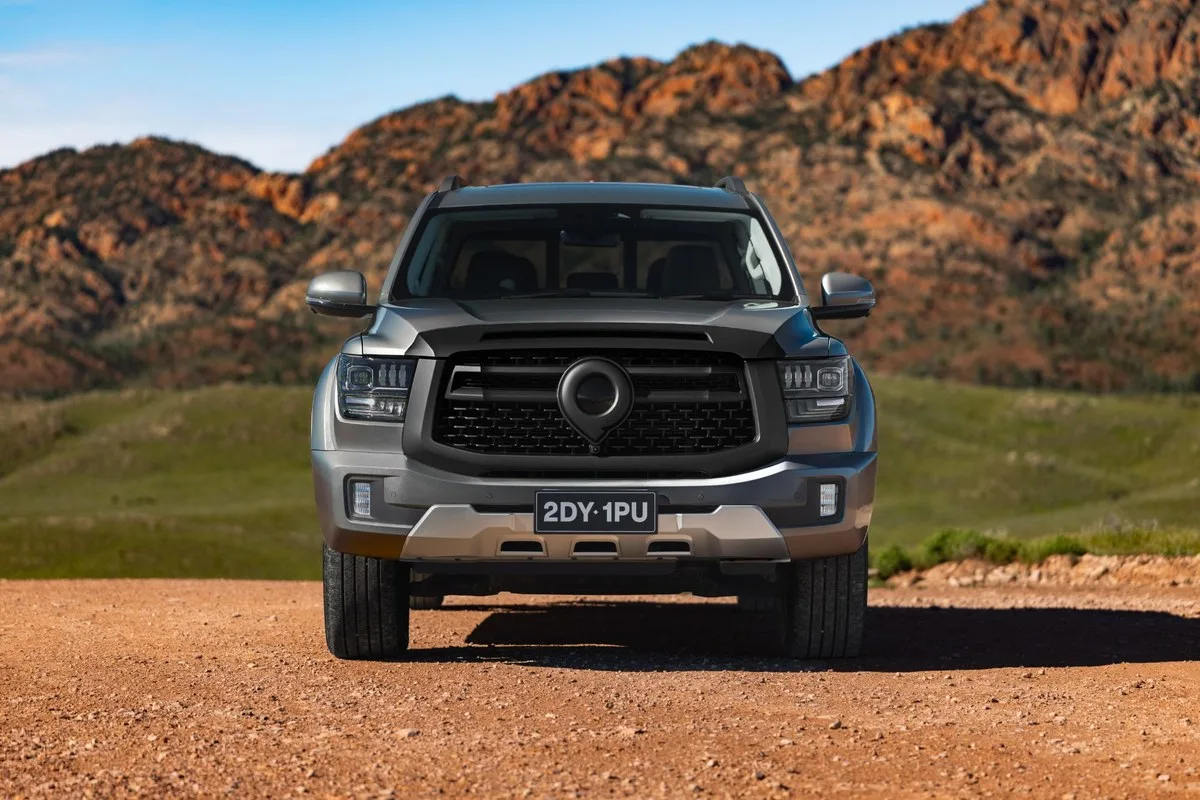
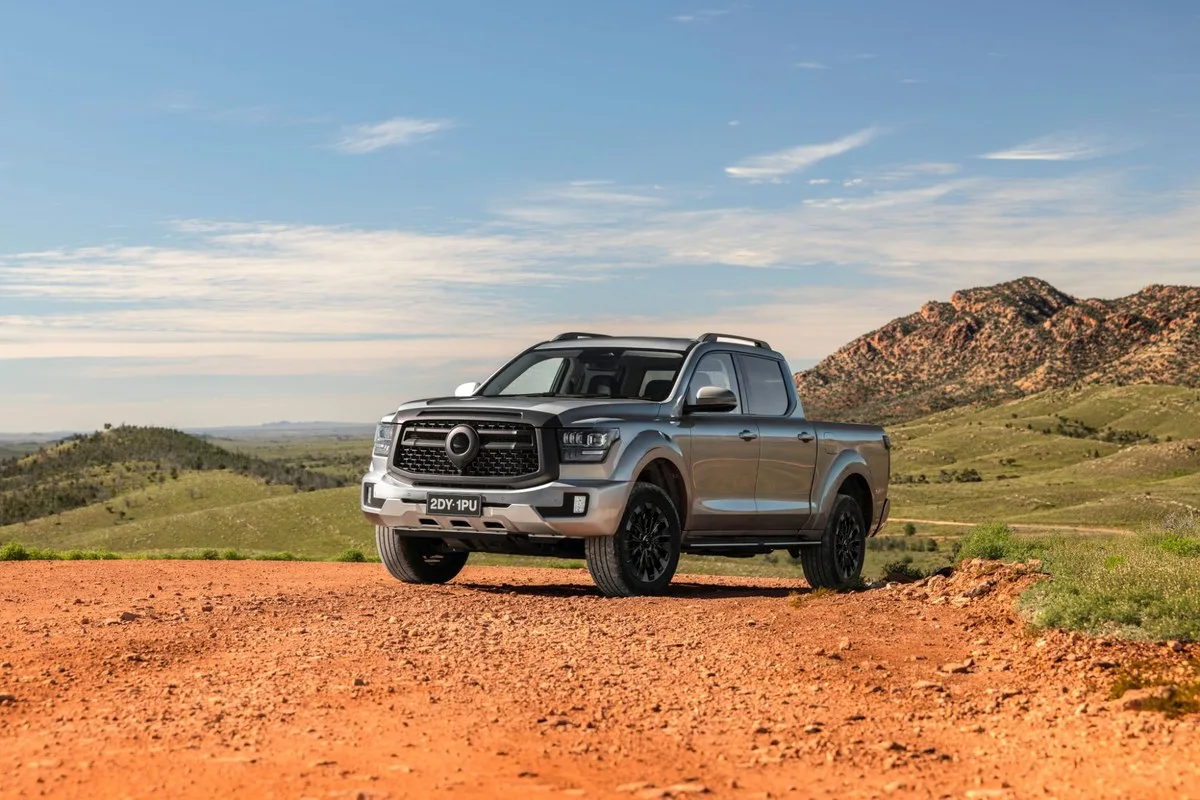
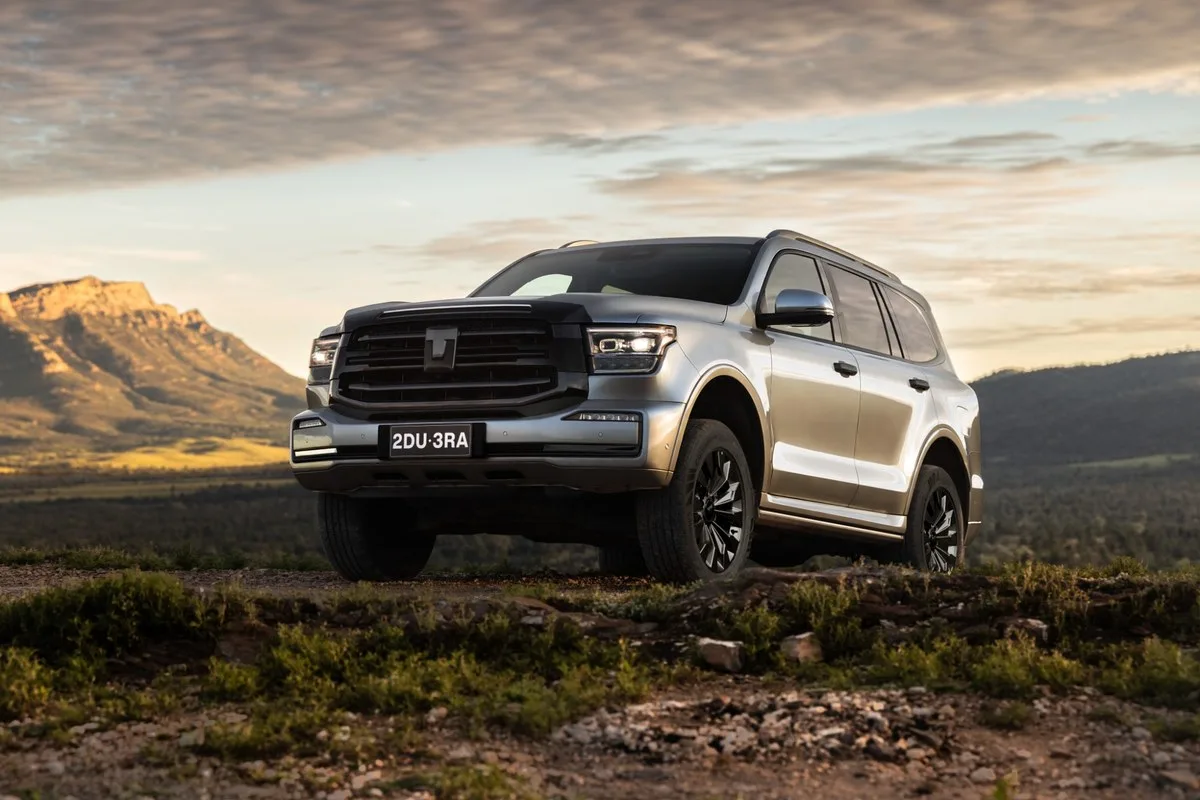

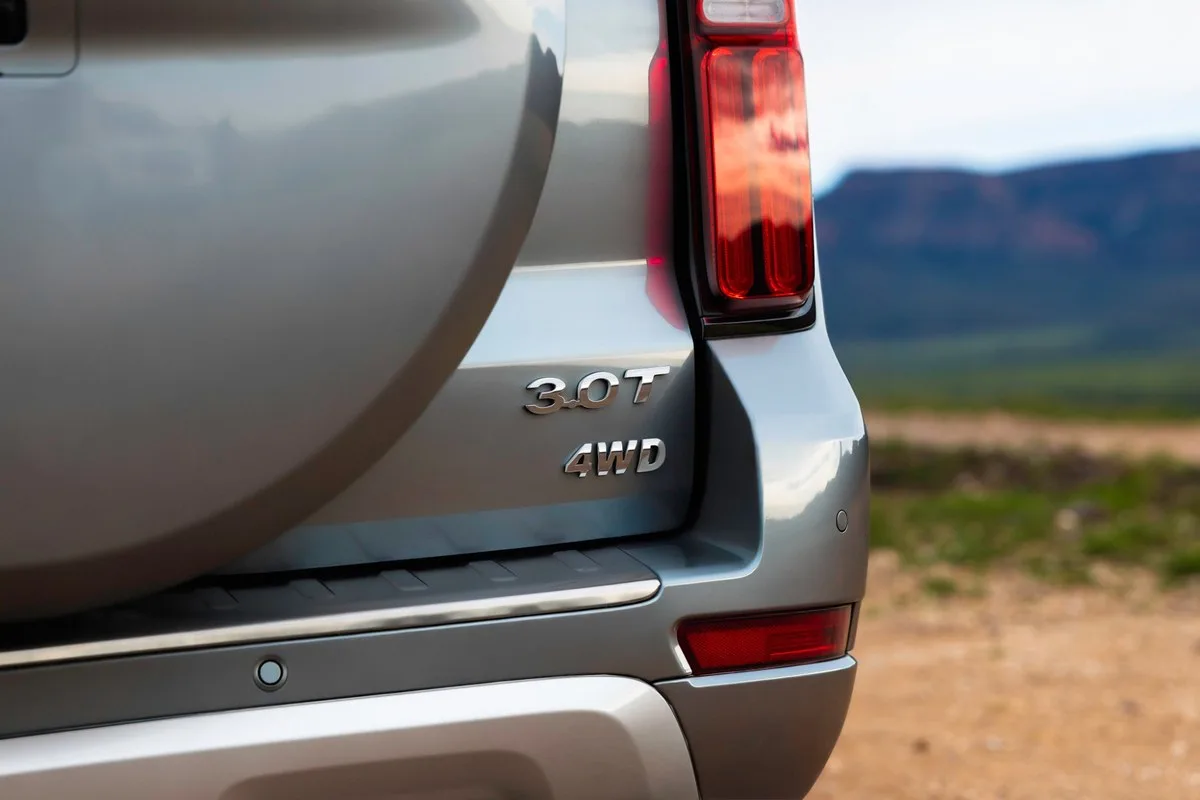

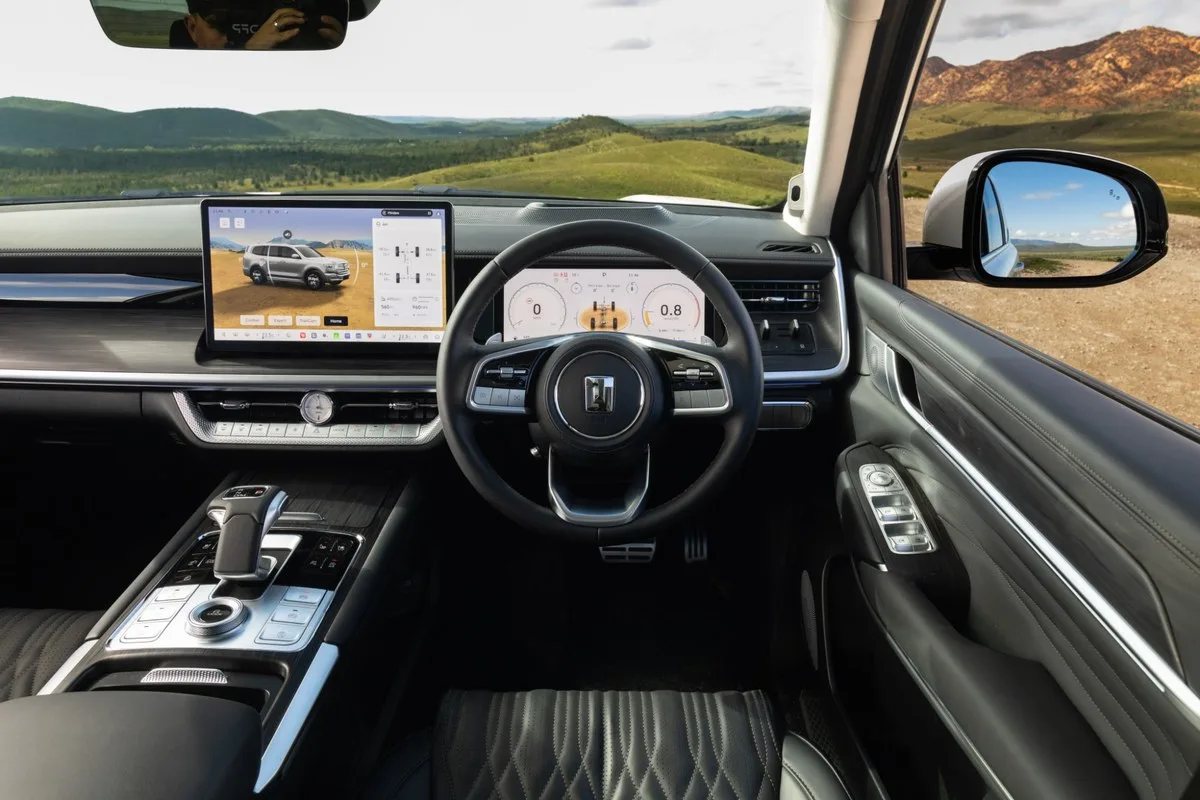
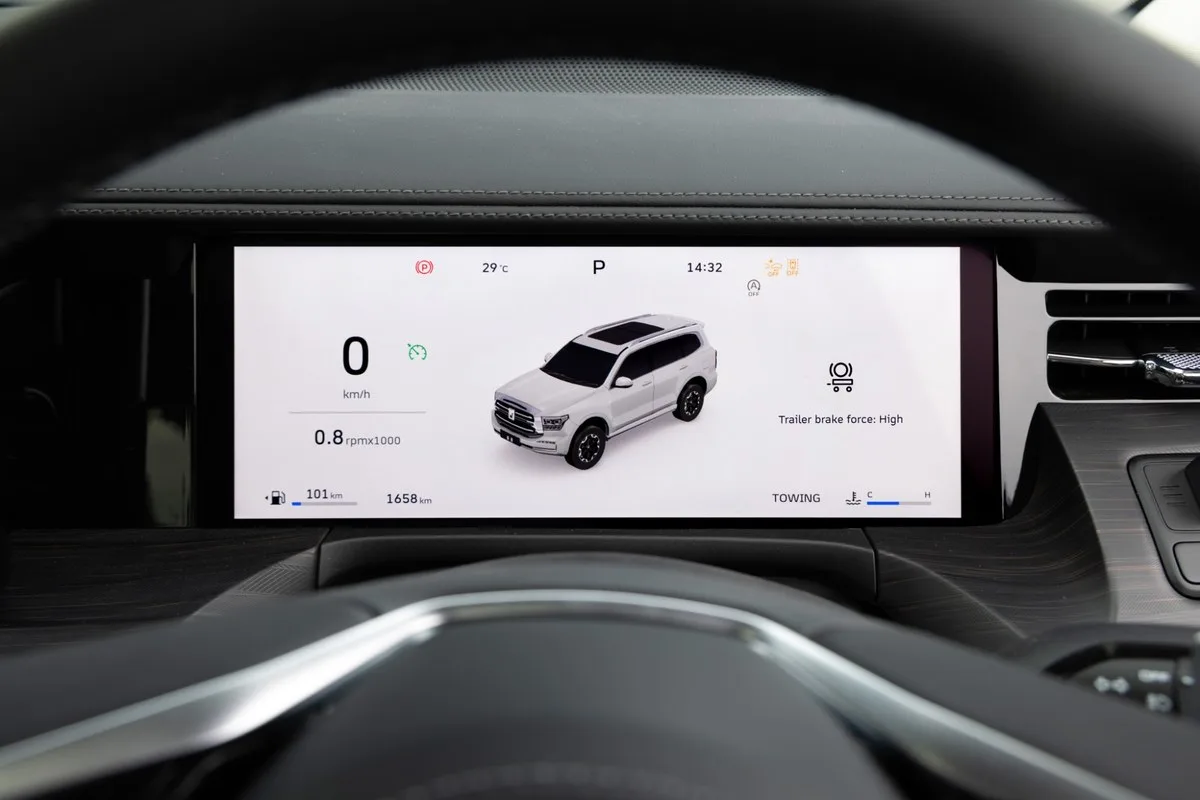
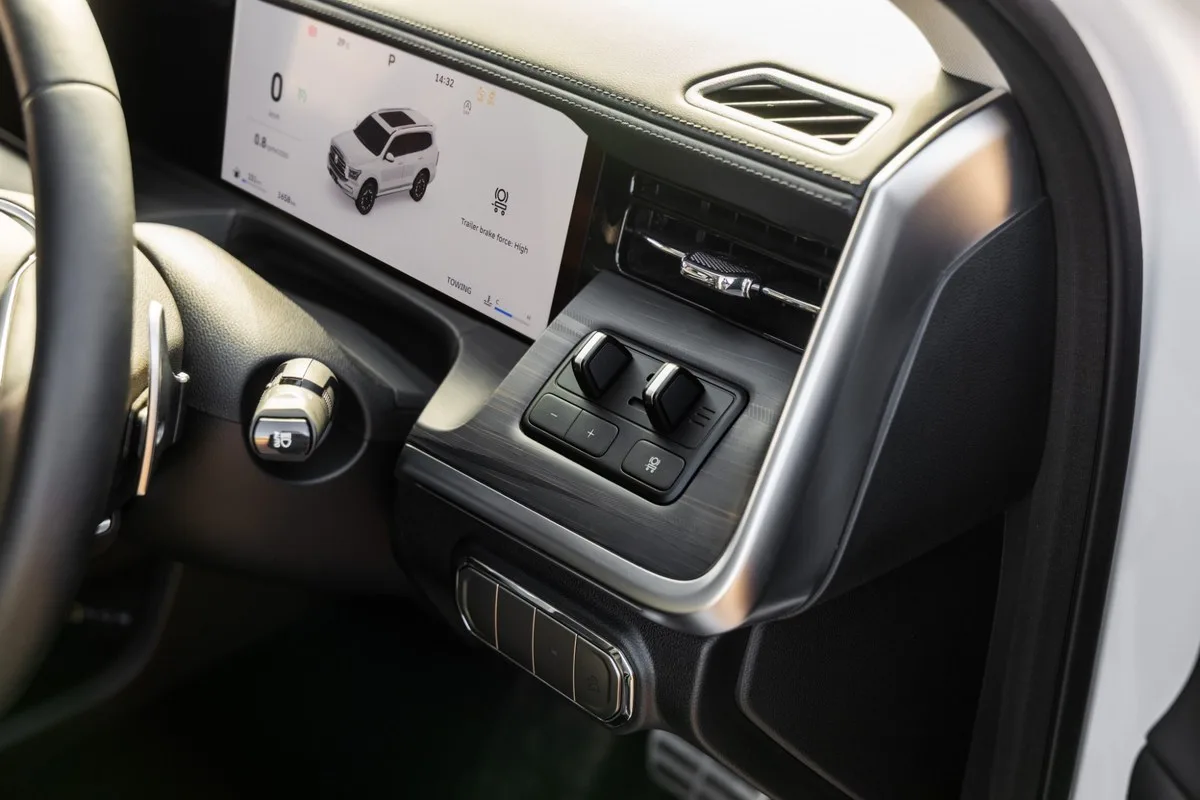
ABOVE: The Cannon Alpha
The Ranger holds its peak between 1,750 and 2,250rpm. GWM holds its own from 1,400 to 2,400rpm, a wider band that starts 350rpm earlier. Economy of 7.3L/100km is the lowest claimed combined figure in our table, and it’s coming from the engine making the most torque. The HiLux claims 7.9, the 3.0 BT-50 7.8, the D-Max 8.0, and the Ranger V6 8.3. All measured on a cycle where nobody hooked up a 3,500kg load.
The GWM Cannon Alpha isn’t the most powerful diesel ute you can buy. The Ranger and Amarok V6s make 184kW to its 170kW, and the power figures cover four-cylinder engines only.
GWM’s own Cannon Alpha PHEV makes 300kW/750Nm from a 2.0 turbo-petrol and an electric motor through a 9-speed. The strongest ute in the showroom is the plug-in parked beside the new diesel. The diesel is in response to knuckle draggers with a dinosaur itch to scratch.
Nobody Walks Out of a Dealership Over 20Nm
GWM won the argument it picked but almost nobody buys a ute this way. 20Nm doesn’t move anyone off a showroom floor, and no one ever traded in a HiLux because a rival found another 0.6L/100km. Utes sell on how they look in the driveway and on what you got for the money. Then, there’s what the cabin does to you after 4 hours on the Hume.
That’s where GWM streaks ahead of the slightly decrepit museum pieces down the road. The screen goes from 12.3 inches to 14.6 at 1920 x 1080, driven by Coffee OS, yet another virtual machine in an Android Open Source project world. There’s a 12.3-inch driver’s display, wireless CarPlay/Android Auto, DAB+, and OTA updates so it can be fixed without schlepping to a service bay. Nappa leather accented seats up front are heated and cooled, with massage. But the list goes on and on. A head-up display and a panoramic roof, 3 diff locks on the Vanta against 2 on the Lux, the extra one across the front axle. A 131-litre tank in the Tank 500 Vanta against 78 litres elsewhere. Every bit of that’s at a driveaway price.
And that’s why the Toyota HiLux and Mitsubishi Triton feel decades old despite being brand new (ish). We drove the HiLux SR5 and the flat spot isn’t the 500Nm, it’s the lifeless cabin and microscopic screen. It creates the sensation of sitting in a decade that finished while the dealership had no competition. The Triton’s 470Nm belongs to the same decade, and you spot it within a minute of shutting the door. The Kia Tasman, which we’ve also driven, at least brings a modern cabin to the fight even with the smallest torque figure in the table. Its shocking exterior is what’s causing the drastic reworking to be done double time.
Both the HiLux and the Triton still outsell nearly everything with a tray on it, and neither has a reliability record you can put in a table. DPFgate anyone?
What the GWM Cannon Alpha Price Column Can’t Prove
The GWM Cannon Alpha Lux at $58,990 and the Vanta at $63,990 are driveaway dollars. The Tank 500 7-seater that shares the engine is $65,990 and $71,990. Metallic paint adds $595. Order before 30 October 2026 and there’s a $2,000 cash bonus or a $2,000 fuel card on offer. Stock is available from mid-September and more than 1,000 expressions of interest already on the books. Remember, Toyota sales are down roughly 25% on last year, and offers like this are why.
GWM quotes driveaway prices while every other figure is a list price before on-road costs. Those competitor prices grow by thousands before anyone gets a key, which shows how clearly legacy makers mistook perceived value for brand loyalty.
On the other side of the coin, the rival ranges cover everything from single cabs and 4×2 workhorses to flashy flagships, but GWM’s covers 2 4×4 dual-cab diesel grades. The cheap end of a HiLux range shows where GWM Cannon Alpha sits without proving an undercut.
GWM Cannon Alpha has a payload of 945kg, 3,500kg braked towing, 750kg unbraked, and 350kg on the ball. A trailer brake controller is standard, and cruise control keeps working even with a load behind. The Tank 500 climbs from 3,000kg to 3,500kg to match.
Rob Trubiani, GWM Australia’s Lead Product Dynamics and Integration Manager, spent 6 months tuning both cars here with Australian and Chinese engineers, doing ride and handling, towing, software, and engine and gearbox calibration. More than 35,000km in under 2 months, across the Flinders Ranges, the High Country, and out into the Big Desert. Chery sent the Stockman to Premcar for the same reason. A damper tune signed off in China runs out of puff on a dirt road near Hay.
John Kett, GWM Australia’s Chief Operating Officer, won’t “shy away from investing in diesel technology where we know demand is still strong”. Australia is one of the brand’s 3 biggest markets, so the 6 months of tuning gives Australian models a unique feel.
How the GWM Cannon Alpha Compares
| Ute | Engine | Power | Torque | Economy | Price range |
|---|---|---|---|---|---|
| GWM Cannon Alpha | 3.0 four-cylinder diesel | 170kW | 620Nm | 7.3L/100km | $58,990 to $63,990 driveaway |
| Ford Ranger | 3.0 V6 diesel | 184kW | 600Nm | 8.3L/100km | $37,130 to $99,990 |
| Kia Tasman | 2.2 four-cylinder diesel | 154kW | 440Nm | ~7.9L/100km | $48,236 to $81,196 |
| Toyota HiLux | 2.8 four-cylinder diesel | 150kW | 500Nm | 7.9L/100km | $33,990 to $82,990 |
| Mitsubishi Triton | 2.4 four-cylinder diesel | 150kW | 470Nm | 7.7L/100km | $34,740 to $74,990 |
| Isuzu D-Max | 3.0 four-cylinder diesel | 140kW | 450Nm | 8.0L/100km | $36,200 to $80,900 |
| Mazda BT-50 | 3.0 four-cylinder diesel | 140kW | 450Nm | 7.8L/100km | $38,400 to $79,490 |
GWM Cannon Alpha and Tank 500 Driveaway Pricing
| Grade | Price |
|---|---|
| Cannon Alpha Lux | $58,990 driveaway |
| Cannon Alpha Vanta | $63,990 driveaway |
| Tank 500 Lux | $65,990 driveaway |
| Tank 500 Vanta | $71,990 driveaway |
| Metallic paint | $595 |
| Introductory offer to 30 October 2026 | $2,000 cash bonus or $2,000 fuel card |
Full Specifications Grade by Grade
| Spec | Cannon Alpha Lux | Cannon Alpha Vanta | Tank 500 Lux | Tank 500 Vanta |
|---|---|---|---|---|
| Engine | 3.0-litre four-cylinder turbo-diesel | 3.0-litre four-cylinder turbo-diesel | 3.0-litre four-cylinder turbo-diesel | 3.0-litre four-cylinder turbo-diesel |
| Power | 170kW | 170kW | 170kW | 170kW |
| Torque | 620Nm | 620Nm | 620Nm | 620Nm |
| Torque band | 1,400 to 2,400rpm | 1,400 to 2,400rpm | 1,400 to 2,400rpm | 1,400 to 2,400rpm |
| Transmission | 9-speed automatic | 9-speed automatic | 9-speed automatic | 9-speed automatic |
| Drive | 4WD with low range | 4WD with low range | 4WD with low range | 4WD with low range |
| Fuel consumption (claimed combined) | 7.3L/100km | 7.3L/100km | 7.1L/100km | 7.1L/100km |
| Fuel tank | 78 litres | 78 litres | 78 litres | 131 litres |
| Seats | 5 | 5 | 7 | 7 |
| Diff locks | Centre and rear | Front, centre, rear | Front and rear, plus tank turn assist and crawl control | Front and rear, plus tank turn assist and crawl control |
| Braked towing | 3,500kg | 3,500kg | 3,500kg | 3,500kg |
| Unbraked towing | 750kg | 750kg | 750kg | 750kg |
| Downball | 350kg | 350kg | 350kg | 350kg |
| GVM | 3,495kg | 3,495kg | 3,395kg | 3,395kg |
| GCM | 6,555kg | 6,555kg | 6,545kg | 6,545kg |
| Payload | 945kg | 945kg | 760kg | 690kg |
| Kerb weight | 2,550kg | 2,550kg | 2,635kg | 2,705kg |
| Length | 5,445mm | 5,445mm | 5,078mm | 5,078mm |
| Width | 1,991mm | 1,991mm | 1,934mm | 1,934mm |
| Height | 1,924mm | 1,924mm | 1,905mm | 1,905mm |
| Wheelbase | 3,350mm | 3,350mm | 2,850mm | 2,850mm |
| Ground clearance | 222mm | 222mm | 220mm | 220mm |
| Wading depth | 800mm | 800mm | 800mm | 800mm |
| Approach angle | 28.5 degrees | 28.5 degrees | 28.5 degrees | 28.5 degrees |
| Departure angle | 23 degrees | 23 degrees | 25 degrees | 25 degrees |
| Breakover angle | 19 degrees | 19 degrees | 25 degrees | 25 degrees |
| Turning circle | 13m | 13m | 11.2m | 11.2m |
| Touchscreen | 14.6-inch | 14.6-inch | 14.6-inch | 14.6-inch |
More GWM Stories
- GWM ORA 5 Ran a Collingwood Pop-Up Off Its Own Battery
- GWM Turbo-Diesel Out-Torques the Ranger V6 With 620Nm
- GWM Australia Lines Up 9 New Models For 2026
Help Support Gay Car Boys Subscribe to our Youtube Channel by SMASHING THE BUTTON ABOVE

Alan Zurvas is the founder and editor of Gay Car Boys, Australia's leading LGBTQI+ automotive publication. Before launching GCB in 2008, Alan's automotive writing was published in SameSame.com.au and the Star Observer. With over 16 years of hands-on car reviewing experience, Alan brings an honest, irreverent voice to every review — championing value and innovation over brand loyalty.
Leave a Reply