For years, the Federal Chamber of Automotive Industries (FCAI) operated as the outest, loudest, and proudest opponent of vehicle emissions targets in Australia.
Behind closed doors, much fenagling was planned. With aggressive public PR campaigns, the peak industry body fought the federal government’s New Vehicle Efficiency Standard (NVES) tooth and nail. They warned of a devastating “Ute Tax,” claimed the power grid would collapse, insisted Australians had no real appetite for electrified transport, and generally cried wolf.
Then came May and June 2026, oh dear.
The FCAI’s VFACTS media release from June 3, 2026, reads like a corporate confession tarted up as a victory lap. Facing a market where electric and hybrid vehicle sales reached a stratospheric 46% of all new registrations, the lobby group executed a shameless rewrite of automotive history. The backflip was worthy of Circ du Soleil.
In the utterly breath-taking release, FCAI Chief Executive Tony Weber praised the new rules, stating, “The evidence increasingly demonstrates that NVES is encouraging manufacturers to bring more low emissions vehicles to Australia, increasing both consumer choice and technology availability.” I nearly fell off my chair.
The sheer audacity is Trumpesque in scope and scale. Remember, the FCAI fights for those who pay it the most money, like a politician. After spending years trying to dilute and delay the NVES to protect its legacy manufacturer clients, the FCAI is now openly taking credit for its success. The hide of them.
They fought the law until the ink was dry, and now they want to pretend it was their idea all along. This hypocrisy became so toxic that progressive electric vehicle brands like Tesla and Polestar told the FCAI to feck off, publicly resigning from the nobbled peak body and accusing them of using deceptive, non-transparent claims to delay climate action. I’d have been much less polite. In fact, the FCAI was campaigning against EV-makers, blatantly.
Above: 2026 Kia K4 Hatch S safety Pack But is it any good
KiaK4 #HatchbackReview #CarReviews #NewCars #KiaAustralia #GayCarBoys #AutoTech #SafetyPack

Help Support Gay Car Boys Subscribe to our Youtube Channel by SMASHING THE BUTTON ABOVE


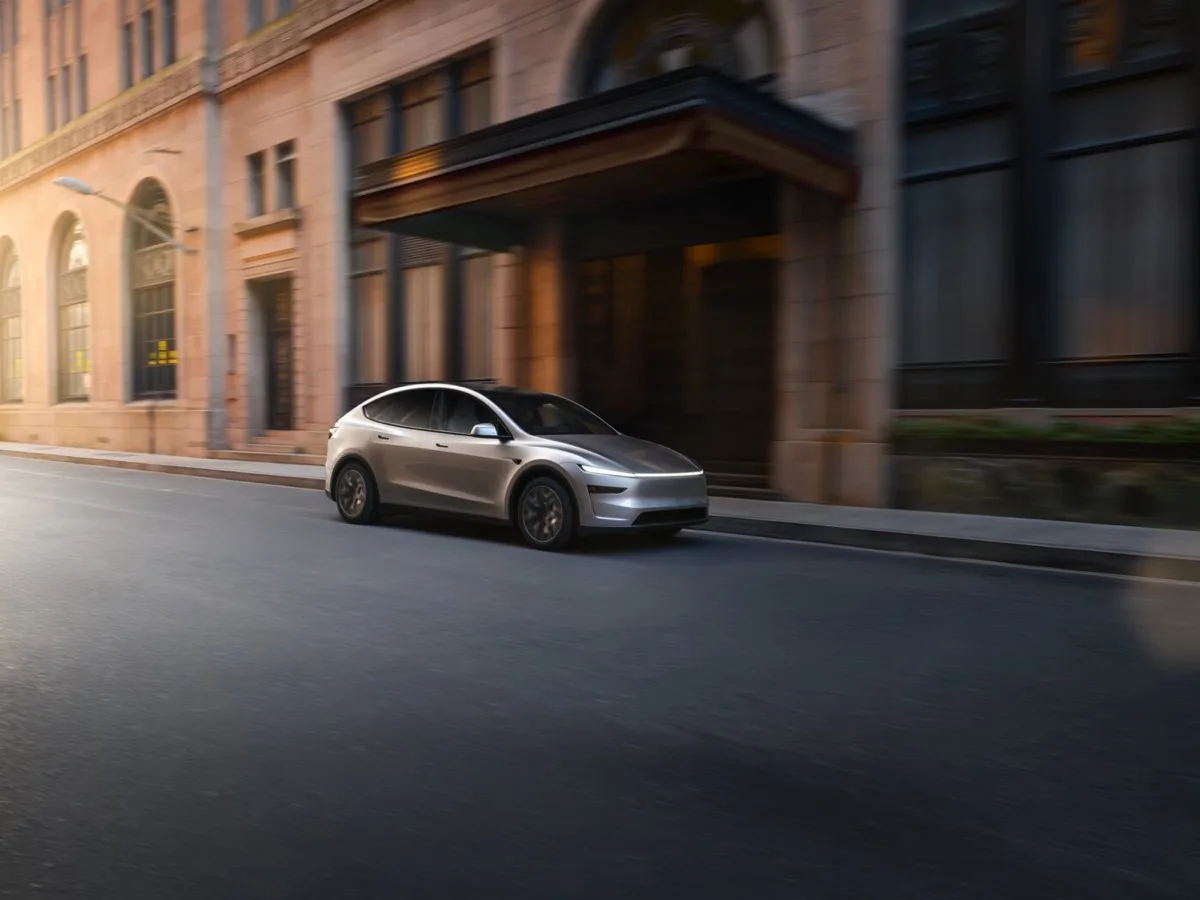
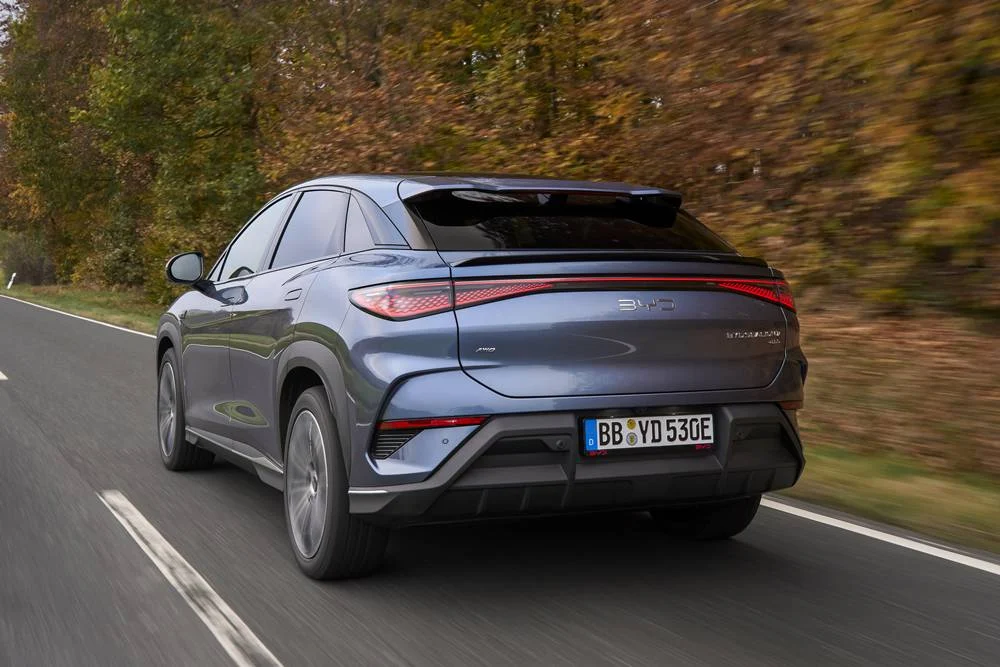

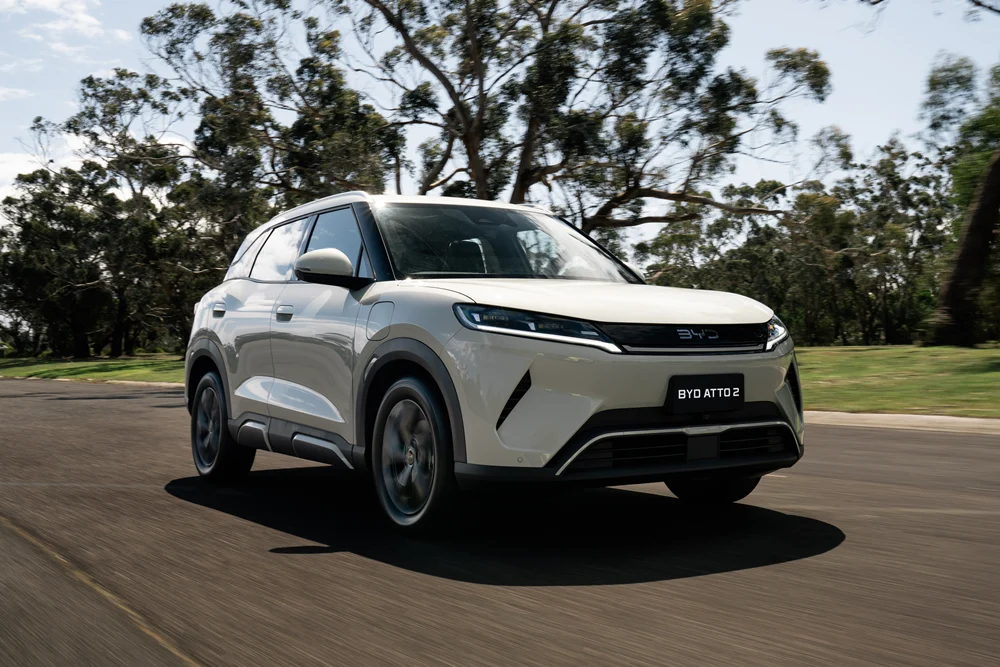
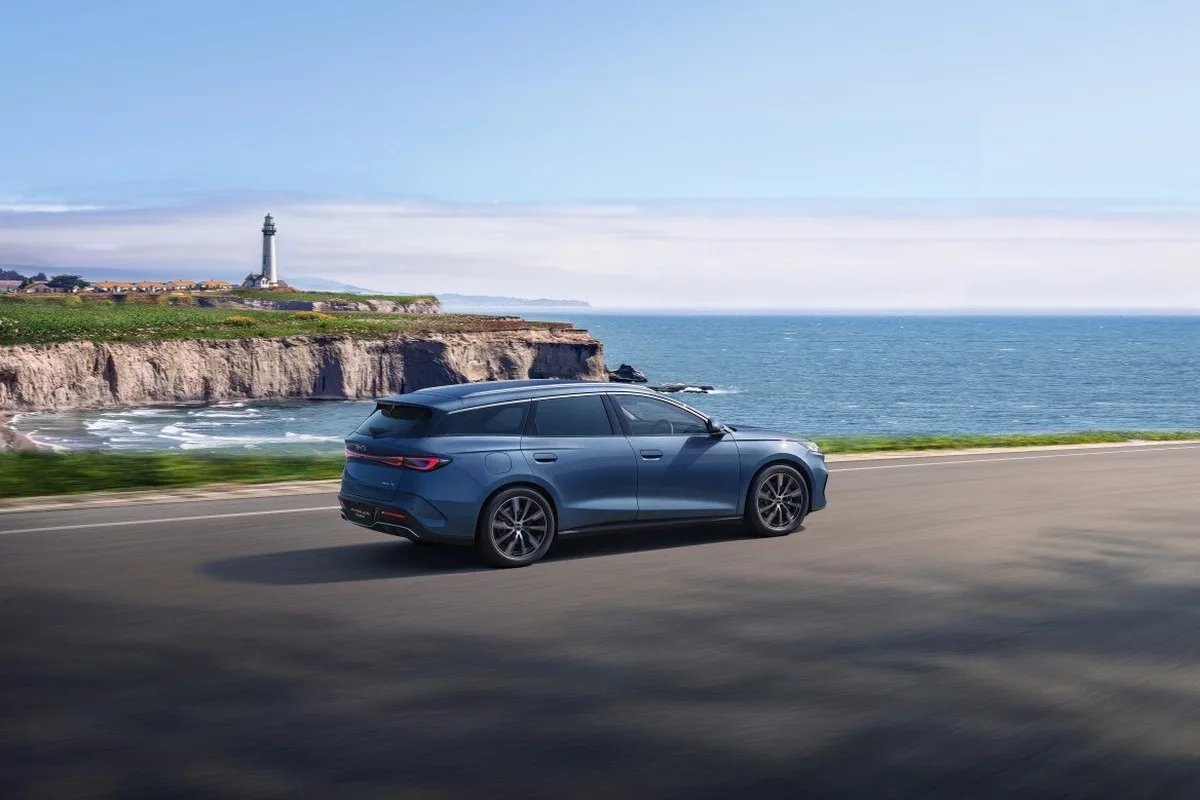
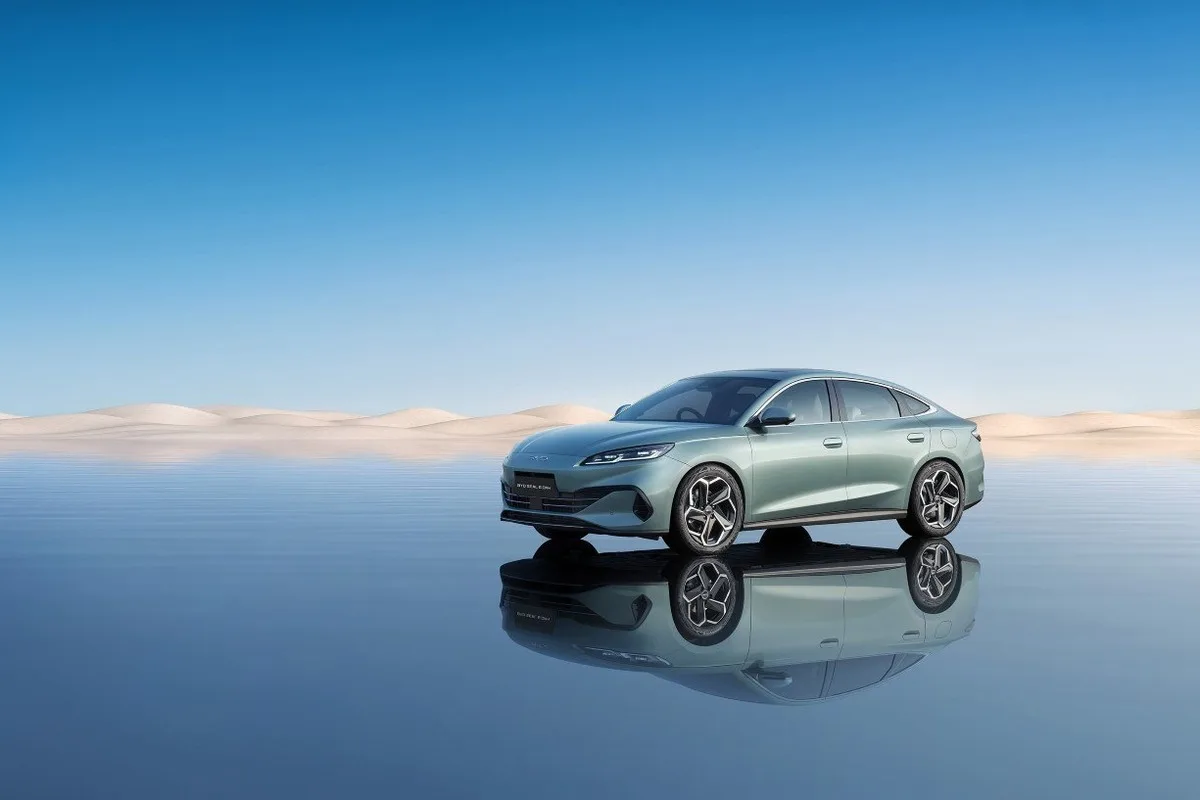


ABOVE: The EVs topping Australia’s 2026 sales charts
The latest report exposes exactly why the FCAI was forced into this humiliating flip. Traditional petrol SUV sales plummeted by 31%, and diesel models crashed by 41% compared to the previous year. A nosedive of epic proportions.
Meanwhile, pure electric vehicles snagged a record 20% of the sales. The traditional, high-emitting lineup that the FCAI spent decades running a protection racket for, is being systematically dismantled by consumer wallets.
The numbers reveal a completely predictable commercial threat to the legacy brands the lobby group has traditionally protected. Toyota held the top spot, but breathing directly down its neck at number two was BYD, recording a staggering 8,211 sales, comfortably beating out historic mainstays like Ford, Hyundai, and Kia. Emerging entrants like Omoda Jaecoo recorded an explosive 729% growth, while Geely surged by 416%.
Unable to deny the numbers, the FCAI’s release immediately pivoted to a new deflection tactic: blaming the government’s infrastructure. Weber used the release to demand that “charging infrastructure rollout must accelerate if Australia is to maintain consumer confidence.” It is a classic gaslighting lobbying tactic. Now that they can no longer pretend nobody wants electric cars, they want to pretend the grid isn’t ready, pre-emptively creating a scapegoat for their members’ failure to invest early. Even more hysterically, the top seller is Tesla Model Y (8,072) for the 2nd month on the go, while poor old FCAI claims it is Ranger (5,999).
This frantic pivot exposes the corporate hypocrisy at the core of the legacy automotive industry. For years, European and Japanese manufacturers argued that without local regulations, Australia would inevitably become a “dumping ground” for outdated, high-polluting engines that could no longer legally be sold in the UK, EU, or US.
But this raises a fundamental question that cuts right through the corporate spin: Why do these massive global corporations need a legal regulation just to stop them from polluting? Why could they not simply choose, on their own accord, to stop dumping dirty vehicles onto Australian roads?
The answer is obvious as it is with all corporate entities. Big auto cannot be trusted to do the right thing. Without a legal leash and multi-million-dollar government lashings, corporate boards will always prioritise high-margin fossil-fuel vehicles over global climate health to please investors. it seems investors don’t care if the planet dies, as long as they are rich when it does. The FCAI’s May/June data proves that the NVES was never an industry-led transition, it was a regulatory intervention that dragged a screaming auto lobby into the modern world.
The Definitive Top 10 Car Models (June 2026)
| Rank | Model | Total Units Sold | Fuel Type Category |
|---|---|---|---|
| 1 | Tesla Model Y | 8,072 | Electric (EV) |
| 2 | Ford Ranger | 5,999 | Diesel / Petrol |
| 3 | Toyota HiLux | 5,175 | Diesel / Petrol |
| 4 | BYD Sealion 7 | 4,730 | Electric (EV) |
| 5 | Toyota RAV4 | 4,115 | Hybrid / Petrol |
| 6 | BYD Shark 6 | 3,398 | Plug-in Hybrid (PHEV) |
| 7 | Isuzu D-Max | 2,740 | Diesel |
| 8 | Hyundai Kona | 2,505 | Petrol / Hybrid / EV |
| 9 | BYD Atto 2 | 2,482 | Electric (EV) |
| 10 | GWM Haval Jolion | 2,446 | Petrol / Hybrid |
Top 10 Car Brands (June 2026)
| Rank | Brand | June 2026 Sales | Key Driving Model |
|---|---|---|---|
| 1 | Toyota | 19,124 | HiLux (5,175) |
| 2 | BYD | 18,881 | Sealion 7 (4,730) |
| 3 | Ford | 9,181 | Ranger (5,999) |
| 4 | Tesla | 8,670 | Model Y (8,072) |
| 5 | Kia | 8,005 | Sportage |
| 6 | Hyundai | 7,480 | Kona (2,505) |
| 7 | Mazda | 7,278 | CX-5 |
| 8 | GWM | 6,104 | Haval Jolion (2,446) |
| 9 | MG | 5,001 | MG ZS |
| 10 | Chery | 4,505 | Tiggo 7 Pro |
Top 10 Car Brands (First Half 2026)
| Rank | Brand | H1 2026 Sales Volume | Key Driving Model |
|---|---|---|---|
| 1 | Toyota | 95,141 | HiLux |
| 2 | BYD | 52,335 | Sealion 7 |
| 3 | Ford | 42,296 | Ranger |
| 4 | Kia | 41,846 | Sportage |
| 5 | Mazda | 40,502 | CX-5 |
| 6 | Hyundai | 39,590 | Kona |
| 7 | GWM | 30,359 | Haval Jolion |
| 8 | Chery | 24,964 | Tiggo 4 |
| 9 | Mitsubishi | 24,802 | Triton |
| 10 | Tesla | 23,588 | Model Y |
Top 10 Best-Selling Electric Vehicles (First Half 2026)
| Rank | Model | H1 2026 Sales Volume | Body Type |
|---|---|---|---|
| 1 | Tesla Model Y | 20,396 | Medium SUV |
| 2 | BYD Sealion 7 | 12,516 | Medium SUV |
| 3 | Geely EX5 | 6,756 | Medium SUV |
| 4 | Jaecoo J5 EV | 6,113 | Compact SUV |
| 5 | Zeekr 7X | 5,532 | Medium SUV |
| 6 | BYD Atto 2 | 5,401 | Small SUV |
| 7 | BYD Atto 1 | 3,254 | City Hatch / SUV |
| 8 | Tesla Model 3 | 3,192 | Sedan |
| 9 | BYD Seal | ~2,800 (est) | Sedan |
| 10 | MG4 | ~2,400 (est) | Hatchback |
More Electric Stories
- SAIC Motor Cracks Two Million as MG Floods Australia
- 2026 Genesis GV60 Magma Hits 100km/h in 3.4 Seconds
- Tesla Guaranteed Future Value Finance Is No Discount
Help Support Gay Car Boys Subscribe to our Youtube Channel by SMASHING THE BUTTON ABOVE

Alan Zurvas is the founder and editor of Gay Car Boys, Australia's leading LGBTQI+ automotive publication. Before launching GCB in 2008, Alan's automotive writing was published in SameSame.com.au and the Star Observer. With over 16 years of hands-on car reviewing experience, Alan brings an honest, irreverent voice to every review — championing value and innovation over brand loyalty.
Leave a Reply