Ora rolled off the ship, and into an Australian market that matured, and by matured, I mean no longer listening to right-wing dinosaurs.
At $33,990 driveaway, Ora is not just a curiosity. It applies pressure not because it is revolutionary, but because it is priced with the rapidly declining price of batteries first and foremost in mind. Unlike the Japanese and Koreans, it appears that profit is not the sole motivator for price. For decades, the Australian new car market was structured around rather dull Japanese predictability. Toyota still leads the country with roughly 230,000-240,000 annual sales, holding around a fifth of the market. Mazda sits well and is falling. Nissan, Mitsubishi, Honda, and Subaru still sell volume, even if their peaks disappear further into the rear-view mirror of history. It is gravity, pulling the Japanese brands further down the Top Ten, as more efficient, cheaper, shinier Chinese brands pop up like weeds in a field.
Mazda’s recent performance is a case in point. Its range stagnated into a pool of beige soup spun as superior engineering. It simply isn’t true, and their recent releases feel and look a decade old. Things are even more desperate over at Nissan where it is in steep decline. It reflects both product gaps and global restructuring pressures as it desperately hunts for someone to love it. Even Toyota, while still dominant, is no longer immune to the coastal erosion as waves of new options split buyers into hybrids, EVs, and lower-cost Chinese alternatives.
Above: MG QS AWD Essence Value for Money glitchy screen Review
MGQS #MGSUV #FamilySUV #CarReview #SUVReview #MGMotor #SevenSeatSUV #AWD #AustralianCars #CarReviewsAustralia

Help Support Gay Car Boys Subscribe to our Youtube Channel by SMASHING THE BUTTON ABOVE


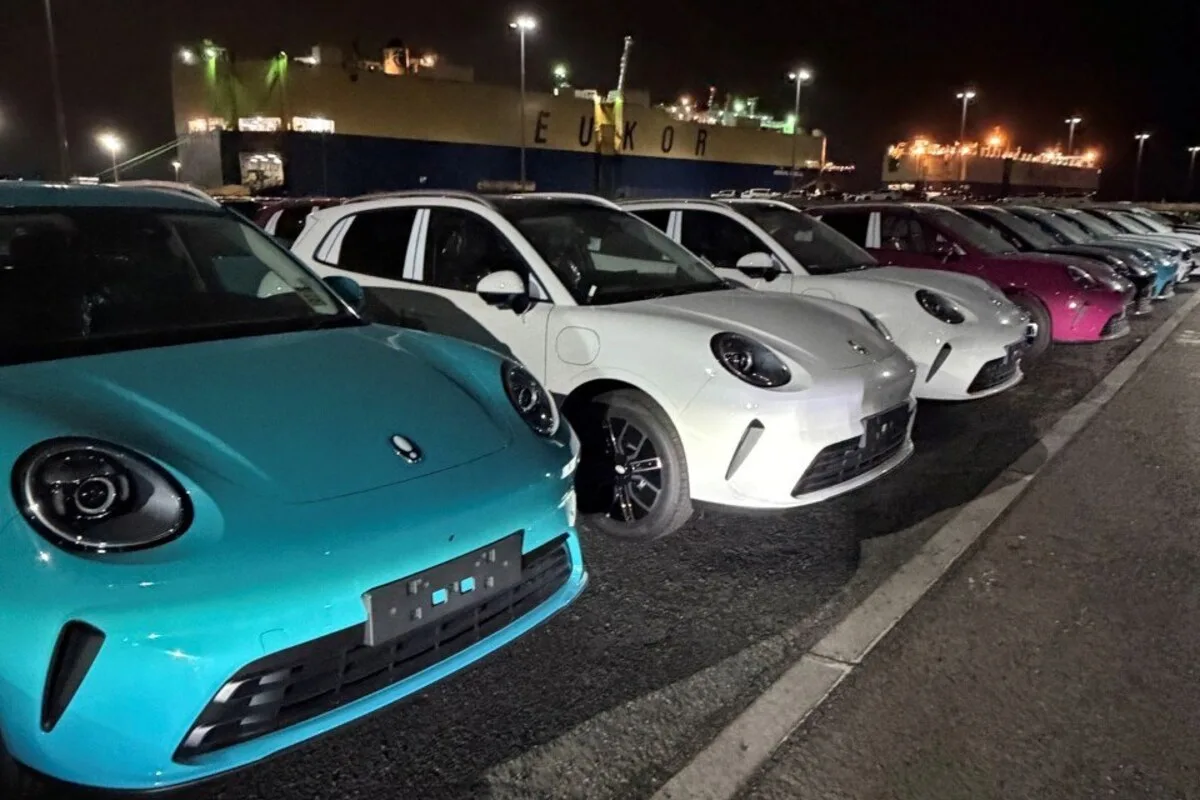
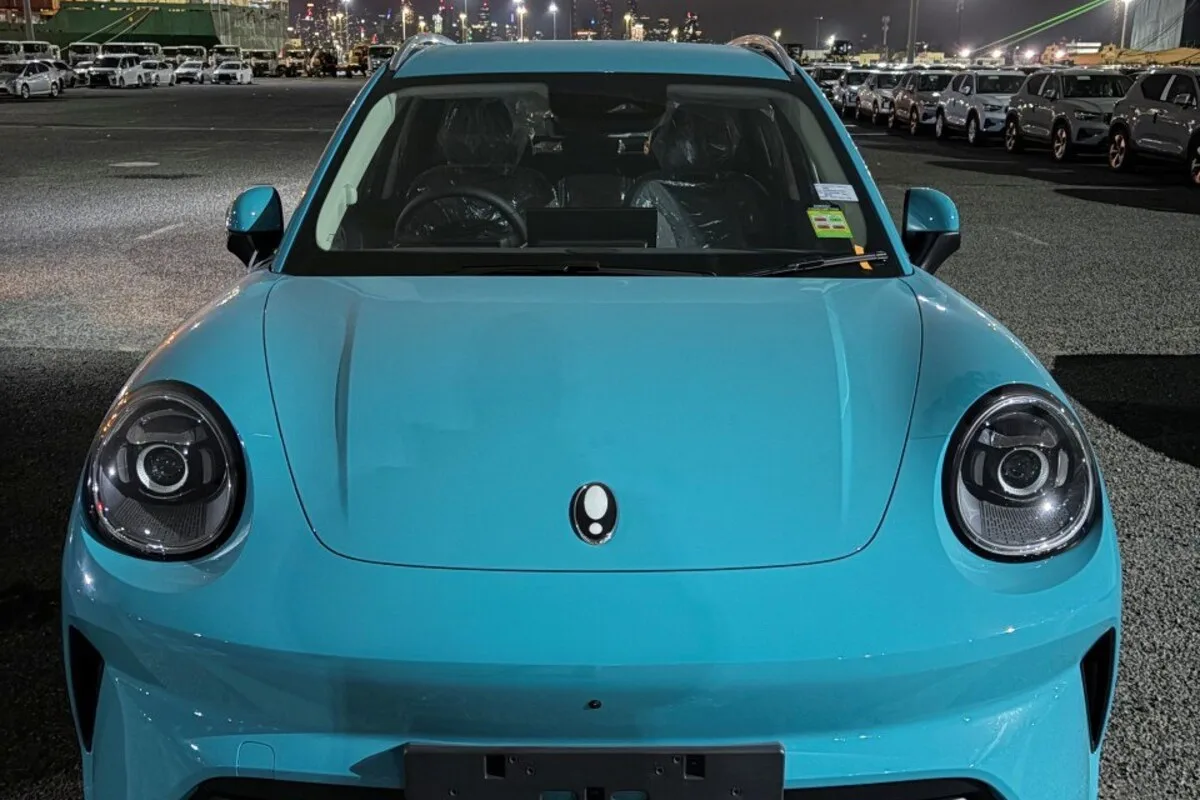
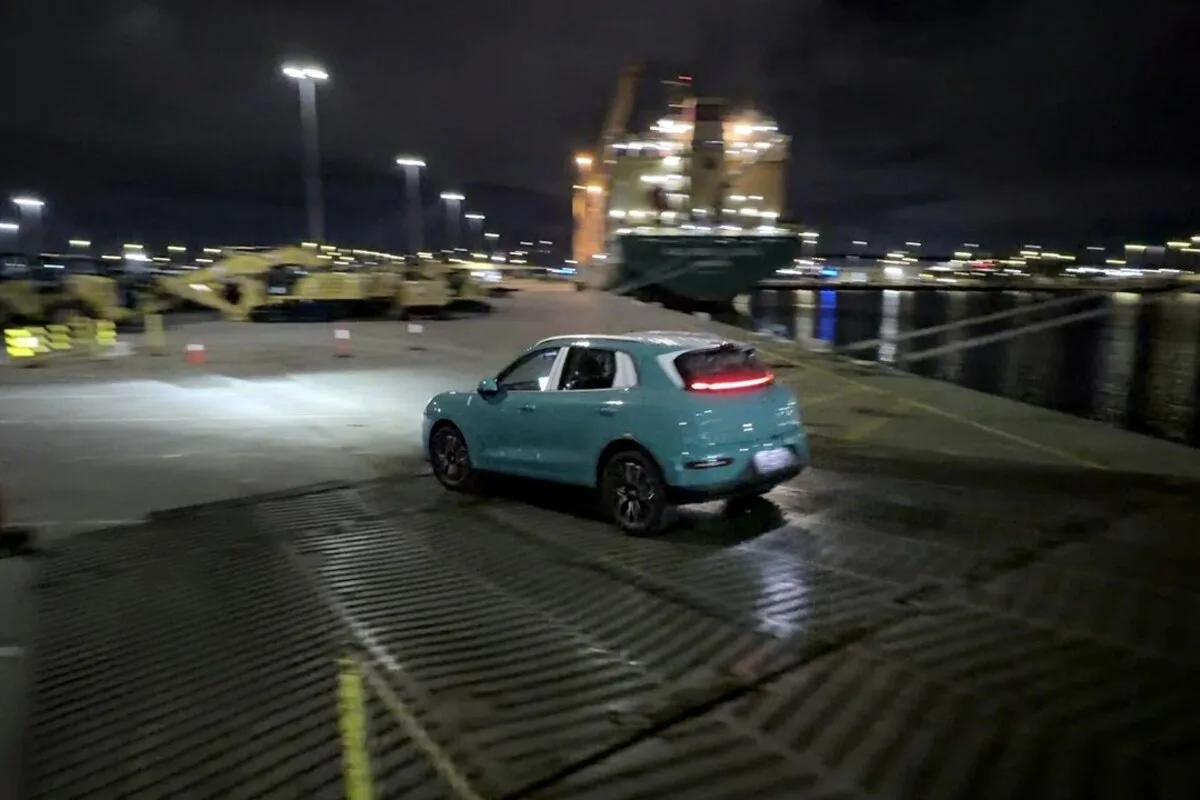
ABOVE: ORA 5 SUV
What’s changed is not that Japanese brands suddenly stopped building good cars. It’s that they stopped owning the definition of “value”. There isn’t a single Japanese model that looks like it was designed this decade, or even last decade.
That congested space is now chock-full of Chinese manufacturers who are far less interested in protecting price architecture. GWM, BYD, MG, and Chery moved into the Australian top tier not by matching legacy pricing strategies, but by ignoring them entirely. The Germans and Americans aren’t even getting a look in. They were all warned, but sat behind walls of yes men telling the bosses what they wanted to hear. “Ignore the Chinese at your peril”, we said. They are selling equipment-rich vehicles at prices that force buyers to compare rather than default.
The ORA 5 slips neatly into that shift. It doesn’t try to out-premium anyone. It doesn’t need to. It simply needs to exist at a price where the buyer’s consideration changes from “can I afford an EV” to “why is this petrol SUV still more expensive”.
Australian buyers have changed faster than the brands serving them.
The average new car buyer is no longer chasing brand hierarchy in the same way they once did. We saw this when Holden was killed off by management incompetence. It failed to read the room and the only thing that changed since was that the old mastheads shifted from incompetent and indifference to panic. Cost of living pressure, higher interest rates, insurance increases, and general household tightening have eliminated the emotional premium attached to badges. Reliability still matters, but is trumped by monthly repayment. Fuel economy is no longer a bonus, it is part of the calculation, and the willingness to pay extra for familiarity is down the plug hole.
SUVs dominate this behaviour as the move from passenger cars is almost complete. Just as the Australian market tilted away from sedans, traditional brand loyalty fragmented, and buyers who once defaulted to Japanese marques now don’t. They are increasingly open to Chinese alternatives if the specification and price stack up.
While all of this plays out locally, global pressure builds behind it. The political white-noise around electrification, particularly in the United States, has completely fallen apart. Under Donald Trump’s demented trade and policy rhetoric, EV incentives and emissions direction have been dragged back into the neolithic era. Tariffs, trade positioning and ideological resistance to electrification have all contributed to a less stable narrative coming out of the US. Before we move on, can we pause for a moment to have a quiet giggle at those days when Elon Musk was flogging Teslas out the front of the White House flanked by a dribbling Trump and his powder-wigged flunkies. With that visual image in mind, let’s cruise forward.
To my immense pleasure, the unintended consequence is not a slowdown in EV adoption, it is the opposite.
Manufacturers scrambled, responding to uncertainty in the US by treating the US like a drunk uncle at Christmas. In Trump’s case you’d also be watching the kids to make sure they’re on the other side of the room. Canny carmakers began diversifying elsewhere while China continued to scale aggressively. Meanwhile, Europe continues to push regulatory transition. This works nicely for carmakers that then treat Australia as testing grounds for price elasticity rather than policy compliance, making it one of the most crammed anywhere in the world.
In that environment, the idea that EVs must remain expensive begins to collapse like a tiddly house of cards. The ORA 5 is not a technological breakthrough, it is purely a pricing statement. It suggests that the constraint was never purely engineering, it was positioning.
That is part of the memo that legacy brands ignore. Japanese manufacturers in particular built their reputations on measured transitions: hybrids first, cautious EV adoption second, but carefully staged electrification roadmaps ensured ICE would be around for many decades to come. They wanted to keep the thing they were good at, petrol engines. That strategy worked a treat when they controlled the pace of change. It works less well when competitors simply bypass the staging entirely.
I can hear mics dropping left and right.
The result is a widening gap between product philosophy and market reality. One side is still optimising around long-cycle planning, brand protection, and internal combustion. The other is optimising around immediate affordability and volume capture using price as the dagger.
Australian buyers are not sitting on their bums waiting for that gap to resolve itself. They are speaking with their wallets.
The ORA 5 doesn’t need to be perfect to matter in that context. It only needs to be cheaper than the alternatives that once defined the sensible shoe of transport. Once that threshold is crossed, the argument shifts again. It is no longer about whether EVs are viable or desirable, it is about why so many of them are still priced as if they are neither.
This rumbling disruption is not the arrival of a new model, but the demolition of the old assumptions that protected the pricing of everything around it. It doesn’t matter if the cheap price is subsidised by the Chinese government or not; if the market decides it isn’t prepared to pay more for less.
And once those assumptions go, they won’t come back.
More Electric Stories
- Kia EV4 Earth LR FWD First Drive Review
- MG QS Essence AWD Stunning Value But Needs Work
- 2026 MG MGS6 EV Lands In Australia From $49,990 Driveaway
Help Support Gay Car Boys Subscribe to our Youtube Channel

Alan Zurvas is the founder and editor of Gay Car Boys, Australia's leading LGBTQI+ automotive publication. Before launching GCB in 2008, Alan's automotive writing was published in SameSame.com.au and the Star Observer. With over 16 years of hands-on car reviewing experience, Alan brings an honest, irreverent voice to every review — championing value and innovation over brand loyalty.
Leave a Reply