Polestar has answered our collective prayers with a sexy SUV version of the Polestar 4 hatch, the Polestar 4 SUV. It proves Sweden was listening to drivers who did not like the false rear window, not one bit. The daft idea is banished.
When the original fastback arrived without a rear window, half the car park squinted at their pixelated digital rear-view mirrors knowing no other option could be had. Now, the new Polestar 4 SUV rectifies that oversight with a proper, physical rear window. The conventional tailgate glass, upright roofline, and expanded interior space hands second-row passengers an extra 2.5 centimetres of headroom. It even stretches total cargo capacity to 1,685 litres with seats folded flat.
Underneath those handsome Scandinavian lines, the hardware gets a little tickle. Built on the brand’s adaptable Sustainable Experience Architecture, dual-motor models still hammer out an eye-peeling 400kW/686Nm. It rockets to the hundy in a sizzling 3.9 seconds. If you want maximum efficiency rather than face-melting straight-line kick, the rear-motor version stretches WLTP range up to an alleged 630 kilometres on the 100-kilowatt-hour battery.
Above: 2026 Mazda 6e Atenza is it really a Mazda and is it worth the money
#Mazda6e, #Mazda, #EVreview, #TeslaModel3, #GayCarBoys

Help Support Gay Car Boys Subscribe to our Youtube Channel by SMASHING THE BUTTON ABOVE


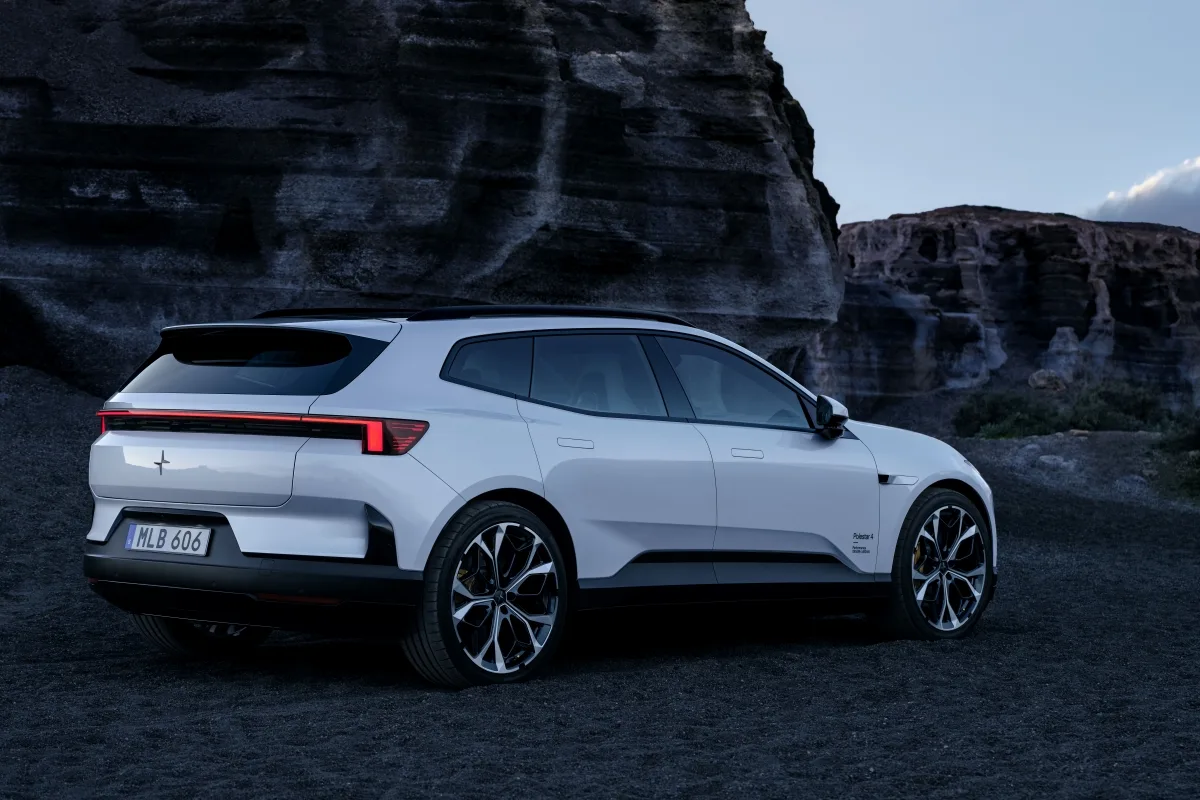
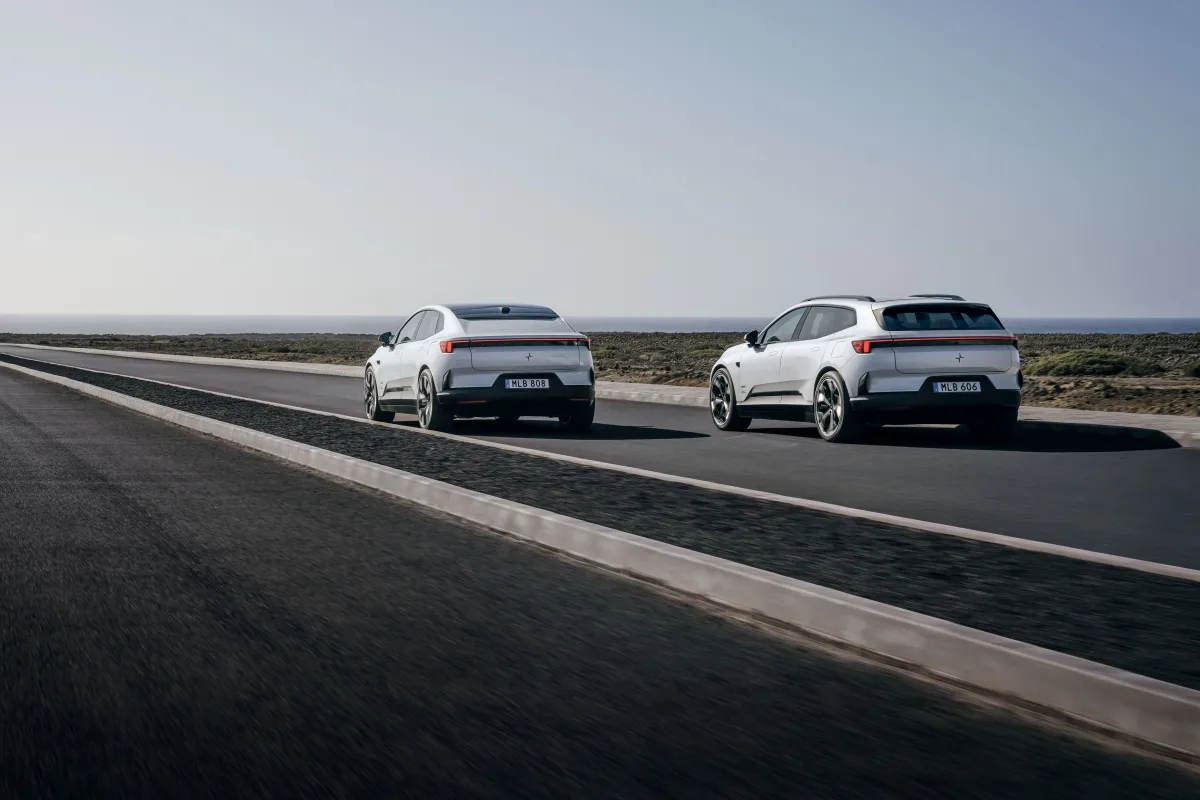

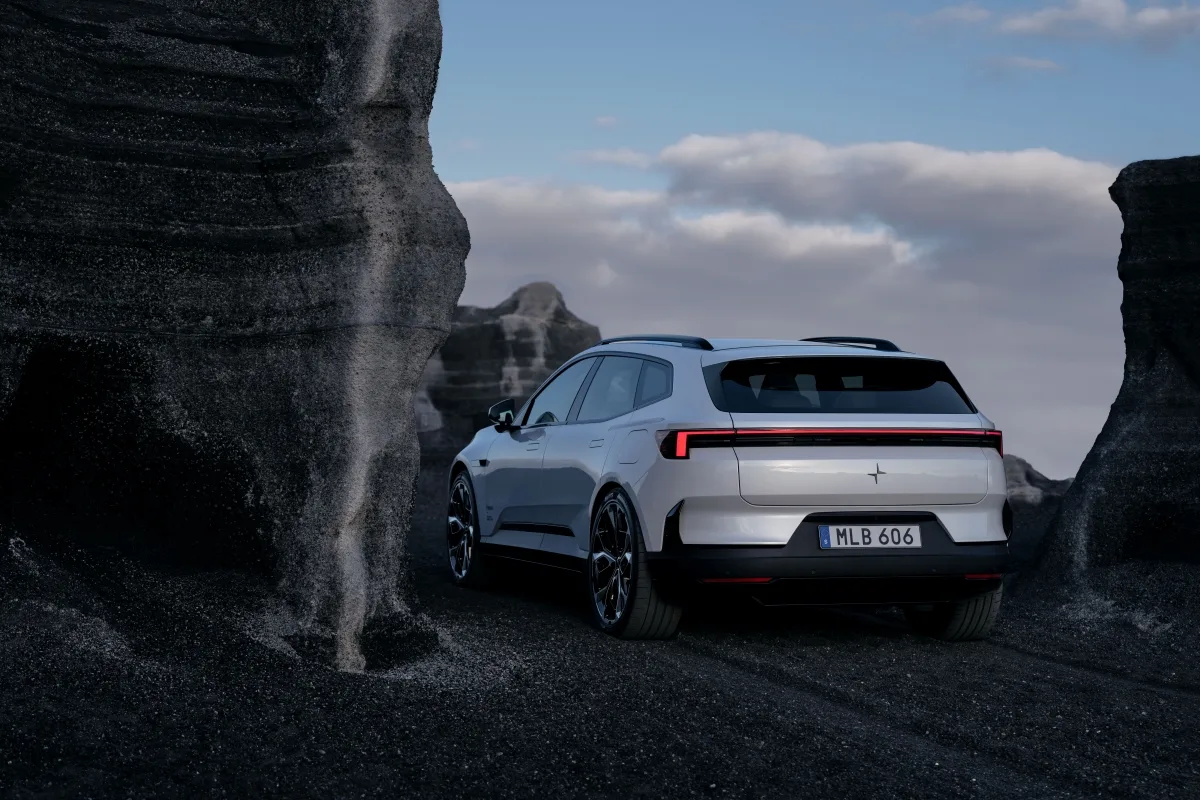
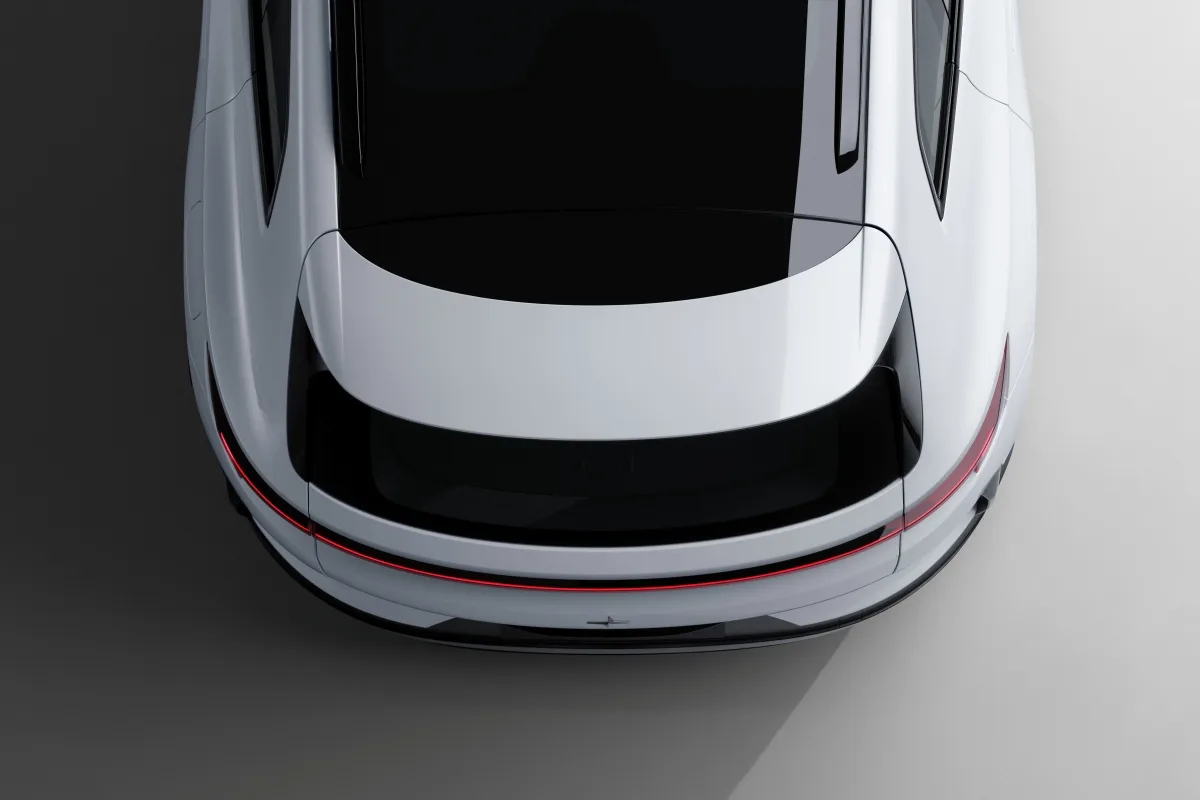
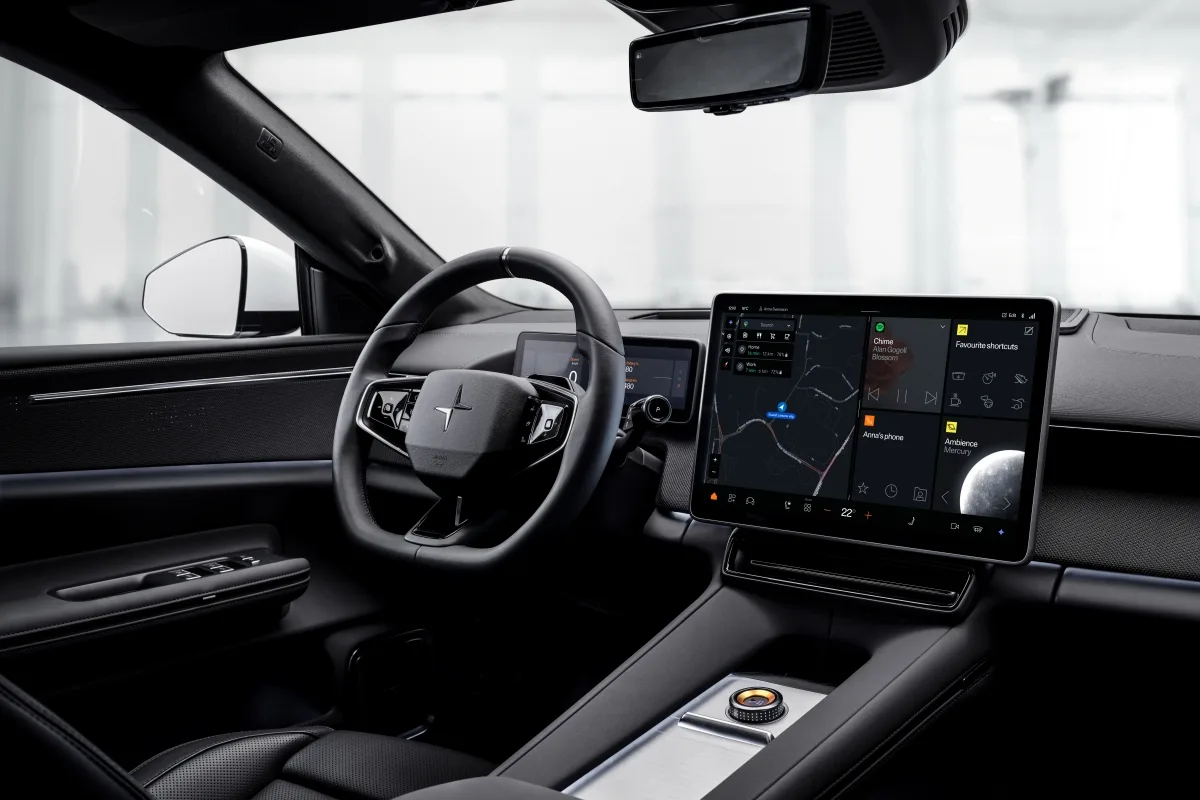


ABOVE: 2027 Polestar 4 SUV
#Polestar, #ElectricSUV, #CarNews, #EVNews, #TechUpdate
Better yet, revised damping and suspension tweaks kill off any residual floatiness over bumpy backroads. The ride is stable without losing that signature performance edge cut from Gothenburg’s finest.
The cabin is where the tech department gets the much-needed glow-up to chase away previous software gremlins, we hope.
Google Gemini steps in to replace clunky, rigid voice commands with conversational intelligence that handles trip planning, multi-turn dialogue, and complex queries without throwing a tanty. Home screen shortcuts jump from six to nine, meaning you can access more of your favourite climate and media controls without spelunking through endless menu dross.
Add in bi-directional Vehicle-to-Load to power your camping gear, and the new Camping mode that turns the parked cabin into a climate-controlled suite by the beach, and you have got a fully polished package.
Starting at $73,900 for rear-motor models, it proves that fixing past missteps and giving people real glass is the smartest move Polestar could have made. Extensive palette options like Aurora and Ozone Matte give buyers more visual flair to the sexy showboat. Sustainable materials like 3D-knit recycled textiles and Bridge of Weir Nappa leather ensure the cabin looks gorgeous without harming polar bears.
My personal favourite, the addition of the electrochromic glass roof lets you dim overhead glare instantly via the centre display. Yes, buttons are still dirty words.
The Performance pack brings out the heavy beathing with Brembo brakes, Swedish gold accents, and 22-inch wheels wrapped in sticky Pirelli rubber.
Additional engineering refinements to vehicle architecture are intended to remove some of that slightly foreign feeling drivers encountered on first glance. Integration of advanced thermal management systems protects battery longevity during extreme weather conditions while keeping the rapid DC charging speeds up to 200 kilowatts whenever you need a quick top-up. That’s still well behind Geely cousins, but a step in the right direction.
Designers spent ages on the cabin acoustics, sealing out wind noise and tyre roar so passengers can fully appreciate the optional Harman Kardon audio without kerfuffle.
Storage is cleverly sprinkled throughout the gallery-like cabin space, providing cheeky spots for smartphones, drinks, and your smaller travel detritus that clutters up centre consoles on road trips.
Exterior paint includes a multi-layer robotic paint job to guarantee deep, flawless finishes that resist stone chips. Safety equipment remains a fully listed menu of cutting-edge sensor suites, autonomous emergency braking architectures, and lane-keeping assistants. They’re meant to intervene smoothly rather than startling the driver into a shock jerk.
Dealership networks are already preparing, and Polestar has promised delivery logistics will run seamlessly from the factory in South Korea straight to local markets. Buyers can tinker with their configuration with (no doubt pricey) individual options, comfort upgrades, and tailored interior packs. It is all designed to elevate ownership satisfaction which has taken a bit of a beating in recent years.
This refresh shows a commendable willingness by executives to acknowledge past user interface bugs could simply not be allowed to go on. There are additional tech enhancements across the digital dashboard interface to promise faster responsiveness for every single application. That’s been a common complaint in the bug-ridden Android OS in current coupés. Driver assistance systems still monitor surrounding traffic conditions with microscopic precision, but the subtle haptic feedback, corrective steering, and quiet warnings, are both appropriate and unobtrusive.
Warranty, roadside assistance, and other after-sales packages provide more of a peace of mind for new owners. Hopefully those little niggles of the last few years have been ironed out.
Production lines at the South Korean facility operate under strict environmental guidelines that meet global standards for structural integrity, build quality, and long-term durability.
The current 4-door is one of our favourites despite its foibles, but the SUV takes on the vaguest hint of old-Ferrari-meets-new-Aston, but with better electrics. And, it is certainly better than that monstrosity Ferrari unleashed without proper warnings.
More Polestar Stories
- Polestar 4 Scores SMARTBEST 2026 Award for Clever Lane Guidance
- 2026 Polestar 4 Fixes all the Annoying Bugs
- 2026 Polestar 4 Performance Review
Above: 70mai A810 Lite Dashcam 4G review
#70maiA810Lite, #70mai, #DashCamReview, #Viofo, #GayCarBoys
Help Support Gay Car Boys Subscribe to our Youtube Channel by SMASHING THE BUTTON ABOVE
More Polestar Stories
- Polestar 4 Scores SMARTBEST 2026 Award for Clever Lane Guidance
- 2026 Polestar 4 Fixes all the Annoying Bugs
- 2026 Polestar 4 Performance Review
Help Support Gay Car Boys Subscribe to our Youtube Channel by SMASHING THE BUTTON ABOVE

Alan Zurvas is the founder and editor of Gay Car Boys, Australia's leading LGBTQI+ automotive publication. Before launching GCB in 2008, Alan's automotive writing was published in SameSame.com.au and the Star Observer. With over 16 years of hands-on car reviewing experience, Alan brings an honest, irreverent voice to every review — championing value and innovation over brand loyalty.
Leave a Reply