The PlayStation car is dead. Sony Honda Mobility has pulled the plug on the entire Afeela brand just weeks before the first sedans were supposed to roll into Californian driveways.
Sony thought making cars would be like making PlayStations. Honda thought a tech partnership would make them exciting again. Together, they spent $16 billion proving that arrogance is not a business strategy.
Sony Honda Mobility announced on 25 March 2026 that the Afeela brand is finished. The Afeela 1 sedan, the SUV that was supposed to follow, the entire vision of a “mobility tech company” — all of it, binned. The Torrance showroom opened on 16 March. Nine days later, there was nothing left to show.
Zero cars delivered. Zero customers served. Sixteen billion dollars evaporated into press releases and concept car renders.
The Customers Who Got Nothing
Somewhere in California, a few hundred people are checking their bank accounts for a $200 refund they never wanted. These are the reservation holders — the optimists who believed Sony and Honda when they promised a revolutionary sedan would arrive in mid-2026.
They waited years. They read the press releases. They watched the CES reveals. They put down deposits on an $89,900 car that was supposed to be weeks away from delivery. Then they got an email explaining that the car would not exist, the company had no viable path forward, and here is your money back, terribly sorry, best of luck with your next vehicle purchase.
There is no compensation for wasted anticipation. No apology adequate for being told the future has been cancelled.
Above: Geely Starray and Which Driveline Is Best for You
#SonyHonda #Afeela #Electric #EVNews #CarNews

Help Support Gay Car Boys Subscribe to our Youtube Channel by SMASHING THE BUTTON ABOVE


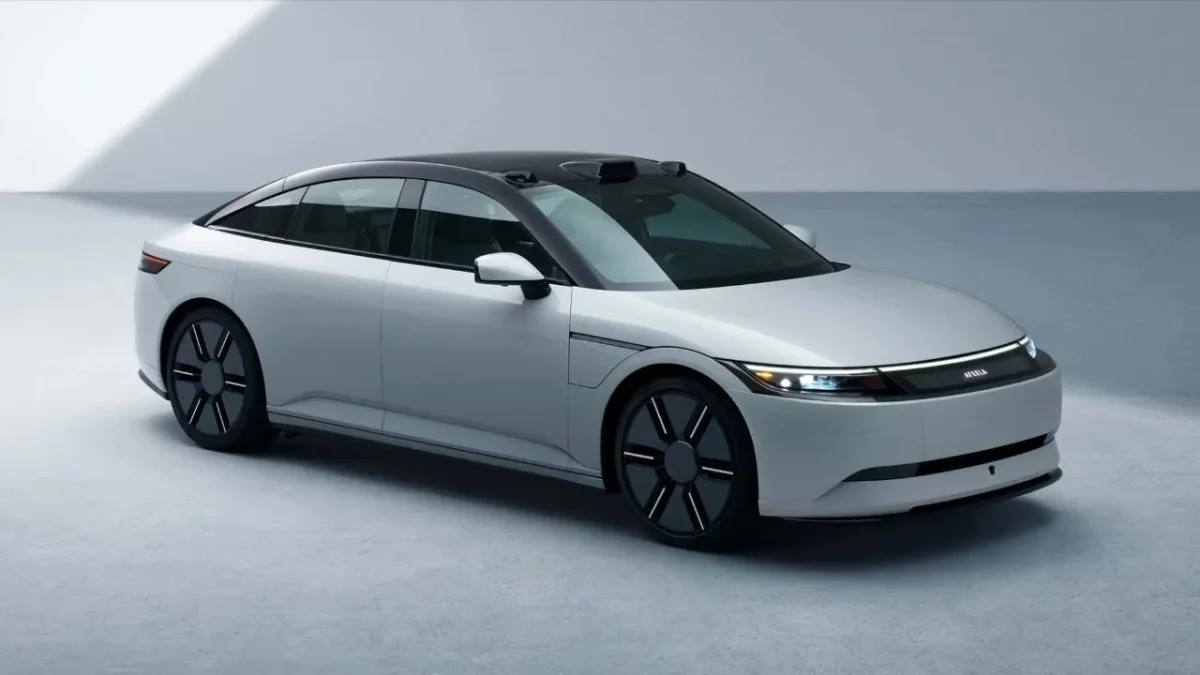

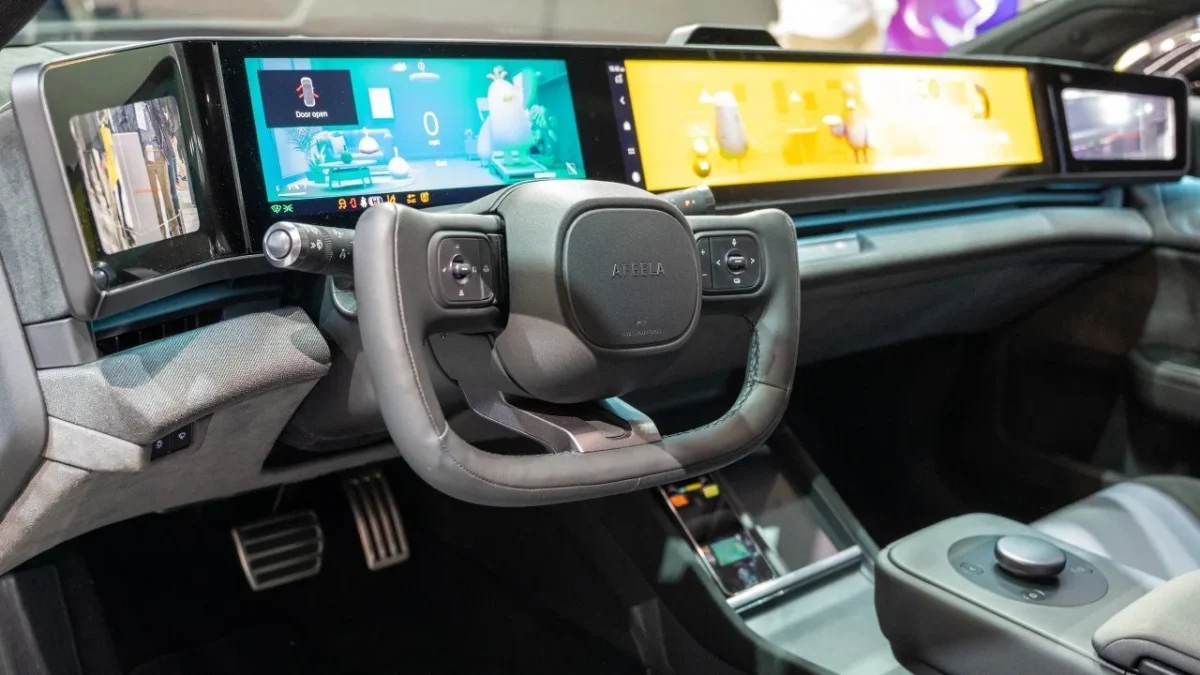

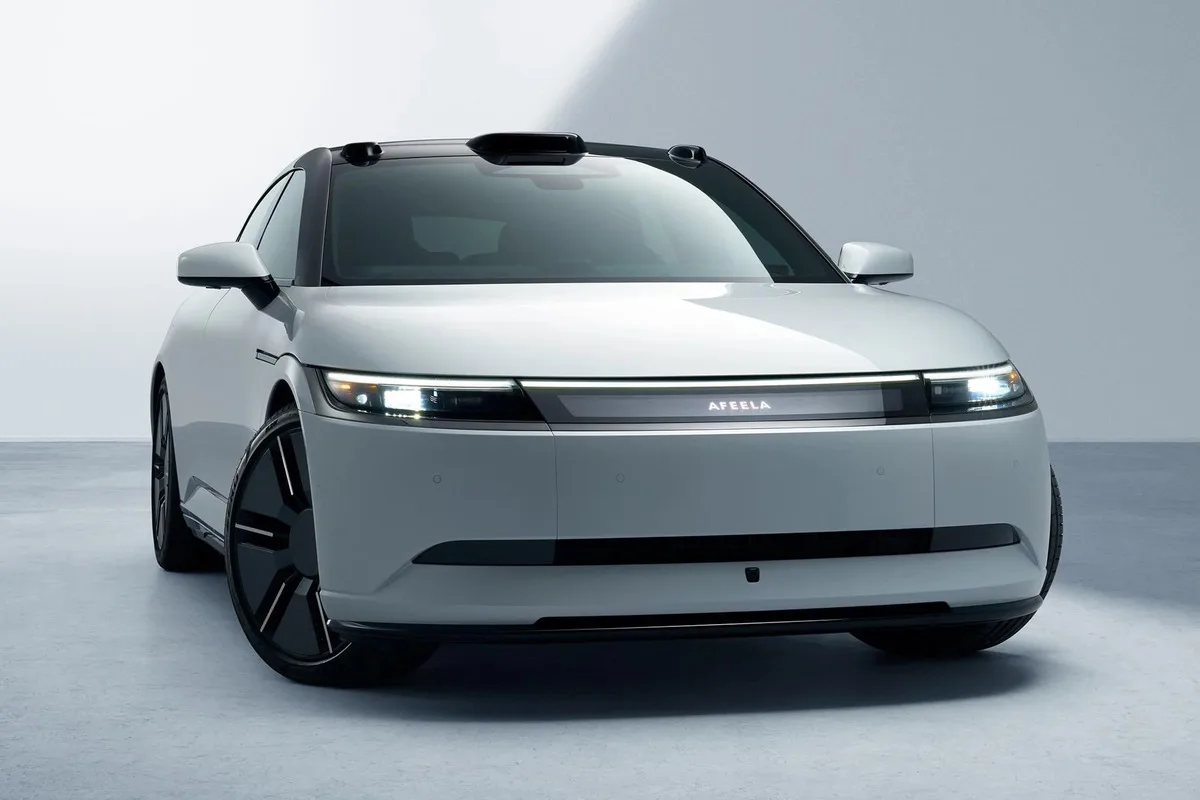
ABOVE: Sony Honda Afeela 1 exterior in white, side profile, front three-quarter view, cockpit with digital screens, interior dashboard GOING – GOING – GONE
The Employees Who Lasted Nine Days
The Afeela Studio and Delivery Hub in Torrance was supposed to be the start of something new. A gleaming showroom where Californians could experience the future of mobility. Someone had to staff it. Someone had to move to Torrance, sign a lease, tell their family they had landed a job at the intersection of Sony and Honda.
Nine days later, that job evaporated. The showroom that was supposed to launch a brand became a monument to corporate incompetence. The staff get redundancy packages. The building gets to become whatever failed retail spaces become — probably a vape shop or a discount mattress outlet.
Being made redundant is one thing. Being made redundant before you have finished learning where the toilets are is another entirely.
Meanwhile, In China
Xiaomi makes phones. They also make scooters, air purifiers, rice cookers, and now — rather successfully — electric cars. The SU7 sedan launched in March 2024 and sold 100,000 units in seven months. A company that started by ripping off iPhone designs is now outselling legacy automakers while charging half the price.
BYD was a battery company. Now they are the world’s largest EV manufacturer. Geely owns Volvo, Lotus, and half of everything else. NIO builds battery swap stations because waiting 30 minutes to charge is for peasants.
The Chinese figured out something Sony and Honda never did: you can learn to make cars. You cannot learn to be humble. While Honda spent years being Honda — competent, reliable, terminally boring — Chinese manufacturers were hiring engineers, building factories, and shipping actual vehicles to actual customers.
Sony thought a PlayStation pedigree would dazzle American buyers. Chinese companies thought customers might want cars that exist.
Guess who was right.
How To Burn $16 Billion
Honda’s EV strategy has been a slow-motion trainwreck for years. The company that built the NSX, dominated Formula 1, and made the S2000 now builds crossovers so forgettable they blur into the carpark background. When the 0 Series was announced — the electric future Honda promised would change everything — the industry yawned. When Honda cancelled it earlier this month, along with the Acura RSX crossover and everything else with a plug, nobody was surprised.
The Afeela was collateral damage. Honda pulled the rug out from under its own partnership because the accountants finally did the maths.
Sony, meanwhile, has been flirting with cars since 2020. The Vision-S 01 concept turned heads at CES. The Vision-S 02 followed. For four years, Sony paraded prototypes and talked about “redefining mobility” while actual car companies shipped actual vehicles.
The tech industry has a disease. It believes that software expertise translates into hardware success. Apple has been “building a car” for a decade with nothing to show for it. Google spun off Waymo, which burns through billions while robotaxis remain a novelty for San Francisco tech bros. Dyson spent half a billion on an EV before quietly killing it.
Sony looked at this graveyard of failed ambition and thought: we will be different.
They were not different. They were just more expensive.
The Statement Nobody Believes
Sony Honda Mobility says it will “continue discussions about future plans.” This is what companies say when they have no future plans but admitting it feels impolite. The joint venture technically still exists. Whether it produces anything beyond awkward shareholder meetings remains to be seen.
The smart money says Afeela joins Fisker, Lordstown, and every other EV startup that confused hype with product in the great automotive footnotes of the 2020s.
What This Proves
Making cars is brutally hard. It requires billions in capital, decades of manufacturing expertise, relationships with thousands of suppliers, and the ability to actually deliver a physical product to paying customers. Software cannot fix a broken supply chain. Brand recognition cannot replace engineering competence. Press releases are not vehicles.
Sony and Honda had every advantage — money, talent, brand equity, a genuine gap in the market for a tech-forward luxury EV. They had four years to get it right.
They built nothing. They sold nothing. They are nothing.
The Afeela will be remembered as the most expensive concept car in history. A $16 billion monument to corporate hubris that never carried a single passenger.
More Stories
- Soaring Fuel Prices Drive EV Interest Across Australia
- 2026 Polestar 2 Performance Review — Swedish Gold and Öhlins Dampers
Help Support Gay Car Boys Subscribe to our Youtube Channel

Alan Zurvas is the founder and editor of Gay Car Boys, Australia's leading LGBTQI+ automotive publication. Before launching GCB in 2008, Alan's automotive writing was published in SameSame.com.au and the Star Observer. With over 16 years of hands-on car reviewing experience, Alan brings an honest, irreverent voice to every review — championing value and innovation over brand loyalty.
Leave a Reply