The Polestar 2 Performance glides silently, a stealth weapon in a pussycat onesie. That locking sound. You know the one. The satisfying thunk of a proper Swedish bank vault sealing itself against cataclysm. It sets the tone for everything that follows.
Finished in black, our test car looked menacingly stunning. This is a proper driver’s EV, not a compliance car with a battery shoved under the floor. The Performance pack transforms a modest little Swedish execu-Hatch already as powerful as the final V8 Australian Commodores into something that would even out-perform the high-output V8 special edition Australian cars.
In many ways it is no wonder legacy brands touting ICE superiority are being quietly escorted from the room. This also goes for the tone-deaf Japanese brands still trying to flog hybrid as if they’re the second coming.
Above: Geely Starray and Which Driveline Is Best for You
#GeelyStarray #EV #Hybrid #PHEV #ElectricCars

Help Support Gay Car Boys Subscribe to our Youtube Channel by SMASHING THE BUTTON ABOVE


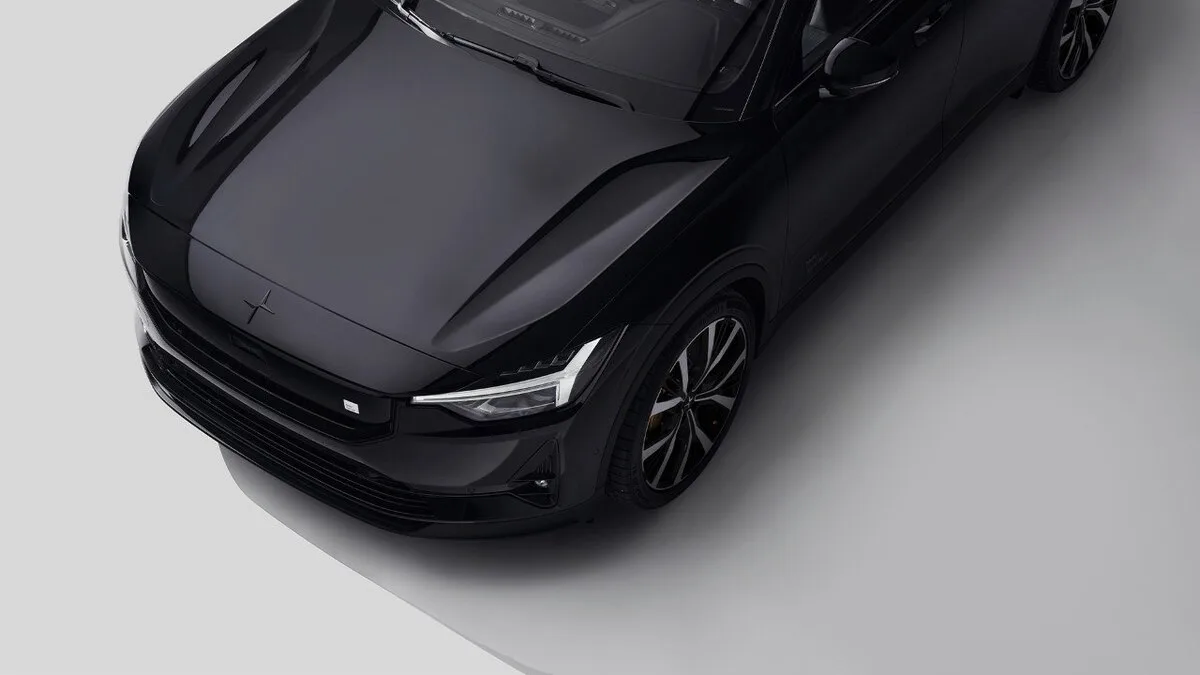
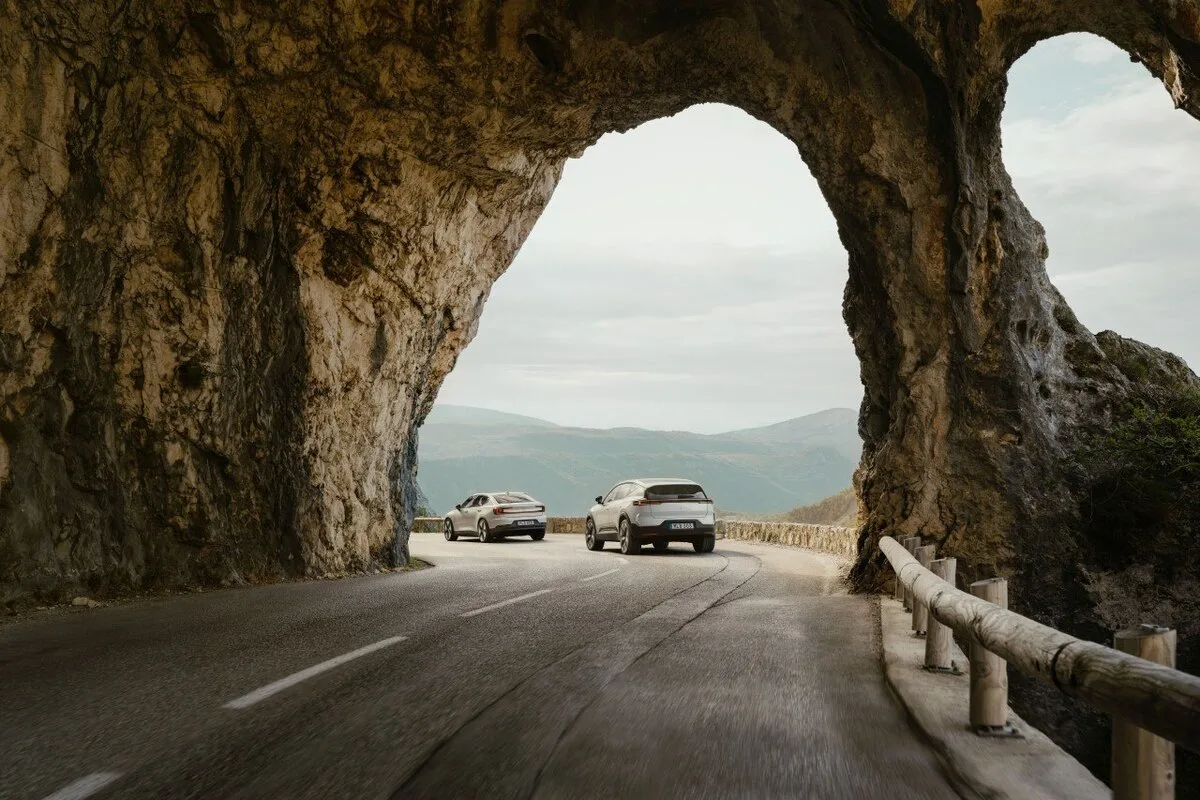
ABOVE: 2026 Polestar 2 Performance in black, exterior views and mountain driving
The Good Bits
That 350 kW. The Performance pack bumps the V8-like 310 kW to a super-charged V8-like 350 kW (476 hp) with 740 Nm of torque. The 0-100 km/h of 4.2 seconds pins you to the seat with a brutish violence that never gets old, no matter how many EVs you’ve driven.
Superb audio. Our car had the Harman Kardon Premium Sound system from the Plus pack — 600 glorious watts, 13 pristine speakers including an air-ventilated subwoofer. It fills the cabin with blissful Zen then thundering bass.
Stunning cabin. The interior is an elegant reminder that Scandinavian restraint is still about clean lines and quality materials. Those clean lines and quality materials leave nothing fighting for your attention. It’s bijou owing to its shared ICE underpinnings that are rooted firmly in the Jurassic era but Polestar didn’t let those restrictions turn this perky sports car into a grotesque land yacht. That intimacy works. You feel connected to the car rather than isolated from it. You put it on rather than plonk unceremoniously into the front pews.
Proper gear lever. In an era of buttons, dials, and inexplicable crystal orbs, Polestar has kept a physical gear selector with a backlit Polestar symbol. It clicks with satisfying precision. Yes there is a decent screen for other functions, but you don’t have to swipe at it like a demented woodpecker to change direction.
I’ll say it again, just because we’re all friends here – I really loathe dials and sliders especially when the direction of travel is at stake. It is something you can’t get wrong. Do you want to fling yourself down a flight of carpark fire escapes? Do you want to blast through a shopfront at warp 7? No!
Öhlins dampers with 22 settings. The Performance pack includes manually adjustable Dual Flow Valve dampers. Combined with the Polestar Engineered chassis and those Swedish gold Brembo brakes (375 mm front, four-piston), the handling is telepathic. Yes it is firm, but it harkens back to the halcyon days of Volvo’s Polestar’s S60 makeovers.
Smart steer assist. The (unmarked) arrow indicator for the lane-keeping assist looks odd at first, but the system works extremely well. Better than most, in fact. Once the cruise control is on, that righthand arrow brings the smart steering online. HOT TIP: you will not find it on purpose. I had to resort to a YouTube video because I’d forgotten where it was.
AC charging cable supplied. A 10A, 7-metre Mode 2 cable comes with the car. Halle-fricken-lujah. Not everyone does this anymore.
Wired CarPlay. Although a BIT last-decade, it works. No Bluetooth dropouts, no pairing drama. Just plug in and go. I’d rather wireless of course, but hey ho.
The Less Good Bits
Very firm ride. Those Öhlins dampers are adjustable across 22 settings, but even at their softest, this is not a plush cruiser. The Performance pack sacrifices some compliance for cornering ability. If you want comfort, look at the Long Range Dual Motor without the Performance bits, it is still going to give you plenty of code-brown fun.
Google sign-in is a faff. Getting Google Assistant and the native apps properly signed in and synced took longer than it should. Once done, it’s excellent. Getting there requires patience. This time we have not been able to finagle a way into full compliance. Normally we can sign in and control not only the car and navigation, but other Google connected services such as home automation.
Bum start button placement. Personal preference, perhaps, but the start position caught me out more than once. You can turn the car off by spelunking through menus, but the “on” function happens when the driver’s seat senses pressure. I find that stupid system irritating now I’ve overcome the novelty.
By The Numbers
| Powertrain | Long Range Dual Motor with Performance pack |
| Power | 350 kW / 476 hp |
| Torque | 740 Nm |
| 0-100 km/h | 4.2 seconds |
| Range (WLTP) | Up to 568 km |
| Battery | 82 kWh lithium-ion |
| DC charging | Up to 205 kW (10-80% in 28 min) |
| Brakes | Swedish gold Brembo 4-piston, 375×35 mm front |
| Suspension | Öhlins DFV manually adjustable (22 settings) |
| Wheels | 20-inch Performance forged alloy |
| Price | From $73,400 (before options) |
The Verdict
The Polestar 2 Performance is not trying to be everything to everyone.
It’s a driver’s EV with genuine sporting credentials, dressed in Swedish minimalism and finished with the sort of details — that locking sound, those gold seatbelts, those Öhlins dampers — that make you feel like you’re driving something properly engineered rather than merely assembled.
The ride is firm. The cabin is compact. The Google setup is annoying. None of that matters when you’re carving through corners with 350 kW and four-piston Brembos at your disposal.
This is what happens when Swedes decide to build a performance EV. They do it properly.
More Stories

Alan Zurvas is the founder and editor of Gay Car Boys, Australia's leading LGBTQI+ automotive publication. Before launching GCB in 2008, Alan's automotive writing was published in SameSame.com.au and the Star Observer. With over 16 years of hands-on car reviewing experience, Alan brings an honest, irreverent voice to every review — championing value and innovation over brand loyalty.
Leave a Reply