
From the launch of the Beetle through the Bus, the 411 and other models, Volkswagen built all of its cars around air-cooled engines mounted at the rear. Then came the K70.
More VW Stories
- DON’T Drive YOUR CAR until you’ve Checked if your AIRBAG will KILL YOU
- VW Golf R Performance Special edition: A Benign Weapon
- 2018 Volkswagen Golf R Wagon Review
- 2018 VW Golf GTI Original MK 7.5 video car review
- 2018 VW GTi Golf MK Vii road test Video Review
- 2018 Volkswagen Golf GTI Original Launch Review
- 2018 VW GTi Golf MK Vii road test Video Review
This approach had tremendous benefits, but it was clear by 1970 that the future would require a different approach – and in October of that year, Volkswagen USA unveiled the model that set the tone for decades to come.
Above: This Week’s VIDEO Car Review -2020 Peugeot 2008 is Dead Sexy

Help Support Gay Car Boys Subscribe to our Youtube Channel
- Top GayCarBoys Stories:

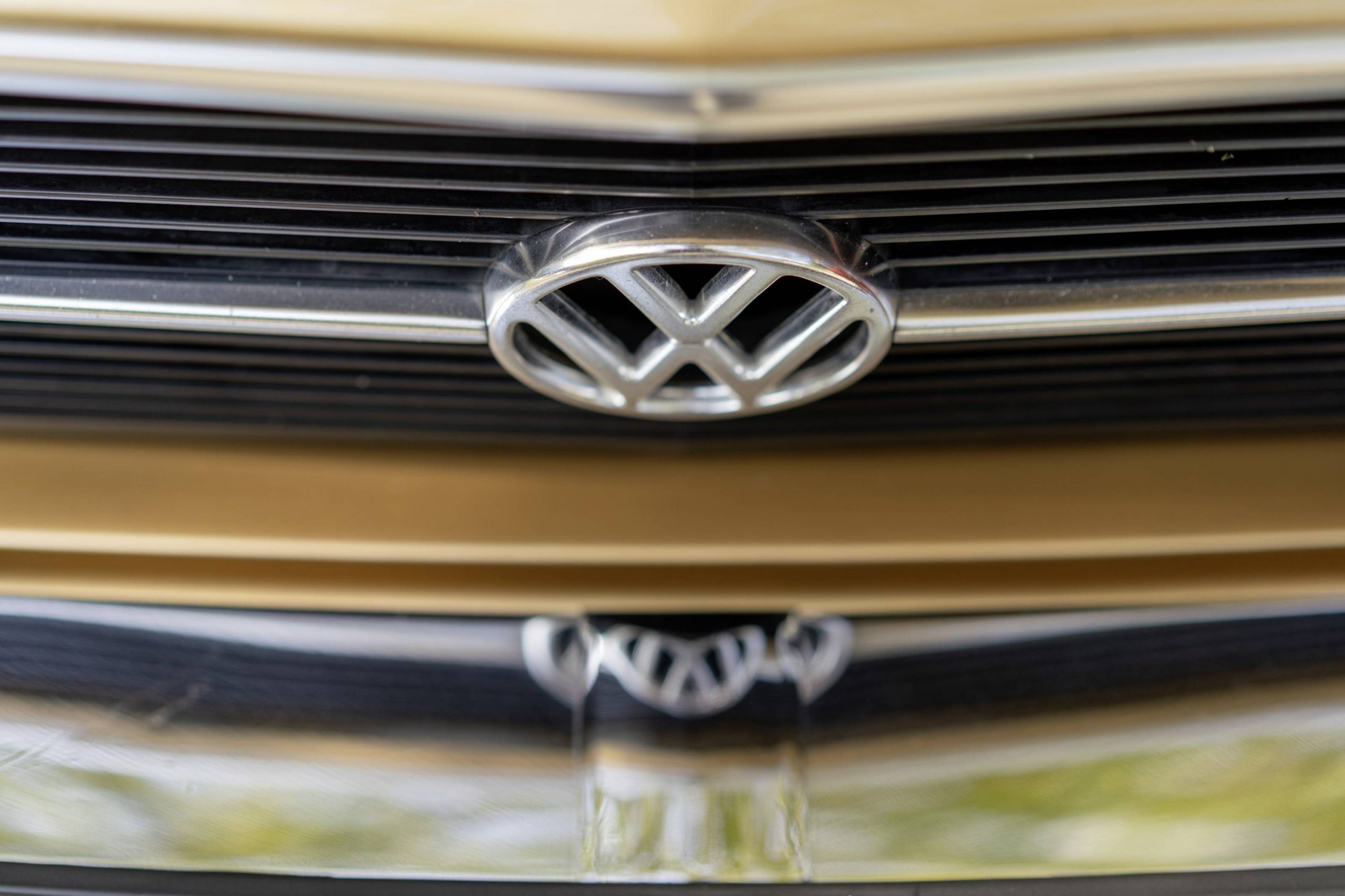

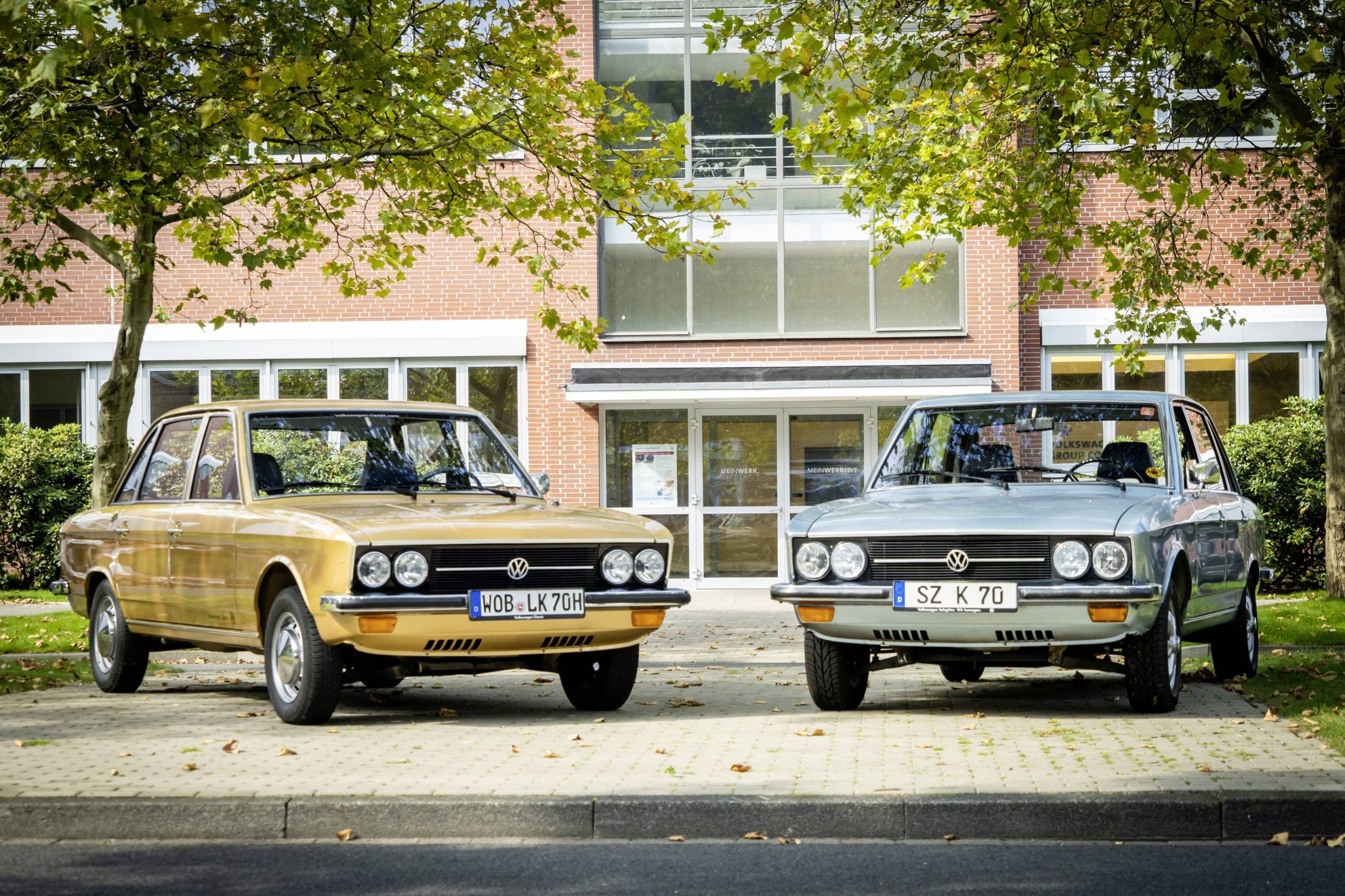
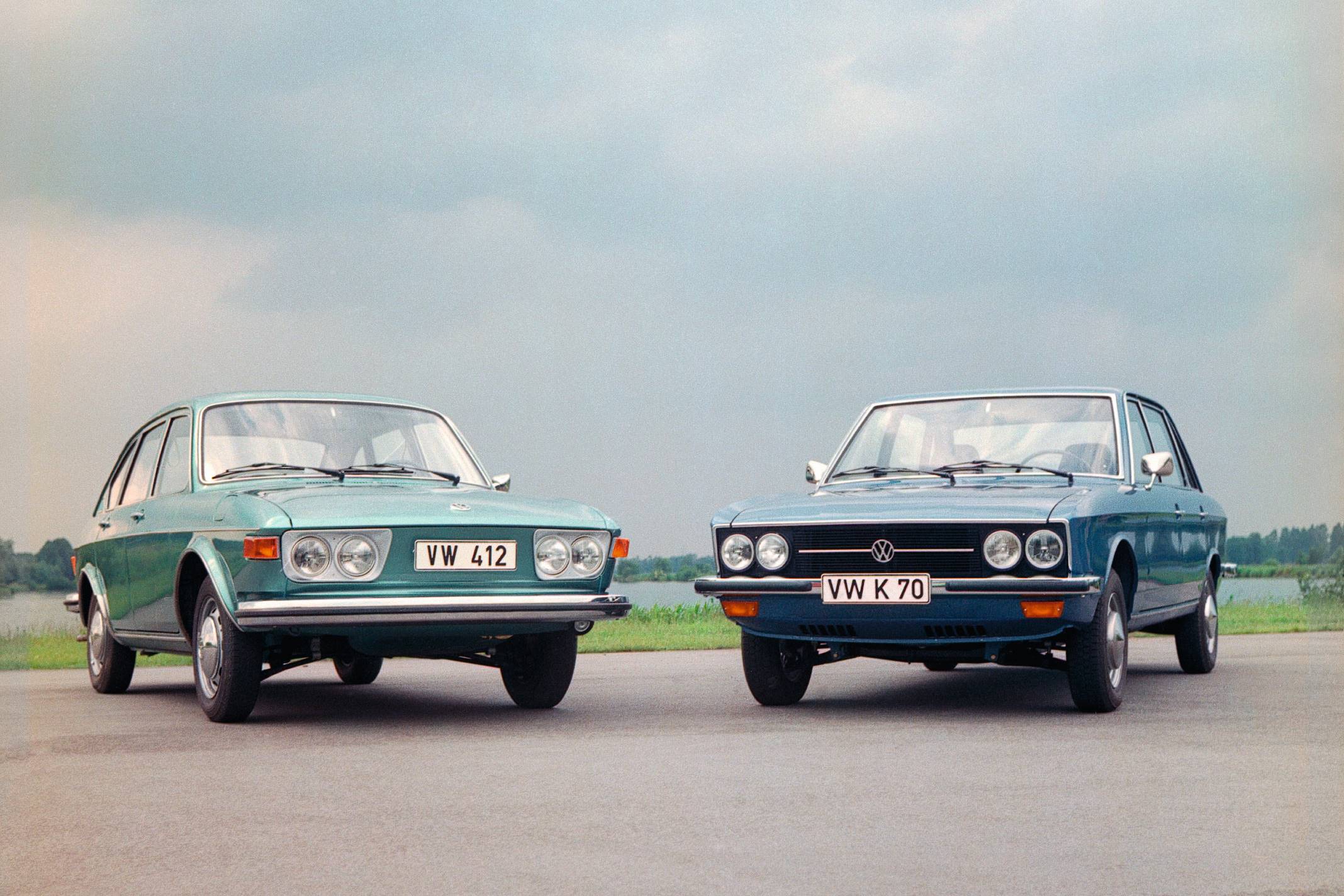
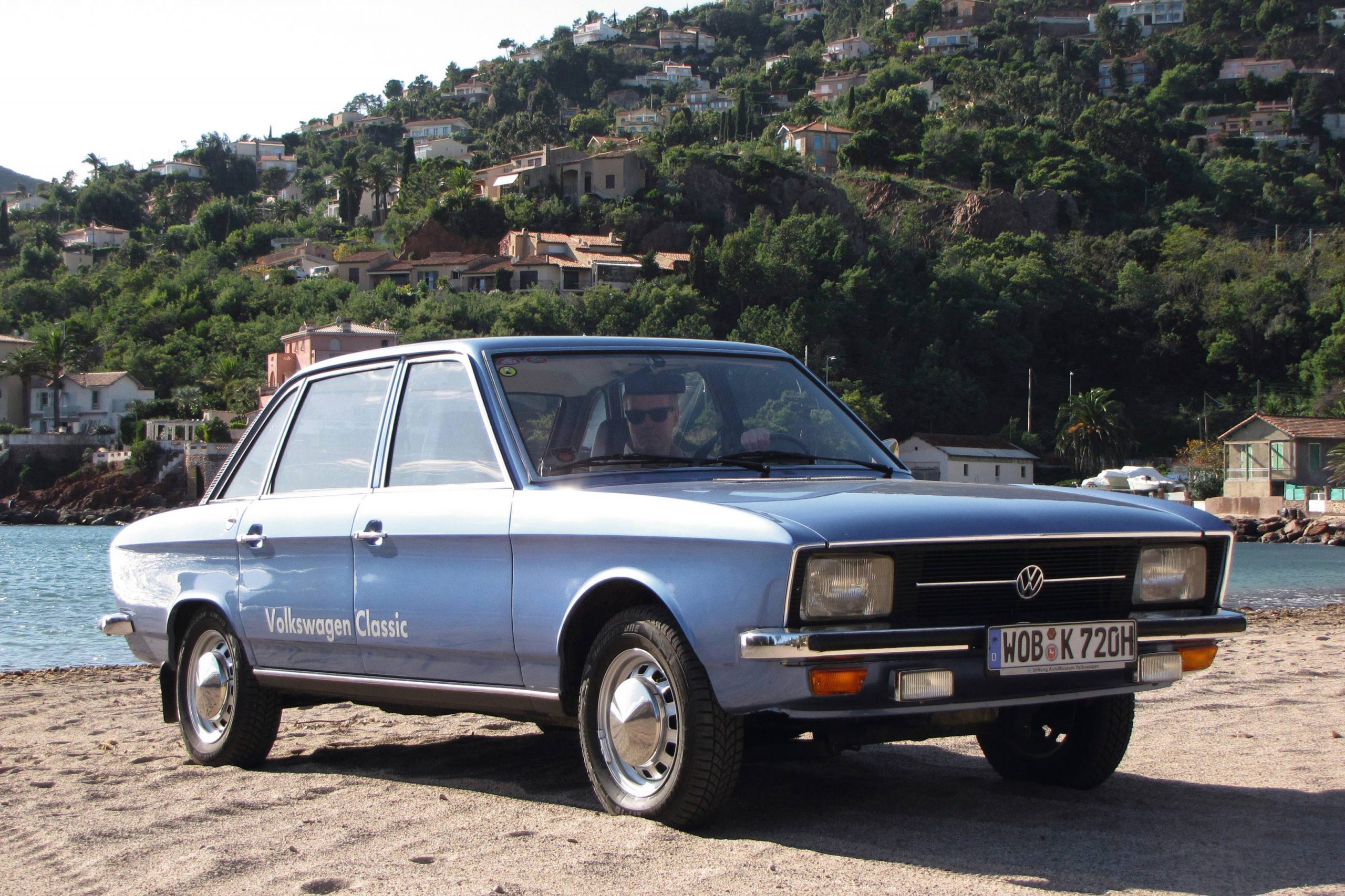
ABOVE: 1970 Volkswagen K70 Notchbatck
While not imported to the United States, the Volkswagen K70 notchback sedan marked a dramatic change in the company’s direction. Developed by NSU, a small German automaker that Volkswagen had bought in 1969, the K70 featured a clean, classic design with a water-cooled four-cylinder engine powering the front wheels.
At the time, NSU and other automakers had been experimenting with other engine types and layouts, including rotary, Wankel-style engines that might offer the best combination of power and efficiency. In the K70, the result was a smaller sedan that offered ample interior and cargo space for its time, along with a well-tuned independent suspension. The 1.8-liter engine’s 70-hp output was adequate for its era, but less than sporty.
One of the main emphases of the K70 was on active and passive safety. Features such as a reinforced passenger compartment, crumple zones at front and rear, a fuel tank at the rear in the protected area and preparation for safety belts on all seats as a standard feature set new standards.
Built in a new factory in Salzgitter, the K70 was announced as “a new Volkswagen, different to all the others made to date.” Although it was groundbreaking, the K70 wasn’t a huge seller, but it laid the groundwork for Volkswagen to develop the Golf and Passat. And 50 years later, its design has aged gracefully into a true classic for collectors worldwide.
Discover more from Gay Car Boys
Subscribe to get the latest posts sent to your email.








Leave a Reply