
Buyers and critics have been vocal in their concern around EV batteries, and their damage to the environment. Volkswagen has opened the Group’s very first electric vehicle recycling plant in Salzgitter.
Other GayCarBoys EV Stories:
- We drive 2019 Jaguar I-Pace SE EV400 Electric car
- 2019 Jaguar I-Pace SE EV400 Driven and rated in GALSTON GORGE Australia Video Review
- Nissan LEAF 2019: All New EV Powers Your Home VIDEO REVIEW
- Hyundai’s 2019 Electric Ioniq: The cheapest EV In Australia?
- New Nissan Leaf Could Power Your Home for a Week
- Tesla Model 3 Colors and Price
- Tesla Model 3 Full Review Inside, outisde, and Roadtest
- Mini Cooper SE electric
- Karma Starts E-Flex Prototype Testing
- Is Karma Automotive’s New E-Flex Platform a Game Changer
VW is committed to a sustainable, end-to-end, plan from birth to death of the battery. Valuable resources such as lithium, nickel, manganese and cobalt can be recovered and used for new batteries. The remainder of the car has aluminium, copper and plastics, which can be recycled mean that 90% of a vehicle can be taken back and used again.
Above: This Week’s VIDEO Car Review -2021 Mazda BT50 GT

Help Support Gay Car Boys Subscribe to our Youtube Channel
- Top GayCarBoys Stories:
- Sexy Men Drive 2021 Toyota Yaris Cross
- 10 Sexiest MotoGP Motorcycle Riders
- DON’T Drive YOUR CAR until you’ve Checked if your AIRBAG will KILL YOU
- 10 Hottest Racing Drivers
- Top 10 Gay Lesbian LGBT Cars
- Top 10 Gay Lesbian LGBT Sports Cars
- Top 15 gay and lesbian LGBT SUVs
- Talented Twinks – Callum Ilott Virtually Races Arthur Leclerc

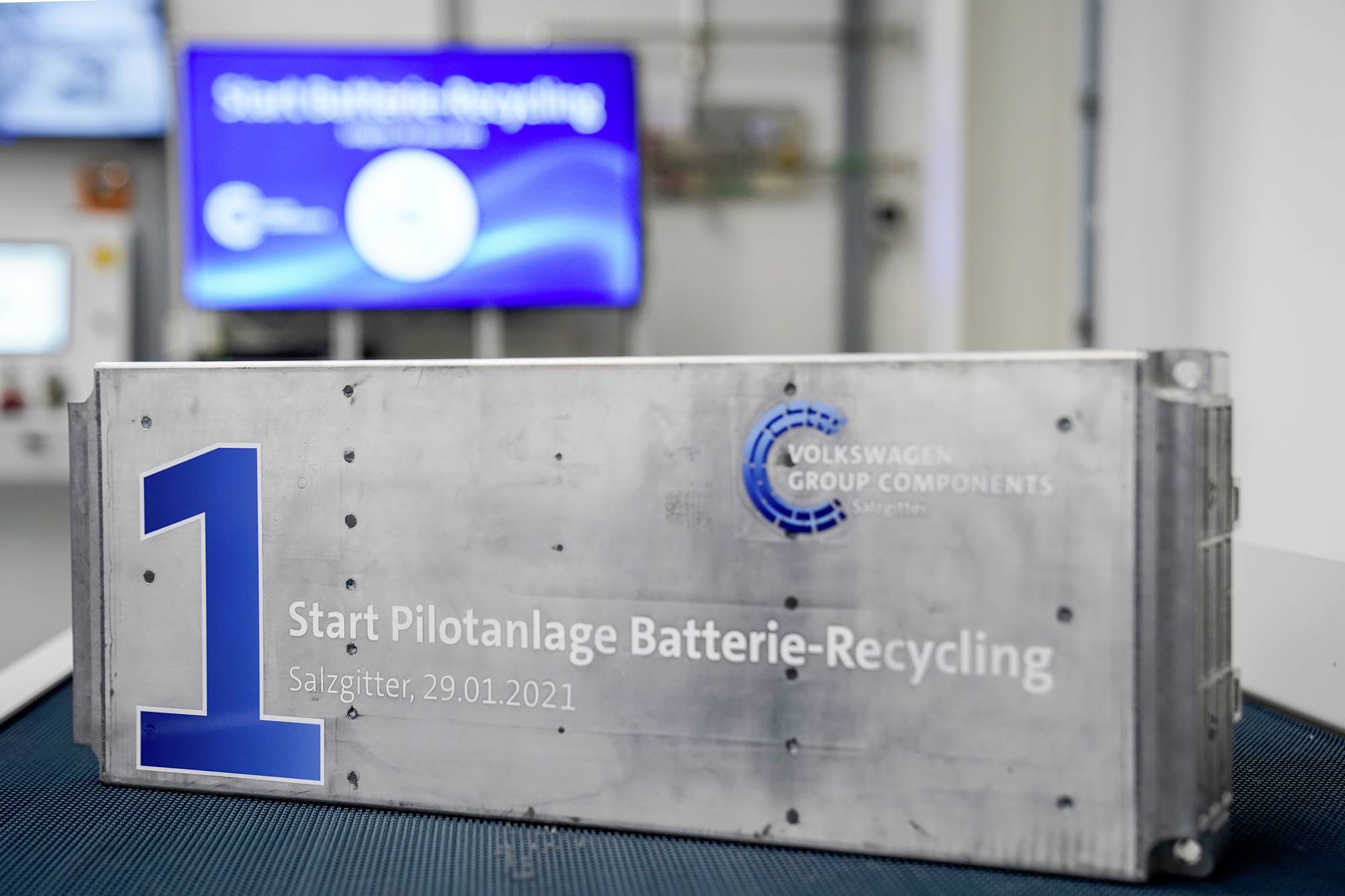

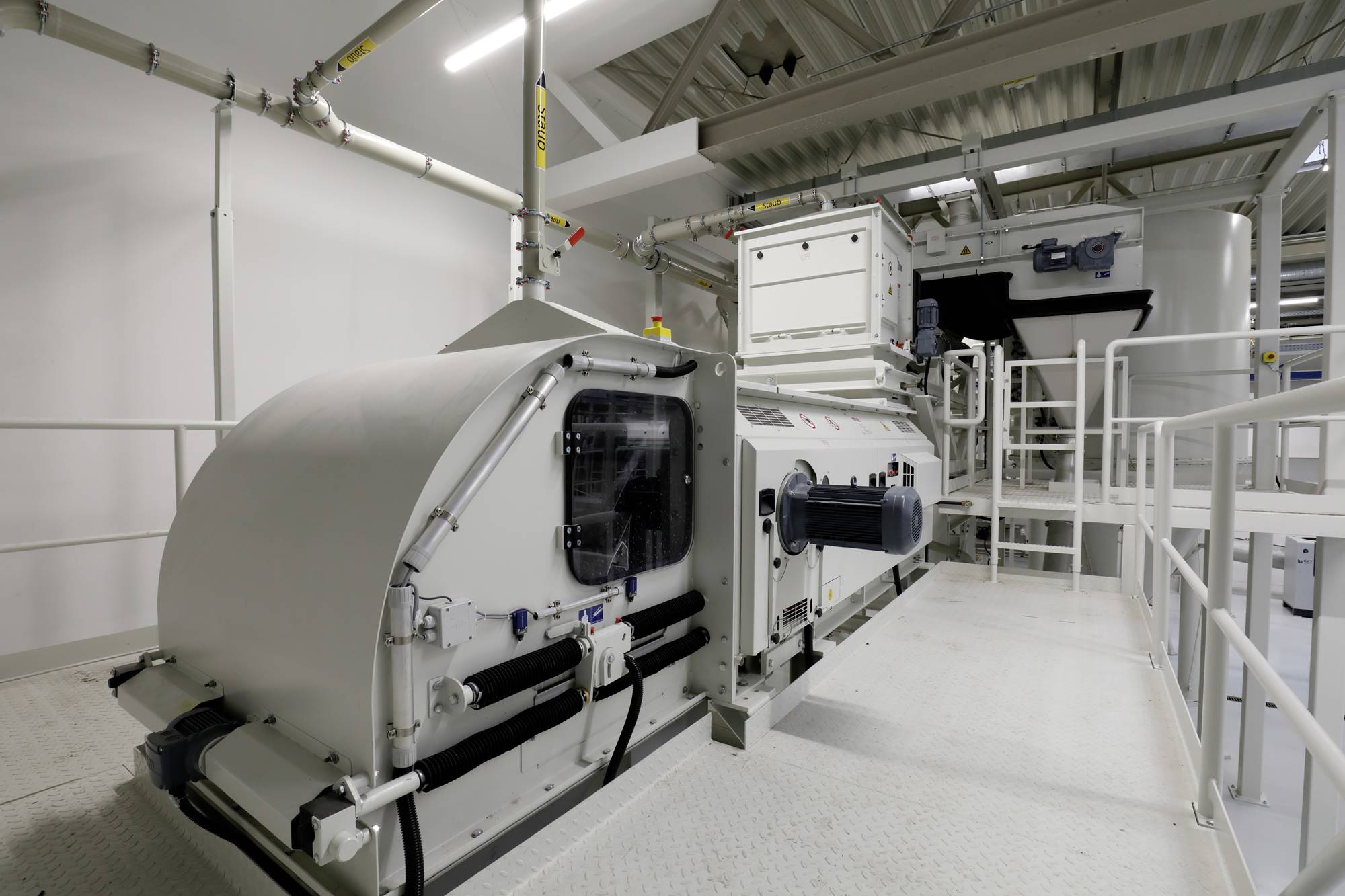
ABOVE: VW Salzgitter EV Battery Recycling Plant
The difference with the Salzgitter plant is that batteries it recycles can’t be used in other ways. For example, old batteries can be used for home power storage, flexible rapid charging station, or the newly developed mobile charging robot. Larger volumes of battery returns are not expected until the late 2020s at the earliest. VW is not expecting battery returns to increase in any great volume until the end of the 2020’s.
Meanwhile, Salzgitter will take and recycle up to 3,600 battery systems, around 1,600 tons, for the test phase. It will then be ramped up as the need arises.
“Volkswagen Group Components has achieved a further step in its sustainable end-to-end responsibility for the battery as a key component of electric mobility,” said Thomas Schmall, Member of the Board of Management of Volkswagen AG, Technical Division, and Chairman of the Board of Management of Volkswagen Group Components. “We are implementing the sustainable recyclable materials cycle—and play a pioneering role in the industry for a future-oriented issue with great potential for climate protection and raw material supply.”
The VW process does not energy-guzzling blast furnaces. Instead, used battery are collected, completely discharged, then dismantled. Part are then smashed, shredder and dried. As well as aluminum, copper and plastic, the VW process creates a “black powder”, which lithium, nickel, manganese, cobalt, and graphite to create brand new batteries. A hydrometallurgical processes using water and chemical agents, is used to separate individual elements. This process is done by specialized partners.
“As a consequence, essential components of old battery cells can be used to produce new cathode material,” explains Mark Möller, Head of the Business Unit Technical Development & E-Mobility. “From research, we know that recycled battery raw materials are just as efficient as new ones. In the future, we intend to support our battery cell production with the material we recover. Given that the demand for batteries and the corresponding raw materials will increase drastically, we can put every gram of recycled material to good use.”
Discover more from Gay Car Boys
Subscribe to get the latest posts sent to your email.










Leave a Reply