Automotive security has entered the twilight zone where powertrain choice dictates the level of miscreant interest. Recent data released by the Highway Loss Data Institute (HLDI) tells us that fully electric vehicles sit right at the very bottom of national theft rankings. Dinosaur burners, including high-performance petrol cars, remain prime targets for organised syndicates and joyriding chavs alike, yet modern battery-electric vehicles are all but ignored.
International findings from such exalted organisations as the French Ministry of the Interior and the Roole Observatory corroborate this unsurprising trend on a global scale.
Insurance Data Confirms Near-Zero Claim Frequencies
Comprehensive industry data highlights a stunning statistical chasm between legacy powertrains and the much-debated EVs. Studies tracking whole-vehicle theft claims per thousand insured vehicles showed that popular electric model claim rates are a mere fraction of the national average. Insurance companies reveal that high-volume electric models like the Tesla Model 3 and Model Y occupy the top spots for security. Their claim frequencies up to 90% lower than the average for all passenger vehicles.
Perversely, specialised internal combustion sports cars and older utility vehicles have extraordinarily high theft frequencies, skewing national averages and creating a stark contrast for underwriters.
It should also tell buyers a thing or two about what to pick when next they have to replace an old banger.
If you want a real laugh, take a look at this. For model years 2022 to 2024, data from the HLDI illustrates that some high-performance petrol muscle cars were forty times more likely to have a whole-vehicle theft claim than the all-passenger-vehicle average. Popular battery-electric model claims hover at just 1% of that same baseline. Thieves looking for an easy mark pass right by charging ports and skip straight to those good old “reliable” legacy ignition systems.
Above: The 2027 Volvo EX30 ER Ultra is NOW Superb and Bug Free
VolvoEX30, #ElectricVehicle, #CarReview, #SydneyMotoring, #EV

Help Support Gay Car Boys Subscribe to our Youtube Channel by SMASHING THE BUTTON ABOVE


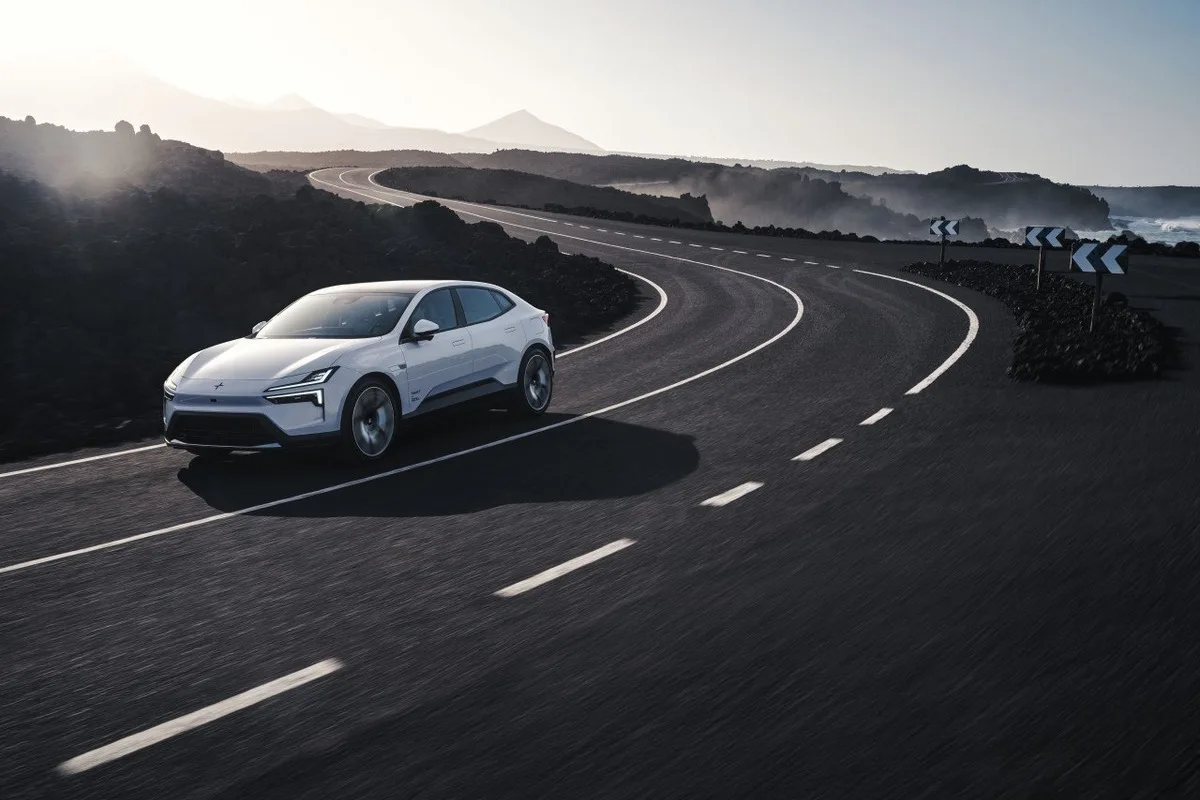
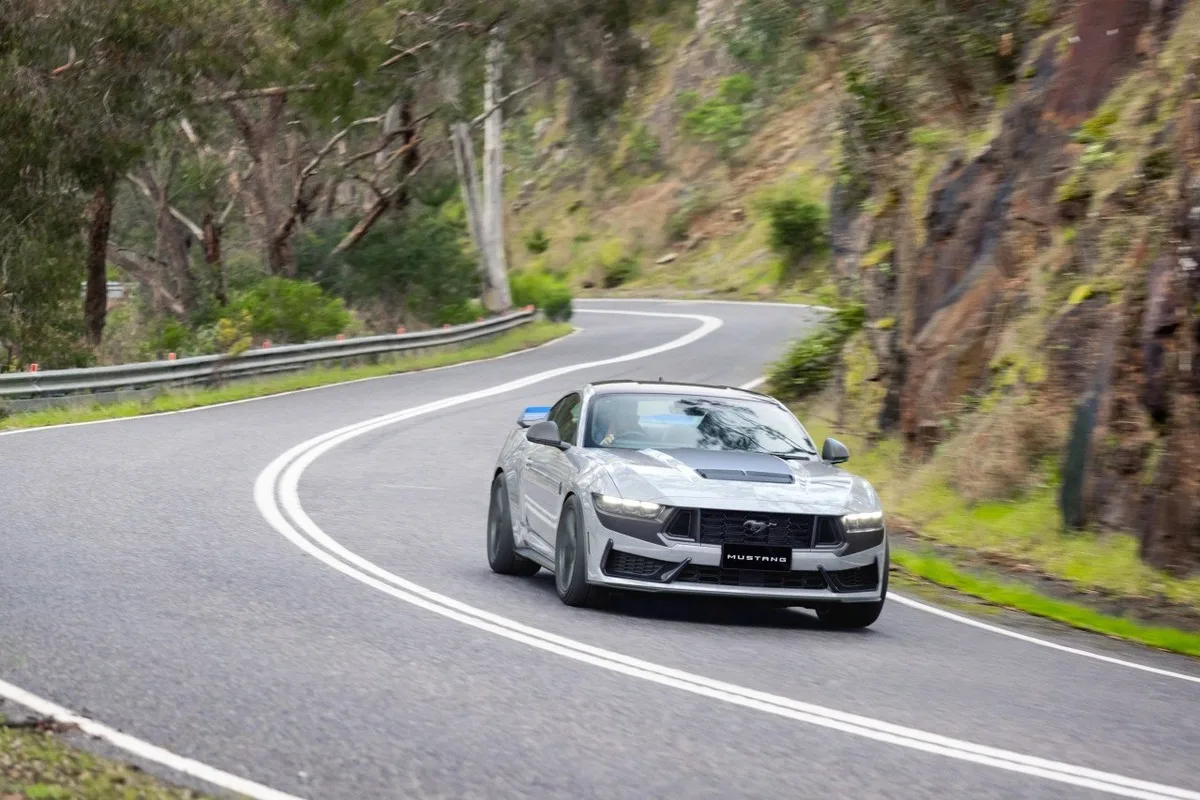
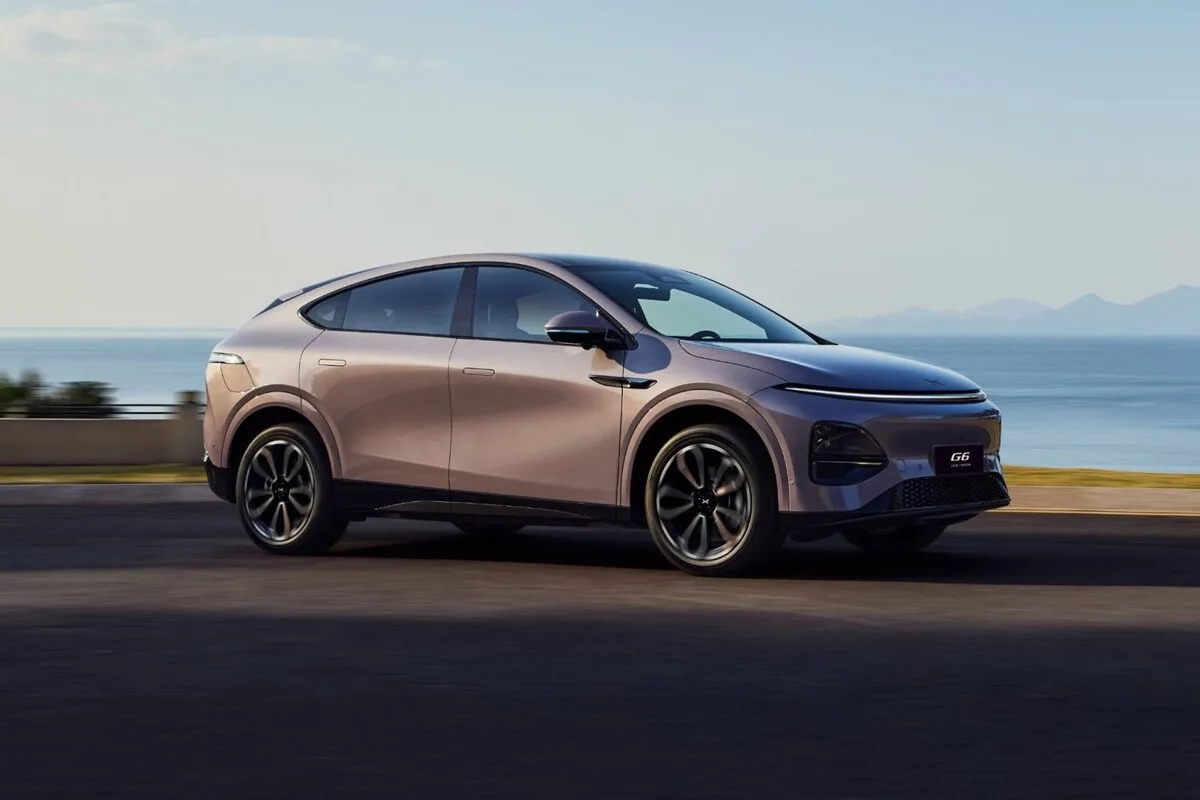

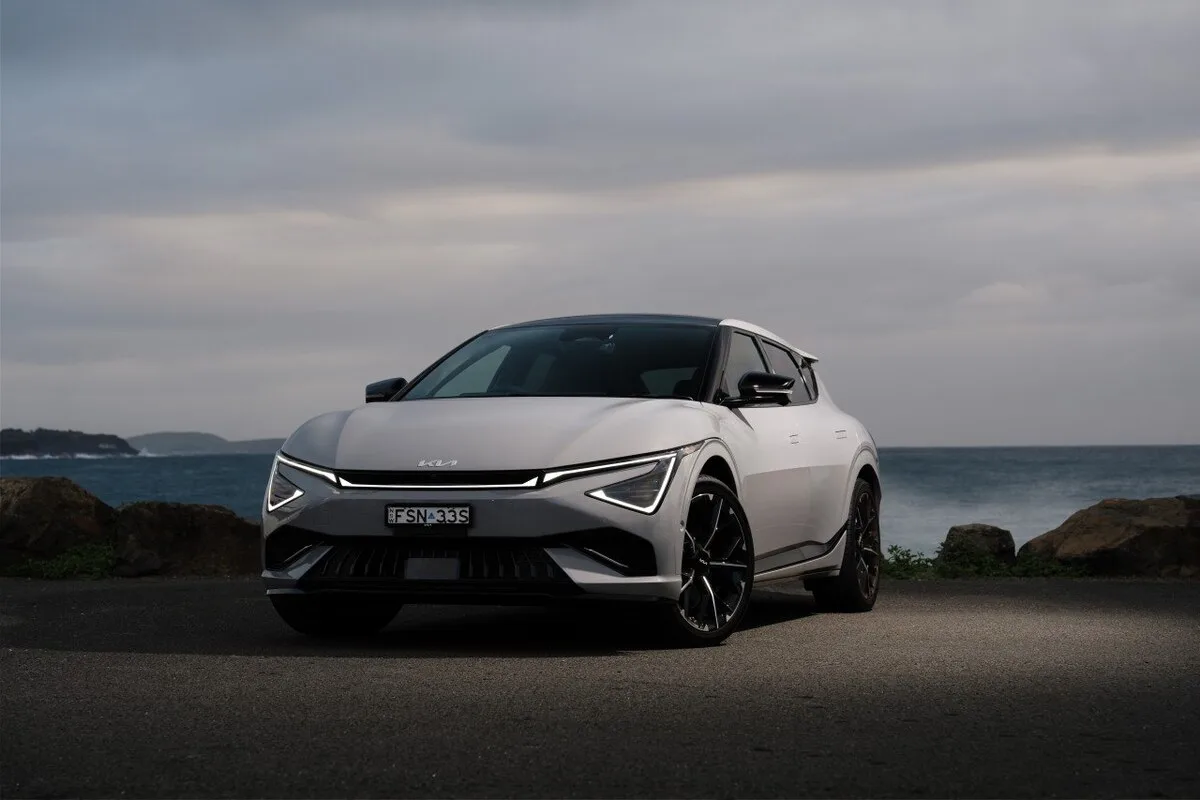


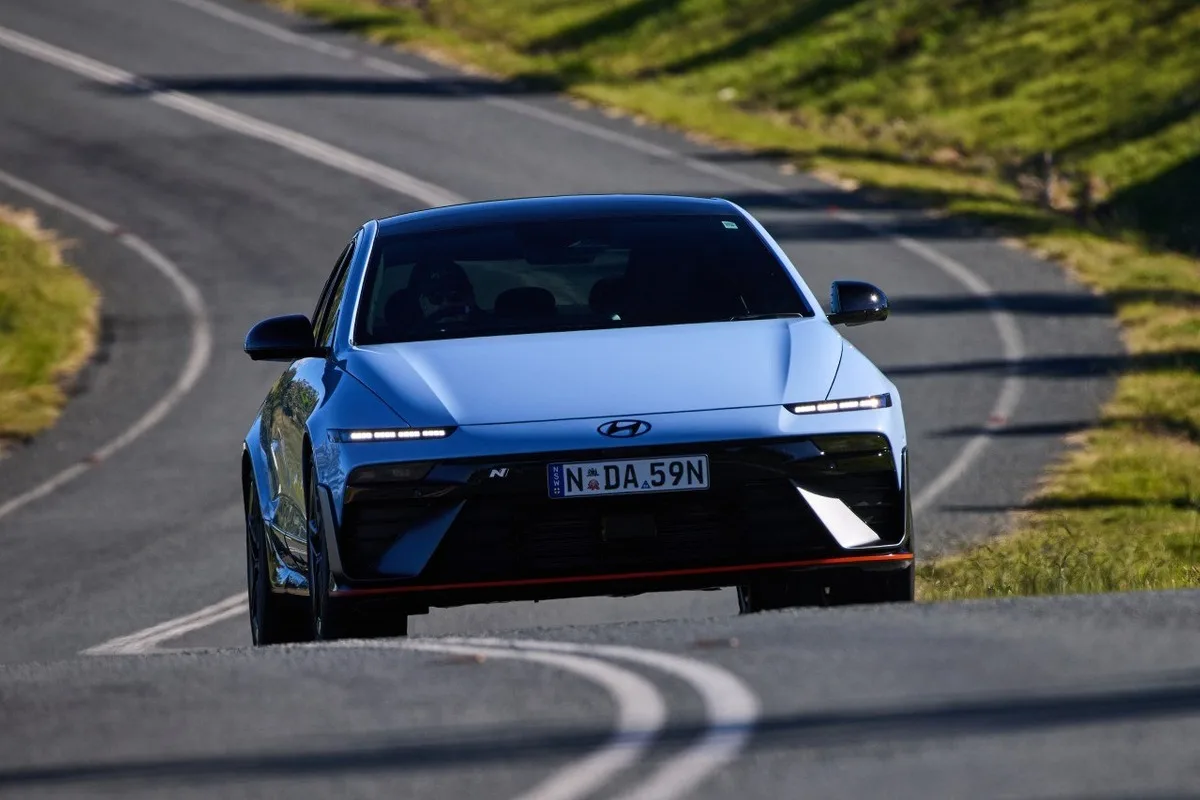
ABOVE: EVs and petrol cars, which will get nicked?
Permanent Connectivity and Real-Time Tracking
One of the primary digital deterrents keeping pesky thieves away from electric vehicles is the constant, unyielding cellular tether linking them to manufacturer servers and owner apps. Unlike older mechanical clunkers that can be hotwired or stripped of vital ignition components without leaving a trace, modern electric cars broadcast their precise global positioning data to all and sundry. We may have been complaining about it, but like stealing the car and leaving your licence behind. Proprietary software allows owners to locate position at the stab of a screen, kill vehicle systems remotely, or turn on the built-in surveillance modes to record continuous high-resolution surround-video both inside and out.
This high-visibility digital footprint turns a stolen electric car into an immediate liability for chavs on their boys-will-be-boys joyride. Making things even stickier for malcontents, many electric cars have secondary verification hurdles, such as PIN-to-drive codes or fingerprint verification. Even if an opportunistic offender spoofs a key fob signal, the vehicle stays put without the correct digital prompts.
The Logistics of the Heavy Battery Problem
Then there is the way a battery-electric vehicle is made. It creates fairly dire logistical hurdles that deter chop-shop operators and street-level thieves. As we all know, high-voltage battery packs make up a large part of a vehicle’s overall worth, but weighing several hundred kilos and carrying the risk of death by electrocution, they can’t exactly be nicked quickly or quietly in a dark and foggy suburban street. Criminal networks looking for fast teardowns find that dismantling an electric vehicle powertrain requires specialised workshop infrastructure, insulated heavy-duty lifting gear, and familiar high-voltage safety protocols that are impossible during a rushed heist.
Then the lack of high-value, easy to sell mechanical targets underneath petrol cars removes another major incentive. For instance, hybrid and internal combustion cars face harvesting due to easily removed precious metals inside exhaust catalytic converters. Pure electric vehicles have no exhaust parts, making them useless for quick scrap-metal merchants.
Unfriendly Resale Markets for Specialised Components
The secret black market for stolen car parts relies on interchangeable parts from mass-market (ICE) internal combustion models. Electric motors, specialised power inverters, and proprietary onboard computers are coded, digitally fingerprinted, and tightly umbilicaled to individual manufacturer identification numbers. Because the secondary market for chop chop electric components is as good as non-existent because of its software pairing, professional thieves see very little profit margin in targeting most battery-electric cars compared to the dinosaur burners.
Then there is the international export ring component. It faces an identical roadblock where stolen internal combustion vehicles can be shipped overseas to 3rd world destinations where regulatory oversight is slack and mechanical repair infrastructure is less selective. Those dodgy destination markets don’t have even the most basic of charging grids, and certainly no diagnostic software support. An exported electric car can’t be powered, repaired, or resold locally, so the anti-social criminal supply chain breaks down completely the moment an electric badge is suggested.
External Research Sources
Highway Loss Data Institute (HLDI) Whole Vehicle Theft Losses Reports.
Insurance Institute for Highway Safety (IIHS) EV Loss Bulletins.
Crime Statistics Agency Victoria Vehicle Theft Data.
More Electric Stories
- Subaru Forester Hybrid Continues Australia’s Petrol Era Fade
- Range Rover Sport Electric is a Scrappy Brawler at Goodwood
- The 2027 Volvo EX30 ER Ultra is NOW Superb and Bug Free
Help Support Gay Car Boys Subscribe to our Youtube Channel by SMASHING THE BUTTON ABOVE

Alan Zurvas is the founder and editor of Gay Car Boys, Australia's leading LGBTQI+ automotive publication. Before launching GCB in 2008, Alan's automotive writing was published in SameSame.com.au and the Star Observer. With over 16 years of hands-on car reviewing experience, Alan brings an honest, irreverent voice to every review — championing value and innovation over brand loyalty.
Leave a Reply