For years, the argument from vested interests was that Australians weren’t ready for electric cars. Range anxiety, charging woes and the old-hat familiarity of petrol engines kept buyers firmly attached to internal combustion.
The Subaru Forester Hybrid is a latecomer to a shift already well underway.
But something else has been happening in the real world while that debate continued in the la-la media arena. Australians have been thinking for themselves and changing what they buy.
Let’s talk about the market shift
The latest sales figures show the old petrol-only market is going down Titanically, with buyers running hysterically towards anything that reduces their reliance on the Middle East, and Trump’s insane war. Some are choosing electric vehicles, some are choosing plug-in hybrids, and others are choosing conventional hybrids as the middle ground. It is what Toyota has been pushing hard for decades, and the other Japanese brands have chimed in very late in the show.
June was a particularly telling month, with the Electric Vehicle Council reporting that battery electric and plug-in hybrid vehicles accounted for 35.8% of passenger car sales, with almost 49,000 Australians taking home an electrified vehicle. While “electrified” sounds like a term used by marketing spivs, and it is, it also means transition.
The Tesla Model Y was Australia’s best-selling vehicle for the second month on the trot, but more worryingly for the incumbents, BYD sold 18,881 vehicles in a single month, a mere 243 vehicles behind Toyota.
Add conventional hybrids into the equation and the message is even clearer. The Australian buyer is far less frightened of moving away from pure petrol and diesel, even if they are not all ready to make the jump to a full EV.
Above: The 2027 Volvo EX30 ER Ultra is NOW Superb and Bug Free
VolvoEX30, #ElectricVehicle, #CarReview, #SydneyMotoring, #EV

Help Support Gay Car Boys Subscribe to our Youtube Channel by SMASHING THE BUTTON ABOVE


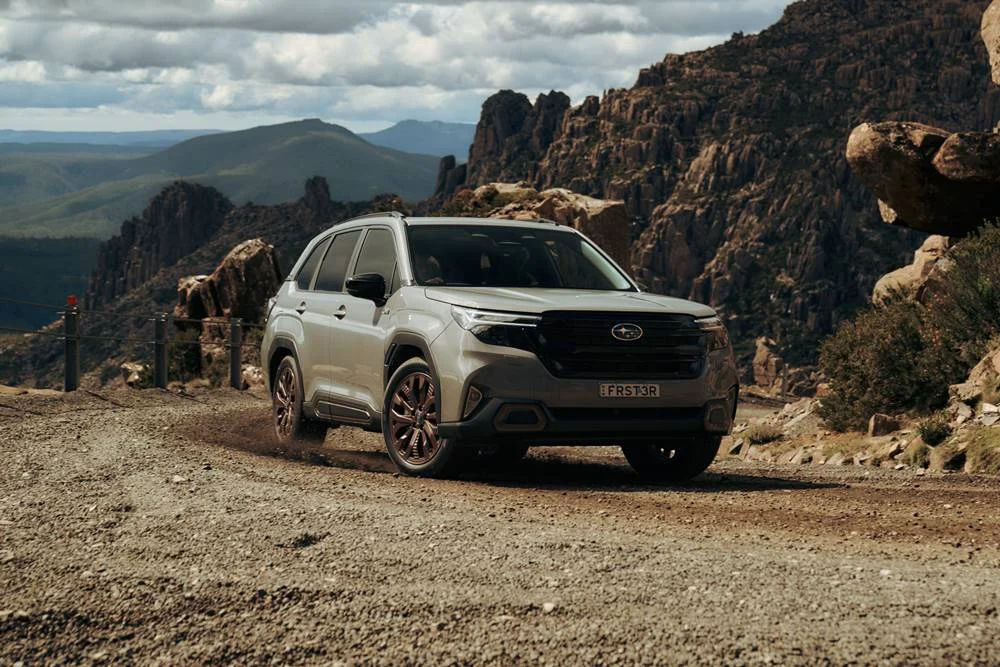

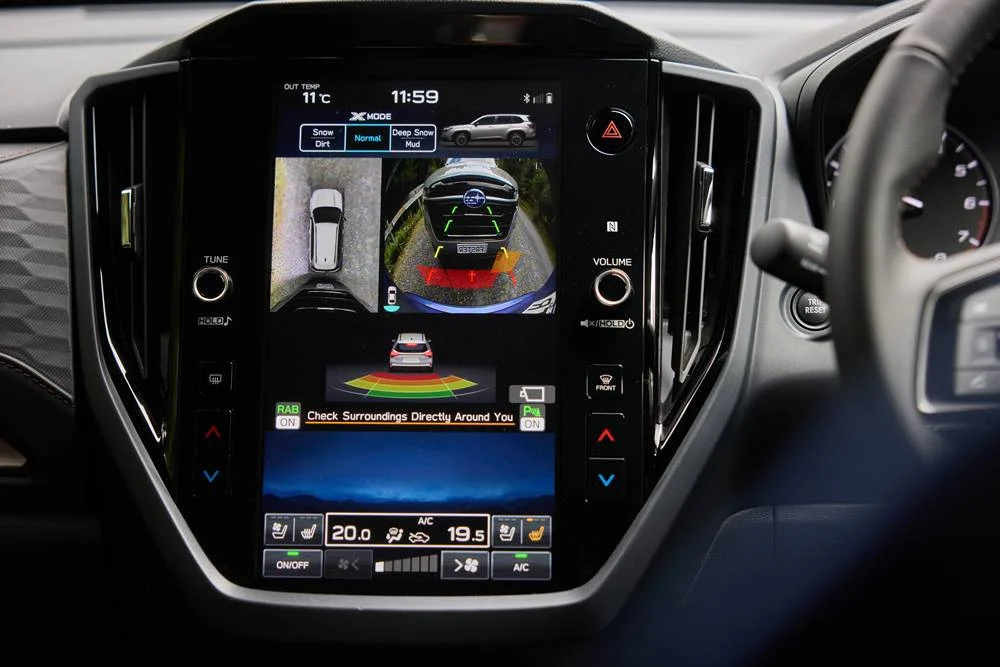
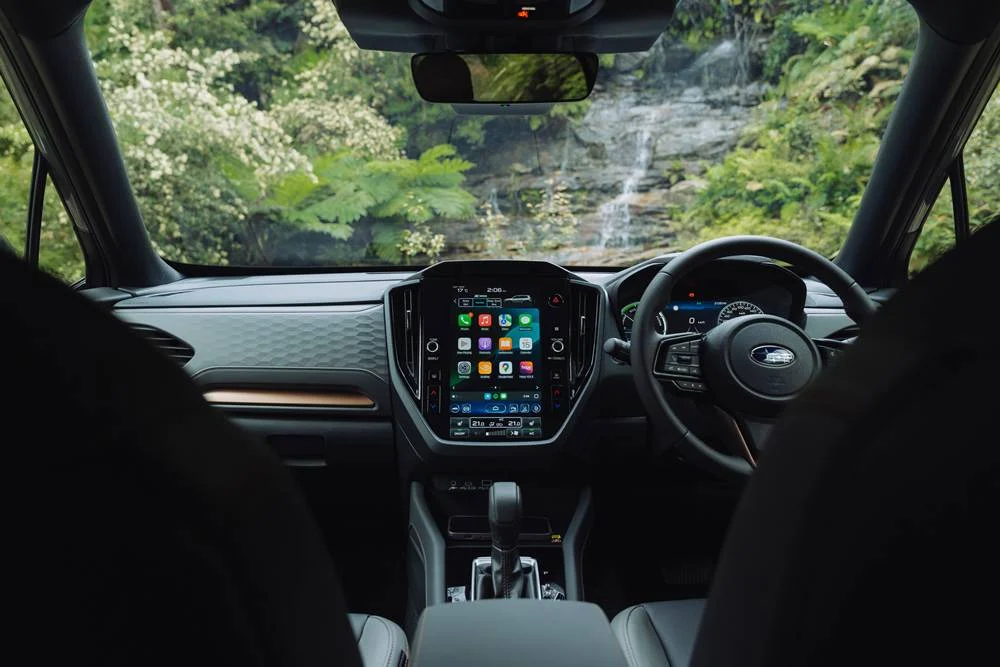


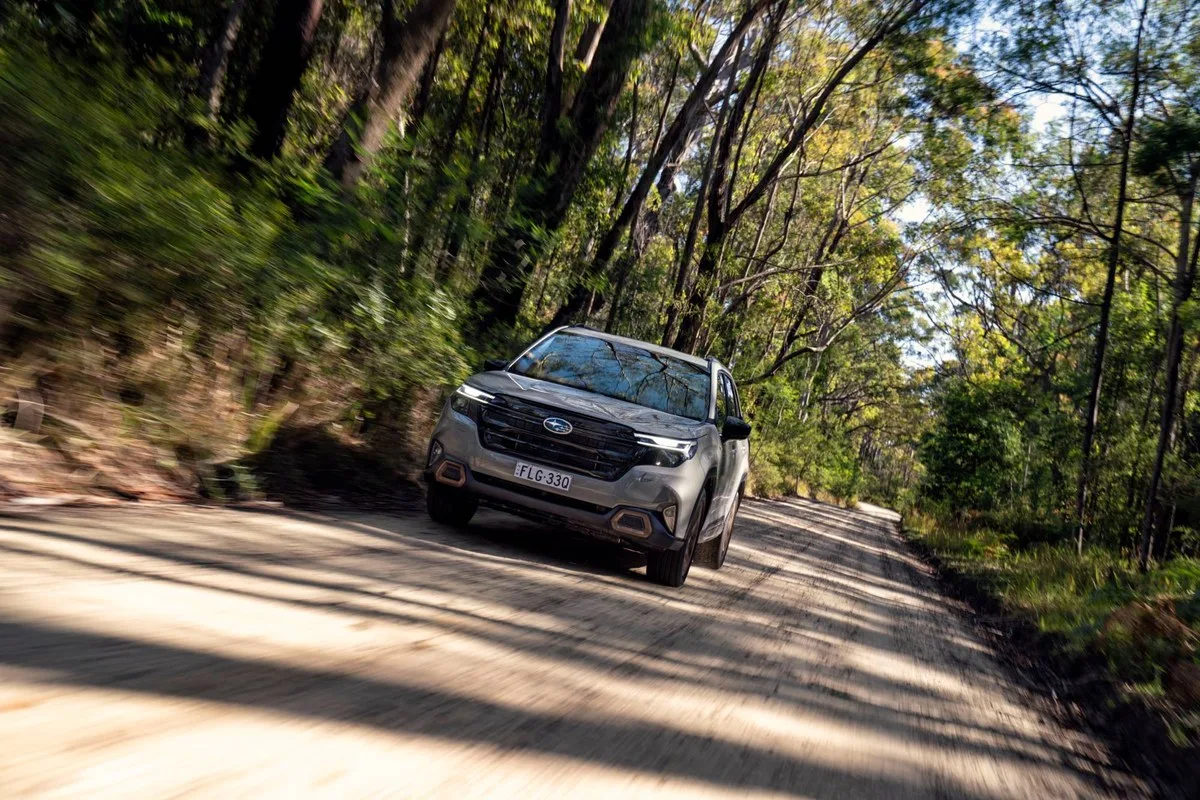
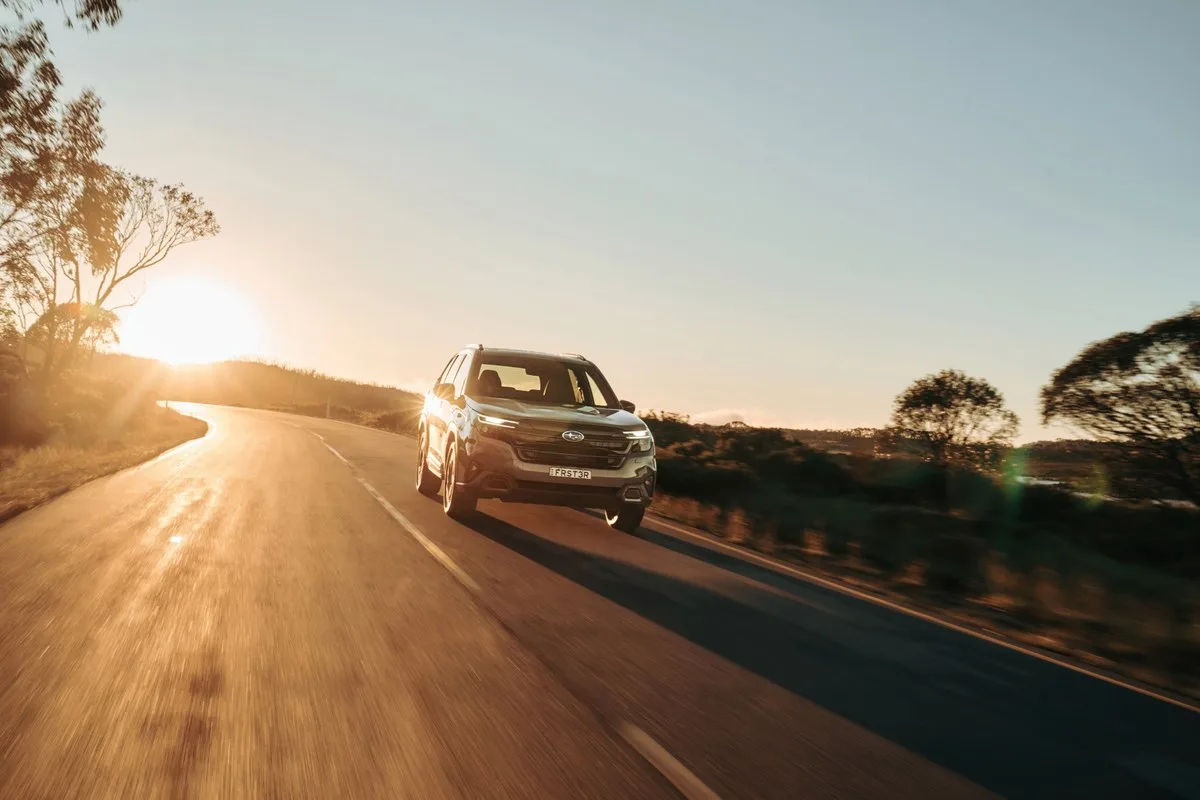
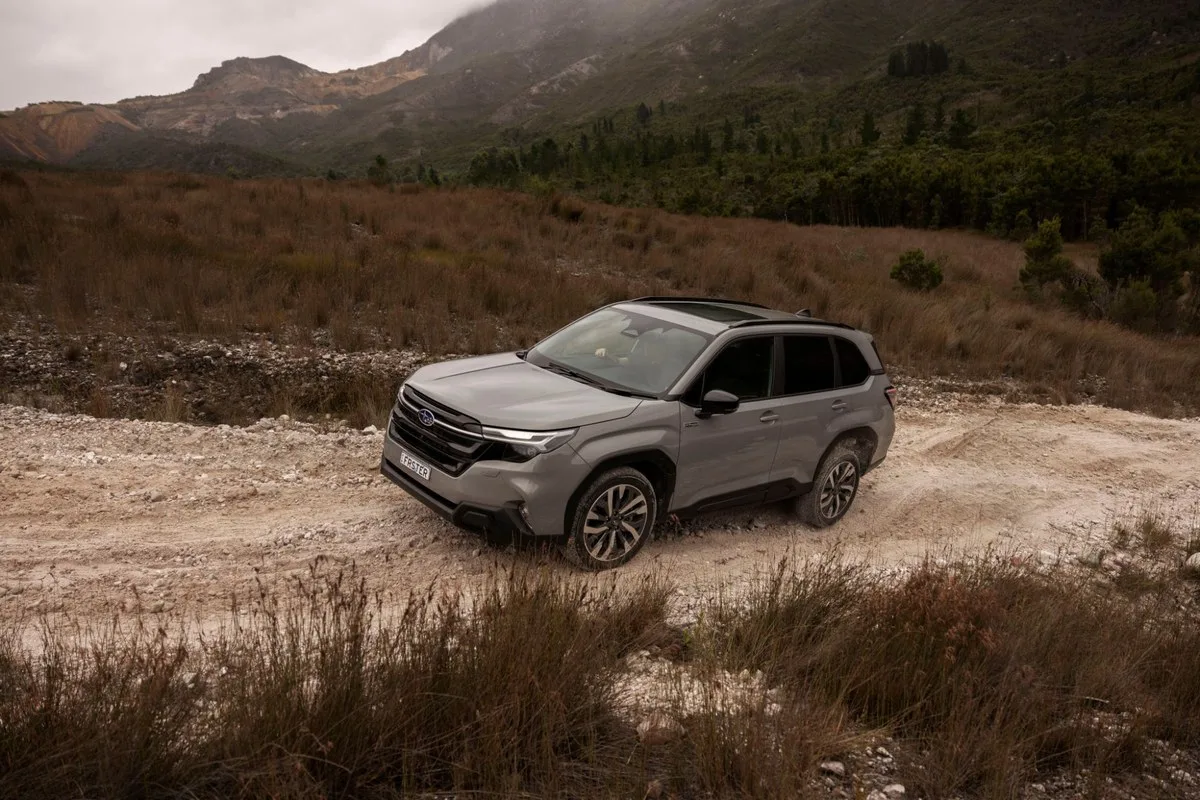
ABOVE: The Forester Hybrid
Subaru’s Hybrid
We recently reported that Subaru entered the fight with its first proper hybrid Forester. The timing is both fortunate and challenging. Although very late to the party, the good news for Subaru is that hybrid demand is booming. The bad news is many competitors have already planted their flags firmly.
Toyota has spent decades building its hybrid reputation, banging on about it at every opportunity. Hyundai and Kia now have a fairly generous range of hybrid SUVs. Honda returned to the segment with a quite refined offering, but it’s the Chinese manufacturers who have taken the concept and given it spit and polish.
BYD, GWM, MG and Chery have moved quickly. Their HEV and PHEV super-hybrids are cheaper, better equipped, and have more technology. The new thinking on hybrids and EVs has forced traditional brands to rethink their strategies.
Subaru spent a considerable spell relying on its e-Boxer mild hybrid. While it was claimed to provide some efficiency improvements, it was never really a direct rival to the full hybrid as seen in Toyota and others, and certainly not to the super-hybrid Chinese models.
The new Forester Hybrid changes that somewhat.
Instead of the small rear motor in Toyota eAWDs, Subaru dropped Toyota’s eCVT brains into a chassis that still uses a heavy steel driveshaft down the middle of the car. Subaru insisted on keeping this physical mechanical layout so it leaves passengers straddling that colossal hump in the rear floor, and does not get the same fuel economy figures as Toyota.
The added weight and mechanical friction mean the Forester burns more fuel than a comparable RAV4.
While Toyota’s lighter, simpler electric axle design seems more efficient with 4.7L/100km, this new hybrid finally fixes Subaru’s old, terrible “e-Boxer” fuel consumption.
Australian Automobile Association testing found the Forester Hybrid used 5.5L/100km in combined driving and 4.9L/100km in town. Unlike the slightly hopeful numbers normally quoted, the combined figure was around 12% lower than Subaru’s figures.
The AAA testing measures vehicles in real traffic rather than a laboratory with men in white coats and pocket protectors.
The Forester Hybrid also retains one of Subaru’s traditional selling points, Symmetrical All-Wheel Drive. Regional drivers travel on gravel roads, but even city folk like the extra traction of all-wheel drive.
At around $47,000 drive-away, the Forester Hybrid not only faces established hybrid opposition but a growing number of Chinese SUVs that often offer more equipment for similar or less money.
The AAA result removes one concern.
Subaru Forester Hybrid At A Glance
| Specification | Detail |
|---|---|
| Price | Around $47,000 drive-away |
| Petrol engine | 2.5L horizontally opposed Boxer four, Atkinson cycle |
| Electric motor | 90 kW permanent-magnet AC |
| Battery | 1.1 kWh lithium-ion, under the cargo floor |
| Combined power | 145 kW (194 hp) |
| Torque | 212 Nm petrol, 276 Nm electric motor |
| Transmission | Lineartronic CVT |
| Drivetrain | Symmetrical All-Wheel Drive, permanent mechanical |
| Fuel use (combined, claimed) | 6.2L/100km |
| Fuel tank / range | 63L, over 1,000 km |
| Length / width / height | 4655 / 1830 / 1730 mm |
| Wheelbase | 2670 mm |
| Ground clearance | 220 mm |
| Tare weight | 1717 kg |
| Boot space | 484L, 1707L seats folded |
| Braked towing | 1200 kg |
| Safety | 5-star ANCAP, EyeSight, 360-degree cameras |
The Definitive Top 10 Car Models (June 2026)
| Rank | Model | Total Units Sold | Fuel Type Category |
|---|---|---|---|
| 1 | Tesla Model Y | 8,072 | Electric (EV) |
| 2 | Ford Ranger | 5,999 | Diesel / Petrol |
| 3 | Toyota HiLux | 5,175 | Diesel / Petrol |
| 4 | BYD Sealion 7 | 4,730 | Electric (EV) |
| 5 | Toyota RAV4 | 4,115 | Hybrid / Petrol |
| 6 | BYD Shark 6 | 3,398 | Plug-in Hybrid (PHEV) |
| 7 | Isuzu D-Max | 2,740 | Diesel |
| 8 | Hyundai Kona | 2,505 | Petrol / Hybrid / EV |
| 9 | BYD Atto 2 | 2,482 | Electric (EV) |
| 10 | GWM Haval Jolion | 2,446 | Petrol / Hybrid |
Top 10 Car Brands (June 2026)
| Rank | Brand | June 2026 Sales | Key Driving Model |
|---|---|---|---|
| 1 | Toyota | 19,124 | HiLux (5,175) |
| 2 | BYD | 18,881 | Sealion 7 (4,730) |
| 3 | Ford | 9,181 | Ranger (5,999) |
| 4 | Tesla | 8,670 | Model Y (8,072) |
| 5 | Kia | 8,005 | Sportage |
| 6 | Hyundai | 7,480 | Kona (2,505) |
| 7 | Mazda | 7,278 | CX-5 |
| 8 | GWM | 6,104 | Haval Jolion (2,446) |
| 9 | MG | 5,001 | MG ZS |
| 10 | Chery | 4,505 | Tiggo 7 Pro |
Top 10 Car Brands (First Half 2026)
| Rank | Brand | H1 2026 Sales Volume | Key Driving Model |
|---|---|---|---|
| 1 | Toyota | 95,141 | HiLux |
| 2 | BYD | 52,335 | Sealion 7 |
| 3 | Ford | 42,296 | Ranger |
| 4 | Kia | 41,846 | Sportage |
| 5 | Mazda | 40,502 | CX-5 |
| 6 | Hyundai | 39,590 | Kona |
| 7 | GWM | 30,359 | Haval Jolion |
| 8 | Chery | 24,964 | Tiggo 4 |
| 9 | Mitsubishi | 24,802 | Triton |
| 10 | Tesla | 23,588 | Model Y |
Top 10 Best-Selling Electric Vehicles (First Half 2026)
| Rank | Model | H1 2026 Sales Volume | Body Type |
|---|---|---|---|
| 1 | Tesla Model Y | 20,396 | Medium SUV |
| 2 | BYD Sealion 7 | 12,516 | Medium SUV |
| 3 | Geely EX5 | 6,756 | Medium SUV |
| 4 | Jaecoo J5 EV | 6,113 | Compact SUV |
| 5 | Zeekr 7X | 5,532 | Medium SUV |
| 6 | BYD Atto 2 | 5,401 | Small SUV |
| 7 | BYD Atto 1 | 3,254 | City Hatch / SUV |
| 8 | Tesla Model 3 | 3,192 | Sedan |
| 9 | BYD Seal | ~2,800 (est) | Sedan |
| 10 | MG4 | ~2,400 (est) | Hatchback |
More Subaru Stories
- Subaru Trailseeker And Toyota bZ4X Touring: Toyobaru EV Twins Compared
- EVs and utes score in latest ANCAP safety results
- Subaru Slashes 2026 Solterra and Trailseeker prices
Help Support Gay Car Boys Subscribe to our Youtube Channel by SMASHING THE BUTTON ABOVE

Alan Zurvas is the founder and editor of Gay Car Boys, Australia's leading LGBTQI+ automotive publication. Before launching GCB in 2008, Alan's automotive writing was published in SameSame.com.au and the Star Observer. With over 16 years of hands-on car reviewing experience, Alan brings an honest, irreverent voice to every review — championing value and innovation over brand loyalty.
Leave a Reply