Nissan is due to launch the e-Power system already seen in the X-Trail, in the smaller Qashqai.
While the technology is complex, the idea is basic. e-Power is a hybrid system, but not like the hybrids seen in Toyota’s Camry for example. Hybrid systems have both an electric motor, a petrol engine, and a transmission, usually a CVT. A small battery powers the electric motor, and is charged from the regeneration during coasting and braking, as well as being charged directly from the petrol engine.
Nissan takes a different approach.
Nissan e-Power works more like a diesel-electric locomotive where the electric motor powers the wheels, and the internal combustion engine (ICE) has no direct connection to the wheels. Instead, the ICE spins a generator which in turns send the power through an inverter to the electric motor and/or the small battery, and on to the drive wheels.
Video Review: Why the 2024 Jaguar F-Type 75 Convertible P450 is a Perfect Denouement – GayCarBoys – Alan Zurvas
SHORT Video Review: Audi e-Tron GT RS Quick Look – Light Show
#automobile #shorts #audietrongtrs #gaycarboys #alanzurvas ##shorts
- Top GayCarBoys Stories:
- Sexy Men Drive 2021 Toyota Yaris Cross
- 10 Sexiest MotoGP Motorcycle Riders
- DON’T Drive YOUR CAR until you’ve Checked if your AIRBAG will KILL YOU
- 10 Hottest Racing Drivers
- Top 12 Best Gay Lesbian LGBTI Luxury Cars
- Top 10 Gay Lesbian LGBT Cars
- Top 10 Gay Lesbian LGBT Sports Cars
- Top 15 gay and lesbian LGBT SUVs
- Talented Twinks – Callum Ilott Virtually Races Arthur Leclerc


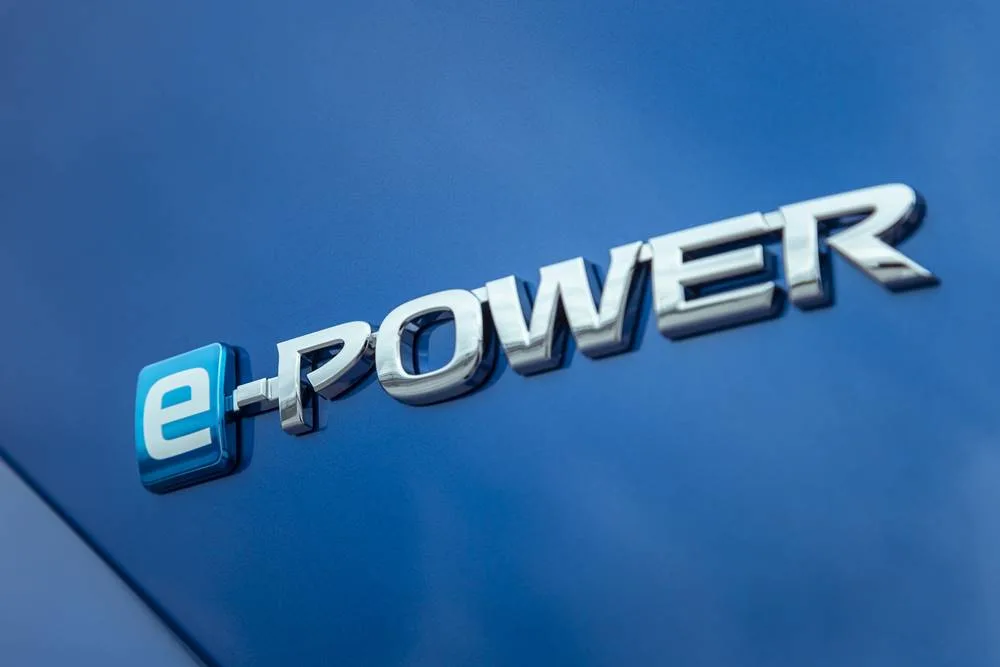
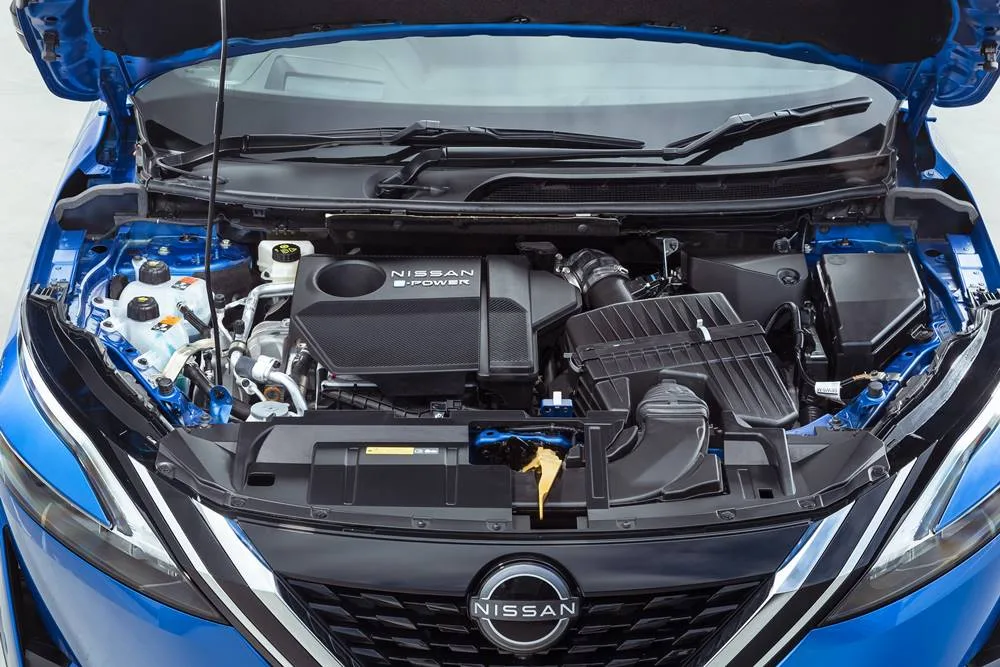
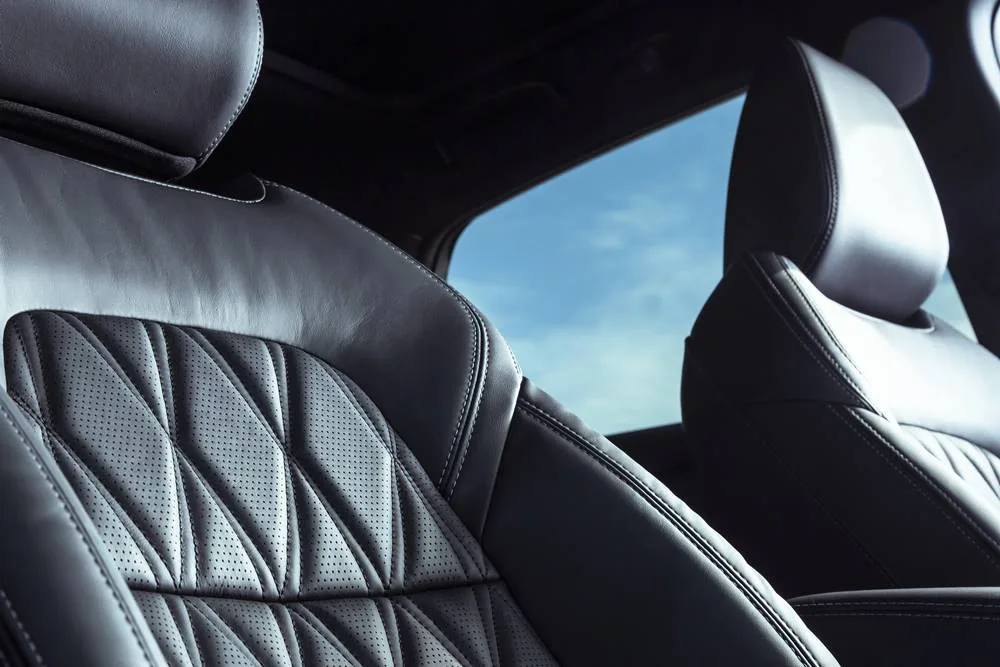

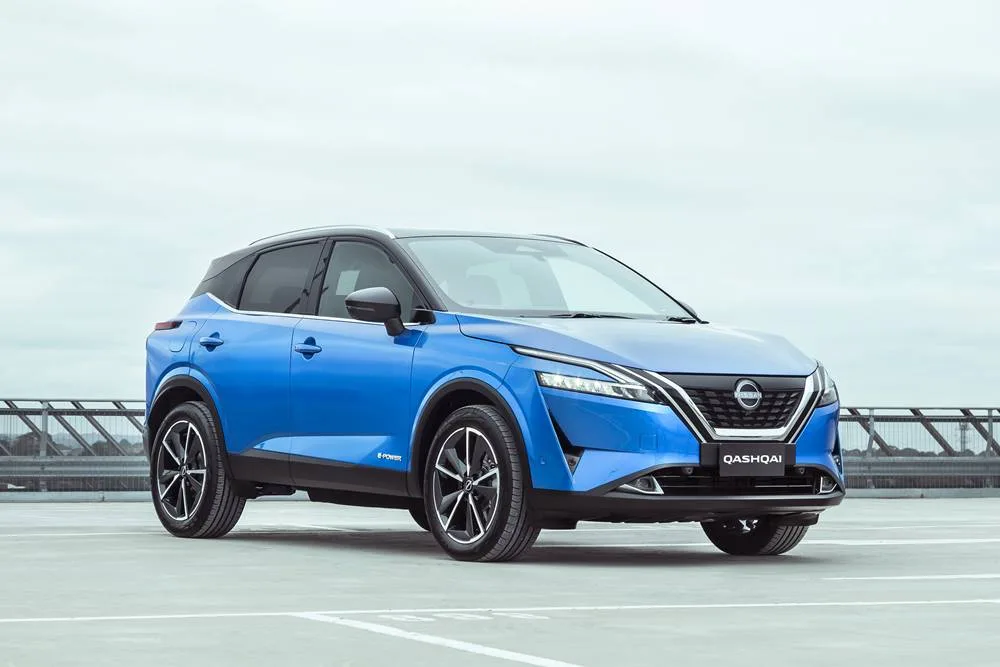

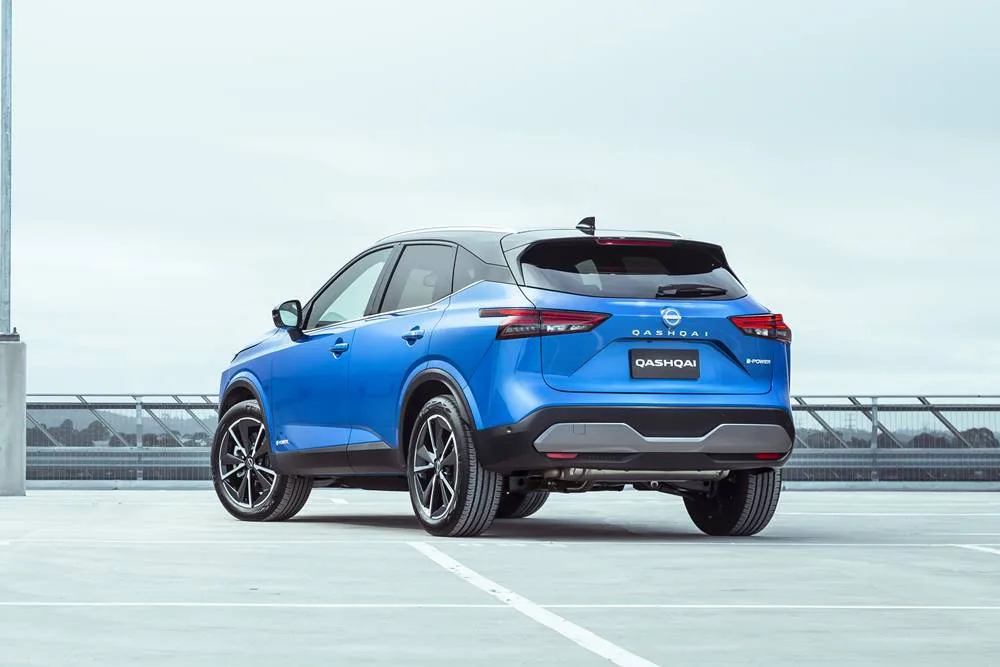

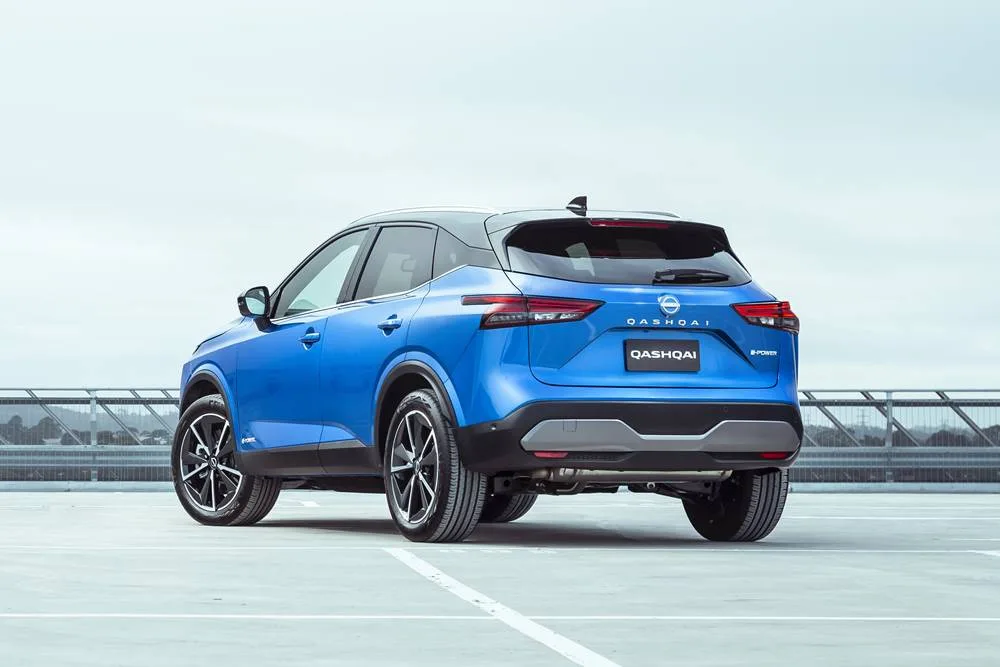
ABOVE: 2Nissan Qashqai e-Power
This eliminates the need for a transmission, making e-Power vehicles feel more like full electric cars to drive. Torque and power are available from a standstill, and if there is sufficient energy in the battery, the petrol engine remains blissfully silent. This allows short periods of EV-only propulsion.
Hybrid systems are intended to save fuel, while acting inadvertently as a step between ICE vehicles and full electric cars. In other words, buyers not yet ready to make that leap, can still get that EV feeling.
The result is a small SUV that handles like a regular vehicle, yet feels like an electric vehicle. While not zero emissions, an e-Power Nissan is able to refuel at a regular petrol station, eliminating the range anxiety common with full EV owners.
To sum up
All hybrids have both an ICE and electric motor, but most also have a transmission, and the ICE drives the wheels under certain circumstances. The transmission is usually a CVT, making the drive experience is sub-par. The strange elastic feel that CVT automatics bring, is something many drivers dislike, and some even loathe.
Anyone that has experienced the immediacy of a pure electric drivetrain knows how addictive that feeling can be. Although e-Power vehicles don’t have quite that level of power and torque, there is still a noticeable sense of urgency.
Look for our review of the Nissan Qashqai e-Power soon.
More GayCarBoys Stories
- Nissan LEAF 2019: All New EV Powers Your Home VIDEO REVIEW
- Nissan N Trek Warrior VS Toyota Hilux Rugged X down on the Farm.
- 2020 Nissan Patrol Ti-L: Comfortable Off Roader
- Is New Nissan JUKE Better than the Old Model?
- Nissan Leaf: A Week Without Charging? Osher Günsberg Says…
- Is 2020 Nissan X-Trail Keeping Up with the pack?
- Is Nissan Navara N-Trek Warrior easy to Drive?
- Nissan Navara N Trek Warrior VS Toyota Hilux Rugged X
- 2020 Nissan Patrol Ti-L: Comfortable Off Roader
- Top 10 Best Things About My Nissan Z – Cottaging
- 2023 Nissan Z Full Review with LAUNCH CONTROL

Alan Zurvas is the founder and editor of Gay Car Boys, Australia's leading LGBTQI+ automotive publication. Before launching GCB in 2008, Alan's automotive writing was published in SameSame.com.au and the Star Observer. With over 16 years of hands-on car reviewing experience, Alan brings an honest, irreverent voice to every review — championing value and innovation over brand loyalty.


Leave a Reply