The car world is forever chasing the next shiny trinket, the next touchscreen circus, the next startup promising to reinvent the wheel with an app and a mood board. Polestar has chosen a different path. The 2026 Polestar 2 remains gloriously, stubbornly Swedish, all restraint, confidence, and crisp tailoring, like a tall blonde in a black turtleneck who knows exactly which fork to use and cannot be bothered explaining it to you.
SAAB is long gone, Volvo has gone gently upmarket, and Polestar sits in that curious sweet spot between design object and driver’s car. Yes, Geely owns the whole shebang, but Polestar still feels more Gothenburg than Guangzhou. The brand may have started life at Volvo’s sporty bosom, but that umbilical has faded with each passing model.
There is also something rather pleasing about the timing. The 2026 Polestar 2 arrives as the current shape reaches full maturity, right before the next-generation car appears in 2027. End-of-run cars are often the best of the lot. The bugs have been ironed out, the software sorted, and the rough edges filed off by years of engineering lessons. This one feels ready for a long innings.
You can see the local model range on Polestar Australia.
Above: 2026 Polestar 2 DM Performance The Forgotten Polestar is Fabulous
#Polestar2 #EV #BowersWilkins #ElectricCars #SwedishDesign

Help Support Gay Car Boys Subscribe to our Youtube Channel by SMASHING THE BUTTON ABOVE


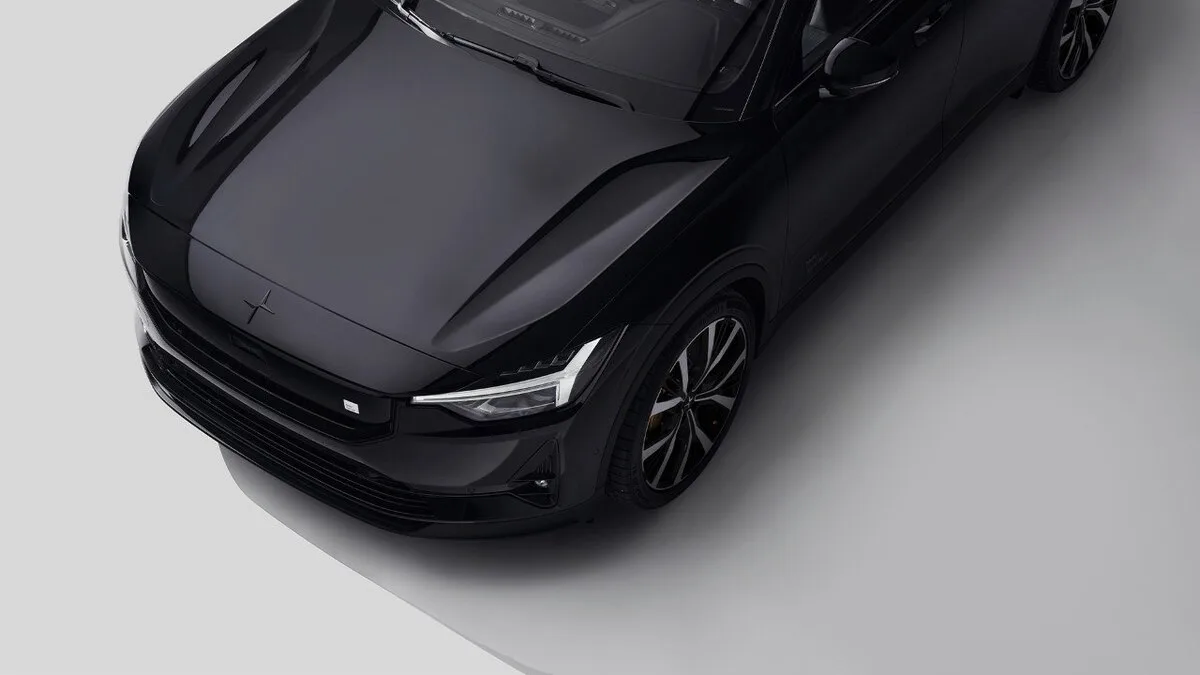
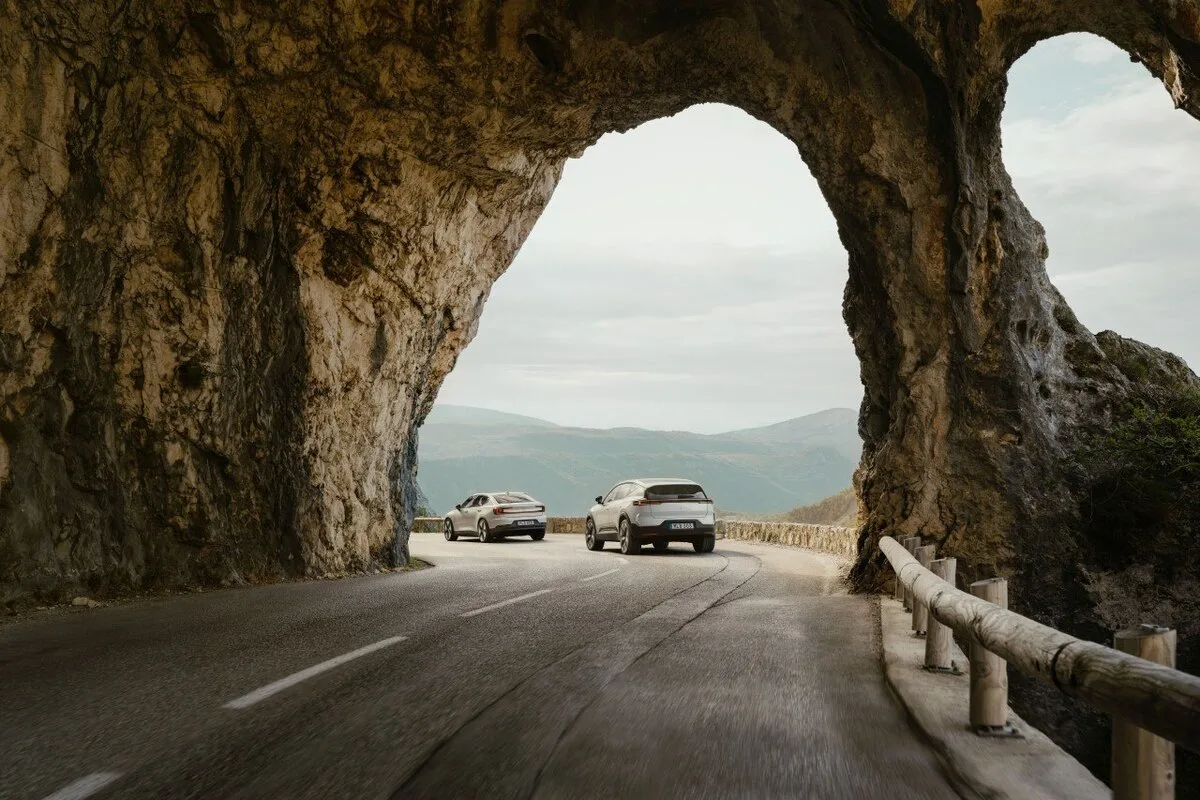
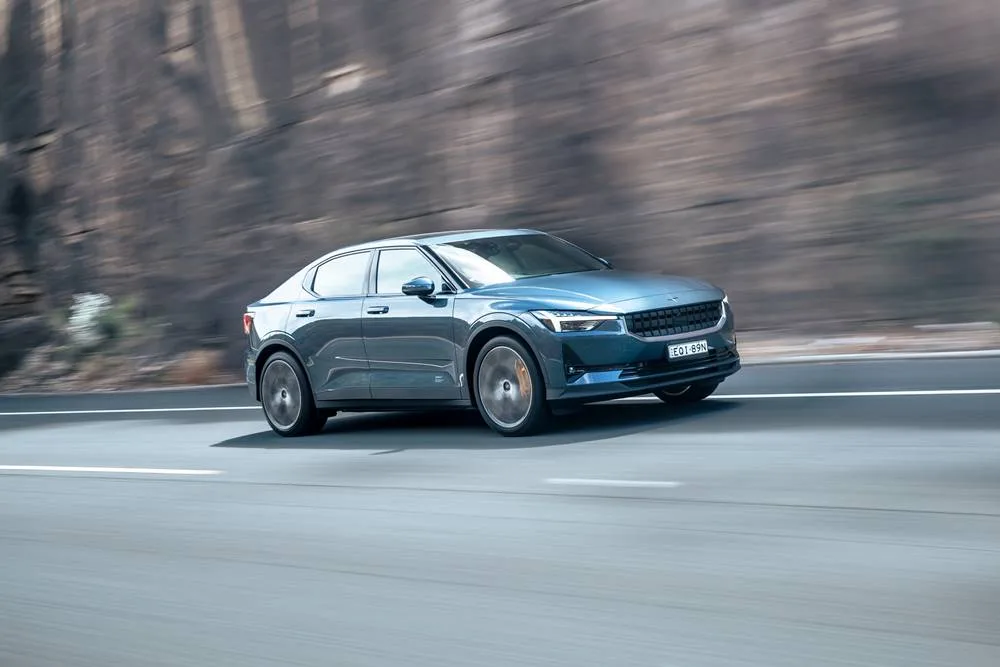

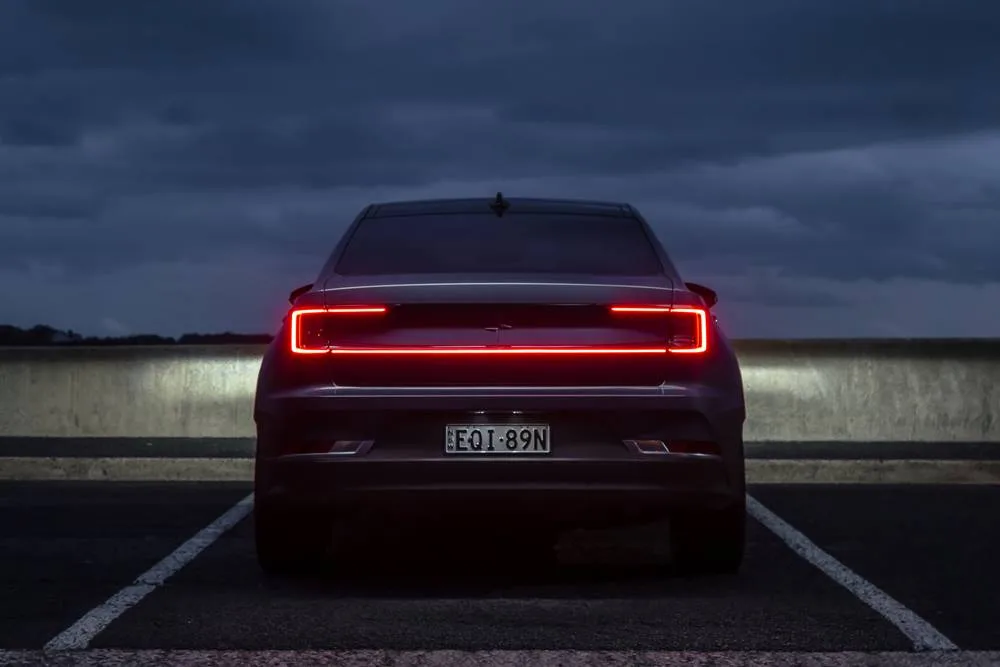
ABOVE: Polestar 2 is already sexy but now is “Bowers and Wilkins” better
Above-direct link to drive chillout YouTube playlist, Below- The same playlist with each link – your choice.
- My Chillout Driving Playlist YouTube links
- 1. Air Surfing on a Rocket official video
- 2. Blur Song 2 official video
- 3. Burt Bacharach I Say a Little Prayer official audio
- 4. Chris Coco Summer Sun official audio
- 5. Farhot Represent Heart official audio
- 6. Gin Wigmore Kill Of The Night official video
- 7. Kinobe Slip Into Something More Comfortable official audio
- 8. Lash Take Me Away official video
- 9. The Moody Blues Blue World official audio
- 10. Night Panda Walk With A Bounce official audio
- 11. Paul Mauriat Love Is Blue official audio
- 12. Placebo Every You Every Me official video
- 13. Portishead Glory Box official video
- 14. Portishead Roads official audio
- 15. Portishead Sour Times official video
- 16. Rob Dougan Clubbed To Death official audio
- 17. Whitetown I Could Never Be Your Woman official video
- 18. Blue Man Group TV Song official audio
- 19. Nina Simone Ain’t Got No I Got Life official video
- 20. The Cars Just What I Needed official video
- 21. M83 Versailles Theme official
- 22. Harry Styles Watermelon Sugar official video
The sonic soul
The headline addition for 2026 is the Bowers & Wilkins premium audio system, and it is not just some badge-engineered bit of hi-fi jewellery glued into the dash to justify a larger invoice. The fabulous new 14-speaker setup takes an already lovely Harman Kardon ambiance and gives it the polish of a concert hall. I relived several Moody Blues, ELO and Portishead marathons while the car wasn’t even moving. Try Blur’s Song 2 or the Blue Man Group’s TV Song to give your day of reminiscence proper punch. The Bowers & Wilkins will transport you back in time, I promise.
In the 2026 car, Bowers & Wilkins is available for the first time, and in the Long Range Dual Motor with Performance Pack it feels entirely on brand. The iconic tweeter-on-top hardware, lifted from the posher reaches of the home audio catalogue, opens out the cabin with a clarity that feels almost indecent. Podcasts sound cleaner, vocals sound richer, and proper studio recordings arrive in layers instead of one flat wall of noise. The sound is not just loud. It has texture. It has shape. It enters your body rather than simply your ears.
Polestar 2’s cabin was already one of the most tastefully judged spaces in the creation. The audio upgrade does not upset the mood. It completes it, and adds another layer of Zen polish to a liftback that already felt more considered than most rivals, no matter the price. Polestar hasn’t overcooked the pudding by removing every button, every stalk, every knob (within reason hey boys) and replacing it with an achy-breaky screen. Mark my words, drivers of Full Self Driving brands will come to grief sooner or later.
Snapdragon, charging, and the rest
The 2026 updates are not just about music. Polestar has a new Qualcomm Snapdragon processor for the Google built-in system, and the difference is obvious. Menus react more quickly, app switching is tidier, and navigation feels less like waiting for a reluctant intern to load your slides. App downloads are quicker too, which is the sort of modest improvement you appreciate every single day. Google can still be moody but you can turn your home lights and tellie on while you’re recording review videos if you don’t mind your P’s and Q’s. Never mention the S or G words in a car that’s smarter than you are.
There are still moments where Google’s ecosystem behaves like an overpromoted middle manager. Signed in, it sometimes wants to run bits of your life it has no business touching. Home automation appeared, disappeared, then reappeared with all the confidence of a drunk uncle at Christmas. Still, outright lag is no longer the issue it once was, which is a proper improvement in a car so dependent on software.
Charging remains properly competitive as well. The Long Range Dual Motor with the Performance Pack maintains a peak DC fast-charging rate of 205kW, enough to take the 82kWh battery from 10 to 80% in about 28 minutes at a suitable high-speed charger. AC charging tops out at 11kW on three-phase power, which means a full charge takes roughly eight hours. Plug & Charge is now standard too, so at supported public stations the car can authenticate itself and get on with it without forcing you to faff about with extra cards and apps.
The Polestar 2 has come a long way. Earlier long-range cars peaked at 155kW and used a smaller 78kWh battery. The current car now runs 205kW, carries 82kWh gross, and in Performance trim has trimmed the 0 to 100km/h sprint from 4.4 seconds to 4.0. Polestar has not reinvented things overnight. It has simply kept applying wee nips-n-tucks to reach Nirvana.
Range remains one of the Polestar 2’s stronger cards. The Long Range Single Motor claims up to 659km, which is the sort of figure that moves the conversation away from anxiety and back to how a car feels to live with. The Plus Pack, complete with heat pump for better cold-weather efficiency, is now standard on the Long Range Dual Motor Performance variant too. Quite right. Sometimes evolution beats revolution, especially when the revolution arrives wearing cheap plastics and an unfinished user interface.
Australia gets the good bit
There is a more awkward backdrop to all this. In the United States, the Polestar 2 has run into the sort of toddler tantrum trade-war hysteria only modern politics could produce. Trump’s demented tariff obsession has turned Chinese-made EVs into political footballs, and Polestar 2’s progress there has been kneecapped accordingly.
That leaves Australia in an oddly fortunate position. While the Americans’ collective dose of haemorrhoids priced themselves out of a decent drive, we get a highly polished electric liftback that spent five years getting better at its job. Their loss, our gain. It is not often a global trade tanty ends with Australian buyers looking like the grown-ups in the room, but here we are. Meanwhile the orange blimp floats over the US like tangerine turd threatening to rain bile over everything it touches.
This also gives the Polestar 2 a slightly exotic edge, not just another Tesla alternative, and it has real door handles, Hallelujah, praise the gin!
It is one of the few EVs in the segment that still feels like it was designed by people who have used furniture, fabrics, architecture, and possibly another human being. But that’s a tale for another time.
Still the driver’s choice
On the road, the Polestar 2 remains one of the better sorted electric cars this side of something much more expensive from BMW. The steering has nice weight, the body control is firm, and the chassis still manages to feel “noice n toit”. It does not feel like a battery dragged around by some tyres. It feels like a sports sedan that happens to be electric.
Even the lesser versions benefit from the rear-drive bias, which gives the car a sense of engagement many rivals never quite manage. There is precision in the way it turns, confidence in the way it settles, and enough polish in the damping to remind you that Scandinavian restraint can still be rather sexy.
The build quality helps too. Recycled materials feel premium rather than preachy, the vegan trim feels durable, and the panoramic glass roof remains one of the better examples in the business. Pixel LED headlights continue to impress, masking oncoming traffic while keeping the rest of the road well lit. It is thoughtful engineering, the sort that does not scream for attention but quietly improves every drive.
The peak of the platform
With a new generation due next year, the 2026 Polestar 2 feels like the final, fully realised version of the original idea, on a platform tighter than a Kardashian’s face. It has the tech, the range, the refinement, and now the soundtrack to match. In a market full of noisy newcomers and legacy brands still trying to remember how to build a convincing EV, Polestar has delivered something rare.
A car with taste.
The 2026 Polestar 2 is still very Swedish, and all the better for it. If you have been waiting for the best version of this liftback before the platform changes, this is the one. Grab one while you still can.
More Stories
- MY27 Polestar 2 Cuts the Base Car and Adds More Kit
- Polestar 3 Production Moves to USA as Volvo Consolidates South Carolina Plant
- Five Electric Vehicles Worth Your Attention in 2026
Help Support Gay Car Boys Subscribe to our Youtube Channel

Alan Zurvas is the founder and editor of Gay Car Boys, Australia's leading LGBTQI+ automotive publication. Before launching GCB in 2008, Alan's automotive writing was published in SameSame.com.au and the Star Observer. With over 16 years of hands-on car reviewing experience, Alan brings an honest, irreverent voice to every review — championing value and innovation over brand loyalty.
Leave a Reply