BYD is steering its own destiny. The Chinese automotive powerhouse is sending its dedicated vehicle carrier straight to Australian shores, packing a cargo hold full of fresh metal. This maiden voyage cuts out the traditional shipping middlemen.
The custom-built roll-on, roll-on vessel is currently carving through the Pacific Ocean. It carries nearly five thousand new energy vehicles destined for local buyers. The strategic move bypasses the usual logistical bottlenecks that plague global car shipping networks.
Cutting the Shipping Middlemen
Car manufacturers usually rely on third-party freight conglomerates to transport vehicles across oceans. This creates delays and exposes brands to fluctuating shipping rates. BYD resolved this vulnerability by building its own naval transport armada.
Controlling the shipping infrastructure gives an immediate logistical advantage that traditional manufacturers simply cannot match. Legacy brands remain entirely dependent on third-party commercial freight cartels, making them highly vulnerable to soaring transport rates and unpredictable delivery delays. When a competitor owns the ships, they control the exact arrival timing, dictate the retail volume, and easily insulate their pricing from external shipping cost spikes.
Above: BYD Shark 6 TOP !) best things – and more
#BYDShark6, #PHEVCharging, #EVInfrastructure, #ZetlandCharging, #GayCarBoys

Help Support Gay Car Boys Subscribe to our Youtube Channel by SMASHING THE BUTTON ABOVE


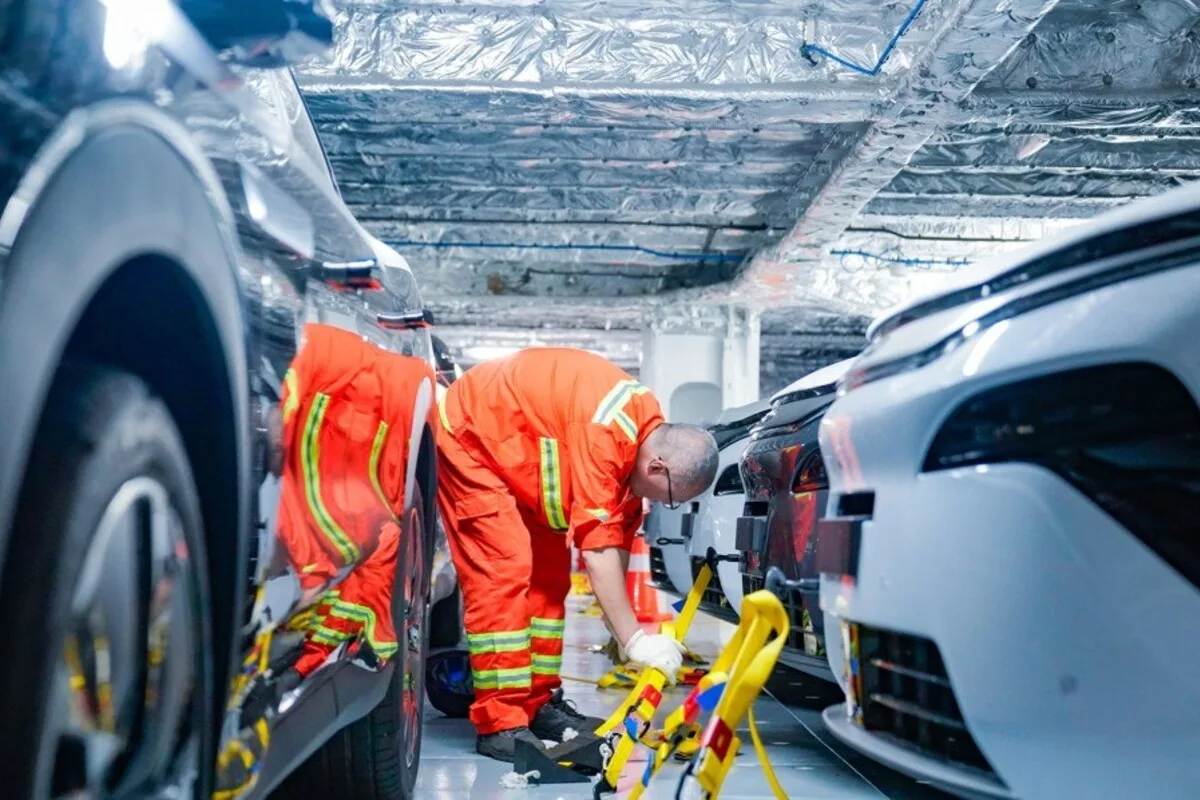

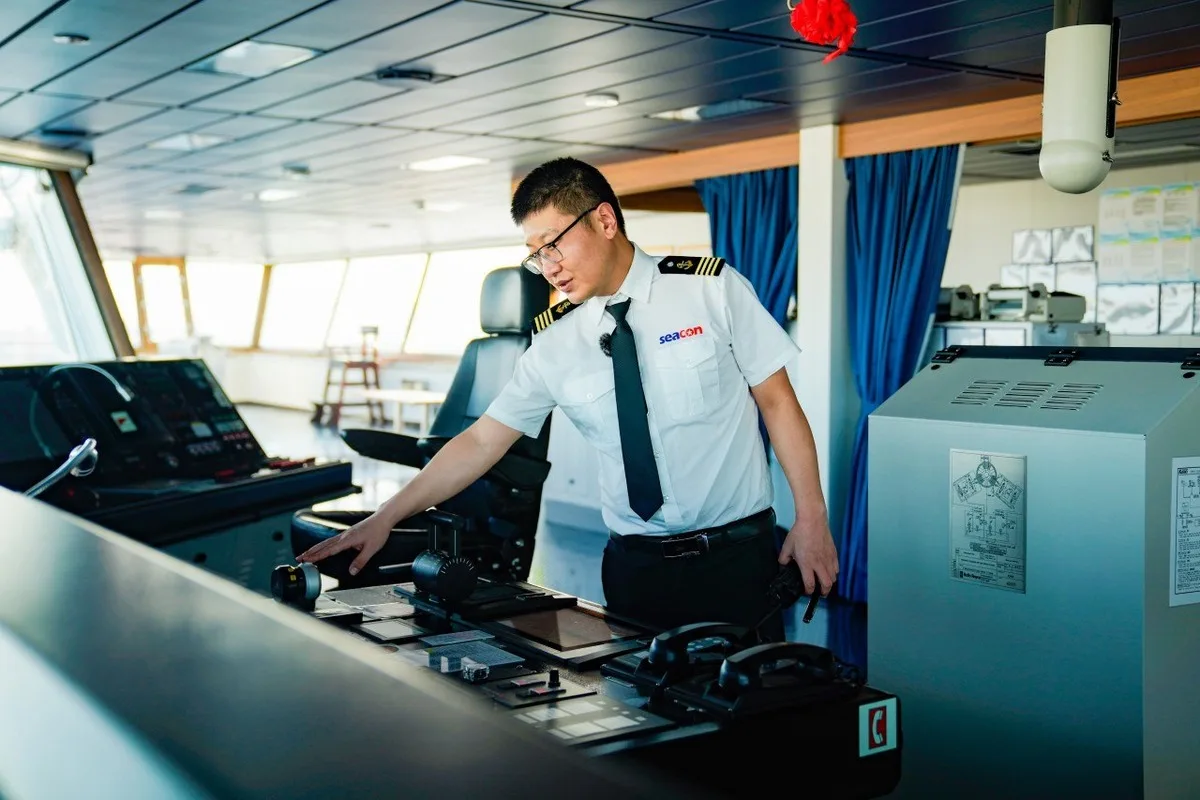

ABOVE: BYDs heading to Melbourne
The strategy ensures consistent vehicle supply to key export markets, of which Australia is one. As BYD sales skyrocket, Australian buyers face lengthy queus for fresh electric options. This dedicated shipment aims to satisfy that immediate local demand without standard freight delays.
The specific carrier navigating towards the eastern seaboard measures a tiny two hundred metres long. It spans a mere thirty-eight metres wide, drawing nearly ten metres of water. It operates as one of eight identical vessels commissioned to support global operations and one can only marvel at the start-to-finish attitude of the OEM..
Green Logistics on the Ocean
Maritime transport faces heavy scrutiny because of the environmental impact. This new breed of cargo ship utilises liquefied natural gas rather than filthy marine diesel. The fuel choice is a considered and deliberate shift toward cleaner supply chains.
Liquefied natural gas reduces carbon dioxide emissions by roughly twenty per cent compared to standard marine dross. It eliminates almost all sulphur oxides and nasty particulate matter. The choice aligns the transport method with the eco-friendly-er vehicles sitting inside the decks.
The vessel maintains a steady sixteen knots as it travels south-east past the Pacific Islands taking the cars on a scenic tour they sadly can’t enjoy. Captain Zhao Taotao reports smooth sailing conditions and routine operations as he gazes at tropical paradises in the distance. Crew members perform regular manual inspections across five internal cargo decks between the inevitable games of cards.
Protecting the Precious Cargo
Flying in the face of anti-EV critics, not a single incident has happened. Transporting thousands of electric vehicles requires strict climate management., so the huge ship maintains a highly controlled environment throughout its journey. Internal systems hold temperature and humidity at constant levels to protect sensitive electronics.
Vehicles sit tightly packed to maximize internal volume. Lashings of lashings have a vice-like every car to prevent movement during unavoidable rough ocean swells. This rigorous maintenance protocol prevents transit damage before the fleet even touches local soil.
The ten-thousand-kilometre voyage concludes with a major arrival event at the Port of Melbourne next week. The ship unloads its initial batch of vehicles before continuing north to clear remaining stock in Sydney and Brisbane.
What This Means for buyers and the competition
This transport model gives the brand a competitive advantage in the local market others can’t match. Controlling the entire logistics chain from factory floor to local port keeps delivery timelines predictable. It represents a mature approach to global vehicle distribution. Arrival transforms local inventory levels overnight with five thousand BYDs entering the market, so will cut customer handover times. The influx provides immediate relief for buyers waiting on backordered electric hatchbacks and SUVs. Other OEMs will notice a big chance in next few months of FCAI VFacts figures. Is it a sogn of things to come?
Local nerds are tracking the ship online as it closes in on the port in Victoria. The arrival signals a big old shift in automotive retail, where manufacturing powerhouses control both the product and the ocean transport. BYD has become a master of vertical integration and having a fleet of its own ships is just another note in history as old OEMs struggle to adapt.
#BYD, #Zhengzhou, #Melbourne, #EV, #Shipping
More Chery Omoda Jaecoo at GayCarBoys
- 2026 Chery E5 Ultimate Price Australia, $37,990 Driveaway and a Proper EV Price War Begins
- Jaecoo J5 EV Hits 4,000 Orders in Australia
- 2025 Omoda 9 Video Review, 11,000km on 1 Tank?
Help Support Gay Car Boys Subscribe to our Youtube Channel

Alan Zurvas is the founder and editor of Gay Car Boys, Australia's leading LGBTQI+ automotive publication. Before launching GCB in 2008, Alan's automotive writing was published in SameSame.com.au and the Star Observer. With over 16 years of hands-on car reviewing experience, Alan brings an honest, irreverent voice to every review — championing value and innovation over brand loyalty.
Leave a Reply