Automakers love to hype up autonomous driving, but they always leave a legal escape hatch. If the car crashes, the human driver takes the blame and the insurance hit. Tesla for example, well, they’ve added “supervised” to the name even though it fully lulls the driver into a false sense of security. “Bollocks to that,” says BYD, we’ll take that and raise you a reassurance card
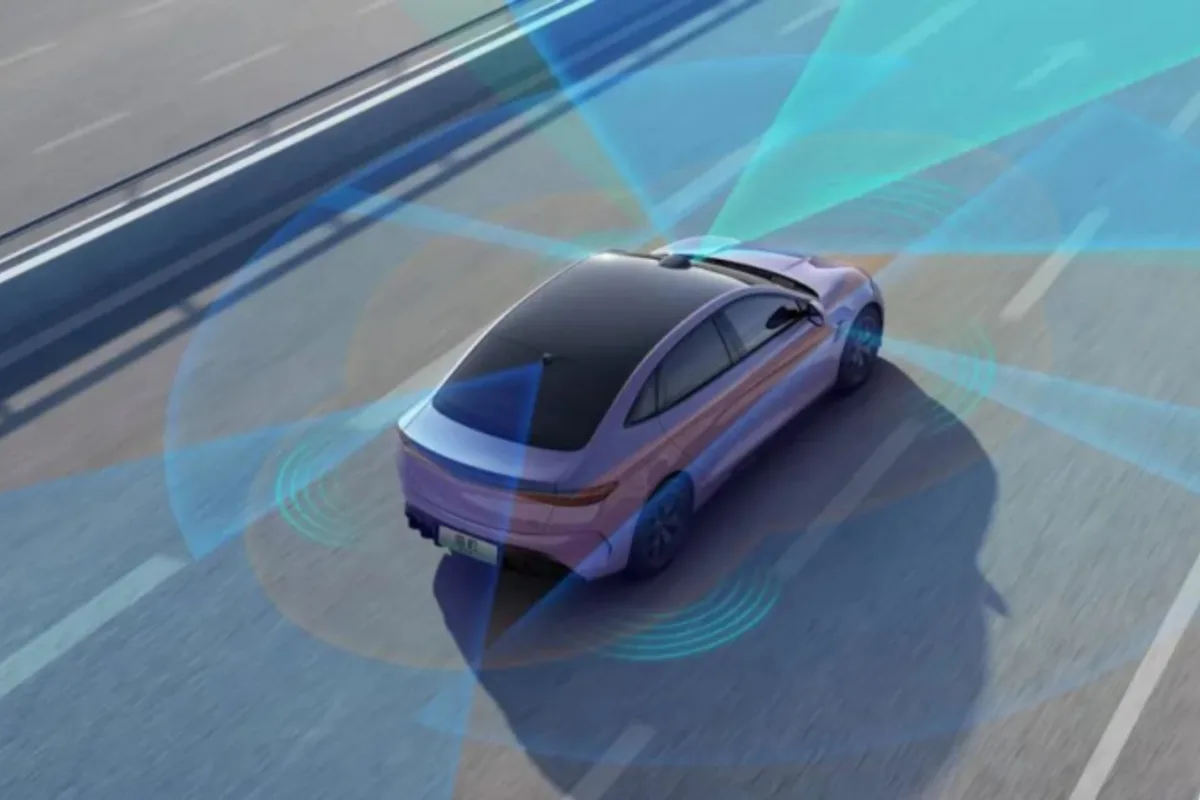
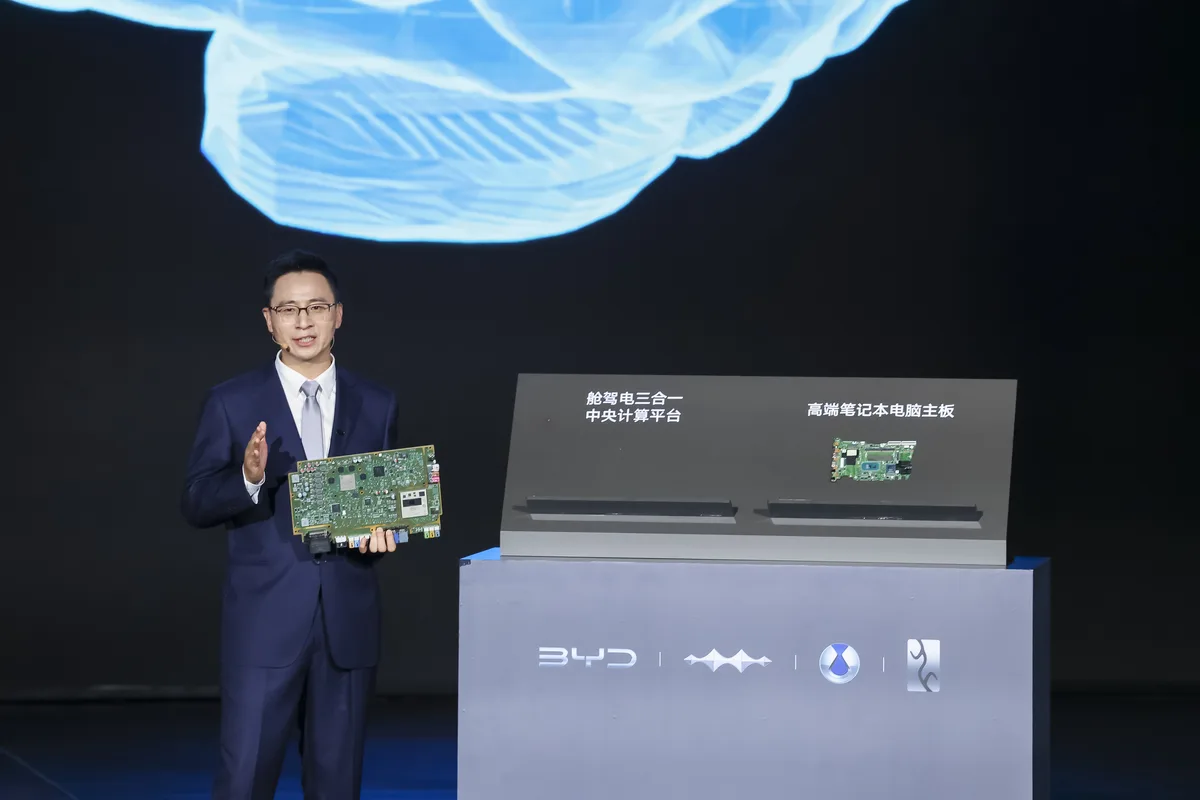
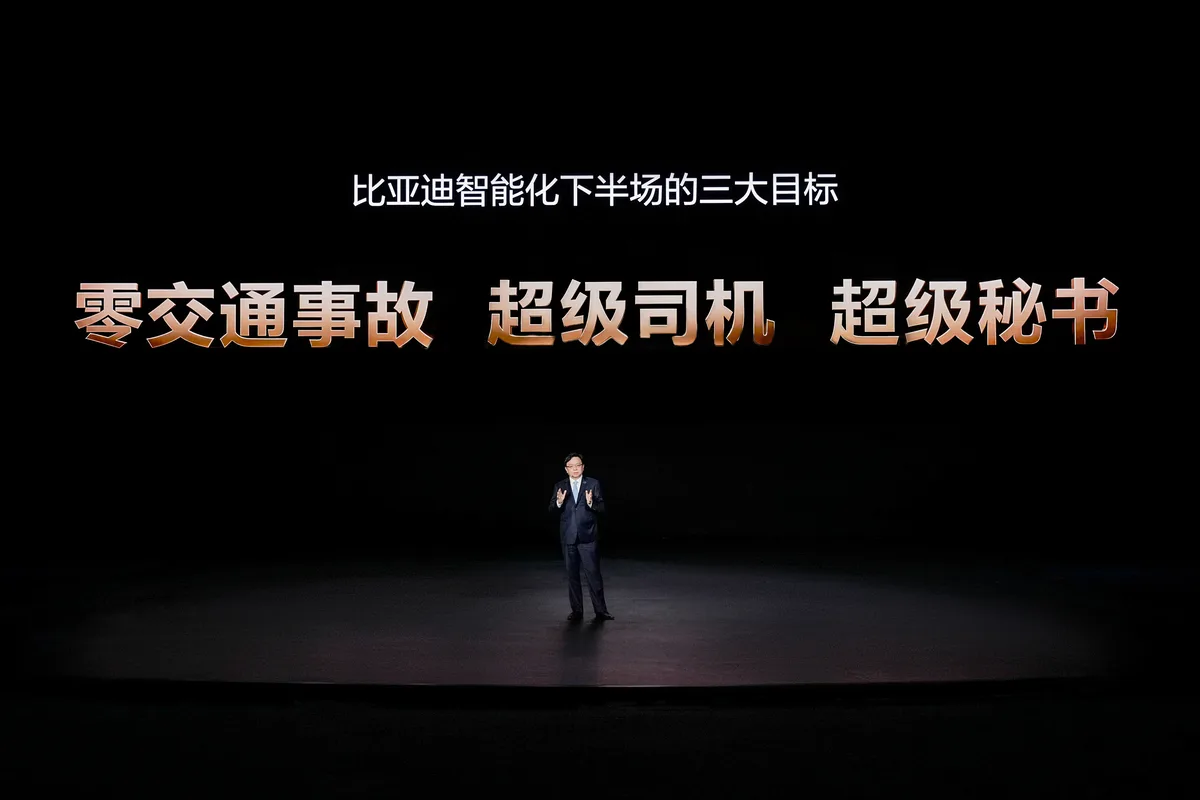
yes ladies and gents, BYD is breaking the pattern by covering financial losses for crashes involving its Urban Navigate on Autopilot (NOA) in China. It is probably just as well if you’ve ever driven in China. This is a deliberate shift in legal liability that is also a stroke of genius. They are not just selling “hope and pray” software as most brands do, they are underwriting its safety with real money. I can’t think of another brand that even comes close to this audacity, and I like it.
This is an industry first, and it is something Tesla hasn’t done yet, and probably won’t. Despite charging thousands for its Supervised Full Self-Driving (FSD) package, Tesla’s fine print strictly keeps the legal and financial responsibility on the human driver. Tesla has since moved further, in order to give its big-mouthed boss a trillion dollar happy ending, the model has shifted to subscription instead of a one-off upgrade.
Above: 2026 Leapmotor B10 – Possibly the best value EV ever, and at $42,000 is cheaper than ICE SUVs with the same space
#leapmotor #ElectricCars #ev #leapmotorB10

Help Support Gay Car Boys Subscribe to our Youtube Channel by SMASHING THE BUTTON ABOVE




ABOVE: BYD Insures its self driving software – God’s EyeWhere the Tech Sits
This urban capability requires LiDAR sensors and the DiPilot 300 or 600 hardware suites, which are restricted to higher-tier models:
- BYD Sealion 07 EV & Seal 07: Premium and flagship trims only.
- BYD Han L & Tang L: Mid-to-premium grades.
- Denza Z9 / Z9 GT & Yangwang U8 / U9: Premium and ultra-luxury sub-brands.
Base models like the Atto 3, Dolphin, and Seagull use the lower-spec DiPilot 100 system. They can handle highway cruise assistance, but they lack the LiDAR hardware required for city navigation. Sure tesla uses only cameras, but BYD thinks LIDAR is a must have. BYD plans to expand urban capabilities to entry-level tiers via future software updates. It all depends on the hardware and whether or not it freezes like a deer in the headlights.
The Divergence
This strategy highlights a sharp divide in how automated driving is being deployed globally.
Western manufacturers such as Tesla, implement geographically restricted urban pilot programs and bill owners recurring subscription fees ($149aud for example) for driver assistance features, while the legal responsibility remains strictly with the person behind the wheel. BYD is moving toward treating automated driving as a factory-insured feature, leveraging data from 3.15 million vehicles on the road to absorb financial risk and build buyer trust.
Local legislation appears to have frightened many carbrands, so it remains to be seen as to whether or not the roll-out spreads.
For showrooms outside of China then, the immediate impact is negligible, as export vehicles still ship with basic, passive safety systems. But it proves that the gap between domestic Chinese vehicle specifications and export models is widening rapidly.
China has developed cars far faster than any other time in automotive history and it is local lawmakers outside China that have slowed progress. What does this mean for the driving future promised decades ago?
More BYD at GayCarBoys
- BYD Shark 6 Mid-Week Check-In: EV Refinement, Luxe Cabin, Strength
- BYD Shark 6 Mini Review: The Ute That is the New Black
- BYD Plugs In: Four New Electrified Models
- BYD’s DENZA Taps Mark Harland as COO, B5 & B8 SUVs Incoming
- Mark Harland Named COO of BYD’s Premium Brand DENZA
- BYD Breaks Sales Records, has a Tech Hub Tour, and Goes Factory-Backed
- Stephen Collins Joins BYD Australia as COO & Sealion 8 PHEV and Atto 2 EV on the Way
- BYD Shocks Auto Shanghai 2025: EVs, Wagons, Supercars and Drones!”
- BYD Sealion 7 & Geely EX5 5-Star ANCAP – But It’s Not All Roses
- BYD gets 1st of 8 Ships Dedicated to EV Deliveries
Help Support Gay Car Boys Subscribe to our Youtube Channel

Alan Zurvas is the founder and editor of Gay Car Boys, Australia's leading LGBTQI+ automotive publication. Before launching GCB in 2008, Alan's automotive writing was published in SameSame.com.au and the Star Observer. With over 16 years of hands-on car reviewing experience, Alan brings an honest, irreverent voice to every review — championing value and innovation over brand loyalty.
Leave a Reply