GWM has opened the order book on a 3.0-litre turbo-diesel making 170kW and 620Nm, and Australia will get it before any other market in the world.
It goes into the Tank 500 seven-seat SUV and the Cannon Alpha dual-cab from September. Expressions of interest are open on both. The GWM turbo-diesel replaces the 2.4-litre four now doing that job, and it brings an extra 35kW and 140Nm with it.
Drive goes through a nine-speed automatic GWM developed in house. Both models keep the 3500kg braked tow rating. Economy is 7.1L/100km in the Tank 500 and 7.3L/100km in the Cannon Alpha. There are no prices, no grades and no firmer date than September.
620Nm Beats Everything in the Class
620Nm of Torque is where the GWM turbo-diesel nudges past the 600Nm of the 3.0-litre V6 in the Ford Ranger and Everest. It blitzes the 500Nm Toyota 2.8-litre four in the Prado and HiLux. It is a long way clear of the 450Nm Isuzu pulls from its own 3.0-litre. On torque, nothing mainstream is more, for now.
Power is a different matter. 170kW sits under the Ford V6’s 184kW, so nobody is winning a drag race up the Hume. What a big diesel should do is pull from low revs without the gearbox hunting. That is what makes a loaded car feel calm rather than frantic.
The gearbox deserves a line of its own. GWM built the nine-speed automatic itself instead of buying a ZF unit off the shelf. Ten years ago the Chinese newcomers bought their transmissions from whoever would sell them one. Now they build their own, and that is the part of this announcement the incumbents should be reading twice.
The two cars getting it are the ones that needed it. The Tank 500 is a ladder-frame seven-seater aimed straight at Prado and Everest buyers, and at a price that undercuts both by a country mile. The Cannon Alpha is the bigger of the two GWM utes, sold on space and equipment rather than perceived badge “prestige”. Neither has ever wanted for kit. What both have wanted is an engine that does not feel like the cheap part of the deal.
Above: Wireless CarPlay AND a Dash Cam For $202 | OttoSafe Cam Review
#OttoSafeCam #Ottocast #AppleCarPlay #DashCam #GayCarBoys #CarTech #TechReview

Help Support Gay Car Boys Subscribe to our Youtube Channel by SMASHING THE BUTTON ABOVE


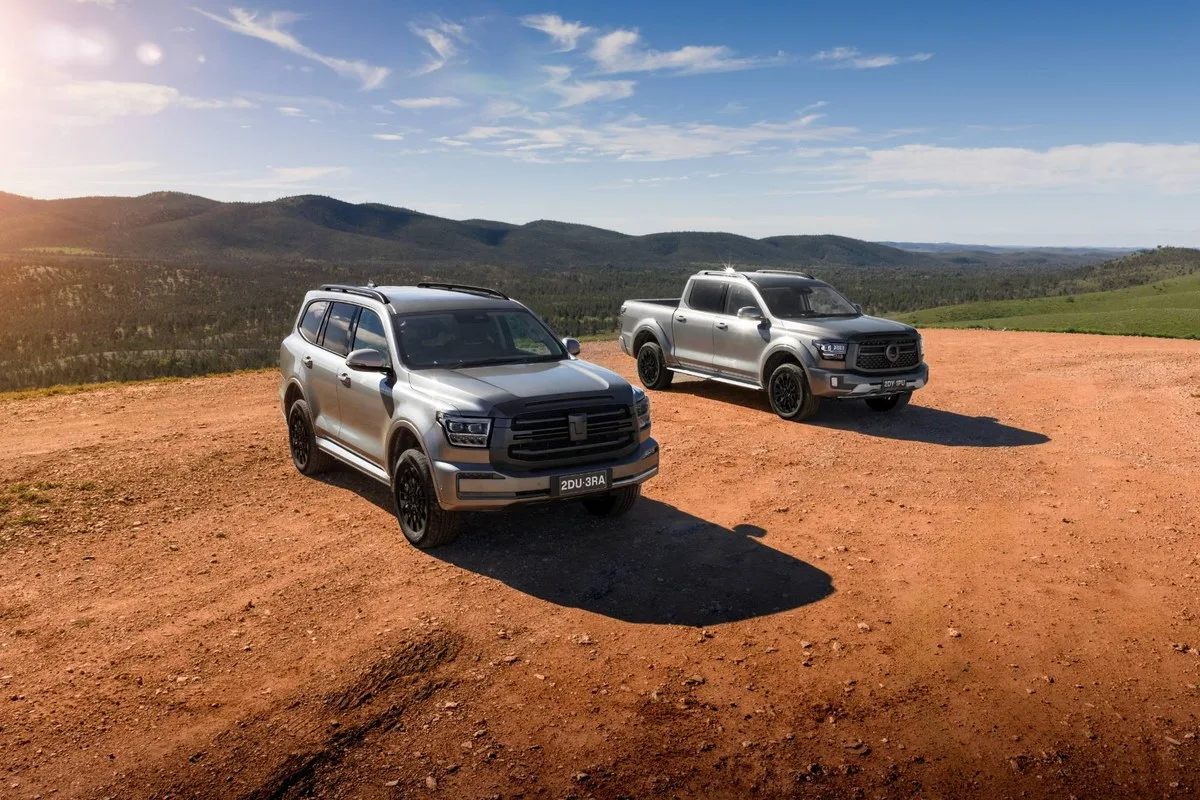
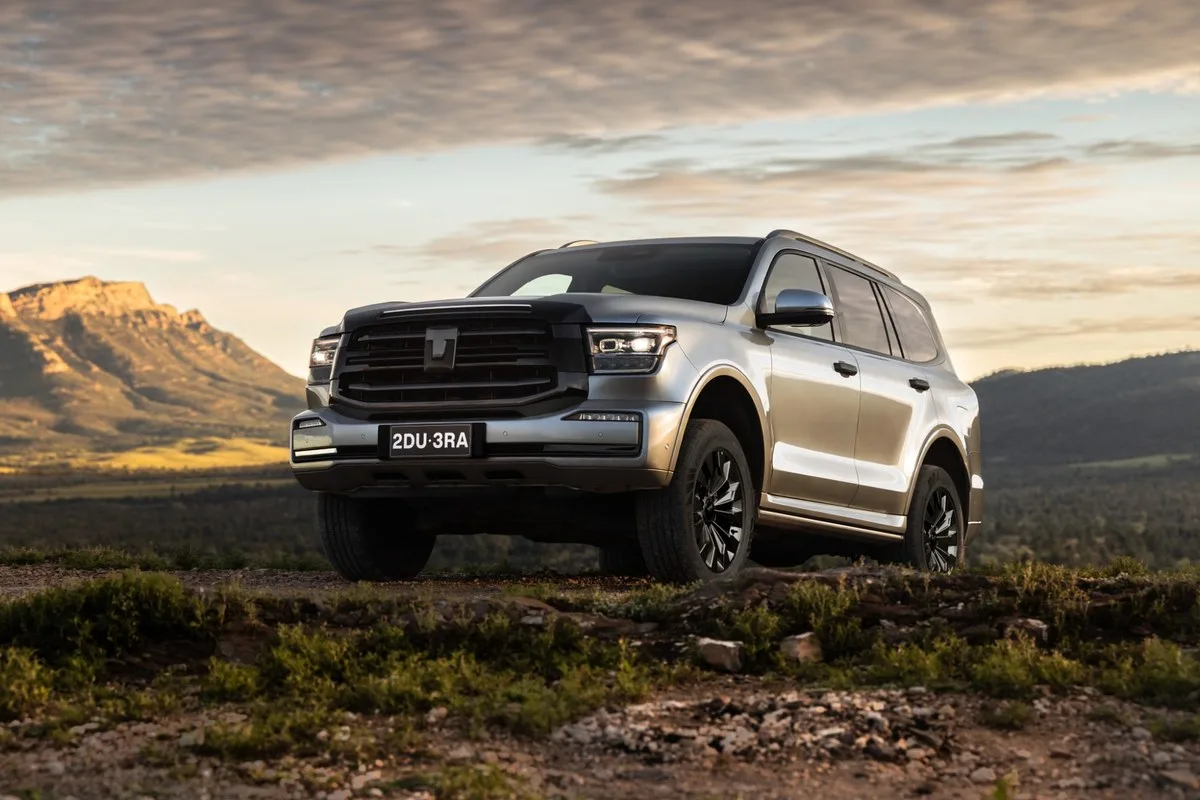
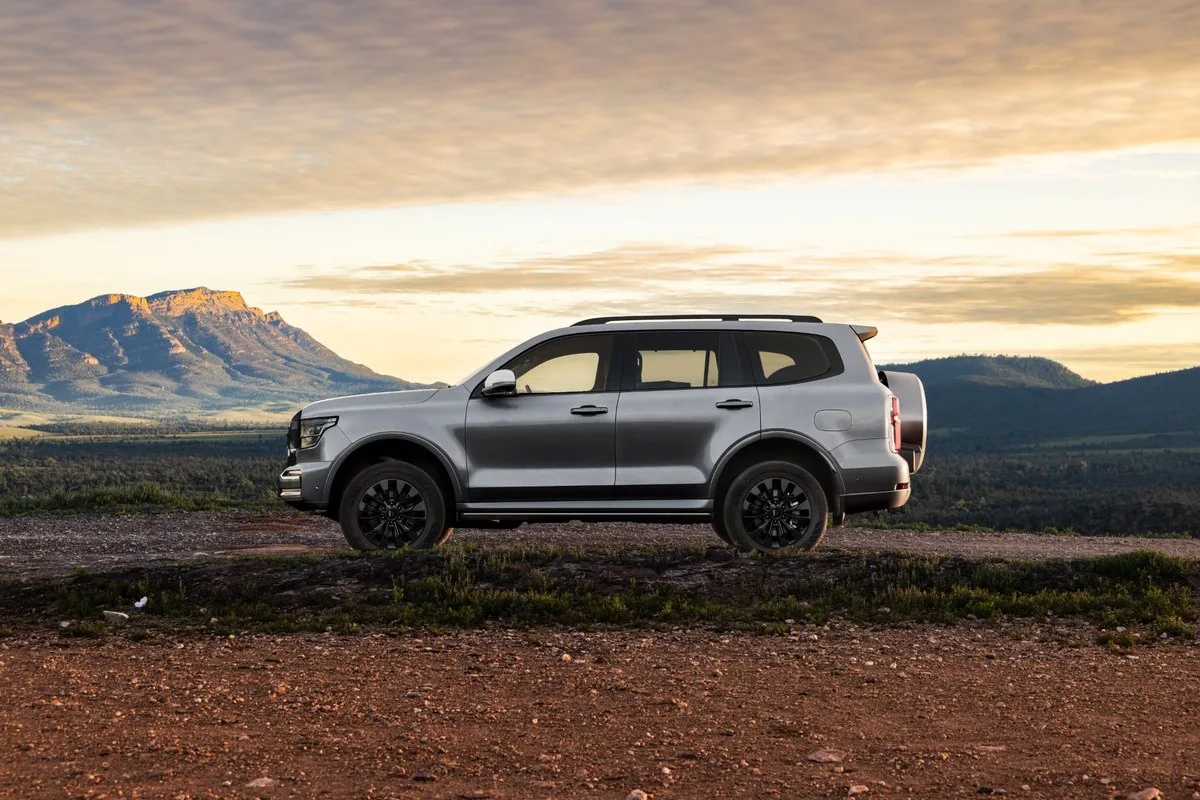

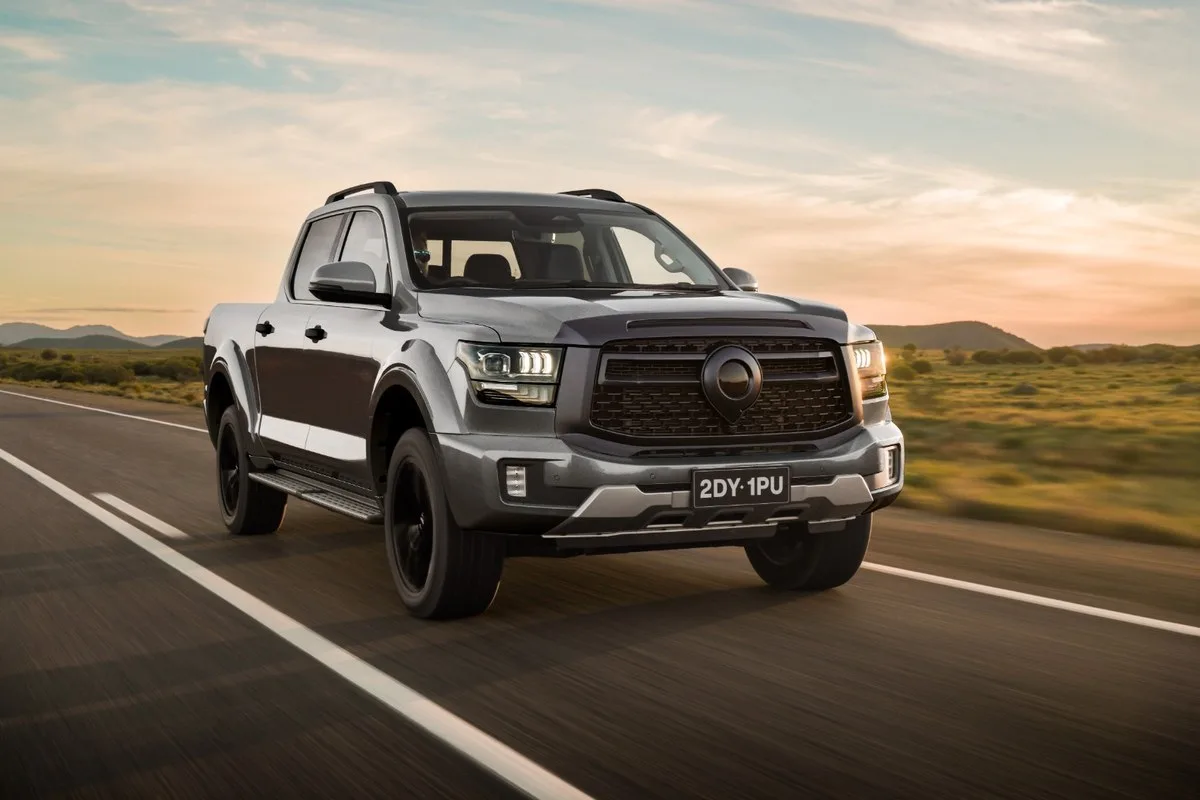
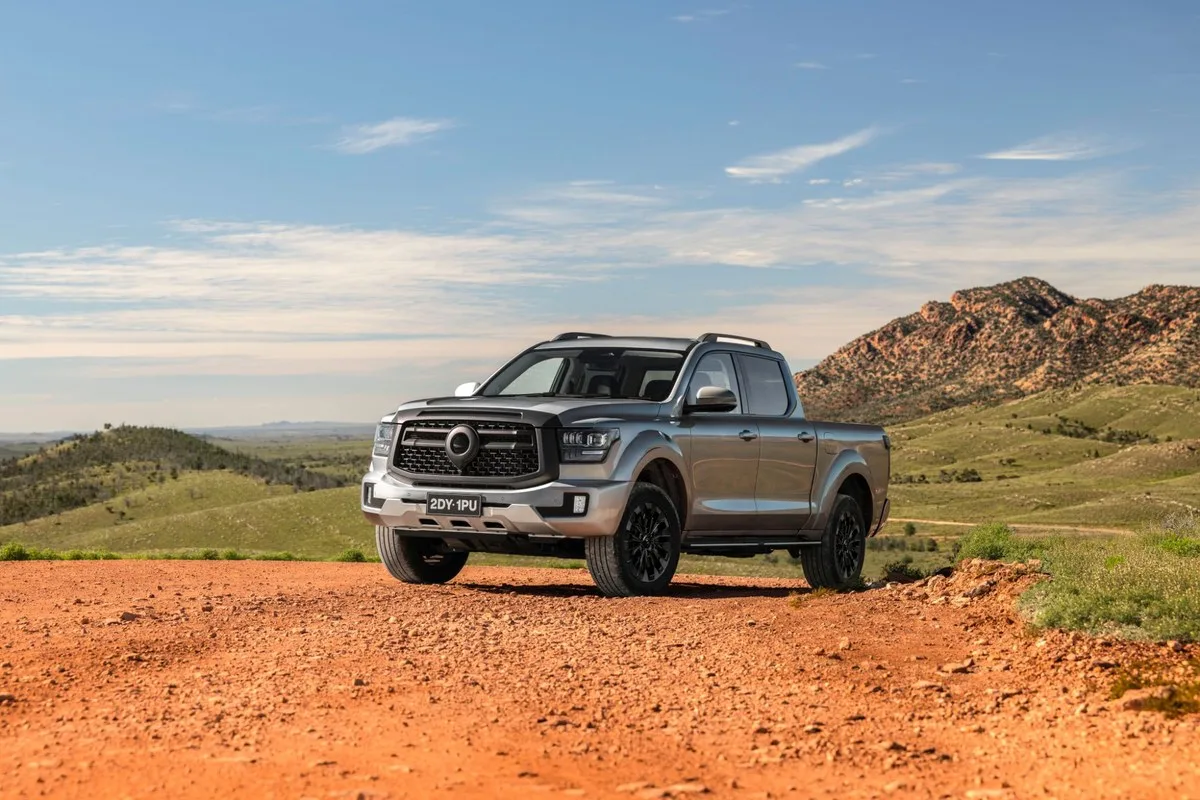
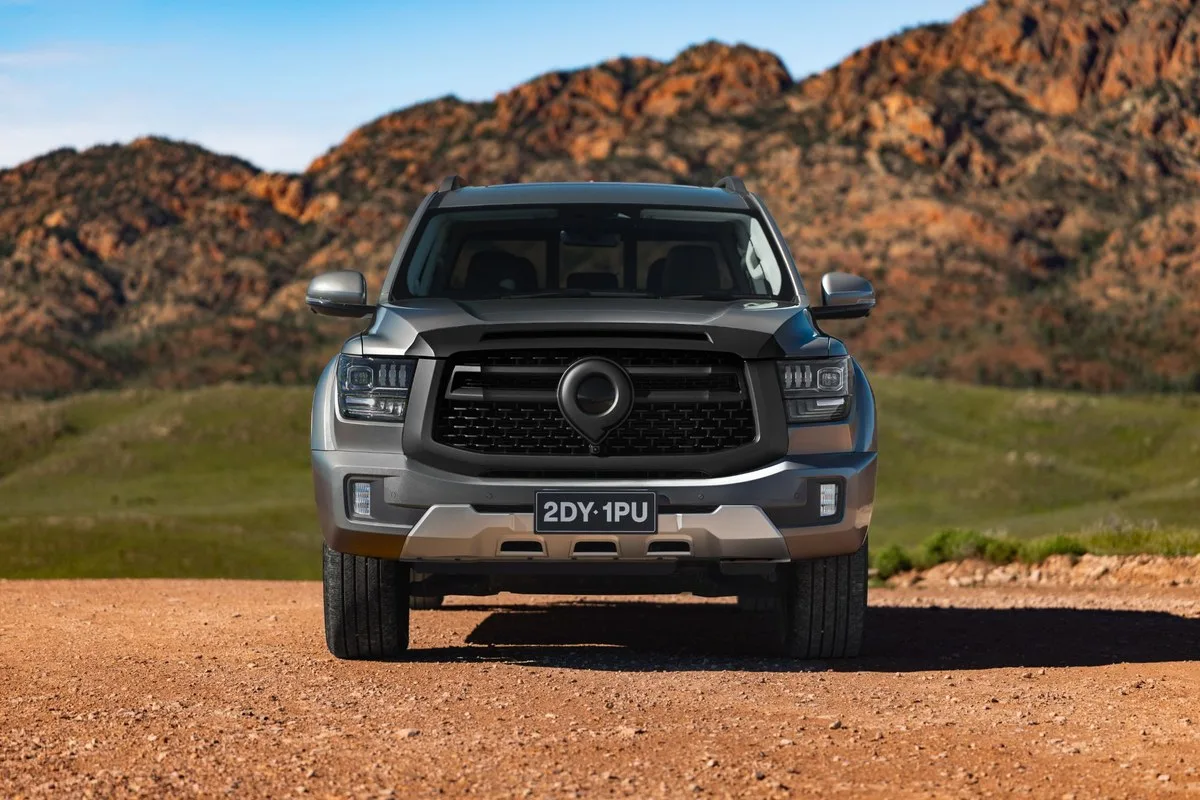

ABOVE: The GWM Tank 500 and Cannon Alpha with the new 3.0-litre turbo-diesel
The Towing Number Nobody Uses
Both models stay at 3500kg braked. That is the number every ute and 4×4 quotes, and the one most owners never go near. Tow ratings sell cars, then sit unused while the car does the shops and one road trip a year. The extra 140Nm turns up in the middle of the rev range, where a caravan, a boat or four people and a full boot will be most handy.
The fuel numbers should always be viewed with a healthy raise of eyebrow. 7.1L/100km is a lab result with nothing on the towbar. Hook up two tonnes and it can double. GWM has also gone bigger while everyone else shrinks. The 3.0-litre matches the largest four-cylinder diesel on sale here, which is Isuzu’s. Displacement is not free, so holding 7.1 in the real world will take wishful thinking.
The hybrid Tank 500 already claims 648Nm, so 620Nm is not even the biggest torque figure in its own showroom. It is a non-issue because nobody cross-shopping a diesel was taking the petrol hybrid anyway.
Australia Gets the GWM Turbo-Diesel First
This is a world debut here, something we should feel chuffed about. Like many carmakers, Australia is considered a testing ground. GWM ran more than six months of local validation before sign-off. It was led by product engineering and vehicle dynamics manager Rob Trubiani, late of Holden fame, and covered durability, towing, drivability and powertrain calibration. Not many brands bother with local tuning any more, and it is something we like to see because of Australian extremes.
There is a reason behind this skulduggery. Australia still buys diesel 4x4s in numbers not seen overseas. GWM keeps growing here while the big names work out what diesel is even for now. Most brands decide their engine programmes on the other side of the planet and ship the result here with a finger held in the air to measure results. A newcomer launching a fresh diesel here first, tuned here, is a flag in the turf that should signal intent across the market.
GWM has nine new models due here by the end of 2026, and diesel is being added to that list rather than dropped from it. Chery has taken a different route with the Stockman diesel hybrid. The Chinese brands are now fighting each other over the same money all whaile chipping away at the rapidly aging Japanese technology.
What Is Still Missing
The GWM turbo-diesel has to sit above the current Cannon Alpha without wandering into Ranger and Everest money. Undercutting those two is a place to aim. GWM has not confirmed which grades get the engine either, or whether the 2.4-litre carries on underneath as the cheap way in.
There are no acceleration claims, no kerb weights and no service pricing. Expect all of that closer to September, along with the first drive. Registering interest in the meantime buys a spot on a mailing list and nothing more.
The direction is the interesting part. Everyone else has spent a decade shrinking diesels or killing them off. The GWM turbo-diesel goes the other way, with 620Nm, and Australia sees it before anywhere else.
GWM Turbo-Diesel Key Numbers
| Spec | Detail |
|---|---|
| Engine | 3.0-litre turbo-diesel |
| Power | 170kW |
| Torque | 620Nm |
| Gain over 2.4-litre | +35kW, +140Nm |
| Transmission | 9-speed automatic, GWM built |
| Drive | 4WD |
| Braked towing | 3500kg |
| Fuel, Tank 500 | 7.1L/100km combined, ADR81/02 |
| Fuel, Cannon Alpha | 7.3L/100km combined, ADR81/02 |
| Models | Tank 500 and Cannon Alpha |
| On sale | September 2026 |
| Price | Not announced |
More GWM Stories
- GWM Australia Lines Up 9 New Models For 2026
- Toyota BYD Tesla Fight For Australia’s Sales Crown
- Haval H6 Ultra 2WD HEV Kills Toyota and Hyundai Here’s Why
Help Support Gay Car Boys Subscribe to our Youtube Channel by SMASHING THE BUTTON ABOVE

Alan Zurvas is the founder and editor of Gay Car Boys, Australia's leading LGBTQI+ automotive publication. Before launching GCB in 2008, Alan's automotive writing was published in SameSame.com.au and the Star Observer. With over 16 years of hands-on car reviewing experience, Alan brings an honest, irreverent voice to every review — championing value and innovation over brand loyalty.
Leave a Reply