The Australian automotive landscape of 2026 is unrecognizable. The tectonic plates have shifted uncomfortably under the feet of long-established mastheads. In February 2026, China officially became Australia’s largest source of new vehicles, ending Japan’s 28-year reign. While the old guard watches market share evaporate, the Lexus GX 550, which arrived back in 2024, is starting to feel like an expensive piece of history. It is a vehicle caught between two eras: the rugged, body-on-frame, pothole conquering past and a future that is rapidly going electric, high-tech, and above all, affordable.
Top of the Bottom Tree
While the name “Luxury” implies a high life of champers and caviar, in the Lexus GX universe, it is paper doilies from a slap-up hamper of lumpfish roe and Coles water crackers. It is the entry point, the base camp, the “cheap” one. If you want the clever e-KDSS (Electronic Kinetic Dynamic Suspension System) that disconnects your stabilizer bars to caper over crevices with the alacrity of a mountain goat, you’ll need to shell out more shekels.
The fancy bars and the Multi-Terrain Select (MTS) with its fun “Rock” and “Mogul” modes are reserved for the Overtrail. The Luxury grade is the urban specialist, a classy carriage for the lovers of prestige punch without the desire to be bitten by bugs while slumbering under the stars. What an appalling use of the great outdoors.
By opting for the Luxury, you are essentially telling the world you value seven seats (for whatever reason) and leather-accented upholstery over the ability to rescue a bogged Hilux in the High Country. It lacks the rear locking differential and the adaptive variable suspension of its more expensive siblings, leaving you with a setup that still has the full 4-paw goodness minus a few claws.
Smooth V6 vs. The Chinese Onslaught
The drive is excellent, silky smooth, and the steering delightfully precise yet light. Under the bonnet, the 260kW/650Nm twin-turbo V6 petrol is an absolute cracker, but she is a thirsty little darling. She pulls with authority, and drinks like a drag queen. We scored a smidge under 14L/100km and even on an 80L tank you’re hunting for highway haunts more often than drivers of her diesel cousins.
There is plenty of comfort to help you settle into a quiet hum that makes long-distance touring a genuine joy. The ten-speed automatic is sophisticated, keeping the top cogs for highway speeds.
However, while Lexus is busy refining internal combustion, Chinese brands are eating their lunch. In February 2026, brands like BYD, GWM, and Chery firmly entrenched themselves in the top ten. The Chery Tiggo 4 Pro even managed to hit the #3 spot for the month. These manufacturers are offering high-tech super-hybrid PHEVs and full EVs with immense torque and tiny fuel figures for a fraction of the Lexus price tag. In a world where battery-electric vehicles now account for nearly 12% of total sales, a thirsty, petrol-only V6 feels like a beautifully crafted galleon. Lexus has form for stubborn refusal when it comes to diesel, but the younger the wealthy driver, the more environmentally aware they tend to be.
Lexus has always been the gold standard for “Omotenashi,” but in 2026, hospitality is being redefined by software. The latest offerings from Zeekr and Geely provide integrated V2L (Vehicle-to-Load), cinemascopic 15-inch OLED displays, and autonomous driving suites that make the Lexus safety tech feel a generation behind.

Help Support Gay Car Boys Subscribe to our Youtube Channel
Above: This Week’s VIDEO Review –2026 Lexus GX 550 Luxury
#LexusGX550, #V6TwinTurbo, #LuxurySUV, #VFACTS, #CarReview


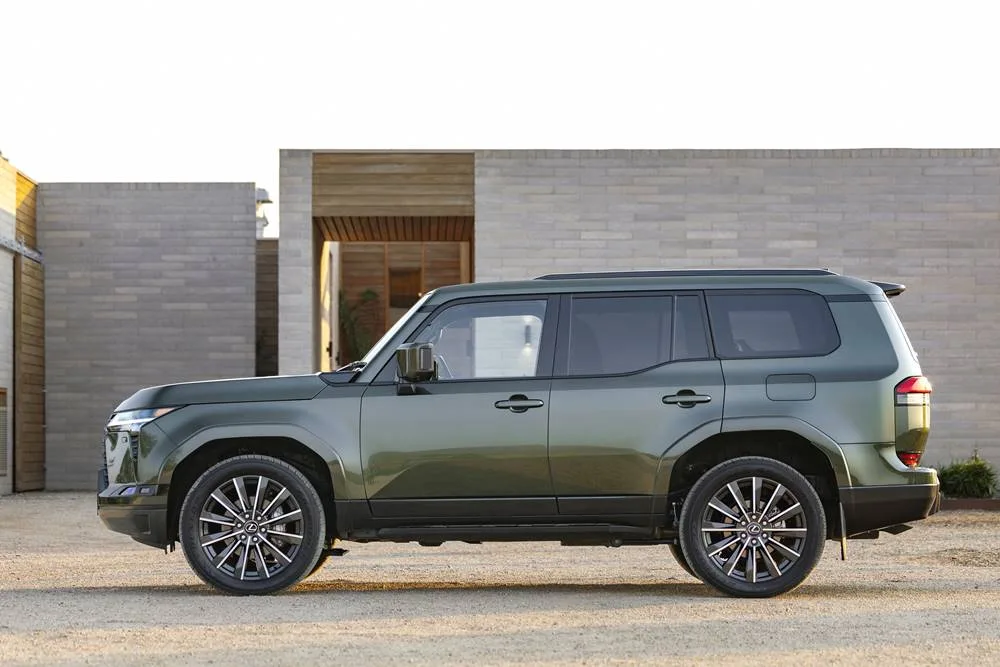
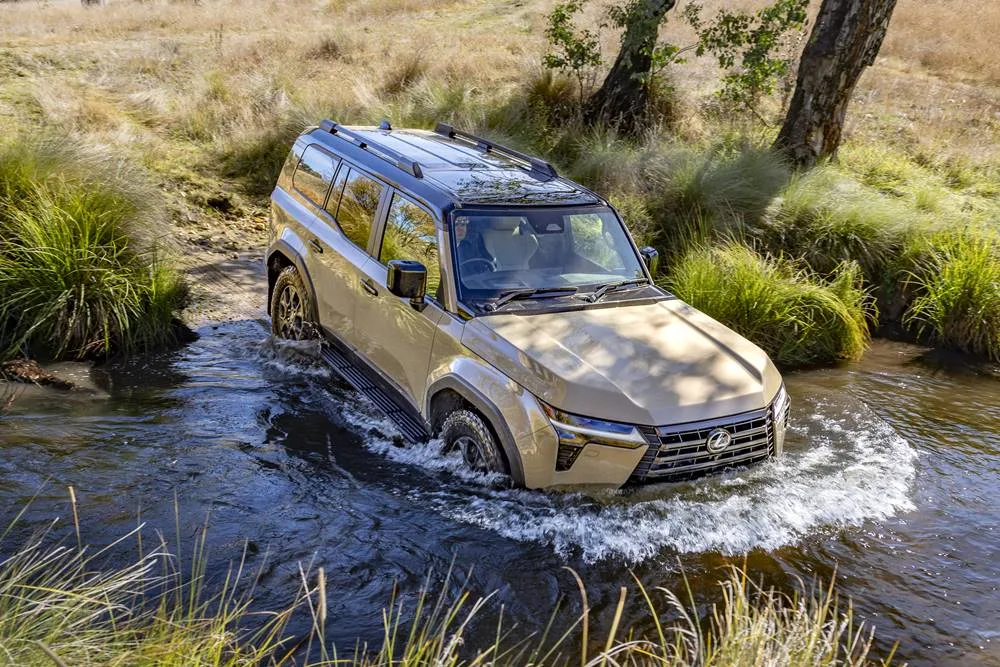
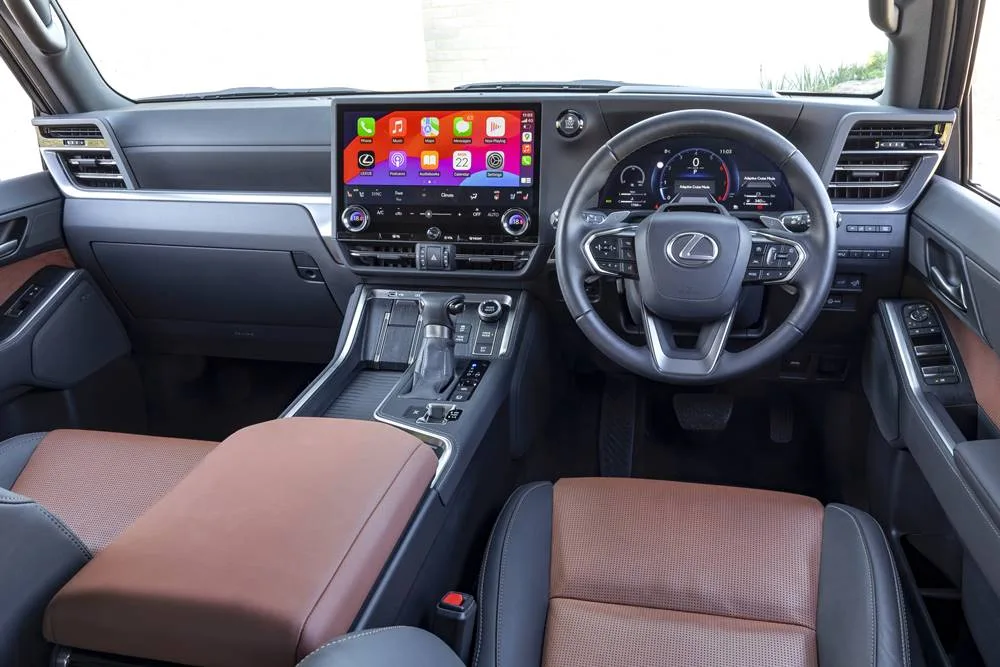

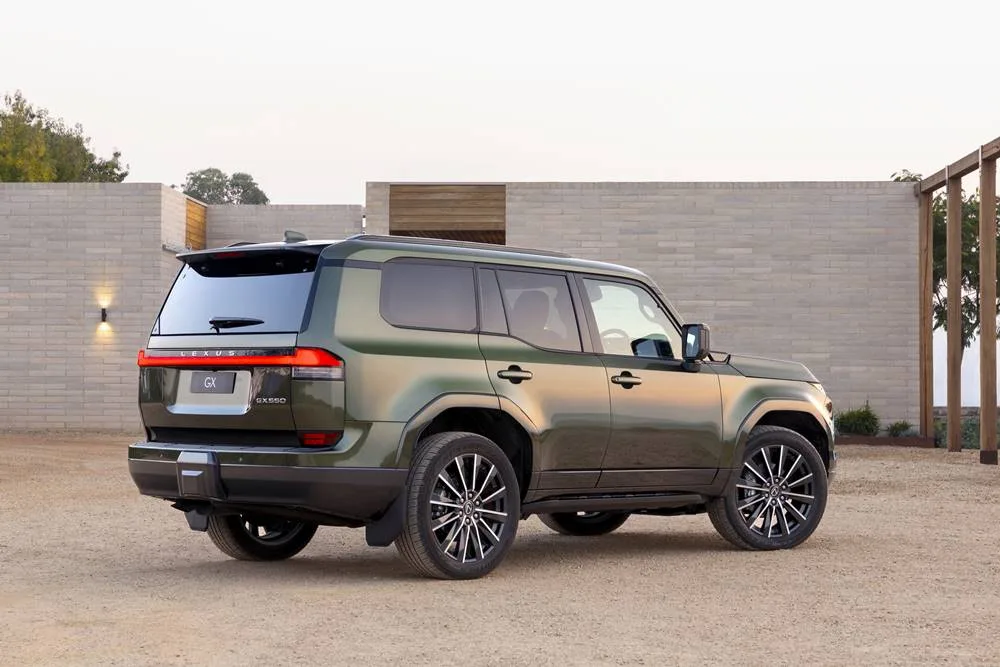
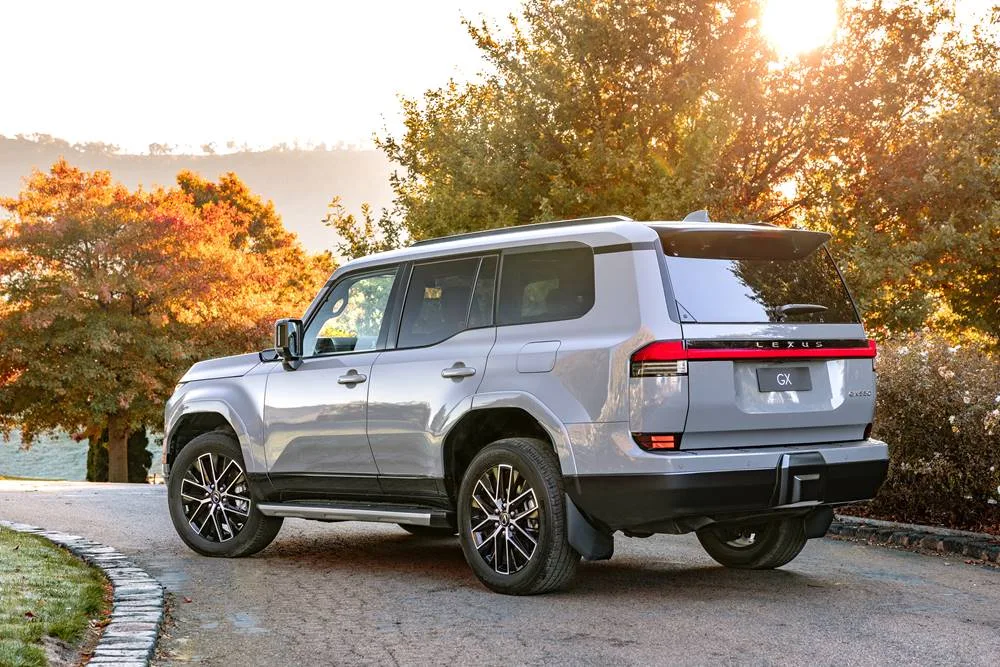
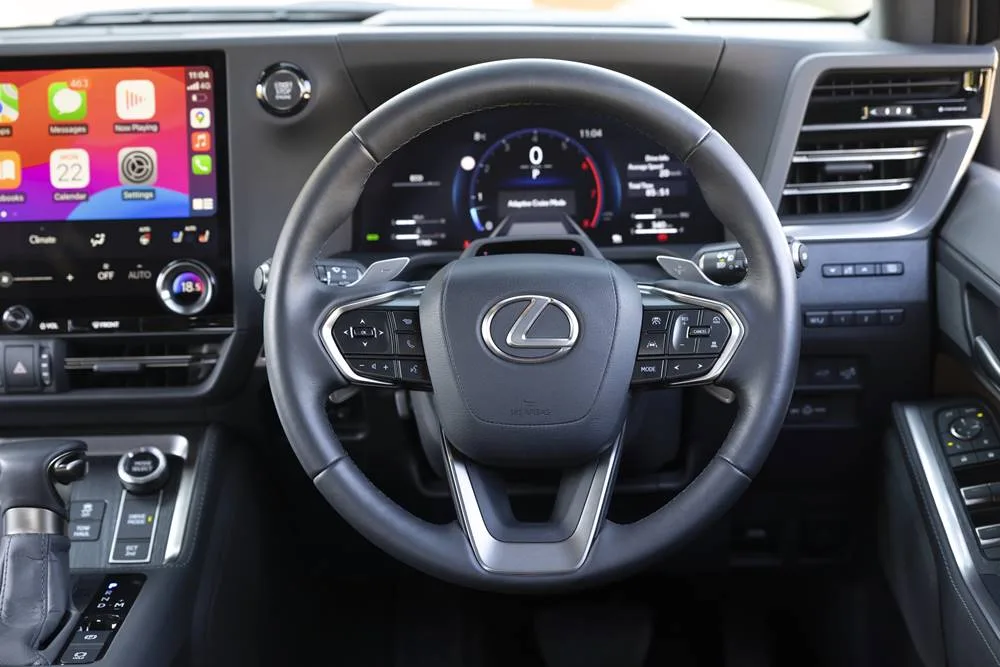
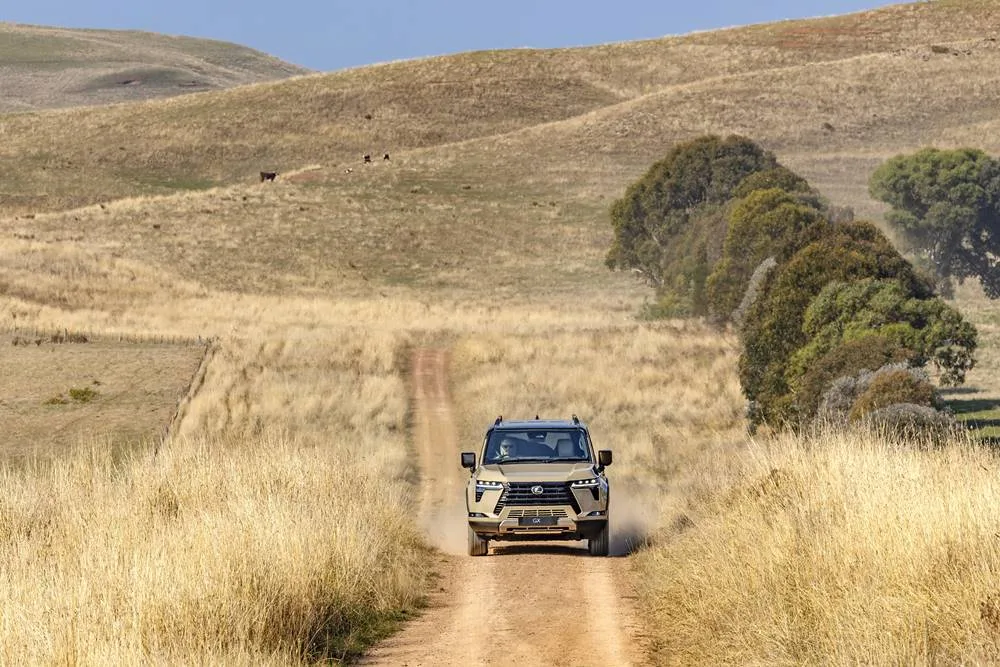
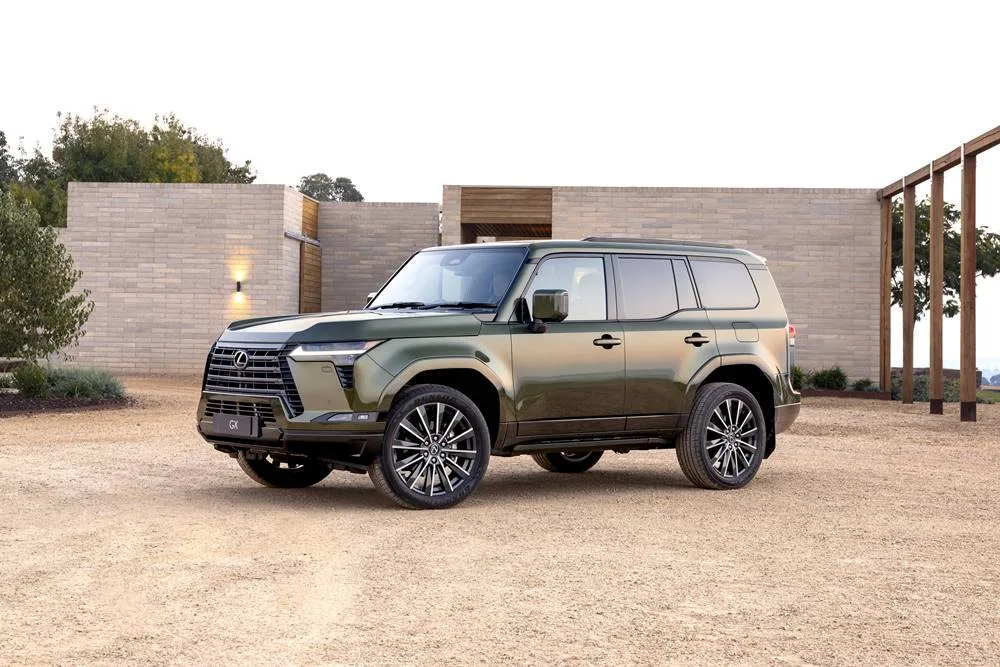
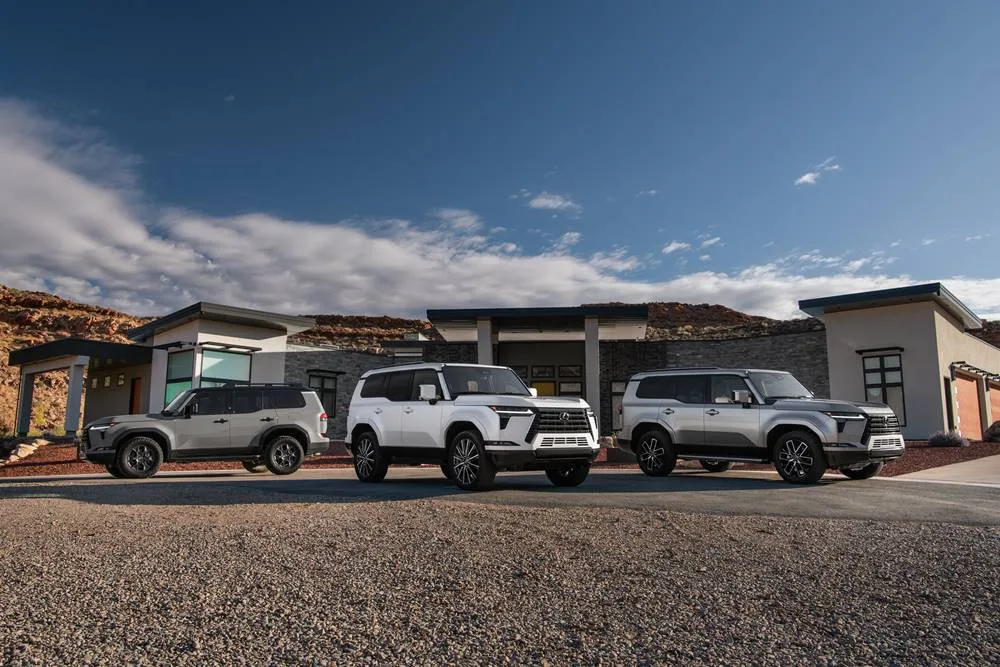
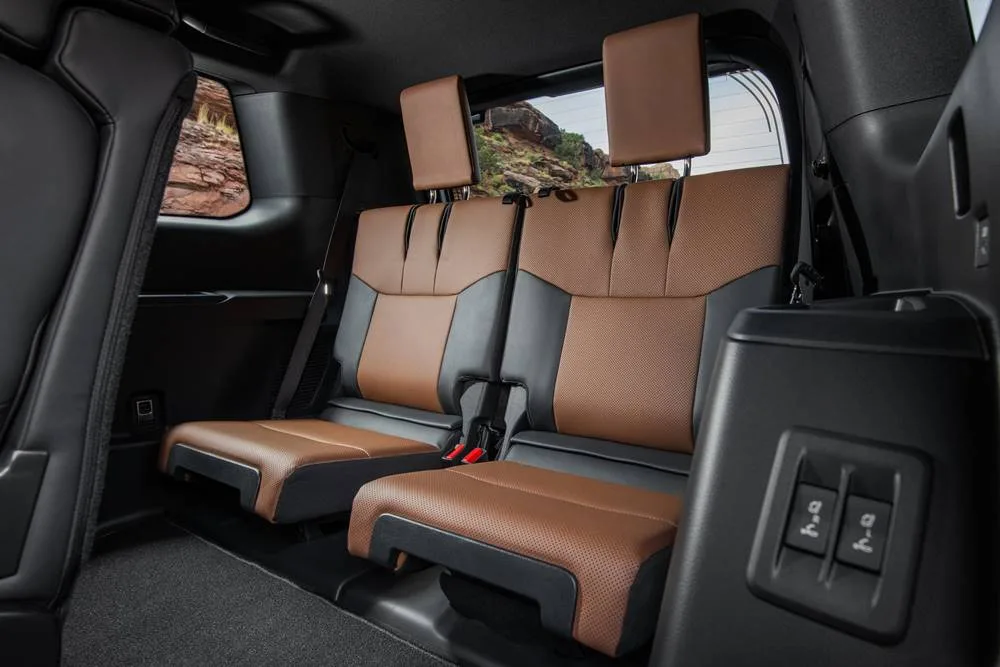
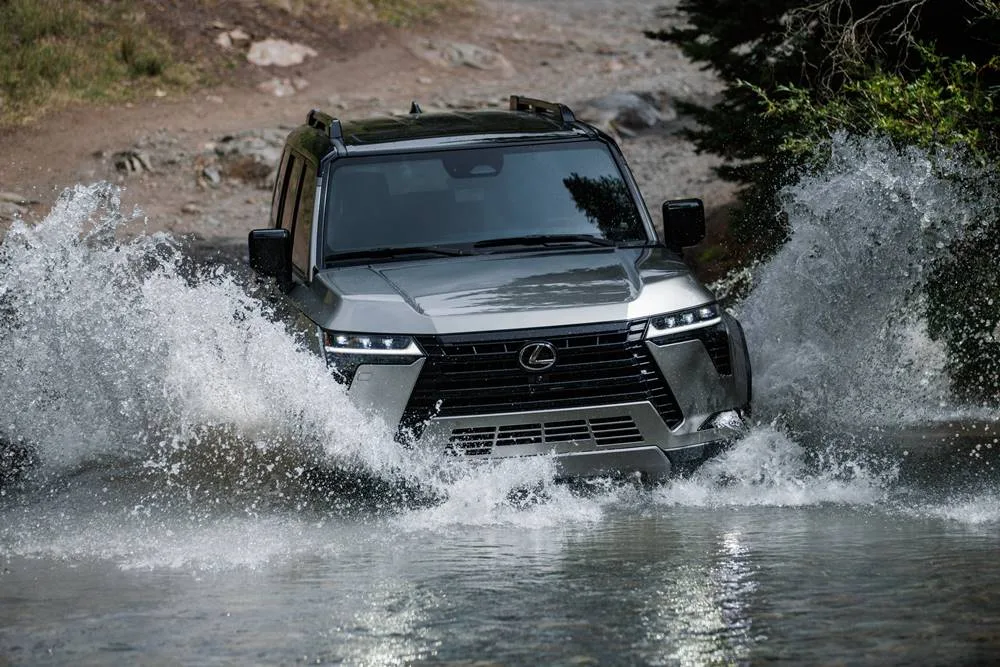
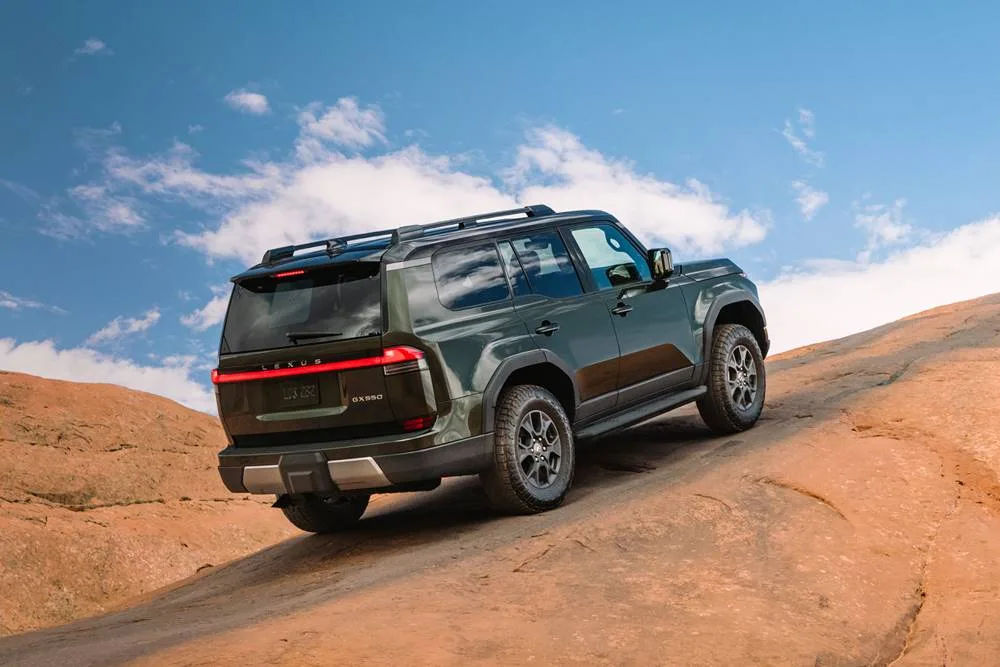
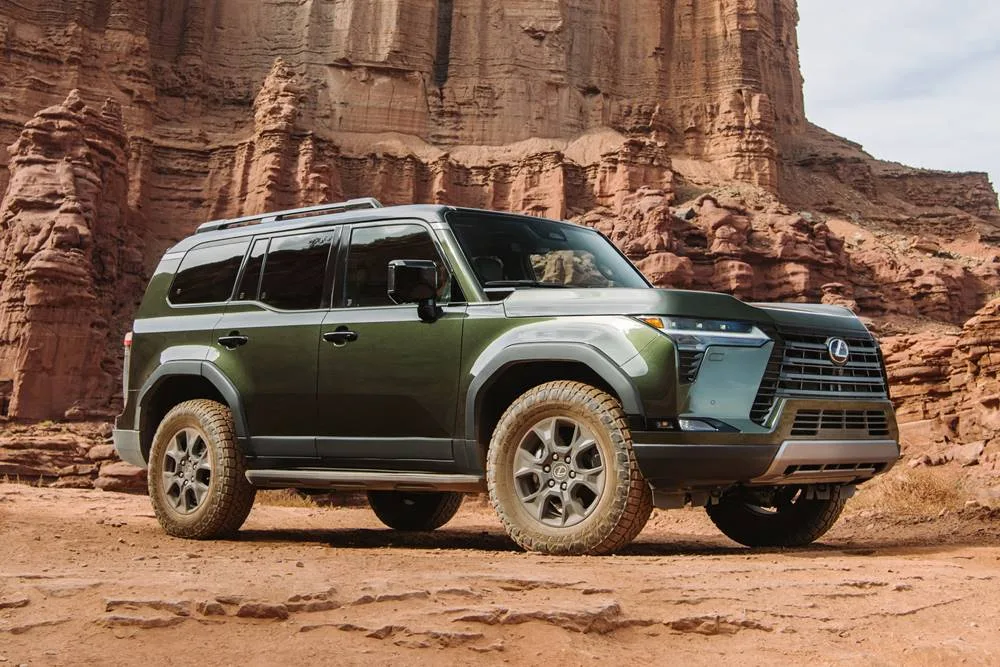
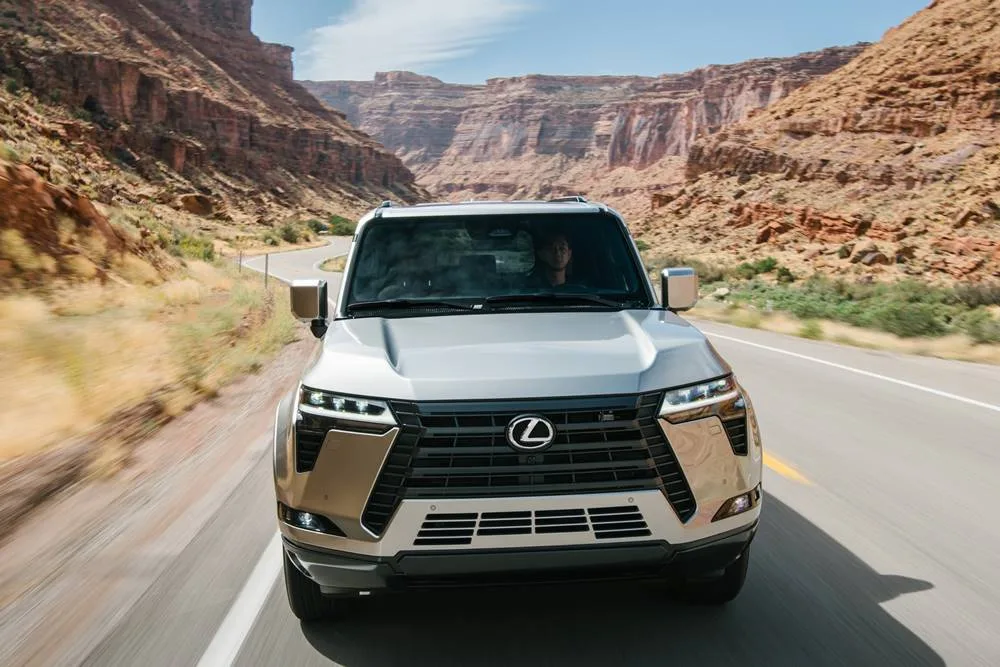

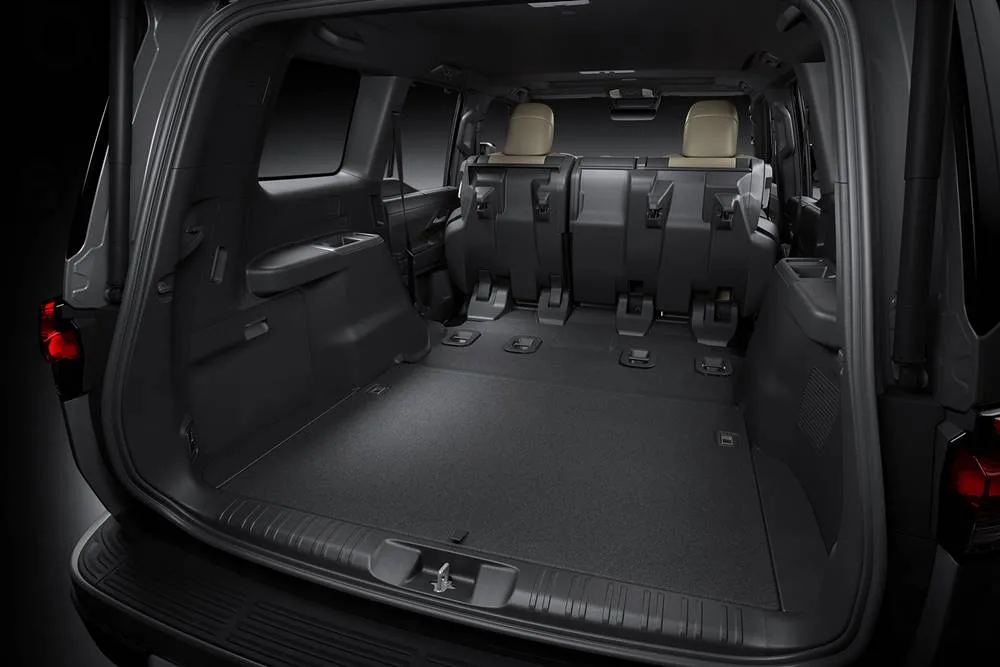
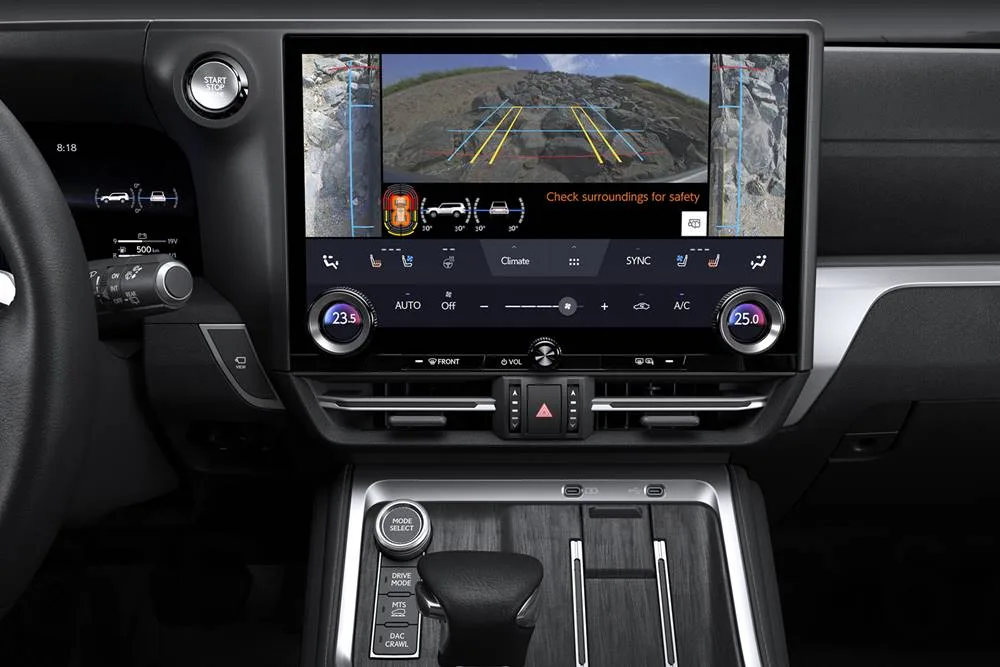
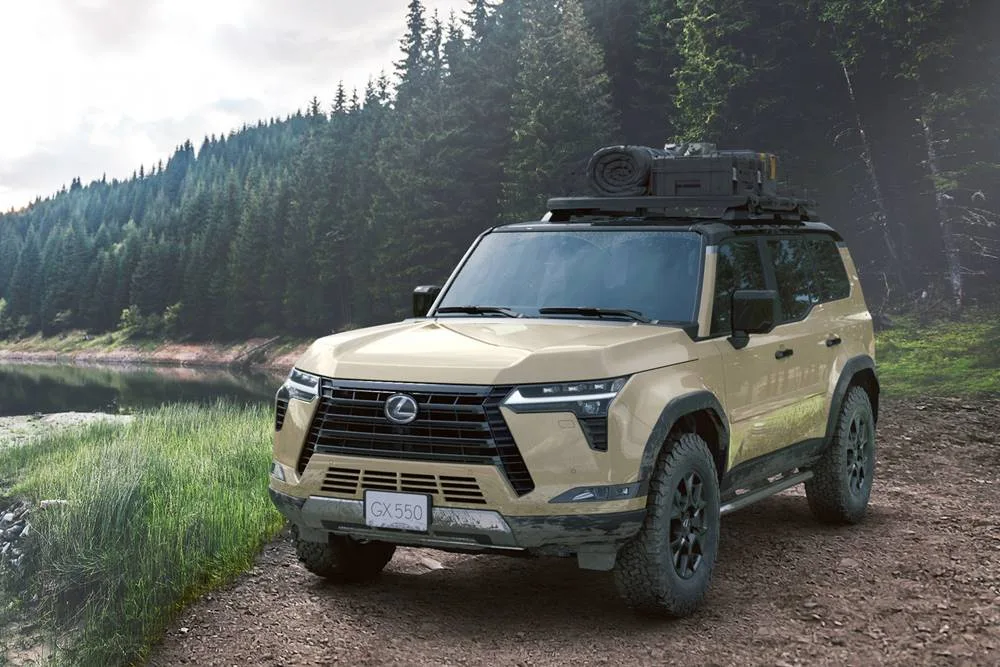
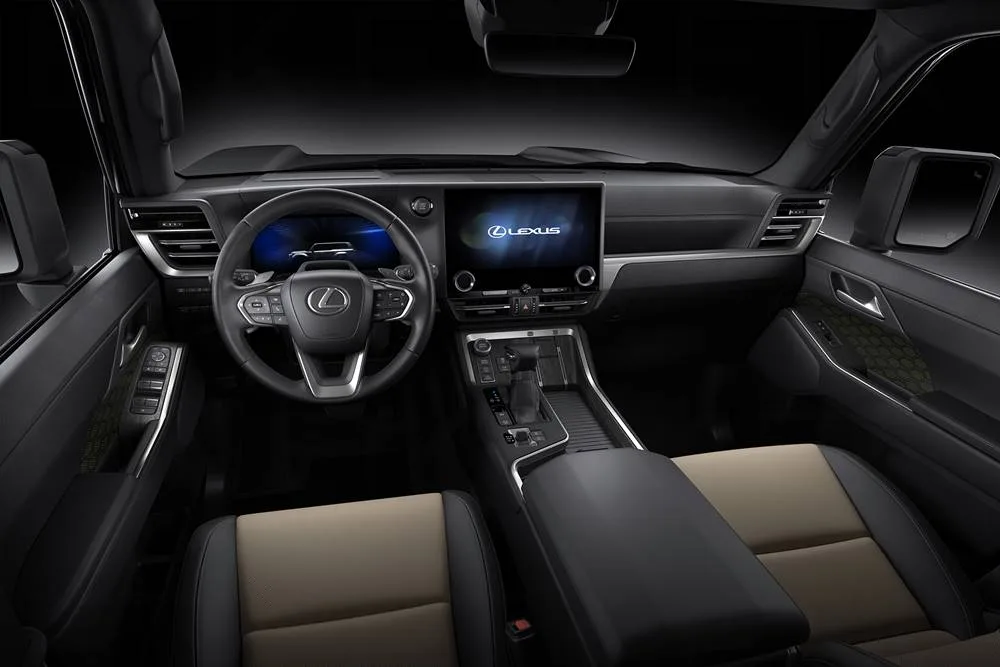
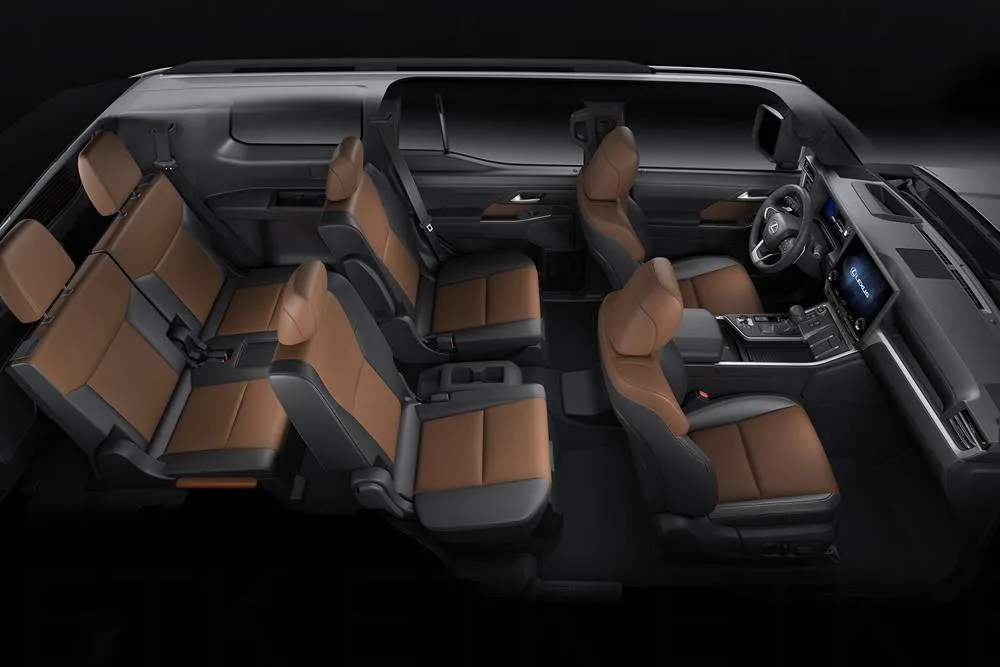
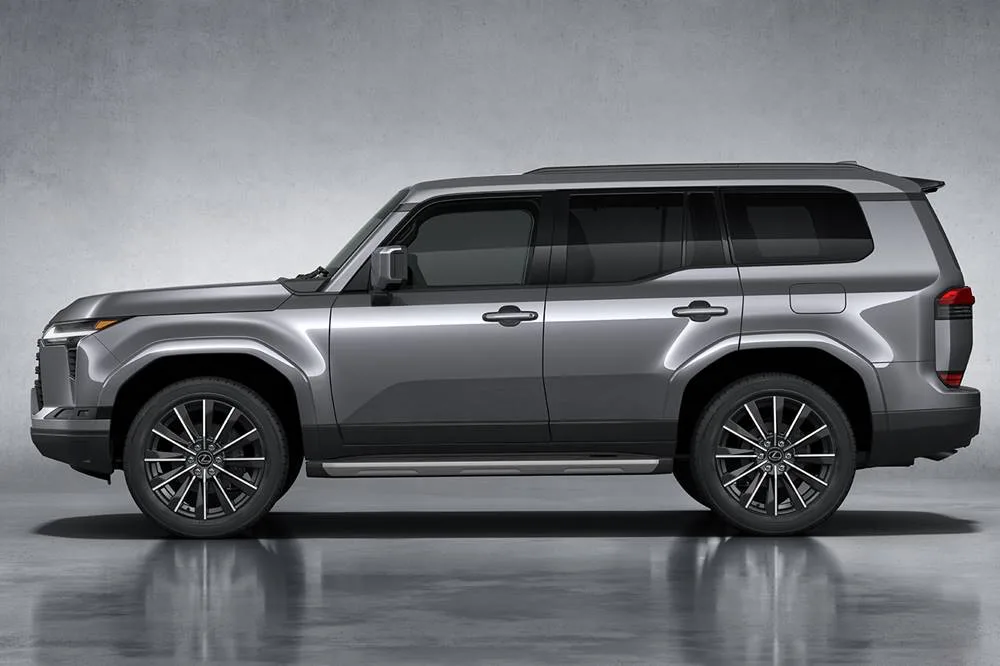
ABOVE: Lexus GX 550 Range
The HUD Headache
The Head-Up Display (HUD) is a shocking oversight (see what I did there?). It sits too far to the left and disappears from view during left-hand bends, in at least one eye, at least for this amply proportioned driver. Even after being adjusted as far as possible through the infotainment settings, it remains an irritating ghost in the periphery in gentle bends. For a brand that prides itself on ergonomic perfection, having a primary driver interface that plays hide-n-seek is a bizarre failure. It feels like the projection was calibrated for a left-hand drive market and the engineers simply forgot to move the focal point for the lucky country when they moved the hole across the dash.
The rest of the cabin is a Lexus-esque tomb of silence, but even that is being challenged. Modern EVs from China are so inherently quiet that the “Lexus Advantage” in NVH (Noise, Vibration, and Harshness) is narrowing. The 14-inch touchscreen is crisp, but the software interface feels slightly utilitarian compared to the cinematic experiences offered by the new-market entrants. It is a vast improvement over the touchpad and toggle of yester-Lexus.
Cabin Comfort and Troughs
Inside, the GX 550 Luxury is fabulously equipped, even if it is the “base” model. We loved the little glass half-hatch at the back, which allows you to drop in a shopping bag without opening the bigly-proportioned power tailgate—a godsend in tight car parks.
Heated and cooled leather front seats and heated 2nd row seats once seemed like luxury, but can now be had in $40k SUVs.
The 3rd row of seats is a step forward from the appalling setups found in Prado SUVs. Prado has cheap plakky troughs from the Bunnings garden department behind the 3rd row. They sit on top of the floor rather than in it, and the box covers the seats. Lexus folds them into the floor properly via electric motors, leaving you with a usable, flat load space. However, don’t expect to fit adults back there for anything longer than a trip to the local bistro; it’s strictly for the short-of-limb. Storage up front is adequate but not standout, with a centre stack that features a natty retracting cover for a 12V socket. The passenger-side “Jesus grip” has enough room to stash a couple of bits and bobs—rather defeating the purpose of a handle.
The $270 Fill-Up
There is a catch at the bowser. The 80L tank drinks premium fuel only. With global oil prices in the stratosphere, you will be paying almost $2.50 a litre for 95 or 98 RON. Filling a GX is not for the faint of wallet, often requiring over 270 of our finest Australian dollars to fill. As the vicious US attacks continue to hold the Middle East and the greater world for ransom, that will only get worse.
The official combined figure is 12.3L/100km, but in the real world—even with a lightish right foot—you’ll see that climb toward 17L/100km in the city. While the V6 performance is authoritative, the Chinese PHEVs are doing the school run on pennies. The “smug factor” of sitting in a quiet, climate-controlled cabin is high, but it’s tempered by the knowledge that your neighbour’s BYD is achieving 0L/100km for their daily commute.
Warranty Woes
Lexus offers a five-year, unlimited-kilometre warranty on the GX 550, which sounds reasonable until you realise half the industry has moved on. The Korean and Chinese manufacturers have weaponised warranty length as a trust-building exercise, and it is working. Kia, Hyundai, and Genesis all offer seven years. MG, GWM, Chery, and LDV match them. Mitsubishi has gone nuclear with a ten-year program. Even BYD offers six years on its EVs. Lexus, along with parent Toyota, sits stubbornly at five, relying on reputation rather than paperwork. Service pricing is competitive but not class-leading, and the dealer network, while excellent, is smaller than the mass-market brands. For a vehicle nudging $130,000 driveaway, buyers might reasonably expect the warranty to match the price tag. In a market where Chinese newcomers are throwing seven-year coverage at $35,000 SUVs, the Lexus position looks increasingly parsimonious.
Brand |
Warranty |
Service |
Lexus |
5 years / unlimited km |
Capped price |
Toyota |
5 years / unlimited km |
Capped price |
Kia |
7 years / unlimited km |
Capped price 7 years |
Hyundai |
7 years / unlimited km |
Capped price 5 years |
Genesis |
7 years / unlimited km |
5 years free service |
Mitsubishi |
10 years / 200,000 km |
Capped price |
MG |
7 years / unlimited km |
Capped price 7 years |
GWM |
7 years / unlimited km |
Capped price 7 years |
BYD |
6 years / 150,000 km |
Capped price |
Chery |
7 years / unlimited km |
Capped price 7 years |
Conclusion
Big prices are becoming a harder sell. The Lexus GX 550 Luxury is a superb machine if you value traditional Japanese craftsmanship, a robust ladder-frame chassis, and a venerable badge that still carries weight at the golf club. It is faster, quieter, and infinitely more comfortable than the best-selling agricultural dual-cabs Australians buy by the gross.
But as the 2026 sales figures show, the Australian buyer is moving on. The legacy brands are copping a hiding from the value and technology coming out of China. The GX arrived in 2024 as a quiet-but-classy statement of luxury off-roading, but in 2026, it feels like a very polished salute to a passing era. If you don’t mind the fuel bill and you don’t need the Overtrail’s hardcore party tricks, it’s a lovely way to spend six figures—just don’t be surprised when a “newcomer” brand overtakes you at the lights without making a sound.
More LEXUS at GayCarBoys
- Sexy Men Drive 2021 Toyota Yaris Cross
- Lexus IS’s Midlife Facelift is More Than Skin Deep
- Toyota and LEXUS Fuel Pump Recall for Thousands of Vehicles
- LEXUS brings LC Convertible to Australia
- Small SUV Comparison: Citroën C3 Aircross VS LEXUS UX
- 2019 LEXUS LC 500 Review and Road Trip
Specification |
Value |
Engine |
3.4L Twin-Turbo V6 Petrol |
Power |
260kW @ 4800-5200rpm |
Torque |
650Nm @ 2000-3600rpm |
Transmission |
10-speed automatic |
0-100 km/h |
7.0 seconds |
Fuel Economy (Combined) |
12.3L/100km |
Fuel Tank |
80L (Premium 95/98 RON) |
Towing Capacity |
3500kg (Luxury/Overtrail) / 3130kg (Sports Luxury) |
Dimensions (L x W x H) |
5005 x 2114 x 1920mm |
Wheelbase |
2850mm |
Warranty |
5 years / unlimited km |
Model |
MRLP |
Est. Drive-away (NSW) |
Lexus GX 550 Luxury |
$118,320 |
$128,000 – $131,763 |
Lexus GX 550 Overtrail |
$124,840 |
$139,727 – $145,081 |
Lexus GX 550 Sports Luxury |
$130,770 |
$140,680 – $145,439 |
Help Support Gay Car Boys Subscribe to our Youtube Channel

Alan Zurvas is the founder and editor of Gay Car Boys, Australia's leading LGBTQI+ automotive publication. Before launching GCB in 2008, Alan's automotive writing was published in SameSame.com.au and the Star Observer. With over 16 years of hands-on car reviewing experience, Alan brings an honest, irreverent voice to every review — championing value and innovation over brand loyalty.
Leave a Reply