The automotive world is currently obsessed with the Toyota Prado. It is the default choice for middle-class Australians who want to look like they might one day visit the Simpson Desert but usually only conquer the local Woolworths car park. However, there is a new-ish player in town that makes the Prado look and feel like Victorian era rural equipment. Enter the Lexus GX 550 Luxury.
The GX is a brand-new model range for the Australian market. Despite what some confused forum dwellers might think, neither the GX nor the Prado have ever had V8 engines in Australia, diesel or otherwise. If you are looking for a V8 legacy here, you are thinking of the LX, which properly carried that torch in its previous generation. Overseas markets contained a V8 Prado sold as a Lexus GX and it’s taken a while for Lexus to allow the GX range to filter into the outback.
For the Australian market the GX 550 is a fresh start. It is here to prove that you don’t need eight cylinders when you have two turbos and a badge that means something at a valet stand.
First, the Australian market
China has finally ended Japan’s 28-year reign as Australia’s primary vehicle source, shipping 22,362 units in February to claim the top spot. This historic flip occurred against a backdrop of a cooling broader market, which retreated 4.5 per cent to 90,712 total sales for the month. While traditional powerhouses face headwinds, Chinese disruptors like BYD and Chery are seeing seismic growth, with BYD’s year-to-date volume surging 161 per cent as buyers pivot toward aggressive tech and pricing.
Toyota remains the market leader but is currently bleeding volume, with its 13,606 February sales representing a significant 27.8 per cent plunge compared to the same period last year. The brand has shed over 5,000 units in a single month, a result that looks particularly grim when set against the triple-digit gains of new Chinese entrants. Even the once-invincible HiLux is feeling the heat, and while it holds the number two model spot, the overall brand decline suggests the “safe bet” status is being challenged by a fresh wave of competition.
Lexus is similarly caught in the crossfire, with February deliveries sliding 19.1 per cent to just 853 vehicles. As established luxury brands navigate this slump, premium-leaning Chinese labels like Zeekr are recording explosive growth from a standing start, with Zeekr up over 999 per cent year-to-date. The data indicates that the traditional prestige guard is no longer insulated from market disruption, as the new nameplates move beyond budget segments and start capturing the aspirational middle ground.
(source: VFACTS)
Now, back to the Lexus GX
Under the bonnet of the GX 550 is a deliciously smooth 3.4-litre twin-turbo V6 petrol engine that generates a healthy 260kW and 650Nm. Compare that to the Prado’s 2.8-litre four-cylinder turbo-diesel, which wheezes out 150kW and 500Nm. It is a very little offering for a very lot of money, whereas the Lexus is a powerhouse that pulls with authority.

Help Support Gay Car Boys Subscribe to our Youtube Channel
Above: This Week’s VIDEO Review –2026 Lexus LBX Paradox
#LexusLBX, #LBXSportLuxury, #ToyotaCHR, #LuxurySUV, #HybridCars, #GayCarBoys


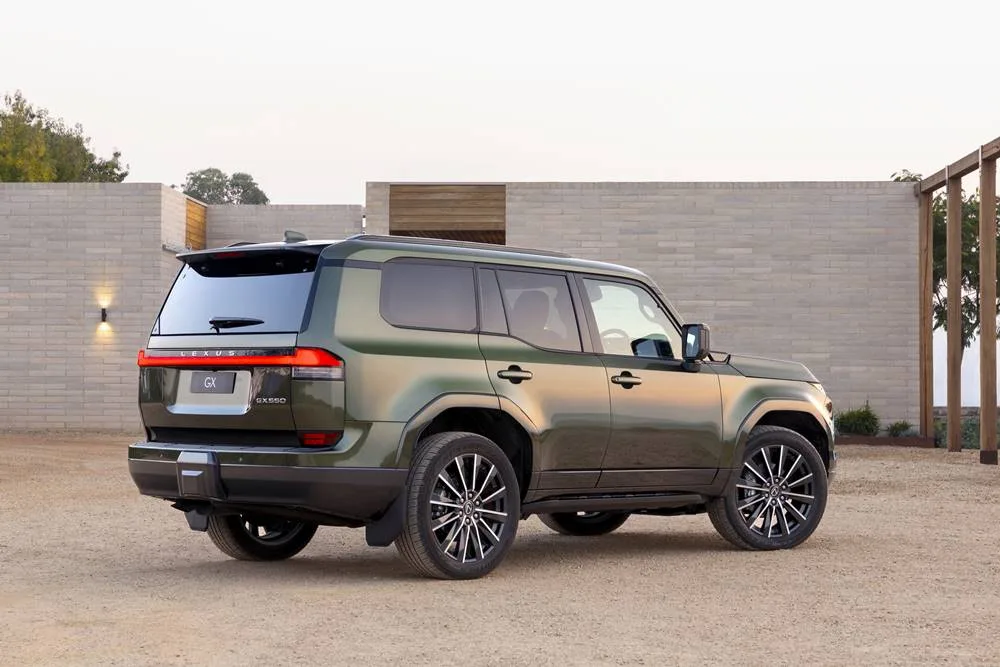
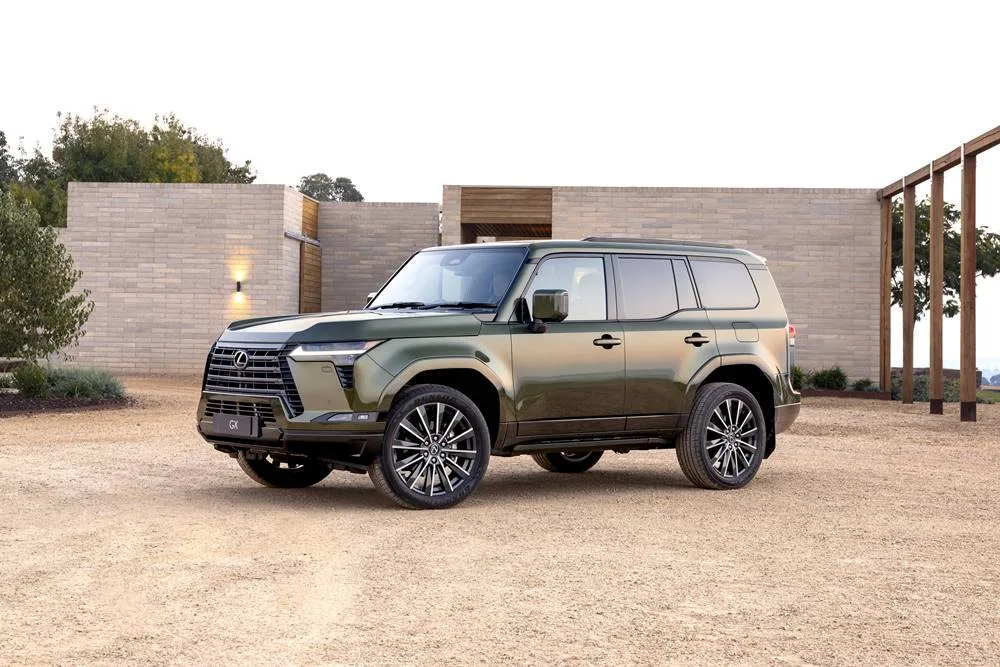
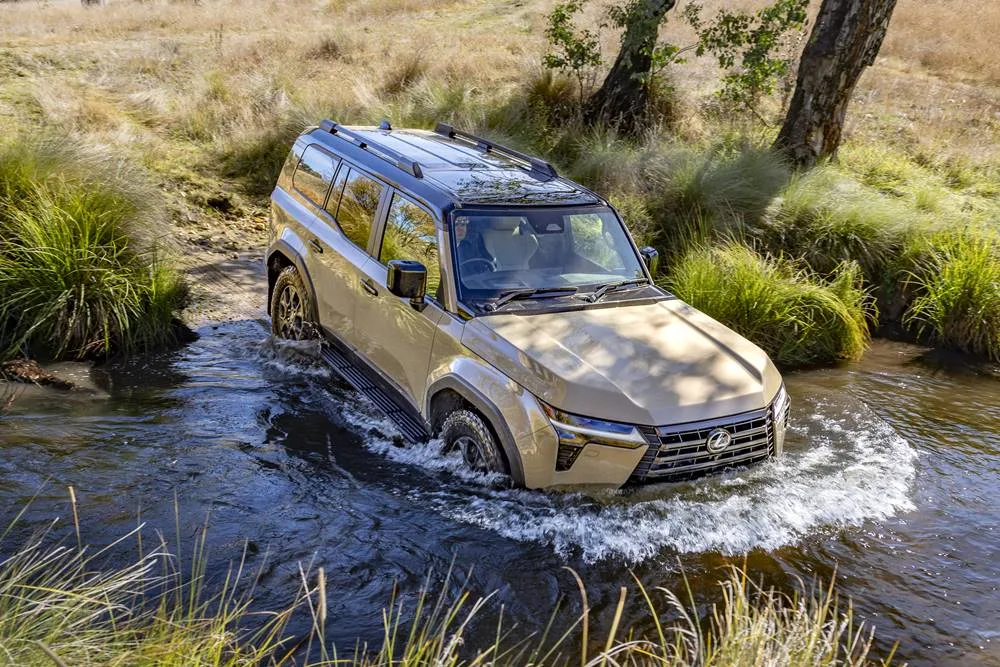
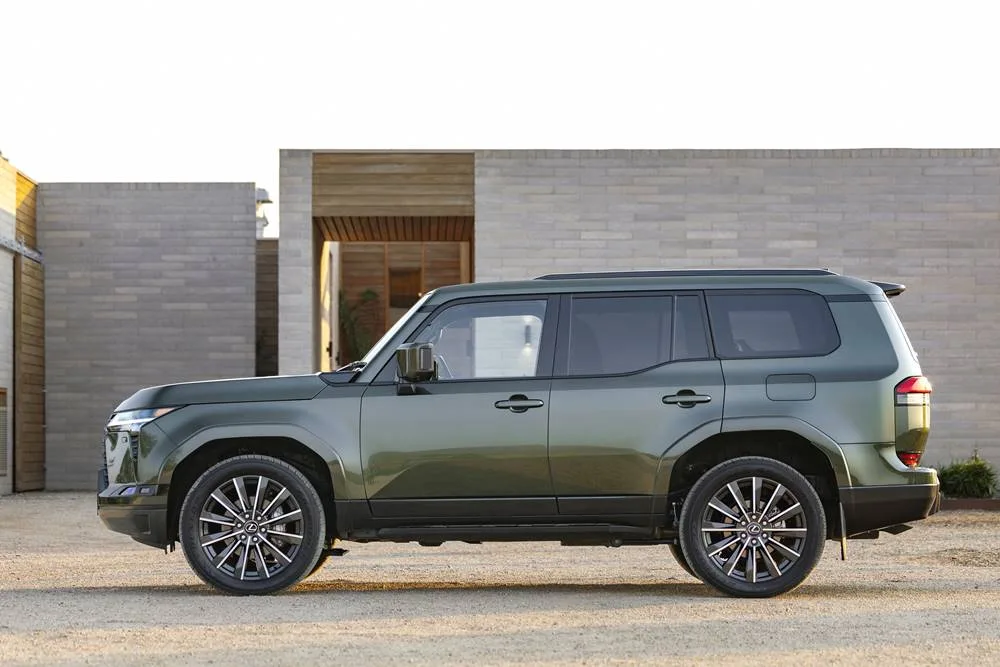
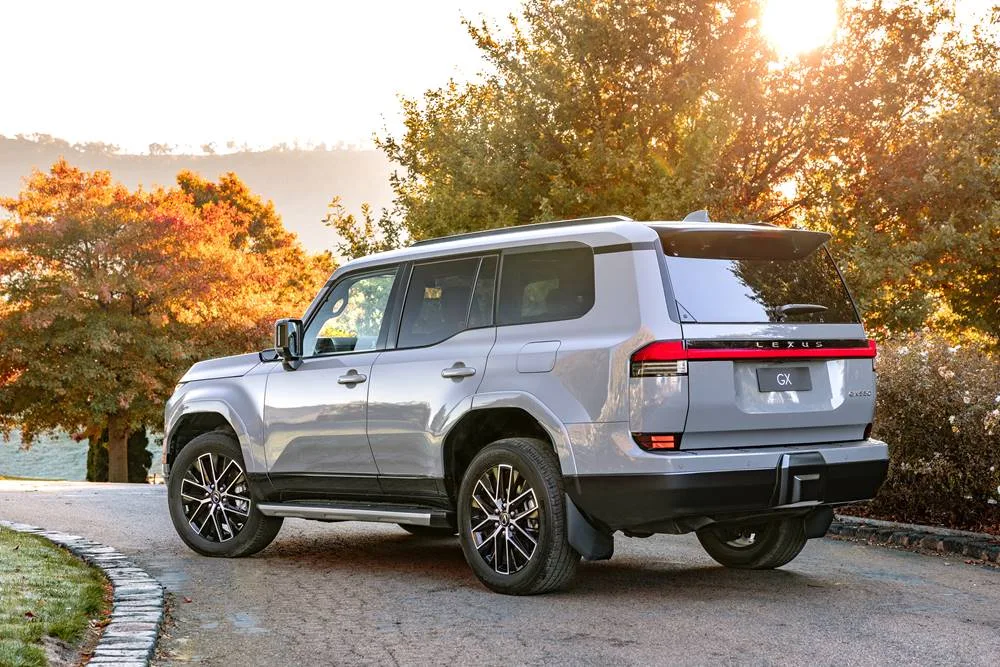
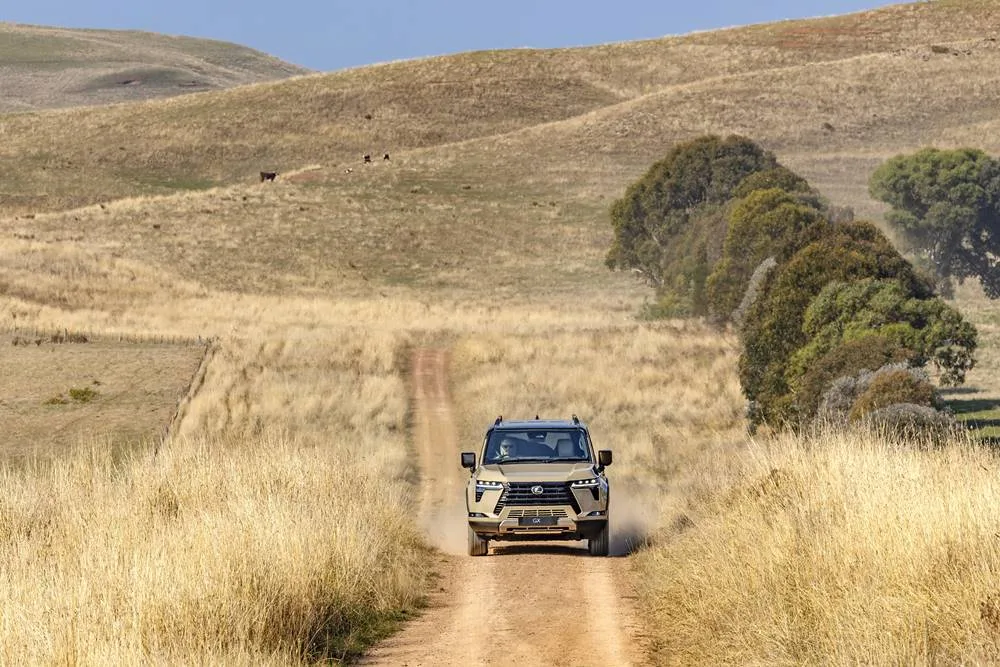
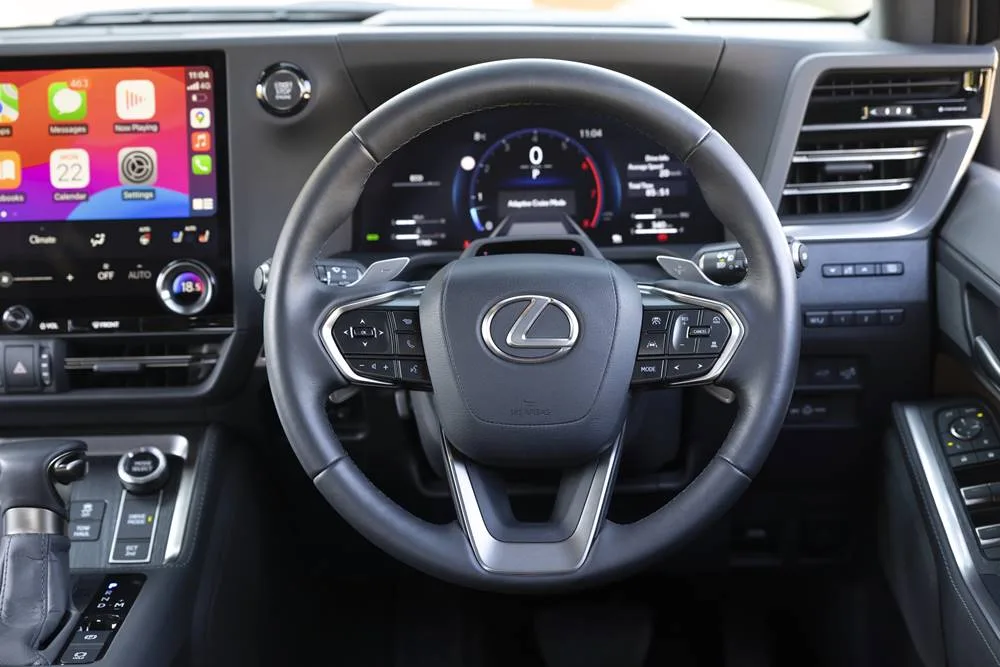

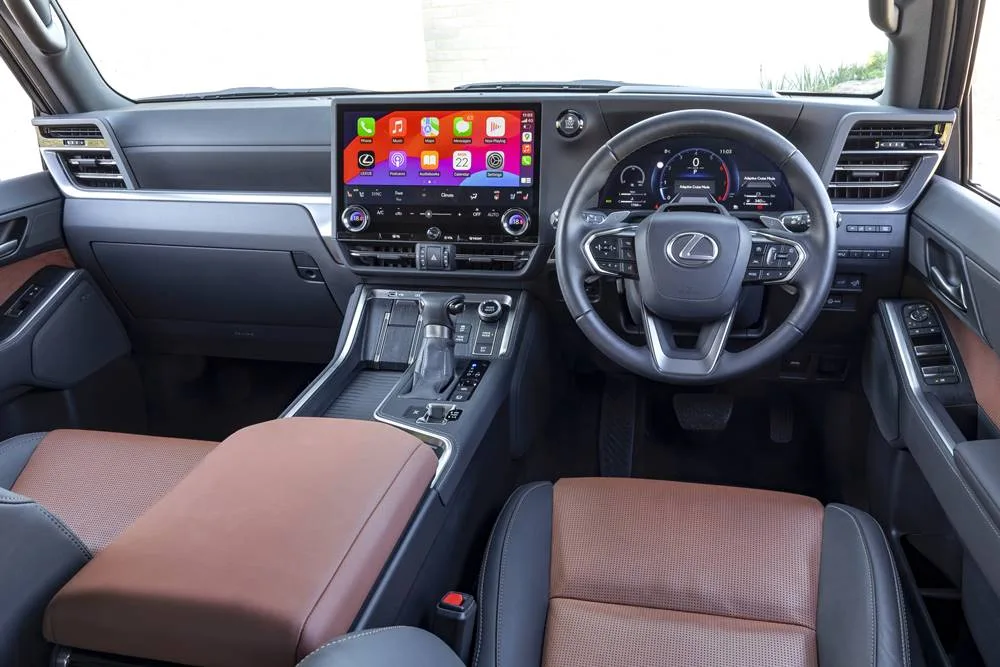
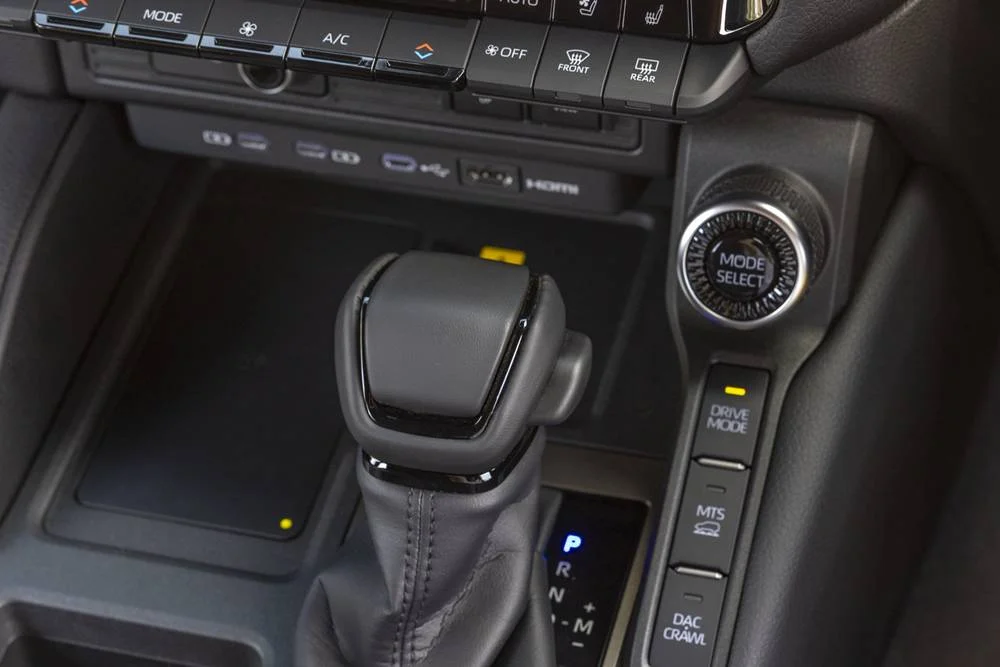


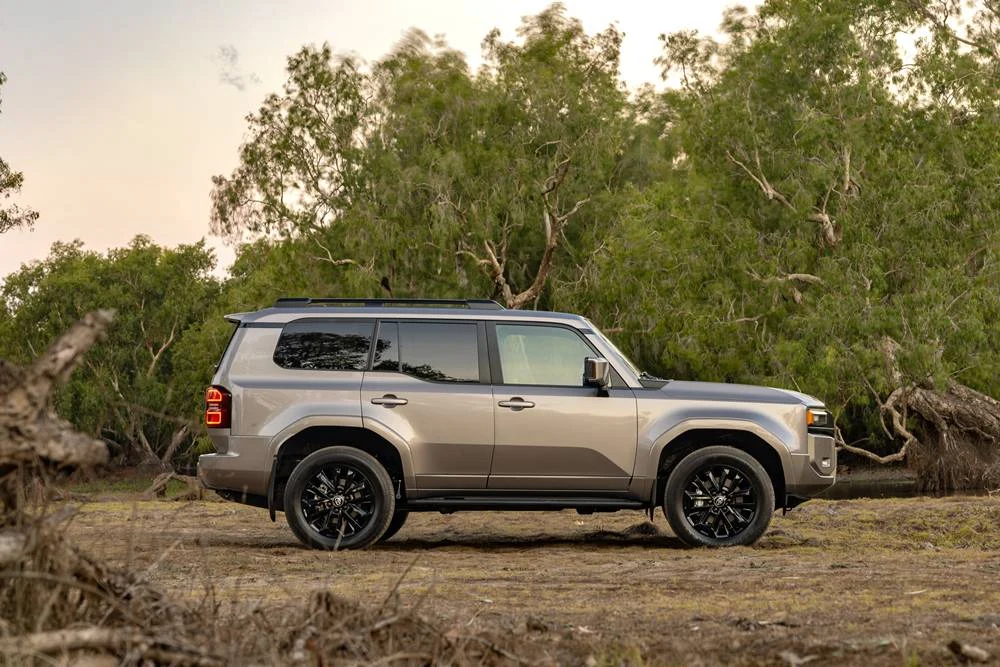


ABOVE: GX550 vs Prado
However, there is a catch at the bowser. The GX 550 comes with an 80-litre petrol tank that drinks premium fuel only. With the completely insane USA and Israeli attacks in the Middle East currently driving global oil prices into the stratosphere, you be paying almost $2.50 a litre for 95 or 98ron. Filling GX is not for the faint of heart or the light of wallet, shelling out over 270 of our finest Australian dollars each fill. It is a significant ongoing cost that the diesel-sipping Prado crowd will use as ammunition, but they’ll be saying it from the slow lane while you’re disappearing toward the horizon.
Where the Lexus truly justifies its existence is the drive experience. Even though it sits on a traditional ladder chassis, the on-road manners are sublime. It handles with a level of composure and refinement that feels alien to this segment. Despite the sharing of many of Prado’s suspension components, including a solid rear axle, it is refined and graceful.
The steering is precise, the ten-speed automatic gearbox is telepathic, and the cabin remains a tomb of silence even at highway speeds.
The Prado, by comparison, has a distinctly rural industrial feel. Its firmer feel jitters over small imperfections and reminds you at every corner that you are driving a very expensive truck. The suspension calibration in the GX 550 Luxury is vastly superior for the 99 per cent of the time you aren’t stuck in a bog. It manages to mask its workhorse foundations with a layer of Lexus sophistication that the Toyota simply cannot match.
Both the Lexus GX 550 and the Toyota Land Cruiser Prado share the robust TNGA-F ladder-frame platform, but their suspension setups are tuned for vastly different experiences. While the Prado maintains a “rural industrial” feel suitable for workhorse duties, the Lexus utilizes advanced technology to deliver a “sublime” on-road drive without sacrificing its off-road pedigree.
Suspension Comparison: Lexus GX 550 vs. Toyota Land Cruiser Prado
|
Feature |
Lexus GX 550 (Luxury/Sports Luxury) |
Toyota Land Cruiser Prado (Kakadu) |
|
Front Setup |
High-mount double wishbone with fine-tuned coil spring rates and increased caster trail for straight-line stability. |
Double wishbone with a stabiliser bar designed for durability in harsh environments. |
|
Rear Setup |
4-link rigid suspension with lateral control arms and optimized shock absorber arrangement. |
4-link rigid axle with coil springs and a stabiliser bar. |
|
Dampening Tech |
Adaptive Variable Suspension (AVS): Standard on Sports Luxury/Overtrail. Electronically controls dampening based on road surface and G-sensors. |
Adaptive Variable Suspension (AVS): Available on Kakadu grade only to manage the rigid axle’s movement. |
|
Stabiliser Control |
E-KDSS: (Overtrail only) Electronically and independently controls front/rear stabilisers to maximize wheel articulation off-road while locking for on-road stability. |
Stabiliser Disconnect Mechanism (SDM): (Select grades) Allows for increased wheel travel by manually or automatically disconnecting the stabiliser bar. |
|
Shock Absorbers |
Equipped with independent telescopic valves and Friction Control Devices (FCD) to suppress minor vibrations (Luxury models). |
Standard gas-pressurised shock absorbers tuned for high-load and rough-road durability. |
|
Wheel Articulation |
Extended articulation specifically refined to enhance traction on rocky and mogul terrain. |
Standard long-travel suspension designed for traditional off-road reliability. |
Inside, the comparison becomes even more marked for the Toyota. The GX 550 Luxury is fabulously equipped with a handsome, high-tech design that feels every bit the premium product. The 14-inch touchscreen is crisp, the materials are top-shelf, and the layout is intuitive. It is a space where you want to spend time, despite the NuLux fake leather.
Then you jump into the Prado (see our review here) and it is a big change. The interior looks decent, if a little old fashioned. However, it is noticeably cheap, something that is hard to ignore once you’ve seen the Lexus. The most egregious offence is the third row. Toyota has seen fit to include what can only be described as a flower pot trough along the back of the third-row seats. It is a clunky, poorly integrated plastic mess that eats into usable space and looks like it was designed by an intern who moonlights at. In the Lexus, the power-folding third row integrates seamlessly, preserving the premium atmosphere. Why is this not in Prado sans electric assistance.
The GX 550 Luxury is the vehicle for the buyer who wants the legendary capability of the TNGA-F platform without the agricultural compromise of the Toyota badge. It is faster, quieter, and infinitely more comfortable. Yes, the fuel bill will make you wince every time a new headline comes out of the Middle East, but that is the price of entry for a vehicle that actually feels like a hundred-thousand-dollar investment rather than a fleet-spec workhorse with some leather thrown at it.
|
Feature |
Lexus GX 550 Luxury |
Toyota Prado Kakadu |
|
Engine |
3.4L V6 Twin-Turbo Petrol |
2.8L 4-Cyl Turbo-Diesel |
|
Power |
260kW |
150kW |
|
Torque |
650Nm |
500Nm |
|
Transmission |
10-Speed Automatic |
8-Speed Automatic |
|
Fuel Tank |
80L (Premium 95/98) |
110L (80L + 30L Sub) |
|
Seating |
7 Seats |
7 Seats |
|
Display |
14-inch Multimedia |
12.3-inch Multimedia |
|
Drive Feel |
Sublime / Refined |
Rural / Industrial |
|
Price (MRLP) |
$116,000 |
$99,990 |
More at GayCarBoys
- Sexy Men Drive 2021 Toyota Yaris Cross
- Lexus IS’s Midlife Facelift is More Than Skin Deep
- Toyota and LEXUS Fuel Pump Recall for Thousands of Vehicles
- LEXUS brings LC Convertible to Australia
- Small SUV Comparison: Citroën C3 Aircross VS LEXUS UX
- 2019 LEXUS LC 500 Review and Road Trip
Help Support Gay Car Boys Subscribe to our Youtube Channel

Alan Zurvas is the founder and editor of Gay Car Boys, Australia's leading LGBTQI+ automotive publication. Before launching GCB in 2008, Alan's automotive writing was published in SameSame.com.au and the Star Observer. With over 16 years of hands-on car reviewing experience, Alan brings an honest, irreverent voice to every review — championing value and innovation over brand loyalty.
Leave a Reply