Omoda 4 and Omoda 7 join the Australian line-up in the first half of 2027, both positioned under Omoda 9. Both are promised with new energy powertrains, and both go on public display in Sydney this month.
Omoda 7 goes into the mid-size class, Omoda 4 into the compact class. Omoda 9 remains the range topper. Omoda Jaecoo pitches Omoda 4 at younger buyers, for its smaller footprint and price. New energy powertrains are promised for both, with nothing yet on which technology goes where. Prices and further specification to follow.
Above: Subaru Uncharted Drives Brilliantly but that price
#SubaruUncharted, #Subaru, #EVreview, #TeslaModelY, #GayCarBoys

Help Support Gay Car Boys Subscribe to our Youtube Channel by SMASHING THE BUTTON ABOVE


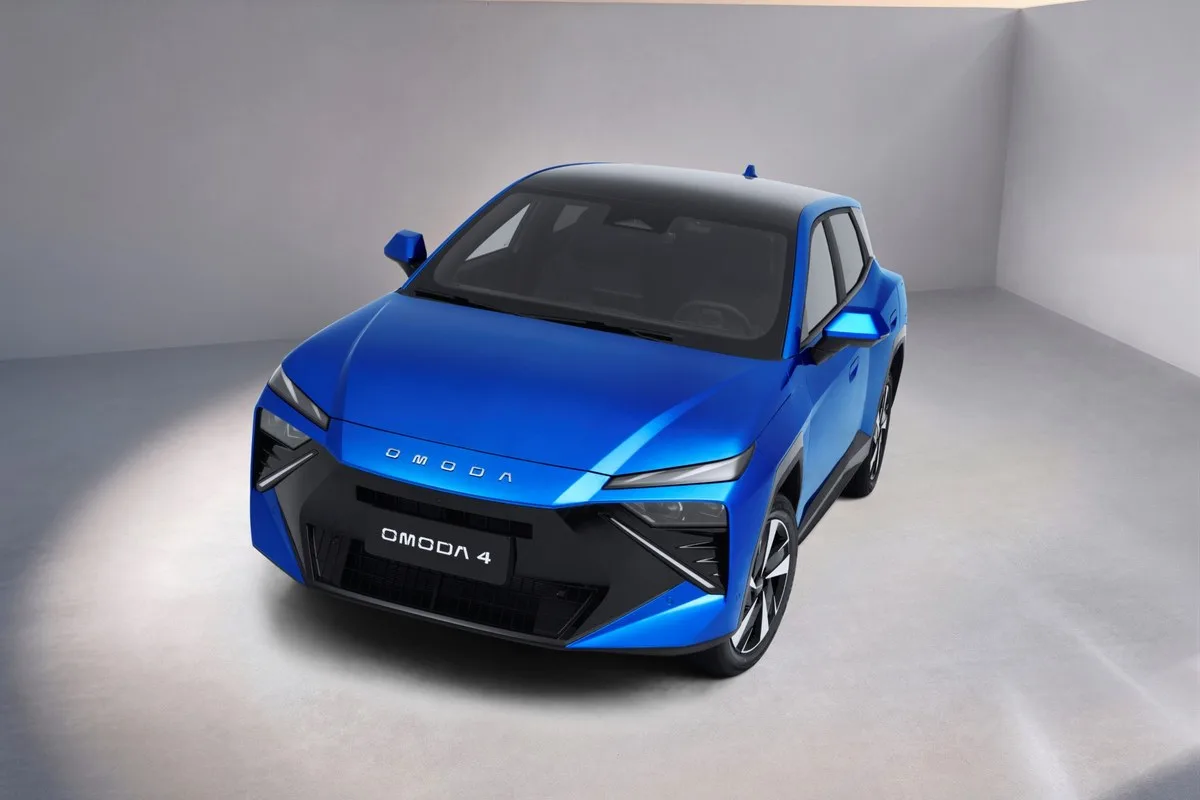
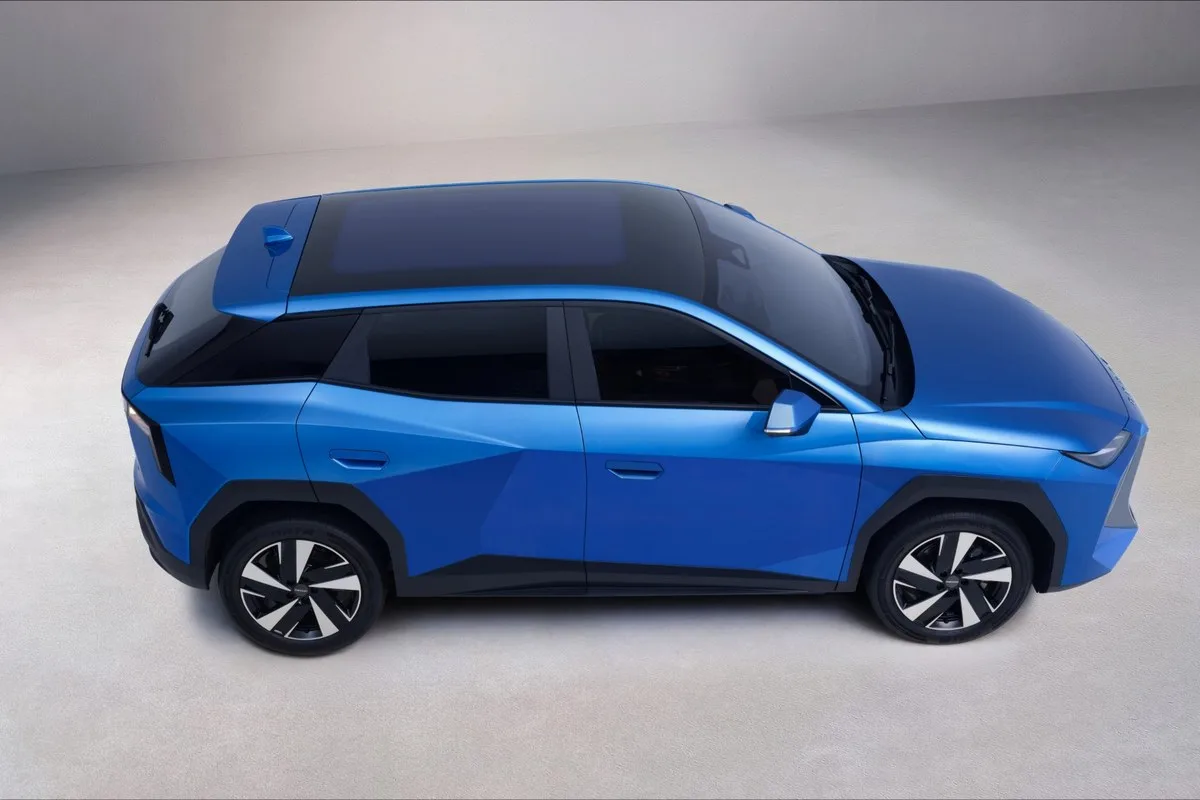
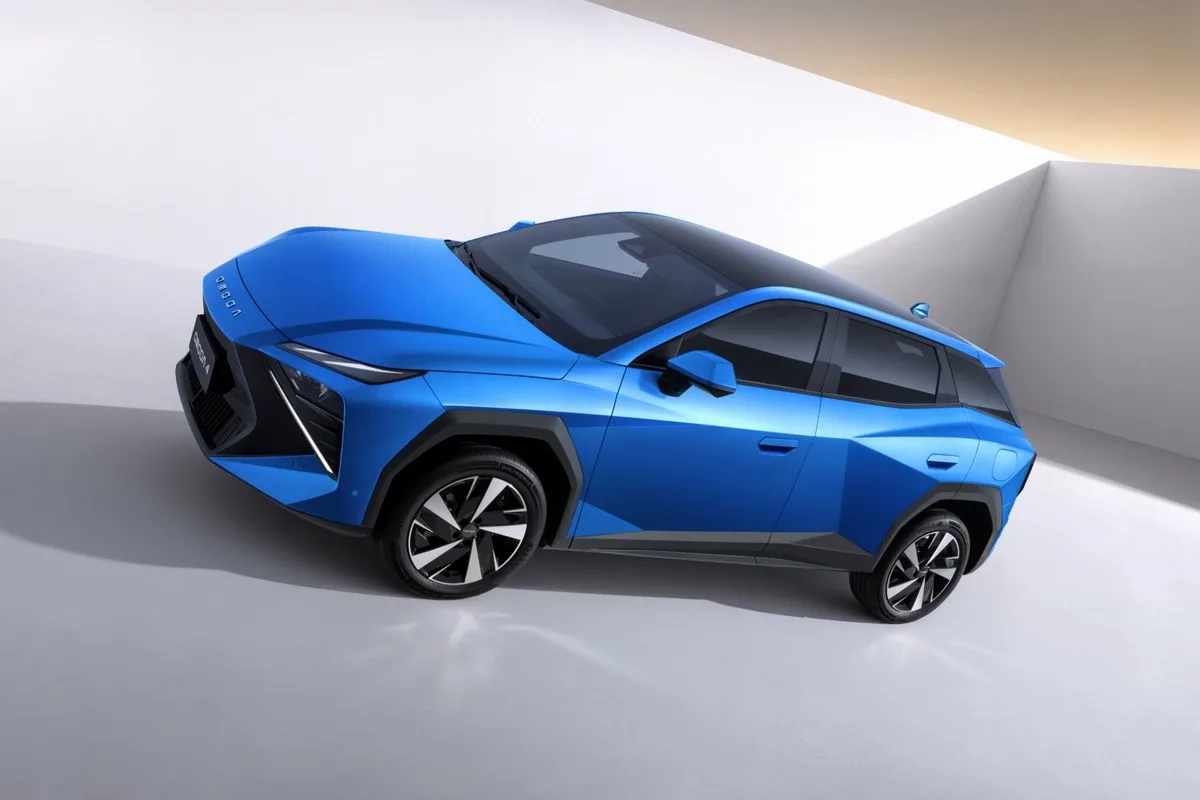
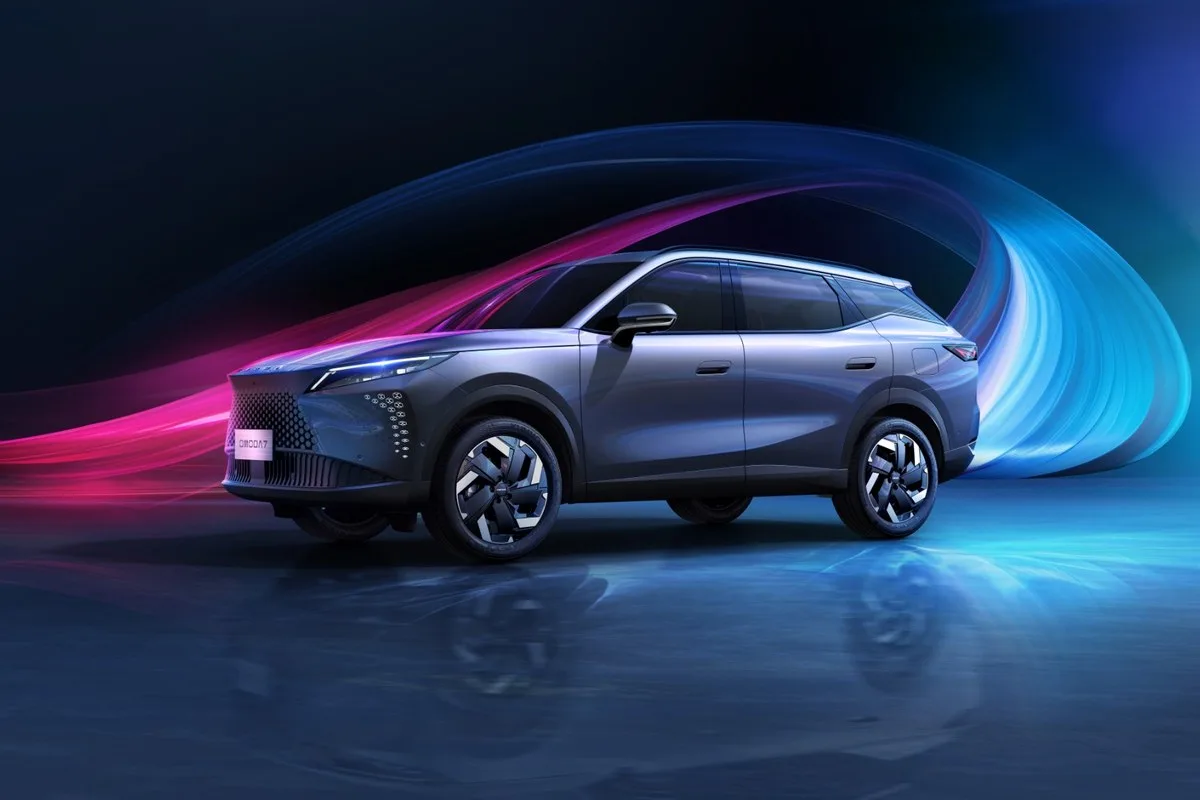
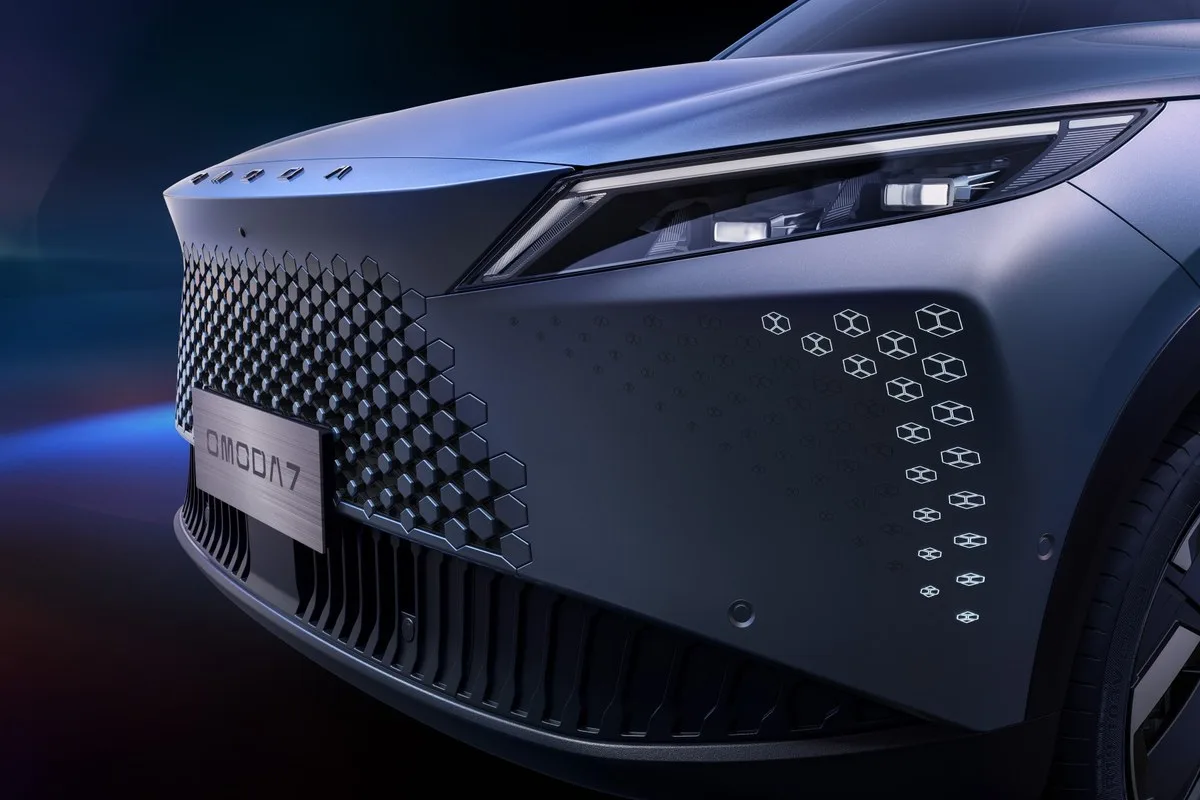
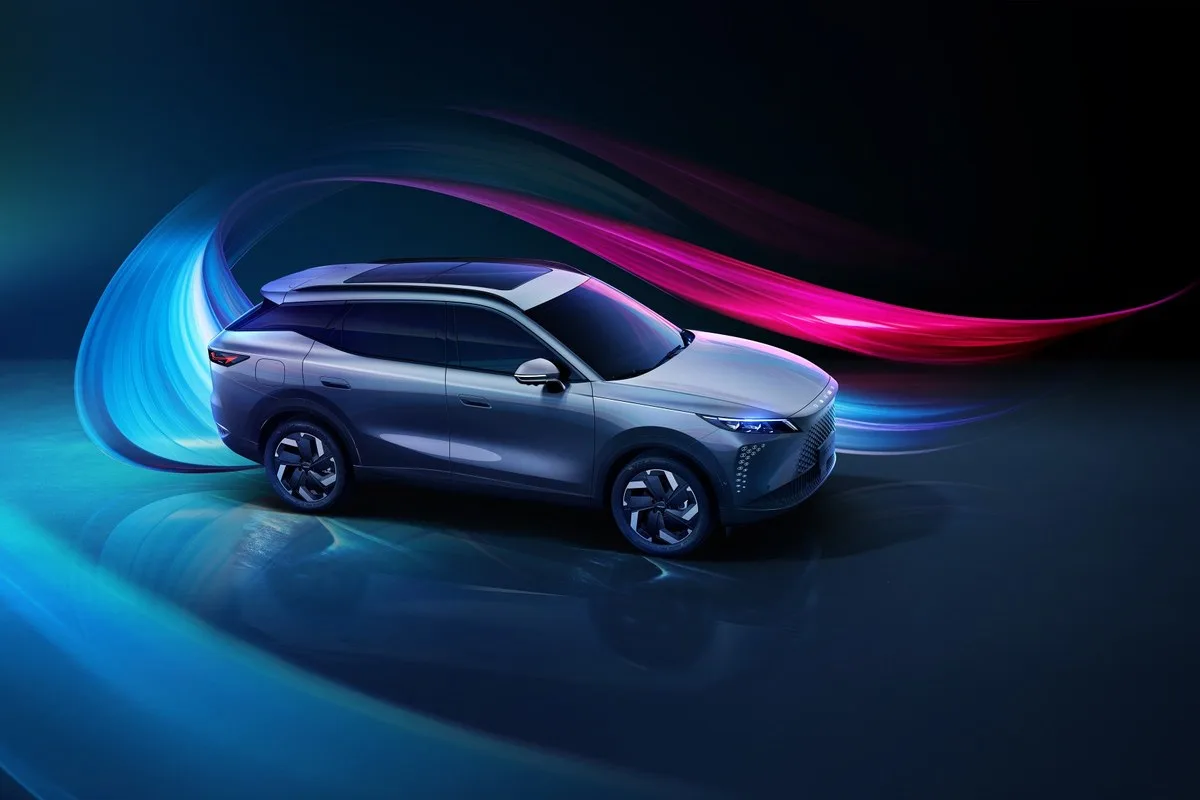

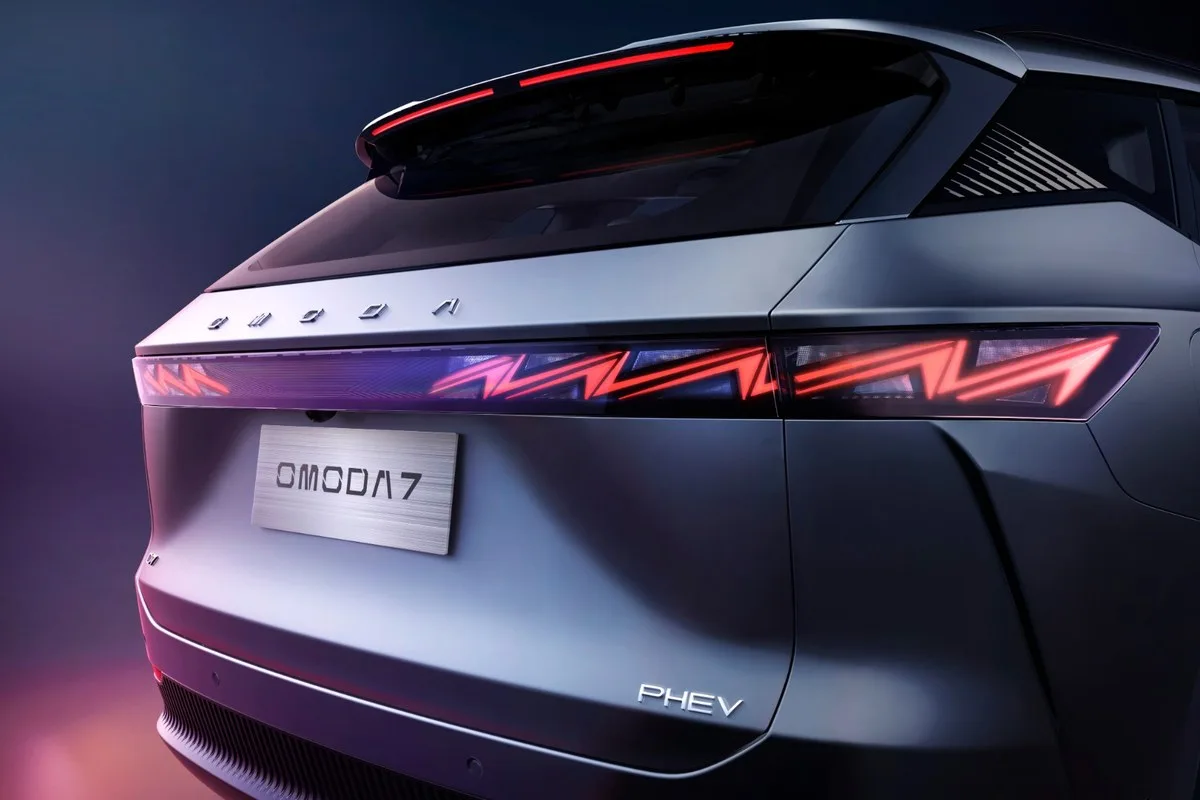

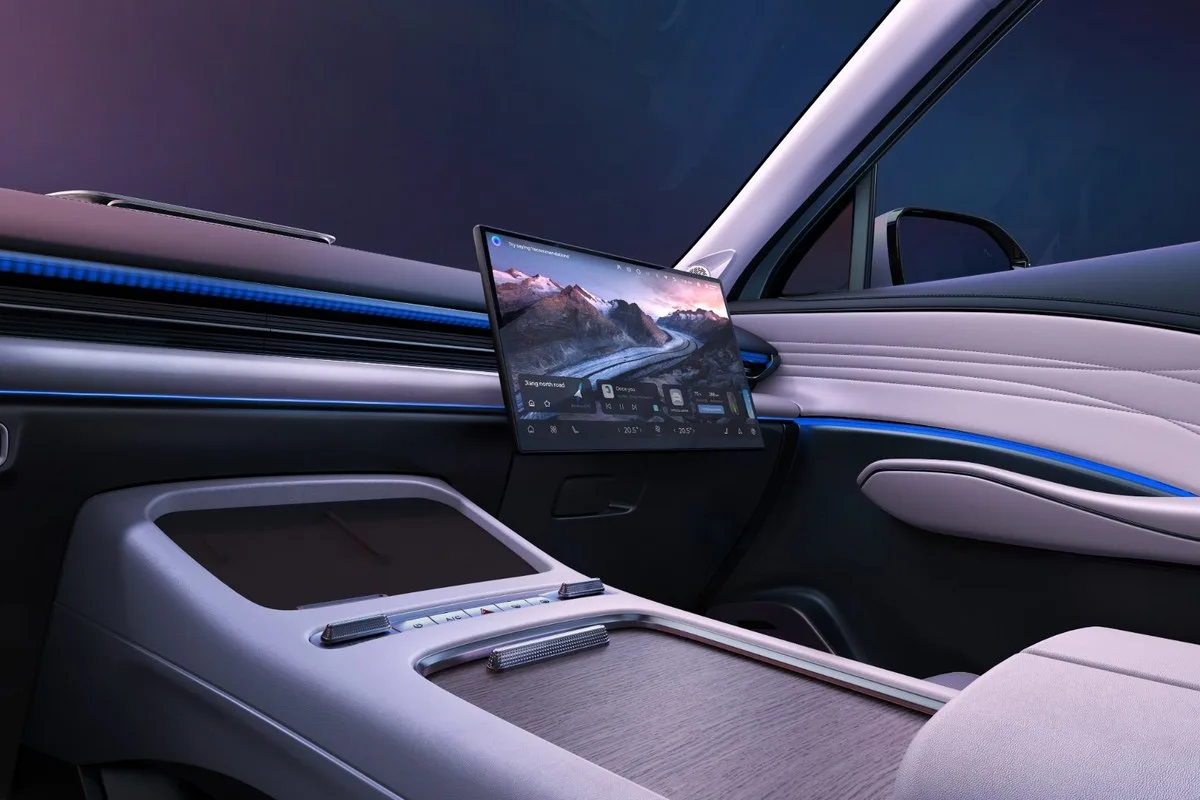

ABOVE: 2027 Omoda 4 and Omoda 7
We can assume a few things from the Omoda 7 in gallery that has a PHEV badge on the tailgate. Its cabin uses a wide landscape touchscreen across the middle of the dash. A second, smaller driver display is mounted above the steering wheel hub, and ambient strips are threaded through the doors and dash over a two-tone light and dark trim. A driver display above the wheel hub keeps the cabin familiar, instead of being perched above the steering wheel the way certain brands who remain nameless do it.
Omoda 4 is the blue compact crossover, with heavy black cladding around the arches and a slim full-width light bar.
Roy Munoz, Chief Commercial Officer at Omoda Jaecoo, put the reasoning plainly. “Expanding our new energy range is central to our growth in Australia, because it gives buyers the choice to match the technology to the way they actually drive. The Omoda 4 and Omoda 7 are exciting additions to our growing Australian portfolio, and we look forward to sharing more details with customers and media as we get closer to their respective launches.” He expects Omoda 4 and Omoda 7 to cover “some of the most important segments of the market”. That’s corporate for mid-size and compact SUVs, the classes every brand in the country is fighting over.
Omoda 4 and Omoda 7 in the Metal at Everything Electric Sydney
Omoda 4 and Omoda 7 will both be on the stand at Everything Electric Sydney, 18 to 20 September 2026. That’s months before either reaches a dealer floor. Putting a 2027 model in front of the public in 2026 is a confidence play. That crowd is a hard audience too, because they bring a spreadsheet and a list of questions about charging curves. GWM will have Haval H7 and Cannon PHEV at the same show, so Omoda won’t have the Chinese corner of the hall to itself.
Three Years From a Standing Start
Omoda Jaecoo marked its third anniversary at the Beijing show. Omoda 4 appeared there alongside parallel hybrids badged SHS-H, which do not have a plug. Omoda 5 and both Jaecoo models get them. Three years from a brand launch to a multi-model global range is quick. Most legacy programmes spend that long signing off a facelift and arguing about the badge font.
The local trajectory is one of the many things causing panic in legacy land, and at least partially why FCAI no longer provides all model sale details in its free report. The legacy brands and their FCAI cheer squad are doing everything in their power to hide the slide of old mastheads from the public, but sliding it is. In fact, the slide is more like a plummet.
Omoda Jaecoo set an Australian record in October 2025 with 565 sales. That was a sixth straight month of growth since launching here in May. In the UK that same month it did 4,430 to pass MG as the top-selling Chinese brand there. Global monthly sales went past 10,000 in September 2025. Jaecoo J7 cleared 2,000 Australian sales in its first year here, and Jaecoo J5 EV went to the top of the electric small SUV chart.
Speed like that comes from owning a really big parts bin. Chinese groups build their own batteries, motors, power electronics, and software inside the group. Changing a car doesn’t mean a year of negotiation with outside suppliers and their tooling vagaries. A show car can become a showroom car while the European or Japanese equivalent is still sitting in front of a whiteboard. The advantage is control of the chain rather than any single clever piece of engineering. It gets less attention here than the styling does.
What the August Figures Say About the Squeeze
Chinese-built vehicles took 36,070 sales in August 2026, up 79.7%, while Japanese-built fell 12.8% to 24,892. China out-sold Japan by 11,178 in a single month, a sentence that would have read as a typo in 2022. Korean-built dropped 14.2% to 11,060 and Thai-built fell 24.7% to 15,658. Battery-electric cars took 24.9% of the market with 27,089 sales, up 171%. Remember the FCAI telling us the Australian market wasn’t yet mature enough? Remember the FCAI telling us there wasn’t enough charging yet? OK, the last part is true, but a lot of drivers charge at home.
Toyota fell 5.2% to 19,712 and Kia dropped 12.2% to 6,500. Mazda lost 9.0%, Hyundai 15.3%, and Ford shed a chilling 39.8% to finish on 4,816. Chery finished 11th overall, just outside the top 10. Chery Tiggo 4 Pro was seventh on the model chart on 2,012 sales. BYD, GWM, MG, Geely, and Chery between them accounted for 26,610 sales, 26.4% of the market. Geely’s growth was 1,023%, but it also owns Zeekr, Polestar, and Volvo so add them on as well.
We don’t read that as a fluke month, and neither should anyone still budgeting on a 2019 market. The FCAI’s decision to lock VFACTS away hasn’t changed the results. It has only made the figures harder for the rest of us to find. Omoda Jaecoo will show Omoda 4 and Omoda 7 in Sydney this month. Both go into showrooms in the first half of 2027, with pricing and specification closer to launch. No doubt another increase in EV sales next month will cue another breathless release from FCAI penned from table 4 at Hotel Kurrajong’s Chifley’s Bar & Grill.
More Omoda Stories
- Omoda Jaecoo J5 EV Tops Australian Electric Small SUV Sales
- Australia’s Car Market 46% Electrified in May
- Chery And Omoda Jaecoo Add Smart Novated Leasing
Above: Ottocast MCM11 Flex Vacuum Magnetic Phone Mount
#OttocastMCM11Flex, #Ottocast, #MagSafeCarMount, #VacuumPhoneMount, #GayCarBoys

Alan Zurvas is the founder and editor of Gay Car Boys, Australia's leading LGBTQI+ automotive publication. Before launching GCB in 2008, Alan's automotive writing was published in SameSame.com.au and the Star Observer. With over 16 years of hands-on car reviewing experience, Alan brings an honest, irreverent voice to every review — championing value and innovation over brand loyalty.
Leave a Reply