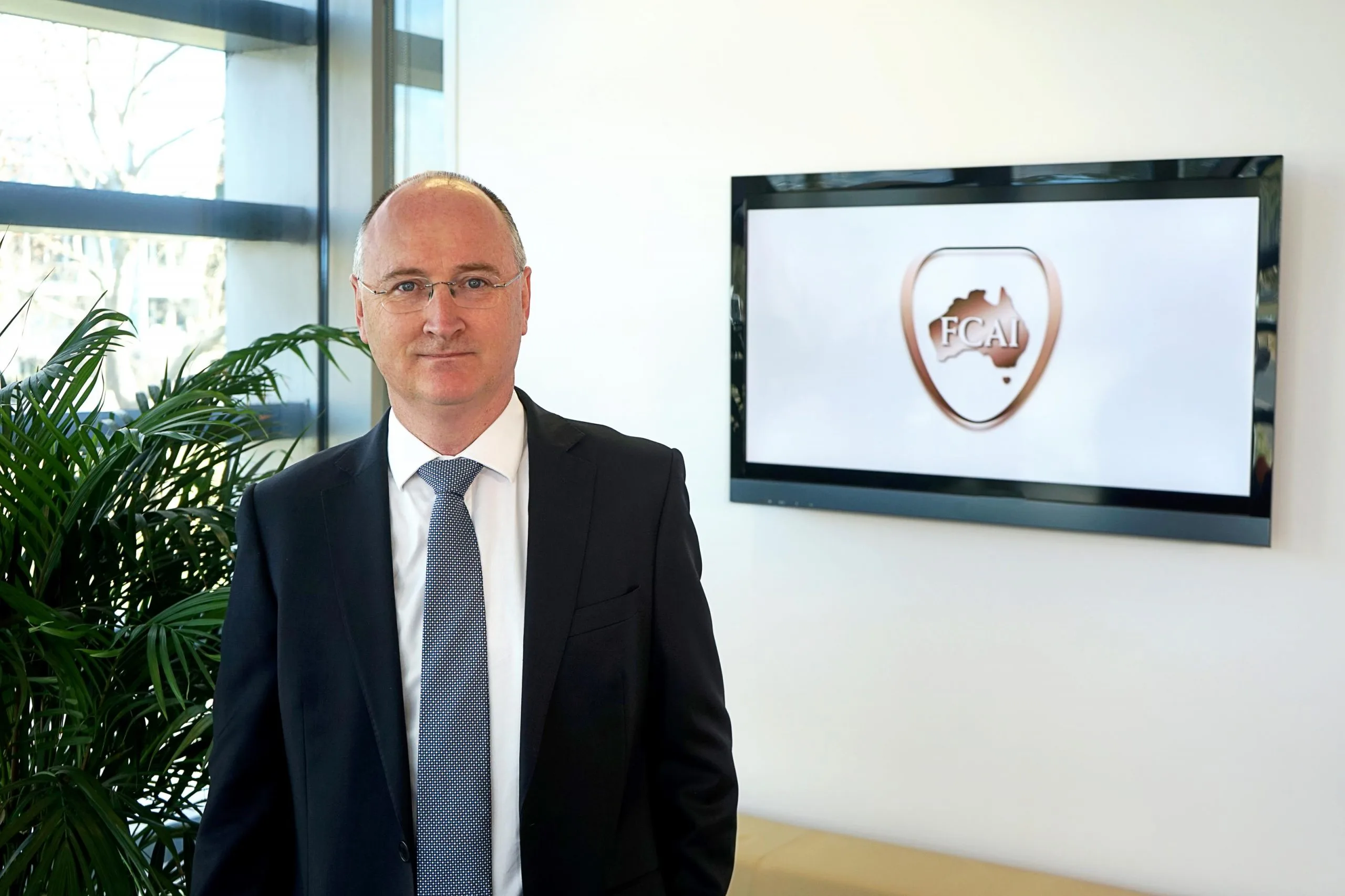
The FCAI is a union for car makers. Its main members are the companies losing market most, and from June the FCAI stopped letting the rest of us see how badly. What’s left of VFACTS in public is 3 pages. What the grim reality of those 3 pages hides is the complete collapse of petrol and diesels as the models shed 124,130 sales in a year that didn’t move.
The FCAI is the lobby group the car companies pay for, and the companies paying for it are the ones being slowly consumed by Chinese and electric rivals. Until the June 2026 figures, media outlets got VFACTS broken down by fuel type, brand, model and segment. That access stopped from June, with no public explanation, in the same months this country recorded its biggest electric numbers. We’ll put our view plainly, an organisation funded by the brands losing the most doesn’t take the scoreboard off the wall by accident.
The FCAI’s public summary opens on a record. 100,939 new vehicles sold, up 0.4% on August 2025. Across all reporting sources (vFacts and EV Council), 27,089 of them battery electric, 24.9% of the entire new vehicle market, the biggest electric month Australia recorded. For the year, 811,388 sales, down 0.1%. A flat market, and nothing to see.
Above: Subaru Uncharted Drives Brilliantly but that price
#SubaruUncharted, #Subaru, #EVreview, #TeslaModelY, #GayCarBoys

Help Support Gay Car Boys Subscribe to our Youtube Channel by SMASHING THE BUTTON ABOVE


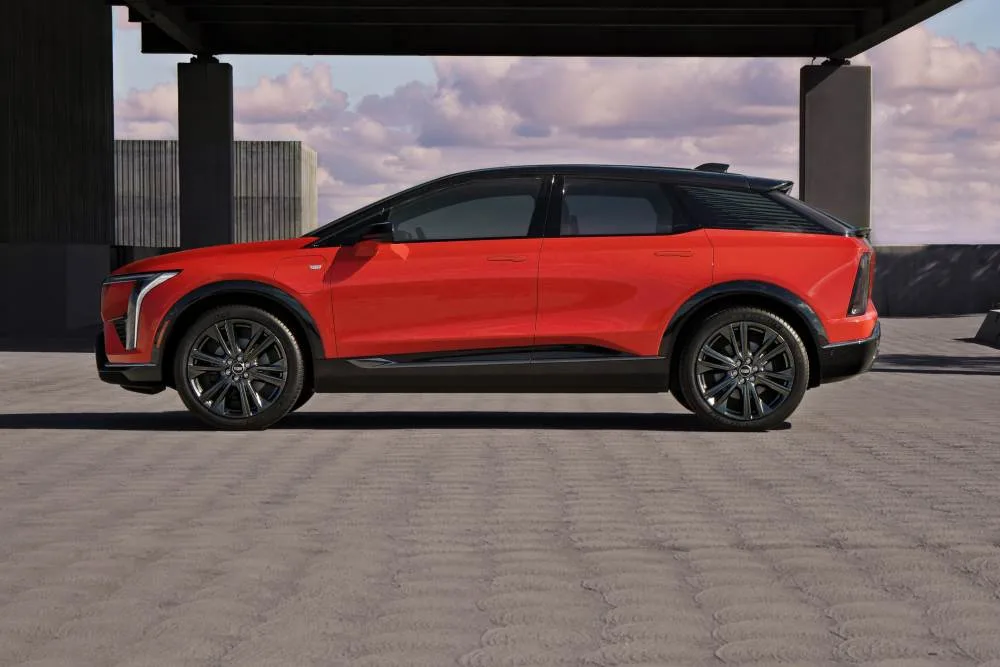
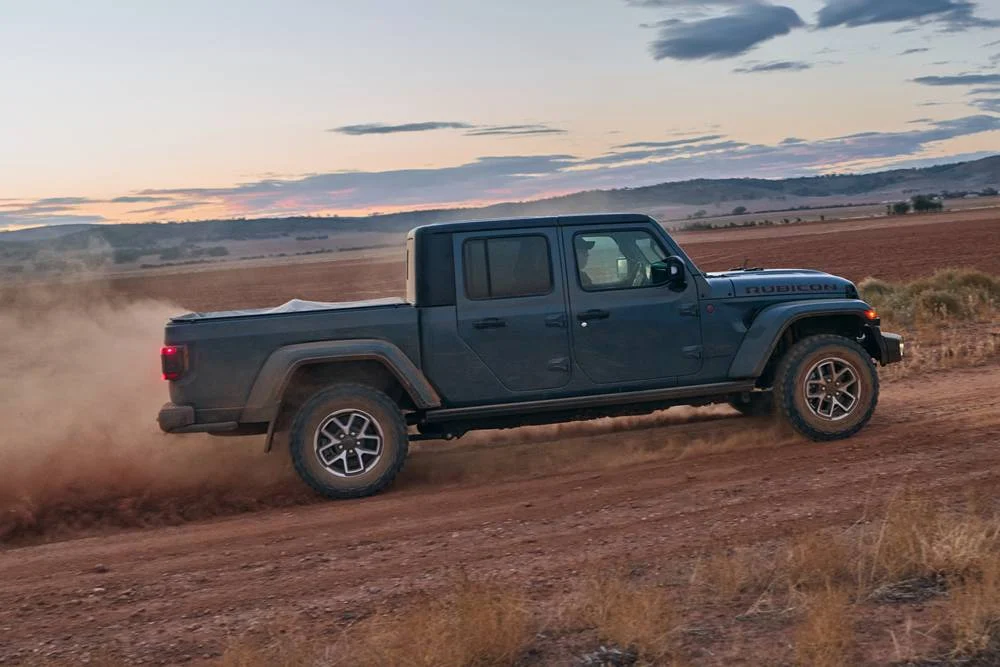

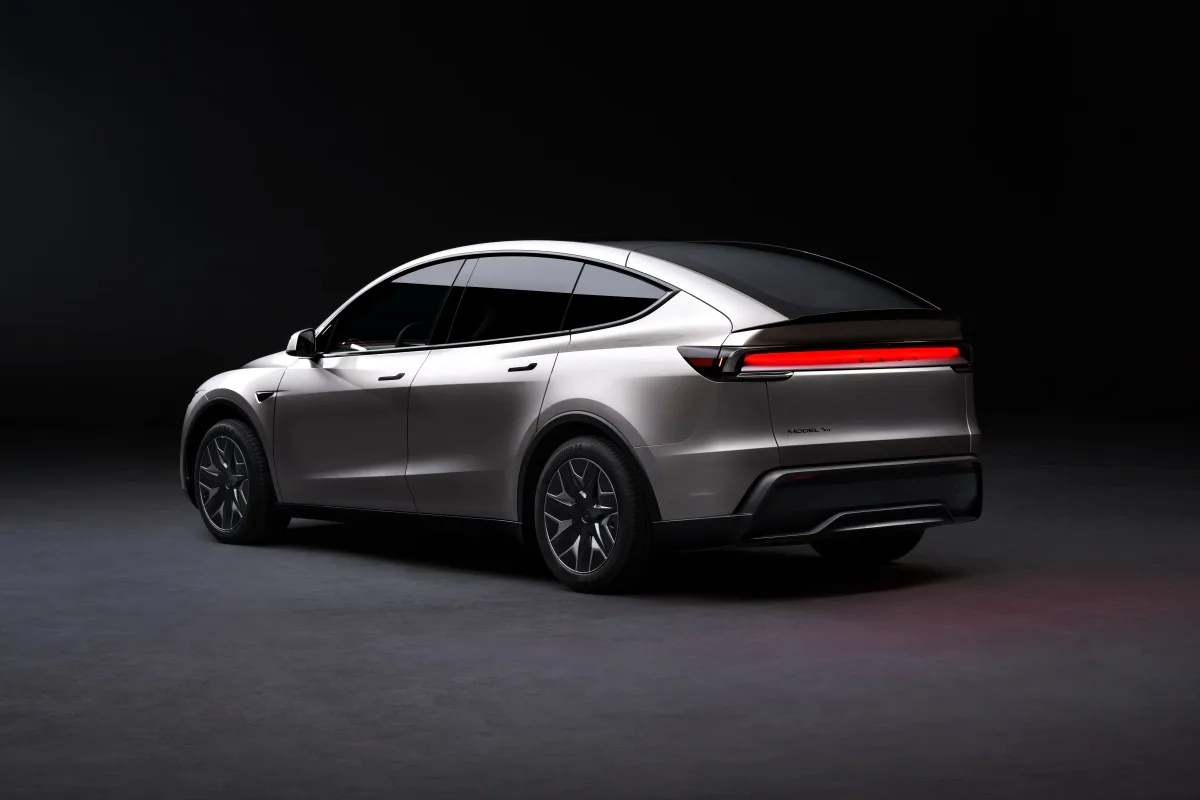
ABOVE: FCAI and a selection of cars doing well and not so well
What a Flat Month Hides
Underneath that flat total the market tore itself apart. This is the fuel-type table from the paid report, August 2026 against August 2025.
- Petrol 25,824 sales, down 32.6%. For the year 243,673, down 25.7%, which is 84,119 cars gone.
- Diesel 23,608, down 22.5%. For the year 207,541, down 16.2%, another 40,011 gone.
- Electric 19,257 inside VFACTS alone, up 181.2% for the month and 161.0% for the year.
- Plug-in hybrid 10,591, up 171.1% for the month and 124.2% for the year.
- Hybrid 18,662, up 7.4% for the month and 10.3% for the year.
Petrol and diesel lost 19,342 sales between them in a single month and 124,130 for the year so far. Passenger diesel fell 55.1%. Petrol light commercials fell 53.9%. Petrol SUVs, the fattest part of the business, gave up 9,683 sales in the month. The public summary hands you the electric, plug-in and hybrid percentages. It never prints what petrol and diesel lost.
Jeep Sold 21 Cars
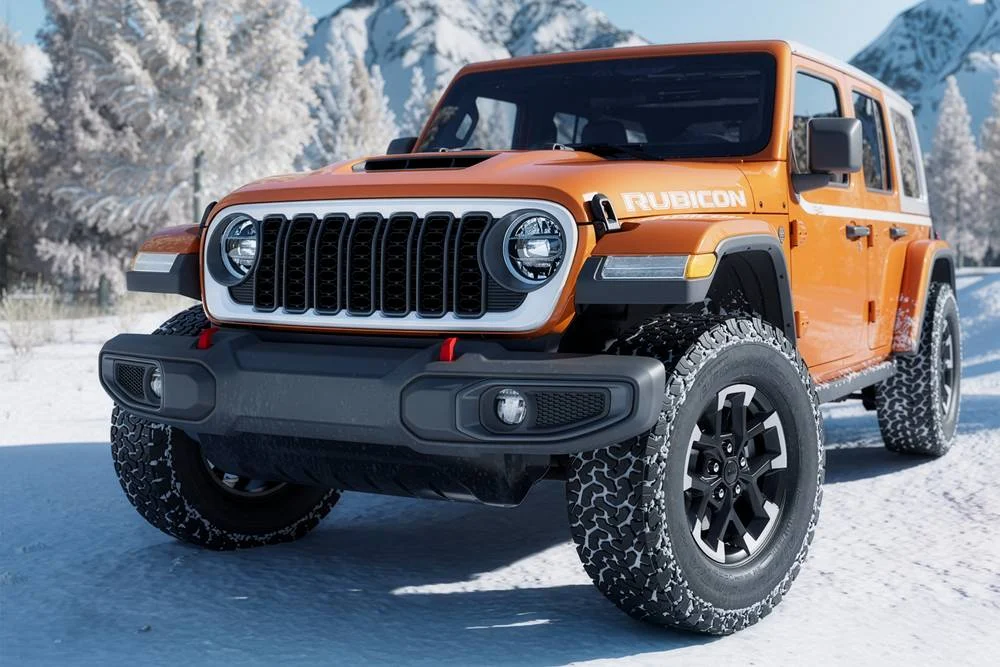
Here’s the Stellantis stable in August, and Jeep led it on 21 sales nationally, down 81.6% for the month and 70.7% for the year.
- Citroen sold none at all.
- Alfa Romeo 9, down 67.9%.
- Fiat 13, down 68.3%.
- Peugeot 88, down 24.8%.
- RAM 237, down 8.8%.
Add the group’s rows together and Stellantis sold 510 cars nationally against 715 a year ago, down 28.7%. For the year, 4,531 against 6,201, down 26.9%.
In this time, Peugeot and Fiat have all but disappeared from sight, with Stellantis no longer importing Fiat passenger cars and Inchcape dropping both Peugeot and Citroen. DS, Dodge, and Abarth are also gone.
In the paid report that’s 8 separate lines in a table of about 70 brands, which is a collapse concealed by the format it’s printed in. In the public summary, which stops at the top 10 brands, none of it appears at all. A journalist working from the free Vfacts can’t tell Stellantis is in trouble, because Stellantis isn’t in the free document because the beleaguered brands are all on life support.
Meanwhile, General Motors is running its own botched launch and is also on life support.
Cadillac came back to Australia in January 2025, and this year GM cut the overpriced Lyriq by $32,000 to $90,000 plus on-roads. That’s the permanent price, not a run-out offer that went further, a $95,000 drive-away deal to the end of August. Cadillac doesn’t report its sales to the FCAI or to the Electric Vehicle Council, so nobody outside GM knows the real number. Media estimates pieced together from available data put it under 100 units. A whole brand can fail here without ever touching the record. Jess Bala, who’d run GM in Australia and New Zealand since September 2023, left the company in August after nearly 20 years there, and sales and operations director Greg Rowe stepped in as acting managing director. It spells an utterly dire situation. That’s a shame because we really liked the Lyriq.
Toyota and the 20-Year-Old Answer
Toyota sold 19,712 cars in August, down 5.2% for the month and 17.3% for the year, which is 28,229 sales gone from its 2026 ledger. Its biggest numbers came from RAV4 on 5,470 and HiLux on 4,833, and the problem for both is the petrol-electric hybrid system Toyota built its business on 20 years ago. It kept selling the hybrid it already had while the market walked past to cars that plug in, and plug-in hybrids grew 171.1% in the same month Toyota’s own volume fell.
None of that was cooked up in the Australian office. Toyota ran its campaign against electric cars out of Japan, lobbying against mandates and timelines market by market while the hybrid did the selling. The pivot came late, and the August table shows the damage. That’s another reason for the FCAI not to report those low-selling models.
The FCAI Said Under 8%
On 18 September 2025, responding to the 2035 climate target, chief executive Tony Weber said consumers “are not yet purchasing EVs at the rate that was expected, nor at the rate required to meet the emissions targets”, and put battery electrics at under 8% of sales for the year. Eleven months later they took 24.9% of the market. In the record month itself, Weber’s quote went to charging infrastructure needing to keep pace.
Tesla and Polestar already left the FCAI, quitting in March 2024 during the lobby group’s campaign against the New Vehicle Efficiency Standard. Tesla said the organisation “has engaged in behaviours that are likely to mislead or deceive Australian consumers”, disputed the claims that the standard would push utes and SUVs up by as much as $13,250 and cut nearly $16,000 off a Model 3, and referred the FCAI to the ACCC. Polestar wouldn’t “in good faith continue to allow its membership fees to fund a campaign designed to deliberately slow the car industry’s contribution to Australia’s emissions reduction potential”, and it still had no plans to rejoin when asked in July 2025. Their cars are why the FCAI’s own headline number says “across all reporting sources”.
Where the Public Record Stops
The paid national report runs to 8 pages. State totals and segment splits, the fuel-type table, then a brand list that goes all the way down to McLaren on 1 and Lotus on 3. Then one model table, headed NEW VEHICLE SALES BY MODEL TOP 25, and at 25 the public record of which cars Australians bought ends. There’s no published figure for the car that finished 26th. You buy a bespoke report, with enquiries going to an email address and no price published anywhere, or you ring the company that owns the number. FCAI members are the car companies, and they get the granular data as part of funding the organisation they report to.
The copyright notice reads: “No reproduction, distribution, transmission, communication or republication of the VFACTS Reports in whole or in part is permitted without the prior written permission of the FCAI.” Every page repeats that reproduction in whole or part is “strictly forbidden”.
The numbers get out regardless. CarExpert went to the brands one at a time and keeps a public New Car Sales Atlas. The Driven publishes Australian electric sales by month, by model and by brand. Asking a car company how many cars it sold breaches nobody’s copyright. We ran the August result in full at the time, with Model Y on top and electric cars outselling oil for the first month ever. The same slide reaches the luxury end, where Lexus finished August down 13.6% for the year and the new NX dropped its combustion engines.
Petrol and diesel lost 124,130 sales this year in a market that moved 0.1%. That’s in the document you’re not allowed to reproduce, the one that hides low volume models on the way up, and old models on the way out. Either way it protects legacy brands and disadvantages ne brands.
August 2026 Brand Movers
| Brand | August 2026 sales | Change on August 2025 | Change year to date |
|---|---|---|---|
| Toyota | 19,712 | -5.2% | -17.3% |
| Mazda | 6,203 | -9.0% | -15.9% |
| Ford | 4,816 | -39.8% | -14.5% |
| Mitsubishi | 2,612 | -42.6% | -29.0% |
| Subaru | 2,027 | -36.7% | -27.5% |
| Nissan | 1,739 | -33.4% | -33.6% |
| Volkswagen | 1,629 | -38.0% | -21.4% |
| Audi | 713 | -49.7% | -19.6% |
| Jeep | 21 | -81.6% | -70.7% |
| BYD | 8,231 | +68.8% | +108.4% |
| GWM | 4,870 | +8.5% | +15.6% |
| MG | 4,767 | +21.4% | +12.5% |
| Geely | 4,504 | +1,023% | +600.3% |
| Chery | 4,238 | +28.2% | +64.3% |
| Omoda Jaecoo | 2,203 | +340.6% | +709.5% |
| Zeekr | 2,120 | +2,309% | +1,551% |
| GAC | 1,066 | new | new |
| Xpeng | 511 | new | new |
Australia’s Top 20 Models
Model by model, this is the year to the end of August. Ford Ranger leads on 32,796 with Toyota HiLux 635 behind it, Tesla Model Y is third on 31,454, and 7 of the 20 come from Chinese brands.

More News Stories
- smart #5 SUV Confirmed and smart #1 Now From $49,900
- Haval H7 and Cannon PHEV Go Public at Everything Electric
- 2026 Subaru Uncharted AWD Gives Up 451L of Boot to Model Y
Above: Ottocast MCM11 Flex Vacuum Magnetic Phone Mount
#OttocastMCM11Flex, #Ottocast, #MagSafeCarMount, #VacuumPhoneMount, #GayCarBoys

Alan Zurvas is the founder and editor of Gay Car Boys, Australia's leading LGBTQI+ automotive publication. Before launching GCB in 2008, Alan's automotive writing was published in SameSame.com.au and the Star Observer. With over 16 years of hands-on car reviewing experience, Alan brings an honest, irreverent voice to every review — championing value and innovation over brand loyalty.
Leave a Reply