
My brother in-law upgrades the family car every few years. He is thinking of retiring early and is contemplating the replacing of an Audi Q3 which is now a few years old. Unlike previous cars, the new leased car would be paid out at the end of the period and kept for as long as possible.
A smart man asks smart questions and he it tossing up between either a petrol/hybrid or EV option. In his mind, the natural progression is ICE, then hybrid, then an electric vehicle in due course. Is that really the case? Does such a progression actually exist?
Let’s look at the current situation.
He travels less than 30km a day, and is unlikely to change much when he is no longer working full time. Although still quite young, travel from the South Australian capital, Adelaide, would not be much further than the bosom of the nearby Barossa wine region. Anywhere else would be by air.
He grew misty when asked about budget, as many buyers are.


ABOVE: Electric Vehicles
The two-car family has access to home charging if needed, and although they have solar panels, do not have home battery storage. He wants to move to a hybrid, but is a good candidate for a plug-in version. The real question is could he benefit from going full electric?
When budget is more flexible and long-term ownership is on the cards.
There is battery life to consider, which is generally considered to be for the life of the car. An EV driven 30-40km a day should get 5000, to 6,000 charges (around 160,00km) before there is noticeable degradation of battery life. That equates around 10 years of average use for most Australians.
Battery warranty is around 8 years /160,000km depending on brand, and if the performance is below 70% efficiency, will be replaced free of charge. Lithium-Ion battery life benefits from slow AC charging at home, but there have been considerable improvements in battery management, some available by software update.
There are new battery types such as BYD’s Blade Battery to consider too. This is a Lithium iron-phosphate (LFP) battery that should be good for about 500,000km. It is worth that Tesla Model 3 and Model Y Standard Range cars have a CATL LFP battery, a trend that seems to be spreading.
As with most electric car batteries, these can be reused as they are. Home storage solutions see the slow ebb and flow of power, never remaining at 100% for long periods, so second-hand car batteries make perfect home batteries after the car is junked. It might even be possible to reuse your old car battery in other ways, but who knows where another decade of development will take us.
If a hybrid is in the frame, and the budget can be stretched a little, I’d recommend an EV in this case. DC rapid charging would be rare, and as this shortens battery life, is a further tick in the box.
BYD’s blade batteries should last, with the Chinese company heavily investing in technology and research for 2 decades.
My brother-in-law prefers prestige badges, so I’d suggest Tesla, but he can also stay with Audi, BMW or Mercedes-Benz.
Electric vehicles require fast less maintenance than ICE powered cars, but they will still need filters, tyres and brakes etc. We recently saw a Tesla with 600,000km on it which didn’t have the pads and discs replaced until 400,000km. Generally, the running costs of an EV are far lower
Finally, a few top tips on extending battery life:
- Don’t subject the car to extreme temperatures if possible
- Don’t regularly charge over 80% or drop to under 10%
- Use AC slow charging if possible (limit fast DC charging)
- Ensure regular software updates are installed (over-the-air updates make this easier)
Video Review: 2024 Audi Q8 E-tron 55 quattro Full ELECTRIC CAR Review – GayCarBoys – Alan Zurvas
#audi, #audiq855etron, #audiev, #alanzurvas, #gaycarboys
SHORT Video Review: Audi e-Tron GT RS Quick Look – Light Show
#automobile #shorts #audietrongtrs #gaycarboys #alanzurvas ##shorts

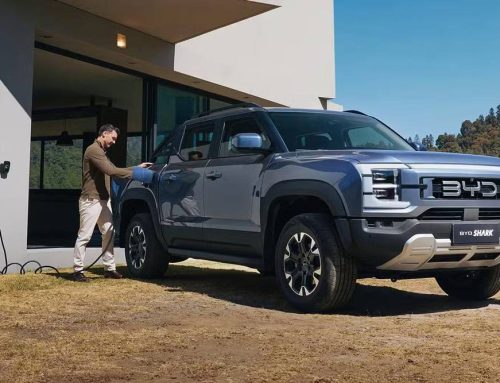

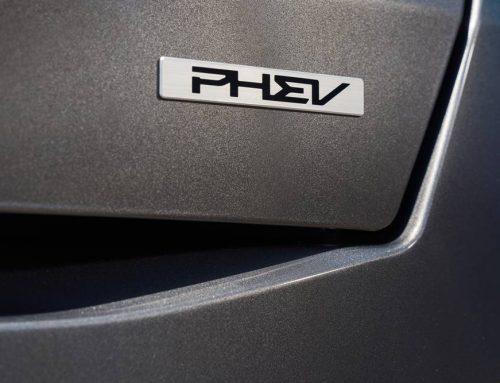

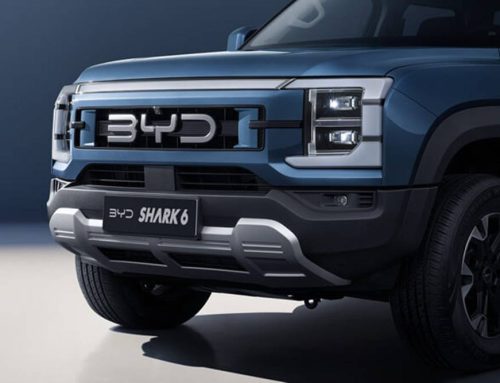

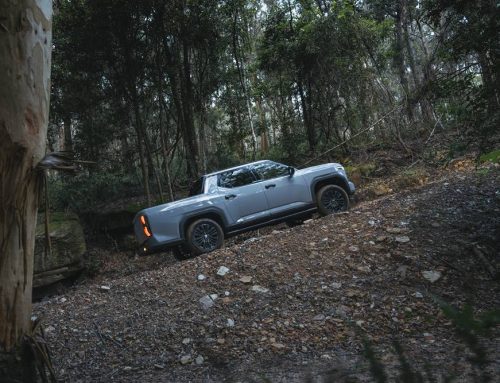




I was wondering about fuel getting old in plug in hybrids if the car mostly gets plugged in. Any recommendations on how best to balance the use of fuel and plugging in?
It is highly unlikely that the fuel would ever remain in the tank long enough to go off. That takes a very long time. Even in plug in hybrids, the engine will come on from time to time even if just for its own maintenance cycle. The engine will also come on if you require full power acceleration. They quote 2.4L / 100k which means at least some fuel is needed.