Ford will sell an electric ute in the United States next year for US$28,350, and it can only do that because the front and rear of the car are each cast as one piece of aluminium. Toyota’s doing the same. Both copied it from Tesla, and both did it because they ran out of time.
The Ford Maverick carries 146 separate structural parts across its front and rear. The midsize electric pickup Ford named the Fathom this week carries two. Not 146 simplified, not 146 outsourced. Two single castings, out of a mould, finished.
Toyota’s version of single casting replaces 86 sheet metal parts and a 33-step welding process with one die-cast module. Takero Kato, who runs Toyota’s BEV Factory, says the modular structure and a self-driving production line that deletes the conveyor belt will halve both the process count and the factory investment.
Why Nobody Did Single Casting Before
The machine has to clamp at 6,000 to 9,000 tonnes and inject molten aluminium in milliseconds, and for years the metallurgy was considered impossible. Cast aluminium normally needs heat treatment to reach strength, and heat-treating something the size of half a car warps it, cracks it and leaves cavities inside. Tesla got around it with an alloy that reaches full structural integrity without any heat treatment at all.
The payoff isn’t only fewer parts. A casting comes out of the mould dimensionally perfect every time, so it doesn’t need the enormous calibrated jigs that hold hundreds of flimsy stamped panels still while robots weld them. The casting is the jig. Hundreds of welding robots stop existing, along with the maintenance bill and the line stoppages every time one of them fails.
Single casting was only half of it. Ford’s engineers went after the wiring too. Moving to a zonal electrical architecture and from 12V to 48V let them use thinner copper, and the electric ute’s harness is 4,000 feet shorter and 22 pounds lighter than the one in Ford’s first electric cars. Thirty scattered control modules became five.
Above: 2026 GAC UT Premium BEST IN CLASS with a few bugs Review
GACAionUT, #GAC, #EVReview, #BYDDolphin, #GayCarBoys#CarReview, #Australia, #GayCarBoys

Help Support Gay Car Boys Subscribe to our Youtube Channel by SMASHING THE BUTTON ABOVE


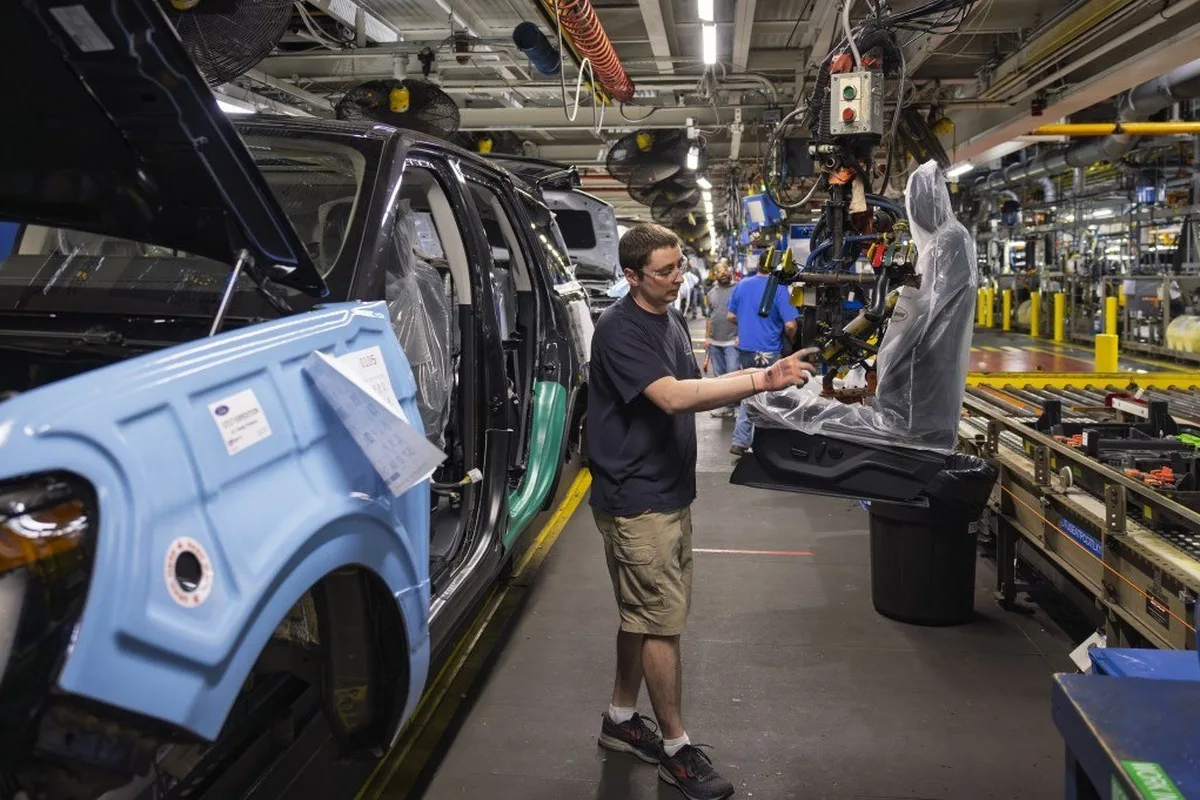
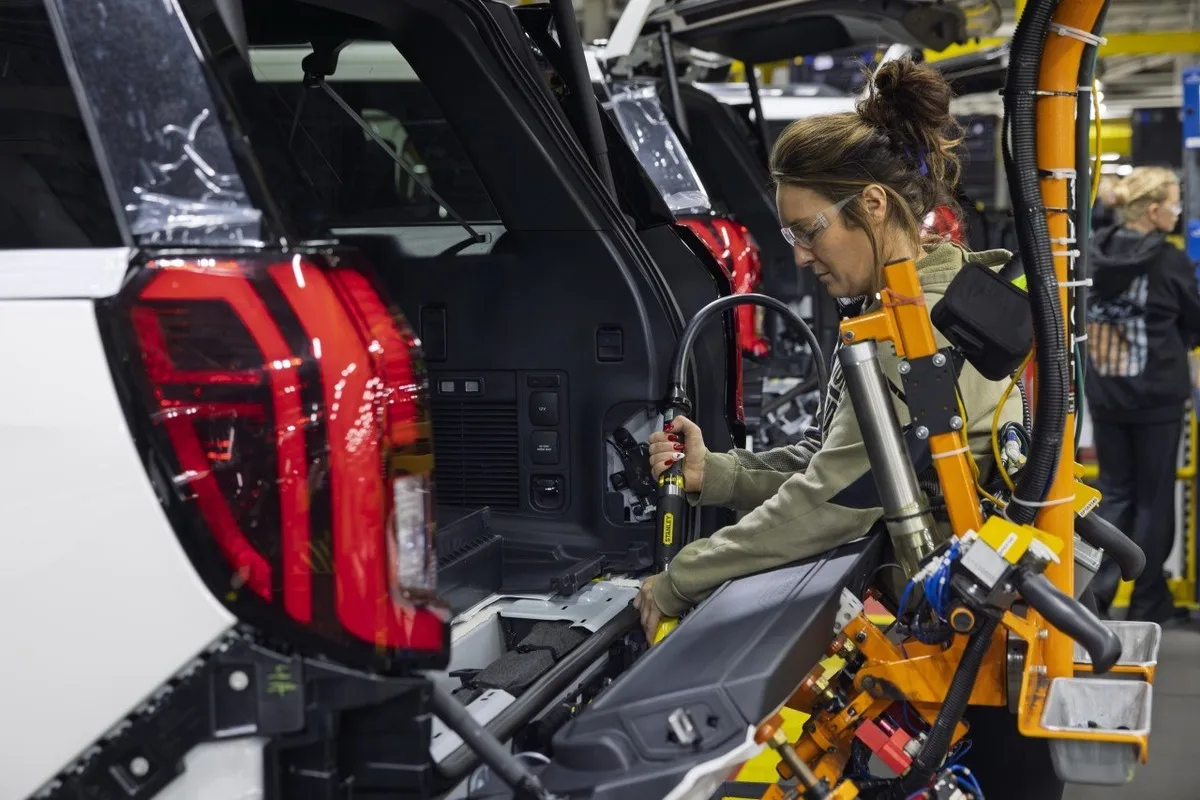
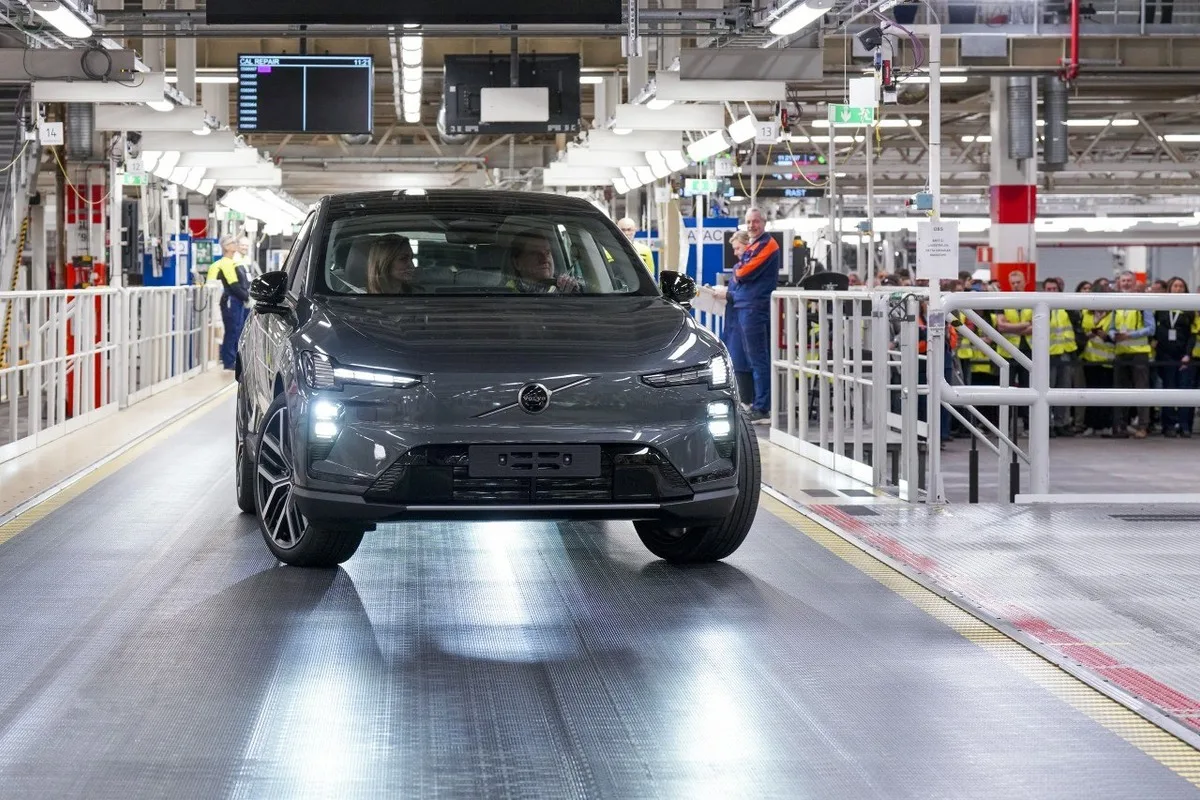
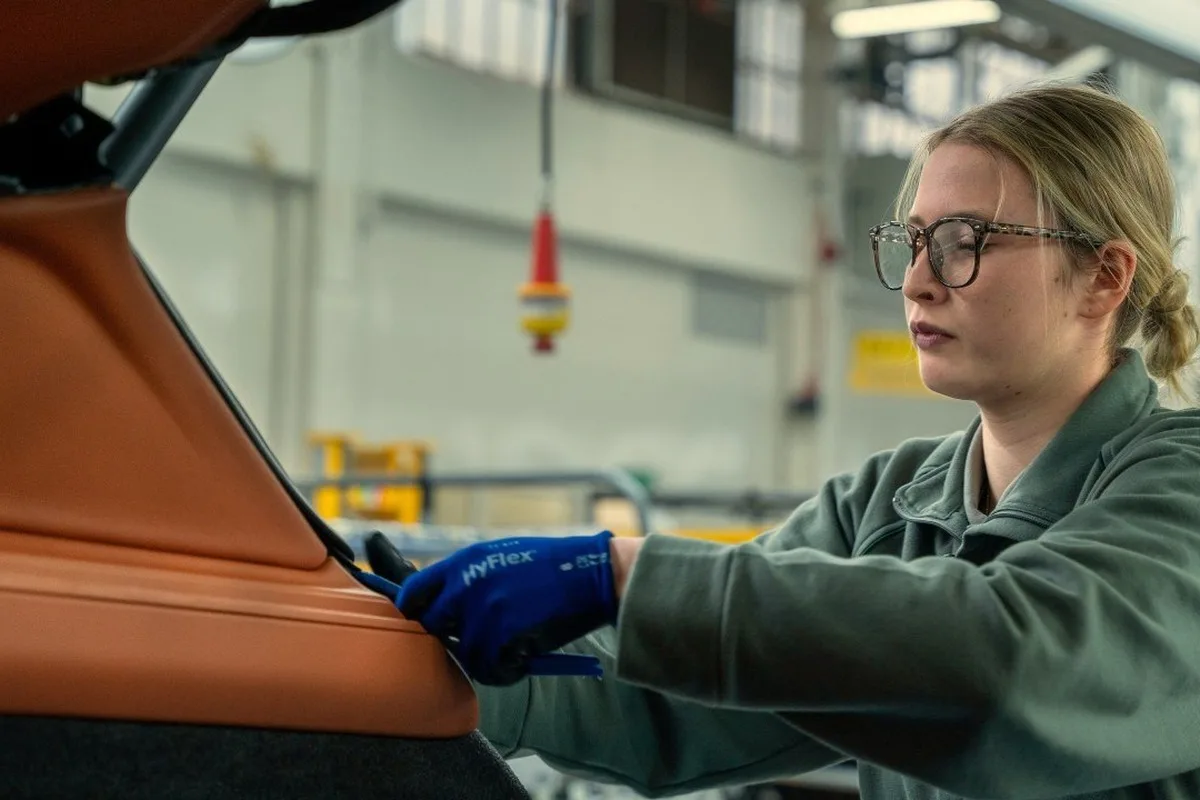
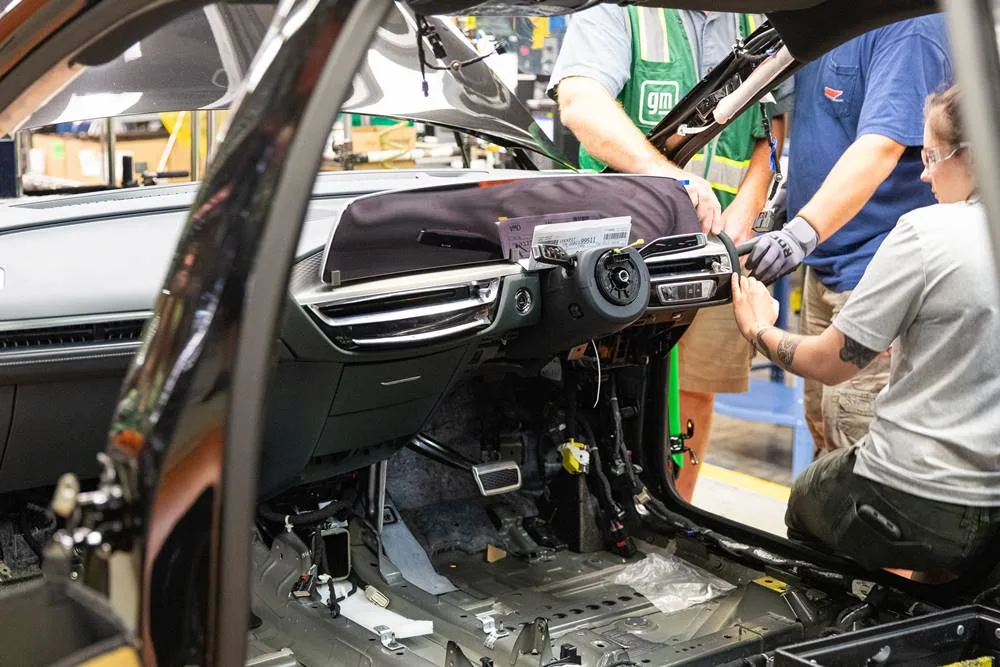
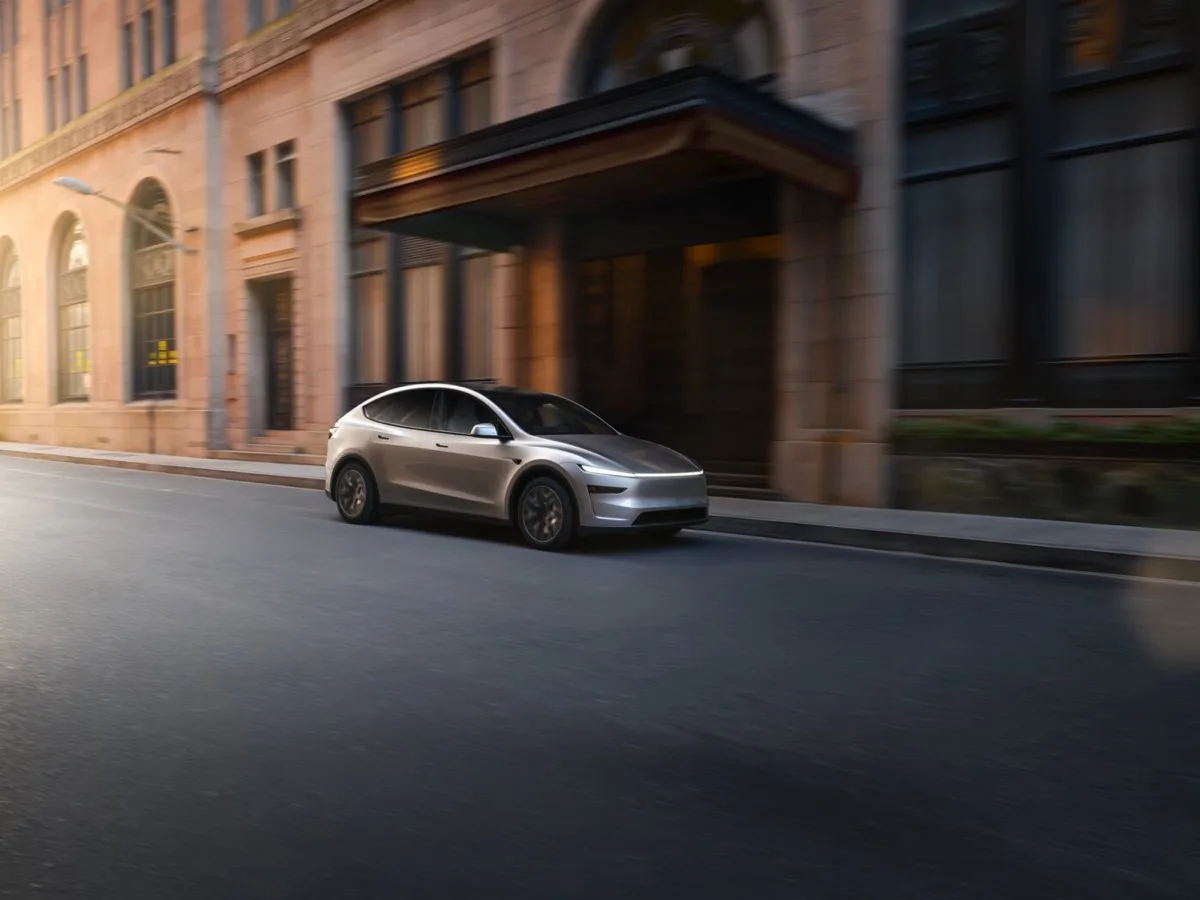


ABOVE: The Manufacturing casting process and presses
The Teardown That Started It
Jim Farley has described what Ford found when it pulled a Tesla apart. The Mach-E’s wiring loom ran 1.6km longer than the equivalent Tesla loom and weighed 70 pounds more, and Ford worked out it cost US$200 in battery just to carry its own wiring around.
That’s the trap. Extra weight in a petrol car costs fuel economy. Extra weight in an EV means more battery, and battery is heavy, so you add more battery to carry the battery. Toyota tore down a Model Y and reached the same verdict about its own bZ4X. Both companies had built electric cars using petrol car habits, and both worked out the first generation was a dead end that would lose more money the more of them they sold.
The arithmetic underneath is brutal. Spend US$3 billion on a car and its production line, sell 500,000 of them, and the fixed cost is US$6,000 a car. Sell 50,000 and it’s US$60,000 a car. Ford priced the Mach-E against the Model Y, Tesla cut prices, and Ford was left choosing between margin and volume when it needed both.
China Never Had the Argument
Chinese makers had no old factories to defend, and they’re now cheaper at everything rather than just at EVs. Petrol cars, hybrids and plug-in hybrids all come off the same cost base, which is why they’re taking Southeast Asia, Latin America, Europe and this market.
Tariffs are a delay, not a defence. Canada dropped its tariff on Chinese EVs to 6.1% early this year and Tesla immediately began shipping the Model 3 to Canada from Shanghai instead of California. A new Model 3 landed at Honda Civic money, 38% below the average new car price and only 12% above the average used car. Tesla is the expensive Chinese-built option. The BYD Seal sells in China for about 24% less again.
What Single Casting Looks Like on Our Sales Charts
Australia doesn’t need to model any of this, because it already happened. China supplied 33,634 of the cars sold here in July, more than any other country and well clear of Japan on 26,292. Count the Teslas and Polestars built in China and 35.5% of the month came off Chinese lines.
Toyota sold 115,550 cars in the first seven months and holds 15.6% of the market, against 142,700 and 20.0% a year ago. Mazda’s down 16.7%, Mitsubishi 27.4%, Nissan 33.7%. Ford’s down 10.8%. BYD sits second outright and grew by more cars than Toyota lost.
You can buy a GAC Aion UT here today for $31,990 drive-away with a 60kWh battery, 430km of range and 150kW. Ford’s answer to that car goes on sale in the United States in 2027, and Fiat gave up and went home.
The Part the Engineering Can’t Fix
Both companies know what to build. Whether either survives building it is a different question, and the balance sheets say they’re answering that one in opposite ways.
Toyota returns 35% to 45% of profit to shareholders and keeps the rest for single casting presses and the painful business of unwinding its cross-shareholdings with suppliers who build gearboxes nobody will need. It cancelled the Lexus LF-ZC, its own flagship, because a luxury electric sedan sells in the low tens of thousands globally and can never repay the tooling.
Ford generated about US$3.5 billion in adjusted free cash flow in 2025 and paid out US$2.99 billion of it in dividends, while its battery joint venture with SK On closed a US$9.63 billion federal loan, the largest ever made under the government’s advanced vehicle manufacturing program. The Ford family holds 2% of the equity and 40% of the votes.
Farley has also said the franchise dealer system costs Ford US$2,000 on every car it sells, which is most of the gap between US$28,350 and a Chinese price.
Single casting works. The factories will get cheaper. The question is whether the companies survive long enough to run them.
The Irony – Save Now, Pay Later – Gigacasting’s Hidden Consumer Costs
The core irony of gigacasting is that a technology designed to make cars affordable to buy is making them prohibitively expensive to own. By replacing over a hundred stamped parts with a single aluminum module, automakers dramatically lower production costs, pass those savings to consumers, and speed up factory assembly. However, this financial benefit completely reverses once the car leaves the dealership.
Because cast aluminum cannot be pulled or straightened like traditional steel, any structural accident damage becomes binary: it is either a cheap cosmetic fix or a catastrophic total failure. When an insurer faces a cracked chassis that requires stripping the entire car down just to replace, they will almost always write the vehicle off. Ultimately, gigacasting shifts the financial burden of vehicle complexity away from the manufacturer’s factory floor and directly onto the consumer’s skyrocketing annual insurance premiums.
More Industry Stories
- GAC Aion UT Review, 430km and 150kW for $31,990
- July 2026 Sees Toyota Fall as China Rises
- Father’s Day Car Gifts for Dads Who Love Driving
Help Support Gay Car Boys Subscribe to our Youtube Channel by SMASHING THE BUTTON ABOVE

Alan Zurvas is the founder and editor of Gay Car Boys, Australia's leading LGBTQI+ automotive publication. Before launching GCB in 2008, Alan's automotive writing was published in SameSame.com.au and the Star Observer. With over 16 years of hands-on car reviewing experience, Alan brings an honest, irreverent voice to every review — championing value and innovation over brand loyalty.
Leave a Reply