Toyota has defended the latest RAV4 price rise, and one can almost hear the boardroom crystal rattling as buyers start counting the shekels. The 2026 Toyota RAV4 now starts at $45,990 before on-road costs, then climbs towards the sort of money that used to buy something with leather, wood, and a service adviser who remembered your name.
Toyota says the increases of up to $5930 are justified by updated safety gear, new multimedia, the Arene software platform, and a more generous base package. Toyota Australia has the local RAV4 range here if you fancy comparing the brochure gloss with the invoice shock.
The price increases appear to be tin-eared given that Toyota sales are down 25%. Toyota made its second-best seller dearer while hybrid, plug-in hybrid, and electric rivals swarm the same price band like aunties at a seafood all-you-can-eat. Confidence is one thing, pricing a family SUV as if the badge comes with a title deed to a Point Piper pile is quite another.
This kind of ill-advised market placement is what killed Holden. Holden famously said, “We will never chase price. We are here for the long haul,” and a few months later the century-old brand was dead.
Above: 2026 Polestar 2 DM Performance The Forgotten Polestar is Fabulous
#Polestar2 #EV #BowersWilkins #ElectricCars #SwedishDesign

Help Support Gay Car Boys Subscribe to our Youtube Channel by SMASHING THE BUTTON ABOVE


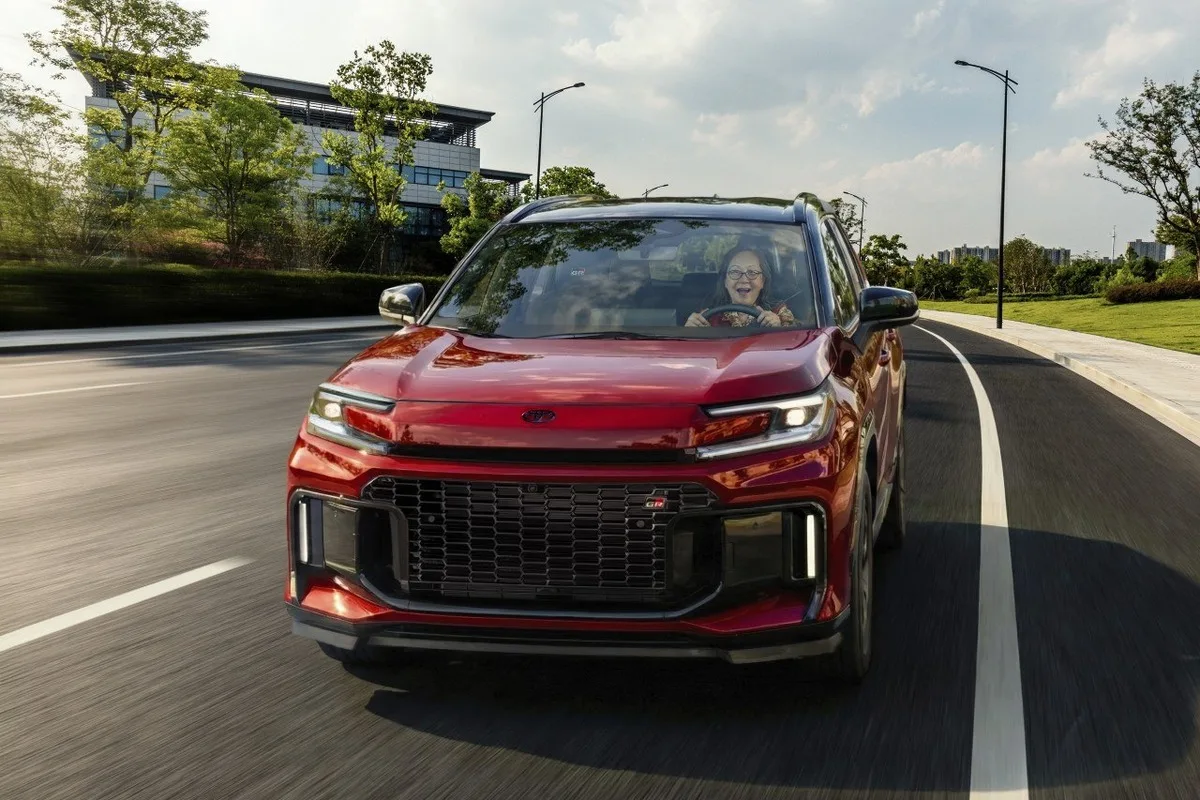
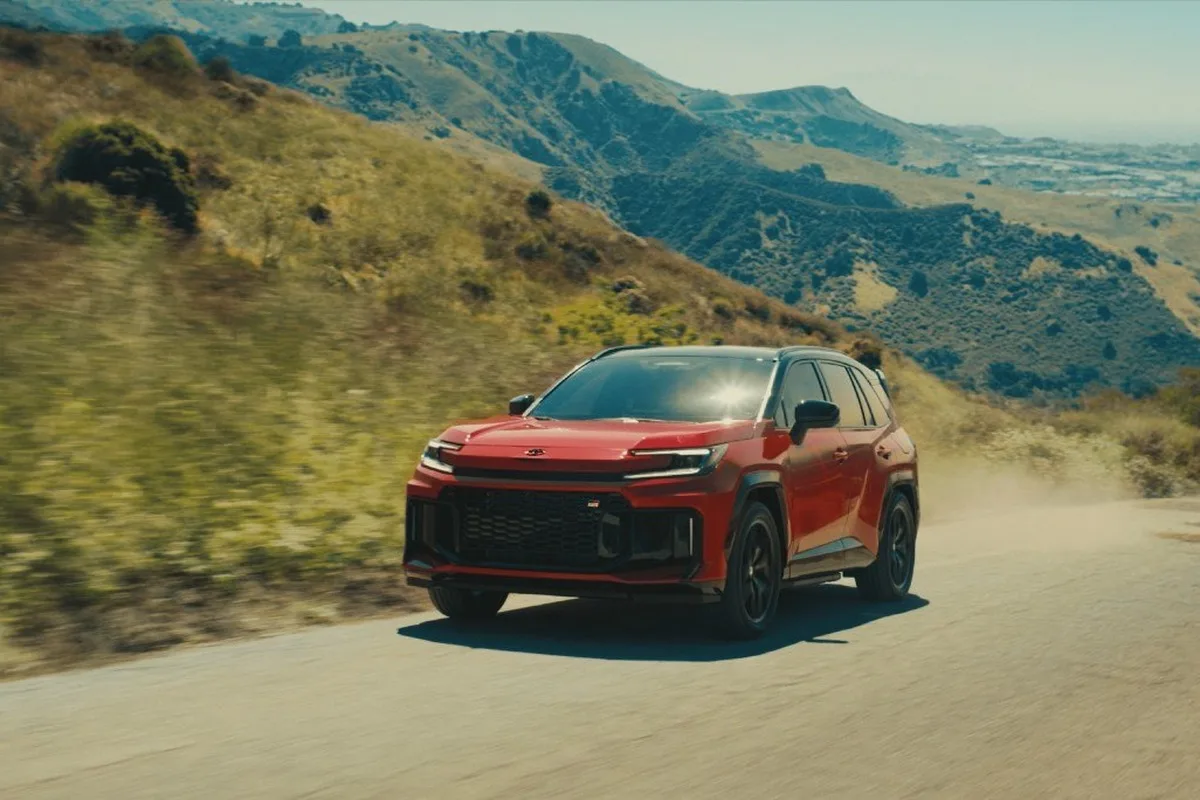
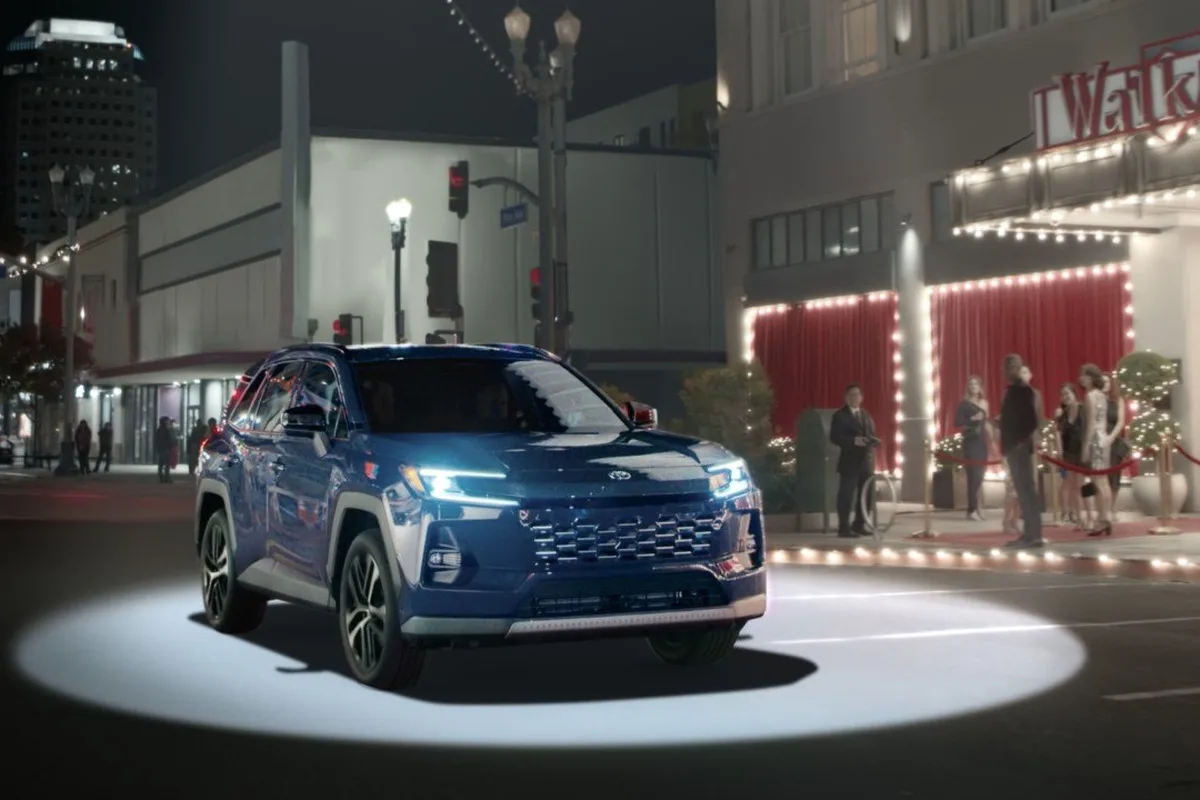

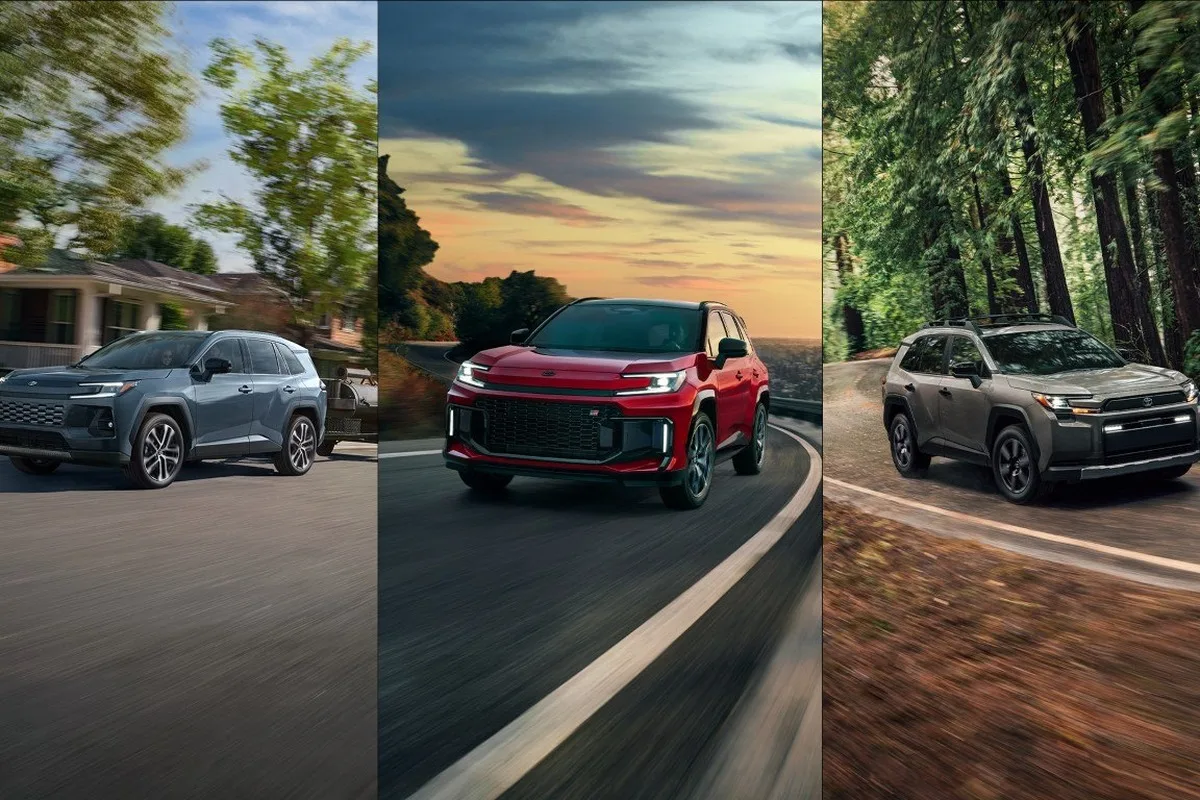
ABOVE: Toyota RAV4 image from recent GCB archive coverage
Toyota says buyers see value, but do they really? No, buyers see invoices.
John Pappas, Toyota Australia sales and marketing boss, said the new RAV4 should be judged by its value proposition, with Toyota Safety Sense 4, new screens, and better connected tech all doing the heavy lifting. That is fair enough when seeing a car in isolation, but buyers shop around. Some use buyer agents or comparison websites, and kickbacks aside, they are ruthless. They care little for a spiv flogging marketing spin.
The entry GX now commands a princely $45,990 before on-roads, or around $50,000 drive-away. To put even more sting in the tail, some of the niceties people now expect, have gone missing or moved upstairs. The most egregious omission is rain-sensing wipers that, now nixed on the GX along with the leather-look steering wheel, now a cheaper urethane version. That is not progress, that is an act of sales vandalism.
Higher up, the hybrid Cruiser AWD is $60,340 before on-roads, while the RAV4 PHEV will nudge the non-premium nameplate into the premium $70,000-plus drive-away sales space. Toyota thinks the plug-in could make up about 30% of RAV4 sales in 2026, and perhaps it will who knows, it might. Toyota loyalty in Australia has the strange durability of old Tupperware, although even Tupperware parties ended in ignominy.
Twenty hybrid and PHEV alternatives
The market Toyota is defending no longer looks like the market Toyota once owned. BYD, GWM, Chery, MG, Geely, and Jaecoo are not politely waiting outside with a Gen Zer and a clipboard doing focus group research. They are deep inside the market offering plug-in range for less than the price of a base RAV4 hybrid. Three such brands have displaced legacy carmakers on the top ten sales charts and we can expect more to follow.
Hyundai and Kia, though later to the hybrid dinner than Toyota, are now out Toyota-ing Toyota. Tucson and Sportage hybrids cover much of the RAV4 range, Honda and Nissan sit in the “premium” hybrid lane. Mitsubishi’s Outlander PHEV remains an early plug-in rival for anyone who wants Toyota money spent on Toyota-adjacent sensibleness without Toyota’s late arrival to worry about.
2026 hybrid and PHEV market comparison
| Model | Powertrain | Price Range | vs. RAV4 Positioning |
|---|---|---|---|
| Toyota RAV4 | HEV / PHEV | $45,990 to $70,000+ est | The segment anchor, with PHEV as the new flagship. |
| BYD Sealion 6 | PHEV | $47,182 to $57,642 | Aggressive PHEV pricing against RAV4 hybrid money. |
| Hyundai Tucson | HEV | $42,600 to $59,600 | Undercuts RAV4 at the entry level for 2026. |
| Kia Sportage | HEV | $44,450 to $60,370 | Broad range of hybrid trims in the same class. |
| GWM Haval H6 | HEV | $38,490 to $47,490 | Pure value play against the base RAV4. |
| GWM Haval H6 | PHEV | $44,990 to $50,990 | Plug-in capability for the price of a base RAV4. |
| MG HS | PHEV | $43,690 to $49,990 | Budget alternative to mid-spec hybrids. |
| Honda CR-V | HEV | $49,900 to $64,400 | Premium positioning against upper RAV4 trims. |
| Nissan X-Trail | HEV | $49,990 to $66,000 | e-Power targets RAV4 refinement. |
| Mitsubishi Outlander | PHEV | $57,290 to $73,790 | The most direct rival to the coming RAV4 PHEV. |
| Chery Tiggo 7 Pro | PHEV | $39,990 to $45,990 | Lowest barrier to entry for a plug-in SUV. |
| Subaru Forester | HEV | $43,490 to $52,033 | AWD utility over pure efficiency. |
| Lexus LBX | HEV | $47,550 to $56,990 | Smaller, but Lexus luxury for RAV4 money. |
| Geely Starray | PHEV | $38,960 to $43,920 | High-tech entrant with 80km-plus EV range. |
| Jaecoo J7 | HEV / PHEV | $35,990 to $46,990 | Stylish newcomer undercutting Toyota. |
| Kia Niro | HEV / BEV | $45,000 to $72,360 | Orphaned-feeling Kia eco range; the EV end pushes into RAV4 PHEV money. |
| Hyundai Kona | HEV | $37,000 to $46,500 | Competitive if RAV4 feels too large. |
| Chery Tiggo 8 Pro | PHEV | $45,990 to $54,990 | Seven-seat PHEV alternative to RAV4. |
| GWM Tank 300 | HEV | $47,990 to $61,990 | For buyers seduced by rugged looks. |
| Leapmotor C10 | PHEV | $48,840 to $52,500 | Stellantis-backed tech-heavy challenger. |
| Mazda CX-60 | PHEV | $63,790 to $83,990 | Current plug-in hybrid SUV; starts under RAV4 PHEV money and climbs into premium territory. |
Ten EVs sitting in the same money
Full EVs are now in the room, and Toyota’s argument starts sweating through the shirt. A high-spec RAV4 hybrid or PHEV is now overlapping with the Tesla Model Y, Kia EV3, Toyota’s own bZ4X, Xpeng G6, Zeekr X, Volvo EX30, and even the lower end of Hyundai Ioniq 5 money.
That does not mean every RAV4 buyer wants an EV. Many do not, but who would buy a RAV4 over a Model Y? Only perhaps those who can’t make home charging work without body corporate apoplexy, a tut-tutting sparky, and the patience of a saint. But when the price band overlaps, the comparison becomes unavoidable. A buyer can spend $60,000 to $70,000 on a RAV4, or start looking at battery-electric SUVs with more oomph, less servicing, and far cheaper running costs. It is a deliciously awkward question.
2026 RAV4 versus electric SUV price comparison
| Model | Powertrain | Price Range | RAV4 Price Overlap |
|---|---|---|---|
| Toyota RAV4 | HEV / PHEV | $45,990 to $70,000+ | The internal combustion benchmark. |
| Tesla Model Y | BEV | $58,900 to $89,400 | Top-spec RAV4 HEV and PHEV territory. |
| BYD Atto 3 | BEV | $39,990 to $44,990 | Undercuts the entry RAV4 GX. |
| MG4 Electric | BEV | $31,990 to $47,990 | XPower rivals mid-spec RAV4 money. |
| Toyota bZ4X | BEV | $55,990 to $67,990 | Toyota’s own EV alternative to high-spec RAV4s. |
| Zeekr X | BEV | $48,900 to $57,900 | Premium compact choice near RAV4 GXL pricing. |
| Kia EV3 | BEV | $46,990 to $68,490 | Direct competitor across the RAV4 HEV range. |
| Xpeng G6 | BEV | $54,800 to $59,800 | Matches mid-to-high RAV4 trims on price. |
| Geely EX5 | BEV | $41,990 to $45,990 | Targets the gap below the base RAV4. |
| Volvo EX30 | BEV | $54,900 to $71,290 | Premium badge choice against top-spec RAV4 money. |
| Hyundai Ioniq 5 | BEV | $67,500 to $84,000 | Competition for the top-end RAV4 PHEV model. |
Where that leaves RAV4
Toyota’s problem is not that the RAV4 has gone bad, it hasn’t. Toyota can build a hybrid with its eyes shut, owners trust the badge, resale values usually behave themselves, and the dealer network is almost overwhelming. That is the sensible argument, and it still has weight.
What has changed is the company no longer owns the sensible argument by default. At $45,990, the RAV4 looks reasonable until a buyer notices a BYD Atto 3 or Geely EX5 offering fully electric driving for less money. Step into the $60,340 RAV4 Cruiser AWD, and the air gets thinner again, because Tesla Model Y, Xpeng G6, and high-spec Kia EV3 money is already in the room, leaning on the bar and making eye contact.
The PHEV version makes the choice even more awkward. Once on-road costs push it into the $70,000 zone, the RAV4 is no longer being judged against yesterday’s family SUV. It is being compared with Hyundai Ioniq 5 and Kia EV6, cars built around proper EV platforms, faster charging, and a very different idea of what $70,000 should feel like. Toyota offers the comfort blanket of petrol backup. The dedicated EVs offer lower running costs and the feeling that someone designed the car for the future, not for buyers nervous about arriving there.
That is where the $6000 price jumps bite. They do not make the RAV4 silly, but they do change the mood. A BYD Sealion 6, GWM Haval H6 PHEV, Chery Tiggo 7 Pro PHEV, Geely Starray PHEV, Kia EV3, or Toyota’s own bZ4X no longer looks like some left-field punt from the discount aisle. They are proper answers to a question Toyota spent years hoping buyers would not ask.
Toyota will still sell RAV4s, because habit is a powerful drug and the badge still carries social weight. But the old magic was value, reliability, and easy ownership wrapped in one sensible, dull box. Push the price too far while sales are already down 25%, and that sensible box starts looking less like a default choice and more like a very expensive habit with roof rails.
More Stories
- 2026 Toyota RAV4 Starts $45,990 with PHEV and GR Sport
- 2026 Toyota RAV4 USA Campaign, What’s Your RAV4, Sells a Lifestyle First
- 2026 Honda CR-V Price and Specs Australia, Full Range Starts at $44,900
Help Support Gay Car Boys Subscribe to our Youtube Channel

Alan Zurvas is the founder and editor of Gay Car Boys, Australia's leading LGBTQI+ automotive publication. Before launching GCB in 2008, Alan's automotive writing was published in SameSame.com.au and the Star Observer. With over 16 years of hands-on car reviewing experience, Alan brings an honest, irreverent voice to every review — championing value and innovation over brand loyalty.
Leave a Reply