
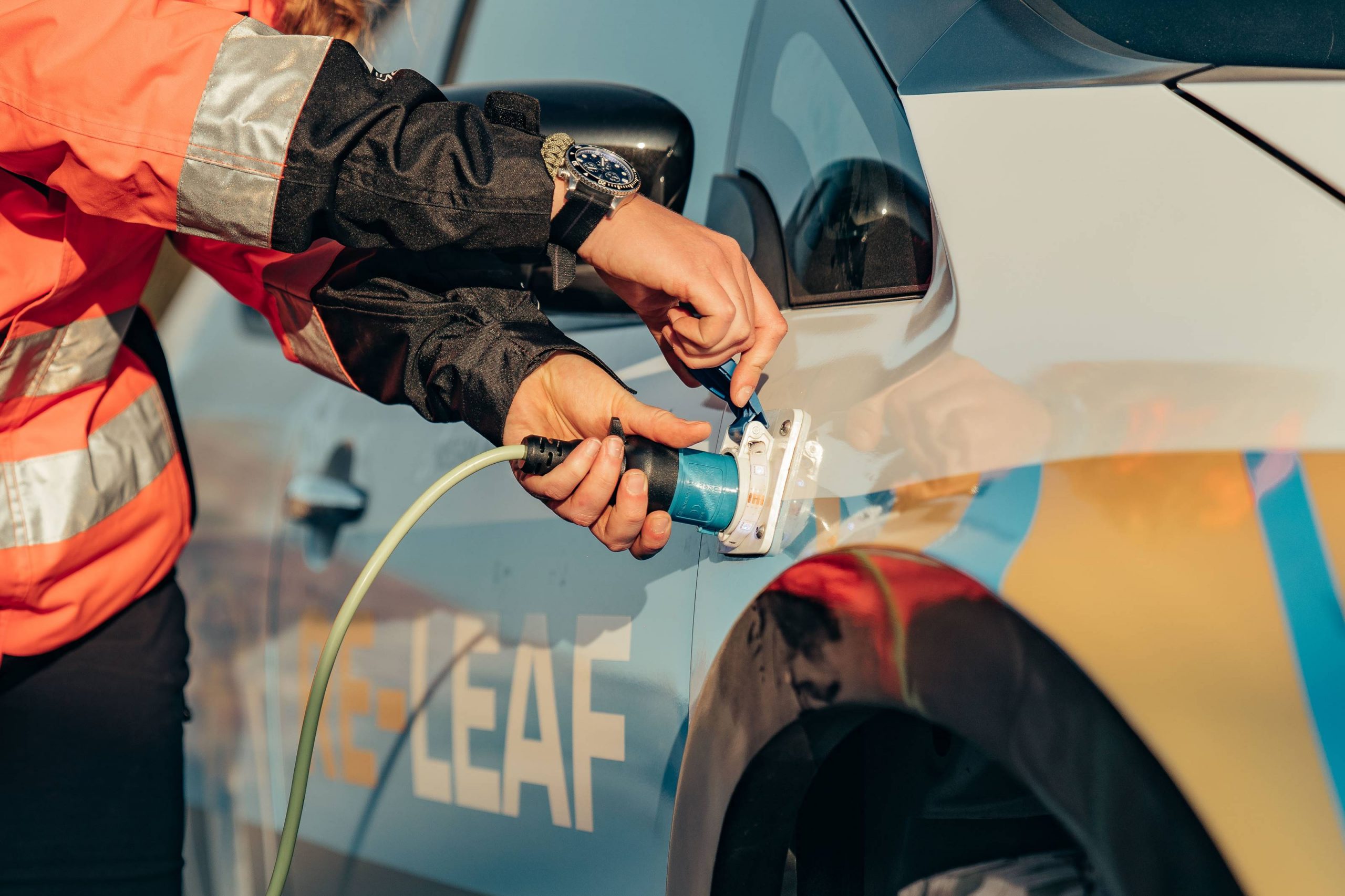
An increasing number of our reviews are of electric vehicles, with more coming to market each day.
Australia is now well behind other major economies in EV uptake, and here’s why: Our government.
While other countries have given EV owners tax breaks, Australians have missed out.
The conservative federal government has been trying to protect its donors who own or run mines and energy companies. There are many examples of this, not the least being the disgraceful scare campaign ahead of the last election. The LNP claimed that Labor was trying to take away tradie utes, and to ruin voter’s weekends away. But it didn’t stop there.
Labor’s carbon pricing scheme had drastically reduced Australia’s CO2 output, but one of the first acts of the new conservative government was to dismantle the scheme, dishonestly labelling it as a carbon tax. In the decade since, CO2 has exponentially increased.
The government anti-renewable crusade reached peak-stupid recently with the “gas-led covid recovery” plan. Despite South Australia’s battery storage being part of a word respected transition policy, the conservative parties have poured billions of dollars in to fossil fuels such as gas.
Above: This Week 2021 Kia Seltos GT Line Video Review

Help Support Gay Car Boys Subscribe to our Youtube Channel
- Top GayCarBoys Stories:
- Sexy Men Drive 2021 Toyota Yaris Cross
- 10 Sexiest MotoGP Motorcycle Riders
- DON’T Drive YOUR CAR until you’ve Checked if your AIRBAG will KILL YOU
- 10 Hottest Racing Drivers
- Top 12 Best Gay Lesbian LGBTI Luxury Cars
- Top 10 Gay Lesbian LGBT Cars
- Top 10 Gay Lesbian LGBT Sports Cars
- Top 15 gay and lesbian LGBT SUVs
- Talented Twinks – Callum Ilott Virtually Races Arthur Leclerc
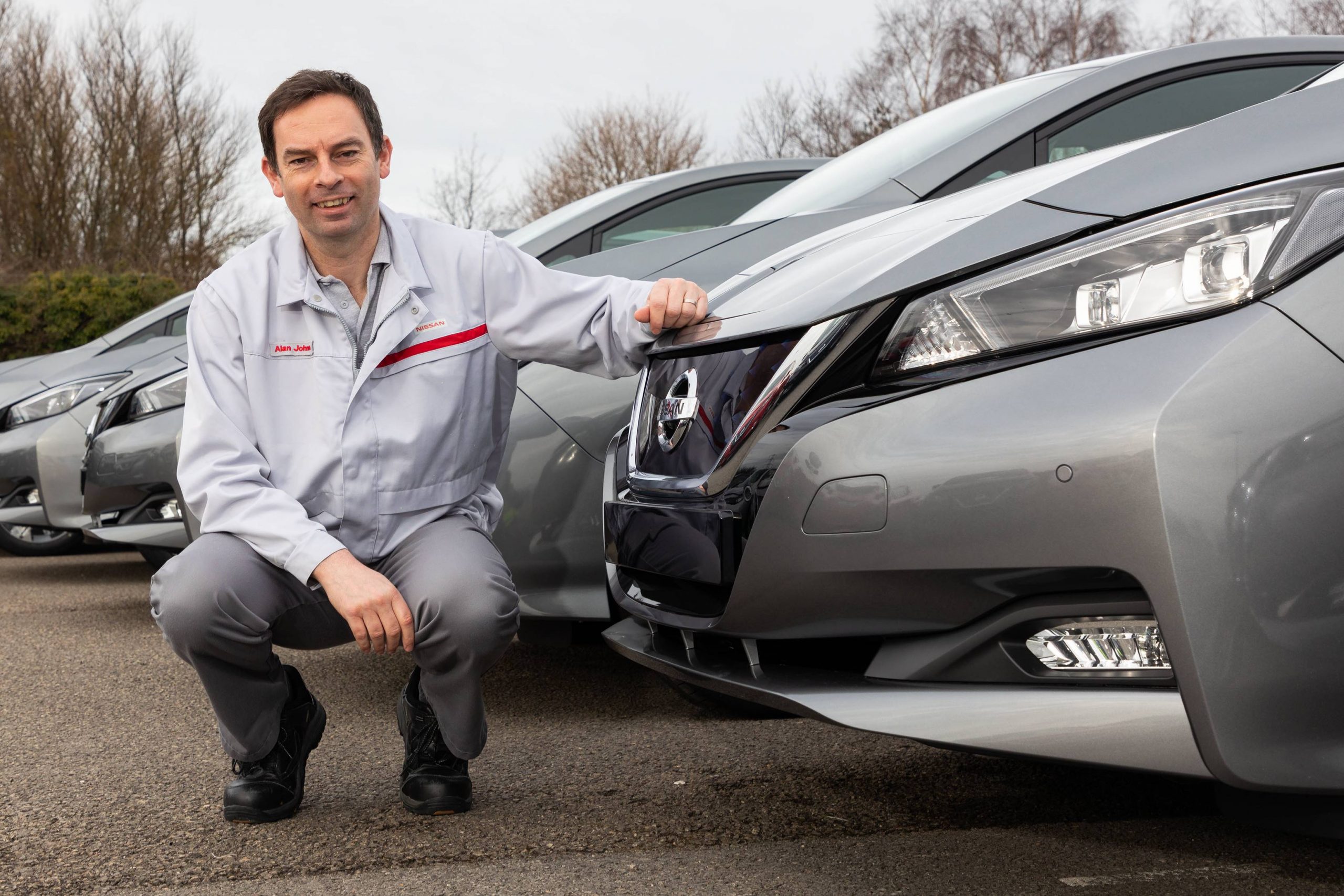
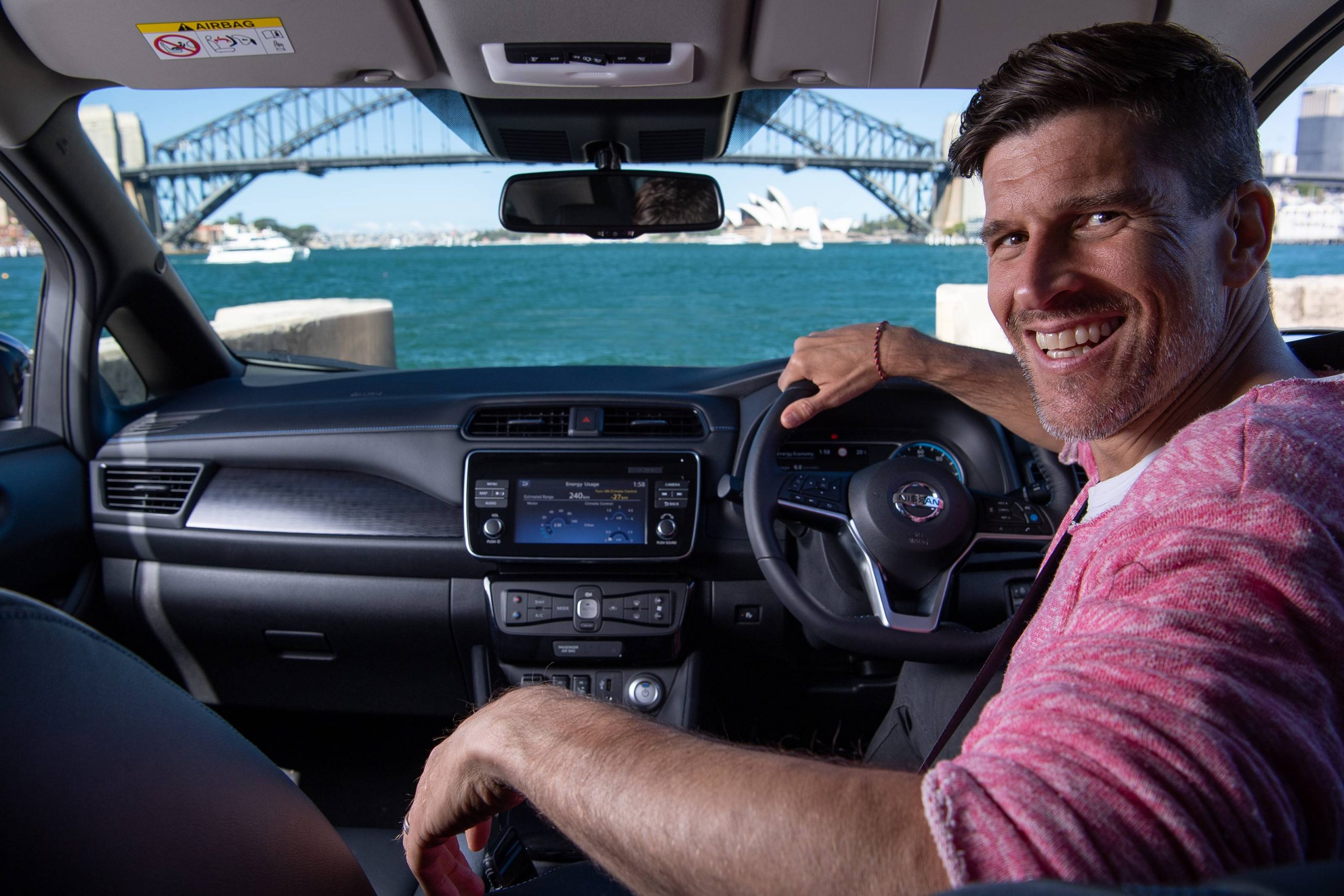
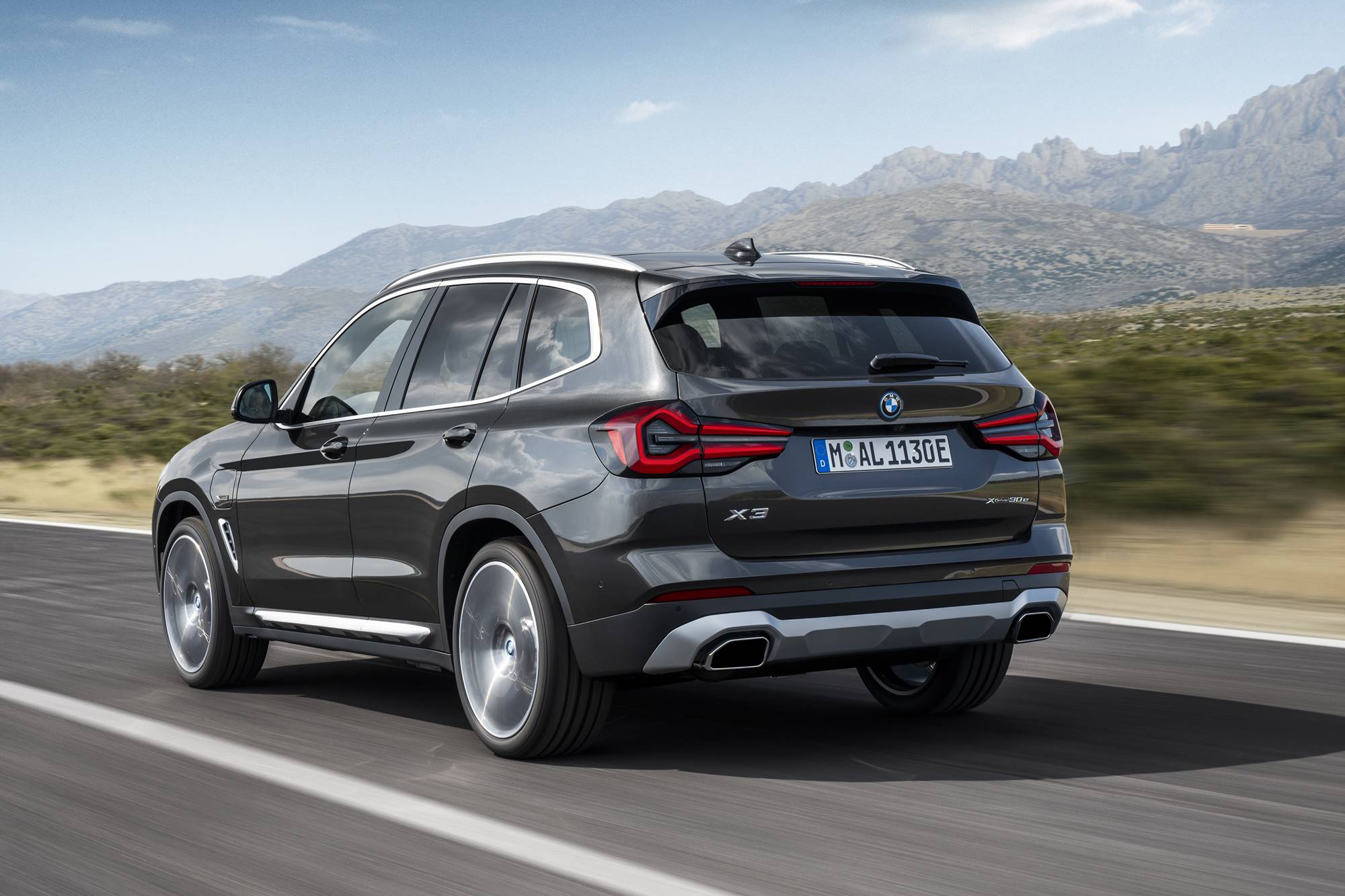

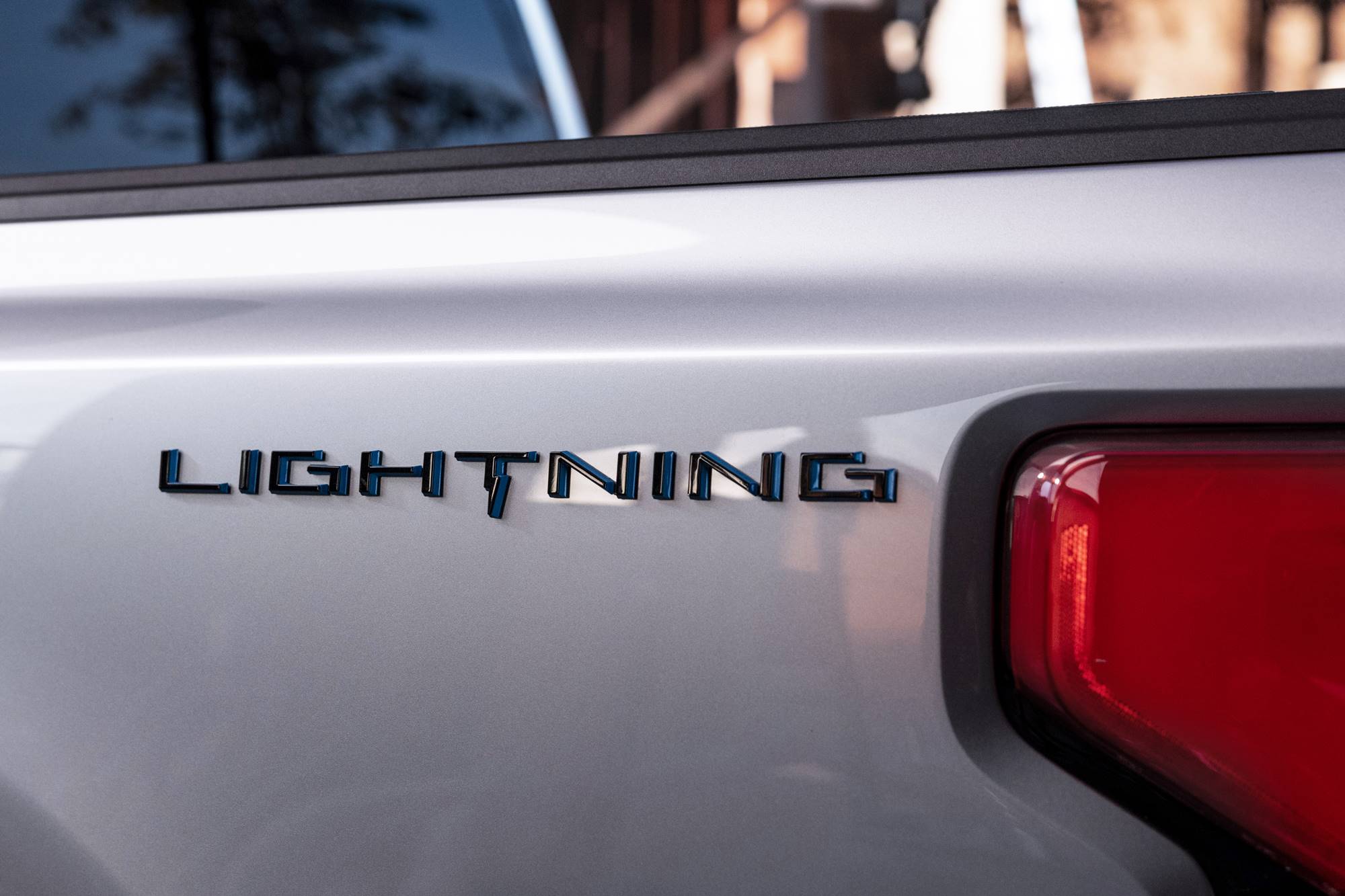
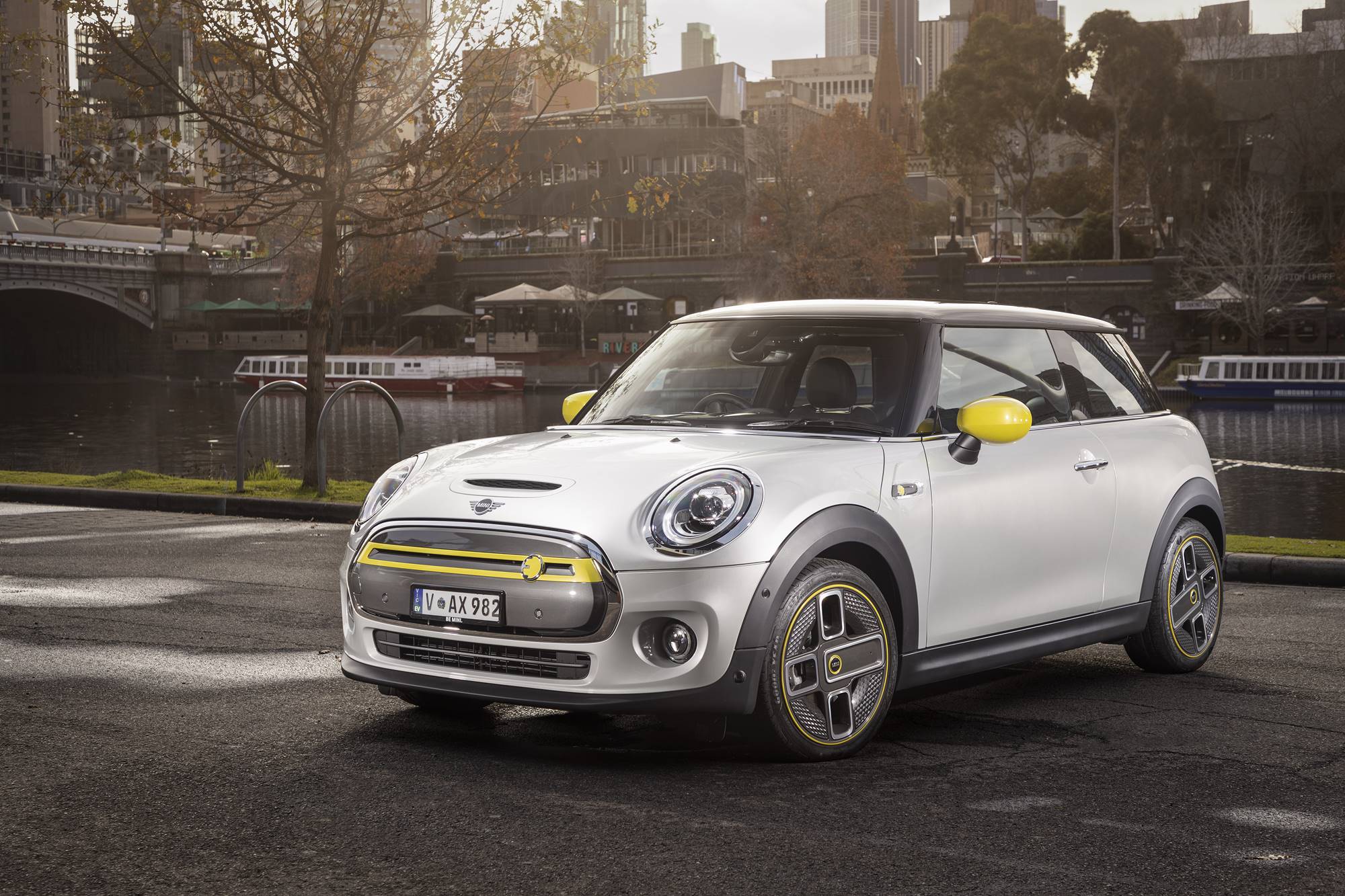


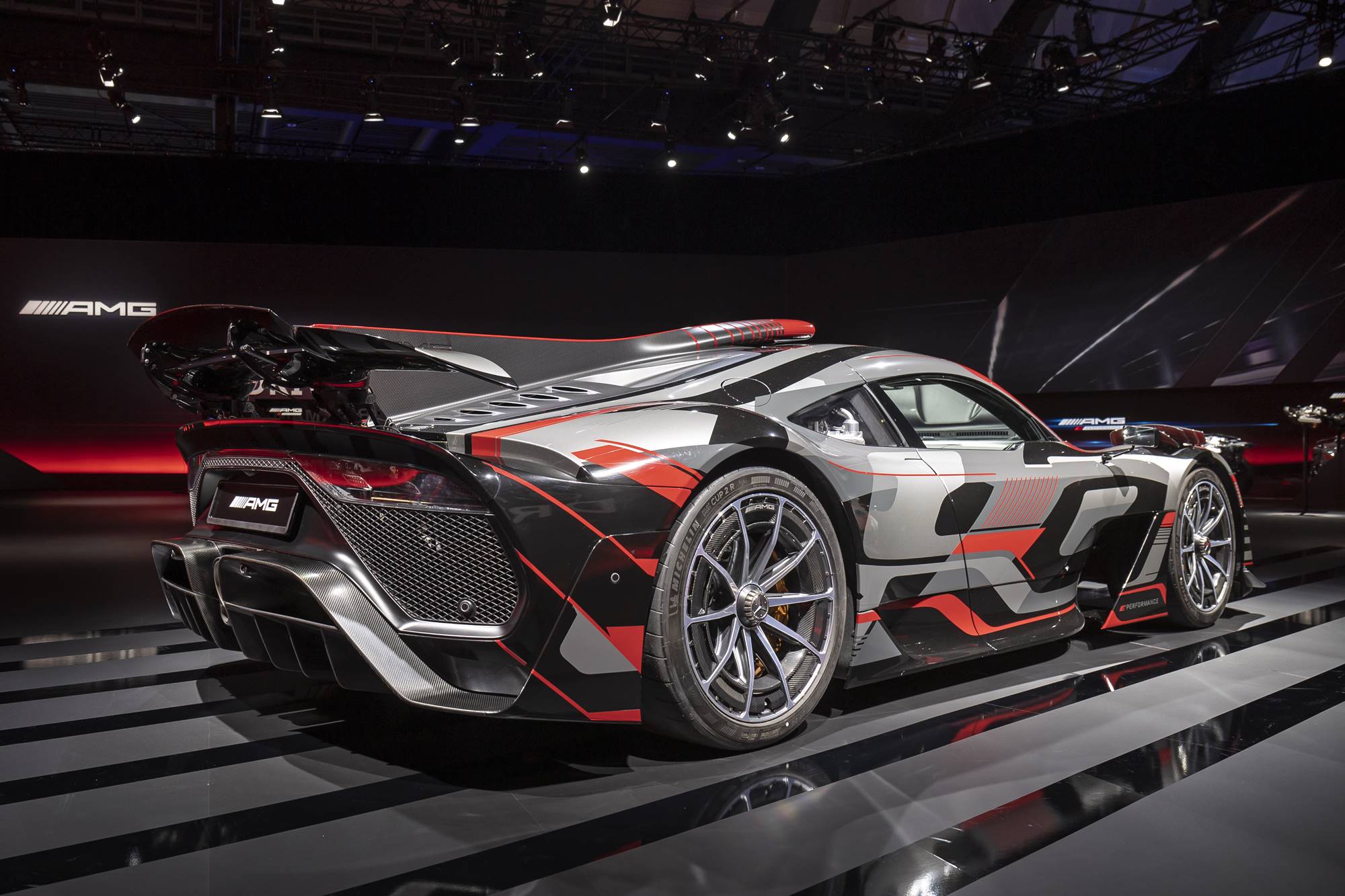
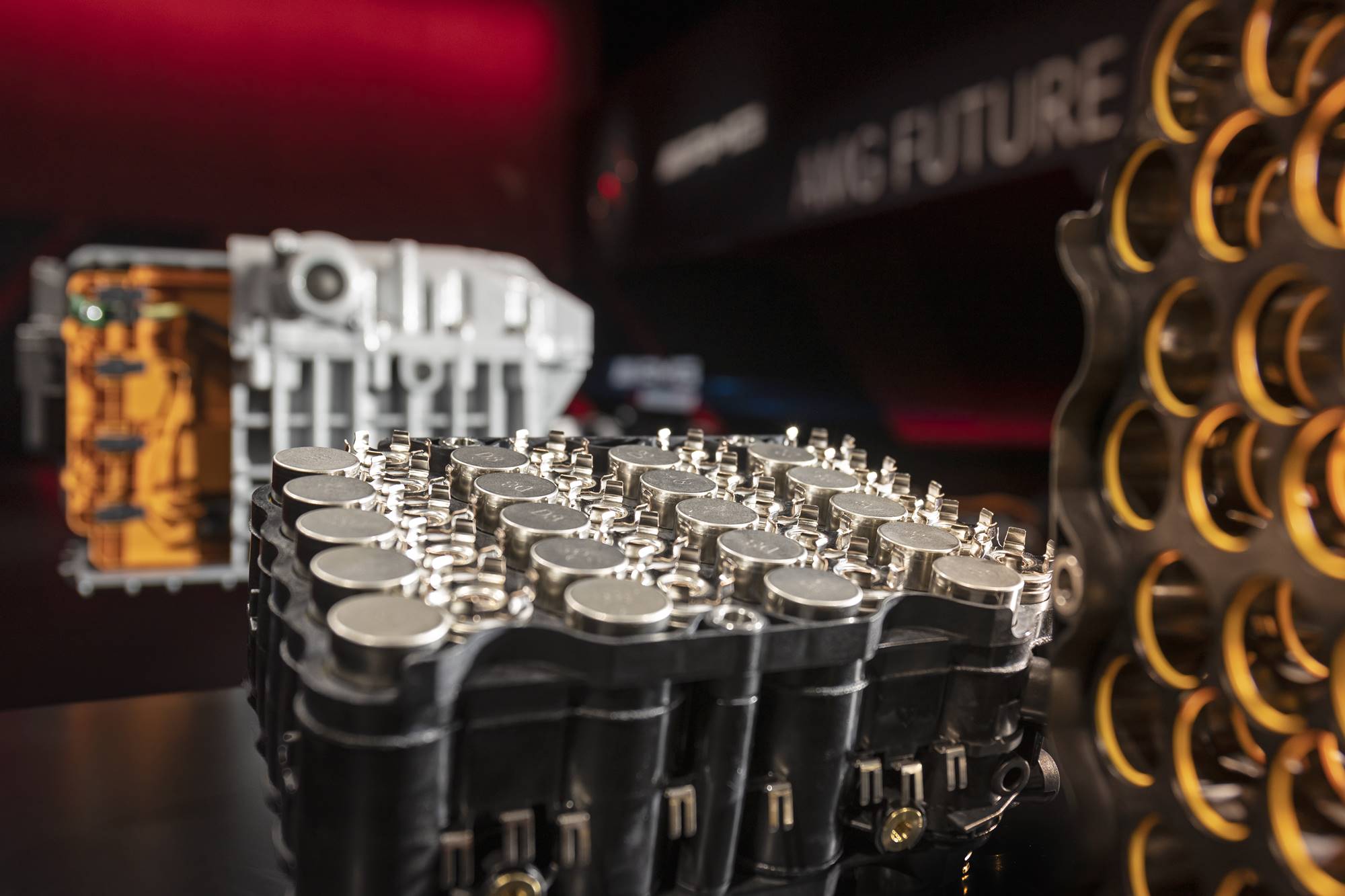
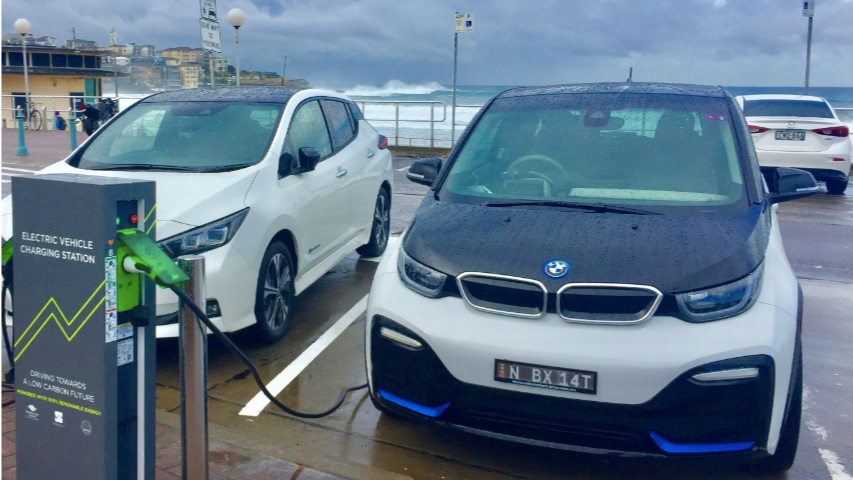

ABOVE: 2021
Electric Cars use Fossil Fuels Anyway Don’t They?
This is a common myth that is simply not true. Charging infrastructure companies have been offsetting their CO2 footprint by either buying carbon credits, or by using green power. Chargefox is 100% renewable with some sites adding local solar power to charge cars directly from the sun.
Some EVs will even allow the car’s battery to store power to be used at home. This turns the vehicle into a mobile power source. While the car is plugged in, energy can flow both ways. Consider this: EV batteries are only used when the EV is being driven, but what it is could be used 99% of the time
In places where micro grids have been set up, your car could power other homes and businesses. In the future, farmers and tradies would be able to use their utes on a work site to recharge power tools, or to power work lights. Grey nomads could even power their vans while off-grid camping.
The notion that electric cars, vans, utes, and trucks can’t be green is a nonsense. Some business and government departments in the process of electrifying their fleets. For example: Delivery companies have electric vans, some bus fleets are 100% electric. The city of Sydney has already converted part of its fleet to EV or hybrid. The remainder is offset by renewables.
New South Wales government will use 50 new electric buses from 2021, according to sources at The Driven. Our own David Brown was quotied in a recent story about tradie utes being used on site as power sources.
Our electric grid can’t handle EV charging, can it?
There has been almost no federal funding for charging. Recently, the Victorian government passed legislation to tax EV owners. They claim that EV drivers they don’t use petrol or diesel, therefore they are not contributing to road maintenance. Isn’t that what “registration” is for? This is world’s worst practice.
Solar power is alleged to overload grids during “maximum generation” days where bright sunlight is pouring energy in to the grid. EVs could contribute here too. They could be used to capture excess energy to then be used as part of a microgrid. Local users could draw on the batteries, thus taking advantage of locally produced power.
Previously, new Teslas could be charged for free at Tesla Superchargers. That has been discontinued, but charging a 60kwh battery is between $24 and $35, considerably less than the same distance in fossil fuels. Audi e Tron gets 6 years of free Chargefox, including charging at ultra-fast units.
I need a full charge for a longer trip
EV owners control their power use, so even if it was part of a micro grid, 2-way power can be disabled in order to get to the maxim 80% fast charge.
Why do EVs only charge to 80% on a fast charge?
All batteries benefit from only being charged to 80%, as it prolongs their life cycle. The remaining 20% can be topped up by a trickle charge, but in almost all cases this is not necessary.
EVs can’t be used on longer road trips, can they?
While it is true that chargers are fairly rare, major routes such as the“Brisbane-Sydney-Melbourne” system, has charging stations spaced out to cater for long distance trips. The car’s system will tell you when to stop for a break. 80% can be taken on in as little at 20 minutes. That is much less than the normal roadside break.
What do we need to increase EV uptake in Australia?
EV buyers couldn’t be subsidised with cheap energy. If the car is part of a micro grid, the power could be free. EVs might also get free tolls and free parking. Opponents claims that this would increase charges for non-EV drivers are irrelevant.
Climate change is here. It is no longer a theoretical “what-if.” As of today, all fossil fuel in the ground should stay in the ground.
Car makers have been reluctant to back buyer incentives, so an subsidy is likely to come as part of ownership.
Discover more from Gay Car Boys
Subscribe to get the latest posts sent to your email.














Leave a Reply