This week, we took Mitsubishi’s Pajero Sport GSR for a farewell lap. Alongside the ASX and Eclipse Cross, Pajero Sport falls foul of new safety and emissions regulations. Mitsubishi has culled its fleet and, when the axe finishes swinging, only two models will be left. Is this shocking product planning, or just bad luck? New models are on the way, including a fresh ASX and some kind of people mover, but for now, it’s thin pickings.
Pajero Sport was launched on the dunes of Stockton Beach, where playful motoring writers climbed the fine white stuff with all the drama of a Fast & Furious chase. That was ten years ago. A lot has changed since. While it didn’t quite hit the geriatric ASX’s 15-year milestone, “ten years” is basically God’s waiting room in car terms.
Let’s be honest: Pajero Sport was never going to win a beauty contest. But it was a good-value off-roader, making it reasonably popular with bush-bashers. Now? Sales are down—way down—35.6% compared to this time last year. A deluge of newer models has flooded the market, many of them cheaper, better equipped, and more efficient. Other brands have discounted strategically where it matters, so it’s looking grim not just for Mitsubishi, but for all the complacent mastheads.
So how does this make us feel about Pajero Sport?
I was never a fan of the looks. The front is awkward, but the rear? An absolute shocker. From behind, it looks like its bum got caught in a very strong set of lift doors. The proportions are just off.
Is the cabin any better?
The interior has been given a gentle glow-up, with classier upholstery in a well-tanned theme. The infotainment system now supports CarPlay and Android Auto, but the speakers are still thin and reedy. You have to crank the volume to bosomy crescendo levels to get even a sliver of satisfaction.
Above: This Week’s VIDEO Review – Why KGM SsangYong Torres Ultimate is Great Value – REVIEW– Alan Zurvas
#kgmssangyong, #kgmssyangyongtorres, #alanzurvas, #gaycarboys , #alanzurvas, #gaycayboys


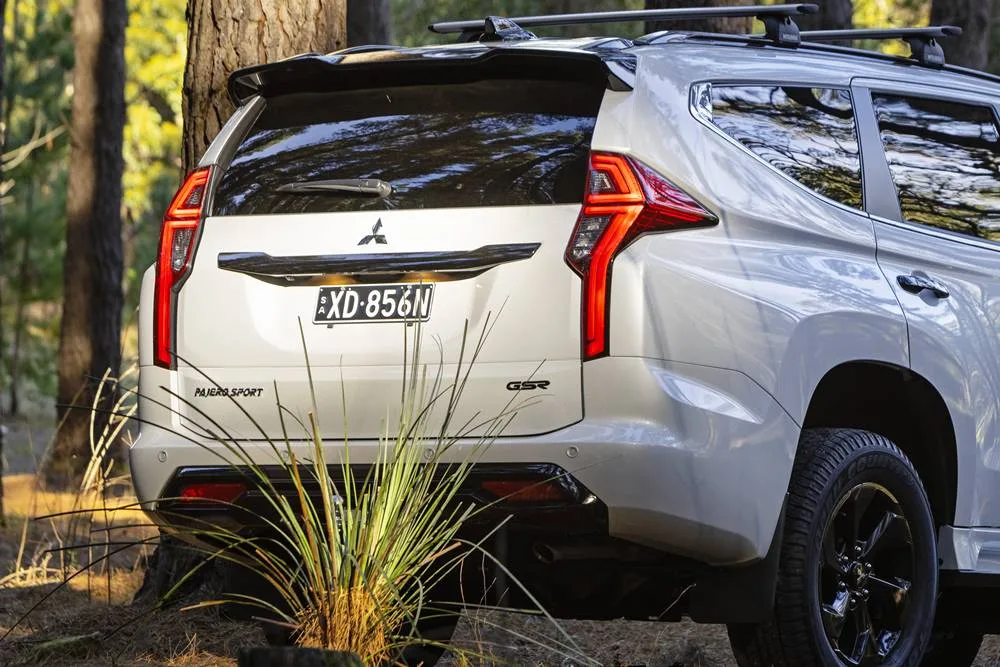
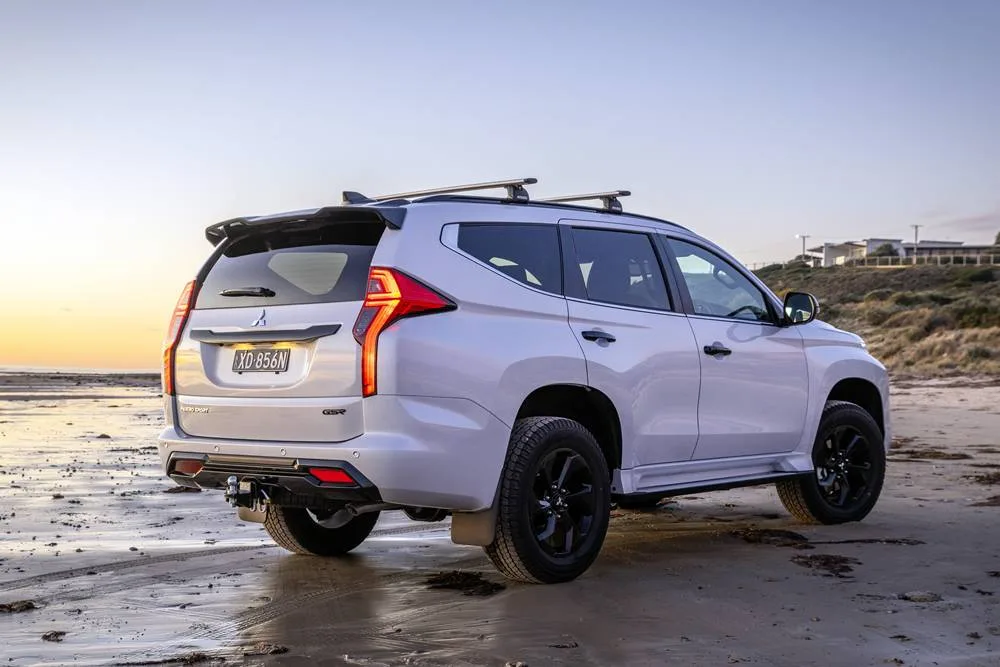
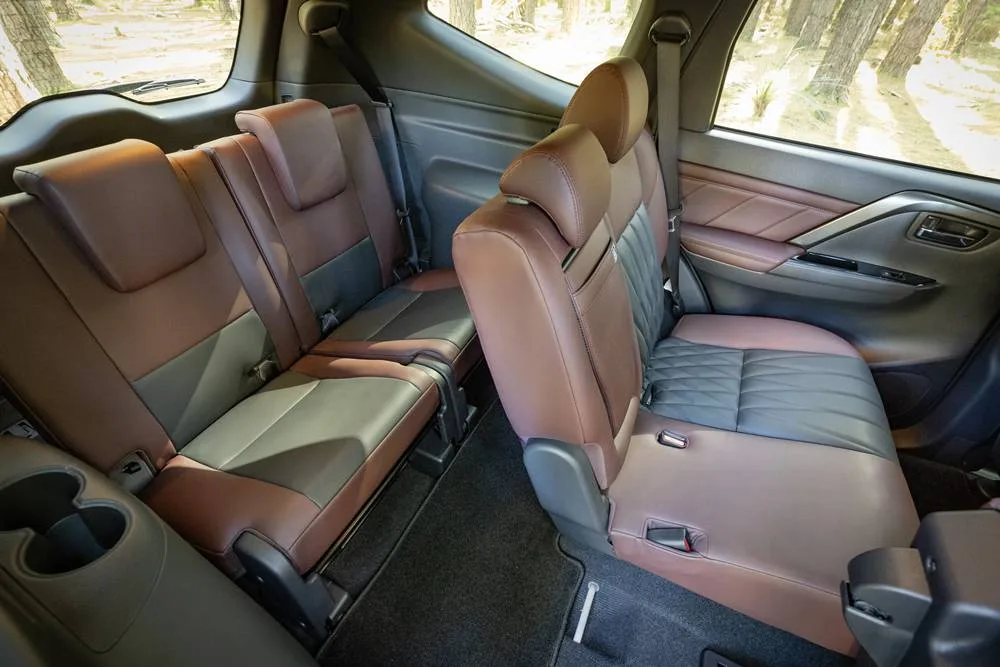
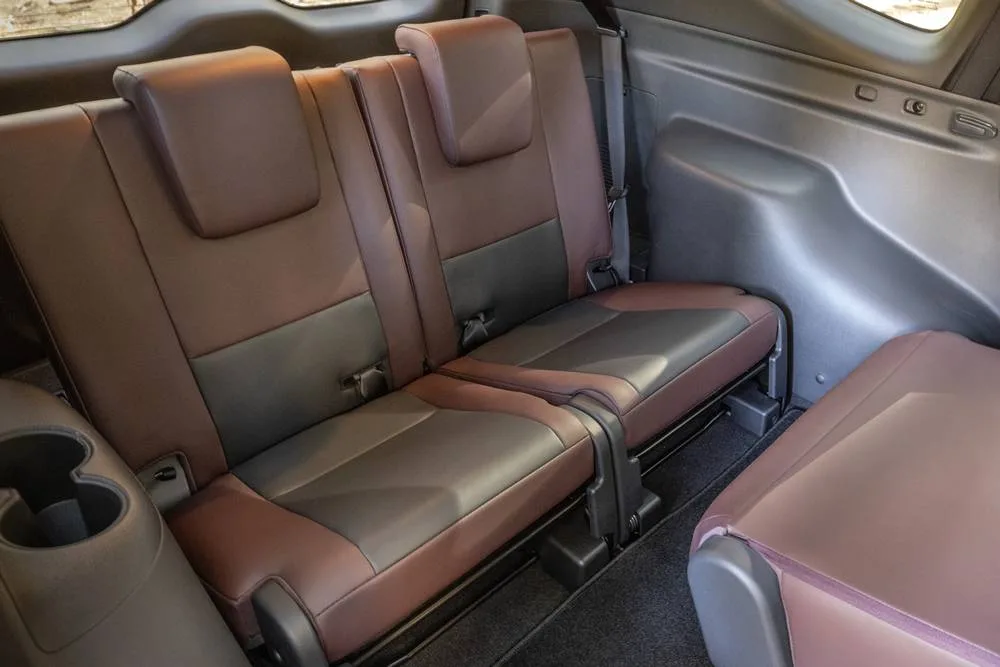
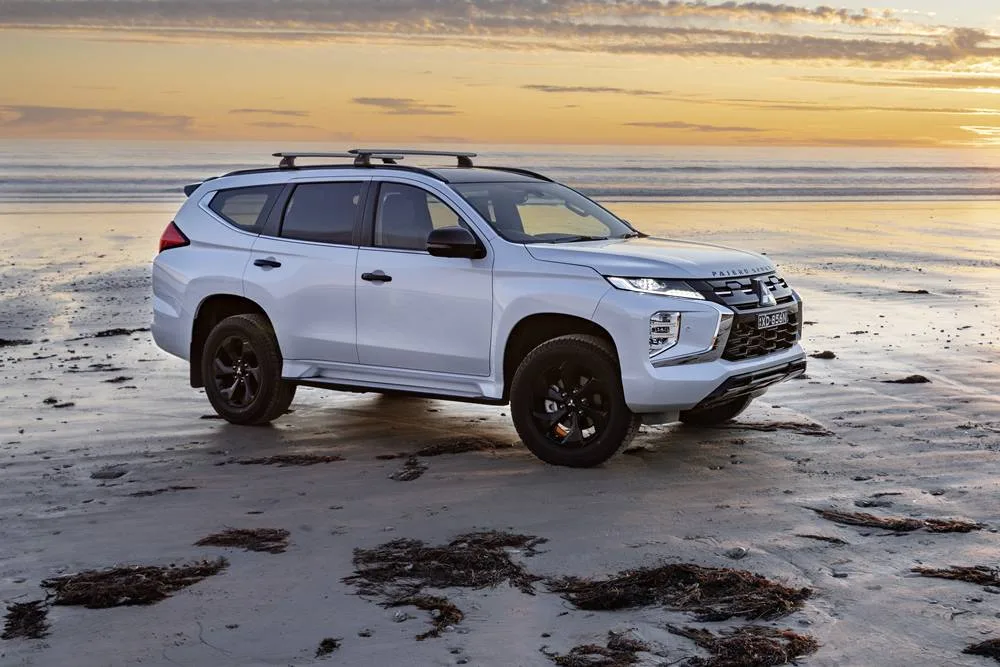
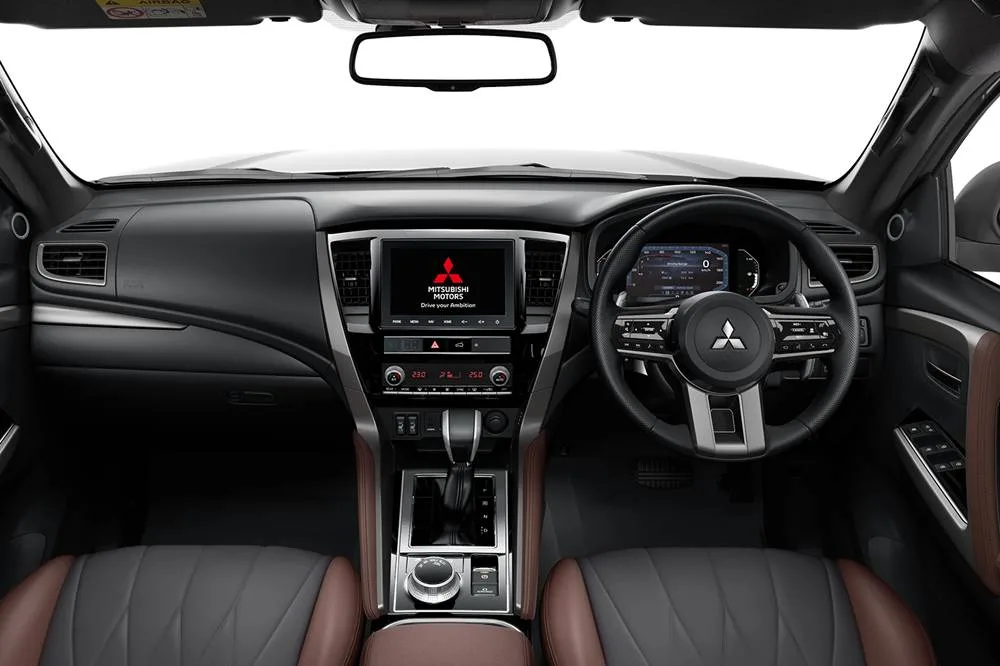

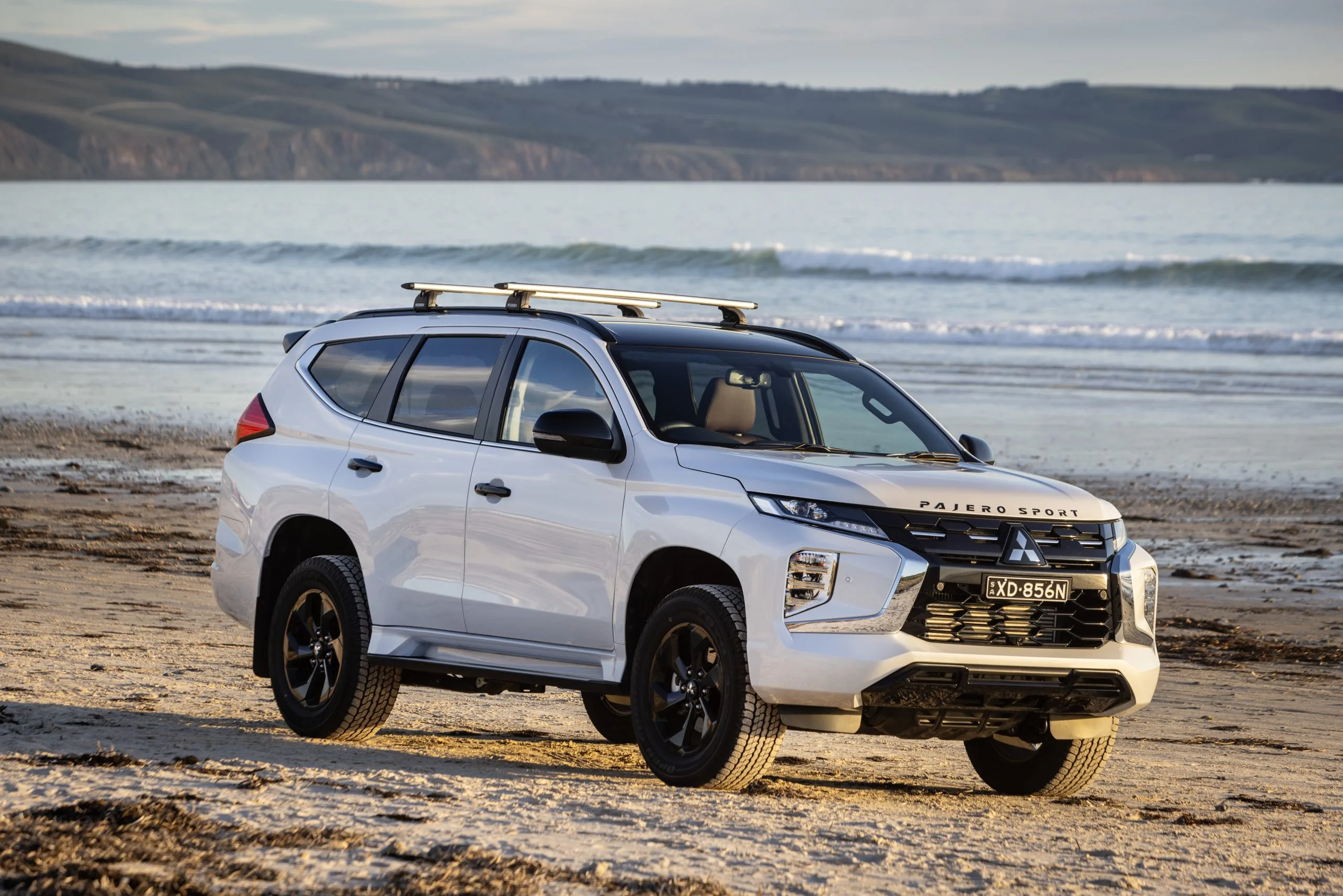
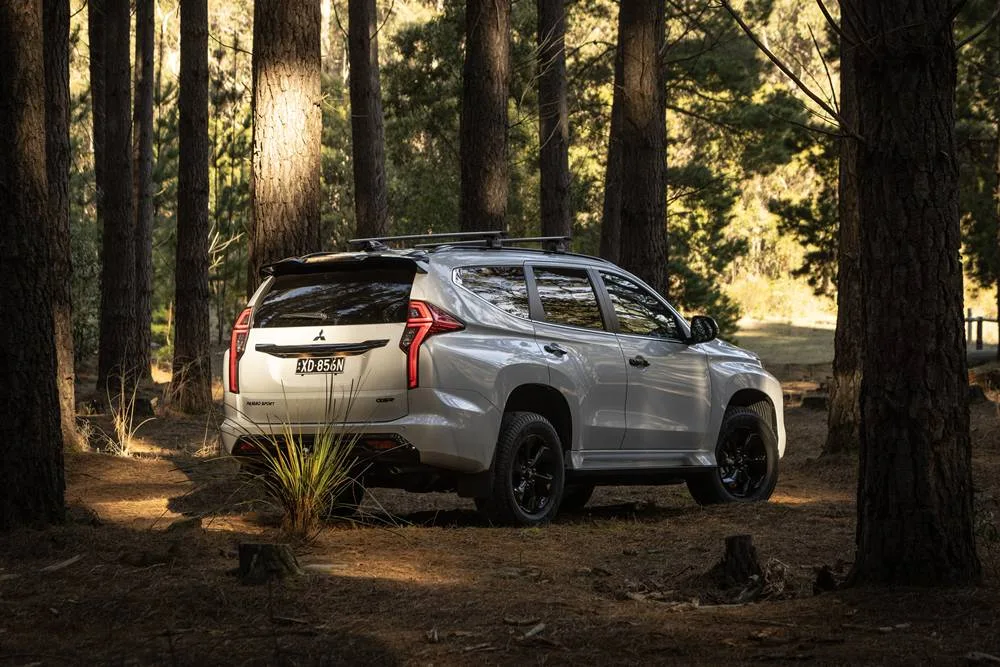
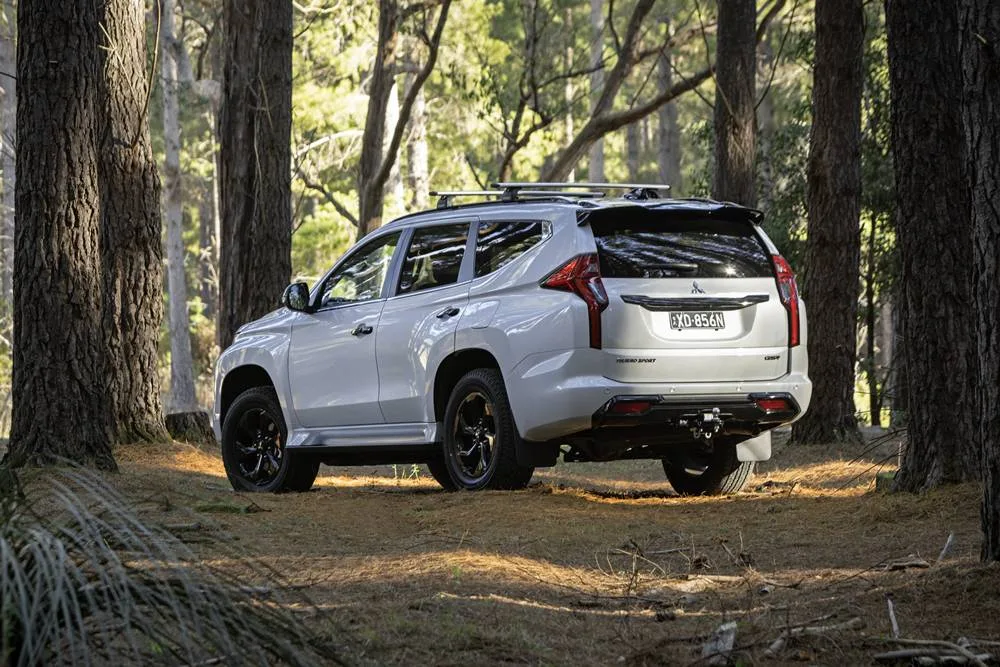
ABOVE: The last of the Mitsubishi Pajero Sport
Can the drive compare?
Most SUVs never venture beyond the odd gravel road or kerb at school pickup. While many dream of going off-piste, these beasts mostly crawl through traffic jams and take up too much space at the supermarket. The majority of trips are solo, so seven seats feel a bit twee.
The off-road tyres make steering vague at best, and the diesel engine clatters like it’s towing a plough through a paddock. The driving position is too high, and the seat doesn’t go low enough. Gents of a certain age aren’t quite as Cirque du Soleil as they once were—every time I got in, I smacked my head, which made longer drives unbearable.
Pajero Sport just doesn’t measure up against the newer crop of soft-roaders with their plush AWD systems. Electric SUVs are on the rise, and before you whinge about towing, ask yourself—how often do you actually see anything being towed on your daily commute? Tradies and gardeners buy utes. Why would you convert a ute into an SUV that still drives like a ute?
Hardcore 4x4s designed to conquer the Nullarbor make zero sense in the suburbs.
I don’t understand why utes are Australia’s top sellers, and I understand even less why SUV-ute hybrids don’t perform better.
Currently, RAV4 is the top seller, followed by Ranger and HiLux. Mitsubishi Outlander sits at number 5, and the new BYD Shark 6 has already nabbed sixth spot. Lesson? Not a single passenger car in the top ten. Four are 4×4 utes, Prado’s a serious off-roader that rarely leaves the bitumen, and the rest are soft-roaders with a 2WD/AWD mix. Three are Toyotas, and the rest are split between Chinese, Korean, and Japanese makes.
Kia just launched the Tasman ute—though the less said about that, the better.
A few final things to consider:
Pajero Sport’s sales were already in decline, and Toyota’s 9-year-old Fortuner (also a ute conversion-Hilux) isn’t doing much better. Everything else in the Top Ten is younger, except HiLux, which turns 10 in 2025. Even then, the HiLux has had ANCAP updates and a few facelifts, though it probably wouldn’t pass the latest 5-star tests. And it’s unlikely to meet NVES targets without some electrification.
With Toyota’s hybrid expertise, it can pivot. Mitsubishi can’t. Mitsubishi is in strfie worldwide and vehicles like this are why, they can’t compete. Perhaps buyers have simply fallen out of love with this kind of vehicle—and honestly, maybe letting it die is the kindest thing. There aren’t enough campers, gay or otherwise, to keep this genre alive.
The Chinese are coming. And they’re deadly serious.
@mitsubishi, #2024mitsubishipajerosport, #gaycampers, #gaycarboys, #alanzurvas
Other GayCarBoys SUV Stories:
- Suzuki Jimny is Everyone’s Must-Have. Here’s Why.
- Sexy Men Drive 2021 Toyota Yaris Cross
- Top 15 gay and lesbian LGBT SUVs
- Toyota Landcruiser VX: King of the Load
- LandCruiser Sahara: Your limo to the wild awaits.
- 2020 Landrover Defender: New, for the sake of it?
- Landrover Defender In Final Desert Testing
- 2020 Range Rover Evoque P250 R-Dynamic S VIDEO REVIEW
- Land Rover Around The World in 70 Days Challenge
- 11 Best Things about VW Amarok
- Toyota Hilux Rugged X Review and video
- Nissan Navara N Trek Warrior VS Toyota Hilux Rugged X down on the Farm.
- 2019 Toyota Hilux Rugged X Review, Road Test, and video.
- RAM 1500 Laramie VIDEO car review
- 2018 Ram 1500 Road Test and Review
- A Weekend Away in a Jeep Compass with 3 Hot Companions
- Is Jeep Gladiator a Backroom Bar on Wheels?
- 2018 Jeep Compass Limited Review
- 2020 Mitsubishi Pajero Sport Exceed review in the DUNES
- 2020 Mitsubishi Pajero Sport
- 2018 Mitsubishi Pajero Sport GLX Review
- Is 2023 Mitsubishi Outlander PHEV EV the Best Car on the Road
SHORT Video Review: Lexus LC500 Convertible Roof operation. Mesmerising. Sorry about the rubbish background
@lexus, #lexuslc500convertible, #alanzurvas, #gaycarboys
#automobile #shorts #audietrongtrs #gaycarboys #alanzurvas ##shorts

Alan Zurvas is the founder and editor of Gay Car Boys, Australia's leading LGBTQI+ automotive publication. Before launching GCB in 2008, Alan's automotive writing was published in SameSame.com.au and the Star Observer. With over 16 years of hands-on car reviewing experience, Alan brings an honest, irreverent voice to every review — championing value and innovation over brand loyalty.
Leave a Reply