
Modern driver and safety aids are intended to make roads safer, but lane assistants have been widely criticised for their unwelcomed intervention. Such driver aids are now ubiquitous, and complaints have increased, but is it a matter of
ANCAP conducts collision avoidance and crash tests and has recently focused on assessing real-world driver experience and usability of lane support systems. ANCAP new research project designed to intentionally capture the steering force, intervention timing, and correction severity of Lane Keep Assist (LKA) and Emergency Lane Keeping (ELK) on vehicles already star rated.
The programme is looking past the vehicle’s ability to intervene and prevent unintentional side-swipe, head-on, or run-off-road crash, and to look instead at the sophistication and integration quality of lane support systems (LSS) instead. In other words, are all lane support systems equal.
ANCAP received driver feedback that the systems were not up to the task. Drivers claim intervention was so annoying that they turned it all off. Lane support applies pressure to the steering system felt by the driver through the steering wheel.
Although the driver can override most of the systems, some, such as emergency braking, will operate regardless.
These avoidance systems use cameras, radars, and sonar singularly or together in order to provide the onboard computers enough data calculate what action was needed. The computations happen at extraordinary speed, and use either the electric steering or the ABS system to stop or steer the vehicle. Older drivers in particular, feel that level of interference to be intolerable.
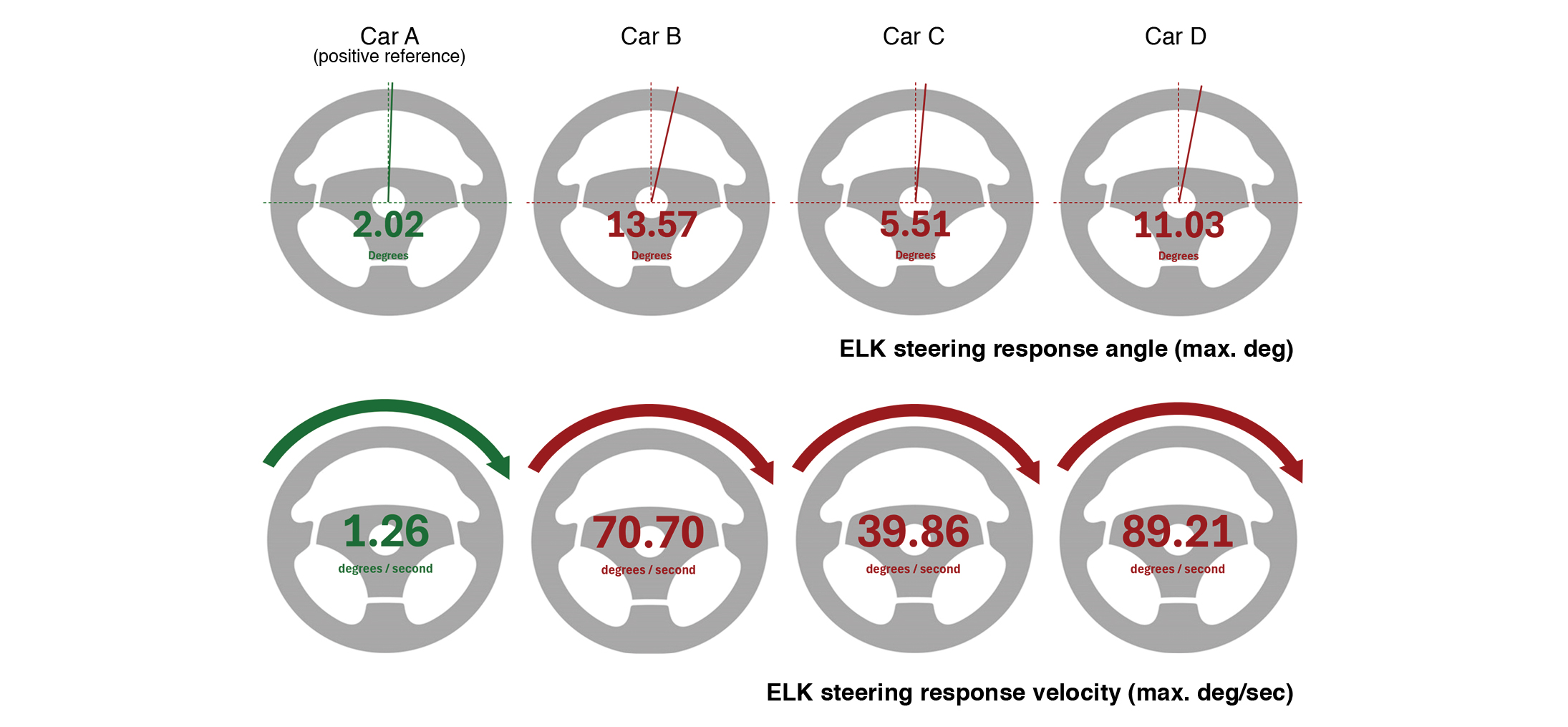
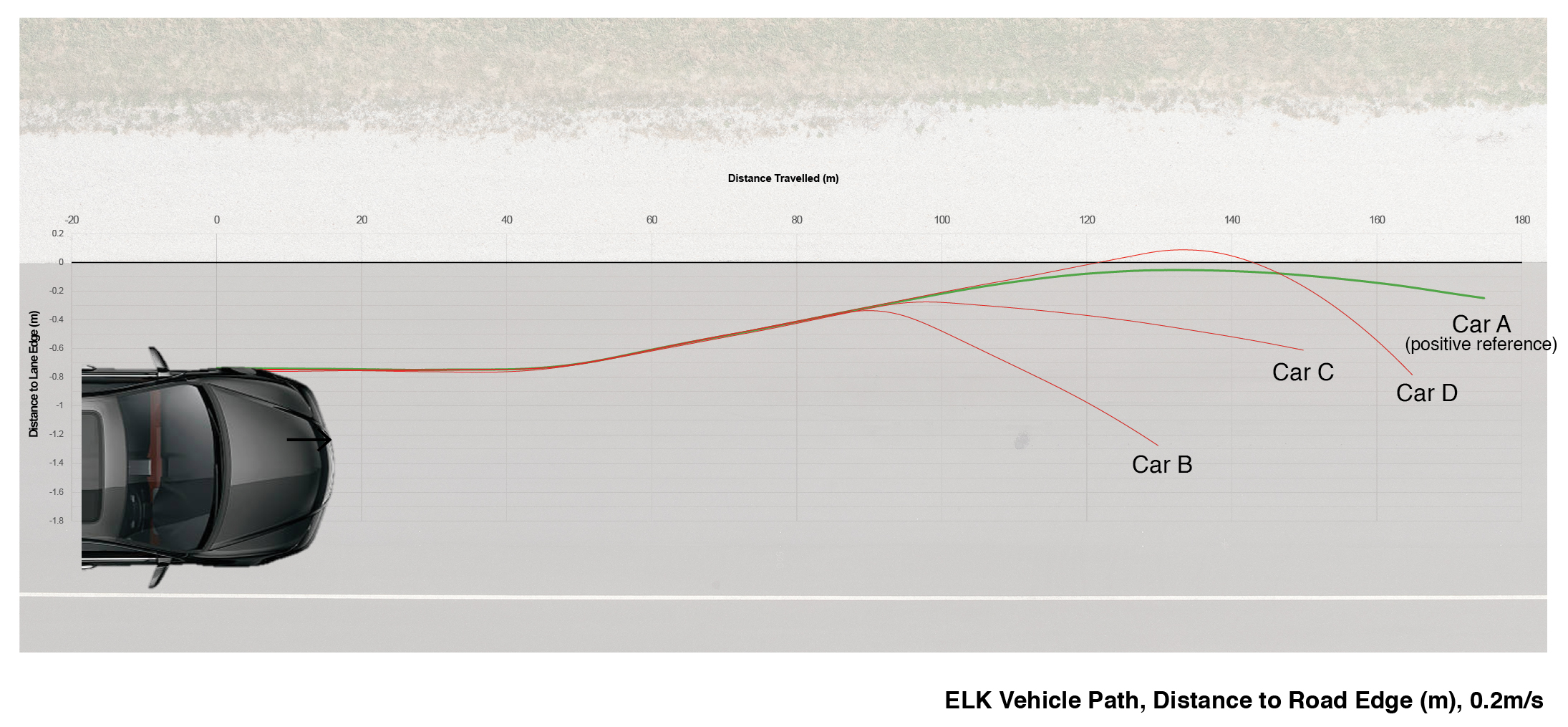
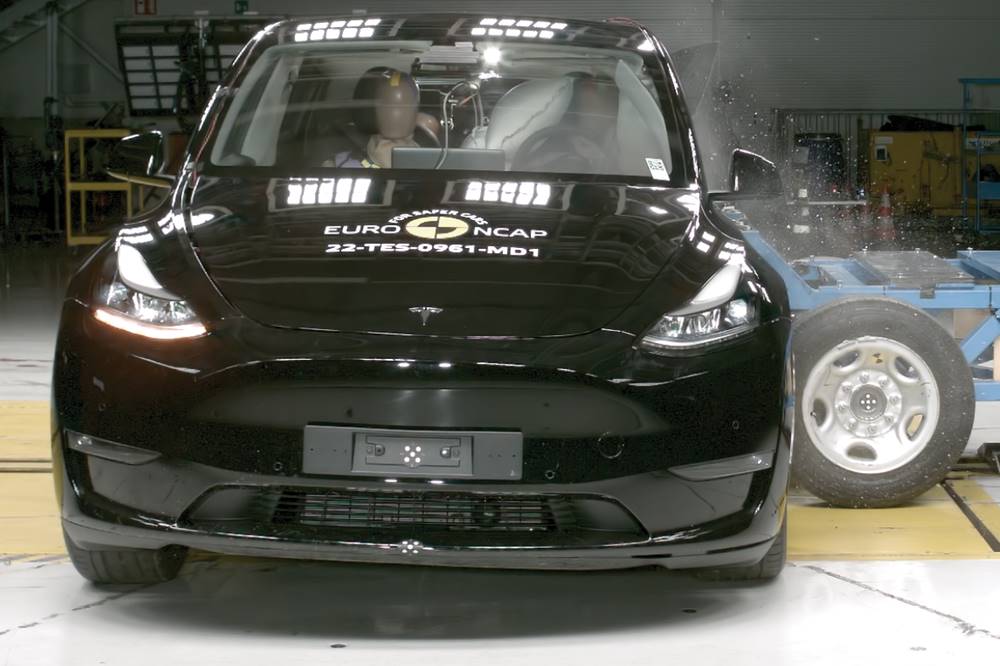

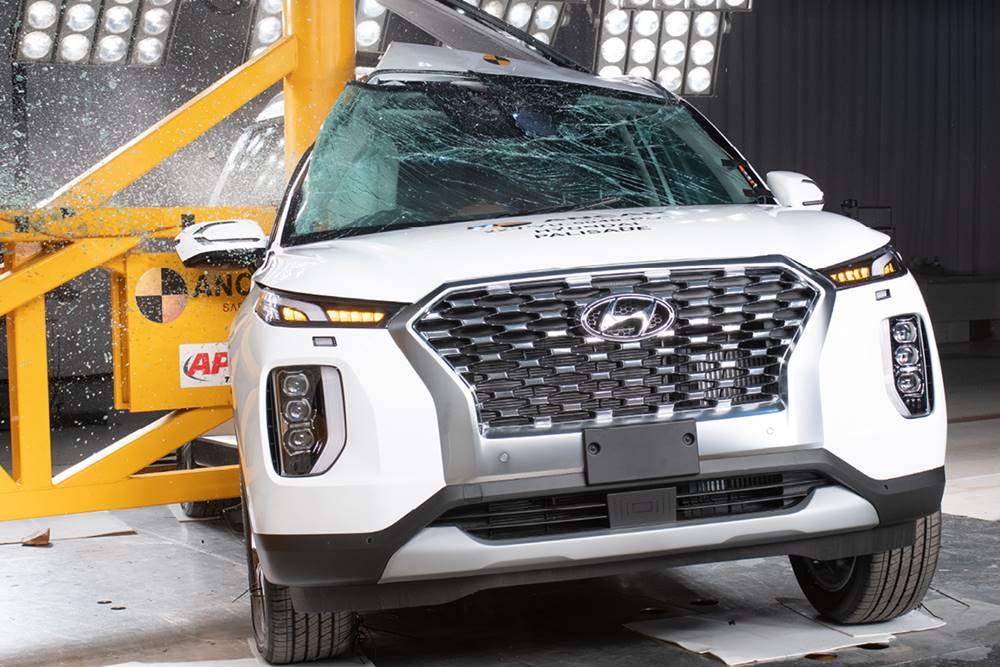
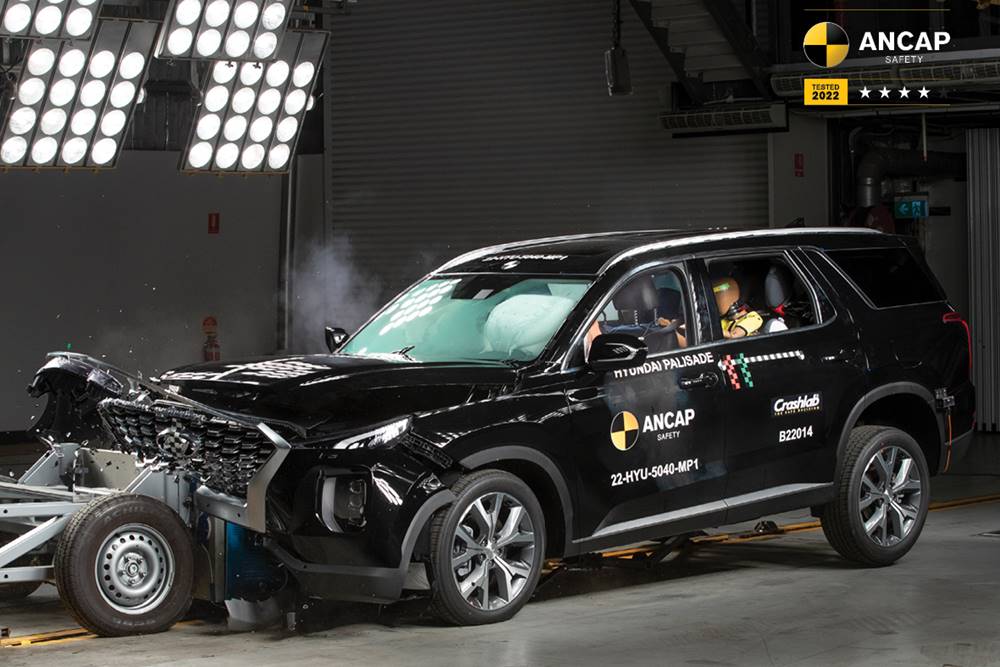


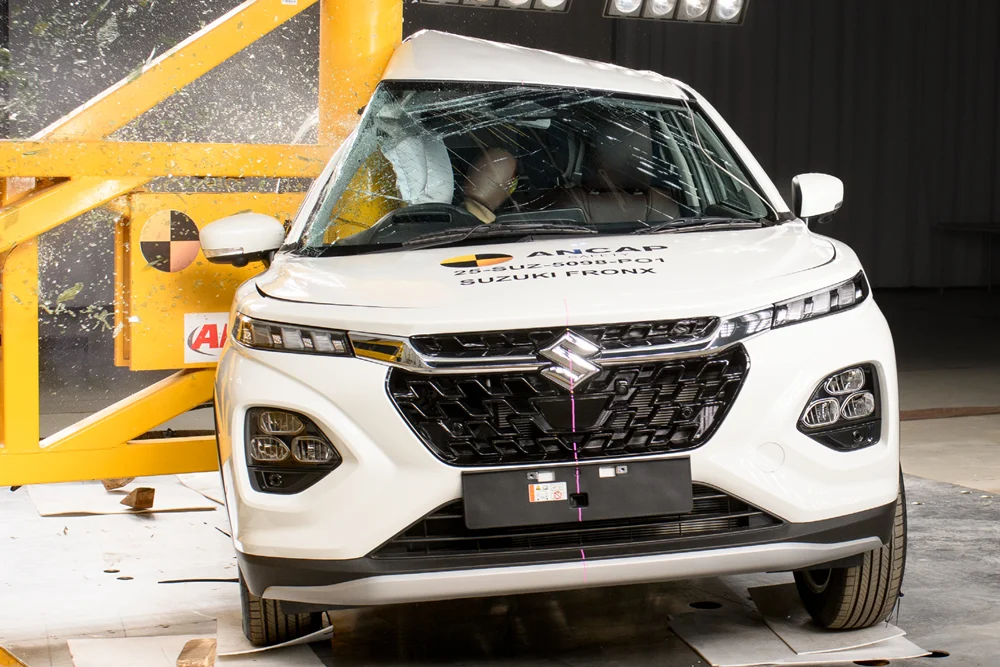
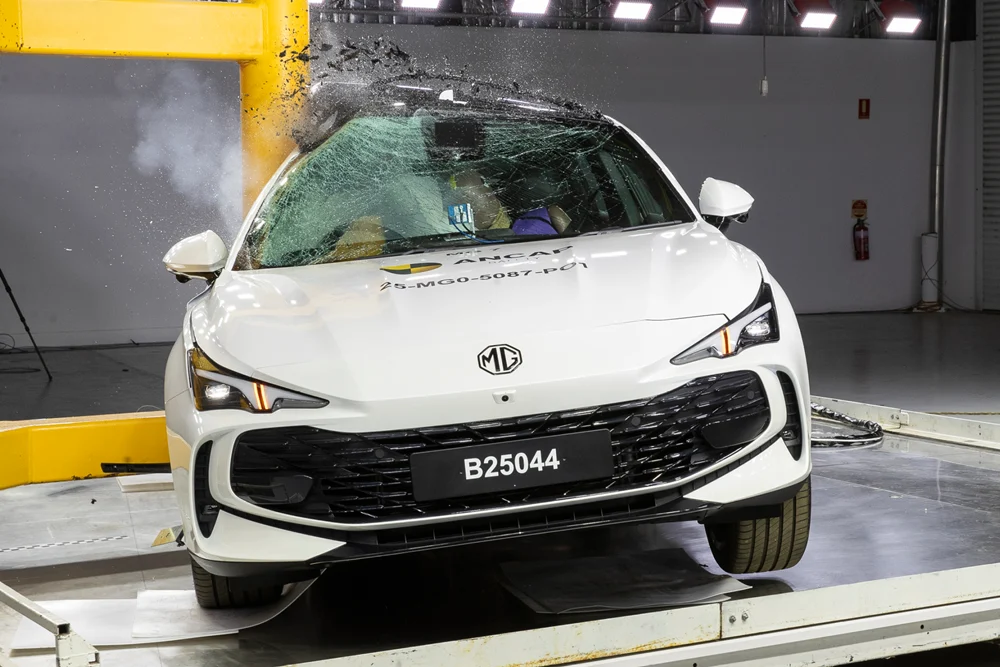
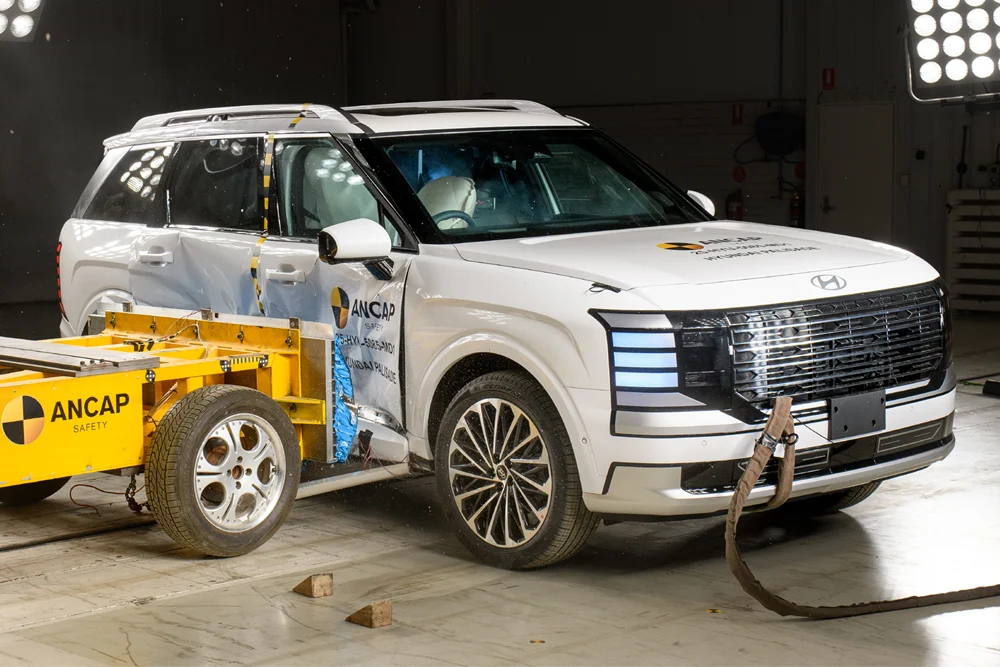
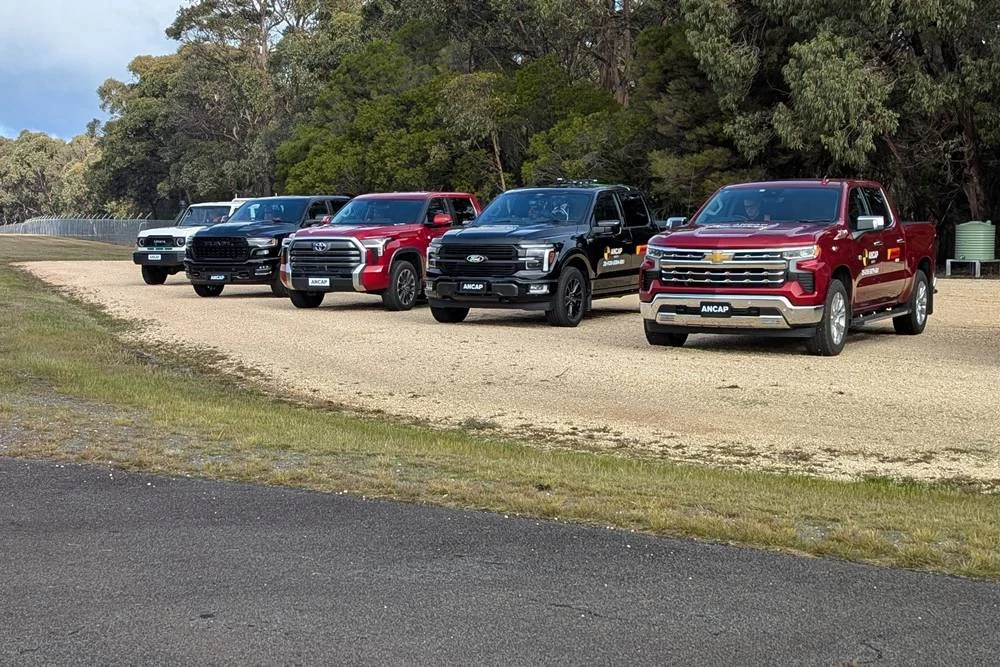
ABOVE: ANCAP testing
Aspects interrogated through this research program include:
- Vehicle path and position – is the autonomous intervention smooth and intuitive?
- Steering angle and velocity – is the intervention response exhibited through gradual change or are there rapid, sharp, unnecessary or jerky steering inputs?
- Steering torque – is the vehicle’s response difficult for the driver to override, leading to a feeling of loss of control?
- Lateral vehicle acceleration – is the sideways force experienced by the driver severe and unnatural?
A pilot group of vehicles have been put through their paces against a baseline ‘positive reference’ vehicle, with early insights showing clear room for improvement.
“This research project is a proactive step ANCAP has taken to help vehicle manufacturers improve the functionality, calibration and integration of their active safety systems,” said ANCAP Chief Executive Officer, Carla Hoorweg.
“Good system design and properly tuned systems are critical to consumer acceptance, and the aspects we’ve examined with this research are those that manufacturers should already be factoring into their systems.”
“The pilot group of vehicle models we’ve assessed has been assembled from direct consumer feedback, where a specific list of models were identified as offering a fairly rudimentary response. Unfortunately, the behaviour of these vehicles is having consumers question the benefits of these systems, and in some cases, turn them off.”
We’ve highlighted this previously in Hyundai Group vehicles whose over-speed warning is rarely allowed to stay active. It operates through the traffic sign recognition system but like almost all such features, is often wrong. Unable to differentiate between school zone times, alarms will sound at any time of the day or night. Rather than allow the constant warnings, it is turned off.
“What we don’t want to see is these systems being badged as ‘annoying’ and switched off,” Ms Hoorweg said.
“What we want to demonstrate are the differences in vehicle behaviour, and by sharing these results, encourage manufacturers to improve their systems.
This will in turn improve the acceptance of these systems by their customers.”
“We saw a great example of manufacturer response to this type of feedback last week with Mitsubishi rolling out an update to its Driver Monitoring System to improve the driving experience of its Triton,” Ms Hoorweg added.
The results of this pilot project will be shared with manufacturers and used to inform refinements to ANCAP’s upcoming 2026-2028 test protocols and criteria.
Additional vehicle models will be examined against the same research criteria over the course of the year, with full results to be released once the broad program of work is complete.
More GayCarBoys Stories:
- DON’T Drive YOUR CAR until you’ve Checked if your AIRBAG will KILL YOU
- Hyundai NEXo Hydrogen Car Record Distance Traveled
- Hyundai IONIQ 5 Full Review
- Hyundai Hydrogen: Incheon International Airport Signs Deal
- Hyundai reveals Prophecy EV Concept
- Hyundai to Launch IONIQ 6 in February
- Hyundai IONIQ 5 Winter Tests on Swedish Ice Lake Video
- Hyundai IONIQ 6 Electrified Streamliner Gets 5 Star Safety Rating
- Is the 2020 Genesis G70 Ultimate Sport a BMW killer?
- Hyundai Genesis: Elegant, sophisticated and premium
- Genesis Tops J.D. Power 2nd Year in a Row
Above: This Week’s VIDEO Car Review – 2024 Peugeot 408 GT PHEV Review Best Peugeot Ever #peugeot408 #alanzurvas, #gaycarboys, #peugeotustralia
Video Review: UNBOXING VALUE FitcamX OEM Style Dashcam #fitcamx #alanzurvas, #gaycarboys
What about some HOT RACING DRIVERS. Gay? Or just plain gorgeous?
SHORT Video Review: Audi e-Tron GT RS Quick Look – Light Show
#automobile #shorts #audietrongtrs #gaycarboys #alanzurvas ##shorts
Discover more from Gay Car Boys
Subscribe to get the latest posts sent to your email.








Leave a Reply