


I was reading a story recently about a Gen Z doing a rather troublesome road trip in an EV. The clickbait head line appeared to be a sad comment on electric cars, and their unsuitability for long distance travel.
OK, we were baited to click.
The idea of the trip was to take a Hyundai IONIQ 5 from Sydney to Canberra and back, using the apps to find chargers.
The story makes owning an EV sound harder than it is. “You can’t do a round trip to Canberra easily,” they claimed. We’ve done this trip with several EVs and had no trouble, but some of the difficulties the writer highlighted are common, even now. It turns out the car worked well, but the charging was a different story.
The writer says outlets were parked in by non-EVs, or didn’t work, or were occupied by a charging EV
The charging rollout will gain speed now the government is no longer actively holding back the installation of infrastructure. Incentives would see the rapid expansion of renewable power and the infrastructure needed to support it, as well as the installation of more EV options.
Gay EV owners tell us that recent floods have made the situation worse for them, especially those with Teslas.
This Week: 2022 Nissan Patrol (Armada) Ti Full Review
Help Support Gay Car Boys Subscribe to our Youtube Channel
- Top GayCarBoys Stories:
- Sexy Men Drive 2021 Toyota Yaris Cross
- 10 Sexiest MotoGP Motorcycle Riders
- DON’T Drive YOUR CAR until you’ve Checked if your AIRBAG will KILL YOU
- 10 Hottest Racing Drivers
- Top 12 Best Gay Lesbian LGBTI Luxury Cars
- Top 10 Gay Lesbian LGBT Cars
- Top 10 Gay Lesbian LGBT Sports Cars
- Top 15 gay and lesbian LGBT SUVs
- Talented Twinks – Callum Ilott Virtually Races Arthur Leclerc
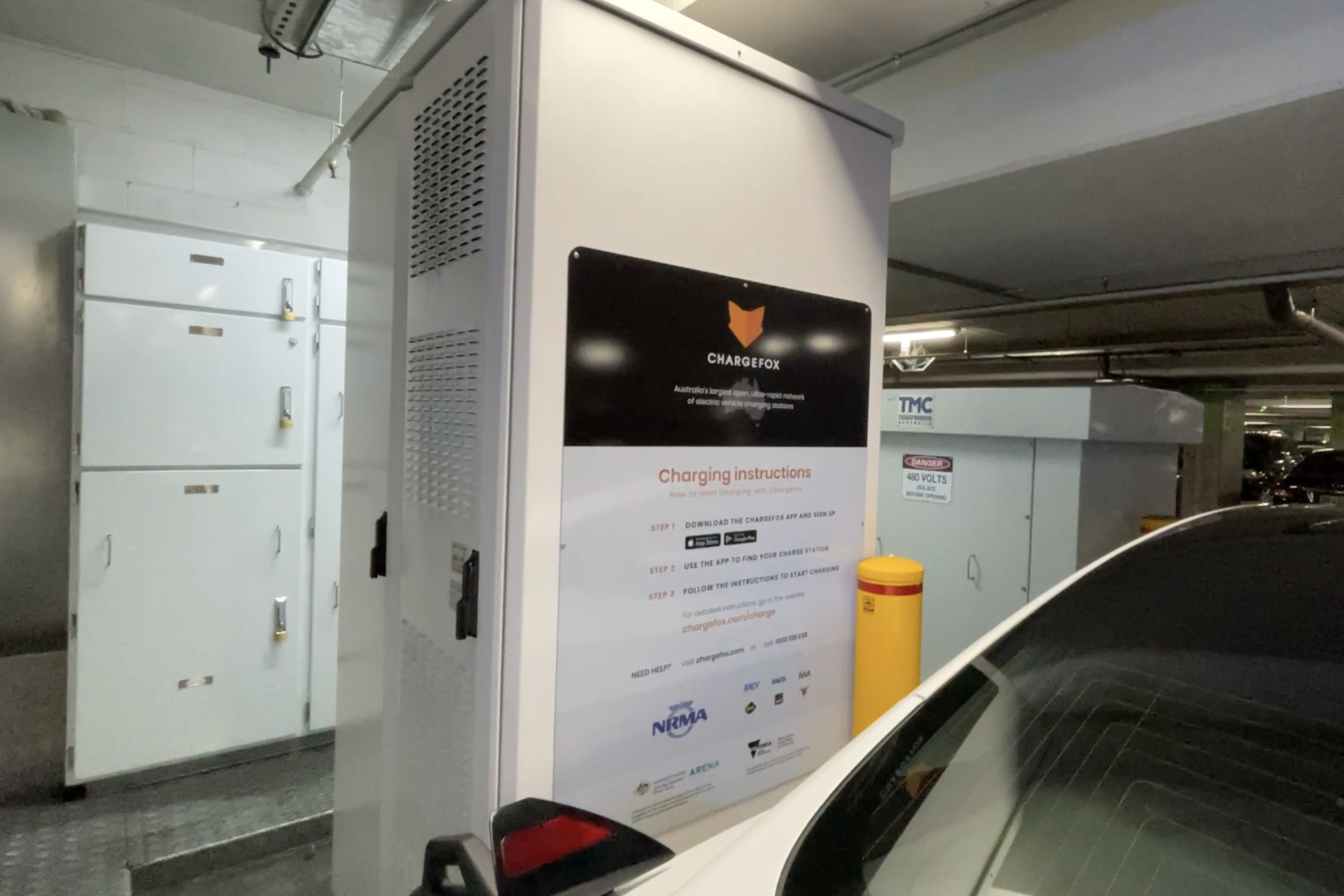


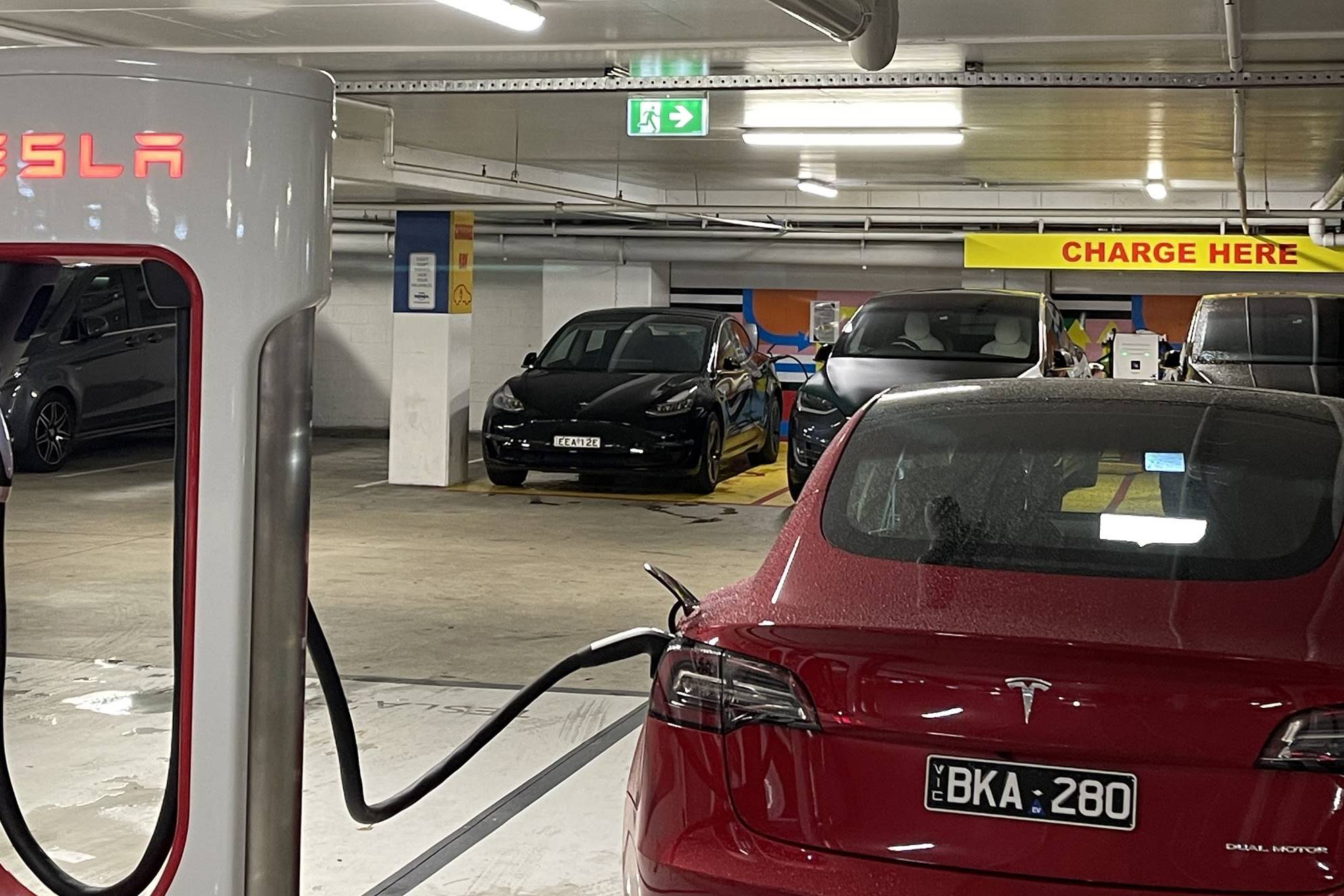
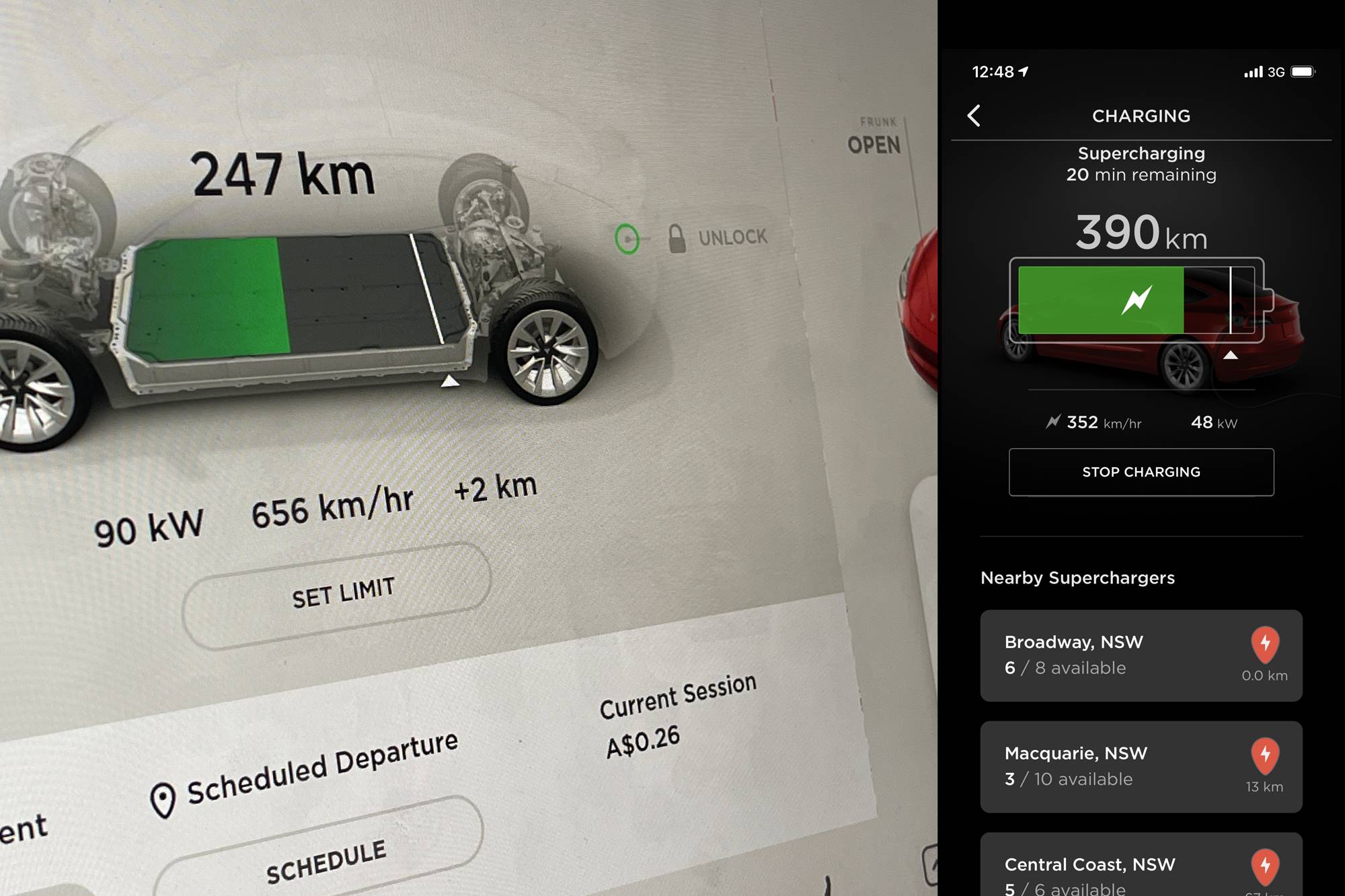
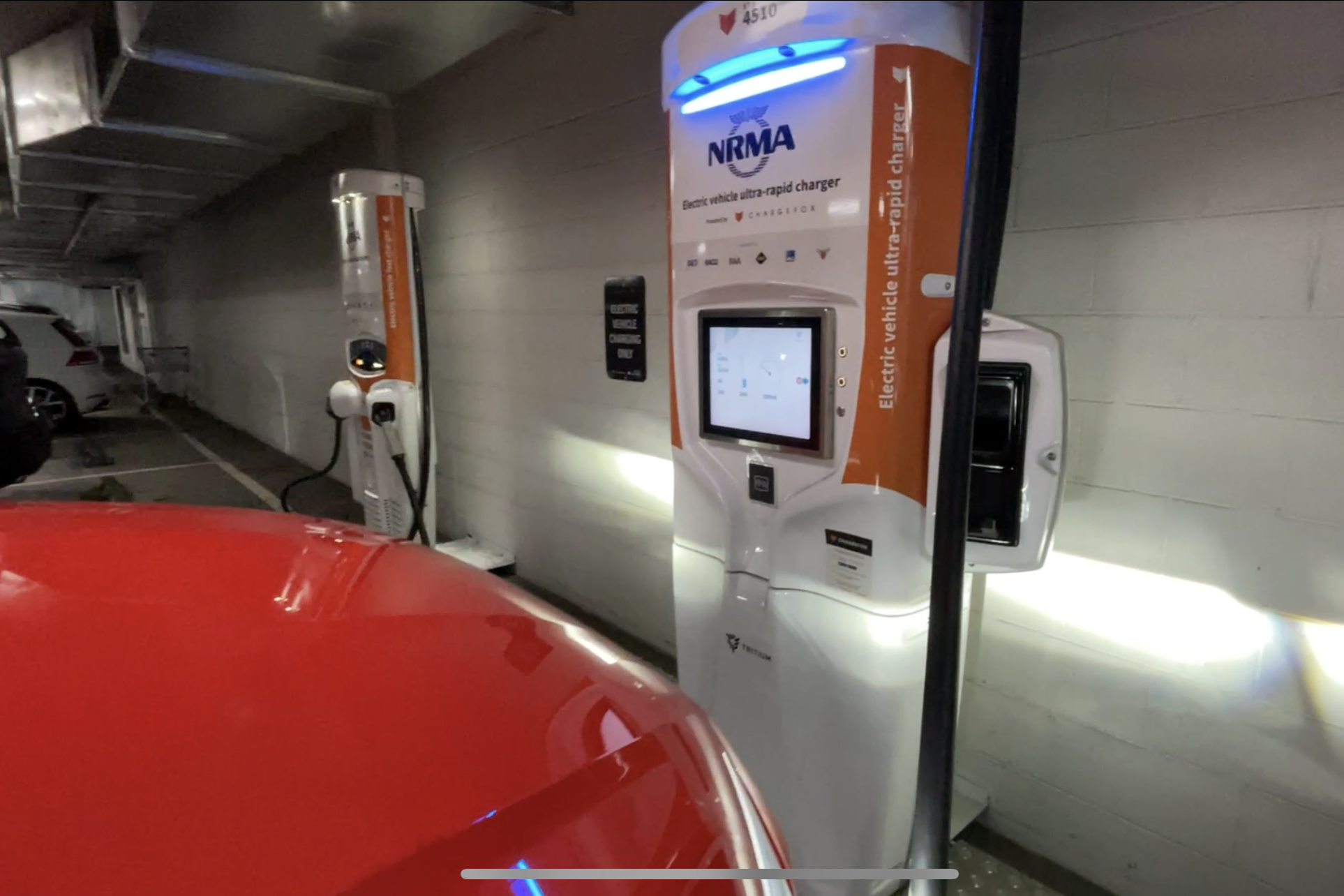

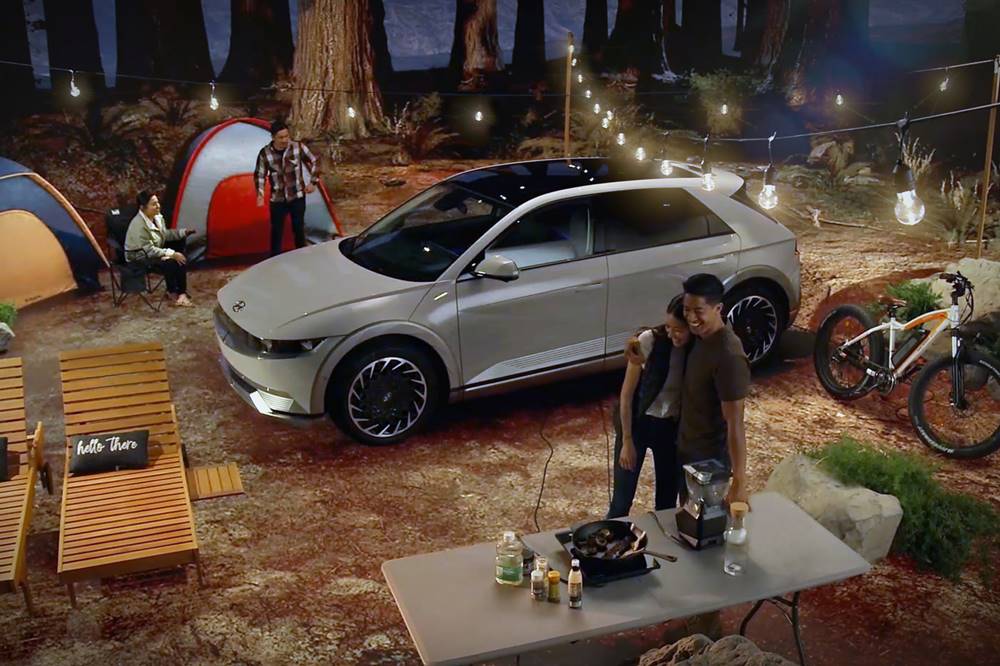

ABOVE: EV Charging and IONIQ5
Power infrastructure:
It seems timely as the east coast states experience the result of failed conservative government policy, and the continued privatisation of power generation and supply.
The threat of rolling blackouts is caused by:
- Reduced capacity of older privatised generators for maintenance
- Inability of a privatised grid to cope with demand, despite being upgraded by government prior to sale
- Withdrawal of capacity by private operators due to a price cap.
Once upon a time, the power system was owned by the government. It was able to invest to keep the system current. It provided reliable power to users, including EV charging operators. However, decades of privatisation have seen the degradation of production and transmission infrastructure from operators focused only on profit instead of service.
The privatisation created an “energy market” which is now being manipulated to protect the profit of investors rather than providing power to users. Just to be clear, there is more than enough capacity but that capacity will not provide enough profit for private operators. As seen in a recent report, none of those operators paid tax in Australia.
Charging:
There are Ultra-Fast chargers at 350kw, but are few between Sydney and Canberra. The 2 in Sydney are not working, so it hardly matters. We then move to the 120 to 150kw chargers such as Tesla super chargers. There are 50kw, and 22kw public options too, but only the lower power ones are free.
To attempt a trip of more than 500km without being able to use high-capacity charging like having a pie and peas without the pie. As it stands, there is no way to ensure a charger will be available when you reach it, or that it will work when you get there. There is no way to “reserve” an outlet, and the app may not be accurate
The writer of the article might have had better luck using the Chargefox app, instead of the Plugshare App. EV owners need a properly resourced centralised app showing all charging options, especially if not able to charge at home.
NOTE: Some EVs have bi-directional charging too, turning them into mobile batteries, so they may even have a part to play in smoothing the grid.
Points to consider:
- While many EV owners can charge at home, those in Highrise units usually aren’t able access to outlets in their garages, relying on public charging instead.
- Most car owners don’t travel more than 50km a day, and those that do, don’t leave the city limits.
- Very few drivers regularly travel long distances
There has been a wasted decade of ideologic bureaucratic paralysis, riddled with corruption, as the lobbyists for fossil interests sink into their own cesspool of irrelevance.
The charging problem is the apparent maintenance standards by Tritium, and Chargefox. Chargefox operates the biggest network of owned and managed outlets, with the faster charge points being Tritium units. Much of the difficulty revolves around the perfect storm of covid, which has ripped through society like a bad dose of Diarrhea with no let-up in sight. Tritium claims it is “waiting for parts” according to the Chargefox app. The Zetland Ultra-Fast chargers have been out of order for almost 6 months.
Conclusion:
The tendency is to fall back on what you know, but with petrol now at $2.50 for 98ron, and coal and gas at record highs, the writing is on the wall.
We can replace fossil fuels fast if we are properly motivated. There is a $10bn a year subsidy for fossil fuels, which the only thing making the current fossil-fuelled system viable.
We’ve seen how fragile our society is. Covid obliterated supply lines, and power is apparently in short supply. Remember the Liberal government and its “Gas Led Covid Recovery”? We have plenty of gas, but it all goes overseas. We have plenty of coal, but it goes overseas too, leaving Australia at the whim of world pricing. That is more failed policy on the part of for-profit ideologs, but I digress.
For the time being, capital city EV charging is coping, just.
Other GayCarBoys EV Stories:
- The Trouble with Electric Car Charging-Polestar 2
- 2022 Polestar 2 Dual Motor Review
- Polestar 2’s Android Google Operating System Top 10 Tips
- Polestar 2 VS Tesla Model 3
- Polestar 2 Where Its Google OS is Star-Trek-Meets-Car-Trek
- How Much and How Long to Charge My Polestar 2?
- We drive 2019 Jaguar I-Pace SE EV400 Electric car
- 2021 Hyundai IONIQ 5 EV Review
- KIA’s EV6 is Finally Here: What a Cracker! FULL REVIEW
- 2021 KIA Niro EV, PHEV and Hybrid First Drive
- Hyundai NEXO Hydrogen Fuel Cell SUV REVIEW
- Is Hyundai’s Kona EV the Best Electric Car on the Market?t
- Audi E- Tron 50 Review PT 1: EV Myths BUSTED!
- 2021 Audi E-Tron 50 Sportback Review: PT 2 The Drive
- 2019 Jaguar I-Pace SE EV400 Driven and rated in GALSTON GORGE Australia Video Review
- Nissan LEAF 2019: All New EV Powers Your Home VIDEO REVIEW
- Hyundai’s 2019 Electric Ioniq: The cheapest EV In Australia?
- New Nissan Leaf Could Power Your Home for a Week
- Tesla Model 3 Colors and Price
- Charging My tesla Model 3
- Tesla Model 3 Full Review Inside, outisde, and Roadtest
- Mini Cooper SE electric
- Karma Starts E-Flex Prototype Testing
- Is Karma Automotive’s New E-Flex Platform a Game Changer