
The Japanese automotive empire in Australia hasn’t just been rattled; it has been systematically dismantled. For twenty-eight years, Japan sat atop the ivory tower of the Australian car market, untouchable and arrogant. In February 2026, that tower didn’t just lean—it collapsed.
The latest VFACTS data is a gruesome autopsy of legacy automotive pride. While the suits in Tokyo and their local subsidiaries were busy polishing their heritage badges, a digital-first, hyper-aggressive wave from China kicked the door down and took the crown. For the first time since 1998, Japan is no longer the primary source of vehicles for Australian driveways. China has seized the throne with 22,362 vehicles sold in a single month, leaving Japan’s 21,671 units looking like a fading memory.
This isn’t a fluke. It is a liquidation of the old guard.
The total market took a 4.5 per cent hit this month, sliding to 90,712 units. In a shrinking market, you either innovate or you evaporate. The legacy brands are choosing the latter. Toyota, the supposed “unshakable” market leader, is currently bleeding out. Their February volume plummeted by 27.8 per cent, crashing to just 13,606 units. That is not a “market correction”—it is a catastrophic loss of relevance. Mazda followed suit, gasping for air with a 19.9 per cent decline.
The silence from the legacy boardrooms is deafening. They spent decades relying on the “rural industrial” feel of ladder-chassis dinosaurs and overpriced SUVs, betting that Australian brand loyalty would last forever. They were wrong. The consumer has woken up, and they are voting with their wallets for technology, value, and brands that actually seem to care about the year 2026.
Enter the Chinese insurgency. While the Japanese giants are retreating, the new nameplates are launching a full-scale assault. Since 2020, ten new brands have landed on our shores, and nine of them are Chinese. These aren’t just budget alternatives; they are tech-heavy disruptors that have scared the life out of the establishment.
Look at the numbers. BYD surged by 62.2 per cent. Chery went into orbit with a 93.2 per cent increase. The Chery Tiggo 4 Pro didn’t just enter the charts; it claimed the number three spot overall with 2,315 sales. That is a 116.8 per cent jump over last year. It is eating the lunch of every mid-sized SUV that dared to rely on a “reputation” rather than a competitive spec sheet.

Help Support Gay Car Boys Subscribe to our Youtube Channel
Above: This Week’s VIDEO Review –2026 Lexus LBX Paradox
#LexusLBX, #LBXSportLuxury, #ToyotaCHR, #LuxurySUV, #HybridCars, #GayCarBoys


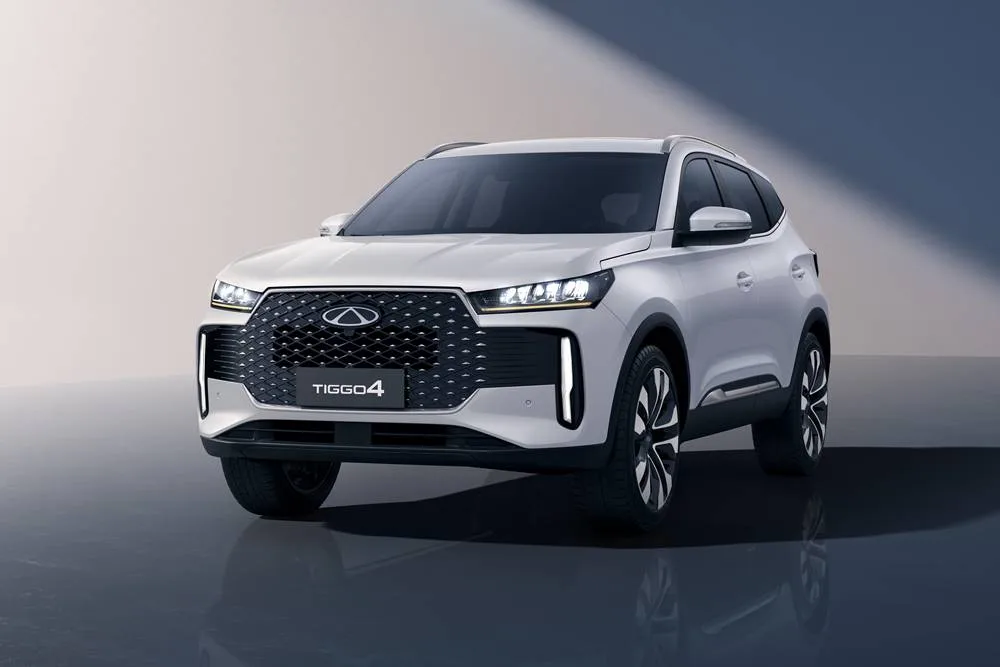
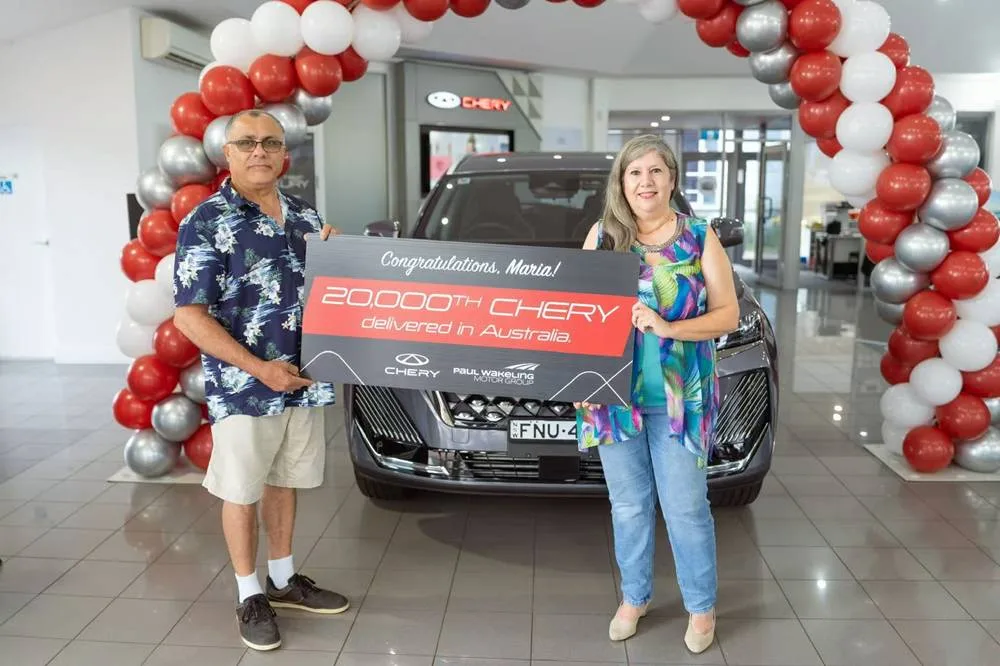
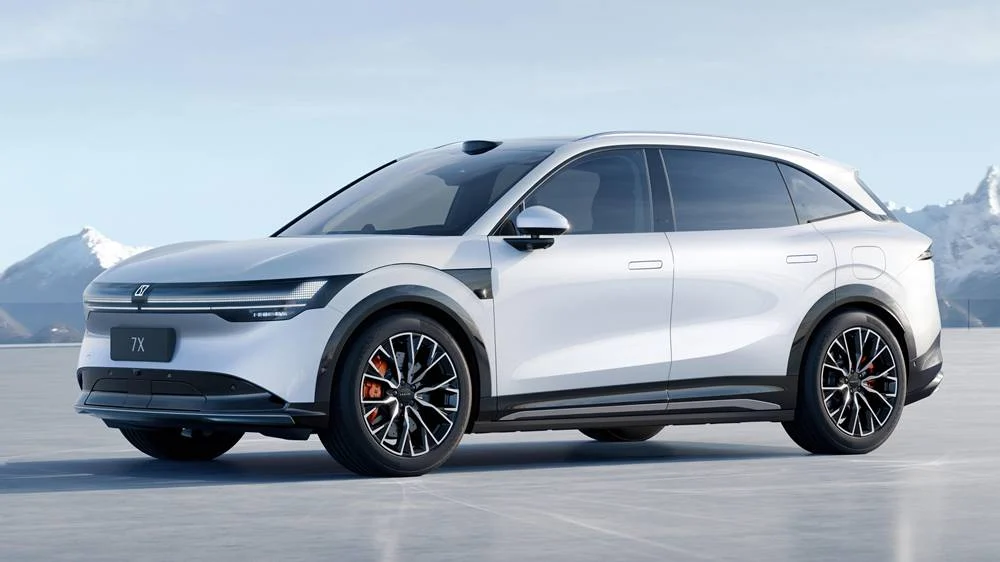
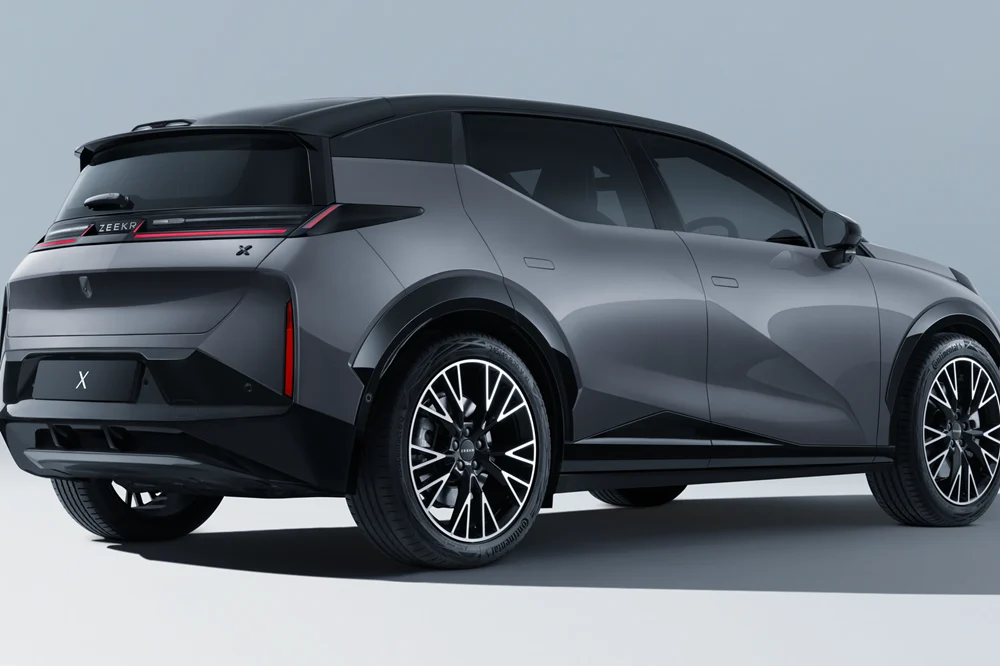
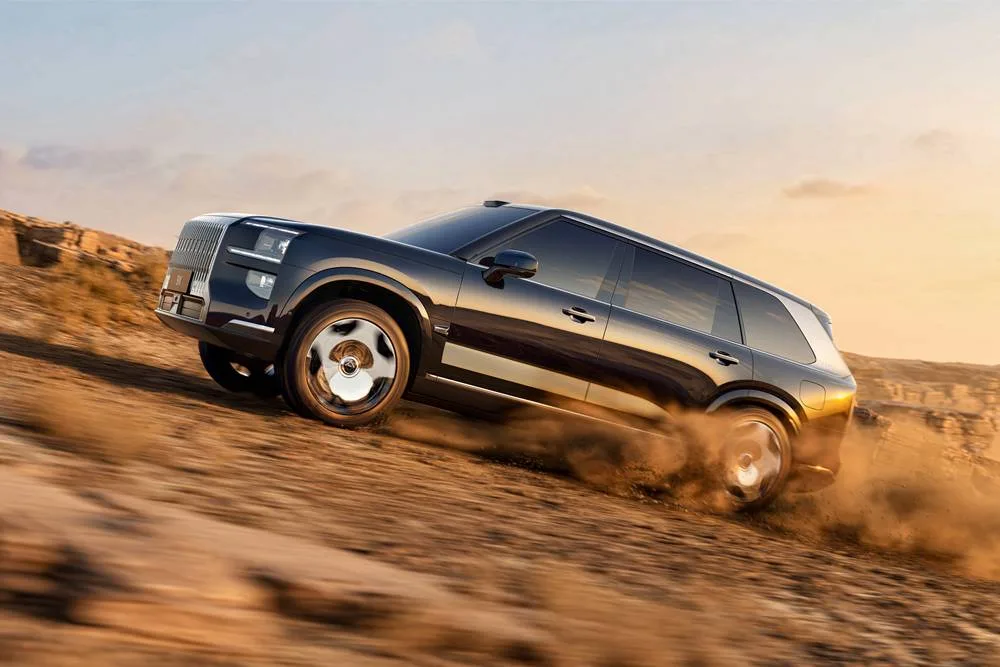
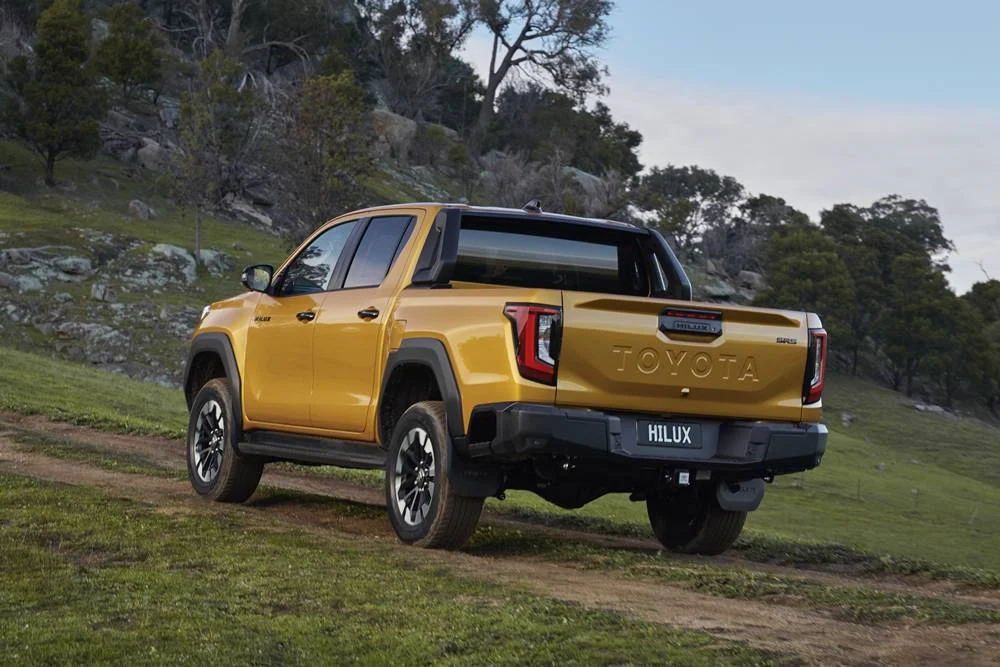
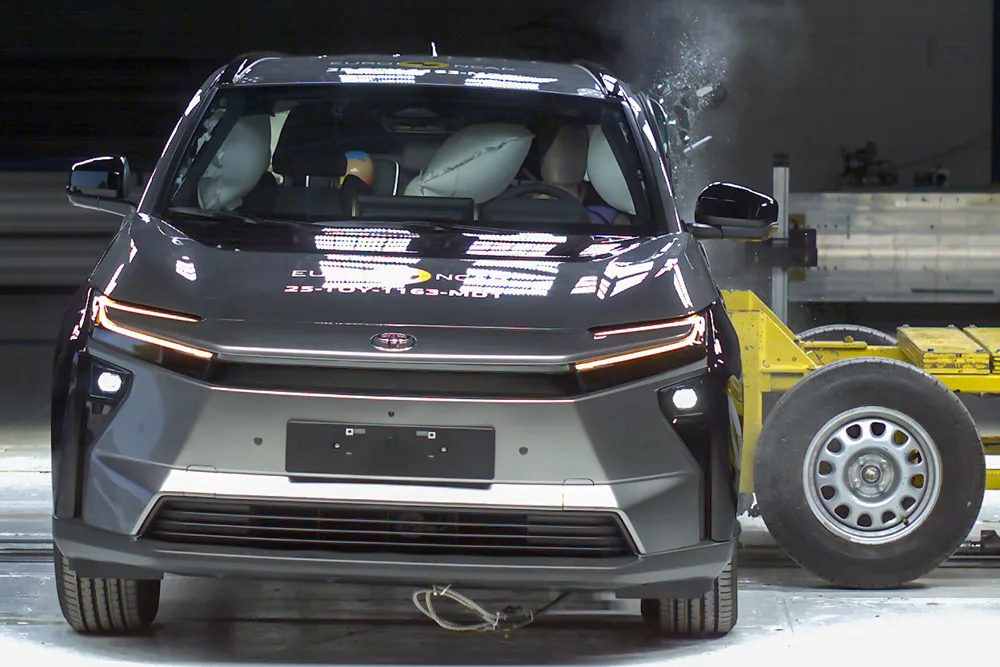
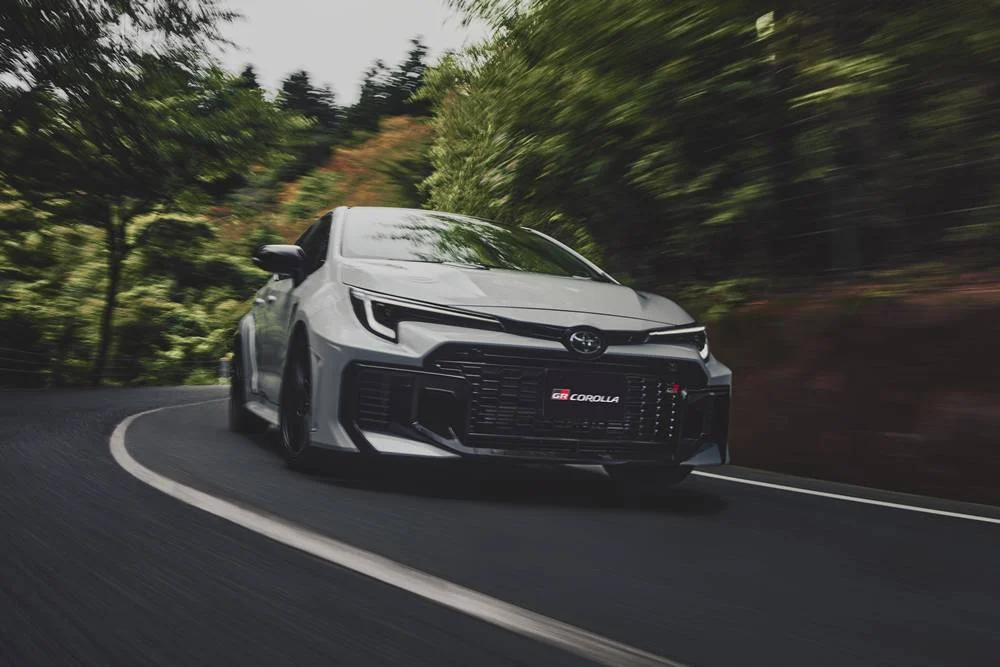


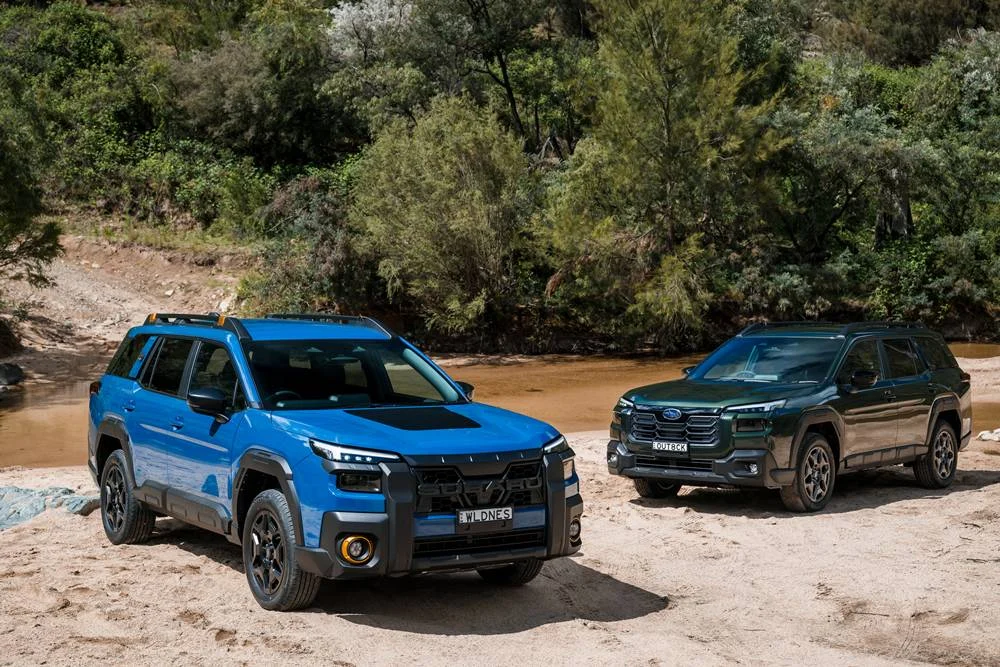

ABOVE: The old and the new
#VFACTS #AustralianAutomotive #ElectricVehicles #CarSales #MarketDisruption #ChineseCars #AutoIndustry #Toyota #BYD #Chery
The shift isn’t just about where the cars are made; it’s about what powers them. Battery electric vehicles (BEVs) hit a record 11.8 per cent market share this month. The “petrol bloodbath” is real. While legacy makers struggle to transition their prehistoric platforms, the Chinese brands are flooding the market with 800V architectures and high-density battery tech that makes the traditional hybrid look like a steam engine.
Even the geography of the decline is telling. Victoria stayed flat, but Western Australia saw a 3.9 per cent dip. Every state is feeling the pressure of a cost-of-living crisis paired with insane fuel prices. With premium petrol edging toward $2.50 a litre, the appeal of a thirsty, old-school V8 or a sluggish diesel is vanishing. The market wants efficiency, and they are finding it in the new nameplates that the legacy makers laughed at five years ago. Nobody is laughing now.
The establishment’s obsession with “heritage” has become their noose. They’ve spent so much time looking in the rearview mirror that they didn’t see the hyper-fast development of the Chinese industry overtaking them in the fast lane. The likes of GWM and MG are now permanent fixtures in the Top 10, with GWM moving 4,813 units—a 37.6 per cent increase. Meanwhile, Ford and Mitsubishi are desperately clinging to their ute sales just to stay in the conversation.
We are witnessing the death of the “safe bet.” The Australian consumer has realised that a badge doesn’t justify a $20,000 premium for inferior technology. They’ve seen through the corporate fluff of marketing brochures and discovered that the “new” players are offering more features, better warranties, and actual stock availability.
The Great Petrol Bloodbath of 2026 will be remembered as the moment the gatekeepers lost the keys. The legacy brands have been outplayed, out-teched, and out-priced. If Toyota and Mazda think they can “brand-loyalty” their way out of this crater, they are more delusional than we thought. The throne has a new occupant, and it doesn’t speak with a Japanese accent. The era of Chinese dominance isn’t coming; it’s already here, and it’s hungry for whatever market share the dinosaurs have left.
The industry is in a state of liquidation. The winners are the ones who embraced the future, and the losers are currently issuing press releases trying to explain why their sales have fallen off a cliff. It’s a brutal, necessary cleansing of a stagnant market. Welcome to the new world order.
Think back to the last decade. Toyota and its peers held a captive audience. If you wanted reliability, you bought Japanese. If you wanted luxury, you looked to Europe. Today, that hierarchy is a pile of ash. The Chinese manufacturers aren’t just matching the quality; they are exceeding the user experience. While a legacy SUV offers a grainy 8-inch screen and wired smartphone connectivity, the Chinese equivalent offers a rotating 15-inch cinematic display, 800V fast-charging that actually works, and an interior that doesn’t feel like it was designed in a 1990s Tupperware factory.
The ” rural industrial” feel that once defined the Australian market—dominated by Hiluxes and Rangers—is facing a demographic shift. Younger buyers don’t care about “unbreakable” marketing slogans from the 80s. They care about integration, sustainability, and not spending $200 every time they visit a petrol station. The legacy brands are still trying to sell a lifestyle that involves crossing the Simpson Desert, while most buyers just want to survive the school run without going bankrupt from fuel costs.
The rise of the 800V EV is the final nail. Brands like BYD are proving that the range anxiety myth was just a shield used by legacy makers to hide their own lack of investment. Toyota and VW have been frantic, adding EV afterthoughts trying to play catchup, but the substandard offerings are expensive and far behind in technology. When you can add 300km of range in the time it takes to buy a coffee, the argument for internal combustion starts to look very thin. The Chinese brands didn’t just build better cars; they built a better ecosystem. Now, there a hyperfast chargers to fully charge batteries with 1,000km range in a few minutes.
Look at the secondary players. Subaru? Once a ten-ten player, is down 16.5 per cent. Volkswagen? Another ex-top-ten brand slipped 10.5 per cent. Even the European prestige brands are looking over their shoulders as models like the Zeekr 001 and MG Cyberster begin to dominate the conversation around performance and luxury. It is a total-war scenario. There are no safe havens left for the complacent.
The data from February 2026 isn’t just a monthly report; it’s a manifesto for change. It signals the end of the Japanese era and the violent birth of the Chinese century in Australian motoring. The petrol bloodbath is only getting started. As the remaining legacy brands scramble to find a strategy, the new leaders are already planning their next move. The market has spoken, and it has chosen progress over tradition.
The “Great Petrol Bloodbath” isn’t an exaggeration. It’s a description of the balance sheets for every dealer principal still trying to move a naturally aspirated 2.0-litre sedan for $45,000 plus on-roads. Those days are gone. The liquidation is in full swing, and by the time the dust settles, the automotive landscape in Australia will be unrecognisable to anyone who grew up with a “Big Two” mindset.
This is the reality of 2026. The crown is gone, the market is shifting, and the legacy giants are officially on notice. The question is no longer “will China take over?” but “how much of the old world will survive the transition?” Based on February’s numbers, the answer for many will be “not much.”
More at GayCarBoys
- Sexy Men Drive 2021 Toyota Yaris Cross
- Lexus IS’s Midlife Facelift is More Than Skin Deep
- Toyota and LEXUS Fuel Pump Recall for Thousands of Vehicles
- LEXUS brings LC Convertible to Australia
- Small SUV Comparison: Citroën C3 Aircross VS LEXUS UX
- 2019 LEXUS LC 500 Review and Road Trip
Help Support Gay Car Boys Subscribe to our Youtube Channel

Alan Zurvas is the founder and editor of Gay Car Boys, Australia's leading LGBTQI+ automotive publication. Before launching GCB in 2008, Alan's automotive writing was published in SameSame.com.au and the Star Observer. With over 16 years of hands-on car reviewing experience, Alan brings an honest, irreverent voice to every review — championing value and innovation over brand loyalty.
Leave a Reply