


To all those numpties who pooh-poohed the South Australia big battery, the proof of the pudding has been in the eating. They’ve had a considerable amount of egg nog on their faces.
“It won’t work”, they said. “It is a waste of money,” they said. Contrary to reports, none of the Tesla batteries used in the array we 2nd hand, all were brand new. It raised the question of the viability of VTG charging at home, and with or without solar panels, it stacks up. Obviously residents with home charging offset by solar will get the most out of VTG, everyone would get a benefit of some kind.
VTG works in electric vehicles that come set up for the process and works through a wall box. Nissan Leaf does this, emphasizing the fact that most cars spend their days parked. Your significant investment is not used for most of its life, and EVs are no different to any other vehicle.
There are loads of EVs which can power external devices and have a household-style socket on board, but Nissan Leaf is the only VTG being sold today. VTG EVs use the charging port to allow power flow in either direction. Wall sockets set up for VTG are then used as usual.
Video Review: 2022 Haval: Jolion HEV VS H6 HEV – A Surprising Result
Help Support Gay Car Boys Subscribe to our Youtube Channel
- Top GayCarBoys Stories:
- Sexy Men Drive 2021 Toyota Yaris Cross
- 10 Sexiest MotoGP Motorcycle Riders
- DON’T Drive YOUR CAR until you’ve Checked if your AIRBAG will KILL YOU
- 10 Hottest Racing Drivers
- Top 12 Best Gay Lesbian LGBTI Luxury Cars
- Top 10 Gay Lesbian LGBT Cars
- Top 10 Gay Lesbian LGBT Sports Cars
- Top 15 gay and lesbian LGBT SUVs
- Talented Twinks – Callum Ilott Virtually Races Arthur Leclerc

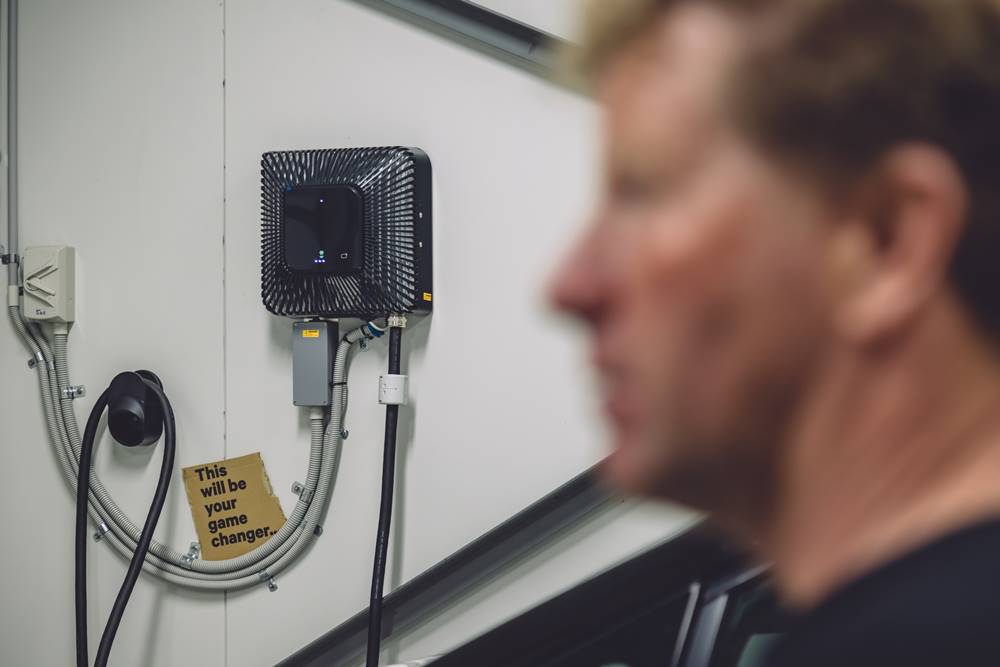

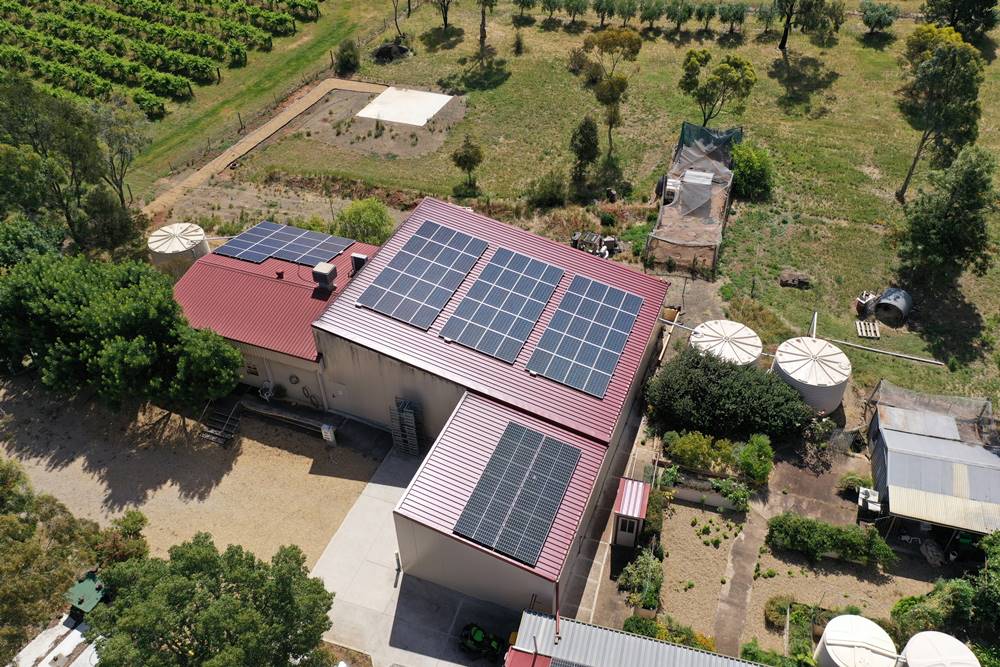


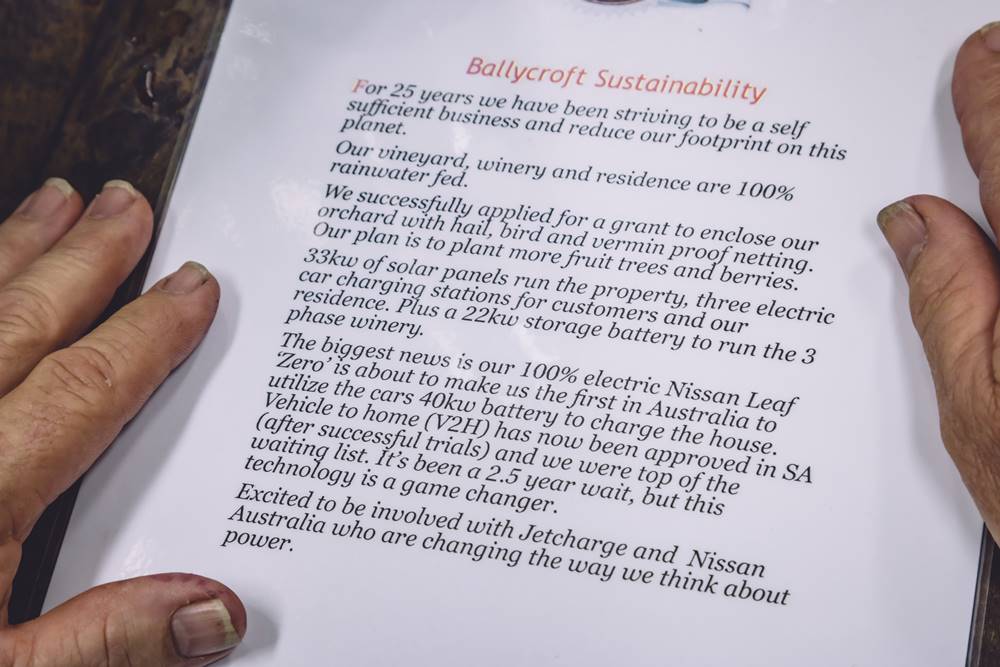

ABOVE: Ballycroft Wines Uses Nissan Leaf to Store Electricity in VTG Installation
The pilot sites in the ACT used 51 Leaf EVs in the same way that South Australia piloted the use of large scale power battery storage. Once connected, they were able to store and discharge at will and in case you’re wondering, the owner is always in charge.
This brings us now to South Australia and its SAPN Wallbox Quasar V2G units.
Winemaker Joseph Evans had a $6,000 p/a power bill. Ballycroft Wines installed enough solar to power the property and business, knocking $4,000 of the top of his bill. A VTG wallbox was installed, then connected to the Nissan Leaf. Joseph now makes $50 a week by selling excess power back to the grid. Rather than being charged 6 grand, he is making $2,500 from selling power.
He uses a phone app to dial up the amount of charge or discharge taking place. If Joseph needs a full battery, he can ensure there is a full top up.
One of the biggest problems with power grids is their instability, vulnerability to interruption by natural disaster, and dependence on fossil fuels. Electricity has to be consumed or stored when produced, and battery storage is still rare. During daylight hours, solar is making power whether it is used or not. Residents without batteries sell their power to the network operator.
Ballycroft is one of the pioneers in the VTG usage in real life. Home power storage is part of a wider shift to renewables and until the grid is 100% renewable, batteries can also be used to store cheap power at night during the off-peak rates.
Other GayCarBoys EV Stories:
- The Trouble with Electric Car Charging-Polestar 2
- 2022 Polestar 2 Dual Motor Review
- Polestar 2’s Android Google Operating System Top 10 Tips
- Polestar 2 VS Tesla Model 3
- Polestar 2 Where Its Google OS is Star-Trek-Meets-Car-Trek
- How Much and How Long to Charge My Polestar 2?
- We drive 2019 Jaguar I-Pace SE EV400 Electric car
- 2021 Hyundai IONIQ 5 EV Review
- KIA’s EV6 is Finally Here: What a Cracker! FULL REVIEW
- 2021 KIA Niro EV, PHEV and Hybrid First Drive
- Hyundai NEXO Hydrogen Fuel Cell SUV REVIEW
- Is Hyundai’s Kona EV the Best Electric Car on the Market?t
- Audi E- Tron 50 Review PT 1: EV Myths BUSTED!
- 2021 Audi E-Tron 50 Sportback Review: PT 2 The Drive
- 2019 Jaguar I-Pace SE EV400 Driven and rated in GALSTON GORGE Australia Video Review
- Nissan LEAF 2019: All New EV Powers Your Home VIDEO REVIEW
- Hyundai’s 2019 Electric Ioniq: The cheapest EV In Australia?
- New Nissan Leaf Could Power Your Home for a Week
- Tesla Model 3 Colors and Price
- Charging My tesla Model 3